
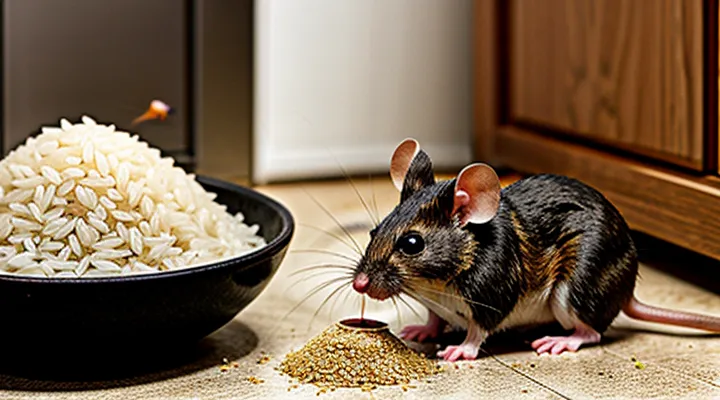
Why Rice is Appealing
Nutritional Value
Rice provides domestic mice with a high‑energy carbohydrate source. One cup of cooked white rice supplies approximately 200 kcal, primarily from starch, which fuels rapid metabolic processes typical of small mammals. The carbohydrate content supports glycogen storage in liver and muscle, sustaining activity and thermoregulation.
Protein in rice is modest, averaging 2–3 g per cup of cooked grain. Essential amino acids such as lysine and methionine are present in lower proportions than in rodent‑specific diets, necessitating supplementation with protein‑rich foods (e.g., legumes, insects, or commercial rodent pellets) to meet growth and reproductive requirements.
Key micronutrients delivered by rice include:
- B‑vitamins (thiamine, niacin, folate) – assist in carbohydrate metabolism and red blood cell formation.
- Minerals (phosphorus, magnesium, small amounts of iron and zinc) – support bone development and enzymatic functions.
- Trace elements (manganese, selenium) – contribute to antioxidant defenses.
Fiber content in plain rice is low; dietary fiber from whole‑grain variants or supplemental sources (e.g., oat bran, hay) is necessary to promote gastrointestinal motility and prevent constipation.
While rice supplies readily digestible energy, reliance on it as a sole staple can lead to nutrient deficiencies, particularly in essential fatty acids, vitamin A, and certain trace minerals. Balanced feeding regimens should combine rice with:
- High‑quality protein sources.
- Fiber‑rich vegetables or grains.
- Fat supplements (e.g., seed oils).
- Vitamin and mineral premixes designed for rodents.
Monitoring body condition and adjusting portion sizes prevents obesity, a common risk when energy‑dense foods are overprovided. Regular veterinary assessment ensures that the nutritional profile remains aligned with the physiological demands of domestic mice.
Ease of Access
Rice presents a highly accessible carbohydrate source for domestic rodents. Its low cost, long shelf life, and common presence in household pantries allow pet owners to provide it without specialized procurement. The grain’s small size and soft texture enable mice to manipulate and ingest it with minimal effort, reducing the energy expenditure required for consumption.
Factors that increase accessibility include:
- Packaging: Unsealed bags or containers expose rice to ambient conditions, allowing rodents to reach it directly.
- Storage location: Placement on low shelves or near feeding stations eliminates the need for climbing or navigating obstacles.
- Preparation: Pre‑cooked or lightly moistened rice softens the grain, facilitating rapid ingestion and digestion.
When rice is readily available, rodents adjust their feeding patterns to incorporate it more frequently. Elevated intake correlates with higher caloric consumption, which can influence growth rates and body condition. Conversely, restricted access—through sealed containers or elevated storage—forces reliance on alternative foods, potentially altering nutrient balance.
Effective management of rice accessibility involves controlling storage practices, monitoring portion sizes, and balancing rice with other dietary components to maintain optimal health outcomes for pet rodents.
Common Feeding Habits
Domestic rodents, particularly house mice, exhibit predictable feeding patterns that reflect their opportunistic omnivory and preference for carbohydrate‑rich grains. Their daily intake consists of small, frequent meals distributed throughout daylight and nighttime cycles, allowing rapid digestion and sustained energy levels.
Typical components of a mouse’s diet include:
- Grains such as rice, wheat, and oats, which supply readily digestible starch.
- Seeds and legumes providing protein and essential fatty acids.
- Fresh fruits and vegetables offering moisture and vitamins.
- Insects or animal protein sources when available, supporting growth and reproduction.
- Human‑derived scraps, especially processed foods high in sugars and fats, which are readily accepted.
Mice demonstrate selective foraging behavior, gravitating toward items with high caloric density and low fiber. Rice, owing to its soft texture and high starch content, is rapidly consumed and efficiently metabolized, making it a preferred staple when present. Consumption rates increase in environments where rice is abundant, often surpassing other grains by 15–20 % in controlled feeding trials.
Water intake correlates with dry food consumption; mice typically drink 4–6 ml per 10 g of dry feed per day. Access to fresh water is essential for maintaining renal function and preventing dehydration during periods of high carbohydrate ingestion.
Seasonal variations affect dietary composition. In colder months, rodents store larger quantities of grains, including rice, in concealed caches to ensure a constant supply. During breeding seasons, protein‑rich foods such as seeds and insects are prioritized to support gestation and litter growth.
Overall, the feeding habits of domestic mice are characterized by high frequency, preference for energy‑dense carbohydrates like rice, and adaptive flexibility that enables exploitation of diverse food sources within human habitats.
Impact of Human Environment on Rodent Diet
Scavenging Behaviors
Domestic mice frequently exploit discarded food, turning waste into a reliable nutrient source. Their opportunistic foraging extends beyond intentional feeding, allowing rapid adaptation to varied household environments.
- Mice locate remnants through olfactory cues, detecting volatile compounds released by decomposing grains, fruits, and processed foods.
- They prioritize high‑energy items such as cooked rice, pasta, and sugary snacks, which accelerate metabolism and support reproductive cycles.
- Scavenging occurs during nocturnal periods, reducing exposure to predators and human disturbance.
- Individuals transport small portions to concealed nests, where they consume or store leftovers for later use.
- Competition among conspecifics can lead to communal feeding sites, especially near kitchen waste bins or pet food dishes.
These behaviors enhance survival by maximizing caloric intake from readily available refuse, contributing to the overall dietary flexibility observed in pet rodents.
Adaptation to Available Food Sources
Domestic rodents exhibit rapid adjustment when food availability shifts, especially toward grain-based resources such as polished rice. This flexibility stems from a combination of metabolic, sensory, and behavioral modifications that enable efficient exploitation of new dietary items.
Metabolic adaptation includes up‑regulation of enzymes that digest starch and simple sugars, allowing faster conversion of carbohydrate‑rich grains into usable energy. Sensory adaptation involves heightened olfactory sensitivity to volatile compounds emitted by fresh rice, which directs foraging activity toward the most nutritious sources. Behavioral adaptation manifests as altered nesting placement and increased nocturnal foraging excursions to capitalize on human‑provided storage areas.
Key adaptive traits observed in house‑bound rodent populations:
- Increased amylase activity in the pancreas and salivary glands.
- Expanded gustatory receptor repertoire for sweet and umami stimuli.
- Preference for low‑risk, high‑yield feeding sites near human dwellings.
- Shortened latency to approach novel grain offerings after initial exposure.
These adjustments influence pest control strategies. Effective measures must account for the rodents’ ability to quickly modify digestive capacity and foraging patterns, employing rotating bait formulations and environmental modifications that disrupt the sensory cues associated with rice storage.
Nutritional Needs of Domestic Rodents
Essential Macronutrients
Domestic rodents that routinely consume rice require three primary macronutrients to sustain growth, reproduction, and physiological functions. Protein supplies amino acids for tissue synthesis and enzymatic activity; a diet containing 15–20 % crude protein by weight meets the average requirement for adult mice and rats. Carbohydrates, chiefly starch from rice, deliver rapid energy; a balanced ration should provide 50–60 % digestible carbohydrate, ensuring glycogen replenishment without excessive post‑prandial glucose spikes. Lipids furnish essential fatty acids and support caloric density; inclusion of 5–10 % total fat, with a proportion of omega‑6 to omega‑3 around 4:1, maintains membrane integrity and hormone synthesis.
Key considerations for formulating a rice‑based diet:
- Protein source: supplement rice with soy, whey, or insect meal to achieve the target protein level.
- Carbohydrate quality: retain whole‑grain rice to preserve fiber, which promotes gastrointestinal motility.
- Fat composition: add modest amounts of vegetable oil or animal fat to supply linoleic and α‑linolenic acids.
- Caloric balance: total metabolizable energy should range from 13 to 15 kcal per gram of feed, adjusted for age and activity.
Monitoring body weight, coat condition, and reproductive output provides practical feedback on macronutrient adequacy. Adjustments to protein or fat levels are warranted when growth rates deviate from species‑specific norms.
Micronutrients and Health
Domestic rodents that preferentially consume rice require specific micronutrients to maintain physiological functions. Excessive reliance on a single carbohydrate source can lead to deficiencies in vitamins and trace elements that are not abundant in polished grains.
Key micronutrients for healthy rodent metabolism include:
- Vitamin A – supports visual acuity and epithelial integrity.
- Vitamin D3 – facilitates calcium absorption and bone mineralization.
- Vitamin E – acts as an antioxidant protecting cellular membranes.
- B‑complex vitamins (B1, B2, B6, B12) – involved in energy production and nervous system maintenance.
- Iron – essential for hemoglobin synthesis and oxygen transport.
- Zinc – required for enzymatic activity, immune response, and wound healing.
- Selenium – contributes to antioxidant defenses and thyroid hormone metabolism.
Deficiency symptoms manifest as poor growth, skin lesions, impaired reproduction, and reduced resistance to infection. Supplementation strategies involve incorporating fortified feed, vitamin‑enriched pellets, or mineral blocks alongside rice to ensure a balanced intake.
Monitoring body condition, coat quality, and activity levels provides practical indicators of micronutrient status. Adjustments to diet composition should be based on regular health assessments and laboratory analysis of blood parameters when available.
Health Implications of a Rice-Heavy Diet
Potential Deficiencies
Rice constitutes a carbohydrate‑rich component of many pet rodent diets, yet reliance on this grain can create specific nutritional gaps. Protein intake may fall short because rice supplies limited essential amino acids such as lysine and methionine, which are crucial for tissue growth and immune function. A diet dominated by rice often lacks sufficient dietary fiber, reducing gut motility and impairing microbial balance within the gastrointestinal tract.
Vitamins and minerals present another area of concern. Rice contains low levels of fat‑soluble vitamins (A, D, E, K) and water‑soluble B‑complex vitamins, particularly thiamine and riboflavin, which support energy metabolism. Mineral deficiencies may arise in calcium, phosphorus, magnesium, and trace elements like zinc and selenium, all essential for skeletal health, enzymatic activity, and antioxidant defenses.
Fat content in rice is minimal, leading to inadequate provision of essential fatty acids, notably linoleic and α‑linolenic acids, which influence cell membrane integrity and inflammatory regulation.
To mitigate these deficits, supplement the diet with:
- High‑quality rodent chow or pellets that meet established nutrient profiles.
- Small portions of lean animal protein (e.g., cooked egg, insect larvae) to supply missing amino acids.
- Fresh vegetables and leafy greens for fiber, vitamins, and minerals.
- Commercially formulated vitamin‑mineral mixes designed for small mammals.
Regular monitoring of body condition, coat quality, and activity levels can reveal early signs of nutritional imbalance, prompting dietary adjustments before clinical symptoms develop.
Obesity and Related Issues
Domestic rodents that receive rice regularly exhibit a marked increase in body mass. Rice provides a high carbohydrate load with low fiber, leading to an energy surplus when portions exceed the animal’s metabolic requirements. Excess calories are stored as adipose tissue, accelerating weight gain in species such as the common house mouse and pet rat.
The resulting obesity predisposes these animals to several health problems:
- Impaired glucose regulation and heightened risk of diabetes mellitus.
- Elevated blood pressure and strain on cardiovascular function.
- Joint stress, reduced mobility, and increased incidence of osteoarthritis.
- Diminished immune response, making infections more severe.
- Shortened lifespan and reduced reproductive success.
Mitigation strategies focus on dietary balance and activity promotion:
- Limit rice to a small fraction of the total diet; replace with high‑fiber, low‑glycemic feed such as whole grains and vegetables.
- Provide measured portions based on body weight and activity level.
- Encourage natural foraging behaviors with enrichment items that require movement.
- Conduct regular weight assessments and adjust feeding plans accordingly.
- Consult a veterinarian for tailored nutritional formulas when obesity is advanced.
Implementing these measures reduces adiposity, improves metabolic health, and extends the quality of life for pet rodents.
Alternative Food Sources for Domestic Rodents
Natural Foods
Domestic rodents exhibit a strong preference for carbohydrate‑rich grains, with rice frequently ranking among the most consumed items. When offered natural diets, these animals select foods that mirror their ancestral foraging patterns, emphasizing energy density and nutrient balance.
Key natural food categories include:
- Whole grains such as oats, barley, and millet, providing starch and fiber.
- Seeds from legumes and sunflowers, supplying protein and essential fatty acids.
- Fresh fruits like apple slices, berries, and grapes, delivering vitamins and antioxidants.
- Leafy greens and root vegetables, offering minerals, moisture, and roughage.
- Insects (e.g., mealworms), furnishing chitin, amino acids, and micronutrients.
In practice, a balanced natural diet for a pet mouse should combine these groups in proportions that reflect wild intake: approximately 60 % grains and seeds, 20 % fruits and vegetables, and 20 % protein sources such as insects. This composition supports optimal growth, reproductive health, and behavioral stability while reducing reliance on processed feeds.
Commercial Rodent Diets
Commercial rodent diets are formulated to meet the specific nutritional requirements of pet mice, rats, and other household rodents. The core components include a balanced mixture of carbohydrates, proteins, fats, fiber, vitamins, and minerals, each calibrated to support growth, reproduction, and health maintenance.
Carbohydrate sources frequently feature corn, wheat, and rice. Rice contributes digestible starch, low‑toxin content, and a neutral flavor that enhances palatability without overwhelming the animal’s palate. Protein is supplied by soy, fish meal, or casein, providing essential amino acids for tissue development. Fat is added in the form of vegetable oils or animal fats to supply energy and aid absorption of fat‑soluble vitamins. Fiber, derived from beet pulp or cellulose, promotes gastrointestinal motility and prevents gastrointestinal problems.
Manufacturers standardize diets into three primary formats:
- Pelleted blocks: compact, low‑dust, suitable for long‑term storage.
- Extruded kibble: irregular shape, high crunch factor, encourages natural gnawing behavior.
- Powdered mash: easy to mix with fresh foods, preferred for breeding colonies requiring supplemental nutrition.
Quality control measures address nutrient consistency, microbial safety, and absence of contaminants. Nutrient specifications are typically expressed as percentages of the total diet, with minimum levels for calcium, phosphorus, vitamin A, and vitamin D3 to prevent deficiencies. Shelf life is extended through airtight packaging and the inclusion of antioxidants that retard lipid oxidation.
Cost considerations influence product selection. Bulk formulations reduce per‑unit expense but may sacrifice ingredient diversity, while premium lines often incorporate specialty grains, prebiotic fibers, and probiotic cultures to support immune function. Veterinary recommendations generally favor diets that meet the National Research Council (NRC) guidelines for rodent nutrition, ensuring that the animals receive a complete and balanced regimen without the need for frequent supplementation.
Preventing Rodent Infestations Through Food Management
Proper Food Storage
Proper food storage is essential for managing the diet of pet rodents that prefer grains such as rice. Secure containers prevent moisture loss, preserve nutritional quality, and reduce the risk of contamination by pests or mold. Using airtight, food‑grade plastic or metal bins eliminates exposure to air and humidity, extending shelf life and maintaining the texture that rodents find appealing.
Implementing a consistent storage routine minimizes waste and supports health monitoring. Store rice in a dedicated compartment separate from other ingredients to avoid cross‑contamination. Label each container with the purchase date and rotate stock so older supplies are used first. Keep storage areas clean, free of debris, and inspect containers regularly for cracks or seal failures.
- Choose containers with a seal rated for at least 30 days of airtight performance.
- Place containers on a dry shelf away from direct sunlight and heat sources.
- Perform a visual inspection of rice before each feeding; discard any beans that show discoloration, clumping, or off‑odor.
- Clean the storage area weekly with a mild, food‑safe sanitizer.
- Record inventory in a simple log to track consumption patterns and detect anomalies.
Waste Disposal Practices
Domestic rodents that favor rice are attracted to improperly managed refuse. Food residues, especially leftover grains, create a reliable source of nutrition, encouraging rodent presence in residential and commercial environments.
Common waste handling methods influence rodent access:
- Open‑top trash bins allow odors and spills to reach the ground.
- Loose garbage bags can tear, exposing contents.
- Compactors without sealed discharge points release particulate matter.
- Street‑level collection without timely removal leaves food waste exposed for extended periods.
Effective waste control reduces the likelihood of rice‑seeking rodents exploiting trash. Strategies include sealing containers with tight‑fit lids, using rigid bins that prevent tearing, scheduling frequent collection to limit exposure time, and implementing secondary containment such as inner liners. These measures diminish food availability, directly limiting rodent foraging opportunities.