
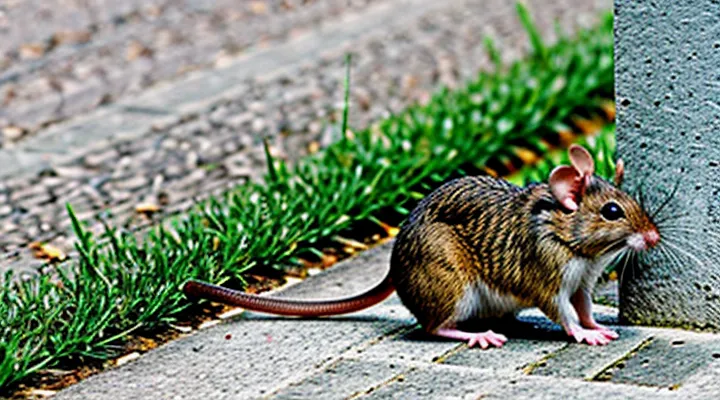
Understanding Mouse Lifespan
Factors Influencing Longevity
Genetic Predisposition
Genetic makeup determines how long individual rodents survive, creating measurable differences among species. Allelic variations in pathways that regulate growth, DNA repair, and cellular senescence correlate with observed lifespan ranges.
Key genetic elements include:
- Insulin‑like growth factor 1 (IGF‑1) signaling – reduced activity extends longevity in laboratory mice and naked‑mole rats.
- Tumor suppressor p53 – hypomorphic alleles delay tumor onset, contributing to longer survival in certain mouse strains.
- Telomerase reverse transcriptase (TERT) – up‑regulation preserves telomere length, observed in long‑lived African pygmy mice.
- Methuselah (mth) homologs – variants enhance stress resistance, linked to increased lifespan in desert‑adapted gerbils.
Species‑specific examples:
- House mouse (Mus musculus) – standard laboratory strains carry high‑activity IGF‑1 alleles, typical lifespan 2–3 years; knock‑out models with attenuated IGF‑1 live up to 4 years.
- Naked‑mole rat (Heterocephalus glaber) – possesses unique p53 mutations and elevated TERT expression, lifespan exceeds 30 years.
- African pygmy mouse (Mus minutoides) – displays a TERT promoter variant associated with telomere maintenance, lifespan up to 5 years.
- Desert gerbil (Gerbillus spp.) – carries mth‑like gene adaptations, median lifespan 1.5 years, with individuals reaching 2.5 years under optimal conditions.
Genetic predisposition thus creates a predictable framework for lifespan variation across rodent taxa. Understanding these hereditary factors enables targeted manipulation of longevity pathways in experimental models and informs comparative studies of mammalian aging.
Environmental Conditions
Environmental factors determine the length of life achieved by mouse species across diverse habitats. Temperature, moisture, nutrition, predation pressure, and habitat structure each produce measurable effects on survival curves.
Ambient temperature regulates metabolic rate. Laboratory studies on Mus musculus show maximal longevity at 22–24 °C; deviations of ±5 °C reduce median survival by 15–30 %. Wild species adapted to arid zones, such as Peromyscus eremicus, exhibit shorter lifespans when exposed to prolonged cold, reflecting physiological constraints of thermoregulation.
Relative humidity influences respiratory efficiency and skin integrity. Experiments with Apodemus sylvaticus indicate optimal lifespan at 45–55 % humidity; higher levels promote fungal infections, while lower levels increase dehydration risk, both shortening life expectancy by up to 20 %.
Food quantity and quality directly affect growth and aging. Consistent access to protein‑rich diets extends median lifespan by 10–25 % in laboratory mice, whereas intermittent scarcity accelerates senescence markers and reduces overall survival.
Predation intensity shapes stress responses and reproductive strategies. Populations under constant predator presence, documented in field studies of Rattus norvegicus, allocate energy to vigilance and rapid breeding, resulting in average lifespans 30 % lower than predator‑free colonies.
Habitat complexity provides environmental enrichment that mitigates stress‑induced mortality. Enclosed environments containing nesting material, tunnels, and foraging opportunities increase longevity in captive rodents by 12–18 % compared with barren cages.
Key environmental conditions affecting mouse longevity:
- Temperature: optimal 22–24 °C; ±5 °C deviation lowers survival.
- Humidity: 45–55 % ideal; extremes raise disease and dehydration risk.
- Nutrition: continuous protein‑rich diet extends lifespan; scarcity accelerates aging.
- Predation pressure: high risk reduces average lifespan by ~30 %.
- Habitat enrichment: structural complexity improves survival by 12–18 %.
Understanding these parameters enables accurate prediction of lifespan variations among rodent species in both natural and controlled settings.
Diet and Nutrition
Dietary composition directly influences longevity across rodent species. Protein intake determines growth rate and tissue maintenance; excess protein accelerates cellular turnover, while moderate levels support steady metabolism. Caloric restriction, typically 30 % below ad libitum feeding, consistently extends lifespan in laboratory mice, hamsters, and gerbils by reducing oxidative stress and enhancing autophagy.
Micronutrients affect survival thresholds. Vitamin E supplementation lowers lipid peroxidation in field mice, improving median lifespan by 10‑15 %. Selenium deficiency shortens life expectancy in deer mice, reflecting impaired antioxidant defenses. Balanced calcium‑phosphorus ratios are critical for skeletal health in aging wood mice; imbalances precipitate fractures and reduce longevity.
Fat quality shapes metabolic health. Diets rich in saturated fatty acids increase adiposity and shorten lifespan in house mice, whereas omega‑3 polyunsaturated fatty acids improve cardiac function and modestly prolong life in laboratory strains. Fiber intake regulates gut microbiota, influencing immune competence and age‑related inflammation.
Water availability is a non‑negotiable factor. Chronic dehydration reduces renal function and accelerates mortality in desert‑adapted rodents, while consistent hydration supports optimal physiological performance across all species.
Key nutritional strategies for extending rodent lifespan:
- Implement 20‑30 % caloric restriction without inducing malnutrition.
- Ensure adequate vitamin E (≥ 150 IU/kg diet) and selenium (0.2 mg/kg diet).
- Maintain a 1:1 calcium‑phosphorus ratio.
- Favor diets with 2‑4 % omega‑3 fatty acids and limit saturated fats to <10 % of total calories.
- Provide continuous access to clean water.
Adhering to these guidelines aligns macronutrient and micronutrient intake with the physiological demands of each rodent species, thereby optimizing healthspan and overall longevity.
Predation and Disease
Predation and disease are primary factors that limit the longevity of rodent species. Carnivorous mammals, raptors, and reptilian hunters impose high mortality rates on mice and related rodents, especially during juvenile stages when defensive abilities are undeveloped. Species that inhabit open habitats, such as the meadow vole, experience greater predation pressure than burrowing species like the pocket gopher, whose subterranean lifestyle reduces exposure to visual predators.
Disease contributes similarly to reduced lifespan. Viral infections (e.g., hantavirus, lymphocytic choriomeningitis) and bacterial pathogens (e.g., Salmonella, Yersinia) spread rapidly in dense populations. Parasitic infestations, including mites, fleas, and nematodes, weaken hosts and increase susceptibility to secondary infections. Immunocompetent rodents can resist low‑grade infections, but chronic disease often shortens adult survival by 20–40 % across species.
Key interactions between predation and disease include:
- Stress from predator encounters suppresses immune function, facilitating pathogen proliferation.
- Injuries sustained during escape attempts provide entry points for bacterial invasion.
- Population reductions caused by predation lower host density, which can temporarily diminish disease transmission rates.
Understanding these pressures clarifies why average lifespans differ markedly among rodents, ranging from a few months in high‑risk environments to several years in protected, low‑pathogen niches.
Lifespan of Common Mouse Species
House Mouse («Mus musculus»)
Typical Lifespan in the Wild
Typical lifespans of wild rodents differ markedly among species, reflecting ecological pressures, predation risk, and reproductive strategies. Small murids often survive only a few months, whereas larger gerbils and ground squirrels may reach several years.
- House mouse (Mus musculus): 0.5–1.5 years
- Deer mouse (Peromyscus maniculatus): 1–2 years
- Meadow vole (Microtus pennsylvanicus): 0.8–1.5 years
- Norway rat (Rattus norvegicus): 1–2 years
- African gerbil (Gerbilliscus spp.): 2–3 years
- Richardson’s ground squirrel (Urocitellus richardsonii): 3–5 years
- Capybara (Hydrochoerus hydrochaeris): up to 8 years
Longevity in the wild is constrained by mortality sources such as predation, disease, and seasonal food scarcity. Species with rapid reproductive cycles tend to allocate energy toward early breeding, resulting in shorter adult phases. Conversely, rodents inhabiting arid or open habitats often develop defensive burrowing behaviors and delayed maturity, extending their survival window. Environmental stability, population density, and intraspecific competition further modulate observed lifespan ranges.
Lifespan in Captivity
Captive environments extend the natural lifespan of many rodent species by providing consistent nutrition, protection from predators, and veterinary care. Longevity records derived from laboratory colonies, pet registries, and zoological collections reveal notable differences among species.
- House mouse (Mus musculus) – average 2 – 3 years; exceptional individuals reach 4 years under optimal husbandry.
- Norway rat (Rattus norvegicus) – typical 2.5 – 3.5 years; laboratory strains may survive up to 5 years.
- Syrian hamster (Mesocricetus auratus) – common lifespan 2 – 3 years; well‑managed breeding lines attain 4 years.
- Dwarf hamster (Phodopus spp.) – average 1.5 – 2 years; best‑case survival 3 years.
- Gerbil (Meriones unguiculatus) – standard 2 – 3 years; controlled environments can produce 4‑year lifespans.
- Prairie vole (Microtus ochrogaster) – typical 1 – 1.5 years; enhanced care extends to 2 years.
- Degus (Octodon degus) – average 5 – 7 years; some individuals live beyond 8 years with rigorous health monitoring.
Factors influencing these durations include diet composition, cage enrichment, genetic background, and disease prevention protocols. Consistent temperature and humidity control further reduce stress‑related mortality, allowing rodents to approach the upper limits of their species‑specific potential.
Deer Mouse («Peromyscus maniculatus»)
Wild Longevity
Wild rodents exhibit a broad range of lifespans when living in natural habitats, reflecting species‑specific physiology, predation pressure, and resource availability. Longevity data collected from field studies provide reliable benchmarks for understanding how long these animals persist outside laboratory conditions.
Field observations indicate that small mice typically survive less than a year, whereas larger relatives can exceed several years. The following list summarizes average wild lifespans for representative species:
- House mouse (Mus musculus): 0.8–1.2 years
- Deer mouse (Peromyscus maniculatus): 1.0–1.5 years
- Southern red‑backed vole (Myodes gapperi): 1.2–1.8 years
- Norway rat (Rattus norvegicus): 1.5–2.5 years
- Eastern chipmunk (Tamias striatus): 2.0–3.5 years
- Prairie vole (Microtus ochrogaster): 2.5–3.0 years
- Capybara (Hydrochoerus hydrochaeris): up to 8 years
Longevity variation correlates with body size, metabolic rate, and ecological niche. Larger rodents possess slower metabolisms and encounter fewer predators, contributing to extended lifespans. Conversely, high predation and rapid reproductive cycles constrain survival in smaller species.
Survival curves derived from mark‑recapture and radio‑telemetry studies reveal that mortality spikes during the first six months for most mouse‑sized rodents, then declines to a relatively stable rate until senescence. Seasonal factors, disease prevalence, and habitat fragmentation further modulate wild lifespan outcomes.
Understanding these natural lifespan benchmarks informs conservation strategies, disease‑vector modeling, and comparative physiology research across rodent taxa.
Captive Lifespan Considerations
Captive rodents generally live longer than their wild counterparts because nutrition, disease exposure, and predation pressures are controlled. Longevity in laboratory or pet settings reflects the interaction of several variables that can be managed to extend life expectancy.
- Balanced diet formulated for species‑specific nutrient requirements
- Genetic background, including inbreeding levels and strain health profiles
- Environmental stability: temperature, humidity, lighting cycles, and space allocation
- Preventive veterinary interventions: vaccinations, parasite control, and regular health assessments
House mice (Mus musculus) typically reach 2–3 years under optimal husbandry, with some laboratory lines exceeding 4 years. Deer mice (Peromyscus maniculatus) average 1.5–2 years, though individuals with enriched enclosures may approach 3 years. Syrian hamsters (Mesocricetus auratus) often live 2–3 years, while dwarf hamsters (Phodopus spp.) attain 1.5–2 years. Gerbils (Meriones unguiculatus) commonly survive 3–4 years when provided with sand bedding and regular health monitoring.
Effective lifespan management includes routine health screenings, environmental enrichment to reduce stress, and diet rotation to prevent nutritional deficiencies. Record‑keeping of breeding lines and health outcomes enables identification of longevity trends and facilitates evidence‑based adjustments to care protocols.
White-Footed Mouse («Peromyscus leucopus»)
Natural Habitat Lifespan
Wild rodents experience lifespan limits imposed by environmental pressures that differ markedly from captive conditions. Predation, seasonal resource fluctuations, disease exposure, and habitat fragmentation truncate the natural life expectancy of each species.
In arid grasslands, the desert pocket mouse (Chaetodipus penicillatus) typically survives 8–12 months, with occasional individuals reaching 18 months when predator density is low. Temperate forests host the wood mouse (Apodemus sylvaticus), whose average wild lifespan ranges from 10 to 14 months; individuals may exceed two years in protected understory niches.
Riverine ecosystems support the water vole (Arvicola amphibius). Field studies report median wild longevity of 1.2 years, extending to 3 years for populations in predator‑sparse floodplain refuges. High‑altitude alpine habitats harbor the snow vole (Chionomys nivalis), where harsh winters reduce average lifespan to 7–9 months, though some adults survive up to 18 months during milder seasons.
Key factors influencing these durations include:
- Predation intensity – higher predator presence shortens average lifespan by 30–50 % across species.
- Food availability – seasonal scarcity can reduce longevity by up to 40 % in herbivorous rodents.
- Climatic extremes – temperature spikes and severe cold increase mortality rates, particularly for species with limited thermoregulatory adaptations.
- Habitat stability – fragmented or degraded environments elevate stress and disease transmission, decreasing average lifespan.
Understanding natural habitat lifespan provides baseline data for comparative studies, informs conservation strategies, and clarifies the ecological roles of rodent populations within their ecosystems.
Captive Care and Longevity
Proper husbandry extends the lifespan of captive rodents beyond typical wild averages. Balanced nutrition supplies essential macro‑ and micronutrients; commercial pellets formulated for the specific species provide consistent protein levels, while fresh vegetables and occasional protein treats prevent deficiencies. Water must be clean, filtered, and available at all times to avoid dehydration‑related morbidity.
Environmental control reduces stress‑induced mortality. Temperature ranges should match natural habitats: 20‑24 °C for Mus musculus, 18‑22 °C for Peromyscus spp., and 22‑26 °C for larger pet rodents such as guinea pigs. Relative humidity maintained between 40 % and 60 % prevents respiratory irritation. Cage size must allow unrestricted movement; a minimum floor area of 0.1 m² per adult mouse is recommended. Bedding composed of low‑dust, absorbent material limits respiratory infections.
Health management relies on regular veterinary assessment. Quarterly physical examinations detect early signs of neoplasia, dental overgrowth, or parasitic infestation. Vaccination programs are unnecessary for most rodent species, but prophylactic anti‑parasitic treatments administered bi‑monthly reduce ectoparasite loads. Prompt isolation of ill individuals prevents pathogen spread within a colony.
Behavioral enrichment supports physiological resilience. Rotating objects such as tunnels, chew blocks, and climbing structures stimulates activity, reduces stereotypic behavior, and promotes musculoskeletal health. Scheduled handling habituates animals to human contact, lowering cortisol spikes during routine procedures.
Breeding practices influence longevity. Avoiding inbreeding depression requires maintaining a minimum effective population size of eight unrelated individuals. Limiting litter size to no more than six pups per dam prevents maternal depletion and improves offspring survival rates.
Key care components influencing captive rodent longevity
- Species‑appropriate diet
- Stable temperature and humidity
- Adequate cage space and low‑dust bedding
- Routine veterinary checks and parasite control
- Environmental enrichment and regular handling
- Genetic diversity in breeding programs
Implementing these standards consistently yields recorded lifespans of up to 3 years for house mice, 4 years for deer mice, and 5–6 years for larger pet rodents, surpassing most wild counterparts.
Laboratory Mouse Strains
Common Research Strains
Research mice constitute the primary model for lifespan studies because their genetics are well defined and reproducible. Lifespan data for each strain provide essential baselines for interpreting age‑related phenotypes, drug efficacy, and disease progression.
- C57BL/6J – Median survival 24–30 months; females typically outlive males by 1–2 months.
- BALB/cJ – Median survival 22–28 months; modestly shorter than C57BL/6J.
- DBA/2J – Median survival 18–24 months; early onset of age‑related hearing loss influences longevity.
- NOD/ShiLtJ – Median survival 14–20 months; autoimmune predisposition reduces lifespan.
- FVB/NJ – Median survival 20–26 months; high reproductive rate correlates with slightly earlier mortality.
- 129S1/SvImJ – Median survival 21–27 months; commonly used for embryonic stem cell work.
Laboratory rats also serve as longevity models. Typical values are:
- Sprague‑Dawley – Median survival 24–30 months; robust growth and high fertility.
- Wistar – Median survival 22–28 months; similar to Sprague‑Dawley but with slightly lower body weight.
Factors that consistently modify these figures include sex, housing density, diet composition, and pathogen status. Standardized environments minimize variability, allowing direct comparison across experiments. Accurate strain‑specific lifespan benchmarks are therefore indispensable for designing age‑dependent studies and for translating findings to broader biological contexts.
Factors Affecting Lab Mouse Lifespan
Laboratory mouse longevity is determined by a combination of intrinsic and extrinsic variables that interact throughout the animal’s life cycle. Genetic background sets the baseline lifespan; inbred strains such as C57BL/6 typically live 2–3 years, whereas outbred stocks may reach 4 years. Specific mutations—particularly those affecting metabolism, DNA repair, or immune function—can shorten or extend survival by several months.
Environmental conditions exert measurable effects. Standard housing temperature (20–22 °C) reduces thermoregulatory stress; deviations increase metabolic demand and accelerate aging. Light cycles synchronized to a 12 h/12 h pattern maintain circadian rhythm, while irregular illumination disrupts hormonal balance and shortens lifespan. Cage density influences social stress; overcrowding elevates corticosterone levels and correlates with higher mortality.
Nutritional factors contribute directly to health span. Diets formulated with balanced macronutrients and micronutrients support organ function; caloric restriction of 30 % has been shown to increase median lifespan by 15–20 %. Conversely, high‑fat or low‑protein regimens accelerate obesity‑related pathology and reduce survival.
Health status and pathogen exposure are critical. Specific pathogen‑free (SPF) colonies exhibit lower incidence of respiratory and gastrointestinal infections, resulting in longer average lifespans. Routine health monitoring and prompt treatment of spontaneous tumors or metabolic disorders prevent premature death.
Experimental manipulations can modify longevity unintentionally. Surgical procedures, anesthesia, and repeated handling introduce physiological stress; minimizing frequency and employing refined techniques lower associated mortality. Chemical agents used in research may have toxic side effects that shorten lifespan unless dosage and exposure duration are carefully controlled.
Key factors can be summarized:
- Genetic strain and targeted mutations
- Ambient temperature and humidity control
- Light‑dark cycle consistency
- Cage density and enrichment
- Balanced, possibly calorie‑restricted diet
- Pathogen‑free status and health surveillance
- Minimization of procedural stress
Optimizing these variables yields reproducible lifespan data and improves the reliability of biomedical research involving laboratory mice.
Extending Mouse Lifespan
Role of Veterinary Care
Veterinary intervention directly extends the life expectancy of laboratory and pet rodents. Regular health examinations detect early signs of respiratory infection, dental overgrowth, and gastrointestinal parasites that commonly shorten the survival of house mice, field mice, and related species. Preventive treatments, such as parasite prophylaxis and vaccination against common viral agents, reduce mortality rates by up to 30 % in controlled breeding colonies.
Nutritional counseling provided by veterinary professionals ensures diets meet species‑specific caloric and micronutrient requirements. Balanced feeding regimens prevent obesity, hepatic lipidosis, and deficiencies that accelerate aging processes. Adjustments for age, reproductive status, and activity level are documented in species‑specific feeding tables.
Environmental management, guided by veterinary advice, includes sterilization protocols, temperature regulation, and enrichment devices that mitigate stress‑induced immunosuppression. Implementing these measures lowers incidence of stress‑related disorders, which are a leading cause of premature death in captive rodents.
Key components of veterinary care for mice:
- Routine physical assessment every 3–6 months
- Parasite screening and targeted deworming
- Vaccination schedules for prevalent viral pathogens
- Dental monitoring and corrective trimming when needed
- Dietary formulation based on species, age, and health status
By integrating these practices, caretakers achieve lifespan extensions comparable to the upper limits observed in wild populations, aligning captive longevity with the natural potential of each rodent species.
Optimal Habitat Design
Designing enclosures that support the longevity of laboratory and captive rodents requires precise control of environmental variables, structural features, and enrichment resources. Temperature stability within species‑specific optimal ranges reduces metabolic stress; for Mus musculus, 20‑24 °C is ideal, while longer‑lived species such as Cavia porcellus benefit from 18‑22 °C. Humidity should be maintained at 40‑60 % to prevent respiratory irritation and skin dehydration.
Air quality directly influences respiratory health and lifespan. Implement high‑efficiency particulate air (HEPA) filtration, ensure at least 15 air changes per hour, and monitor carbon dioxide levels to stay below 1 % volume. Regular calibration of sensors prevents unnoticed excursions that could accelerate aging processes.
Nesting material and cage complexity affect thermoregulation and psychological well‑being, both linked to survival rates. Provide:
- Soft, absorbent bedding (e.g., aspen shavings) for moisture control.
- Adjustable shelters that allow rodents to retreat from light and noise.
- Vertical structures and tunnels for species that exhibit climbing behavior.
Nutrition and water delivery systems must minimize contamination. Use sealed dispensers with automatic refill alerts; replace water bottles weekly and verify that feed is stored at controlled temperature and humidity to preserve nutrient integrity.
Lighting schedules should mimic natural photoperiods appropriate for each species, typically 12 hours light/12 hours dark, with gradual dimming at transitions to reduce hormonal disruption. Ultraviolet B supplementation may be necessary for outdoor‑adapted rodents to support vitamin D synthesis.
Routine health monitoring, combined with the above habitat parameters, creates conditions that extend the average lifespan of diverse rodent species, aligning captive outcomes with the species‑specific longevity potential observed in natural populations.
Dietary Interventions
Dietary manipulation is one of the most reproducible methods for extending the lifespan of laboratory rodents. Controlled feeding regimens allow researchers to isolate metabolic pathways that drive aging and to compare responses across species with divergent natural longevity.
- Calorie restriction (CR) – daily intake reduced by 20–40 % without malnutrition. In Mus musculus, CR consistently adds 15–30 % to median survival; in the short‑lived Siberian hamster, the increase reaches 20 %; in the exceptionally long‑lived naked mole‑rat, CR produces modest gains (5–10 %) likely because baseline metabolism is already low.
- Intermittent fasting (IF) – alternating periods of food deprivation and ad libitum access. IF improves survival by 10–25 % in laboratory mice, with similar magnitude observed in gerbils. In prairie voles, the effect is less pronounced (≈8 %) suggesting species‑specific sensitivity to feeding cycles.
- Macronutrient balance – high‑protein, low‑carbohydrate diets accelerate aging in mice, reducing lifespan by up to 12 %; conversely, low‑protein, high‑carbohydrate regimes extend life by 8–14 % in rats and hamsters. Amino‑acid restriction, particularly of methionine, yields a 20 % lifespan increase in mice and a 15 % increase in shrews.
- Specific micronutrients – supplementation with omega‑3 fatty acids, vitamin D, and polyphenols (e.g., resveratrol) modestly lengthens survival in mice (5–9 %). In gerbils, antioxidant enrichment produces a 6 % gain, whereas in the short‑lived desert mouse, the effect is negligible.
The magnitude of dietary effects correlates with intrinsic lifespan: species with brief natural lifespans (e.g., laboratory mouse, hamster) exhibit larger proportional extensions, while long‑lived taxa (naked mole‑rat, beaver) show smaller relative gains. These patterns indicate that metabolic flexibility, rather than absolute lifespan, determines responsiveness to nutritional interventions.
Genetic Research and Anti-Aging Studies
Genetic research provides precise tools to map lifespan determinants across rodent species. Comparative genomics identifies alleles linked to longevity in laboratory mice, naked‑mice, and longer‑living species such as the African spiny mouse. Gene‑editing platforms, especially CRISPR‑Cas9, enable insertion or deletion of candidate longevity genes, allowing direct measurement of lifespan changes under controlled conditions.
Anti‑aging studies leverage these genetic insights to test interventions that extend rodent lifespan. Key approaches include:
- Telomere maintenance: Overexpression of telomerase reverse transcriptase in mice increases median survival without elevating cancer incidence in several strains.
- Senescent cell clearance: Pharmacological senolytics reduce tissue inflammation and improve functional metrics, producing lifespan extensions of 10‑20 % in short‑lived species.
- Metabolic modulation: Activation of AMP‑activated protein kinase (AMPK) or inhibition of mechanistic target of rapamycin (mTOR) pathways consistently lengthens survival across diverse rodent models.
Data from longitudinal cohorts reveal that species with naturally longer lifespans exhibit higher basal expression of DNA‑repair enzymes and reduced oxidative stress markers. Introducing these expression patterns into short‑lived mice reproduces portions of the extended lifespan phenotype, confirming that genetic programs governing maintenance and repair are central to longevity.
Future directions focus on multi‑omics integration to construct predictive models of rodent aging. By correlating transcriptomic, epigenomic, and proteomic signatures with observed lifespan, researchers aim to identify universal longevity pathways applicable to all mammals. Successful translation of these pathways could inform therapeutic strategies for age‑related diseases in humans.
Distinguishing Mouse from Rat Lifespan
Key Differences in Longevity
Rodent longevity varies widely across species, reflecting distinct physiological and ecological pressures. Smaller mammals typically exhibit faster metabolic rates, leading to shorter natural lifespans, while larger or slower‑metabolizing species often survive longer. Captive environments frequently extend life expectancy by reducing predation, disease exposure, and nutritional stress.
- House mouse (Mus musculus): 1–2 years in the wild; up to 3 years under laboratory conditions. High reproductive output and rapid metabolism drive brief lifespan.
- Field mouse (Apodemus sylvaticus): 1.5–2.5 years in natural habitats; 3 years in controlled settings. Seasonal food availability influences mortality rates.
- Deer mouse (Peromyscus maniculatus): 1–2 years in the wild; 2.5–4 years in captivity. Adaptation to diverse environments contributes to moderate longevity.
- Syrian hamster (Mesocricetus auratus): 2–3 years in the wild; 2.5–4 years in laboratory colonies. Lower predation pressure and stable diet support extended life.
- Gerbil (Meriones unguiculatus): 2–4 years in natural arid zones; up to 5 years when housed. Efficient water metabolism and burrowing behavior reduce stress factors.
- Capybara (Hydrochoerus hydrochaeris): 8–10 years in the wild; 12 years in captivity. Large body size and reduced predation risk result in the longest lifespan among rodents.
Key determinants of these differences include body mass, basal metabolic rate, reproductive strategy, habitat stability, and the degree of human care. Understanding these variables clarifies why lifespan can range from a single year to over a decade within the rodent order.
Biological Factors Contributing to Lifespan Discrepancies
Mice exhibit a wide range of lifespans, from a few months in small field species to over three years in larger laboratory strains. The disparity stems from several intrinsic biological mechanisms.
- Genetic architecture: Species‑specific alleles regulate growth pathways, DNA repair efficiency, and stress‑response proteins, directly affecting longevity.
- Metabolic intensity: Higher basal metabolic rates increase energy turnover, accelerating cellular wear and shortening life expectancy.
- Telomere dynamics: Length and maintenance of chromosome ends differ among species; rapid telomere attrition correlates with earlier senescence.
- Oxidative balance: Variations in antioxidant enzyme activity modulate damage from reactive oxygen species, influencing tissue integrity over time.
- Hormonal profiles: Distinct patterns of growth hormone, insulin‑like growth factor, and glucocorticoids shape growth velocity and aging trajectories.
- Reproductive strategy: Species that invest heavily in early, prolific breeding often sacrifice somatic maintenance, resulting in reduced lifespan.
These factors interact, producing the observed spectrum of mouse longevity across diverse rodent taxa.