
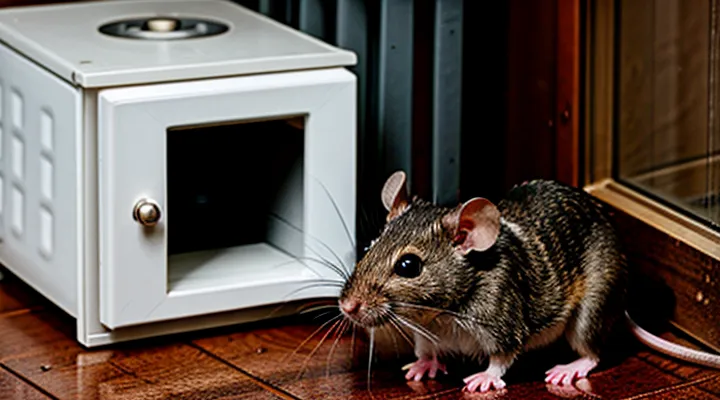
The Allure of Air Ducts: Why Rodents Choose Ventilation Systems
A Warm and Secluded Habitat
Mice select ventilation cavities that provide a stable, insulated environment. The temperature within these spaces remains above ambient levels, especially in winter, due to residual heat from ductwork and nearby appliances. This warmth reduces metabolic demands and supports rapid reproduction.
Key characteristics of a warm, secluded habitat include:
- Consistent temperature, typically 5‑10 °C higher than surrounding rooms.
- Limited exposure to drafts, which prevents chilling and conserves body heat.
- Protection from predators, afforded by narrow passages and concealed locations.
- Access to moisture sources, such as condensation on metal surfaces, which prevents dehydration.
The combination of heat retention and concealment enables rodents to establish colonies with minimal disturbance. Insulation material, often found in vent sleeves, further enhances thermal stability, creating a microclimate that sustains activity throughout the year. Regular inspection of duct joints and sealing of gaps disrupts this favorable environment, reducing the likelihood of infestation.
Easy Access Points
Ventilation ducts provide a direct route from the exterior to interior spaces, and small openings often serve as entryways for rodents. Gaps around vent covers, damaged or missing screens, and unsealed seams create pathways that require minimal effort for a mouse to exploit. Once inside, the network of ducts offers shelter, temperature stability, and access to food sources throughout the building.
Typical easy access points include:
- Uncapped or loosely fitted vent grills that lack proper fastening.
- Cracks in the metal or fiberglass ductwork, especially at joints and bends.
- Openings around pipe penetrations where the duct meets the wall or ceiling.
- Gaps around HVAC registers, particularly when the surrounding trim is deteriorated.
- Unsealed holes for electrical wiring or plumbing that intersect the ventilation system.
Preventive measures focus on sealing these vulnerabilities. Use metal mesh or stainless‑steel screens with a mesh size of ¼ inch or smaller to cover vent openings. Apply high‑quality silicone or expanding foam to fill cracks and seams. Install weather‑tight flashing around exterior vent caps and verify that all access panels are securely fastened. Regular inspections of ductwork, especially after construction or renovation, help identify new entry points before infestations develop.
Food and Water Proximity
Mice exploit ventilation shafts to reach areas where food and water are readily available. The proximity of these resources to duct openings creates a direct pathway for rodents to travel from hidden galleries to kitchen or pantry zones. Temperature gradients and airflow patterns often channel scent particles toward vents, allowing mice to locate sustenance without exposing themselves to open spaces.
Close placement of food storage containers, pet bowls, or leaky pipes near ventilation openings increases the likelihood of infestation. Moisture from dripping fixtures supplies the water requirement, while accessible crumbs or improperly sealed packages provide the nutritional incentive. These conditions reduce the distance rodents must travel, encouraging repeated use of the same vent routes for foraging trips.
Mitigation measures focus on eliminating attractants and sealing entry points:
- Store dry goods in airtight containers made of metal or heavy‑wall plastic.
- Clean countertops and floors daily to remove residual crumbs.
- Repair leaks promptly; install drip‑free fixtures and use waterproof sealing around pipes.
- Install fine mesh screens on vent registers and exhaust fans to block passage while maintaining airflow.
- Position trash cans with tight‑fitting lids away from vent openings.
By maintaining a clear zone between ventilation components and sources of food or water, the incentive for mice to infiltrate living spaces diminishes substantially.
Signs of a Mouse Infestation in Your Ventilation System
Unusual Noises and Scratches
Daytime and Nighttime Activity
Rodents that exploit ventilation shafts typically adjust their activity to the lighting cycle, minimizing exposure to human movement while maximizing foraging opportunities. During daylight hours, they remain concealed within hidden cavities, using the dark interior of ducts as refuge. Their behavior includes:
- Remaining motionless in nests constructed from insulation, debris, or shredded materials.
- Conducting short, silent trips to adjacent rooms only when human presence is low.
- Relying on auditory cues to avoid accidental encounters with occupants.
Nighttime triggers a shift to increased mobility. The reduced ambient light and lower human activity encourage rodents to:
- Navigate the duct network to access food sources such as pantry spills, garbage chutes, or pet feeding stations.
- Expand exploratory routes, often reaching higher floors or distant sections of the building.
- Engage in breeding activities, with heightened social interaction among individuals.
Understanding this diurnal pattern assists in targeting inspection and control measures to the periods when rodents are most active and vulnerable.
Unpleasant Odors
The Scent of Rodent Droppings and Urine
Rodent excreta emit a distinctive odor that often travels through HVAC ducts, indicating hidden activity. The smell originates from a mixture of volatile organic compounds (VOCs) released as droppings decompose and urine dries. Primary contributors include ammonia, phenols, and sulfur‑containing molecules, each producing a sharp, acrid scent detectable at low concentrations.
Typical accumulation points within a ventilation system are:
- Ductwork bends and joints where airflow slows.
- Insulation material that absorbs moisture and organic matter.
- Filter housings and grilles that trap particulate debris.
Detection strategies rely on sensory and analytical techniques:
- Direct sniff testing in accessible duct sections, focusing on areas with reduced airflow.
- Portable gas‑chromatography units to quantify ammonia and phenol levels.
- Moisture meters to locate damp zones that facilitate bacterial growth and odor amplification.
- Visual inspection for staining or droplet trails near vents and return air grilles.
Mitigation requires immediate removal of contaminated material, thorough cleaning with enzymatic cleaners that break down organic residues, and replacement of affected insulation. Following decontamination, installing UV‑treated filters and sealing duct seams reduces future odor propagation. Continuous monitoring of VOC concentrations ensures early identification of re‑infestation.
Decomposing Carcasses
Decomposing carcasses within residential ventilation ducts create a localized source of protein and moisture that attracts opportunistic rodents. The breakdown process releases volatile organic compounds, notably ammonia and sulfide gases, which signal the presence of a food supply to nearby mice and rats. These odors travel through the ductwork, bypassing sealed walls and reaching otherwise inaccessible voids, thereby establishing a persistent attractant.
Key consequences of unattended carrion in ventilation pathways include:
- Rapid population growth of rodent occupants due to abundant nourishment.
- Increased risk of disease transmission, as pathogens proliferate on decaying tissue.
- Structural degradation of duct materials caused by acidic by‑products of decomposition.
- Elevated indoor air contamination when airflow carries foul odours into living spaces.
Effective mitigation requires prompt removal of animal remains, thorough cleaning of the affected sections, and installation of physical barriers that prevent entry of wildlife into the ventilation network. Regular inspection schedules help identify early signs of decay and reduce the likelihood of rodent colonisation.
Visible Droppings and Nests
Around Vents and Air Returns
Rodents frequently exploit the cavity surrounding supply vents and return ducts because these spaces provide concealed routes between interior rooms and the exterior. The gaps between metal flanges, removable grill covers, and insulation layers create entry points that are easily accessed by small mammals.
Typical pathways include:
- Unsealed joints where vent brackets meet the wall or ceiling.
- Damaged or missing weather‑stripping around external vent hoods.
- Cracks in drywall or plaster that connect to the vent shaft.
Once inside, rodents establish nests in the voids adjacent to the vent housing, within the insulation that lines the duct, and behind the flexible duct connectors. These locations remain hidden from routine visual inspection, allowing populations to grow unchecked.
Effective inspection requires probing the interior of vent openings with a flashlight and a flexible mirror, checking for gnaw marks, droppings, or urine stains on the surrounding surfaces. Sealing identified gaps with stainless‑steel mesh, expanding foam rated for HVAC use, or silicone caulk eliminates the primary access routes. Regular maintenance of grill screws and replacement of cracked ductwork further reduces the risk of re‑infestation.
How Mice Enter Ventilation Systems
Gaps and Cracks in Foundations
Gaps and cracks in foundations create direct pathways for rodents to enter interior spaces. These openings often develop around concrete footings, slab joints, and perimeter walls due to settling, moisture movement, or inadequate construction practices. Once established, they provide unobstructed routes to crawl spaces, basements, and ventilation ducts.
Key characteristics of foundation breaches include:
- Width exceeding ¼ inch, allowing adult mice to pass.
- Location near utility penetrations, such as pipe sleeves and conduit openings.
- Presence of moisture accumulation, which attracts rodents seeking shelter.
Inspection should focus on visible fissures, displaced mortar, and gaps around anchor bolts. Sealants, hydraulic cement, and expanding polyurethane foam effectively close openings. In cases of extensive structural damage, professional repair of the foundation slab or wall may be required to restore integrity and prevent re‑entry.
Regular monitoring of foundation conditions, combined with prompt remediation, reduces the likelihood of rodents exploiting these hidden entry points.
Unsealed Ductwork Connections
Unsealed connections in a home’s ventilation system create direct pathways for rodents to enter living spaces. Gaps at joints, seams, and access panels allow mice to move from exterior ducts to interior rooms without obstruction. The openings often measure less than an inch, sufficient for a mouse to squeeze through, and remain unnoticed during routine inspections.
Key concerns associated with these gaps include:
- Contamination of indoor air with droppings, urine, and nesting material.
- Damage to insulation and duct components caused by gnawing.
- Increased risk of fire due to debris accumulation and compromised airflow.
Mitigation measures focus on sealing and maintenance:
- Inspect all duct joints, flexible connections, and access doors for visible gaps.
- Apply metal-backed duct sealant or silicone caulk to close openings larger than ⅛ inch.
- Install metal mesh or hardware cloth over vent openings that lack protective grilles.
- Schedule periodic professional inspections to verify the integrity of seals and detect early signs of rodent activity.
Effective sealing eliminates the primary entry route, reducing the likelihood of infestation and preserving indoor air quality. Regular maintenance of ductwork connections sustains the barrier against rodents throughout the building’s lifespan.
Exterior Vent Openings
Damaged or Missing Grates
Damaged or missing ventilation grates create direct pathways for rodents to enter building cavities. Gaps as small as a quarter‑inch allow mice to slip through, while broken grates lose structural integrity, reducing the barrier against intrusion. Once inside, pests exploit the concealed space for nesting, food storage, and travel between rooms.
Key risks associated with compromised grates include:
- Uncontrolled population growth within wall voids
- Contamination of indoor air with droppings, urine, and pathogens
- Damage to insulation, wiring, and ductwork caused by gnawing
- Increased difficulty of pest‑removal efforts due to hidden access points
Inspection should focus on visible signs of wear: rust, bent slats, cracked frames, and loose fasteners. Replacement parts must match original dimensions and material specifications to maintain airflow while preventing entry. Sealing edges with durable, fire‑rated caulk eliminates residual openings.
Regular maintenance schedules, documented inspections, and prompt repair of identified defects sustain the integrity of the ventilation system and deny rodents the shelter they seek. «Effective prevention relies on eliminating structural vulnerabilities».
Utility Line Entry Points
Utility lines provide direct pathways for rodents to infiltrate residential structures. Openings around electrical conduits, cable bundles, and plumbing penetrations often lack adequate sealing, creating gaps as small as a quarter‑inch. These gaps permit entry into wall cavities, ceilings, and ultimately into ventilation ducts.
Common entry locations include:
- Electrical service panels where conduit sleeves are unsheathed.
- Cable‑TV and internet lines that pass through exterior walls without weather‑proof gaskets.
- Water, gas, and sewer pipes that intersect foundation walls with deteriorated collars.
- Outdoor lighting fixtures and motion‑sensor housings with loose mounting brackets.
- HVAC rooftop units where refrigerant lines breach the roof membrane.
Identification methods rely on visual inspection of exterior walls for cracked caulk, damaged flashing, or missing foam sealants. Inside the home, signs such as gnaw marks, droppings, or disturbed insulation near utility penetrations confirm activity.
Preventive actions involve:
- Installing stainless‑steel mesh or steel wool around conduit sleeves before applying sealant.
- Applying silicone‑based or polyurethane caulk to close gaps around pipe collars and cable entries.
- Replacing damaged weather‑proof boots on exterior fixtures with certified rodent‑resistant models.
- Conducting regular maintenance checks of rooftop units to verify integrity of roof penetrations.
- Using expandable foam insulation that expands to fill irregular voids while remaining resistant to chewing.
By securing utility line entry points, homeowners limit the routes rodents can exploit, reducing the likelihood of infestation within ventilation systems and other concealed spaces.
The Dangers of Mice in Ventilation
Health Risks and Allergens
Spread of Pathogens and Bacteria
Mice that infiltrate residential ventilation systems create concealed pathways for microorganisms. Their movement through ducts, filters, and grilles transports fecal material, urine, and saliva, introducing a continuous source of contamination into indoor air and surfaces.
The primary mechanisms of microbial spread include:
- Direct shedding of pathogens onto duct surfaces, where airflow distributes them throughout the building.
- Accumulation of droppings in insulation or filter media, providing a reservoir for bacterial growth.
- Mechanical disruption of settled dust, releasing airborne particles that settle on occupants’ skin, food, and equipment.
Typical agents associated with rodent activity comprise:
- Salmonella spp., causing gastrointestinal illness after ingestion of contaminated food or water.
- Hantavirus, transmitted through inhalation of aerosolized rodent excreta, leading to severe respiratory disease.
- Leptospira interrogans, entering the body through skin abrasions or mucous membranes after contact with moist droppings.
- Staphylococcus aureus and various Enterobacteriaceae, contributing to skin infections and opportunistic diseases.
Effective mitigation requires regular inspection of ventilation pathways, replacement of filters, and sealing of entry points to prevent rodent ingress. Prompt removal of accumulated debris and thorough disinfection of affected components reduce the microbial load and lower the risk of disease transmission to occupants.
Contamination of Indoor Air Quality
Rodents that take refuge in ductwork and vents introduce a range of pollutants that degrade indoor air quality. Their presence results in the accumulation of fecal material, urine, hair, and shed skin, all of which become airborne particles that can be inhaled. These biological contaminants contain allergens capable of triggering respiratory reactions, particularly in sensitive individuals. In addition, droppings serve as a growth medium for bacteria, fungi, and viruses, facilitating the spread of pathogens throughout a building’s ventilation system.
Key contaminants released by rodent activity include:
- Fecal dust and urine aerosols, sources of particulate matter and ammonia.
- Hair and skin fragments, primary contributors to indoor allergen load.
- Microbial colonies such as «Staphylococcus», «Salmonella», «Hantavirus», which proliferate on organic waste.
- Mold spores that develop on moist droppings and damaged insulation.
The impact on air quality manifests as increased concentrations of particulate matter (PM10, PM2.5), elevated levels of ammonia and volatile organic compounds, and heightened allergen counts. These factors can reduce occupant comfort, impair cognitive performance, and exacerbate chronic respiratory conditions.
Mitigation requires regular inspection of ventilation pathways, sealing of entry points, and prompt removal of rodent debris. Integrated pest management combined with HVAC cleaning protocols effectively curtails the introduction of contaminants and restores safe indoor air standards.
Damage to Ductwork and Wiring
Chewed Insulation and Ducts
Chewed insulation and ductwork represent a direct pathway for rodents to infiltrate the interior of a building. When mice gnaw through fiberglass, cellulose or foam, they create openings that allow additional entry points for further infestation. The damaged material loses its thermal and acoustic properties, leading to increased energy consumption and heightened noise transmission throughout the structure.
Compromised ducts serve as conduits for contaminants. Rodent saliva and urine introduced into ventilation channels can be carried to living spaces, degrading indoor air quality and posing health risks. Accumulated debris from gnawed fibers also obstructs airflow, reducing system efficiency and potentially causing overheating of HVAC components.
Typical indicators of compromised insulation and ducts include:
- Visible bite marks or shredded fibers on exposed sections of ductwork.
- Unusual odors resembling ammonia or urine near vents.
- Increased dust accumulation inside registers and grilles.
- Fluctuations in temperature consistency across rooms.
Remediation requires removal of damaged insulation, thorough cleaning of duct interiors, and sealing of all identified entry points. Use steel wool, copper mesh or approved rodent‑proof materials to block gaps. After repairs, install monitoring devices such as motion‑sensitive cameras or bait stations to verify the absence of further activity. Regular inspections of ventilation pathways help maintain system integrity and prevent recurrence of rodent damage.
Fire Hazards from Damaged Wires
Rodents that enter ductwork often gnaw electrical wiring, creating conditions that can trigger fires. Chewed insulation removes the protective barrier around conductors, exposing live metal and increasing the likelihood of short‑circuit events. Accidental contact between damaged wires and combustible dust or insulation material can ignite rapidly, especially when the HVAC system operates continuously.
Key fire‑related risks include:
- Exposed conductors contacting flammable debris.
- Short circuits caused by stripped insulation.
- Overheating of wires due to increased resistance at the damaged sections.
- Ignition of accumulated lint or dust that settles on compromised cables.
- Failure of circuit breakers when overloaded by intermittent faults.
Mitigation strategies focus on early detection and barrier protection. Install rodent‑proof mesh or stainless‑steel screens at vent openings to prevent entry. Conduct regular visual inspections of accessible duct sections, looking for gnaw marks or displaced insulation. Replace any wire showing signs of damage with fire‑rated cable, and ensure that all repairs follow electrical code requirements. Use sealed conduit for critical runs to isolate wiring from potential rodent activity. Continuous monitoring of temperature in high‑risk zones can provide early warning of overheating, allowing prompt intervention before a fire develops.
Compromised HVAC Efficiency
Rodents that infiltrate ductwork create physical obstructions that impede airflow. Nests, droppings, and shredded insulation accumulate on coils, filters, and vents, reducing the cross‑sectional area available for air movement.
The obstruction leads to measurable declines in system efficiency:
- Air handler works harder to maintain set points, raising electricity consumption.
- Heat exchange surfaces become fouled, lowering heat transfer rates and extending heating or cooling cycles.
- Pressure differentials increase, prompting premature fan motor wear and potential premature failure.
- Temperature distribution across conditioned spaces becomes uneven, causing occupant discomfort and additional thermostat adjustments.
Detection relies on visual inspection of accessible duct sections, pressure testing for leaks, and monitoring of energy use patterns that deviate from baseline. Mitigation includes sealing entry points, installing rodent‑proof mesh at vent openings, scheduling professional cleaning of coils and ducts, and integrating traps or deterrent devices within the ventilation network. Regular maintenance preserves airflow capacity, stabilizes energy consumption, and extends equipment lifespan.
Effective Strategies for Rodent Removal
Inspection and Identification
Professional Pest Control Assessment
A professional pest‑control assessment begins with a systematic visual inspection of all accessible ventilation components. Inspectors examine supply and return ducts, grilles, and attic intakes for gnaw marks, droppings, nesting material, and live sightings. Infrared cameras detect heat signatures within concealed sections, while moisture meters identify condensation zones that attract rodents.
The evaluation includes a detailed mapping of potential entry points. Common access routes are:
- Gaps around duct seams and joints
- Unsealed penetrations for wiring or piping
- Damaged or missing vent covers
- Exterior wall cracks adjacent to ductwork
Structural analysis follows, measuring the size of openings and assessing material integrity. Recommendations prioritize sealing techniques that maintain airflow efficiency, such as stainless‑steel mesh, expanding foam approved for HVAC use, and weather‑resistant caulking. Traps and bait stations are positioned near identified pathways, with placement documented for ongoing monitoring.
A comprehensive report summarizes findings, outlines corrective actions, and schedules follow‑up inspections. The document records baseline data—photographs, measurements, and pest activity levels—to measure the effectiveness of interventions over time.
Sealing Entry Points
Repairing Gaps and Cracks
Rodent intrusion through ventilation ducts often begins at unresolved openings in the building envelope. Small gaps around pipe penetrations, wall–roof junctions, and ceiling vents provide unobstructed pathways for mice to travel from exterior spaces to interior cavities. These openings allow access to warm, sheltered environments where rodents can establish nests and contaminate air circulation.
Effective mitigation requires systematic sealing of all identified openings. Recommended actions include:
- Inspecting the entire ventilation network for visible cracks, gaps around ducts, and voids surrounding insulation.
- Applying high‑quality, rodent‑resistant sealants such as silicone‑based caulks or expanding polyurethane foam to fill gaps no larger than ¼ inch.
- Installing metal flashing or steel mesh over larger openings before sealing to prevent gnawing.
- Replacing deteriorated vent covers with reinforced models that feature tight‑fit latches.
- Conducting periodic re‑inspection after seasonal temperature changes to verify seal integrity.
Completing these steps eliminates primary entry points, reduces the likelihood of infestation, and supports overall indoor air quality maintenance.
Securing Exterior Vents
Securing exterior vents is essential for preventing rodents from entering residential ventilation systems. Proper barriers eliminate access points while maintaining airflow efficiency.
Key measures include:
- Installing stainless‑steel mesh with apertures no larger than ¼ inch (6 mm). The material resists gnawing and corrosion.
- Applying rodent‑proof vent caps that feature hinged doors and sealed edges. Caps should be compatible with existing vent dimensions.
- Sealing gaps around vent frames using high‑quality silicone or expanding foam. Fillings must adhere to both wood and metal surfaces.
- Adding metal flashing around vent openings to divert moisture and discourage nesting.
- Conducting regular inspections each season to verify mesh integrity, cap functionality, and seal condition.
Routine maintenance reduces the likelihood of damage. Remove debris, clear leaf buildup, and replace worn components promptly. Documentation of inspection dates supports timely interventions and complies with building‑code recommendations for pest‑resistant construction.
Trapping and Baiting Techniques
Safe and Humane Options
Rodents that infiltrate ductwork pose health risks and can cause structural damage. Addressing the problem requires interventions that protect occupants while respecting animal welfare.
- Seal all gaps around vents, ducts, and wall penetrations with steel wool, copper mesh, or caulking designed for pest exclusion. Materials that rodents cannot gnaw through provide a permanent barrier.
- Install live‑capture traps in accessible sections of the ventilation system. Check traps frequently, release captured mice at least two miles from the residence, and disinfect the trap before reuse.
- Apply natural deterrents such as peppermint oil‑impregnated pads or dried herbs near vent openings. Aromatic compounds discourage entry without harming the animal.
- Deploy ultrasonic emitters calibrated for the frequency range that irritates rodents. Devices should be positioned outside the ductwork to prevent interference with HVAC performance.
- Engage licensed pest‑management professionals who specialize in humane removal. Certified technicians can locate hidden nesting sites, perform targeted exclusion, and advise on long‑term maintenance.
Regular inspection of ventilation components, combined with the measures listed above, reduces the likelihood of re‑infestation while ensuring ethical treatment of wildlife.
Placement of Traps
Placement of traps in ventilation systems requires strategic positioning to intercept mice that travel through ducts and vents. Effective locations correspond to points where rodents pause, change direction, or encounter obstacles.
- Near intake grilles and exterior vent openings, where entry occurs.
- At the first 90‑degree bend after an entry point, because mice often seek shelter at corners.
- Inside horizontal runs that are adjacent to insulation gaps, providing easy access to hidden pathways.
- Within attic or crawl‑space vent shafts that connect to the main ductwork, targeting movement between floors.
- At the junction of supply and return ducts, especially where metal or flexible sections meet, creating a natural barrier.
- In accessible sections of ductwork that can be opened without dismantling the entire system, allowing regular inspection and trap maintenance.
Traps should be positioned 2‑3 inches from the duct wall to align with the typical travel path of mice. Snap traps or enclosed live traps may be used, but each must be secured to the duct surface to prevent displacement by airflow. Bait placement directly on the trigger mechanism ensures immediate contact.
Regular verification of trap activity, at least weekly, confirms effectiveness and informs relocation if capture rates decline. Cleaning ducts before trap installation removes debris that could obscure bait or reduce trap sensitivity. Maintaining clear access panels facilitates swift replacement and reduces disruption to the ventilation system.
Preventing Future Infestations
Regular HVAC Maintenance
Ductwork Inspections and Repairs
Rodents frequently enter residential ventilation networks through gaps around exterior vents, openings around utility penetrations, and damaged seals. Once inside, they navigate duct interiors, building nests in low‑flow sections and contaminating airflow with droppings, urine, and gnawed insulation. The presence of rodents in HVAC channels compromises indoor air quality and can damage system components.
Inspection requires visual examination of accessible duct sections, use of fiber‑optic cameras for concealed runs, and placement of monitoring devices such as motion‑triggered traps or infrared sensors. Inspectors prioritize entry points, check for chew marks on metal and flexible ducting, and collect samples of debris for identification.
Typical indicators of infestation include:
- Accumulated droppings or urine stains near registers and returns
- Chewed insulation or foil backing on duct walls
- Unusual noises resembling scratching or scurrying during operation
- Reduced airflow or uneven temperature distribution
Repair actions focus on exclusion, restoration, and prevention. Effective measures comprise:
- Sealing all exterior vent openings with steel mesh or hardware‑rated screens
- Applying rodent‑resistant caulk or expanding foam around pipe penetrations and conduit sleeves
- Replacing damaged sections of ductwork with metal or reinforced flexible material
- Installing interior metal flashing or metal collars at junctions to block re‑entry
- Scheduling periodic re‑inspection to verify integrity of repairs
Implementing these steps eliminates current infestations, restores system performance, and reduces the risk of future rodent intrusion.
Proper Waste Management
Proper waste handling reduces the attraction of rodents to residential ventilation systems. Food residues, packaging scraps, and organic matter left in trash bins emit odors that draw mice, which can exploit gaps around ducts to reach interior spaces.
Key practices for effective waste management:
- Store refuse in sealed containers with tight‑fitting lids.
- Remove waste from the home daily or at least every 24 hours.
- Keep collection areas clean; wipe down bins to eliminate residual crumbs.
- Position outdoor dumpsters away from building walls and ventilation openings.
- Use rodent‑resistant bags or liners that prevent tearing.
Regular inspection of waste storage points supports early detection of potential entry routes. Schedule monthly checks of bin seals, surrounding vegetation, and nearby drainage to ensure no debris accumulates near vent grilles. Promptly repair damaged lids or cracks in the building envelope to maintain a barrier against rodent ingress.
Keeping the Exterior Clear
Trimming Vegetation
Trimming vegetation near exterior vents reduces pathways that rodents use to reach concealed openings. Dense shrubs, overgrown vines, and tall grass create bridges from ground level to roof eaves, facilitating access to ductwork and exhaust fans. Regular pruning eliminates these bridges, forcing pests to travel longer, exposed routes where they are more likely to be detected.
Key actions for effective vegetation management:
- Cut back shrubs to a minimum of 12 inches (30 cm) from vent covers and duct openings.
- Remove vines that climb walls or crawl spaces, especially those that contact roof edges.
- Maintain a clear perimeter of at least 18 inches (45 cm) around all ventilation grilles.
- Dispose of trimmed material away from the building to prevent re‑use by rodents.
Implementing a schedule of quarterly inspections ensures that growth does not re‑establish contact with ventilation components. Combining vegetation control with sealed vent screens creates a layered defense that limits rodent entry points without relying on chemical deterrents.
Storing Firewood Away from the House
Storing firewood at a distance from the dwelling reduces the likelihood that rodents will use the pile as a shelter and subsequently migrate into ventilation openings. Proximity creates a direct pathway for mice and rats to enter ducts, where they can nest and cause damage to insulation and air‑flow components.
Key guidelines for firewood placement:
- Keep the stack at least three meters from the house foundation.
- Elevate the pile on a platform or pallets to prevent ground moisture and discourage burrowing.
- Cover the top with a waterproof tarp, securing edges to block entry points while allowing airflow.
- Arrange logs with gaps for ventilation, avoiding dense, solid masses that trap heat and attract pests.
- Inspect the wood regularly for signs of gnawing or nesting material; replace compromised pieces promptly.
Materials stored near the home should be inspected before placement. Any wood showing evidence of infestation must be isolated and disposed of according to local regulations. Maintaining a clear perimeter around the house eliminates convenient access routes for rodents seeking shelter in ventilation systems.
Implementing these measures creates a physical barrier that discourages rodent colonization, protects indoor air quality, and extends the service life of heating infrastructure. «Proper firewood management contributes directly to pest‑prevention strategies.»