
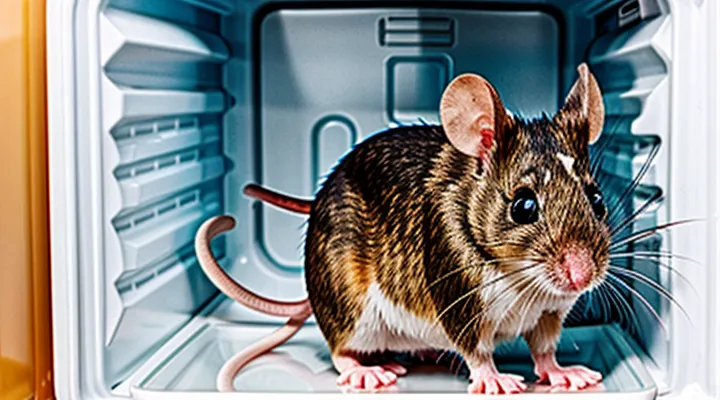
Understanding the Intruder: The Refrigerator Mouse
Why Your Fridge Attracts Pests
Food Scraps and Spills
Food remnants left inside a refrigerator create a reliable food source for rodents. Even small crumbs or liquid spills provide the nutrients mice need to survive, encouraging them to explore and eventually enter the appliance. Moisture from spills softens the interior environment, making it more attractive for nesting and increasing the likelihood of damage to stored items.
Key ways food debris contributes to rodent intrusion include:
- Residual particles on shelves or drawers supply a constant feeding point.
- Sticky liquids coat surfaces, allowing scent trails that guide mice from other areas of the kitchen.
- Accumulated waste can mask the refrigerator’s normal odors, reducing the deterrent effect of typical cleaning agents.
Preventive measures focus on eliminating these attractants. Regularly clear shelves of crumbs, wipe down interior walls after any spill, and inspect door seals for gaps where food particles might collect. Store uncovered items in sealed containers to reduce exposure. Implement a routine cleaning schedule that targets both dry debris and wet residues, thereby removing the primary incentives for rodents to enter the refrigeration unit.
Warmth and Shelter
A mouse entering a refrigerator does so primarily to obtain a stable, insulated environment that protects it from external temperature fluctuations and predators. The appliance’s sealed cavity offers consistent warmth relative to a cold, drafty kitchen floor, and the interior provides a concealed space where the animal can rest undisturbed.
The attraction to warmth and shelter arises from several biological drivers. Rodents maintain a high metabolic rate; exposure to low ambient temperatures accelerates energy consumption and can lead to hypothermia. An insulated compartment such as a fridge reduces the need for constant foraging and conserves body heat. Additionally, the metal walls and limited light create a dark, quiet refuge that mimics natural burrows, satisfying the mouse’s instinct to hide from threats.
To prevent rodents from exploiting this niche, implement the following measures:
- Seal gaps around door hinges, vent ducts, and floor joints with steel wool or silicone caulk.
- Install door sweeps and weather stripping to eliminate entry points.
- Store food in airtight containers; avoid leaving crumbs or spills inside the appliance.
- Maintain a clean, clutter‑free area around the refrigerator to reduce hiding spots.
- Conduct regular inspections for gnaw marks or droppings and address infestations promptly.
By eliminating the conditions that provide warmth and shelter, the likelihood of a mouse taking residence in the refrigerator diminishes significantly.
Easy Access Points
Mice reach the interior of refrigeration appliances mainly through poorly sealed or uncovered openings. Door gaskets that are cracked, torn, or improperly aligned create a direct pathway. Gaps around water lines, drain tubes, or electrical conduits often remain unfilled during installation, providing hidden routes. Ventilation ducts, especially those lacking fine mesh, allow rodents to travel from the kitchen environment into the cooling compartment. Small openings left by service panels, hinges, or removable shelves become entry points when not securely fastened.
- Inspect door seals weekly; replace any damaged gasket immediately.
- Apply high‑temperature silicone caulk to gaps around plumbing and wiring.
- Install stainless‑steel mesh over all vents and ducts, securing edges with screws.
- Ensure service panels close flush with the cabinet surface; use lockable fasteners.
- Maintain a clean exterior surface; remove food residues that attract rodents.
By eliminating these easy access points, the likelihood of rodent intrusion into refrigeration units diminishes dramatically, protecting stored food and preserving appliance performance.
Health Risks and Damage Assessment
Contamination Concerns
A rodent discovered inside a refrigerator introduces direct contamination risks to stored food. Saliva, urine, and droppings contain pathogens such as Salmonella, Listeria, and Hantavirus, which can transfer to surfaces and perishables. Even a brief contact can compromise the safety of items that will later be consumed without further cooking.
Cross‑contamination occurs when the mouse’s waste contacts packaging, shelves, or utensils. Bacterial growth accelerates at refrigeration temperatures, especially on moist surfaces, creating a breeding ground for spoilage organisms. Allergens present in rodent dander may trigger reactions in sensitive individuals, further expanding health hazards.
Effective mitigation requires immediate and systematic actions:
- Remove all food items from the compartment; discard any that show signs of contamination or have been exposed for more than two hours.
- Disassemble removable shelves and drawers; wash with hot, soapy water followed by a sanitizer approved for food‑contact surfaces.
- Perform a thorough inspection of the refrigerator interior, sealing any entry points such as gaps around the door gasket or vent openings.
- Apply an EPA‑registered rodent control product to prevent recurrence; monitor traps or bait stations regularly.
- Conduct a post‑cleaning verification using swab tests for common pathogens, ensuring that residual contamination levels meet regulatory standards.
Documentation of the incident, cleaning procedures, and verification results supports compliance with food‑safety regulations and provides a reference for future risk assessments.
Structural Damage to Appliances
Rodents that infiltrate kitchen refrigeration units can compromise the integrity of the appliance. Their incisors easily gnaw through plastic, rubber, and metal components, creating pathways for air leakage and electrical faults.
- Chewed power cords reduce insulation, increasing the risk of short circuits.
- Damaged door seals allow warm air to enter, forcing the compressor to work harder.
- Broken hinges or shelves create uneven weight distribution, stressing the frame.
- Punctured insulation panels expose the cooling system to moisture, accelerating corrosion.
These impairments diminish cooling performance, raise energy consumption, and may trigger fire hazards. Early detection prevents costly repairs and appliance replacement.
- Inspect door gaskets and wiring for bite marks during routine cleaning.
- Seal gaps around the refrigerator with steel wool and caulk.
- Install bait stations or humane traps around the kitchen perimeter.
- Schedule professional maintenance quarterly to verify structural soundness.
Implementing these measures reduces the likelihood of rodent‑induced damage and prolongs appliance lifespan.
Potential for Electrical Hazards
A rodent that enters a cooling appliance can create electrical hazards by damaging wiring, short‑circuiting components, or contaminating insulation with urine and feces. Chewed power cords lose protective sheathing, exposing conductors that may contact metal surfaces inside the freezer compartment. Moisture from the animal’s bodily fluids reduces insulation resistance, increasing the risk of arcing when the compressor motor operates. If a short occurs, the refrigerator’s overload protection may trip, but repeated incidents can degrade the system and lead to fire.
Precautions:
- Keep door seals intact; replace damaged gaskets promptly.
- Position traps or humane capture devices near the refrigerator’s base to intercept rodents before they gain access.
- Inspect interior wiring and connectors during routine maintenance; replace any section showing signs of gnawing or corrosion.
- Install a rodent‑proof mesh screen on the ventilation openings while preserving airflow.
- Ensure the appliance’s grounding is secure; a faulty ground amplifies the danger of exposed conductors.
Implementing these measures reduces the probability of electrical failure and protects both the appliance and the surrounding environment from fire or shock hazards.
Prevention Strategies: Keeping Pests Out
Sealing Entry Points
Inspecting Your Home's Foundation
Inspecting the home’s foundation is a critical step in preventing rodents from accessing the kitchen and, ultimately, the refrigerator. Gaps, cracks, or deteriorated sealants in the foundation create pathways for mice to travel from the ground level into interior spaces where food is stored.
Identify visible cracks in concrete walls, basement floors, and crawl‑space panels. Examine the perimeter for missing or damaged weather‑stripping, and verify that all utility penetrations—pipes, vents, and electrical conduits—are sealed with steel wool or expanding foam. Look for signs of moisture intrusion, as damp soil encourages rodent activity and can weaken structural joints.
Key inspection actions:
- Walk the exterior foundation wall, tapping each section; hollow sounds indicate voids that may hide entry points.
- Use a flashlight to inspect the underside of floor joists for gnaw marks or droppings.
- Test door sweeps and window casings for tight closure; replace any that allow gaps larger than ¼ inch.
- Apply a moisture meter to detect hidden leaks that could attract mice.
Repair measures should include filling cracks with hydraulic cement, reinstalling damaged flashing, and applying a continuous perimeter sealant. Install a metal mesh barrier around the foundation footing to block burrowing. After repairs, schedule a follow‑up inspection within 30 days to confirm that no new openings have formed.
Regular foundation maintenance reduces the likelihood of rodents entering the home, thereby lowering the risk of contamination inside refrigeration units.
Repairing Gaps Around Pipes and Wires
Mice can enter a refrigerator through openings around plumbing and electrical conduits. Sealing these gaps eliminates a primary pathway for infestation and protects food safety.
Identify all penetrations where pipes, water lines, or wires pass through the cabinet wall. Common locations include the water dispenser line, ice-maker tubing, and power cords. Use a flashlight to locate any visible cracks, gaps, or holes.
Select a sealant compatible with both metal and plastic surfaces. Silicone-based caulk, expanding foam, or fire‑rated sealant are appropriate choices. For larger openings, insert a metal or PVC collar before applying sealant to provide structural support.
Apply sealant as follows:
- Clean the area with a solvent to remove dust and grease.
- Insert the collar (if required) and press it firmly against the wall.
- Fill the gap with sealant, smoothing the surface to ensure full coverage.
- Allow the sealant to cure according to the manufacturer’s instructions before restoring power or water connections.
Inspect the sealed areas periodically for signs of wear or new openings. Prompt repair of any deterioration maintains an effective barrier against rodent intrusion.
Maintaining Door and Window Seals
Maintaining airtight seals on doors and windows blocks the pathways that rodents use to infiltrate kitchen spaces and reach refrigeration units. Gaps larger than a quarter‑inch allow mice to squeeze through, creating a direct route to food supplies.
Key actions for seal maintenance:
- Inspect edges weekly for wear, cracks, or deformation.
- Replace damaged weatherstripping with material rated for pest resistance.
- Apply a thin bead of silicone caulk to seams where frames meet walls.
- Verify that magnetic closures on refrigerator doors engage fully; adjust if the latch feels loose.
- Keep surrounding areas clear of clutter that could conceal compromised seals.
Regular upkeep eliminates entry points, limits rodent activity, and preserves the integrity of stored food.
Food Storage Best Practices
Airtight Containers
Airtight containers provide a physical barrier that prevents rodents from accessing food stored inside a refrigerator. The sealed lid eliminates gaps through which a mouse could reach crumbs or spills, thereby removing a primary attractant. By maintaining a clean interior, these containers also reduce the scent cues that draw rodents into the appliance.
When selecting containers for refrigerator use, prioritize models with locking mechanisms or compression seals that remain intact under low temperatures. Materials such as high‑density polyethylene or tempered glass resist deformation, ensuring the seal does not weaken during temperature fluctuations.
Precautions for effective use:
- Store all perishable items in sealed containers immediately after placement in the fridge.
- Inspect seals regularly for wear, cracks, or loss of elasticity; replace compromised containers without delay.
- Keep the refrigerator door closed tightly; a loose door can create pressure differentials that force lids open.
- Clean any spills outside containers promptly; residual food particles can still attract rodents even if the main contents are sealed.
- Position containers away from the refrigerator’s door gasket, where gaps are more likely to develop.
Implementing airtight storage eliminates the food source that typically motivates mice to enter a refrigerator, thereby addressing both the cause and the preventive measures in a single, reliable solution.
Regular Cleaning Schedules
Regular cleaning of the refrigerator creates an environment that discourages rodent activity. Food residues, spills, and crumbs provide an attractive food source; removing them consistently eliminates the incentive for a mouse to enter and nest.
A practical cleaning schedule includes the following steps:
- Weekly surface wipe: Use a mild disinfectant to clean shelves, drawers, and door seals. Pay special attention to corners where debris can accumulate.
- Monthly deep clean: Empty the refrigerator, discard expired items, and wash removable components with hot, soapy water. Inspect seals for tears and replace if necessary.
- Quarter‑yearly inspection: Check the interior for gnaw marks, droppings, or nests. Verify that the temperature remains within safe limits and that the door closes tightly.
Maintaining these intervals reduces the likelihood of food buildup, limits hiding places, and makes early signs of rodent intrusion more visible. Prompt detection allows swift corrective action, such as sealing entry points and applying appropriate traps, before the problem escalates.
Proper Disposal of Waste
Improper waste handling creates food residues and odors that draw rodents into kitchen areas, including refrigerators. When trash is left open, spills onto surfaces, or accumulates near the appliance, mice find easy access to nutrition and shelter, increasing the likelihood of entry.
Effective waste management eliminates these attractants:
- Seal all garbage in containers with tight‑fitting lids.
- Transfer waste to outdoor bins daily; avoid overnight storage inside the home.
- Clean spills immediately; use disinfectant to remove scent traces.
- Keep compost bins away from the kitchen and ensure they are covered.
- Inspect and repair any cracks or gaps in walls, doors, and the refrigerator’s seal.
Regularly removing waste eliminates the primary food source that encourages mouse activity, thereby reducing the risk of contamination inside the refrigerator.
Natural Deterrents and Repellents
Peppermint Oil
Rodents can infiltrate refrigeration units, exposing food to urine, feces, and disease‑carrying pathogens. Peppermint oil offers a non‑chemical, odor‑based barrier that deters mice without contaminating the interior surfaces.
The oil’s volatile compounds overwhelm the olfactory receptors that mice rely on for navigation and territory marking. When the scent is present, mice avoid the area, reducing the likelihood of entry and nesting.
Effective deployment of peppermint oil in a refrigerator includes:
- Soak cotton balls in pure peppermint oil and place them on the interior shelves, away from food items.
- Replace the cotton balls every 7–10 days to maintain potency.
- Use a low‑concentration spray (1 part oil to 10 parts water) on door seals and drawer edges; wipe excess liquid with a clean cloth before restocking food.
Precautions:
- Verify that the oil does not contact food directly; transfer the scent only to non‑food surfaces.
- Store the oil in a sealed container to prevent evaporation and preserve strength.
- Test for allergic reactions among household members before widespread use.
Ultrasonic Devices
Ultrasonic emitters are employed to deter rodents that infiltrate refrigerator compartments, addressing the underlying attraction of food residues and shelter. These devices generate high‑frequency sound waves beyond human hearing, which cause discomfort to mice and encourage them to vacate the area. The technology operates without chemicals, reducing the risk of contaminating stored food.
Effectiveness depends on proper installation. Emitters must be positioned inside the fridge, away from metal surfaces that can reflect or absorb the sound, and should cover the entire interior volume. Continuous operation is required; intermittent use diminishes the deterrent effect. Power sources should be stable to avoid interruptions that could allow rodents to return.
Precautions when deploying ultrasonic devices include:
- Verify that the model is rated for low‑temperature environments to prevent malfunction.
- Ensure the device does not interfere with the refrigerator’s electronics or temperature sensors.
- Replace batteries or maintain a reliable power connection to avoid silent failure.
- Combine ultrasonic treatment with regular cleaning and sealing of entry points for comprehensive control.
Ultrasonic repellents complement hygiene practices, offering a non‑toxic method to mitigate the risk of mouse intrusion in refrigeration units.
Steel Wool Barriers
Mice are attracted to refrigerators because odors from stored food can seep through tiny openings in door seals, ventilation ducts, or back panels. Once inside, rodents can contaminate food, damage wiring, and compromise cooling efficiency.
Steel wool serves as a dense, fibrous plug that fills gaps too small for conventional sealants. Its abrasive texture resists chewing, while its flexibility conforms to irregular surfaces. When compressed into holes around cables, hinges, or vent grilles, it creates a physical barrier that deters entry without obstructing airflow.
Effective application requires:
- Cutting steel wool into strips matching the width of the opening.
- Packing the material tightly, ensuring no voids remain.
- Securing the barrier with a thin layer of silicone caulk or duct tape to prevent displacement.
- Replacing the wool periodically, as moisture or rust can reduce its integrity.
Combining steel wool with regular maintenance—such as cleaning spills promptly, inspecting door gaskets, and setting traps near potential entry points—provides a comprehensive strategy to keep rodents out of refrigeration units.
Eradication Methods: When Prevention Fails
Humane Trapping Options
Live Traps and Release
Live traps provide a humane method for removing rodents that have entered a refrigerator. The devices consist of a cage that closes automatically when the animal triggers a pressure plate or lever. Because the trap isolates the mouse without injury, it eliminates the risk of contaminating food with blood or tissue, and it allows the homeowner to relocate the animal away from the kitchen environment.
Effective use of live traps follows a clear sequence:
- Position the trap inside the refrigerator or directly adjacent to the door, targeting areas where droppings or gnaw marks are visible.
- Bait the trap with high‑fat foods such as peanut butter, seeds, or small pieces of cheese; these attract mice more reliably than low‑calorie options.
- Check the trap at least twice daily to prevent prolonged confinement, which can cause stress or dehydration for the captured mouse.
- Once captured, transport the trap to a suitable release site at least 200 meters from the residence, preferably in a wooded or grassy area with natural shelter.
- Release the mouse by opening the cage door gently, allowing it to exit on its own. Clean the trap with hot, soapy water before reuse.
Regular inspection of refrigerator seals, proper food storage, and prompt removal of crumbs reduce the likelihood of future incursions. When a live trap is employed correctly, it resolves the immediate problem while maintaining sanitary conditions and respecting animal welfare.
Sticky Traps: Ethical Considerations
A mouse discovered inside a refrigerator presents a sanitation risk that often leads property owners to consider quick‑acting capture devices. Sticky traps are marketed for their simplicity, yet their use raises specific ethical questions that must be examined before deployment.
- Non‑target capture: adhesive surfaces can ensnare insects, small reptiles, or juvenile mammals unintentionally, causing unnecessary harm.
- Prolonged suffering: rodents immobilized on glue experience stress, dehydration, and injury before death, which conflicts with humane treatment standards.
- Disposal challenges: dead or dying animals adhered to the trap require careful handling to avoid secondary contamination and to respect animal welfare regulations.
- Legal compliance: several jurisdictions classify glue‑based devices as inhumane, imposing restrictions or bans on their sale and use.
When assessing control options, prioritize methods that minimize pain and collateral damage. Live‑catch cages allow release outside the dwelling after verification of health status. Electro‑shock devices, if certified, deliver rapid incapacitation without adhesive contact. If sticky traps remain the only viable choice, employ them exclusively in sealed, monitored areas, replace them promptly after capture, and follow local guidelines for humane euthanasia and disposal.
Chemical Solutions
Baits and Poisons: Safety Guidelines
When a rodent infiltrates a food‑storage compartment, the impulse to use chemical control is strong; however, improper handling of baits and poisons creates health hazards and legal liabilities.
Select bait types that are specifically formulated for indoor use and approved for proximity to food. Place them in tamper‑resistant stations that prevent accidental contact by children or pets. Ensure stations are positioned away from food packages, utensils, and surfaces that will later be cleaned for consumption.
- Wear disposable gloves and protective eyewear during placement.
- Store all rodenticides in their original, child‑proof containers, locked out of reach.
- Keep bait stations out of sight, preferably on the exterior of the refrigerator or in adjacent cabinetry.
- Record the date of deployment and the product batch number for traceability.
Handle poisons with strict adherence to manufacturer instructions and local regulations. Dispose of used stations and excess product according to hazardous‑waste guidelines; never discard in regular trash or down drains. After any encounter, thoroughly clean the affected area with a food‑safe sanitizer before returning items to the refrigerator.
Compliance with health‑department standards reduces the risk of contaminating food supplies and protects occupants from accidental poisoning. Regular inspection of bait stations and prompt removal of dead rodents complete a safe, effective control program.
Professional Pest Control Services
A mouse found inside a refrigerator indicates a breach in structural integrity, food storage hygiene, and potential health risks. The presence of a rodent in this environment signals inadequate sealing, accessible entry points, and insufficient monitoring.
Professional pest control providers address the issue through systematic inspection, targeted elimination, and long‑term prevention. Their services include:
- Comprehensive assessment of building envelope, focusing on gaps around doors, vents, and utility lines.
- Identification of attractants such as spilled food, clutter, and moisture sources.
- Application of rodent‑specific baits and traps compliant with health regulations.
- Sealant installation to block identified entry routes, using materials resistant to gnawing.
- Ongoing monitoring programs with periodic inspections and reporting.
Choosing a qualified contractor requires verification of licensing, adherence to integrated pest management (IPM) standards, and documentation of treatment protocols. Effective prevention relies on regular maintenance of seals, prompt cleanup of food residues, and scheduled pest‑control audits to detect early signs of infestation.
Post-Eradication Sanitation
Disinfecting Contaminated Areas
When a rodent has accessed a refrigerator, surfaces may become contaminated with urine, feces, and saliva. Immediate disinfection prevents foodborne illness and eliminates lingering odors that could attract additional pests.
First, remove all food items. Dispose of any product that shows signs of contamination; sealed, unopened packages may be retained if their exterior is clean. Next, clear the interior of shelves, drawers, and removable bins. Wash each component with hot, soapy water, rinse thoroughly, and allow to dry.
Apply a disinfectant that is effective against bacterial and viral pathogens commonly found in rodent waste. Recommended agents include:
- A 1:10 dilution of household bleach (5.25% sodium hypochlorite) with water.
- EPA‑registered quaternary ammonium compounds.
- Hydrogen peroxide solutions of 3% concentration.
For each agent, follow these steps:
- Spray the interior surfaces evenly, ensuring full coverage of walls, door seals, and crevices.
- Let the product remain wet for the contact time specified on the label (typically 5–10 minutes).
- Wipe with a disposable cloth or paper towel; discard the material in a sealed bag.
- Rinse with clean water if the disinfectant leaves a residue that could affect food safety; dry with a clean towel.
After treatment, reassemble shelves and drawers only after they are completely dry. Place a disposable absorbent pad at the bottom of the refrigerator to capture any residual moisture during the next cleaning cycle.
To maintain a hygienic environment, schedule regular inspections and cleaning:
- Weekly visual checks for droppings or chew marks.
- Monthly deep cleaning using the same disinfection protocol.
- Prompt repair of door gaskets or seals that show wear, preventing future entry.
Consistent application of these measures eliminates pathogens introduced by a rodent intrusion and safeguards the refrigerator’s food storage function.
Odor Removal Techniques
Rodent intrusion in a refrigerator often leaves a persistent, unpleasant smell that compromises food safety. Effective odor control requires a systematic approach that targets the source, neutralizes volatile compounds, and prevents recurrence.
Identify the origin of the odor. Remove any carcass, droppings, or contaminated items. Clean all removable shelves, drawers, and door seals with hot, soapy water, then rinse thoroughly. Disinfect surfaces with a solution of one part bleach to nine parts water, allowing a five‑minute contact time before wiping dry.
Apply odor‑neutralizing methods:
- Activated charcoal: Place a few sachets on each shelf; the porous material adsorbs volatile molecules.
- Baking soda: Distribute an open container on the lower shelf; it absorbs acidic and basic odorants.
- White vinegar: Wipe interior surfaces with a cloth dampened in undiluted vinegar; the acetic acid neutralizes ammonia and other nitrogenous compounds.
- Enzymatic cleaners: Use products specifically formulated to break down organic residues; follow manufacturer instructions for contact time.
- Ventilation: Keep the refrigerator door open for 30 minutes after cleaning, allowing fresh air to replace trapped gases.
After treatment, seal any remaining food in airtight containers and monitor the interior for lingering smells. Regular maintenance—weekly cleaning of door gaskets, monthly placement of odor absorbers, and prompt removal of spoiled items—prevents future issues and preserves the appliance’s hygienic environment.
Preventing Reinfestation
A mouse that has entered a refrigerator indicates a breach in food‑storage hygiene and may recur if corrective actions are incomplete. Effective prevention of reinfestation requires systematic sealing of entry points, rigorous sanitation, and ongoing monitoring.
First, identify and block all possible access routes. Inspect walls, floor joists, and cabinetry for gaps larger than ¼ inch. Apply steel‑wool, copper mesh, or expanding foam to fill openings, then cover with cement or trim for durability. Seal utility penetrations, such as water lines and electrical conduits, using appropriate caulking.
Second, eliminate attractants within the refrigeration area. Store food in airtight containers, discard spoiled items promptly, and clean spills immediately. Remove clutter from the freezer and pantry shelves, as clutter provides hiding places and nesting material.
Third, establish a routine inspection schedule. Conduct visual checks weekly for signs of gnaw marks, droppings, or gnawed packaging. Use motion‑activated cameras in concealed spots to detect nocturnal activity without disturbance.
Fourth, integrate pest‑control measures. Deploy snap traps or electronic devices along known travel paths, positioning them away from food to prevent contamination. Replace traps after each capture and record locations to track patterns.
Finally, engage professional exterminators for comprehensive assessment if signs persist after initial measures. Experts can perform rodent‑proofing of structural elements and apply rodent‑deterrent substances where appropriate.
By combining physical barriers, strict sanitation, regular surveillance, and targeted trapping, the likelihood of a mouse returning to the refrigerator diminishes markedly. Continuous adherence to these protocols sustains a rodent‑free environment.