
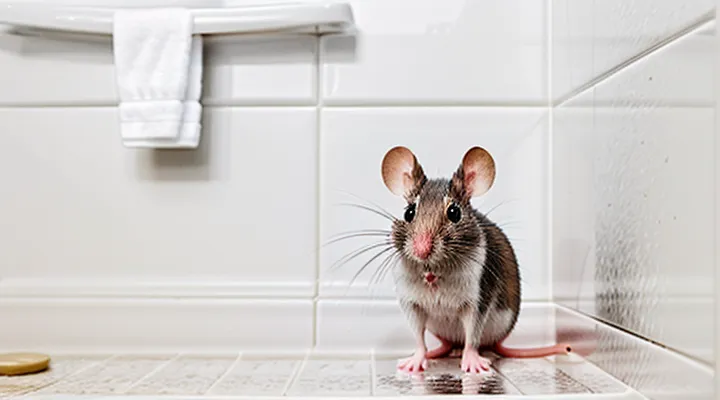
Recognizing the Signs of a Mouse Infestation
Droppings and Urine Marks
Location of Droppings
Droppings provide the most reliable evidence of rodent activity in a bathroom. Fresh pellets are dark, moist, and contain a faint odor; older ones turn lighter and crumbly. Their placement reveals entry points, foraging routes, and nesting zones.
Typical locations include:
- Behind or beneath the toilet tank and flush valve.
- Inside the space between the wall and baseboard, especially near pipe penetrations.
- Under the sink cabinet, on the rear wall or floor.
- Within the shower or tub enclosure, particularly along the grout lines.
- On the floor around the bathtub rim or shower curtain rod.
- Inside the vanity drawer or behind bathroom doors where mice can hide.
- Near utility openings, such as the vent fan housing or exhaust duct.
Clusters of droppings near a specific area indicate repeated travel, suggesting a nearby access hole. Concentrations on the floor often precede nesting material placement. Identifying these patterns allows targeted sealing of gaps and precise placement of traps or bait stations, facilitating effective removal of the unwanted guests.
Scent of Urine
The smell of mouse urine is a reliable indicator of rodent activity in a bathroom. Urine contains ammonia and specific pheromones that produce a sharp, musky odor detectable even at low concentrations. When the scent is present, it signals that mice have entered the space, often leaving trails between entry points and nesting sites.
Detection relies on sensory observation and analytical tools.
- Use a fresh cloth to swipe suspected areas; a lingering odor after the swipe confirms contamination.
- Deploy low‑cost odor detection kits that change color in the presence of ammonia, providing visual confirmation.
- Consider handheld electronic detectors calibrated for volatile organic compounds associated with rodent urine.
Elimination of the odor reduces attraction and discourages further intrusion. Effective steps include:
- Remove all visible urine stains with a detergent solution, then rinse thoroughly.
- Apply an enzymatic cleaner that breaks down the organic compounds, eliminating the source of the smell rather than masking it.
- After cleaning, treat the area with a certified rodent repellent spray containing natural essential oils known to disrupt mouse pheromone communication.
- Seal cracks and gaps that allow entry; a barrier prevents new urine deposits.
Regular monitoring of the bathroom’s air quality, combined with prompt cleaning, maintains a scent‑free environment and supports long‑term control of unwanted bathroom guests.
Gnaw Marks and Damage
Common Gnawed Items
Mice entering bathroom areas often leave evidence by gnawing on materials that are readily available and vulnerable to damage. Identifying these items helps confirm an infestation and guides effective remediation.
- Plastic or rubber seals around toilets and tubs
- Silicone caulking that lines shower walls and bathtub edges
- Soap dispensers and liquid‑soap containers made of soft plastic
- Paper towels, toilet paper rolls, and tissue boxes
- Wooden or composite vanity trim and cabinet doors
- Electrical cable insulation near outlets and light fixtures
Rodents select these objects because they provide easy access to moisture, warmth, and shelter. Chewed seals can cause water leaks, while damaged caulk creates gaps for additional entry. Compromised plastic containers release chemicals that may contaminate surfaces. Damaged wiring poses fire hazards. Regular inspection of the listed items reveals bite marks, frayed edges, or missing sections, indicating active chewing activity.
Prompt replacement of compromised seals and caulk, securing plastic containers with metal lids, and trimming exposed wiring reduce the appeal of the bathroom to rodents. Maintaining a clean environment by limiting paper product exposure further discourages gnawing behavior.
Severity of Damage
Mice entering a bathroom can cause extensive damage that quickly escalates if left unchecked. Their constant gnawing weakens plumbing fixtures, corrodes metal components, and creates leaks that foster mold growth. Chewed seals around toilets, sinks, and showerheads allow water to seep behind walls, compromising structural integrity and increasing repair costs.
Contamination poses a parallel threat. Rodent urine and droppings contain pathogens that survive on wet surfaces, turning the bathroom into a health hazard. When these residues mix with soap scum or cleaning agents, they create resistant biofilms that require specialized disinfectants. The presence of fecal matter also attracts insects, compounding the sanitation problem.
Electrical systems are vulnerable as well. Mice often chew through insulated wiring hidden behind bathroom walls or beneath floor tiles. Exposed conductors can short circuit, trigger fire alarms, or cause electrical fires. Damage to low‑voltage lighting and exhaust fans reduces ventilation efficiency, leading to excess humidity and further deterioration of building materials.
The cumulative impact of these factors includes:
- Structural weakening of walls, floors, and fixtures
- Persistent moisture and mold development
- Elevated risk of disease transmission
- Compromised electrical safety and potential fire hazards
- Increased renovation expenses and downtime
Prompt detection and removal of the rodents, followed by thorough inspection of plumbing, electrical, and structural components, are essential to mitigate these severe consequences.
Strange Noises
Sounds of Movement
Mice generate distinct noises that reveal their presence in a bathroom. Footsteps on tile produce soft, intermittent taps, often heard at night when the house is quiet. Scratching sounds occur when rodents gnaw on plumbing, vent covers, or insulation, creating a high‑pitched, repetitive rasp. Squeaking or squealing may arise from the animal’s vocalizations, especially when it feels threatened or confined.
Key auditory indicators include:
- Light tapping on ceramic or porcelain surfaces, usually spaced a few seconds apart.
- Continuous, faint scratching near drains, pipes, or behind wall panels.
- Sharp, metallic chirps when the mouse contacts metal fixtures such as faucet bases.
- Low, thudding thumps from larger movements, such as a mouse climbing on a bathtub rim.
Listening strategies improve detection accuracy. Position a recording device or smartphone near potential entry points and run it for 15‑30 minutes after sunset. Review the audio for the patterns listed above, focusing on frequencies between 1 kHz and 8 kHz, where rodent activity concentrates. Amplify low‑volume sections to distinguish subtle scrapes from ambient bathroom noise.
Once sounds confirm activity, eliminate the source by sealing gaps around pipes, installing metal mesh over vent openings, and setting snap traps or electronic bait stations in the identified zones. Regularly monitor audio recordings after intervention to verify that the noises cease, indicating successful removal of the intruder.
Time of Day for Noises
Mice are most active during twilight and nighttime, when ambient light is low and human activity in the bathroom diminishes. The first audible signs typically appear between dusk and midnight, as rodents emerge from walls or hidden nests to search for water and food. A second peak often occurs in the pre‑dawn hours (02:00‑04:00), when the house is quiet and temperature drops, prompting the animals to move closer to warm, moist areas.
Key observations for diagnosing the timing of disturbances:
- Scratching or scurrying sounds on tile or pipe surfaces after lights are turned off.
- Soft squeaks or gnawing noises near the sink, shower, or toilet during the early morning hours.
- Intermittent thumping from the ceiling or walls that coincides with the house’s quiet periods.
Monitoring these patterns with a simple recorder or smartphone app can pinpoint the most active intervals. Once the peak periods are identified, targeted interventions—such as sealing entry points, deploying traps, or applying ultrasonic repellents—should be concentrated during the identified windows to maximize effectiveness.
Unexplained Pet Behavior
Cats or Dogs Alerted
Rodents entering a bathroom create hygiene concerns and damage to plumbing. Cats and dogs can serve as natural detectors, often noticing movement or scent before humans become aware.
Pets rely on acute hearing, scent discrimination, and visual acuity. A mouse’s squeak, rustle of nesting material, or musky odor registers instantly in a cat’s auditory and olfactory pathways. Dogs, especially scent‑trained breeds, trace the animal’s trail through the tiled floor and water fixtures. Both species react instinctively, positioning themselves near potential entry points such as under sinks or behind toilets.
To harness this capability, owners should:
- Keep the animal’s access to the bathroom unrestricted during inspection periods.
- Reward attentive behavior with treats or praise the moment the pet displays interest in a hidden area.
- Introduce scent markers (e.g., mouse‑infused cotton) to condition the pet to associate the odor with a response.
- Maintain a clean environment; excessive food residue or clutter can mask rodent cues and reduce detection efficiency.
Safety remains paramount. Ensure that pets are not exposed to toxic cleaning agents or traps. Regular veterinary checks prevent illness from potential rodent‑borne parasites. By integrating pet awareness into a broader pest‑control plan, households achieve faster identification and removal of unwanted bathroom visitors.
Areas of Pet Interest
Pets, especially cats, often investigate bathroom spaces where rodents may hide. Recognizing the zones that attract animals helps differentiate normal pet activity from signs of a mouse presence and improves control measures.
Typical locations that draw pet attention include:
- Under‑sink cabinets where food crumbs or water leaks accumulate.
- Behind or beneath the toilet tank, a dark, insulated area preferred by both mice and curious cats.
- Tile grout lines and gaps around bathtub fixtures, offering narrow passages for rodents and tactile surfaces for dogs.
- Open bathroom doors leading to adjacent rooms, providing easy transit routes for pets and pests alike.
Observing a pet’s behavior in these areas can reveal rodent activity. Repeated sniffing, pawing, or sudden alertness near a specific spot often indicates a mouse trail. Recording such incidents allows targeted placement of traps or bait, reducing the need for widespread chemical use.
When implementing eradication strategies, ensure that pet‑safe products are employed. Seal entry points with metal mesh or silicone caulk, and store food containers out of reach. Regular cleaning of the listed zones eliminates attractants, discouraging both pets and rodents from lingering.
By aligning pet‑focused observations with precise sanitation and exclusion techniques, homeowners can effectively monitor and remove unwanted guests from bathroom environments without compromising animal safety.
Understanding Why Mice Enter Bathrooms
Access Points
Cracks and Gaps in Walls
Cracks and gaps in bathroom walls provide direct pathways for rodents seeking shelter, water, and food. Even hairline fissures can accommodate a mouse, allowing it to enter the space unnoticed.
To locate potential entry points, conduct a systematic inspection. Use a bright flashlight to illuminate corners and behind fixtures. Run a thin piece of gauze or a smoke stick along seams; any movement indicates airflow through a gap. Examine the perimeter of plumbing penetrations, vent openings, and the junction between tile and wallboard. Record each defect for subsequent repair.
Effective sealing combines cleaning, material selection, and proper application:
- Remove debris and moisture from the opening.
- Insert steel wool or copper mesh into larger gaps; this creates a physical barrier that rodents cannot chew through.
- Apply high‑quality silicone or acrylic caulk over the filler, smoothing it to bond with the surrounding surface.
- For irregular or expansive cracks, use expanding polyurethane foam, then trim excess and cover with caulk for a seamless finish.
- Seal around pipes and conduit with pipe‑wrap tape or specialized sealing collars before applying caulk.
After repairs, schedule quarterly checks to ensure seals remain intact. Address any new fissures promptly, and maintain low humidity levels to discourage nesting. Consistent monitoring and reinforcement of wall integrity significantly reduce the likelihood of rodent intrusion in bathroom environments.
Openings Around Pipes
Openings around pipes create direct pathways for rodents to enter a bathroom. Most supply lines—hot‑water, cold‑water, and vent pipes—pass through walls, floors, or ceilings without airtight seals. Small gaps, often no larger than a quarter‑inch, accommodate movement of the pipe but also allow mice to slip through.
Inspection should focus on visible seams and hidden junctions. Look for cracks in the caulk surrounding pipe sleeves, torn drywall, and exposed insulation. Feel for drafts by placing a hand near each pipe entry point; a noticeable airflow indicates an unsealed gap. A simple smoke test—lighting a thin incense stick and observing its movement—reveals hidden openings where smoke is drawn into the wall cavity.
Sealing methods must match the material and location of the gap:
- Insert steel wool or copper mesh into the space, then cover with silicone caulk for a durable barrier.
- Apply expanding foam to larger voids, trimming excess after cure to maintain a smooth surface.
- Use pipe collars fitted with rubber gaskets for vent stacks, tightening screws to compress the seal.
- Replace deteriorated caulk with a mildew‑resistant, mold‑inhibiting formulation designed for bathroom environments.
Regular maintenance reinforces protection. Re‑examine each pipe entry quarterly, especially after plumbing repairs or seasonal temperature shifts that can cause material contraction. Promptly replace compromised sealant to prevent re‑creation of entry points. By systematically identifying and fortifying openings around plumbing fixtures, the risk of rodent intrusion in bathroom spaces is substantially reduced.
Entry Through Drains
Mice often exploit bathroom plumbing as a covert entry route. Small openings around drain stacks, loose pipe joints, and vent caps provide passage for rodents seeking shelter and water.
Detection
- Observe droppings or gnaw marks near floor drains, shower trays, and sink traps.
- Listen for scratching sounds within walls or beneath the tub, especially at night.
- Inspect the interior of drain covers for chew damage or nesting material.
Prevention
- Seal gaps around drain pipes with steel wool followed by silicone caulk; steel wool resists gnawing.
- Install drain covers made of metal mesh that fit tightly over sink, tub, and shower drains.
- Ensure vent caps on roof or exterior walls are intact and fitted with predator‑proof screens.
- Maintain a dry environment by fixing leaks and using a dehumidifier to reduce moisture that attracts rodents.
Elimination
- Place snap traps or electronic traps directly in the drain opening after sealing the area to prevent re‑entry.
- Apply rodent‑approved bait stations near the drain, following label instructions for safe placement.
- If infestation persists, consult a licensed pest‑control professional to conduct a thorough inspection and apply targeted rodenticide or exclusion methods.
Regular inspection of plumbing fixtures and prompt repair of damage interrupt the pathway mice use to infiltrate bathrooms, reducing the risk of damage and disease transmission.
Food and Water Sources
Available Food Scraps
Mice are drawn to any source of nutrition, and leftover food particles in a bathroom create a reliable attractant. Even small crumbs from snacks, toothpaste residue, or pet food placed near the sink can sustain a rodent presence.
Identify the types of waste that support mouse activity:
- Dry food fragments on the floor or countertop.
- Wet food drips that accumulate in tile grout.
- Pet kibble or treats left on bathroom mats.
- Organic debris from personal care products (e.g., shaving cream, soap scum).
Remove these attractants promptly. Sweep and vacuum the floor after each use, wipe surfaces with a disinfectant, and store any pet food in sealed containers outside the bathroom. Dispose of waste in a sealed trash can with a tight‑fitting lid; replace liners regularly.
Implement preventive measures to deny rodents access to food:
- Seal gaps around plumbing fixtures with silicone caulk.
- Install metal mesh under cabinet doors to block entry points.
- Keep the bathroom door closed when not in use, especially at night.
By eliminating available food scraps, the environment becomes inhospitable, reducing the likelihood of mouse sightings and supporting long‑term control efforts.
Condensation and Leaks
Condensation forms on cold surfaces such as tiles, mirrors, and vent covers when humid bathroom air cools rapidly. Moisture accumulates in corners and behind fixtures, creating a damp environment that can soften building materials and attract rodents seeking shelter and water. Persistent damp spots often signal inadequate ventilation or temperature differentials that need correction.
Leaks from faucets, showerheads, or concealed pipes introduce continuous water flow into walls and floor joints. Even minor drips raise humidity levels and erode sealants, producing gaps through which mice can enter. Leaking joints also generate mineral deposits that hide entry points and make inspection difficult.
Detecting condensation and leaks requires systematic observation:
- Visual scan of walls, ceilings, and flooring for water stains, discoloration, or mold patches.
- Touch test of surfaces for cool, wet spots after shower use.
- Listening for dripping sounds behind walls or under cabinets.
- Use of a moisture meter to quantify humidity levels in suspect areas.
Eliminating these moisture sources involves:
- Installing or upgrading exhaust fans to achieve at least 8 air changes per hour, ensuring fan operation during and after bathing.
- Sealing gaps around pipes, fixtures, and tile edges with silicone or epoxy to block entry routes.
- Repairing dripping faucets, shower valves, and hidden pipe leaks promptly; replace corroded fittings if necessary.
- Applying waterproof membranes to vulnerable wall sections before tiling or repainting.
- Maintaining consistent bathroom temperature to reduce rapid cooling of surfaces, thereby limiting condensation formation.
By removing excess moisture and securing structural openings, the environment becomes inhospitable to rodents, reducing the likelihood of bathroom infestations.
Shelter and Warmth
Dark and Secluded Spaces
Dark corners beneath sinks and behind wall tiles provide ideal refuge for rodents. These areas lack natural light, retain moisture, and often contain food residues, creating conditions that encourage mouse activity. Inspecting such spaces requires a flashlight or headlamp to reveal movement, droppings, or gnaw marks that are otherwise invisible.
Effective detection in concealed zones includes:
- Visual sweep with a bright light source, focusing on seams, joints, and pipe openings.
- Placement of motion‑activated sensors or infrared cameras to capture nocturnal activity.
- Use of non‑toxic tracking powders along potential pathways; footprints indicate travel routes.
Elimination strategies target the same hidden locations:
- Seal entry points with steel wool and silicone caulk to prevent reentry.
- Apply snap traps or electronic devices directly in dark alcoves, ensuring bait is positioned away from water sources.
- Deploy rodent‑specific gel repellents on surfaces where mice travel; reapply after cleaning.
- Maintain dry conditions by fixing leaks and improving ventilation, reducing humidity that attracts rodents.
Regular monitoring of these secluded spots, combined with prompt repair of structural weaknesses, minimizes the likelihood of recurring infestations.
Proximity to Warm Pipes
Warm water and heating pipes generate localized heat that creates an attractive micro‑environment for rodents seeking shelter and food. In a bathroom, exposed copper or PVC conduits retain temperature longer than surrounding tiles, offering a stable source of warmth during colder months. Mice detect this heat through their highly sensitive thermoreceptors, which guide them toward the pipe surface where they can nest or travel unnoticed.
Detection methods focus on the thermal signature and physical evidence around pipes:
- Infrared scanning of pipe runs reveals hotspots inconsistent with normal wall temperature.
- Sticky traps placed directly adjacent to pipe insulation capture rodents that travel along the warm surface.
- Inspection of pipe insulation for chew marks, droppings, or gnaw‑induced holes.
- Use of motion‑activated cameras aimed at pipe junctions to record nocturnal activity.
Elimination strategies target the heat source and access points:
- Replace or upgrade pipe insulation with fire‑rated, rodent‑resistant material that reduces surface temperature and eliminates gaps.
- Apply steel wool or copper mesh to gaps where pipes penetrate walls, preventing entry while maintaining thermal conductivity.
- Install low‑temperature heat exchangers that redirect warmth away from exposed pipe sections.
- Employ bait stations positioned near pipe junctions, ensuring they are inaccessible to children and pets.
Regular maintenance, including periodic visual checks of pipe insulation and temperature monitoring, prevents re‑infestation. By disrupting the thermal allure of warm pipes, the bathroom becomes a less favorable habitat for unwanted rodents.
Effective Detection Strategies
Setting Up Monitoring Stations
Glue Traps for Observation
Glue traps provide a non‑lethal method for confirming rodent activity in wet‑room environments. The adhesive surface captures the animal upon contact, allowing visual confirmation without the need for live‑capture devices. Placement directly influences detection accuracy; traps should be positioned along known travel routes, near water sources, and behind fixtures where mice seek shelter.
Effective deployment includes the following steps:
- Clean the area to remove moisture and debris that could reduce adhesive strength.
- Affix the trap on a flat surface using the supplied backing, ensuring the sticky side faces upward.
- Position the trap at least 12 inches from the edge of the tub or sink to prevent accidental contact with humans.
- Check the trap at 12‑hour intervals; record presence, number of captures, and any signs of damage.
- Dispose of captured specimens according to local pest‑control regulations, sealing the trap in a plastic bag before removal.
Advantages of adhesive traps for observation are immediate visual evidence, low cost, and minimal disturbance to the bathroom layout. Limitations include potential for non‑target captures, reduced effectiveness in high‑humidity conditions, and the need for frequent monitoring to prevent prolonged suffering of trapped animals.
When humidity threatens adhesive performance, substitute standard traps with moisture‑resistant versions that incorporate a protective film. Store unused traps in a sealed container to maintain tackiness. Regular replacement—every two weeks in damp settings—ensures consistent detection capability.
Overall, glue traps serve as a reliable tool for verifying mouse presence in bathroom spaces, supporting targeted eradication measures while providing clear data for ongoing pest‑management decisions.
Non-Toxic Baits
Non‑toxic baits provide a safe alternative for controlling rodent activity in wet‑area environments such as bathrooms. These products combine palatable food bases—often grain, peanut butter, or dried fruit—with low‑risk active ingredients like vitamin D3, zinc phosphide in micro‑encapsulated form, or botanical extracts (e.g., rosemary oil). The formulation attracts mice without introducing hazardous chemicals that could contaminate surfaces or pose a threat to children and pets.
Key characteristics of effective non‑toxic baits:
- Attractant potency: Strong scent and taste encourage consumption even when water sources are limited.
- Low residual toxicity: Active agents act only after ingestion, minimizing environmental exposure.
- Moisture resistance: Formulations remain stable in humid conditions typical of bathroom fixtures.
- Ease of deployment: Pre‑measured pellets or gel blocks fit into sealed bait stations, preventing accidental contact.
To maximize results, follow these steps:
- Identify mouse pathways by observing droppings, gnaw marks, and grease trails near pipes, under sinks, and behind toilet tanks.
- Place bait stations at least 12 inches from each other, targeting corners, behind cabinets, and along walls where activity is evident.
- Secure stations to prevent removal by pets or children; lockable containers are preferred.
- Replace bait every 7–10 days or when consumption is observed, maintaining a constant attractant presence.
- Monitor for reduced signs of activity; if evidence persists after two weeks, reassess placement density and consider supplementary traps.
Safety considerations include keeping bait stations out of direct contact with water lines to avoid dilution, and disposing of used stations according to manufacturer guidelines. Non‑toxic baits eliminate the need for harsh poisons while delivering comparable control when applied systematically in bathroom settings.
Dusting for Tracks
Powder Application
Powders provide a discreet means of both confirming mouse presence and delivering a lethal or repellent effect in bathroom environments. Fine, inert substances settle into cracks, behind fixtures, and around plumbing where rodents travel, creating a traceable layer that reveals activity and disrupts movement.
Commonly used powders include:
- Diatomaceous earth: abrasive particles damage the exoskeleton of rodents, leading to dehydration.
- Talc‑based repellents: scented additives deter entry without harming the animal.
- Boric acid dust: toxic when ingested, effective when applied to foraging routes.
- Cornmeal or wheat flour: non‑toxic tracking medium that highlights footprints for inspection.
Application procedure:
- Identify potential pathways: gaps around the toilet base, under the sink, vent openings, and floor seams.
- Wear a dust mask and gloves to prevent inhalation and skin contact.
- Lightly disperse the chosen powder along each pathway, using a small brush or powdered applicator to achieve an even coating.
- Reapply after cleaning or after a week of heavy moisture, as humidity can diminish powder efficacy.
- Monitor for fresh tracks or droppings; the presence of powder on fur or footprints confirms activity.
Safety considerations:
- Keep powders away from children and pets; store in sealed containers.
- Avoid excessive quantities near drains to prevent blockage.
- Follow manufacturer guidelines for concentration and exposure limits.
When used correctly, powdered agents complement traps and sealants, delivering a low‑visibility strategy that both uncovers and curtails unwanted bathroom visitors.
Footprint Identification
Footprint identification is a reliable early‑detection method for rodent activity in wet‑room environments. Mouse tracks appear as small, oval to triangular impressions with four toe pads and a distinct heel pad. In bathrooms, moisture can cause footprints to darken, making them visible on tile, grout, or linoleum.
To recognize a mouse footprint:
- Size: 4–6 mm long, 2–3 mm wide.
- Shape: elongated oval with a broader rear end.
- Toe pads: four dark dots near the front, often spaced evenly.
- Heel pad: a single, slightly larger dot behind the toe pads.
When examining a bathroom, follow these steps:
- Check the perimeter of the tub, shower, and sink for dried or wet tracks.
- Inspect grout lines and corners where moisture accumulates.
- Use a flashlight at a low angle to highlight subtle depressions.
- Apply a light dusting of talc or powdered charcoal to suspected areas; the powder settles in the depressions, revealing the pattern.
- Photograph each imprint for comparison with reference images and for documentation.
Interpreting the pattern provides insight into movement direction, entry points, and activity level. A series of parallel tracks suggests a defined pathway, while intersecting tracks indicate multiple individuals. Identifying the entry location enables targeted sealing of gaps, reducing the likelihood of re‑infestation.
Accurate footprint analysis, combined with other signs such as droppings and gnaw marks, forms a comprehensive assessment of rodent presence in bathroom spaces.
Using UV Lights
Locating Urine Stains
Locating mouse urine stains is a critical step in confirming rodent activity within a bathroom. The following procedures provide reliable identification without reliance on guesswork.
- Visual inspection – Examine surfaces for discoloration, yellowish rings, or wet spots. Pay special attention to corners, behind the toilet, under the sink, and along baseboards where droplets accumulate.
- Ultraviolet illumination – Use a portable UV flashlight in a darkened room. Urine fluoresces a pale green under UV light, revealing stains that are invisible to the naked eye. Scan tiles, grout, and waterproof panels systematically.
- Odor detection – A sharp, ammonia‑like scent indicates recent urine. Move slowly, inhaling lightly, to pinpoint the strongest odor source. Concentrate on hidden areas such as behind cabinets or inside wall cavities.
- Moisture measurement – Handheld moisture meters detect elevated humidity levels associated with wet urine. Apply the probe to suspect spots; readings above normal surface moisture suggest contamination.
- Paper towel test – Press a dry paper towel against a suspected area for a few seconds. A darkened, damp spot confirms the presence of liquid residue.
Typical locations where stains accumulate include:
- The junction between the floor and tub or shower enclosure.
- The underside of the toilet tank lid.
- Behind the vanity or storage cabinets.
- Along the perimeter of the bathtub where water drips frequently.
- Inside vent covers or exhaust fan housings.
After confirming a stain, mark the spot with a permanent, non‑toxic marker. This record assists in monitoring cleaning effectiveness and in evaluating the success of subsequent pest‑control measures. Immediate cleaning with an enzymatic cleaner neutralizes odor and eliminates the attractant, reducing the likelihood of repeated visits.
Identifying Runways
Mice move through bathrooms along predictable routes that connect entry points, water sources, and food residues. Recognizing these pathways—often called runways—provides the foundation for any successful eradication effort.
Visible indicators reveal runway locations. Look for fresh droppings aligned in straight lines, gnawed edges on tile grout, and greasy smears along baseboards. Pay special attention to areas behind toilets, under sinks, and around vent openings where moisture accumulates.
Effective detection tools include a high‑intensity flashlight to expose dark corners, an infrared camera for nighttime activity, and non‑toxic tracking powder that records footprints on surfaces. Apply powder along suspected paths and inspect for impressions after several hours.
Mapping a runway follows a structured sequence:
- Choose a starting point near the most likely entry (crack, pipe, or gap).
- Trace the line of evidence forward, marking each observation with a small, removable label.
- Record the direction and distance between successive marks.
- Verify continuity by checking for additional signs beyond the last marker.
- Consolidate the data into a simple diagram that outlines the complete route.
Once runways are documented, implement control measures directly on the identified paths. Apply sealed caulk to all gaps, place snap‑traps or bait stations at strategic points along the route, and maintain a dry environment to discourage further travel. Continuous monitoring of the mapped runways ensures prompt detection of new activity and confirms the effectiveness of the intervention.
Humane Elimination Methods
Live Traps
Trap Placement
Mice entering bathrooms seek water, food residue, and shelter. Effective trapping hinges on positioning devices where rodents travel, hide, or forage.
- Place snap or electronic traps along baseboards, especially near the edges of the tub, toilet, and shower stalls where mouse droppings are often found.
- Position baited stations a few inches away from walls, not directly against them, to allow easy approach without alarm.
- Install glue boards or live‑catch cages behind cabinets, under the sink, and in the gap between the wall and the floor tile.
- Use multiple traps in a linear arrangement spanning the length of the bathroom wall to create a barrier that forces movement toward the devices.
- Rotate trap locations every 48 hours to prevent mice from learning safe routes.
Secure traps on stable surfaces; avoid placement on slippery tiles or directly on wet areas. Verify that bait remains fresh and replace it regularly. Monitor traps daily, remove captured rodents promptly, and reset devices until no activity is observed for several days. Consistent, strategic placement eliminates the infestation without resorting to chemical sprays.
Release Protocols
Effective release of a captured mouse from a bathroom environment requires a systematic approach that minimizes risk to the animal, occupants, and property. Follow these steps in the order presented.
- Prepare a suitable release location at least 100 meters away from the residence, preferably a wooded area with natural cover and access to water.
- Wear disposable gloves to prevent contamination and protect against disease transmission.
- Transfer the mouse from the capture device into a sturdy, ventilated container; secure the lid to avoid escape.
- Transport the container on a flat surface, keeping it upright to reduce stress on the animal.
- Upon arrival, gently open the container on the ground, allowing the mouse to exit voluntarily. Observe for a few minutes to ensure the animal moves away from the release point.
- Dispose of gloves and sanitize any equipment used during the process.
Additional considerations:
- Conduct releases during daylight hours to improve visibility and reduce predation risk.
- Avoid releasing near pet feeding stations, open garbage, or other human activity zones.
- Record the release date, time, and location for future reference and to assess the effectiveness of control measures.
Implementing these protocols ensures humane handling, compliance with local wildlife regulations, and reduces the likelihood of immediate re‑entry into the bathroom space.
Natural Repellents
Peppermint Oil
Peppermint oil possesses a strong, volatile scent that rodents find intolerable. When applied correctly, it creates an environment that discourages entry and encourages retreat from confined spaces such as bathrooms.
To employ peppermint oil effectively:
- Dilute 10–15 drops of pure oil in 250 ml of water; add a few teaspoons of dish soap to emulsify.
- Soak cotton balls or small cloth pads in the mixture.
- Place the saturated pads in corners, under sinks, behind toilet tanks, and along any visible mouse pathways.
- Replace pads every 3–4 days, or when the scent fades, to maintain potency.
The oil’s olfactory impact works as a non‑chemical barrier, reducing the likelihood of nesting or foraging. It also assists in early detection: a sudden decline in scent intensity may indicate a mouse has displaced the pad, signaling activity that warrants further inspection.
For comprehensive control, combine peppermint oil treatment with sealing entry points, removing food residues, and using traps where necessary. This multilayered approach maximizes deterrence while minimizing reliance on toxic substances.
Essential Oil Blends
Essential oil blends provide a natural deterrent for rodents that enter bathroom spaces, exploiting the animals’ heightened sensitivity to strong aromas. When applied correctly, these mixtures create an environment that mice avoid, reducing the need for chemical pesticides.
- Peppermint + Eucalyptus (2 drops each per 1 cup water): spray around baseboards, under sinks, and near pipe openings. Both oils contain menthol and eucalyptol, which irritate rodent olfactory receptors.
- Citronella + Clove (3 drops citronella, 1 drop clove per 1 cup water): target hidden entry points such as gaps around toilet flush mechanisms. Citronella masks familiar scent trails; clove adds a pungent note that repels.
- Lavender + Tea Tree (2 drops each per 1 cup water): apply to bathroom curtains and towel racks. Lavender’s soothing scent deters mice without affecting humans, while tea tree’s antimicrobial properties help maintain hygiene.
Application guidelines: dilute oils in water or a carrier oil (e.g., fractionated coconut) to prevent surface damage; reapply every 48 hours to maintain potency; avoid direct contact with sealed ceramic surfaces to prevent staining. For persistent infestations, combine oil treatments with physical barriers such as steel wool or silicone sealant around pipe penetrations.
Safety considerations: use only food‑grade oils; keep mixtures out of reach of children and pets; test a small area before full application to verify material compatibility. Essential oil blends do not eradicate mice but create an unfavorable scent landscape, encouraging the pests to vacate bathroom areas and seek alternative routes.
Professional Pest Control
When to Call Experts
Mice that persist in a bathroom despite initial DIY measures indicate a need for professional intervention. When visual evidence, structural damage, or health risks exceed the capacity of basic traps and sealants, a qualified exterminator can provide comprehensive assessment and targeted treatment.
- Repeated sightings after sealing obvious entry points.
- Evidence of gnaw marks on plumbing, tiles, or cabinetry.
- Accumulation of droppings or urine stains in concealed areas.
- Detection of mouse nests within wall cavities or behind fixtures.
- Persistent odor or signs of disease vectors that pose health hazards.
Professional services bring specialized equipment, such as infrared cameras and bait stations, and ensure compliance with local regulations on pest control. They also offer warranty-backed eradication plans and post‑treatment monitoring, reducing the likelihood of re‑infestation and safeguarding the sanitary integrity of the bathroom environment.
Long-Term Solutions
Effective control of rodents that infiltrate bathroom spaces requires strategies that persist beyond immediate removal. The foundation of a durable program is structural exclusion. Inspect walls, floor joints, and pipe penetrations for gaps larger than a quarter‑inch; seal each opening with steel wool, copper mesh, or silicone‑based caulk designed for pest resistance. Reinforce vulnerable areas by installing metal flashing around vent openings and under sink cabinets.
Sanitation practices reduce attractants that sustain mouse populations. Store food items in airtight containers, promptly clean spills, and dispose of waste in sealed bins. Regularly scrub grout and tile surfaces to eliminate crumbs and organic residue. Maintain dry conditions by fixing leaks, installing vent fans, and using dehumidifiers where moisture accumulates.
Population management benefits from a combination of monitoring and humane removal. Deploy snap or electronic devices in concealed locations, checking them weekly and disposing of captured rodents according to local regulations. Replace bait stations with tamper‑proof models that limit access to non‑target species and reduce accidental poisoning.
When infestations persist despite DIY measures, engage licensed pest‑control professionals. They can conduct comprehensive inspections, apply rodenticides in accordance with safety standards, and implement integrated pest‑management plans that combine exclusion, sanitation, and ongoing monitoring.
Long‑term success relies on routine verification. Schedule quarterly walkthroughs to reassess seal integrity, trap performance, and cleanliness levels. Document findings in a log to identify trends and adjust interventions promptly. Consistent application of these measures creates an environment where rodents cannot establish a foothold, ensuring the bathroom remains free of unwanted guests.
Preventive Measures to Keep Mice Out
Sealing Entry Points
Caulking Cracks and Gaps
Effective control of rodent activity in bathroom areas begins with sealing every opening that could serve as a passage. Cracks in tile grout, gaps around pipe penetrations, and seams between the tub and wall are common entry points. Unfilled seams allow mice to slip through, reach water sources, and create contamination risks.
Identify problem areas by inspecting visible joints and using a flashlight to reveal hidden fissures. Run a thin piece of paper or a cotton swab along seams; resistance indicates a tight seal, while easy passage signals a breach. Pay special attention to corners where tile meets the floor, the base of the toilet, and the perimeter of the shower enclosure.
Select a caulk formulated for bathroom use—silicone‑based or hybrid polymer blends provide flexibility, water resistance, and durability. For larger gaps, apply backer rod before caulking to ensure proper depth and adhesion. Clean the surface thoroughly, removing old sealant, soap scum, and debris, then dry completely.
Apply caulk in a continuous bead, pressing it into the crack with a caulking gun and a smoothing tool. Smooth the bead to eliminate air pockets and achieve a uniform profile. Allow the material to cure according to the manufacturer’s instructions, typically 24 hours, before exposing the area to moisture.
Maintain the seal by checking for signs of shrinkage, cracking, or mold growth during routine bathroom cleaning. Promptly reapply caulk to any compromised sections to sustain an airtight barrier against rodent intrusion.
Steel Wool for Larger Holes
Steel wool is a practical barrier for sealing larger openings that allow rodents to enter bathroom spaces. Its dense, interwoven fibers compress tightly against irregular surfaces, preventing mice from squeezing through gaps that are too wide for conventional caulk.
When applying steel wool to larger holes:
- Choose a grade of 000 or 0000 (extra‑fine) to ensure a snug fit.
- Pack the wool firmly into the opening, using gloved hands or a long screwdriver to push the material deep enough to fill the entire cavity.
- Cover the packed wool with a layer of expanding spray foam or silicone sealant to lock it in place and protect against moisture.
- Trim any excess wool flush with the surrounding surface before the sealant cures.
Benefits of steel wool in this context include:
- Immediate physical obstruction without chemicals.
- Flexibility that accommodates wood movement and minor shifts in the structure.
- Low cost and easy availability at hardware stores.
Precautions:
- Wear protective gloves to avoid irritation from the fibers.
- Do not rely solely on steel wool for holes larger than three inches; combine with hardware cloth or metal flashing for added strength.
- Inspect the repair periodically, especially after prolonged exposure to water, to ensure the wool has not shifted or degraded.
Integrating steel wool into a comprehensive rodent‑proofing plan strengthens the overall defense against bathroom intruders and reduces the likelihood of future infestations.
Maintaining Hygiene
Regular Cleaning
Regular cleaning disrupts the conditions that attract rodents to bathroom areas. By removing food residues, moisture sources, and clutter, you eliminate the shelter and nourishment mice seek, reducing the likelihood of sightings and damage.
Effective cleaning routine includes:
- Wiping down sinks, countertops, and faucet handles after each use to remove crumbs and spills.
- Scrubbing tile grout and bathroom floors with a disinfectant solution weekly to eradicate scent trails.
- Emptying trash cans daily and sealing them with tight‑fitting lids to prevent odor buildup.
- Laundering towels, washcloths, and bath mats at least once a week to eradicate hidden droppings or urine.
- Inspecting and cleaning behind toilets, cabinets, and under vanities where debris can accumulate unnoticed.
Adhering to this schedule creates an environment that discourages mouse activity, complements other control measures, and maintains a hygienic bathroom.
Proper Food Storage
Proper food storage directly reduces the attraction of rodents to bathroom areas. Food remnants left in cabinets, on countertops, or in open containers emit odors that travel through plumbing vents and under doors, guiding mice toward the wet environment. Eliminating these cues removes a primary incentive for pests to explore the bathroom.
Store all edibles in airtight containers made of plastic, glass, or metal. Ensure lids seal tightly and inspect for cracks that could allow scent leakage. Keep pantry shelves organized so that no item is left uncovered for extended periods. Clean spills immediately, and dispose of waste in sealed bags before placing it in the trash bin.
- Use containers with snap‑tight or rubber‑gasket seals.
- Place items on higher shelves, away from floor level where moisture accumulates.
- Rotate stock regularly; discard items past their expiration date.
- Label containers with dates to avoid accidental storage of stale food.
- Clean storage areas weekly with a solution that removes food odors.
By maintaining strict control over food availability, the likelihood of mice entering the bathroom diminishes, supporting broader pest‑prevention efforts.
Eliminating Water Sources
Fixing Leaks
Leaking water creates a humid environment and a reliable food source that draws rodents into bathroom spaces. Eliminating moisture sources removes a primary incentive for mice to enter and remain.
Typical bathroom leak origins include:
- Faucet spouts that drip continuously
- Showerhead connections with cracked seals
- Toilet base where the wax ring fails
- Pipe joints beneath vanity cabinets or behind walls
- Exhaust fan ducts that condense and drip
Detecting a leak requires systematic observation:
- Inspect all fixtures for steady drips or pooling water.
- Run the faucet and shower; watch for moisture at joints and under the sink.
- Examine the toilet base for water stains or damp flooring.
- Use a dry paper towel or tissue around suspected pipe joints; moisture indicates seepage.
- Observe walls and ceilings for discoloration, mold, or water droplets after a shower cycle.
Repair actions follow a clear sequence:
- Tighten loose connections with an adjustable wrench; avoid over‑tightening to prevent damage.
- Replace worn washers, O‑rings, or faucet cartridges; shut off water supply before disassembly.
- Re‑seal showerhead connections with plumber’s tape and a fresh silicone bead.
- Remove a defective wax ring from the toilet; install a new ring, ensuring the flange is level.
- For cracked pipes, cut out the damaged section and fit a replacement using appropriate fittings and pipe cement.
After repairs, verify that no water accumulates for at least 24 hours. Dry the area thoroughly, apply a moisture‑resistant sealant where needed, and monitor for signs of rodent activity. Maintaining a dry bathroom eliminates one of the most effective attractants for unwanted guests.
Reducing Humidity
High moisture levels in a bathroom create a comfortable habitat for rodents, encouraging entry and persistence. Reducing ambient humidity removes a key environmental factor that supports mouse activity and breeding.
Lower humidity disrupts a mouse’s ability to maintain body temperature and hampers the growth of food‑attracting mold and insects. Dry conditions also diminish the scent trails mice use for navigation, making the area less inviting.
Practical measures to decrease bathroom humidity:
- Install a vent fan rated for the bathroom’s square footage; run it during showers and for at least 15 minutes afterward.
- Ensure the fan exhausts directly to the outside, not into attic or crawl spaces.
- Use a dehumidifier sized for the room; set humidity target to 40–50 % relative humidity.
- Repair leaks in pipes, faucets, and grout promptly to prevent water accumulation.
- Wipe down wet surfaces after use; avoid leaving towels or mats saturated for extended periods.
- Keep bathroom doors closed when not in use to limit moisture spread to adjacent rooms.
Regular monitoring reinforces the strategy. Place a hygrometer at eye level; record readings weekly. Adjust fan speed, dehumidifier settings, or repair actions when levels exceed the target range. Consistent control of moisture diminishes the attractiveness of the bathroom to unwanted rodent guests and supports long‑term prevention.
Landscaping Considerations
Trimming Shrubbery
Trimming shrubbery around a home reduces the likelihood that mice will use vegetation as a pathway to interior spaces, including bathrooms. Dense foliage provides cover, nesting material, and a direct route to foundation cracks. By maintaining clear zones, you limit access points and make it easier to spot rodent activity.
Key practices for effective shrub management:
- Cut back branches that touch the house or extend within a foot of the exterior walls.
- Remove low‑lying plants and ground cover that create a continuous canopy from the yard to the foundation.
- Keep grass at a moderate height; mow regularly to eliminate hiding spots.
- Dispose of fallen leaves and debris promptly, as they can harbor food and shelter.
- Inspect and prune hedges weekly, focusing on areas near utility entries, vents, and bathroom windows.
A tidy perimeter simplifies inspection of potential entry points. After trimming, examine the base of the building for gaps larger than a quarter inch and seal them with steel wool or caulk. Regularly check the bathroom for droppings, gnaw marks, or chew damage; early detection prevents infestations from escalating.
Combining disciplined shrub maintenance with routine interior checks creates a two‑layer defense that discourages mice from entering bathroom spaces and facilitates swift removal if they appear.
Keeping Debris Away
Maintaining a debris‑free bathroom removes one of the primary incentives for rodents to enter the space. Food particles, hair, soap residue, and discarded packaging provide both nourishment and nesting material, encouraging mice to explore and establish a foothold.
Identify common sources of waste: crumbs from snacks eaten in the bathroom, pet hair left after grooming, excess soap scum accumulating in corners, and paper towels or tissues left unsecured. Each of these items can be reduced with systematic cleaning and proper storage.
- Sweep and mop floors daily, focusing on edges and under fixtures where crumbs collect.
- Wipe down countertops, sinks, and bathtub edges after each use to eliminate residue.
- Collect hair with a handheld vacuum or lint roller before it accumulates on surfaces.
- Store towels, washcloths, and cleaning supplies in sealed containers rather than leaving them exposed.
- Dispose of used tissues, cotton balls, and paper towels in a lidded trash bin; empty the bin regularly.
- Seal gaps around pipes, vents, and tile grout with silicone caulk to prevent debris from falling into hidden crevices.
Regular inspection reinforces these measures. Scan for accumulated dust, check the condition of seals, and address any new sources of clutter promptly. A disciplined approach to debris control reduces food availability and hiding places, making the bathroom an unattractive environment for unwanted guests.
Addressing Reinfestation and Long-Term Control
Regular Inspections
Seasonal Checks
Seasonal inspections are essential for maintaining a mouse‑free bathroom. Each change of season brings distinct conditions that affect rodent activity, and targeted checks can prevent infestations before they begin.
- Spring: Examine exterior walls and foundation for gaps opened by thawing soil. Replace cracked caulk around bathtubs, sinks, and tile grout. Verify that vent covers are intact and free of debris that could provide shelter.
- Summer: Inspect for water leaks in pipes, faucets, and showerheads. Moist environments attract rodents; repair drips promptly and ensure bathroom exhaust fans operate continuously to reduce humidity.
- Autumn: Seal any openings created by fallen leaves or wind‑driven debris. Reinforce door sweeps and weather stripping, and trim vegetation that contacts the building envelope to eliminate climbing routes.
- Winter: Check for signs of indoor foraging, such as gnaw marks on insulation or droppings near heating vents. Increase frequency of trap placement and bait stations, and confirm that stored food items remain sealed.
Conducting these checks on a quarterly schedule aligns maintenance activities with the natural patterns of mouse behavior. Consistent documentation of findings, repairs, and preventive measures creates a reliable record that supports rapid response when evidence of activity appears. By integrating seasonal vigilance into routine bathroom upkeep, property managers and homeowners reduce the likelihood of rodent intrusion and maintain a sanitary, safe environment.
Vulnerable Areas
Mice gain access to bathrooms through structural weaknesses that provide unobstructed pathways from walls, floors, or plumbing. Common entry points include gaps around sink and tub fixtures, openings around drainpipes, cracks in tile grout, seams between bathroom flooring and adjacent rooms, and unsealed vent ducts. Each of these locations offers a direct route for rodents seeking water and shelter.
Key vulnerable zones:
- Gaps under base cabinets or vanity units, especially where cabinets meet the wall.
- Openings around pipe sleeves that pass through walls or floors, often left unsealed after installation.
- Unfinished or deteriorated grout lines that create linear cracks along tile surfaces.
- Gaps around the toilet flange and wax ring, which can become loose over time.
- Ventilation grilles or exhaust fan ducts lacking proper mesh or weatherproof sealing.
- Floor transitions where different flooring materials meet, such as tile to laminate or carpet.
Detecting activity in these areas relies on visual signs: fresh droppings, gnaw marks on wood or plastic, shredded insulation, and faint urine odors. Infrared motion sensors or bait stations placed near suspected entry points can confirm presence without attracting non-target species.
Elimination strategies focus on sealing and exclusion. Apply steel wool or copper mesh to fill small gaps before applying silicone or expanding foam, ensuring the material cannot be chewed through. Replace cracked grout with epoxy-based filler for added durability. Install metal flashing around pipe penetrations and secure vent covers with tamper‑resistant screws. For larger openings, use stainless‑steel plates or hardware cloth cut to size and fastened with corrosion‑resistant fasteners.
Regular inspection of the identified vulnerable zones, combined with prompt repair, prevents re‑entry and reduces the likelihood of infestation in the bathroom environment.
Ongoing Maintenance
Sealing New Gaps
Sealing new gaps is essential for preventing rodents from entering a bathroom. Identify every opening that could serve as an entry point, including cracks around pipes, gaps behind the toilet, and seams where tiles meet the wall. Use a systematic approach:
- Inspect the perimeter with a flashlight; look for holes larger than ¼ inch.
- Apply silicone-based caulk to narrow cracks; ensure the surface is clean and dry before sealing.
- Install steel wool or copper mesh in larger openings, then cover with expanding foam to block passage while allowing future removal for inspection.
- Replace damaged baseboards or molding with tightly fitted pieces; secure with finishing nails and seal the joints.
- Fit a flexible rubber gasket around the toilet base; tighten the bolts and apply a bead of sealant to eliminate the space beneath the fixture.
After sealing, re‑evaluate the area after a few days to confirm that no new gaps have formed due to settling or water damage. Regular maintenance—checking the integrity of caulk lines and re‑applying sealant where wear appears—maintains a barrier that deters further intrusion.
Addressing Damage
Mice in a bathroom can compromise plumbing, electrical wiring, and surface hygiene. Chewed pipes create leaks, frayed wires create fire hazards, and droppings contaminate tiles and fixtures.
Assessment of damage
- Examine exposed pipes for bite marks or rusted sections.
- Check under sinks and behind cabinets for exposed wiring or insulation damage.
- Look for water stains, puddles, or damp spots indicating pipe failure.
- Identify droppings, urine trails, or shredded material as evidence of nesting activity.
Repair actions
- Replace any pipe segment with visible gnawing; use corrosion‑resistant material to reduce future attraction.
- Cut and re‑terminate damaged wires; enlist a licensed electrician for any work involving live circuits.
- Remove contaminated insulation, clean affected surfaces with a disinfectant approved for bathroom use, and allow thorough drying before reinstalling.
- Seal entry points with steel wool and caulk; reinforce gaps around vents, drains, and pipe sleeves.
Post‑repair safeguards
- Apply a continuous bead of silicone caulk around fixtures and joints to block new access routes.
- Install snap traps or electronic deterrents near identified pathways; monitor and replace as needed.
- Maintain a dry environment by fixing leaks promptly and using a dehumidifier in humid climates.
- Schedule quarterly inspections to verify the integrity of plumbing, wiring, and sealing work.
Addressing structural and hygienic damage promptly eliminates health risks, restores bathroom functionality, and reduces the likelihood of recurring rodent activity.
Community Collaboration
Neighbors' Role
Neighbors can provide early warning of rodent activity that reaches beyond a single unit. A mouse entering a bathroom often uses shared walls, pipes, or ventilation shafts, so sightings in adjacent apartments indicate a broader infestation risk.
- Observe hallways, stairwells, and shared laundry rooms for droppings, gnaw marks, or live rodents.
- Report confirmed evidence to the building manager or landlord promptly.
- Share timestamps of sightings with other tenants to identify patterns.
- Offer to grant maintenance personnel access to common areas for inspection.
- Coordinate disposal of food waste and proper sealing of trash containers in communal spaces.
Direct communication with property management accelerates repair of structural gaps, such as cracked tiles, unsecured vent covers, or damaged pipe insulation. Prompt scheduling of professional pest control reduces the likelihood that the problem spreads to additional units.
Collective vigilance and coordinated action limit the mouse’s ability to travel through shared infrastructure, protect sanitary conditions, and prevent repeated incursions into bathroom facilities.
Shared Responsibility
A rodent problem in a bathroom requires coordinated effort from all parties involved. Individual actions alone rarely achieve lasting results; collective accountability ensures detection, prevention, and removal are consistent and effective.
Property owners must:
- Conduct regular inspections of plumbing, vents, and sealants.
- Repair cracks, gaps, and damaged tiles promptly.
- Provide traps, bait stations, or professional pest‑control services.
- Supply clear guidelines on reporting sightings and maintenance requests.
Occupants are responsible for:
- Keeping surfaces dry and free of food residue.
- Storing toiletries in sealed containers.
- Reporting signs of activity—droppings, gnaw marks, or noises—immediately.
- Using provided traps according to instructions and disposing of captured rodents safely.
Effective collaboration hinges on transparent communication. Tenants should document observations with dates and photos, then forward them to the landlord or manager. Managers must acknowledge reports within a defined timeframe, schedule remediation, and confirm completion. Both sides benefit from a shared log that tracks inspection dates, repairs, and outcomes, reducing the likelihood of recurrence.
When responsibilities are clearly delineated and consistently executed, the bathroom environment remains sanitary, and the presence of unwanted guests diminishes permanently.