
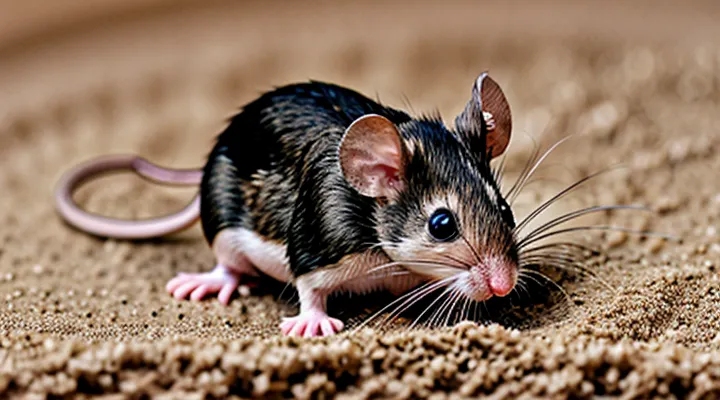
Pregnancy and Gestation
Fertilization and Implantation
Fertilization Process
Fertilization in the mouse initiates the developmental cascade that ultimately leads to birth. Mature oocytes are released from the ovarian follicle during the estrous cycle and become positioned in the ampulla of the oviduct. Spermatozoa, after capacitation in the female tract, encounter the zona pellucida and bind to ZP3 glycoprotein, triggering the acrosome reaction. Enzymatic release of hydrolytic enzymes enables the sperm to penetrate the zona and fuse with the oolemma. Membrane fusion merges the haploid genomes, forming a diploid zygote.
Immediately after fusion, the oocyte completes meiosis II, extruding the second polar body. Calcium oscillations, driven by phospholipase C ζ released from the sperm, activate embryonic transcription factors and initiate the first mitotic division. The zygote undergoes a series of cleavages:
- 1‑cell stage (zygote) – pronuclear formation and syngamy.
- 2‑cell stage – first mitotic division, occurring ~24 hours post‑fertilization.
- 4‑cell stage – second division, establishing early cell polarity.
- 8‑cell stage – activation of the embryonic genome, preparation for compaction.
Each cleavage occurs without growth, preserving cytoplasmic volume while increasing cell number. By the blastocyst stage, the inner cell mass and trophectoderm are distinguished, preparing for implantation in the uterine lining. The precise timing and molecular regulation of these events dictate successful progression toward fetal development and eventual delivery.
Implantation in the Uterus
Implantation marks the transition from a free‑floating blastocyst to a permanently attached embryo within the uterine wall. In mice, this event occurs around embryonic day 4.5, when the trophectoderm cells adhere to the luminal epithelium and initiate signaling cascades that remodel both maternal and embryonic tissues.
The process involves three coordinated steps:
- Apposition – the blastocyst aligns with the uterine epithelium, guided by chemotactic cues such as leukemia inhibitory factor (LIF) and integrin ligands.
- Adhesion – adhesion molecules (e.g., E‑cadherin, integrin αVβ3) form stable contacts, allowing the trophoblast to penetrate the epithelial layer.
- Invasion – trophoblast cells differentiate into invasive subtypes, secrete matrix metalloproteinases, and remodel the extracellular matrix to embed the embryo within the stromal compartment.
Successful implantation requires synchronized hormonal regulation. Progesterone prepares the endometrium by inducing decidualization, while estrogen modulates receptivity windows. Disruption of any signaling component—LIF deficiency, integrin blockade, or aberrant progesterone levels—results in implantation failure and embryonic loss.
Following attachment, the uterine stroma transforms into decidua, providing nutrients, immune modulation, and structural support for subsequent embryonic growth. This early maternal–embryonic interface establishes the foundation for the later stages of murine development, including gastrulation and organogenesis.
Embryonic Development Stages
Early Cleavage and Blastocyst Formation
Early cleavage in the murine embryo initiates immediately after fertilization, dividing the zygote into two, four, and eight-cell stages within the first 24 hours. Cytoplasmic determinants become asymmetrically distributed, establishing the first lineage decisions. The following points summarize the key events:
- 2‑cell stage: activation of the embryonic genome begins, transcription of maternal mRNA declines.
- 4‑cell stage: compaction starts, driven by E‑cadherin‑mediated adhesion, which increases cell–cell contacts.
- 8‑cell stage: cells polarize, forming an outer apical domain and an inner basal domain; this polarity precedes the first differentiation wave.
Compaction culminates in the formation of the morula, a solid ball of tightly linked blastomeres. Subsequent cavitation creates the blastocyst cavity, a fluid‑filled lumen that expands by active transport of ions through Na⁺/K⁺‑ATPase pumps in the outer cells. The blastocyst consists of two distinct lineages: the trophectoderm, which will contribute to placental structures, and the inner cell mass, destined to generate the embryo proper.
By the late blastocyst stage (approximately 3.5 days post‑coitum), the cavity reaches its maximum volume, and the embryo prepares for implantation. At this point, the trophectoderm expresses markers such as Cdx2, while the inner cell mass up‑regulates Oct4 and Nanog, confirming the establishment of the first functional tissue layers.
Gastrulation and Germ Layer Formation
Gastrulation marks the transition from a simple blastocyst to a structured embryo, establishing the three primary germ layers that will generate all tissues of the mouse. During this phase, the epiblast cells migrate through the primitive streak, a transient structure positioned on the posterior embryonic surface. This movement creates distinct cell streams: the mesoderm arises from cells that ingress between the epiblast and the visceral endoderm, while the endoderm forms from cells that replace the overlying visceral endoderm. Cells that remain in the epiblast become the ectoderm.
The formation of germ layers proceeds through coordinated signaling pathways. Fibroblast growth factor (FGF) and Wnt activity drive the emergence and elongation of the primitive streak, whereas Nodal signaling regulates its positioning and the extent of cell ingress. Concurrently, BMP antagonists such as Noggin and Chordin shape the dorsal–ventral axis, ensuring proper allocation of mesodermal subtypes.
Key outcomes of gastrulation include:
- Establishment of the ectoderm, which will give rise to the central nervous system, epidermis, and sensory organs.
- Generation of the mesoderm, the source of muscle, skeletal elements, circulatory system, and connective tissues.
- Formation of the definitive endoderm, which will develop into the gastrointestinal tract, respiratory system, and associated glands.
Temporal precision is critical; the primitive streak appears around embryonic day 6.5 and regresses by day 7.5, after which the germ layers undergo further patterning. Epigenetic modifications, such as DNA methylation changes, accompany these transitions, locking in lineage-specific gene expression programs.
In summary, gastrulation orchestrates the spatial and molecular segregation of embryonic cells into ectoderm, mesoderm, and endoderm, providing the foundational architecture for subsequent organogenesis in the developing mouse.
Organogenesis: Major Organ Development
Organogenesis in the mouse embryo proceeds primarily between embryonic days 9.5 and 15.5, following the formation of the three germ layers. The endoderm, mesoderm, and ectoderm differentiate into the principal organ systems through coordinated morphogenetic movements and lineage specification.
- Cardiovascular system: Cardiac tube formation at E8.0, looping by E9.5, chamber septation and valve development completed by E14.5.
- Respiratory system: Lung bud emergence from the foregut at E9.5, branching morphogenesis initiating at E11.0, reaching the saccular stage by E15.5.
- Digestive tract: Primitive gut tube established at E9.0, regionalization into foregut, midgut, and hindgut by E10.5, villus formation in the small intestine by E14.5.
- Renal system: Metanephric mesenchyme induced by the ureteric bud at E11.0, nephron progenitor condensation and glomerular formation by E13.5, functional nephrons appear by E15.5.
- Nervous system: Neural tube closure completed by E9.0, primary brain vesicle formation, cortical neurogenesis expanding from E11.5 onward, synaptogenesis evident by E15.5.
- Skeletal system: Limb bud emergence at E9.5, chondrogenic condensation and ossification centers established by E13.0, long bone elongation continues through E15.5.
Regulatory networks governing these processes include transcription factors such as Nkx2‑5 for cardiac differentiation, Sox9 for chondrogenesis, and Pdx1 for pancreatic specification. Signaling pathways—Sonic hedgehog, Wnt/β‑catenin, Notch, and fibroblast growth factor—mediate inter‑tissue communication and temporal progression of organ morphogenesis.
The precise timing and patterning of organ development in the mouse provide a benchmark for genetic manipulation studies and for modeling congenital anomalies. Understanding these milestones enhances the interpretation of phenotypic outcomes in experimental embryology.
Parturition: The Birthing Process
Hormonal Regulation of Labor
Progesterone Withdrawal
Progesterone withdrawal initiates the cascade of physiological events that culminate in murine parturition. The abrupt decline in circulating progesterone removes inhibitory signals on uterine contractility, permitting the activation of myometrial oxytocin receptors and the expression of contraction-associated proteins. Concurrently, the reduction in progesterone permits the up‑regulation of prostaglandin synthesis enzymes, leading to increased prostaglandin E₂ and F₂α levels that further stimulate uterine smooth‑muscle activity.
Key outcomes of progesterone withdrawal include:
- Activation of gap junction formation between myometrial cells, enhancing coordinated contractions.
- Induction of inflammatory mediators such as interleukin‑6 and tumor necrosis factor‑α, which contribute to cervical remodeling.
- Elevation of estrogen‑to‑progesterone ratio, shifting the transcriptional landscape toward genes that promote labor.
Experimental models demonstrate that antagonizing progesterone receptors or artificially maintaining progesterone levels delays delivery, confirming the necessity of the hormone’s withdrawal for normal birth timing. Gene‑expression profiling of uterine tissue during the withdrawal phase reveals a rapid increase in transcription factors (e.g., NF‑κB, AP‑1) that drive the expression of matrix‑degrading enzymes required for cervical dilation.
Overall, the cessation of progesterone signaling serves as the pivotal trigger that orchestrates uterine activation, cervical preparation, and fetal positioning, thereby ensuring successful completion of the developmental sequence leading to mouse birth.
Oxytocin Release
Oxytocin is secreted by the paraventricular and supraoptic nuclei of the hypothalamus and transported to the posterior pituitary, where it enters the bloodstream during murine parturition. The hormone’s plasma concentration rises sharply at the onset of labor, peaks during delivery, and declines rapidly after pup expulsion.
The surge triggers uterine smooth‑muscle contraction through activation of oxytocin receptors on myometrial cells. Contraction intensity and frequency increase in proportion to circulating oxytocin levels, ensuring efficient cervical dilation and fetal expulsion. Simultaneously, oxytocin facilitates the release of prostaglandins from the decidua, which amplify contractile activity.
Oxytocin also influences maternal behavior immediately after birth. Elevated levels correlate with enhanced pup‑retrieval, nest‑building, and nursing initiation. The hormone modulates neural circuits in the medial preoptic area and amygdala, promoting affiliative responses toward offspring.
Key aspects of oxytocin dynamics in mouse parturition:
- Temporal pattern: rapid rise before labor, sustained peak during delivery, swift decline postpartum.
- Source: hypothalamic neurosecretory cells → posterior pituitary → circulation.
- Target actions: myometrial contraction, prostaglandin release, activation of maternal brain regions.
- Physiological outcomes: effective fetal expulsion, establishment of maternal care behaviors.
Disruption of oxytocin signaling—via receptor antagonists or genetic knockout—results in prolonged labor, incomplete cervical dilation, and deficits in pup‑directed maternal activities, confirming the hormone’s essential function in the birthing sequence of mice.
Stages of Labor
First Stage: Cervical Dilation
Cervical dilation marks the initial phase of murine parturition. The cervix undergoes rapid softening, effacement, and opening to permit fetal passage. Hormonal cues dominate this transition: a surge in estrogen and a decline in progesterone shift the tissue’s responsiveness to prostaglandins and relaxin, which remodel collagen fibers and reduce stromal rigidity. The extracellular matrix degrades through matrix metalloproteinase activity, while hyaluronic acid accumulation increases hydration and pliability. Concurrently, the myometrium initiates low‑amplitude contractions that reinforce cervical opening without expelling the fetus.
Key characteristics of this stage include:
- Estrogen‑driven up‑regulation of prostaglandin synthase enzymes.
- Relaxin‑mediated disassembly of collagen cross‑links.
- Elevated matrix metalloproteinase expression.
- Increased cervical water content via hyaluronic acid synthesis.
- Onset of coordinated uterine contractile activity.
These mechanisms collectively produce a cervical aperture of 1–2 mm within 30–45 minutes, establishing the conduit for subsequent fetal expulsion.
Second Stage: Expulsion of Pups
The second stage of murine parturition involves the active expulsion of the litter. Contractions of the uterine myometrium intensify, generating intra‑abdominal pressure that drives each pup through the birth canal. The cervix remains fully dilated, allowing unobstructed passage.
Typical timing ranges from 30 to 90 minutes, depending on litter size and maternal condition. The sequence proceeds as follows:
- Initiation of strong, coordinated uterine contractions.
- Cervical relaxation maintains maximal opening.
- Pup emergence, with the head first, followed by the body.
- Immediate presentation of the forelimbs and tail.
- Maternal grooming and stimulation of respiration.
Maternal behavior during this stage includes rhythmic licking of each newborn, which activates the pups’ respiratory and thermoregulatory functions. The mother also repositions the pups to ensure proper alignment for subsequent stages of development.
Third Stage: Placenta Delivery
The third stage of murine parturition involves the expulsion of the placental complex after the delivery of the litter. At this point, uterine contractions shift from propulsive activity to a tonic pattern that compresses the decidual tissue, facilitating separation of the chorion and associated membranes from the uterine wall. Oxytocin levels peak, reinforcing myometrial tone and promoting hemostasis through vasoconstriction of the uterine vessels.
Key physiological events include:
- Detachment of the placenta from the endometrium, mediated by proteolytic enzymes that dissolve the basal lamina.
- Contraction of the myometrium, generating sufficient force to expel the placental mass through the birth canal.
- Rapid closure of the uterine lumen, reducing the risk of hemorrhage and bacterial invasion.
- Activation of local immune cells that clear residual trophoblast debris and initiate tissue remodeling.
The interval between the birth of the last pup and the delivery of the placenta typically ranges from 5 to 15 minutes, varying with litter size and maternal condition. Successful completion of this stage is essential for restoring uterine integrity and preparing the dam for subsequent reproductive cycles. Failure to expel the placenta promptly can lead to retained placental tissue, increasing the likelihood of infection and compromising maternal health.
Neonatal Care and Immediate Post-Birth Events
Maternal Licking and Grooming
Maternal licking and grooming constitute the primary postnatal somatosensory input that shapes neural circuitry in newborn rodents. Immediately after delivery, the dam repeatedly contacts each pup with her forepaws, delivering tactile stimulation that triggers activation of peripheral sensory neurons. This stimulation induces release of neurotrophic factors, such as brain‑derived neurotrophic factor, within the somatosensory cortex, promoting synaptic refinement during the first postnatal week.
The frequency and duration of licking correlate with measurable changes in stress‑responsive systems. Pups receiving higher rates of maternal grooming exhibit reduced corticosterone levels and enhanced expression of glucocorticoid‑receptor genes in the hippocampus. These physiological adjustments contribute to improved adaptation to environmental challenges later in life.
Key outcomes of maternal tactile care include:
- Accelerated maturation of motor coordination, evident by earlier onset of righting reflexes.
- Strengthened attachment behaviors, reflected in increased ultrasonic vocalizations when separated from the dam.
- Modulation of epigenetic marks on genes governing anxiety and social interaction.
Disruption of licking and grooming, whether by genetic manipulation of the dam or experimental removal of tactile contact, leads to delayed sensory cortex development, heightened stress reactivity, and impaired social competence. Consistent maternal tactile stimulation therefore operates as a deterministic factor in shaping the early developmental trajectory of mice.
Suckling and Milk Production
Suckling begins within minutes of parturition as newborn mice locate the mother’s nipples and initiate rhythmic oral movements. The first 12 hours involve continuous attachment, with pups feeding every 30–45 minutes to obtain colostrum rich in immunoglobulins and growth factors.
Milk production is driven by hormonal cascades that activate the mammary epithelium shortly after delivery. Prolactin stimulates secretory cell differentiation, while oxytocin triggers myoepithelial contraction to release milk. The glandular tissue expands from an average of 0.2 g at birth to 1.5 g by post‑natal day 10, reflecting increased alveolar density and vascularization. Milk composition shifts from colostrum (high protein, low lactose) to mature milk (balanced protein, lactose, and fat) over the first three days, supporting rapid somatic growth.
Pup‑induced stimulation regulates milk ejection. Each suckling bout generates tactile signals that travel via sensory afferents to the hypothalamus, maintaining oxytocin release. Frequency of bouts declines from 15–20 per day in the first week to 5–6 by day 14, coinciding with the onset of weaning. The mother adjusts milk volume proportionally, ensuring each pup receives approximately 0.1 ml per feeding during peak demand.
Key developmental milestones linked to suckling and lactation:
- Day 0–1: Colostrum intake; passive immunity transfer.
- Day 2–4: Transition to mature milk; peak protein synthesis.
- Day 7: Alveolar expansion reaches 75 % of adult capacity.
- Day 14: Initiation of solid food consumption; reduction in suckling frequency.
- Day 21: Complete weaning; cessation of milk production.
These processes collectively sustain neonatal growth, immune competence, and preparation for independent feeding.