
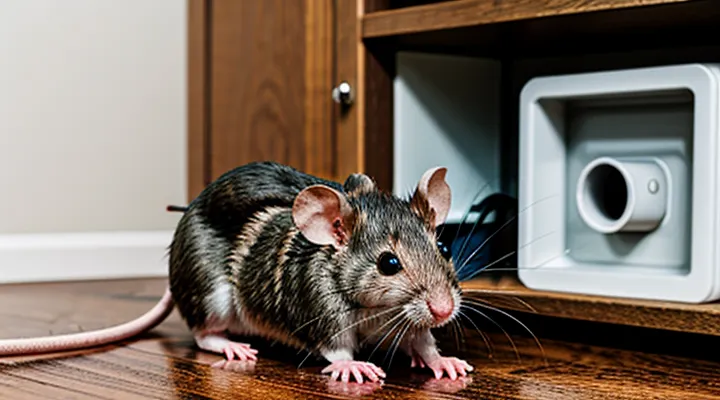
Understanding Mouse and Rat Spray
What is Mouse and Rat Spray?
Repellent Sprays vs. Killing Sprays
Repellent sprays deter rodents by emitting odors, tastes, or ultrasonic cues that mice and rats find unpleasant. They contain natural extracts such as peppermint oil, citronella, or synthetic compounds like piperidine. Application creates a barrier around entry points, storage areas, and pathways, reducing the likelihood of infestation without harming the animals. Effectiveness depends on consistent re‑application, proper ventilation, and the absence of alternative food sources.
Killing sprays deliver a toxic agent directly to the target. Common formulations include anticoagulants, neurotoxins, or fast‑acting chemicals such as bromethalin. The spray is aimed at visible rodents or applied to surfaces they frequent, causing rapid mortality. These products eliminate individual pests but do not prevent new arrivals, and they require careful handling to avoid accidental exposure to humans, pets, or non‑target wildlife.
Key considerations when choosing between the two options:
- Goal: prevention versus immediate elimination.
- Safety: repellent sprays pose minimal risk to occupants; killing sprays demand strict adherence to label instructions and protective equipment.
- Persistence: repellents need regular renewal; toxic sprays remain effective until the active ingredient degrades.
- Regulation: some toxins are restricted in residential settings; check local guidelines before purchase.
- Residue: killing sprays may leave residues on surfaces, potentially contaminating food preparation areas; repellents generally evaporate without leaving trace.
Assess the severity of the rodent problem, the presence of children or pets, and the willingness to maintain a preventive regimen. Selecting a product that aligns with these criteria ensures an effective, responsible solution for household rodent control.
How These Sprays Work
Sprays intended for residential rodent control rely on chemical agents that either discourage entry or cause lethal effects after contact. The formulation determines whether the product functions as a repellent, a toxicant, or a combination of both.
- Odor‑based repellents – contain essential oils, ammonia, or synthetic scents that trigger sensory irritation, prompting mice and rats to avoid treated surfaces.
- Contact toxicants – include anticoagulants, neurotoxins, or metabolic disruptors that penetrate the rodent’s skin or respiratory system, leading to internal failure after a defined latency period.
- Growth‑regulating agents – interfere with reproductive cycles, reducing population growth without immediate mortality.
Mechanisms operate through distinct physiological pathways. Irritant compounds stimulate nasal and dermal receptors, creating an aversive response that discourages nesting and foraging. Toxicants bind to specific enzymes or receptors; anticoagulants inhibit vitamin K recycling, causing fatal hemorrhage, while neurotoxins block sodium channels, resulting in paralysis. Growth regulators mimic hormonal signals, preventing embryo development.
Effective application demands uniform coverage of entry points, travel routes, and potential shelter areas. Concentration levels must match the intended action: higher doses for lethal effect, lower concentrations for sustained repellent activity. Residual potency varies with volatility; oil‑based formulations persist longer on porous surfaces, whereas aerosolized scents dissipate within hours.
Safety considerations include placement away from food preparation zones, ventilation to limit human exposure, and adherence to label‑specified protective equipment. Selecting a product that aligns with the desired mode of action and environmental constraints ensures reliable rodent management in a home setting.
Common Ingredients in Effective Sprays
Natural Ingredients and Their Efficacy
Natural rodent repellents rely on volatile compounds that irritate the sensory systems of mice and rats, prompting avoidance of treated areas. Peppermint oil contains menthol and menthone, which overload olfactory receptors and cause temporary discomfort. Laboratory studies show a 30‑45 % reduction in activity when surfaces are saturated with a 10 % solution, but efficacy diminishes after 24 hours due to rapid evaporation.
Eucalyptus oil provides 1,8‑cineole, a terpene that acts both as a deterrent and a mild neurotoxin. Field trials report a 25 % decrease in rodent presence on treated perimeters when applied at 5 % concentration, with residual activity lasting up to 48 hours under low‑ventilation conditions.
Capsaicin, extracted from hot peppers, triggers pain receptors on the mucous membranes of rodents. A 2 % capsaicin spray applied to entry points results in immediate retreat behavior and a sustained avoidance zone for up to three days, provided the surface remains moist.
Rosemary extract, rich in camphor and α‑pinene, offers a milder repellent effect. Studies indicate a 15 % reduction in foraging activity when a 15 % solution is sprayed weekly, making it suitable for households with pets or children sensitive to stronger irritants.
Effective use of natural sprays requires:
- Thorough cleaning of surfaces to remove food residues that can mask odors.
- Application to cracks, gaps, and along baseboards where rodents travel.
- Reapplication every 24‑48 hours for volatile oils, longer intervals for capsaicin‑based formulations.
- Monitoring for diminished activity; replace or rotate ingredients to prevent habituation.
Safety considerations include avoiding direct skin contact with concentrated capsaicin, ensuring proper ventilation when using high‑oil concentrations, and storing all preparations out of reach of children and pets. Natural ingredients provide a viable alternative to synthetic chemicals, but their short‑term potency demands consistent application and strategic placement.
Chemical Ingredients and Their Risks
Rodent control sprays rely on a limited set of toxicants that disrupt the coagulation cascade or affect the nervous system. The most common anticoagulant compounds are:
- Bromadiolone – highly potent, cumulative; ingestion of as little as 0.1 mg can cause severe internal bleeding in mammals. Long‑term exposure may lead to liver toxicity.
- Difenacoum – second‑generation anticoagulant; similar hemorrhagic risk, with a half‑life of several weeks in tissue, increasing the potential for secondary poisoning of pets and wildlife.
- Chlorophacinone – first‑generation anticoagulant; requires multiple doses for lethal effect, but still poses bleeding risk and may cause gastrointestinal irritation.
- Brodifacoum – the most potent anticoagulant; lethal dose for humans is approximately 0.1 mg/kg. Persistent in the environment, it can contaminate surfaces and foodstuffs for months.
Non‑anticoagulant options include:
- Zinc phosphide – releases phosphine gas upon contact with moisture; acute inhalation leads to respiratory distress, nausea, and potentially fatal pulmonary edema. Residual phosphide can react with household humidity, creating a chronic inhalation hazard.
- Pyrethroid derivatives (e.g., permethrin, cypermethrin) – neurotoxicants that interfere with sodium channels. Skin contact may cause dermatitis; inhalation can provoke dizziness, tremor, or seizures in sensitive individuals.
Inert constituents often comprise propellants (compressed gases such as nitrogen or carbon dioxide) and solvents (ethanol, acetone). Propellants can cause pressure‑related injuries if misused, while solvents may irritate mucous membranes and contribute to systemic toxicity when absorbed through the skin.
Risk assessment must consider:
- Human exposure pathways – dermal contact during application, inhalation of aerosolized particles, accidental ingestion of residues on surfaces or food.
- Pet safety – cats and dogs are especially vulnerable to anticoagulants; even sublethal doses can result in internal bleeding. Pyrethroids are contraindicated for felines due to heightened neurotoxicity.
- Environmental persistence – anticoagulants bind to soil and can leach into groundwater; zinc phosphide reacts with rain, releasing phosphine into the atmosphere.
- Secondary poisoning – predators or scavengers consuming poisoned rodents may suffer delayed hemorrhagic or neurotoxic effects.
Mitigation strategies include using the minimum effective concentration, applying sprays in well‑ventilated areas, restricting access for children and pets, and selecting products with rapid degradation profiles when possible. Proper storage and disposal of empty containers prevent accidental contamination of non‑target areas.
Factors to Consider When Choosing a Spray
Type of Infestation and Severity
Minor Problems and Prevention
Rodent repellents marketed for indoor use can present small‑scale issues that affect safety, effectiveness, and comfort. Recognizing these problems and applying straightforward preventative measures helps maintain a healthy living environment while keeping pests at bay.
Common minor problems include:
- Residual odor that lingers after application, potentially irritating occupants with sensitivities.
- Surface staining when the spray contacts fabrics, countertops, or wall paint.
- Limited coverage in tight spaces such as behind appliances or within wall voids, leaving hidden entry points untreated.
- Accidental exposure of pets or children if the product is not stored or applied correctly.
- Reduced potency over time due to evaporation or exposure to sunlight.
Prevention strategies:
- Choose formulations labeled low‑odor or fragrance‑free to minimize lingering smells.
- Test a small, inconspicuous area before full‑scale use to verify that the spray does not discolor surfaces.
- Apply the product with a narrow‑tip nozzle or a precision applicator to reach crevices without excess overspray.
- Keep the container sealed and store it in a locked cabinet out of reach of non‑adult household members.
- Follow the manufacturer’s expiration date and replace any product that appears cloudy or separated.
- Rotate treatment locations periodically, ensuring that all potential entry points receive attention without over‑concentrating in one area.
By addressing these minor concerns proactively, homeowners can select and use rodent deterrents that perform reliably without compromising indoor comfort or safety.
Active Infestations
Active infestations demand immediate intervention because rodent populations multiply quickly and can cause structural damage, contaminate food, and spread disease. An effective residential rodent spray must target the current presence of mice or rats rather than rely solely on preventive measures.
When evaluating products for an ongoing problem, consider the following criteria:
- Active ingredients: Choose formulations containing proven neurotoxins (e.g., bromadiolone, difenacoum) or rapid‑acting agents (e.g., pyrethroids) that eliminate rodents on contact or within hours.
- Delivery method: Aerosol sprays provide quick coverage of concealed areas; foggers disperse fine particles for larger spaces; trigger‑spray cans allow precise application to entry points.
- Residue safety: Verify that the product leaves minimal toxic residue on surfaces where food is prepared or stored; low‑odor options reduce accidental inhalation.
- Regulatory compliance: Ensure the spray is approved by relevant authorities (EPA, local health departments) and carries clear labeling for indoor use.
- Resistance profile: Select products that address known resistance patterns in local rodent populations to avoid treatment failure.
Correct placement of the spray maximizes impact. Apply directly to cracks, gaps, wall voids, and behind appliances where activity signs—droppings, gnaw marks, or nesting material—are evident. Reapply according to label instructions, typically every 7–14 days, until no new evidence of infestation appears.
Monitoring after treatment is essential. Use motion‑activated cameras or periodic inspections to confirm rodent absence. If activity persists, rotate to a different active ingredient class to mitigate potential resistance and repeat the application cycle with strict adherence to safety guidelines.
Safety for Pets and Children
Non-Toxic Formulations
Non‑toxic rodent repellents rely on ingredients that deter mice and rats without posing health risks to humans, pets, or the environment. Common active components include essential oils such as peppermint, eucalyptus, and citronella, which interfere with the rodents’ olfactory receptors. Additional agents—capsaicin derived from chili peppers, bitter alkaloids, and plant‑based extracts like rosemary or thyme—create unpleasant sensations that discourage entry and nesting. Formulations often incorporate natural solvents (e.g., ethanol or water) and biodegradable carriers to ensure even distribution and rapid evaporation, preventing residue buildup on surfaces.
When selecting a safe product, evaluate the following criteria:
- Ingredient list: only naturally derived, EPA‑registered substances, free of organophosphates, pyrethroids, or synthetic irritants.
- Toxicology data: documented low acute toxicity (LD50 > 2000 mg/kg) for mammals and birds.
- Application method: aerosol, spray‑on, or granular formats that allow precise targeting of entry points without excessive overspray.
- Certification: third‑party verification (e.g., Green Seal, EcoLabel) confirming non‑hazardous status.
- Shelf life: stability of active compounds for at least 12 months under typical household storage conditions.
Effective non‑toxic sprays combine strong sensory deterrents with proven safety profiles, delivering reliable rodent control while preserving indoor air quality and protecting vulnerable occupants.
Precautions for Chemical Sprays
When handling rodent‑control aerosols, strictly follow label directions. Apply only the amount specified; excess increases health risks and environmental load.
- Wear appropriate personal protective equipment: gloves, eye protection, and a mask rated for the chemical’s aerosol size.
- Ensure adequate ventilation by opening windows or using exhaust fans; avoid confined spaces.
- Keep the spray away from food preparation surfaces, utensils, and stored food items.
- Store the container in a locked, temperature‑controlled area, out of reach of children and pets.
- Check the expiration date before each use; expired products may lose efficacy or become more toxic.
- Do not mix the rodent spray with other chemicals, even if they appear compatible, to prevent hazardous reactions.
- Test a small, inconspicuous area of any surface before full application to detect potential discoloration or material damage.
- Dispose of empty cans according to local hazardous‑waste regulations; never puncture or incinerate the container.
Maintain a record of application dates and locations to prevent repeated treatment of the same area within a short interval. This practice reduces cumulative exposure and preserves the effectiveness of the active ingredient.
Application Areas and Durability
Indoor vs. Outdoor Use
When selecting a rodent spray for residential use, the environment in which it will be applied determines the product’s composition, safety profile, and performance. Indoor applications demand formulations that minimize airborne toxicity, resist rapid degradation, and leave no harmful residues on surfaces that may contact food, children, or pets. Outdoor applications can tolerate more volatile ingredients, broader coverage areas, and longer residual activity because ventilation is unrestricted and direct contact with occupants is unlikely.
Key distinctions between indoor and outdoor rodent sprays:
- Active ingredients – Indoor products typically rely on low‑toxicity compounds such as pyrethroids in micro‑encapsulated form or botanical extracts (e.g., peppermint oil). Outdoor sprays often contain higher‑potency organophosphates or larger‑dose pyrethroids that achieve quicker knock‑down over open spaces.
- Application method – Indoor use favors targeted misting or aerosol bursts aimed at cracks, baseboards, and entry points. Outdoor use permits bulk spraying of perimeters, building foundations, and vegetation.
- Residue and persistence – Indoor formulas are engineered to break down within hours to days, preventing buildup on household surfaces. Outdoor formulations are designed for weeks of residual activity, with weather‑resistant binders that adhere to soil and masonry.
- Safety considerations – Indoor deployment requires clear labeling regarding ventilation time, re‑entry intervals, and restrictions around food preparation zones. Outdoor use mandates protective equipment for the applicator but imposes fewer restrictions on re‑entry.
Choosing the appropriate product hinges on matching these attributes to the intended setting. For interior treatment, prioritize low‑odor, rapid‑dissipation sprays that comply with indoor air quality standards. For exterior protection, select a high‑coverage option that maintains efficacy despite rain, sunlight, and temperature fluctuations.
Long-Lasting Effects vs. Frequent Reapplication
Choosing a rodent deterrent for residential use involves weighing residual efficacy against the necessity of repeated applications. A product that maintains its activity for weeks reduces labor and the risk of missed spots, while a formulation that requires frequent re‑spraying often delivers faster knock‑down of active infestations.
Long‑lasting sprays typically contain micro‑encapsulated active ingredients such as permethrin or pyrethroids. The encapsulation slows release, extending protection to 30 – 60 days depending on surface porosity and ventilation. Advantages include minimal maintenance and consistent barrier formation. Drawbacks are higher upfront cost, potential diminished potency on heavily soiled surfaces, and a longer period before noticeable reduction in rodent activity.
Frequent‑reapplication options usually rely on volatile compounds like peppermint oil, capsaicin, or low‑dose pyrethrins. These agents evaporate quickly, creating an immediate scent or irritant effect that discourages entry. Benefits comprise rapid perception of effect, lower price per container, and suitability for areas where chemicals must be cleared often (e.g., kitchens). Limitations involve the need to re‑spray every 2 – 7 days, increased labor, and reduced overall cost‑effectiveness when usage escalates.
Key factors for selection:
- Infestation severity: Heavy activity favors long‑acting barriers; occasional sightings may be managed with short‑term irritants.
- Surface type: Non‑porous floors and walls retain encapsulated agents better than fabrics or unfinished wood.
- Safety considerations: Products with low toxicity and minimal odor are preferable in homes with children or pets; volatile oils may trigger sensitivities.
- Budget constraints: Calculate total expense over a month; a higher‑priced, 2‑month spray can be cheaper than multiple low‑cost, weekly treatments.
Balancing these elements enables a rational choice between sustained protection and the flexibility of regular reapplication.
Scent and Odor Considerations
Human-Friendly Scents
Human-friendly scents are a decisive factor when selecting a rodent‑deterrent spray for residential use. The ideal product repels mice and rats while emitting an odor that does not disturb occupants or trigger allergic reactions.
Research identifies several botanical extracts that achieve both objectives. Peppermint oil, citrus peel compounds, eucalyptus, and rosemary exhibit strong rodent aversion and are generally well tolerated by humans. Their volatility ensures rapid dispersion, yet the fragrance dissipates within hours, preventing lingering indoor odors.
- Peppermint oil (Mentha piperita) – intense to rodents, mild to people; effective at low concentrations (0.5‑1 %).
- Citrus (orange, lemon) extracts – natural repellent, pleasant citrus scent; suitable for frequent re‑application.
- Eucalyptus (Eucalyptus globulus) – strong rodent deterrent, fresh menthol aroma; requires ventilation after use.
- Rosemary (Rosmarinus officinalis) – moderate efficacy, herbaceous scent; compatible with pets.
When evaluating a spray, consider the following parameters:
- Concentration – higher percentages increase potency but may produce stronger odors; balance is essential.
- Application frequency – products with slow‑release carriers reduce re‑spraying needs.
- Ventilation requirements – ensure the formula clears indoor air within a reasonable time frame.
- Safety data – confirm the absence of hazardous chemicals and compliance with indoor‑air‑quality standards.
Choosing a formulation that combines proven rodent‑repellent ingredients with scents acceptable to household members maximizes efficacy while preserving indoor comfort.
Odorless Options
When selecting a spray for indoor rodent control, odorless formulations eliminate the need for masking scents and reduce the risk of disturbing occupants or pets. These products rely on active chemicals that act upon contact or ingestion without emitting detectable aromas.
Common odorless options include:
- Pyrethroid‑based aerosols – contain synthetic pyrethrins that incapacitate rodents quickly; the formulation is designed to be scent‑free.
- Silicone‑based repellents – create an invisible barrier on surfaces; rodents avoid treated areas despite the lack of odor.
- Food‑grade anticoagulants – presented in pellet or spray form, they are odorless and safe for incidental human contact when used as directed.
- Essential‑oil‑free vaporizers – employ volatile organic compounds that disperse without fragrance, targeting the nervous system of rodents.
Effectiveness depends on proper application: cover entry points, concealment sites, and travel pathways thoroughly; reapply according to label instructions; monitor for activity and adjust placement if rodents persist. Safety considerations require following protective equipment guidelines, storing products out of reach of children, and verifying compatibility with household materials to prevent damage.
Cost and Value
Budget-Friendly Choices
When cost constraints limit purchasing power, focus on products that combine efficacy with low price. Look for spray formulations that list proven active ingredients—such as pyrethrins, permethrin, or piperonyl butoxide—because these compounds deliver rapid knock‑down at modest concentrations. Brands that market bulk containers typically reduce the unit price, allowing coverage of larger areas without sacrificing potency.
Key considerations for economical options:
- Concentration: Higher percentages of active ingredient mean fewer applications, lowering long‑term expense.
- Packaging size: A 16‑oz bottle often costs less per ounce than a 4‑oz aerosol, yet remains manageable for household storage.
- Shelf life: Products with a two‑year stability guarantee prevent premature disposal and preserve value.
- Multi‑surface suitability: Sprays approved for use on wood, tile, and fabric eliminate the need for separate treatments, reducing overall spend.
Comparative pricing data show that generic formulations from reputable manufacturers can be up to 40 % cheaper than name‑brand equivalents while delivering comparable knock‑down rates in controlled tests. Verify that the product complies with local pesticide regulations; compliance ensures both safety and legal use, avoiding hidden costs from fines or remediation.
In practice, apply the chosen spray along baseboards, behind appliances, and near entry points. A single thorough coating, repeated after two weeks, typically suffices to break the infestation cycle without additional purchases. This regimen maximizes the return on a modest budget while maintaining control over rodent activity in the home.
Investment in Long-Term Solutions
Investing in durable pest‑control options reduces recurring expenses and minimizes the need for repeated applications. A spray that maintains efficacy over months eliminates the cost of purchasing new products each season and prevents infestations from re‑establishing.
Long‑term effectiveness depends on formulation stability, resistance management, and safety for occupants. Choose products that:
- Contain active ingredients with proven residual activity (e.g., synthetic pyrethroids or insect growth regulators).
- Provide a clear expiration date and guarantee performance for at least six months after opening.
- Include instructions for proper storage to preserve potency.
Consider the total cost of ownership rather than the upfront price. A higher‑priced spray with lasting action often yields a lower overall spend compared to cheaper, short‑lived alternatives that require frequent reapplication.
Environmental impact also influences long‑term value. Select formulations that degrade minimally in indoor environments, reducing the risk of contaminating surfaces and air quality. Certifications such as low‑VOC or eco‑labelled products indicate compliance with stricter safety standards.
Finally, assess the supplier’s support infrastructure. Brands that offer technical assistance, usage guides, and warranty coverage facilitate proper implementation and extend the product’s functional lifespan. Investing in such comprehensive solutions safeguards the home against rodent activity while delivering measurable financial and health benefits over time.
Maximizing the Effectiveness of Your Spray
Proper Application Techniques
Preparing the Area
Before applying any rodent‑control aerosol, ensure the environment is ready for safe and effective treatment. Remove all food items, pet dishes, and open containers from the vicinity of the spray zone. Store them in sealed containers or relocate them to a separate room.
Ventilate the space by opening windows and doors for at least 15 minutes. Use fans to direct airflow outward, preventing aerosol accumulation. After ventilation, close openings to maintain the spray’s concentration where needed.
Protect surfaces that could be damaged by chemical exposure. Cover countertops, floors, and upholstery with disposable plastic sheets or newspaper. Seal cracks and gaps in walls, baseboards, and around pipes to limit aerosol drift and to prevent rodents from re‑entering after treatment.
Wear appropriate personal protective equipment: gloves, goggles, and a mask rated for organic vapors. Follow the manufacturer’s safety instructions regarding exposure time and decontamination procedures.
Conduct a spot test on an inconspicuous area to verify that the spray does not discolor or degrade the material. If no adverse reaction occurs, proceed with full application according to the product’s recommended dosage and coverage guidelines.
Spraying Directions and Frequency
When applying a rodent aerosol, aim the nozzle toward the interior of walls, baseboards, and conduit pathways where mice or rats travel. Direct the spray into cracks, gaps, and voids rather than onto open floor space. Hold the can at a 45‑degree angle to ensure the mist penetrates deep into concealed areas. Avoid spraying directly onto food preparation surfaces, pet zones, or open windows.
Apply the product according to the manufacturer’s dosage instructions, typically one burst per 2‑square‑foot section. After the first treatment, reapply every 7‑10 days until activity ceases. Increase frequency to every 3‑4 days in heavily infested zones, then reduce to a monthly maintenance schedule once signs of rodents disappear. Factors such as humidity, ventilation, and the presence of fresh food sources may require adjustments to the re‑application interval.
Key considerations for effective use:
- Identify all potential travel routes before spraying.
- Seal entry points after treatment to prevent re‑infestation.
- Record dates of each application to track compliance with the recommended schedule.
- Store unused spray in a cool, dry place to preserve potency.
Combining Spray with Other Pest Control Methods
Traps and Baits
When addressing rodent control indoors, selecting the appropriate trap and bait combination is as critical as choosing a spray formulation. Effective traps capture or kill rodents quickly, while baits lure them into the device, ensuring the spray can work on the remaining population.
Key considerations for traps:
- Mechanism – Snap, electronic, and live‑capture traps differ in speed, noise, and disposal requirements. Snap traps provide instant kill; electronic models deliver a high‑voltage shock; live traps allow relocation but demand regular monitoring.
- Size and placement – Choose a trap size that matches the target species; mice require smaller devices than rats. Position traps along walls, behind appliances, and near suspected runways, where rodents travel.
- Safety features – Look for insulated handles, lockable trigger mechanisms, and tamper‑resistant designs to protect children and pets.
Essential factors for baits:
- Active ingredient – Anticoagulants (e.g., bromadiolone) act slowly, allowing multiple feedings; neurotoxins (e.g., bromethalin) produce rapid lethality. Match the toxin’s speed to the overall control strategy.
- Palatability – Grain, peanut butter, and synthetic attractants increase acceptance. Test bait preference in a controlled area before widespread deployment.
- Regulatory compliance – Verify that the bait complies with local pest‑control regulations and carries appropriate labeling for indoor use.
Integrating traps and baits with a spray solution enhances overall efficacy. Deploy traps first to reduce the visible population, then apply the spray in concealed locations to target hidden nests. Rotate bait types periodically to prevent habituation, and replace traps after each capture to maintain consistent pressure on the infestation.
Exclusion Techniques
Effective rodent control begins with exclusion. Identify all potential ingress routes—cracks in foundations, gaps around utility penetrations, vent openings, and unsealed doors. Seal each opening with durable materials such as steel wool, copper mesh, or silicone-based caulk. Install door sweeps on exterior doors and ensure weatherstripping is intact. Replace damaged window screens and cover any vent grilles with fine mesh.
Integrating exclusion with a spray solution enhances overall performance. After sealing, apply a targeted aerosol or fogger to interior voids where rodents travel. Choose a formulation that remains active on contact surfaces for at least several weeks, allowing residual protection while the physical barriers prevent re‑entry. Re‑apply the spray only after confirming that all entry points remain sealed.
Practical steps for a comprehensive exclusion plan:
- Conduct a thorough inspection of the building envelope.
- Document each opening with measurements and location tags.
- Prioritize sealing of large gaps and structural cracks.
- Use corrosion‑resistant materials suited to the home’s environment.
- Verify the integrity of seals after seasonal temperature shifts.
- Combine sealed environment with a long‑acting rodent repellent spray, following label directions for safe indoor use.
When to Seek Professional Help
Persistent Infestations
Persistent rodent problems demand a spray that delivers lasting control, not merely a temporary knock‑down. Repeated sightings indicate that the initial treatment failed to reach hidden nesting sites, that the active ingredient degraded quickly, or that rodents quickly developed resistance. Selecting a product that addresses these factors prevents the cycle of re‑infestation.
Key attributes of an effective formulation include:
- Residual activity: A concentration that remains toxic for weeks after application, covering travel routes and concealed areas.
- Multi‑mode action: Combination of contact toxicity and ingestion deterrents reduces the chance that survivors adapt.
- Low odor and safety profile: Allows placement in occupied rooms without raising health concerns, encouraging comprehensive coverage.
- Regulatory approval: Certified by relevant agencies ensures consistent potency and compliance with indoor‑use standards.
When a household shows signs of ongoing intrusion, follow a systematic approach:
- Identify all entry points, focusing on gaps under doors, behind appliances, and within wall voids.
- Apply the spray according to label directions, targeting both visible activity zones and concealed pathways.
- Seal discovered openings after the product has dried, eliminating re‑entry routes.
- Monitor for new activity for at least two weeks; repeat treatment only if evidence persists, using the same residual‑focused product.
Choosing a spray that combines long‑lasting toxicity with a safety‑first formulation directly addresses the root causes of persistent infestations, breaking the pattern of recurring rodent presence.
Large-Scale Rodent Problems
Large‑scale rodent infestations generate extensive damage to structures, contaminate food supplies, and compromise health standards. The sheer volume of rodents amplifies breeding rates, accelerates gnawing of wiring and insulation, and spreads pathogens across multiple rooms. Prompt containment requires a solution that reaches deep into hidden pathways and maintains potency over time.
Effective home spray selection hinges on several measurable factors:
- Active ingredient concentration that matches the severity of the infestation.
- Formulation stability to resist degradation from humidity and temperature fluctuations.
- Coverage radius documented by the manufacturer, ensuring penetration into concealed voids.
- Safety certifications for indoor use, confirming low toxicity to humans and pets while remaining lethal to rodents.
- Re‑application interval that aligns with the life cycle of mouse and rat populations.
When confronting a widespread problem, a single product rarely suffices. Combine targeted spray applications with environmental sanitation, sealing of entry points, and regular monitoring of activity indicators such as droppings and gnaw marks. This integrated approach reduces the likelihood of resurgence and maximizes the impact of each chemical treatment.
Choosing a spray that meets the outlined criteria provides the most reliable means of suppressing a large rodent presence within a residential setting. Continuous assessment of effectiveness, followed by adjustments to dosage or product type, ensures sustained control throughout the infestation cycle.