
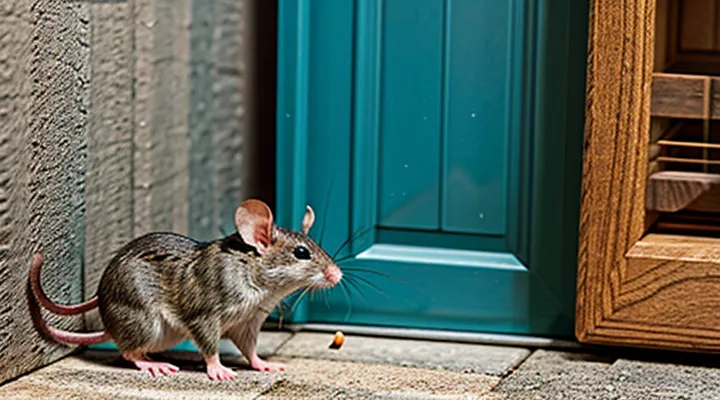
Understanding Rodent Issues in Private Homes
Common Signs of Rodent Infestation
Early detection of rodent activity determines the success of any household deterrent strategy. Recognizing unmistakable evidence prevents damage and health risks before they spread.
- Gnaw marks on wood, plastic, or wiring, especially near corners, cabinets, or baseboards.
- Droppings resembling small black grains, typically found along walls, in pantries, or near food containers.
- Nests constructed from shredded paper, fabric, insulation, or dried plant matter, often hidden in attics, closets, or behind appliances.
- Scratching or scurrying noises in walls, ceilings, or crawl spaces, most noticeable at night.
- Unexplained food spoilage, grease smears, or shredded packaging in pantry shelves.
- Presence of urine stains, which may appear as darkened spots or emit a strong, musky odor.
- Tracks or footprints in dusty areas, near entry points, or on smooth surfaces.
Each indicator confirms an active infestation and signals the need for immediate implementation of a reliable mouse and rat deterrent system tailored to a private residence.
Risks Associated with Rodents
Health Hazards
Rodent infestations introduce pathogens that threaten occupants’ health. Species such as house mice and Norway rats carry bacteria (Salmonella, Leptospira), viruses (hantavirus), and parasites (fleas, mites). Direct contact with droppings, urine, or contaminated surfaces can cause gastrointestinal illness, respiratory infections, and allergic reactions.
Chemical repellents pose additional risks. Many over‑the‑counter products contain pyrethroids, naphthalene, or strong essential‑oil concentrations. Inhalation or dermal exposure may trigger skin irritation, asthma exacerbation, or neurotoxic effects, especially in children, pregnant women, and pets.
Improper application amplifies danger. Common errors include:
- Spraying in enclosed rooms without ventilation.
- Storing containers within reach of children or animals.
- Mixing different repellents, creating unpredictable chemical interactions.
Non‑chemical alternatives avoid these hazards but may introduce other concerns. Ultrasonic devices emit high‑frequency sounds that can affect hearing in pets and cause stress in wildlife. Physical traps can cause injury if mishandled or left unattended.
Mitigation strategies focus on prevention and safe use:
- Seal entry points to eliminate the need for continuous repellent application.
- Choose products with EPA registration and clear safety data sheets.
- Follow manufacturer dosage instructions, apply in well‑ventilated areas, and keep chemicals out of reach.
- Conduct regular cleaning to remove rodent waste and reduce pathogen load.
Understanding both biological and chemical health hazards enables homeowners to select rodent deterrents that protect occupants without introducing new risks.
Property Damage
Rodents infiltrate residential structures, gnawing electrical wiring, insulation, and wooden framing. Damaged wiring creates fire hazards, while compromised insulation reduces energy efficiency and increases heating costs. Structural wood weakened by chewing loses load‑bearing capacity, leading to costly repairs.
Effective deterrents interrupt these processes. Chemical repellents, when applied to entry points and interior pathways, create an environment rodents avoid, limiting exposure to vulnerable components. Ultrasonic devices emit frequencies uncomfortable to mice and rats, discouraging movement through walls and attics where they would otherwise gnaw. Physical barriers—steel mesh, sealed gaps, and door sweeps—block access, preventing direct contact with building materials.
Choosing a solution requires matching the threat to the protection method:
- Electrical safety: Apply rodent‑resistant conduit or seal conduit openings; supplement with repellents that deter chewing near circuits.
- Insulation preservation: Treat attic vents and crawl‑space openings with repellents; install mesh screens to stop entry.
- Structural integrity: Use steel‑reinforced sealing compounds on cracks; combine with ultrasonic units covering vulnerable rooms.
Each measure reduces the likelihood of property degradation, extending the lifespan of the home and avoiding expensive remediation.
Types of Mouse and Rat Repellents
Chemical Repellents
Baits and Poisons
Baits and poisons remain a primary method for controlling rodent populations inside residential properties. Their design targets the feeding behavior of mice and rats, delivering a lethal dose after ingestion.
Common formulations include:
- Anticoagulant blocks (e.g., diphacinone, brodifacoum) that interrupt blood clotting, causing death within 3‑7 days.
- Acute toxins (e.g., bromethalin, zinc phosphide) that produce rapid neurological or metabolic failure, killing within hours.
- Grain‑based pellets infused with the active ingredient, suitable for placement in concealed corners and along wall runs.
- Gel baits, low‑viscosity carriers that can be applied to narrow crevices where solid blocks are impractical.
Effectiveness depends on proper placement. Ideal locations are:
- Near known droppings, gnaw marks, or runways.
- Behind appliances, under sinks, and inside cabinetry.
- Along baseboards where rodents travel between walls and floor.
Safety considerations:
- Store all rodenticide products in locked containers, out of reach of children and pets.
- Use tamper‑resistant bait stations where non‑target species may encounter the product.
- Follow label instructions regarding dosage and exposure time; excessive use can lead to secondary poisoning of predators.
Regulatory compliance:
- Many jurisdictions require registration of anticoagulant baits and restrict the concentration of certain active ingredients.
- Disposal of dead rodents and unused bait must follow local hazardous waste guidelines to prevent environmental contamination.
Integration with other control measures:
- Combine baits with exclusion techniques (sealing entry points, reducing food sources) to lower reliance on chemicals.
- Monitor bait consumption regularly; replace depleted stations to maintain pressure on the infestation.
Overall, baits and poisons provide a direct, measurable reduction in rodent numbers when applied with precision, adherence to safety protocols, and coordination with broader pest‑management practices.
Sprays and Gels
Sprays and gels represent two of the most widely available formats for home rodent deterrence. Both products deliver active ingredients directly to the areas where mice and rats travel, creating an environment that discourages entry and nesting.
Spray formulations typically contain concentrated concentrations of natural oils (such as peppermint, eucalyptus, or clove) or synthetic compounds (like pyrethroids). Application involves misting along baseboards, entry points, and behind appliances. The aerosol format allows coverage of irregular surfaces and rapid drying, which minimizes residue buildup. Reapplication intervals range from one to four weeks, depending on the product’s potency and environmental conditions.
Gel deterrents consist of a thick, attractant‑based matrix infused with the same repellent agents. The gel is placed in small, sealed containers or directly on surfaces where rodents are known to forage. Its viscosity ensures prolonged contact, extending efficacy to six weeks or more. Gel is especially useful in concealed spaces such as wall voids, crawl spaces, and behind cabinets, where spray may not reach.
Advantages
- Immediate odor release (spray) for quick deterrence
- Extended contact time (gel) for lasting protection
- Easy application without professional tools
- Compatibility with pets and children when labeled non‑toxic
Limitations
- Sprays may dissipate faster in high‑traffic or humid areas
- Gels can attract insects if not sealed properly
- Both require periodic renewal to maintain effectiveness
Safety considerations include verifying that the product is approved for indoor use, following manufacturer dosage instructions, and storing containers out of reach of children. For optimal results, combine sprays at entry thresholds with gels in hidden cavities, creating a layered barrier that reduces the likelihood of infestation throughout the residence.
Natural and Humane Repellents
Ultrasonic Devices
Ultrasonic repellers emit high‑frequency sound waves that rodents cannot tolerate. The waves are inaudible to humans but create a hostile environment for mice and rats, discouraging entry and lingering.
Effectiveness depends on several technical factors:
- Frequency range: 20–65 kHz covers the hearing spectrum of most common rodent species.
- Power output: measured in milliwatts; higher output expands the coverage radius.
- Coverage area: manufacturers specify square footage; actual performance may decrease with obstacles.
- Frequency modulation: devices that cycle through multiple tones prevent habituation.
Installation requires placement on a flat surface, away from large metal objects that can reflect or absorb the signal. Optimal positioning includes corners, near entry points, and under cabinets. One unit typically protects 500–1,000 sq ft; larger homes may need a network of synchronized devices to eliminate dead zones.
Safety considerations are straightforward. Ultrasonic emitters do not emit chemicals, fire, or electrical arcs. They consume less than 5 W, posing negligible risk to household wiring. Pets such as cats and dogs may perceive the sound; models with adjustable intensity allow reduction to avoid discomfort.
Maintenance consists of periodic cleaning of the casing and verification of power supply. Most units operate continuously for 6–12 months before battery replacement or warranty service is required.
When selecting an ultrasonic system, prioritize:
- Certified frequency range aligned with rodent auditory limits.
- Independent lab testing confirming coverage claims.
- Adjustable intensity to accommodate domestic animals.
- Warranty length of at least two years.
Overall, ultrasonic devices provide a non‑chemical, low‑maintenance option for deterring mice and rats in residential settings, provided they are correctly sized, positioned, and maintained.
Essential Oils and Plants
Essential oils and aromatic plants provide a natural, low‑toxicity option for deterring mice and rats in residential environments. Their strong volatile compounds interfere with the rodents’ scent‑tracking abilities, discouraging entry into kitchens, basements, and storage areas. Application methods include cotton balls, spray solutions, or sachets placed near known activity zones, allowing continuous diffusion without chemical residues.
- Peppermint oil – high menthol content; effective when applied to cotton pads or diluted for spray.
- Eucalyptus oil – contains eucalyptol; repels rodents when dispersed in humidifiers or diffusers.
- Lavender oil – linalool and camphor; useful for scented sachets in closets and drawers.
- Citronella oil – limonene and citronellal; works in spray form around entry points.
- Clove oil – eugenol; strong odor suitable for concentrated drops near burrows.
- Rosemary leaves – aromatic foliage; can be placed in pots or dried bundles.
- Marigold (Tagetes spp.) – produces thiophenes; planting around foundations creates a perimeter barrier.
- Catnip (Nepeta cataria) – nepetalactone; deters rodents while attracting felines.
Consistent replacement of oil‑treated media every two weeks maintains potency. Combining several agents in a rotation reduces the likelihood of habituation, ensuring sustained effectiveness for private households.
Traps (Live and Snap)
Traps provide a direct method of reducing mouse and rat activity inside a private residence. They complement chemical repellents and exclusion techniques by removing individual rodents promptly.
Live traps consist of a cage with a trigger mechanism that closes when an animal enters. The device allows capture without injury, facilitating relocation away from the home. Models vary in size to accommodate mice or larger rats, and many feature transparent walls for easy monitoring. Proper bait—such as peanut butter, seeds, or dried fruit—enhances capture rates. After each catch, the trap must be emptied, cleaned, and reset to maintain effectiveness.
Snap traps employ a spring‑loaded bar that delivers a lethal blow when the rodent bites a trigger plate. Modern designs incorporate enclosed chambers to contain the carcass, reducing exposure to pets and children. Snap traps respond quickly, require minimal maintenance, and are inexpensive. Effective use depends on correct placement along walls, behind appliances, and near known entry points, with appropriate bait such as cheese or chocolate.
-
Live traps
• Allows humane removal
• Requires regular checking and relocation
• Suitable for low‑traffic areas -
Snap traps
• Immediate kill – no ongoing monitoring
• Low cost, high durability
• Must be positioned where non‑target animals cannot access
When choosing a trap, consider the species size, indoor traffic patterns, and homeowner preference for humane versus lethal control. Place traps perpendicular to walls, with the trigger side facing the expected travel route. Replace bait every few days to retain attraction. Inspect traps daily; dispose of captured rodents according to local regulations. Combining strategically placed live and snap traps maximizes reduction of rodent presence while minimizing disturbance to the household environment.
Integrated Pest Management (IPM)
Integrated Pest Management (IPM) provides a systematic framework for controlling mice and rats in residential settings while minimizing health risks and environmental impact. The approach combines multiple tactics, each selected based on evidence of effectiveness and suitability for the home environment.
The first step involves inspection and monitoring. Homeowners identify entry points, assess population levels, and record activity patterns. Accurate data guide subsequent actions and prevent unnecessary interventions.
Sanitation follows inspection. Removing food sources, securing garbage containers, and eliminating clutter reduce attractants. Regular cleaning of kitchen surfaces and proper storage of pet food create conditions unfavorable to rodent survival.
Exclusion focuses on physical barriers. Sealing gaps around foundations, doors, windows, and utility penetrations with steel wool, caulk, or metal flashing blocks access routes. Installing door sweeps and repairing damaged screens further limit ingress.
Mechanical control employs traps positioned along established pathways. Snap traps, electronic devices, and live-catch cages deliver immediate reduction of individuals. Placement near walls, behind appliances, and in concealed areas maximizes capture rates.
Chemical control is reserved for situations where other measures prove insufficient. Targeted application of rodenticides, performed by certified professionals, adheres to safety protocols and limits exposure to non‑target species.
A concise IPM workflow for a private residence may be listed as follows:
- Conduct a thorough inspection and document findings.
- Implement sanitation measures to eliminate food and shelter.
- Seal all potential entry points with durable materials.
- Deploy appropriate traps in high‑activity zones.
- Evaluate results; if rodent activity persists, consider regulated chemical treatment.
By integrating these components, homeowners achieve sustained rodent suppression, reduce reliance on chemical repellents, and maintain a safe living environment. The IPM model aligns with best practices for selecting effective mouse and rat deterrents in private dwellings.
Factors to Consider When Choosing a Repellent
Safety for Pets and Children
Choosing a rodent deterrent for a residence demands careful assessment of hazards to children and pets. Products based on synthetic chemicals often contain ingredients such as anticoagulants, bromadiolone, or chlorinated hydrocarbons. These substances can cause internal bleeding, neurological impairment, or organ damage if ingested. For families with young children or animals, opt for formulations that list low toxicity levels, have been evaluated by regulatory agencies, and carry clear “pet‑safe” or “child‑safe” labels.
Natural repellents rely on essential oils (peppermint, eucalyptus, citronella) or ultrasonic emitters. Essential‑oil sprays must be diluted; undiluted concentrate can irritate skin and mucous membranes. Ultrasonic devices emit frequencies beyond human hearing but may affect sensitive pets, especially cats and small mammals, leading to stress or behavioral changes. Evaluate product specifications, confirm that the frequency range is outside the hearing thresholds of common household pets.
Key safety measures:
- Store all repellents in locked cabinets, out of reach of children and animals.
- Apply chemicals to concealed areas (under appliances, behind baseboards) where pets and children cannot access.
- Use child‑proof containers; avoid repurposing food‑grade bottles.
- Follow manufacturer‑provided exposure limits; do not exceed recommended concentrations.
- Ventilate treated rooms for at least 30 minutes after application; keep pets and children out during this period.
- Keep a record of product batch numbers and safety data sheets for quick reference in case of accidental exposure.
When evaluating a deterrent, compare the acute toxicity rating (LD₅₀) and chronic exposure data. Products with an LD₅₀ greater than 2,000 mg/kg for mammals are generally considered safer for domestic environments. Additionally, verify that the product has undergone independent third‑party testing, which reduces the risk of undisclosed hazards.
Implementing these precautions ensures effective rodent control while maintaining a safe living space for the most vulnerable household members.
Effectiveness and Durability
Effective mouse and rat deterrents must demonstrate two core attributes: the ability to reduce rodent activity and the capacity to maintain performance over time. Laboratory tests and field observations show that ultrasonic devices lose efficacy after several weeks, as rodents adapt to the emitted frequencies. Chemical baits retain potency for months, but exposure to moisture or temperature extremes can degrade active ingredients, shortening the usable period.
Durable solutions rely on material resilience and resistance to environmental factors. Sealed bait stations constructed from UV‑stabilized plastic prevent cracking and protect contents from rain, extending service life to six months or more. Mechanical traps made from hardened steel retain structural integrity after repeated use, allowing multiple captures without loss of tension.
Key considerations for choosing a long‑lasting repellent:
- Active ingredient stability: Preference for formulations with proven shelf life exceeding 12 months under typical indoor conditions.
- Physical robustness: Devices with corrosion‑resistant components and weather‑proof enclosures.
- Maintenance requirements: Products that need only occasional cleaning or battery replacement, reducing the risk of performance decline.
When evaluating options, compare the documented degradation timeline against the intended deployment environment. Products that maintain efficacy beyond three months in variable humidity and temperature conditions provide the most reliable protection for a private residence.
Cost and Maintenance
Choosing a rodent deterrent for a private residence involves two measurable factors: upfront expense and ongoing upkeep. The initial outlay varies by product type.
- Ultrasonic devices: $30‑$120 per unit, plus optional accessories.
- Chemical baits: $10‑$40 for a standard 5‑lb container, with replacement cycles every 2‑4 weeks.
- Natural repellents (oil blends, peppermint sprays): $5‑$25 per bottle, requiring frequent reapplication.
- Physical barriers (steel mesh, door sweeps): $15‑$80 per installation point, a one‑time cost.
Long‑term maintenance depends on durability and required servicing. Electronic units demand battery replacement or a power‑supply check annually; most models include a warranty covering defects for up to three years. Chemical baits must be inspected for depletion and disposed of safely according to local regulations, typically every two weeks during peak activity periods. Natural sprays lose potency after 30‑45 days, prompting re‑application to maintain effectiveness. Physical barriers need periodic inspection for gaps caused by wear, weather, or structural movement; repairs involve simple material replacement.
Budget planning should combine the selected product’s purchase price with the estimated frequency of consumable replacement and any scheduled inspections. Calculating a yearly cost per square foot of living space provides a clear comparison across options, facilitating an informed decision that balances affordability with reliable rodent control.
Environmental Impact
Effective rodent deterrents for residential settings must be evaluated for ecological consequences. Chemical formulations often contain synthetic pyrethroids or anticoagulants that persist in soil and water, potentially harming non‑target organisms such as insects, birds, and aquatic life. Repeated indoor application can lead to residue accumulation on surfaces, increasing exposure risk for pets and children.
Natural alternatives, including essential‑oil‑based sprays and ultrasonic devices, present lower toxicity profiles. Essential oils degrade rapidly, reducing long‑term environmental load, yet their efficacy varies with concentration and ventilation. Ultrasonic emitters emit sound frequencies that do not affect wildlife beyond the household perimeter, though they may interfere with certain pet hearing ranges.
Key considerations for minimizing ecological impact:
- Choose products certified for low environmental persistence.
- Apply the minimum effective dose, following manufacturer instructions precisely.
- Prefer mechanical barriers (e.g., steel mesh, sealed entry points) that eliminate the need for chemical agents.
- Dispose of used containers according to local hazardous‑waste regulations to prevent soil contamination.
Adopting these practices balances rodent control objectives with responsibility toward surrounding ecosystems.
Implementing Repellent Strategies
Inspection and Identification
Effective rodent control begins with a systematic inspection of the residence. Locate entry points, food sources, and nesting sites before choosing a repellent. Follow these steps:
- Examine the building envelope for gaps larger than ¼ inch around doors, windows, utility penetrations, and foundation cracks. Seal openings with steel wool, silicone caulk, or metal flashing.
- Inspect interior spaces, especially kitchens, pantries, basements, and attics. Look for droppings, gnaw marks, shredded insulation, and oily streaks along walls.
- Identify active pathways by tracking fresh droppings or urine stains. Fresh droppings are dark, moist, and have a strong odor; older droppings appear lighter and crumbly.
- Detect nests by searching for shredded paper, fabric, or insulation in concealed areas such as behind appliances, under cabinets, and within wall voids.
- Record findings on a floor plan, marking each entry, food source, and nesting location. This map guides targeted repellent placement.
After completing the inspection, verify species by comparing droppings and damage patterns. Mice produce small, pointed droppings about ¼ inch long, while rats leave larger, blunt droppings up to ½ inch. Distinguishing species informs the choice of chemical or ultrasonic repellent, as efficacy varies with rodent size and behavior. Accurate identification ensures that the selected deterrent addresses the specific threat present in the home.
Preparation of the Area
Effective rodent control begins with thorough area preparation. Clean surfaces, eliminate attractants, and secure potential entry points before applying any deterrent.
- Remove food residues: wipe countertops, sweep floors, and store pantry items in airtight containers.
- Declutter storage spaces: discard stacked cardboard, piles of fabric, and unused boxes that provide shelter.
- Seal gaps: apply steel wool or caulk to cracks around doors, windows, utility lines, and foundation walls.
- Inspect exterior: check roof eaves, vents, and crawl‑space openings; install mesh screens where needed.
- Maintain humidity control: fix leaks, use dehumidifiers in damp basements, and ensure proper ventilation.
Only after these measures are completed should a repellent be deployed, ensuring maximum efficacy and long‑term protection for the residence.
Application Techniques
Effective rodent deterrent application begins with thorough inspection. Identify entry points, nesting sites, and high‑traffic corridors. Seal gaps larger than ¼ inch with steel wool, caulk, or hardware cloth before deploying any product.
Select the appropriate formulation—spray, granules, or ultrasonic devices—based on target area. For liquids, use a fine mist to coat interior surfaces such as baseboards, under sinks, and behind appliances. Apply a uniform layer, allowing the solution to remain wet for the manufacturer‑specified dwell time, typically 10–15 minutes, before wiping excess.
Granular repellents require precise distribution. Measure the recommended quantity per square foot, then spread evenly along perimeter walls, in crawl spaces, and within attic joists. Lightly water the granules if instructed, facilitating activation of active ingredients.
Ultrasonic units must be positioned at least 12 inches from walls and furniture to prevent signal obstruction. Mount devices at a height of 5–7 feet, covering the full room volume without overlapping coverage zones.
Safety measures include wearing gloves and eye protection during application, ventilating the area for at least 30 minutes after spraying, and keeping pets and children away until the product dries. Store remaining repellent in a sealed container, out of direct sunlight and temperature extremes.
Post‑application monitoring involves weekly visual checks for new gnaw marks, droppings, or rodent activity. Reapply treatments according to label intervals, commonly every 30–60 days, or sooner if infestation signs reappear.
Monitoring and Follow-Up
Effective rodent control in a private residence depends on continuous observation after installing a deterrent system. Monitoring provides the data needed to confirm that the chosen solution reduces mouse and rat activity and reveals any gaps that require adjustment.
- Conduct visual inspections weekly, focusing on entry points, nesting sites, and droppings.
- Check traps or electronic devices daily; record captures, malfunction, and battery status.
- Use a simple log (date, location, result) to track trends and identify hotspots.
- Inspect food storage areas and waste containers for signs of foraging or contamination.
- Verify that sealing materials remain intact; reapply where wear is evident.
Follow‑up actions should be based on the collected evidence. If capture rates decline, maintain the current configuration for at least one month before considering changes. Persistent activity in specific zones warrants additional bait stations, ultrasonic emitters, or physical barriers. Replace depleted baits and recharge electronic units promptly to avoid lapses in protection.
Integrating technology enhances oversight. Motion‑activated cameras positioned near known pathways capture real‑time movement, while smart sensors transmit alerts to a mobile device when activity exceeds preset thresholds. Data from these tools feed directly into the log, enabling rapid response.
A disciplined monitoring routine, combined with systematic follow‑up, ensures the rodent deterrent remains effective throughout the year and protects the home from re‑infestation.
Prevention and Long-Term Rodent Control
Sealing Entry Points
Sealing entry points eliminates the primary pathway rodents use to invade a residence, directly reducing the likelihood of infestation. By removing access, the effectiveness of any repellent system increases dramatically, as fewer animals can reach interior spaces.
To locate and close openings, follow these steps:
- Conduct a visual inspection of the building envelope, focusing on the foundation, walls, and roof.
- Use a flashlight to examine gaps around pipes, cables, and vents.
- Apply a thin piece of paper or a draft detector to identify airflow that indicates a breach.
- Mark each opening with chalk or tape for later treatment.
Common entry points include:
- Cracks in the foundation or slab
- Gaps around utility penetrations
- Unsealed door and window frames
- Openings at the base of HVAC ducts
- Damaged or missing siding and soffit panels
- Uncovered vent covers and chimney flues
Select durable, rodent‑proof materials such as steel wool, copper mesh, silicone‑based caulk, expanding polyurethane foam, or metal flashing. For larger gaps, install hardware cloth with a mesh size of no more than ¼ inch before applying sealant. Ensure surfaces are clean and dry before application to achieve optimal adhesion.
After sealing, schedule periodic inspections—at least once each season—to verify that repairs remain intact and to address new gaps caused by settling or weathering. Maintaining a sealed envelope sustains the protective barrier, allowing repellents to function as intended without continual reinvasion.
Sanitation and Food Storage
Effective rodent control begins with rigorous sanitation and proper food storage. Eliminating accessible food sources reduces the attraction of mice and rats to residential spaces, thereby enhancing the performance of any repellent system.
Maintain a clean kitchen environment by promptly wiping countertops, sweeping floors, and disposing of food debris. Use a dedicated trash container with a tight‑fitting lid and empty it daily to prevent odor buildup. Regularly clean behind appliances, under cabinets, and in pantry aisles where crumbs may accumulate.
Store consumables in airtight containers made of glass, metal, or heavy‑wall plastic. Label containers with purchase dates and rotate stock to avoid stale items that emit strong scents. Keep pet food sealed and place it on elevated shelving to limit rodent access.
Implement a systematic inspection routine:
- Check for spills or crumbs after each meal preparation.
- Inspect storage containers for damaged seals.
- Verify that garbage bins are secured and liners are intact.
- Conduct a weekly sweep of hidden areas—behind refrigerators, under sinks, and inside closets.
By integrating disciplined housekeeping practices with secure food storage, a private residence creates an inhospitable environment for rodents, allowing repellents to operate at peak efficiency.
Landscape Management
Effective landscape management reduces the likelihood of mouse and rat incursions in a private residence. Properly planned vegetation, ground cover, and site drainage create an environment that discourages rodents from establishing pathways and nesting sites adjacent to the home.
Key practices include:
- Trimming low‑lying shrubs and tree branches to maintain a clear perimeter of at least three feet from the building foundation.
- Removing leaf litter, fallen fruit, and other organic debris that can serve as food sources.
- Installing a graded slope that directs rainwater away from the foundation, preventing moisture accumulation that attracts rodents.
- Using hard‑scaping elements such as stone pathways or gravel beds that lack the density required for burrowing.
Integrating these measures with a residential rodent deterrent enhances overall protection. A repellent placed at the base of the house, in conjunction with barrier plants (e.g., mint, lavender) that emit natural scents rodents avoid, provides a multi‑layered defense. Regular inspection of the landscape for signs of activity—gnaw marks, droppings, or burrows—allows timely adjustment of both physical barriers and chemical deterrents.
When selecting a repellent for home use, prioritize products with proven efficacy, low toxicity to pets and children, and compatibility with the existing landscape plan. Verify that the formulation remains effective under outdoor conditions, such as exposure to rain and sunlight, to ensure continuous protection without compromising the aesthetic integrity of the property.