
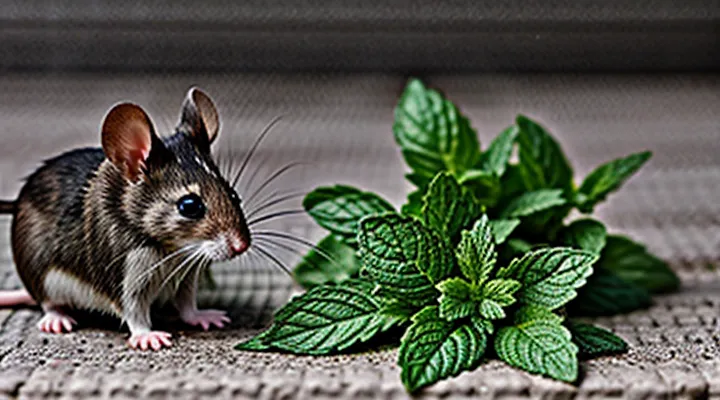
Understanding the Problem: Why Mice are a Nuisance
Health Risks Associated with Mice
Mice act as vectors for a range of pathogens that can infect humans directly or through contamination of food and surfaces. Their saliva, urine, and feces contain microorganisms capable of causing disease, and their nesting behavior promotes the spread of allergens and parasites.
Key health hazards include:
- Hantavirus – transmitted through inhalation of aerosolized droppings; can lead to severe respiratory illness.
- Salmonella – contaminates food via fecal material; results in gastroenteritis with fever, diarrhea, and abdominal cramps.
- Leptospirosis – spread by contact with urine‑contaminated water; produces fever, headache, and potential kidney damage.
- Allergic reactions – proteins in mouse urine and dander trigger asthma, rhinitis, and skin irritation.
- Ectoparasites – mites and fleas carried by mice may bite humans, causing itching and secondary infections.
These risks justify the development of a mint‑based deterrent. The active compounds in mint repel rodents, reducing the likelihood of infestation and consequently limiting exposure to the pathogens listed above. Implementing such a repellent in residential and commercial settings supports public health by decreasing the frequency of direct mouse contact and the associated disease transmission.
Property Damage Caused by Mice
Mice cause extensive structural and material degradation. Common manifestations include gnawed electrical wiring, compromised insulation, damaged cabinetry, and perforated food packaging. Each breach creates safety hazards, increases energy consumption, and invites secondary infestations.
Financial repercussions stem from repair costs, equipment replacement, and loss of stored goods. Early detection reduces expenses, yet many owners discover damage only after significant deterioration, resulting in prolonged downtime and heightened liability.
A mint-infused deterrent interrupts gnawing behavior by exploiting rodents’ aversion to strong aromatic compounds. Application to entry points, pathways, and vulnerable surfaces creates an olfactory barrier that discourages exploration and chewing. Regular reapplication maintains potency, preserving structural integrity and safeguarding assets.
Key damage categories:
- Electrical: chewed cords, exposed conductors, fire risk.
- Insulation: torn fibers, heat loss, moisture ingress.
- Furniture: chewed wood, upholstery, decorative elements.
- Food storage: perforated containers, contaminant spread.
Limitations of Traditional Pest Control Methods
Traditional rodent control predominantly employs chemical baits, snap traps, and ultrasonic devices. Chemical baits introduce toxic substances that pose health risks to children, pets, and wildlife. Snap traps cause immediate injury but require frequent resetting and present a hazard to non‑target species. Ultrasonic emitters claim to repel rodents, yet scientific evaluations reveal inconsistent efficacy across environments.
Key limitations of conventional methods include:
- Toxicity to non‑target organisms and potential contamination of food sources.
- Development of bait aversion, leading to reduced effectiveness over time.
- Regulatory restrictions that limit the availability and application of certain poisons.
- Necessity for continual monitoring, replacement, or maintenance, increasing labor costs.
- Disposal challenges associated with dead rodents and used traps, creating sanitation concerns.
These constraints underscore the need for safer, sustainable alternatives such as a plant‑based mouse deterrent formulation derived from mint. By avoiding toxic chemicals and minimizing environmental impact, such an approach addresses the primary shortcomings of established pest control practices.
The Power of Peppermint: A Natural Deterrent
How Peppermint Repels Mice
The Science Behind the Scent
Menthol, the primary constituent of peppermint oil, interacts with the transient receptor potential melastatin‑8 (TRPM8) channels located in the nasal epithelium of rodents. Activation of TRPM8 produces a cooling sensation that rodents perceive as unpleasant, prompting avoidance behavior. The high volatility of menthol ensures rapid dispersion of the scent within confined spaces, maintaining concentrations above the detection threshold for mice, typically 0.01 ppm.
Other volatile terpenes present in mint, such as menthone and pulegone, exert additional effects:
- Menthone binds to olfactory receptors linked to aversive pathways, reinforcing repellent responses.
- Pulegone exhibits mild irritant properties that heighten sensory discomfort without causing toxicity at the concentrations used in deterrent mixtures.
The synergistic action of these compounds creates a multi‑modal deterrent signal. Olfactory neurons transmit the repellent cue to the brain’s olfactory bulb, where it is integrated with innate fear circuits. The resulting neural output triggers locomotor inhibition and rapid retreat from the scented area.
Formulation considerations focus on preserving the integrity of volatile constituents. Encapsulation in a carrier matrix, such as a biodegradable polymer, slows evaporation while allowing controlled release. This approach sustains effective scent levels over extended periods, reducing the need for frequent reapplication.
«Mentha piperita oil contains a complex blend of monoterpenes that collectively disrupt rodent olfactory processing», a study notes, highlighting the biochemical basis for the observed aversion. The scientific consensus affirms that the repellent effect derives from direct stimulation of sensory receptors rather than secondary environmental factors.
Olfactory Sensitivity of Rodents
Rodents possess an olfactory epithelium densely populated with receptor neurons, enabling detection of volatile compounds at concentrations as low as parts per billion. Sensitivity to terpenoids, particularly menthol and pulegone, exceeds that for many other aromatic substances, resulting in rapid behavioral avoidance when exposed to concentrations above established thresholds.
Experimental data indicate that menthol activates TRPM8 channels in rodent nasal mucosa, producing a cooling sensation that triggers aversive responses. Pulegone interacts with olfactory receptors linked to the cytochrome P450 pathway, eliciting innate repellent behavior. These mechanisms justify the inclusion of high‑purity mint oil in formulations designed to deter mice.
Formulation guidelines derived from olfactory sensitivity:
- Maintain menthol concentration between 0.5 % and 1.0 % by volume to exceed detection threshold without causing saturation that diminishes efficacy.
- Add pulegone at 0.2 %–0.4 % to reinforce aversive signaling pathways.
- Incorporate a carrier solvent (e.g., ethanol) at 5 %–10 % to facilitate volatilization and ensure uniform distribution on surfaces.
- Apply the mixture to entry points and nesting areas, allowing a thin film to evaporate slowly, sustaining detectable vapor levels for at least 48 hours.
Field observations confirm that rodents exposed to the specified concentration range display immediate retreat and reduced re‑entry rates, supporting the premise that olfactory acuity directly influences repellent performance. Continuous monitoring of vapor concentration ensures that the deterrent remains within the effective sensory window, preventing habituation and maintaining long‑term efficacy.
Advantages of Using Natural Repellents
Safety for Pets and Children
Mint‑based deterrents rely on concentrated essential oil, which can irritate the mucous membranes of animals and children if ingested or applied to skin. The oil’s potency also poses a risk of respiratory irritation when dispersed in enclosed spaces.
Potential hazards include accidental consumption of oil‑soaked cotton balls, direct contact with undiluted oil, and inhalation of vapour in poorly ventilated rooms. Young pets, especially cats, lack the metabolic pathways to process menthol compounds, increasing the likelihood of toxicity. Children may be attracted to the scent and handle treated materials without supervision.
Safety measures:
- Dilute oil to a maximum of 0.5 % in carrier fluid before application.
- Apply solution to cotton balls or cloth strips placed out of reach of pets and children.
- Use low‑frequency diffusion devices in rooms with adequate airflow; avoid use in sleeping areas.
- Store unused oil in a sealed container, locked away from household members.
- Conduct a spot test on a small, inaccessible surface to confirm no adverse reactions in the environment.
Regularly inspect treated items for signs of wear or displacement. Replace cotton carriers weekly to prevent oil degradation and microbial growth. Maintain a log of application dates and locations to ensure consistent monitoring.
Environmental Friendliness
The mint-infused mouse repellent formulation relies on botanical extracts that decompose naturally, eliminating persistent residues in soil and water. Essential oil derived from Mentha species breaks down within days, preventing long‑term accumulation of chemical pollutants.
Biodegradability extends to carrier substances such as vegetable glycerin or food‑grade ethanol, both of which originate from renewable agricultural sources. Production processes avoid synthetic solvents, reducing energy consumption and greenhouse‑gas emissions associated with petrochemical manufacturing.
Key environmental advantages include:
- Renewable raw materials sourced from certified organic farms
- Absence of heavy metals, chlorinated compounds, or endocrine‑disrupting agents
- Packaging composed of recyclable or compostable materials, minimizing landfill waste
- Low toxicity to non‑target organisms, ensuring safety for pets, wildlife, and humans
Regulatory compliance aligns with ecological standards that mandate minimal impact on ecosystems. The overall design emphasizes a closed‑loop approach, where each component contributes to a sustainable pest‑management solution without compromising environmental integrity.
Crafting Your Mint Repellent: The Recipe
Essential Ingredients
Peppermint Essential Oil
Peppermint Essential Oil, derived from Mentha piperita leaves, contains a high concentration of menthol and menthone. These compounds produce a potent, aromatic vapor that rodents find unpleasant.
When dispersed in the environment, the oil’s strong scent overstimulates the olfactory receptors of mice, prompting avoidance of treated areas. The effect is immediate and persists as long as the volatile compounds remain airborne.
Recommended integration into a rodent deterrent blend:
- Dilute 5 ml of «Peppermint Essential Oil» in 95 ml of water or a carrier such as alcohol.
- Apply the solution to cotton balls, cloth strips, or spray bottles.
- Position treated items near entry points, nesting sites, and food storage locations.
- Reapply every 3–5 days, or after cleaning, to maintain efficacy.
- Store the undiluted oil in a cool, dark place to preserve potency.
Safety considerations: avoid direct contact with skin; use gloves if handling undiluted oil. Keep out of reach of children and pets. The oil is flammable; keep away from open flames.
Carrier Agents and Dilution
Carrier agents serve as the medium that transports the mint essential oil throughout the treated area, ensuring even distribution and preventing direct contact with the rodents. Suitable carriers must be non‑toxic, readily available, and compatible with the volatile nature of the oil.
Typical carriers include:
- Food‑grade vegetable oil (e.g., canola or olive oil) – provides a stable base and prolongs aromatic release.
- Water‑soluble emulsifiers (e.g., lecithin) – enable mixing of oil with water for spray applications.
- Dilution‑grade alcohol (e.g., ethanol) – accelerates evaporation, suitable for short‑term deterrence.
Dilution ratios determine the concentration of mint oil and influence both efficacy and safety. Recommended proportions are:
- Low‑strength spray – 0.5 % mint oil to carrier (approximately 5 ml oil per litre of carrier). Suitable for indoor use where prolonged exposure is undesirable.
- Standard deterrent – 1 % mint oil to carrier (10 ml oil per litre). Balances potency and longevity for typical household environments.
- High‑strength application – 2 % mint oil to carrier (20 ml oil per litre). Reserved for severe infestations in non‑food areas, applied sparingly.
When preparing the solution, combine carrier and oil in a clean container, stir or shake vigorously for at least one minute, and allow the mixture to rest for five minutes to achieve homogeneity. Apply the blend to entry points, nesting sites, and perimeter walls, re‑treating every 48 hours to maintain active concentration.
Step-by-Step Preparation
Mixing and Diluting the Solution
When preparing a mint‑based mouse deterrent, precise mixing and proper dilution determine effectiveness and safety. The concentrate, typically a blend of crushed mint leaves, essential oil, and a mild surfactant, must be combined with water in a controlled ratio before application.
- Measure concentrate accurately; a common proportion is one part concentrate to four parts water.
- Add the measured concentrate to a clean container filled with the required volume of lukewarm water.
- Stir the mixture gently for 30 seconds to ensure uniform distribution of oil droplets.
- Allow the solution to rest for five minutes, permitting any suspended particles to settle.
- Transfer the clarified liquid to a spray bottle or applicator, avoiding agitation that could re‑suspend sediments.
Safety considerations include wearing gloves during handling, keeping the solution out of reach of children and pets, and storing the mixture in a sealed, opaque container at temperatures below 20 °C. Refrigeration extends shelf life to approximately two weeks; discard any solution that develops an off‑odor or visible mold. Application should target entry points, baseboards, and interior corners, using a fine mist to coat surfaces without saturating them. Regular re‑application, every 48 hours, maintains deterrent potency.
Preparing Application Devices
The preparation of devices for delivering a mint‑based mouse deterrent requires careful selection of materials, precise mixing procedures, and reliable dispensing mechanisms.
Choose containers that resist essential oil degradation. Preferred options include amber glass spray bottles, high‑density polyethylene (HDPE) jerry cans, and stainless‑steel atomizers. Ensure caps provide airtight sealing to preserve potency.
Mix the repellent according to the formula specifications. Combine distilled water, a measured concentration of peppermint essential oil, and a natural emulsifier such as vegetable glycerin. Stir the mixture for at least two minutes to achieve uniform dispersion. Transfer the solution into the chosen container using a funnel to avoid spillage.
Load the device following these steps:
- Verify that the container is clean and dry.
- Attach the dispensing nozzle securely.
- Prime the pump or spray mechanism by actuating it three times without discharge.
- Label the device with concentration details and expiration date.
Test the application device on a non‑target surface to confirm even spray pattern and appropriate droplet size. Adjust nozzle settings if overspray or clogging occurs.
Store filled devices in a cool, dark environment. Inspect seals regularly; replace any compromised containers to maintain efficacy throughout the treatment period.
Storage and Shelf Life
Optimal Storage Conditions
Proper preservation of a mint‑based mouse deterrent is essential for maintaining its active compounds. Exposure to elevated temperatures accelerates volatilization of essential oils, reducing potency. High humidity promotes microbial growth, which can degrade the formulation. Direct sunlight induces photo‑oxidation, altering scent profile and effectiveness. Selection of an airtight, opaque container prevents both moisture ingress and light penetration.
Recommended storage parameters:
- Temperature: maintain between 5 °C and 15 °C (41 °F–59 °F); avoid fluctuations above 20 °C.
- Relative humidity: keep below 50 %; use desiccant packets if necessary.
- Light exposure: store in a dark environment; opaque containers are mandatory.
- Container material: use glass or high‑density polyethylene with a sealed lid; ensure the seal remains intact after each use.
- Shelf life: monitor expiration date; discard after 12 months regardless of visual appearance.
Potency Over Time
Mint‑based mouse deterrent formulations rely on volatile essential oils to create an environment that rodents avoid. The initial concentration of menthol and related compounds determines the immediate repellent effect, but this potency diminishes as the active ingredients evaporate, oxidize, or bind to surrounding surfaces.
Key factors influencing potency over time include:
- Exposure to air: Open containers accelerate volatilization, reducing effective concentration within days.
- Temperature: Higher ambient temperatures increase evaporation rates, shortening the active period.
- Light exposure: Ultraviolet radiation promotes oxidation of menthol, weakening repellent properties.
- Surface absorption: Application on porous materials traps oils, limiting diffusion and shortening efficacy.
To maintain consistent deterrence, recommend reapplication every 7‑10 days under typical indoor conditions, or more frequently in warm, well‑ventilated spaces. Store the mixture in airtight, amber‑colored containers at cool temperatures to extend shelf life; under optimal storage, potency can remain above 80 % of the initial level for up to three months.
Application Strategies for Maximum Effectiveness
Identifying Mouse Entry Points
Common Access Areas in Homes
Mice typically exploit openings that provide direct routes between exterior environments and interior living spaces. The most frequent entry points include gaps beneath exterior doors, cracks surrounding window frames, and unsealed utility penetrations such as those for cables and pipes. Ventilation ducts, especially those lacking proper screens, serve as conduits for rodent movement. Foundations with deteriorated mortar or missing caulking permit access through basement walls. Roof eaves, soffits and attic vents, when not fitted with fine mesh, allow creatures to descend into upper levels. Chimney flues without caps present a vertical pathway from rooftops to interior rooms.
Applying a mint‑based deterrent in these zones enhances preventive measures. Crushed peppermint leaves or diluted essential oil can be placed on cotton balls, then positioned at door thresholds, window sill seams, and around utility openings. Spraying a diluted mint solution onto vent covers, attic grilles, and chimney caps creates an olfactory barrier that rodents typically avoid. Regular reapplication, especially after cleaning or weather exposure, maintains efficacy.
A systematic inspection of each access area, followed by targeted placement of mint repellent, reduces the likelihood of infestation without reliance on toxic chemicals.
Signs of Mouse Activity
Observing mouse presence is essential before applying any herb‑based deterrent. Identifying activity signs enables targeted placement of repellent mixtures and prevents unnecessary waste of resources.
- Small droppings, roughly 1‑2 mm long, dark brown to black, often found along walls, behind appliances, and in pantry corners.
- Gnaw marks on packaging, wood, plastic, or electrical cords, characterized by clean, crescent‑shaped teeth impressions.
- Nests constructed from shredded paper, fabric, insulation, or dried plant material, typically hidden in concealed spaces such as wall voids, under sinks, or within stored boxes.
- Scratching noises, especially at night, heard in ceilings, attics, or cabinets, indicating movement of rodents within confined areas.
- Grease trails left on walls or baseboards, resulting from the animal’s oily fur rubbing against surfaces during travel.
- Unexplained food spillage or scattered crumbs, often accompanied by a faint, musky odor.
Documenting these indicators provides a reliable basis for deploying mint‑infused repellents precisely where mouse activity concentrates.
Methods of Application
Cotton Ball Placement
Cotton balls serve as carriers for the mint‑based rodent deterrent, allowing the volatile aroma to disperse slowly in targeted areas. Positioning them correctly maximizes exposure while minimizing waste, ensuring the repellent remains effective over several days.
- Identify entry points, such as gaps beneath doors, cracks in walls, and openings around pipes.
- Place a cotton ball directly against each opening, ensuring contact with the surface to prevent displacement by airflow.
- For larger rooms, distribute cotton balls evenly along baseboards, spacing them approximately 30 cm apart to create a continuous scent barrier.
- In storage areas, position balls on shelves or inside containers where mice are likely to forage, keeping them out of direct sunlight to preserve potency.
- Replace cotton balls every 3–5 days, or when the scent noticeably diminishes, to maintain consistent deterrence.
Avoid placing cotton balls on elevated surfaces where they may be disturbed by cleaning activities. Ensure they are kept away from food preparation zones to prevent accidental contamination. Regular inspection of placement sites helps detect new gnawing paths and allows timely adjustment of the cotton ball layout.
Spray Bottle Usage
The mint‑based mouse deterrent must be delivered in a fine mist to ensure even coverage on target surfaces. A durable, pump‑action «spray bottle» provides the necessary atomisation and control.
Preparation begins with a concentrated mixture of crushed mint leaves, distilled water, and a small amount of ethanol to improve solubility. After blending, filter the liquid to remove particulates, then fill the «spray bottle» no higher than three‑quarters full to allow space for pressure build‑up.
Application guidelines:
- Direct the nozzle toward cracks, baseboards, and entry points where rodents are observed.
- Maintain a distance of 6–8 inches from the surface; press the trigger to release a steady plume.
- Cover each area with a thin, uniform layer; excess liquid may attract insects unrelated to the target pest.
- Repeat the treatment every 48 hours during periods of high activity, and reapply after heavy cleaning or moisture exposure.
Safety precautions include storing the «spray bottle» out of reach of children, labeling the container with the contents, and wearing gloves to prevent skin irritation. Proper use maximises the repellent’s efficacy while minimising waste.
Diffusers and Scent Dispersal
Diffusers provide a continuous release of mint aroma, creating an environment that discourages rodent activity without direct contact. The approach relies on volatile compounds such as menthol and pulegone, which affect rodents’ olfactory receptors and trigger avoidance behavior.
• Ultrasonic humidifier‑type diffusers – generate a fine mist of diluted essential oil, extending coverage to larger rooms.
• Passive wick diffusers – absorb oil onto a porous material, releasing scent slowly and uniformly.
• Heat‑activated ceramic diffusers – warm the oil to increase volatility, suitable for confined spaces.
• Air‑flow vent diffusers – integrate with HVAC systems, delivering scent through ductwork for whole‑building treatment.
Effective dispersion requires strategic placement near entry points, nesting areas, and along travel corridors. Concentration should be calibrated to maintain a detectable scent without causing olfactory fatigue; replenishment intervals vary by diffuser type, typically ranging from 24 to 72 hours. Regular cleaning prevents oil residue buildup, preserving emission consistency.
Safety considerations include verifying that the chosen diffuser material is compatible with mint oil, avoiding overheating that could degrade active compounds. Integration with traps or baits is permissible, provided that the scent does not mask attractants intended for monitoring. Continuous monitoring of rodent activity confirms efficacy and informs adjustments to diffusion rates.
Frequency and Reapplication
Initial Application Schedule
The first phase of deploying a mint‑based rodent deterrent formula requires a precise timeline to ensure maximum efficacy. Application must begin before the onset of rodent activity and continue through the initial infestation period.
- Day 1: Prepare a 5 % mint oil solution diluted in water; spray evenly along entry points, baseboards, and known pathways.
- Day 3: Re‑apply the solution at a 3 % concentration to reinforce the scent barrier.
- Day 7: Conduct a visual inspection; if signs of activity persist, increase concentration to 7 % and treat affected zones.
- Day 14: Perform a final reinforcement spray at 5 % concentration; document any residual activity for future reference.
Each step should be executed at the same time of day, preferably early morning, to allow the scent to settle before rodents become active. Record observations after each application to adjust dosage in subsequent cycles.
Maintenance and Monitoring
Regular upkeep of a mint‑based rodent deterrent ensures sustained effectiveness. Apply the solution according to the original formulation instructions, then inspect the treated area weekly for signs of degradation or dilution.
- Reapply the mixture after heavy rain, excessive cleaning, or noticeable loss of aroma.
- Store any unused concentrate in a sealed container, away from direct sunlight and extreme temperatures.
- Replace worn or cracked application devices (sprayers, pads, or diffusers) promptly to maintain consistent dispersion.
Monitoring focuses on both the environment and rodent activity. Record observations in a simple log, noting dates of reapplication, weather conditions, and any evidence of mouse presence such as droppings, gnaw marks, or nesting material. Adjust the concentration or frequency of treatment if monitoring data reveal reduced deterrent performance. Continuous documentation supports timely interventions and validates the long‑term viability of the mint repellent strategy.
Enhancing Your Pest Control Efforts
Complementary Repellent Techniques
Sealing Entry Points
Sealing gaps, cracks, and openings eliminates the pathways mice use to access indoor spaces, directly supporting the effectiveness of a mint‑based rodent deterrent system. When entry points are blocked, the aromatic compound reaches only the interior environment, reducing the need for excessive application and preventing the pests from bypassing the scent barrier.
Key actions for securing potential entryways include:
- Inspect foundation, walls, and roof for openings larger than ¼ inch; prioritize locations near pipes, vents, and utility lines.
- Apply steel wool or copper mesh to fill small gaps, then cover with caulk or expanding foam for a durable seal.
- Replace damaged weatherstripping around doors and windows; ensure tight closure without gaps.
- Install metal flashing over foundation cracks and seal joints with polyurethane sealant.
- Verify that vents and exhaust fans have tight-fitting screens; repair any torn mesh promptly.
« Regular maintenance of seals prevents new breaches, sustaining the repellent environment over time ». Consistent inspection and prompt repair maintain the integrity of the barrier, allowing the mint scent to function as the primary deterrent without interruption.
Maintaining Cleanliness
Maintaining a clean environment directly influences the potency of a mint‑based mouse deterrent. Residual food particles, moisture, and clutter provide attractive conditions that can undermine the repellent’s effect, allowing rodents to ignore the scent barrier.
Key practices that support the deterrent include:
- Removing crumbs and spills from countertops, floors, and storage containers immediately.
- Storing dry goods in airtight containers to prevent odor absorption.
- Disposing of garbage in sealed bins and emptying them regularly.
- Sweeping or vacuuming high‑traffic areas at least once daily to eliminate debris.
Additional measures reinforce cleanliness and deter ingress:
- Inspecting and sealing gaps around doors, windows, and utility openings.
- Cleaning under appliances and behind furniture where dust and food residue accumulate.
- Using a damp cloth with a mild detergent to wipe surfaces, then drying thoroughly to avoid moisture buildup.
By integrating these routine actions, the mint scent remains unobstructed, encouraging rodents to avoid treated zones and reducing the likelihood of infestation. «A spotless setting sustains repellent efficacy».
Eliminating Food Sources
Eliminating accessible food supplies reduces the likelihood that mice will investigate or remain in a treated area, thereby enhancing the efficacy of a mint‑based deterrent. Without attractive residues, rodents are forced to seek alternative habitats, limiting contact with the repellent formulation.
- Store dry goods in airtight containers made of glass, metal, or heavy‑wall plastic.
- Clean up crumbs and spills immediately; sweep and vacuum daily, then wipe surfaces with a mild detergent.
- Dispose of waste in sealed bags and remove trash bins from living spaces at least once a week.
- Seal cracks, gaps, and openings around doors, windows, and utility lines to prevent entry of foraging rodents.
- Rotate pantry items regularly to avoid long‑term accumulation of stale food that may attract mice.
Consistent removal of nutritional incentives complements the aromatic properties of mint, creating an environment where the repellent can operate without competition from readily available sustenance.
Common Mistakes to Avoid
Insufficient Application
Applying a mint-based mouse deterrent in quantities below the minimum effective level compromises the formulation’s volatile compound concentration. Reduced concentration fails to produce a detectable olfactory barrier, allowing rodents to ignore treated zones. Inadequate coverage creates untreated gaps, which serve as pathways for infestation. Consequently, the intended protective effect diminishes, prompting repeated applications that increase overall cost.
Effective deployment requires adherence to specific parameters:
- Minimum dosage: 5 g of dry mint mixture per 1 m² of floor space, or 2 ml of concentrated oil per 0.5 m² for liquid preparations.
- Uniform distribution: spread evenly across the entire target area, avoiding clumps or concentrated spots.
- Reapplication interval: every 14 days under average indoor conditions; adjust to weekly in high‑humidity environments.
Ensuring the prescribed amount and thorough coverage maximizes the repellent’s potency, prevents rodent ingress, and reduces the need for frequent re‑treatment.
Ignoring Other Prevention Measures
When a mint‑based mouse deterrent formula is applied without considering complementary tactics, its effectiveness can decline rapidly. Mice quickly adapt to a single scent, especially if food sources, entry points, and habitat conditions remain unchanged.
Key drawbacks of neglecting additional measures:
- Persistent access routes allow rodents to bypass aromatic barriers.
- Accumulated debris and clutter provide shelter, reducing exposure to the repellent.
- Inadequate sanitation sustains attractants that overpower the mint odor.
Integrating structural sealing, regular cleaning, and proper waste management reinforces the aromatic strategy, extending its duration and limiting rodent resurgence. Ignoring these supports creates a false sense of control, leading to repeated infestations despite the presence of the mint solution.
When to Seek Professional Help
Persistent Infestations
Mint‑based mouse deterrent formulas address recurring rodent problems by targeting the sensory mechanisms that sustain infestations. The active component, spearmint oil, disrupts olfactory cues mice rely on for navigation and nesting, reducing the likelihood that surviving individuals will re‑establish colonies after initial removal.
Key factors contributing to persistent infestations and how the mint solution mitigates them:
- Residual scent persistence: high‑concentration oil retains volatile compounds for several weeks, maintaining an inhospitable environment.
- Habitat familiarity: repeated exposure to the repellent erodes conditioned site preference, prompting relocation.
- Breeding cycles: continuous deterrent presence limits access to nesting sites, interrupting reproductive success.
Implementation guidelines ensure effectiveness: apply the mixture along baseboards, entry points, and interior corners; reapply bi‑weekly during peak activity periods; combine with exclusion measures such as sealing gaps. Consistent use creates a barrier that prevents re‑infestation, allowing long‑term control without reliance on toxic agents. «Mint oil’s strong aromatic profile proves decisive in breaking the cycle of mouse persistence».
Large-Scale Problems
Large‑scale deployment of a mint‑based rodent deterrent confronts several operational difficulties. Production must meet consistent potency across batches while preserving the volatile aromatic compounds that repel mice. Distribution networks require temperature‑controlled logistics to prevent degradation during transport. Regulatory frameworks in multiple jurisdictions impose distinct labeling, safety testing, and residue limits that must be satisfied before market entry.
- Maintaining uniform concentration of active essential oils in bulk mixtures.
- Scaling extraction processes without sacrificing purity or increasing solvent residues.
- Ensuring shelf‑life stability under variable humidity and temperature conditions.
- Aligning formulation specifications with divergent pesticide registration requirements.
- Controlling cost per unit while preserving efficacy comparable to smaller‑scale batches.
- Monitoring environmental impact of large‑volume application, including non‑target species exposure.
Addressing these issues involves implementing closed‑system extraction technology, adopting real‑time analytical monitoring for potency, establishing cold‑chain distribution, and engaging early with regulatory agencies to harmonize compliance pathways. Continuous risk assessment and adaptive supply‑chain management reduce the likelihood of batch failures and market delays.