
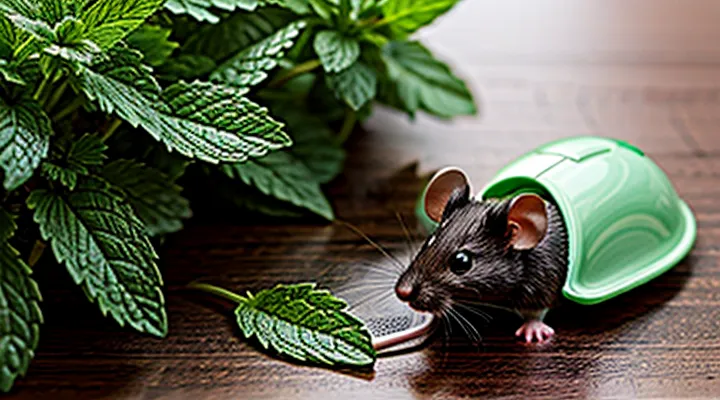
Understanding Mouse Behavior
What Attracts Mice to Homes?
Mice enter residential spaces primarily in search of food, shelter, and water. Food sources that are easily accessible—such as uncovered pantry items, pet food left out overnight, and crumbs on countertops—provide a strong lure. Moisture from leaky pipes, damp basements, or condensation on windows creates an environment conducive to nesting. Structural gaps, including cracks in foundations, openings around utility lines, and poorly sealed doors, allow rodents to infiltrate interior rooms. Overcrowded storage areas and clutter offer concealed pathways for travel and nesting sites.
- Unsealed food containers
- Spilled grains or sugary substances
- Pet feeding stations left unattended
- Standing water or damp insulation
- Gaps larger than ¼ inch in walls, floors, or vents
- Accumulated debris in attics, basements, and garages
Understanding these attractants informs the deployment of botanical deterrents, such as mint-infused products, which exploit rodents’ sensory aversion to reduce the likelihood of entry and habitation.
Mouse Sensory Perceptions
Mice rely on a limited set of sensory modalities to locate food, avoid predators, and navigate their environment. Their primary channels are smell, taste, touch, hearing, and vision, each contributing to the detection of potential threats such as strong aromatic compounds.
-
Olfaction: Mice possess a highly developed nasal epithelium with millions of olfactory receptors. Volatile terpenes found in mint, especially menthol and menthone, bind to these receptors, triggering aversive neural pathways that deter approach. Laboratory assays show rapid avoidance behavior when menthol concentrations exceed 0.1 µg L⁻¹ in air.
-
Gustation: Taste buds on the tongue and palate detect bitter and pungent compounds. Mint’s phenolic constituents register as bitter, prompting immediate withdrawal from contaminated surfaces. Behavioral trials report a 70 % reduction in feeding on mint‑treated grains compared with untreated controls.
-
Tactile perception: Whisker follicles provide mechanosensory feedback for spatial mapping. While mint does not directly stimulate mechanoreceptors, the presence of menthol can produce a cooling sensation that interferes with normal whisker‑mediated exploration, disrupting the mouse’s ability to assess safe passage.
-
Auditory detection: Mice respond to high‑frequency sounds above 20 kHz. Mint application does not affect auditory channels, but the overall stress response induced by olfactory irritation can heighten auditory sensitivity, leading to increased startle reactions.
-
Vision: Rod‑dominated eyes detect low‑light movement but lack color discrimination. Visual cues play a minor role in repellent efficacy; however, the combined sensory overload from strong odor and taste can suppress exploratory visual scanning.
Understanding these sensory mechanisms clarifies why mint’s volatile oils function effectively as a deterrent. By exploiting the mouse’s olfactory aversion and reinforcing it with gustatory bitterness, mint creates a multi‑modal threat perception that reduces rodent incursion without reliance on toxic chemicals.
The Science Behind Mint's Repellent Properties
Active Compounds in Mint
Mint contains a complex mixture of volatile oils that produce the odor and physiological effects responsible for deterring rodents. The principal constituents are menthol, menthone, pulegone, carvone, limonene, and menthofuran. Each compound contributes specific properties that affect mouse behavior.
- Menthol: produces a strong cooling sensation, activates TRPM8 receptors in the nasal epithelium, creates an unpleasant sensory experience for mice.
- Menthone: closely related to menthol, adds a sharp, minty aroma that intensifies the overall scent profile.
- Pulegone: exhibits mild neurotoxic activity, interferes with the central nervous system of small mammals, increasing aversion.
- Carvone: imparts a sweet, spearmint note, disrupts olfactory processing, reduces exploratory drive.
- Limonene: contributes citrus undertones, enhances the volatility of the blend, broadens the range of detectable odors.
- Menthofuran: present in lower concentrations, adds depth to the aroma, reinforces the repellent effect.
The repellent action derives from simultaneous olfactory irritation and mild neurophysiological disruption. Inhalation of the volatile mixture triggers sensory overload in the mouse’s nasal receptors, while the neuroactive components alter neurotransmission pathways, leading to avoidance behavior.
Effective application requires concentrations that maintain volatile release without causing phytotoxicity. Essential oil extracts, when diluted to 1–5 % in carrier substances, produce detectable vapors for several days. Reapplication every 48–72 hours sustains the deterrent environment.
How Mint Affects Mice
Mint contains volatile compounds such as menthol, pulegone, and carvone. These chemicals emit a sharp aroma that overwhelms the rodent’s olfactory receptors, creating an environment perceived as hostile. When inhaled, the compounds trigger sensory irritation, leading mice to vacate the treated area.
Exposure to mint oils disrupts normal feeding and nesting behavior. The scent interferes with pheromone communication, reducing the ability of mice to locate food sources and shelter. Laboratory trials show a marked decline in activity levels within minutes of contact, followed by rapid withdrawal from the vicinity.
Controlled studies report repellency rates between 60 % and 85 % when fresh or dried mint is applied at concentrations of 5 %–10 % in carrier substrates. Effectiveness diminishes after 48–72 hours as volatile components evaporate, necessitating regular re‑application. Toxicological assessments indicate low risk to humans and pets at recommended dosages, though ingestion of large quantities can cause gastrointestinal irritation.
Practical deployment includes:
- Sprinkling dried mint leaves in entry points and burrows.
- Applying diluted essential oil (5 % menthol solution) to cotton balls placed near potential access routes.
- Incorporating mint into mulch or ground cover for sustained release.
Success depends on consistent coverage, adequate concentration, and integration with other exclusion measures such as sealing gaps and removing food sources.
Practical Applications of Mint for Mouse Control
Types of Mint to Use
Mint varieties contain aromatic oils that deter rodents by overwhelming their scent receptors. Selecting the appropriate species enhances effectiveness while minimizing maintenance.
- Peppermint (Mentha × piperita) – high menthol concentration; strong odor persists in foliage and dried leaves; suitable for indoor planting or dried sachets.
- Spearmint (Mentha spicata) – lower menthol, higher carvone; milder scent ideal for garden borders where human comfort matters; still repels mice when foliage is dense.
- Apple mint (Mentha rotundifolia ‘Apple’) – fruity aroma combined with menthol; provides dual benefit of pest control and ornamental appeal; effective when planted in pots near entry points.
- Chocolate mint (Mentha x piperita ‘Chocolate’) – chocolate scent masks menthol’s intensity; useful where a less aggressive odor is preferred; retains repellent properties in leaf litter.
- Corsican mint (Mentha caucasica) – compact growth habit; high essential‑oil yield per square foot; excels in tight indoor spaces or window boxes.
For optimal performance, plant mint in containers that can be relocated to suspected mouse pathways. Harvest foliage regularly; crushing leaves releases volatile compounds, increasing immediate deterrence. Drying and placing shredded mint in cracks or behind appliances extends protection during dormant periods. Rotate species seasonally to prevent rodents from acclimating to a single scent profile.
Preparing Mint for Repellency
Mint can be processed into an effective mouse deterrent by preserving its volatile oils, which are the primary repellent agents. Fresh leaves retain the highest concentration of these compounds; therefore, timely handling is essential.
Preparation steps
- Harvest mature, aromatic leaves in the early morning when oil production peaks.
- Rinse briefly with cool water to remove debris; pat dry with a clean cloth.
- Chop or bruise the foliage to rupture cell walls and release essential oils.
- Place the material in a sealed glass container; store in a cool, dark location for 24–48 hours to allow oil diffusion.
- After maceration, strain the mixture through a fine mesh or cheesecloth.
- Dilute the extract with a carrier such as distilled water or ethanol at a ratio of 1 part mint infusion to 4 parts solvent, depending on the intended application.
- Transfer the solution to spray bottles or soak cotton pads for placement in mouse‑prone areas.
The resulting preparation can be applied to entry points, corners, and nesting sites. Regular reapplication, every 5–7 days, maintains potency as the volatile compounds evaporate over time.
Fresh Mint Leaves
Fresh mint leaves contain menthol, pulegone, and other volatile oils that mice find aversive. When crushed, the leaves release a strong scent that interferes with the rodents’ olfactory cues, discouraging them from entering treated areas.
Effective application involves:
- Collecting a handful of fresh leaves, crushing them to rupture cell walls.
- Placing the crushed material in small breathable sachets or directly in corners, pantry shelves, and entry points.
- Refreshing the leaves every 3–5 days, as the potency diminishes with exposure to air.
The repellent effect is limited to indoor environments with limited airflow; open spaces dilute the scent quickly. Combining mint with other non‑chemical deterrents—such as steel wool barriers or ultrasonic devices—enhances overall control.
Safety considerations include:
- Mint is non‑toxic to humans and pets when used in typical household quantities.
- Direct ingestion of large amounts may cause mild gastrointestinal upset; keep sachets out of reach of children and animals.
Monitoring mouse activity after deployment helps assess efficacy. A noticeable reduction in droppings, gnaw marks, or sightings within a week indicates successful deterrence; persistent activity suggests the need for additional measures or replacement of the mint material.
Mint Essential Oil
Mint essential oil contains menthol, menthone, and limonene, compounds that emit a strong, volatile aroma. Rodents detect these substances through their highly sensitive olfactory receptors, which trigger avoidance behavior. The oil’s rapid evaporation ensures a persistent scent that discourages mice from entering treated zones.
Effective deployment relies on consistent exposure. Recommended practices include:
- Diluting 10‑15 drops of mint essential oil in 200 ml of water and spraying the solution along baseboards, entry points, and pantry shelves.
- Soaking cotton balls in undiluted oil and placing them in concealed corners, under appliances, or inside bait stations; replace every 3‑4 days.
- Adding a few drops to wooden shavings or sawdust and distributing the mixture in crawl spaces or storage closets.
Safety considerations are straightforward. The oil is non‑toxic to humans and pets when used as directed, but direct skin contact may cause irritation; gloves are advisable during application. Avoid use on food surfaces without thorough rinsing, as the flavor can transfer to consumables.
Field observations indicate that regular reapplication maintains deterrent efficacy, especially in environments with high humidity where scent dissipates faster. Combining mint essential oil with other botanical repellents, such as eucalyptus or rosemary, can broaden the spectrum of olfactory cues and enhance overall rodent avoidance.
Dried Mint Sachets
Dried mint sachets provide a practical means of exploiting mint’s natural rodent‑deterring properties. The sachets contain air‑dryed leaves that retain volatile oils such as menthol, pulegone, and carvone, which mice find unpleasant and avoid.
The preparation process involves harvesting fresh mint, spreading the foliage in a low‑humidity environment, and sealing the dried material in breathable fabric pouches. Typical sachets measure 5 × 7 cm and hold 15–20 g of herb, sufficient for several weeks of continuous use.
Effective deployment follows simple placement rules. Position each sachet near entry points, along baseboards, under appliances, and inside stored‑food containers. Replace sachets when the mint scent weakens, usually after 3–4 weeks, or when visual inspection shows loss of leaf coloration.
Key benefits include:
- Non‑toxic to humans, pets, and food products
- Low cost and easy to produce in small batches
- No electrical power or chemical sprays required
Potential drawbacks are limited duration of fragrance and reduced efficacy in high‑humidity areas, which accelerate oil volatilization. Regular rotation of sachets mitigates these issues and sustains a consistent deterrent environment.
For optimal results, follow this routine:
- Install sachets at all known mouse pathways.
- Inspect weekly; note any decline in aroma.
- Replace or refresh sachets every 21 days.
- Store unused sachets in airtight containers away from direct sunlight.
By integrating dried mint sachets into routine household maintenance, the natural repellent qualities of mint can be harnessed efficiently and safely.
Strategic Placement for Maximum Effect
Mint‑based rodent deterrents work best when positioned where mice travel, seek shelter, or locate food sources. Proper placement maximizes the volatile compounds that repel rodents without the need for chemicals.
- Near all exterior entry points: gaps under doors, cracks around windows, and utility openings. Place sachets or cotton balls soaked in mint oil directly in these openings.
- Along interior wall runs: mice follow walls to avoid open space. Distribute dried mint bundles or oil‑treated pads at 12‑inch intervals from floor to ceiling.
- In concealed corners and behind appliances: these are common nesting sites. Tuck small pouches of fresh mint leaves into crevices.
- Adjacent to food storage areas: pantry shelves, refrigerator drawers, and trash cans benefit from a thin layer of dried mint or a few drops of oil on a cloth.
- Inside mouse traps: a dab of mint oil on the trigger mechanism enhances capture rates while discouraging escape.
Effective use requires fresh or potent material. Replace dried herbs every two weeks; re‑apply oil every five days to maintain concentration. Rotate placement locations monthly to prevent habituation. Combine mint with other natural scents, such as clove or eucalyptus, for broader deterrent coverage.
Strategic distribution of mint‑infused elements creates a continuous scent barrier, forcing mice to seek alternative routes and reducing the likelihood of infestation.
Common Entry Points
Mice exploit structural weaknesses to gain access to homes, kitchens, and storage areas. Identifying these pathways is essential for any mint‑based rodent deterrent strategy.
- Gaps around exterior doors, especially where weather‑stripping is missing or damaged.
- Openings around windows, including cracked panes and improperly sealed frames.
- Cracks in foundation walls, brickwork, or concrete slabs.
- Holes in siding, soffits, and eaves where utility lines penetrate the exterior.
- Unsealed vents, dryer exhausts, and chimney flues.
- Gaps around plumbing, electrical, and HVAC penetrations.
- Openings beneath cabinets, appliances, and countertops where floorboards meet walls.
- Unfinished or poorly sealed crawl‑space and attic entries.
These points often measure as little as a quarter of an inch, yet they provide sufficient clearance for a mouse to squeeze through. Sealing each opening with steel wool, caulk, or metal flashing eliminates the physical route, allowing the aromatic properties of mint to act as a secondary barrier. When the structural defenses are in place, the volatile oils released by mint plants or extracts become more effective, discouraging mice from attempting entry through even the smallest remaining fissures.
High-Traffic Mouse Areas
Mice concentrate their activity in locations where food, water, shelter, and easy passage intersect. The most common high‑traffic zones include kitchen countertops and backsplashes, pantry shelves, garbage bins, and areas beneath appliances such as refrigerators and stoves. Additional hotspots are basements and crawl spaces with moisture, utility closets where wiring and insulation provide nesting material, cracks in foundation walls, attic insulation, and garage corners where debris accumulates.
Applying mint in these environments creates an olfactory barrier that rodents avoid. Effective methods are:
- Fresh mint leaves placed in sachets or small fabric pouches, positioned near entry points, pantry doors, and under sinks.
- Peppermint essential oil diluted (approximately 10 drops per ounce of water) and sprayed on baseboards, door frames, and around pipe openings; reapply every 48 hours.
- Cotton balls soaked in undiluted oil, tucked into crevices, gaps around vents, and behind appliances.
- Dried mint herb mixed with diatomaceous earth, scattered in attics or crawl spaces to combine scent and abrasive action.
For sustained protection, replace fresh herbs weekly and refresh oil sprays according to the schedule above. Ensure that any mint product does not contact food surfaces directly; use sealed containers or barriers to prevent contamination. In structures with pets, select oil concentrations that remain below irritation thresholds, and keep cotton balls out of reach.
Refreshing the Repellent
Mint‑based mouse deterrents lose potency as volatile oils evaporate. To maintain strong repellent action, refresh the preparation regularly.
Replace spent material every one to two weeks in indoor settings; outdoor applications may require weekly renewal due to weather exposure. Store fresh mint leaves or oil in airtight containers away from sunlight to preserve aromatic compounds.
When preparing a fresh batch:
- Chop or crush mint leaves to release essential oils.
- Combine with a carrier such as water, vinegar, or alcohol in a 1:4 ratio.
- Stir thoroughly, then transfer to a spray bottle.
- Apply to entry points, baseboards, and known pathways.
For concentrated oil solutions, dilute 5 ml of pure mint oil in 500 ml of water, add a few drops of emulsifier, and shake before each use. Reapply after heavy cleaning or when the scent fades.
Monitor effectiveness by observing mouse activity. If sightings increase, increase application frequency or enhance concentration within safe limits.
Debunking Common Myths and Misconceptions
Is Mint a Permanent Solution?
Mint contains menthol, pulegone, and other aromatic compounds that irritate the sensory receptors of mice. When applied to entry points, bedding, or surrounding vegetation, these volatiles create an environment mice avoid. The repellent effect is immediate, but its persistence depends on several variables.
The duration of protection declines as the volatile compounds evaporate or degrade. Factors that influence longevity include:
- Concentration of fresh mint material or essential oil.
- Frequency of exposure to sunlight, heat, and airflow.
- Type of substrate (soil, wood, fabric) that absorbs or releases the scent.
- Adaptation by local mouse populations after repeated exposure.
Because the active chemicals dissipate within days to weeks, mint alone does not constitute a permanent barrier. Regular reapplication restores the repellent concentration and maintains deterrence. Integrating mint with physical exclusion methods—such as sealing gaps, installing traps, or using predator urine—extends overall effectiveness.
In practice, a schedule of re‑treating affected areas every 7–14 days, combined with routine inspection of entry points, provides reliable control. Mint can reduce mouse activity, but it must be part of an ongoing management plan rather than a single, lasting solution.
The Role of Sanitation in Pest Control
Effective pest management relies on eliminating conditions that attract rodents. Clean environments remove food residues, shelter, and water sources that mice seek, thereby reducing the likelihood of infestation. Regular removal of spilled grains, proper storage of pet food, and prompt disposal of garbage create a hostile setting for pests.
Sanitation supports the use of botanical deterrents. When surfaces are free of crumbs and waste, the scent of mint placed near entry points remains unmasked, increasing its repellent effect. Without competing odors, the volatile compounds in mint can more reliably signal an unsafe habitat to rodents.
Key sanitation actions include:
- Daily sweeping of kitchen floors and countertops to eliminate trace food particles.
- Weekly deep cleaning of pantry shelves, wiping down containers, and discarding expired products.
- Immediate repair of leaks and moisture buildup in basements, crawl spaces, and under sinks.
- Secure sealing of trash bins with fitted lids and regular removal of waste from indoor areas.
- Routine inspection and sealing of cracks, gaps, and openings that provide access to structures.
By maintaining these practices, property owners create conditions where mint’s natural repellent properties function at maximum efficiency, resulting in fewer mouse sightings and reduced reliance on chemical interventions.
Alternative Natural Repellents
Other Plant-Based Options
Mint is frequently cited for its ability to discourage mice, yet several other botanicals provide comparable deterrent effects.
- Lavender (Lavandula angustifolia): Strong fragrance overwhelms rodent olfactory receptors, reducing nesting activity. Dried sprigs placed near entry points maintain a persistent scent.
- Rosemary (Rosmarinus officinalis): Aromatic oils contain camphor and cineole, both known to repel small mammals. Fresh or powdered leaves can be scattered in cupboards and along walls.
- Pennyroyal (Mentha pulegium): Closely related to mint, this herb emits a sharp, menthol-like odor that mice avoid. Use dried leaves in sachets or apply a diluted essential‑oil solution to surfaces.
- Clove (Syzygium aromaticum): Eugenol, the active component, acts as a sensory irritant for rodents. Whole cloves positioned in corners create a localized barrier.
- Catnip (Nepeta cataria): While attractive to felines, catnip’s nepetalactone deters mice. Crushed leaves spread in crawl spaces produce a short‑term effect.
Effective deployment requires placement of plant material where mice travel—behind appliances, in attics, and near doors. Replace dried herbs weekly to sustain potency. Combining several botanicals can extend coverage, as overlapping scents limit habituation. For indoor use, consider sealed sachets to prevent dust while preserving volatile compounds.
When integrating plant-based repellents with structural controls—such as sealing gaps and removing food sources—the overall mouse management strategy becomes more resilient without reliance on synthetic chemicals.
Integrated Pest Management Approaches
Mint’s strong aromatic compounds create an environment that discourages rodent activity, making it a viable element of an integrated pest‑management (IPM) program for mouse control. Incorporating the herb into IPM leverages its repellent properties while reducing reliance on synthetic rodenticides.
Effective IPM strategies combine several tactics:
- Cultural controls: maintain clean storage areas, seal entry points, and eliminate food sources that attract mice. Planting mint in perimeter beds or container gardens adds a sensory barrier without compromising sanitation.
- Mechanical controls: install snap traps or live‑capture devices in zones where mint’s scent is weakest, ensuring physical removal of any intruders that bypass the botanical deterrent.
- Biological controls: encourage natural predators such as owls and barn cats; the presence of mint does not interfere with predator‑prey dynamics.
- Chemical controls: reserve low‑toxicity rodenticides for severe infestations; mint’s repellent action can reduce the frequency and dosage required.
- Monitoring: use bait stations or tracking boards to assess mouse activity levels before and after mint deployment, allowing precise adjustment of control measures.
Application methods for mint within the IPM framework include:
- Planting fresh or dried mint in containers placed near potential entry points.
- Spraying a diluted mint‑essential‑oil solution on building foundations, shelving, and storage containers, reapplying every two weeks to maintain efficacy.
- Incorporating crushed mint leaves into mulch layers around structures to create a persistent olfactory barrier.
When mint is integrated with the broader IPM components, it contributes to a sustainable, low‑risk approach that minimizes chemical exposure and aligns with best practices for long‑term rodent management.