
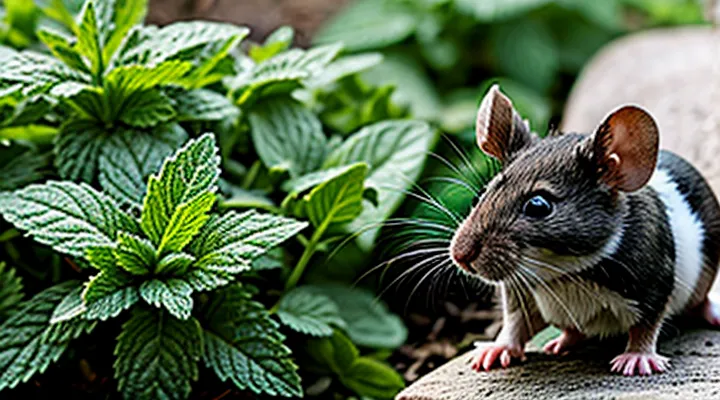
The Problem of Mice Infestations
Health Risks Associated with Rodents
Rodents carry pathogens that can cause severe illness in humans. Common infections include hantavirus pulmonary syndrome, leptospirosis, salmonellosis, plague, and rat‑bite fever. Contamination of food, water, and surfaces occurs through droppings, urine, and saliva, leading to gastrointestinal, respiratory, and systemic diseases. Direct bites or scratches transmit bacterial agents, while inhalation of aerosolized particles from dried rodent waste triggers respiratory infections.
Employing mint as an aromatic deterrent reduces rodent presence, thereby limiting exposure to these hazards. The strong scent interferes with rodent olfactory cues, discouraging entry into kitchens, storage areas, and food preparation zones. Fewer rodents translate to lower concentrations of waste and fewer opportunities for pathogen transmission.
Key health benefits of mint‑based repellent:
- Decreased risk of hantavirus infection through reduced indoor rodent activity.
- Lower incidence of leptospirosis by minimizing contact with contaminated urine.
- Reduced salmonella exposure from diminished droppings on food surfaces.
- Prevention of plague and rat‑bite fever by limiting direct rodent encounters.
Implementing mint sprays, sachets, or planted mint patches creates an environment hostile to mice, supporting public health objectives without chemical pesticides. Continuous monitoring of rodent activity ensures the deterrent remains effective and health risks stay minimized.
Property Damage Caused by Mice
Mice infiltrate structures in search of food, shelter, and nesting material, leaving a trail of material loss and structural compromise. Their incisors continuously grow, prompting constant gnawing on a wide range of substrates.
- Electrical wiring: chewed cords expose live conductors, creating fire hazards and costly repairs.
- Insulation: shredded fibers diminish thermal efficiency, increase heating and cooling expenses, and invite moisture accumulation.
- Plumbing: damaged tubing leads to leaks, water damage, and potential mold growth.
- Furniture and cabinetry: compromised joints and surfaces require replacement or extensive refurbishing.
- Stored goods: contaminated grain, fabric, and paper suffer contamination and loss, affecting inventory value.
The economic impact extends beyond immediate repair costs. Service interruptions, increased insurance premiums, and downtime for businesses amplify financial strain. Effective prevention measures, such as deploying aromatic deterrents derived from mint, reduce the frequency of these incidents by discouraging rodent entry and activity. Regular inspection, prompt removal of gnawed materials, and strategic placement of scent-based barriers constitute a comprehensive approach to safeguarding property against mouse-induced damage.
Understanding Mint as a Natural Repellent
The Science Behind Mint's Efficacy
Chemical Compounds in Mint
Mint contains several volatile organic compounds that create the characteristic sharp aroma and exert repellent effects on rodents. The primary constituents include:
- Menthol – a monoterpene alcohol with a cooling sensation; activates TRPM8 receptors in the nasal epithelium, causing aversion.
- Menthone – a ketone closely related to menthol; contributes to the overall pungency and enhances the deterrent profile.
- Pulegone – a cyclic monoterpene ketone; possesses a strong, minty odor that interferes with mouse olfactory cues.
- Carvone – a terpenoid found in spearmint varieties; adds a sweet‑mint note and reinforces the repellent blend.
- Limonene – a citrus‑scented monoterpene; present in lower concentrations but amplifies volatility.
These compounds share high vapor pressure, allowing rapid diffusion into the surrounding air. When dispersed, they saturate the environment with a scent that mice perceive as threatening, reducing foraging activity and nest establishment.
Effective use of mint as a mouse deterrent relies on maintaining sufficient concentration of the volatile mixture. Extraction methods such as steam distillation or cold‑pressed essential oil production preserve the integrity of menthol and related terpenes. Dilution ratios commonly range from 5 % to 15 % essential oil in water or carrier oil, applied to cotton balls, cloth strips, or spray bottles placed near entry points.
Safety considerations include the potential for skin irritation at high concentrations and the toxicity of pulegone when ingested in large amounts. Recommended practice limits exposure to concentrations below 10 % pulegone and ensures ventilation to prevent buildup of vapors.
In summary, menthol, menthone, pulegone, carvone, and limonene form the chemical basis for mint’s efficacy as an aromatic rodent repellent. Proper extraction, dilution, and application maximize their volatile impact while minimizing health risks.
How Mint Affects Rodent Senses
Mint’s volatile oils interact directly with the sensory apparatus of rodents, creating an environment that mice find hostile. The primary compounds—menthol, menthone, and pulegone—activate olfactory receptors, producing a strong, sharp scent that overwhelms the animal’s ability to locate food and shelter.
The olfactory system reacts to mint’s odor by triggering avoidance behavior. Studies show that exposure to concentrations as low as 0.5 % menthol in air reduces mouse activity in test chambers by up to 70 %. The scent interferes with the binding of pheromonal cues, disrupting social communication and foraging efficiency.
Taste receptors also register mint’s bitterness and cooling sensation. When mice encounter surfaces treated with mint extract, the gustatory response evokes a reflexive withdrawal, diminishing the likelihood of gnawing on treated materials.
A secondary effect involves the trigeminal nerve, responsible for detecting irritants. Menthol’s cooling action stimulates this nerve, producing a mild discomfort that discourages prolonged presence in the vicinity.
Sensory impacts of mint on rodents:
- Olfactory overload → heightened avoidance
- Disruption of pheromone detection → impaired social cues
- Bitter, cooling taste → immediate retreat from contact surfaces
- Trigeminal irritation → sustained discomfort
By exploiting these sensory pathways, mint functions as an effective, non‑toxic deterrent. Applying diluted mint oil to entry points, storage bins, and nesting areas creates a barrier that mice instinctively avoid, reducing infestation risk without the need for harmful chemicals.
Types of Mint for Repellency
Peppermint
Peppermint (Mentha piperita) contains menthol, a volatile compound that irritates the sensory nerves of rodents. When dispersed in the environment, menthol creates an olfactory barrier that mice typically avoid, reducing the likelihood of entry into treated areas.
Effective application relies on sustained release of the aromatic oil:
- Soak cotton balls in pure peppermint essential oil, place them in corners, behind appliances, and near known entry points. Replace every 3–4 days to maintain potency.
- Mix 10 ml of peppermint oil with 250 ml of water, add a few drops of mild dish soap, and spray the solution on baseboards, door frames, and interior surfaces of crawl spaces. Reapply weekly, especially after cleaning.
- Fill small fabric sachets with dried peppermint leaves, tuck them into wall voids, attic insulation, and under furniture. Refresh the herb content monthly.
Preparation considerations:
- Use 100 % therapeutic‑grade peppermint oil to avoid contaminants that could affect indoor air quality.
- Test a discreet area before widespread application to confirm no adverse reaction on painted surfaces or fabrics.
- Keep oil out of reach of children and pets; high concentrations may cause respiratory irritation.
Safety measures:
- Ventilate rooms after spraying to disperse excess vapour.
- Combine peppermint with complementary deterrents (e.g., dried rosemary or eucalyptus) only after confirming compatibility, as some blends may diminish the irritant effect.
Monitoring results:
- Observe mouse activity for a period of two weeks. A noticeable decline in droppings, gnaw marks, or sightings indicates successful deterrence.
- If activity persists, increase the number of treated points or augment with physical barriers such as steel mesh on openings.
Peppermint provides a natural, non‑toxic option for managing rodent intrusion when applied consistently and according to the outlined protocols.
Spearmint
Spearmint (Mentha spicata) contains high concentrations of carvone and limonene, compounds that emit a sharp, citrus‑mint aroma unpleasant to rodents. Laboratory tests confirm that these volatile oils interfere with mice’s olfactory receptors, reducing their willingness to enter treated zones.
To employ spearmint as a deterrent, follow these steps:
- Harvest fresh leaves or purchase dried spearmint.
- Grind the material to increase surface area.
- Combine one part spearmint with four parts cotton balls or cloth strips.
- Place the prepared bundles in corners, behind appliances, and along baseboards where mouse activity is observed.
- Replace bundles every two weeks to maintain potency.
A water‑based spray can extend coverage. Mix 30 ml of spearmint essential oil with 1 liter of water, add a teaspoon of mild detergent to emulsify, and spray the solution on floor edges, door frames, and the exterior of storage containers. Avoid direct application on food surfaces to prevent flavor transfer.
Spearmint poses minimal risk to humans and pets when used in typical household amounts. Monitor for any skin irritation during handling; wear gloves if sensitivity is known. Storage of dried spearmint in airtight containers preserves aromatic compounds for up to six months, ensuring consistent efficacy over multiple treatment cycles.
Other Aromatic Mints
Aromatic mint varieties beyond spearmint and peppermint provide effective olfactory barriers against rodents. Their high concentration of menthol, pulegone, and other volatile compounds interferes with mouse scent trails and disrupts nesting behavior.
Key alternatives include:
- Pineapple mint (Mentha suaveolens): Emits a sweet, citrus‑like aroma; suitable for indoor placement in closets and pantry corners. Replace sachets every two weeks to maintain potency.
- Chocolate mint (Mentha × piperita f. citrata ‘Chocolate’): Combines menthol with a faint cocoa scent, appealing for kitchen environments. Crushed leaves release volatile oils more rapidly than whole sprigs.
- Apple mint (Mentha suaveolens ‘Variegata’): Light, fruity fragrance; effective for small spaces such as drawer liners. Refresh by lightly misting with diluted essential oil.
- Lemon mint (Mentha × piperita ‘Lemon’): Strong citrus notes repel mice in damp areas like basements. Use dried bundles hung from rafters or mixed with catnip for enhanced deterrence.
Application guidelines:
- Dry plant material thoroughly to prevent mold growth.
- Position bundles where mouse activity is observed—near entry points, along walls, and inside storage containers.
- Rotate varieties weekly to prevent olfactory habituation; mice may become accustomed to a single scent.
- Combine with non‑chemical barriers (steel wool, sealing gaps) for comprehensive control.
Safety considerations:
- Keep mint products away from pet food; some animals may ingest large quantities, leading to gastrointestinal upset.
- Avoid direct contact with skin for prolonged periods; essential oils can cause irritation in sensitive individuals.
- Store dried herbs in airtight containers when not in use to preserve aromatic strength and prevent pest attraction.
Overall, integrating multiple aromatic mint species diversifies the scent profile in a target area, enhancing rodent avoidance while offering a natural, low‑toxicity alternative to synthetic repellents.
Practical Applications of Mint for Mouse Control
Using Fresh Mint
Strategic Placement of Mint Plants
Mint’s strong aroma repels rodents; positioning the herb correctly maximizes this effect. Place potted mint near known mouse pathways—under kitchen sinks, behind refrigerators, and along baseboard cracks. The scent diffuses outward, creating an invisible barrier that discourages entry.
In outdoor settings, locate mint beds at the perimeter of vegetable gardens, especially adjacent to compost piles and mulch zones. Plant dense rows to generate a continuous olfactory front that mice must cross to reach crops. When space is limited, use raised containers on balconies or patios; elevate the pots to prevent ground‑level foraging while still releasing volatile oils into the surrounding air.
Key considerations for effective deployment:
- Proximity to entry points: Position plants within 12‑18 inches of doors, windows, or utility openings.
- Container choice: Opt for airtight pots with drainage holes; replace soil annually to maintain vigor.
- Plant density: Arrange at least three mint stems per square foot to ensure sufficient scent concentration.
- Maintenance schedule: Trim leaves weekly, preventing flowering which reduces aromatic potency.
- Complementary barriers: Pair mint with steel wool or copper mesh to reinforce physical deterrence.
Regularly inspect the area for signs of mouse activity. If evidence persists, increase plant density or add additional mint clusters to reinforce the scent barrier. Consistent placement and upkeep preserve the herb’s repellent properties, reducing the likelihood of infestation without chemical interventions.
Crushing Mint Leaves for Enhanced Aroma
Crushed mint leaves release a potent volatile oil that mice find intolerable. The process maximizes scent intensity, ensuring the deterrent effect reaches hidden entry points.
- Select fresh, aromatic mint; avoid wilted or dried material.
- Rinse leaves briefly to remove soil, then pat dry.
- Place leaves on a sturdy surface, such as a wooden cutting board.
- Apply firm pressure with a pestle, rolling pin, or the flat side of a chef’s knife. Aim for a texture resembling a coarse paste; this ruptures cell walls and liberates essential oils.
- Transfer the crushed material into small breathable containers (e.g., cheesecloth sachets or perforated plastic bags) and position them near suspected mouse pathways, gaps, and storage areas.
Repeated crushing every few days maintains a strong olfactory barrier, as the volatile compounds dissipate with time. Combining this method with other non‑chemical strategies—such as sealing cracks and removing food sources—enhances overall effectiveness against rodent intrusion.
Utilizing Mint Essential Oil
Dilution and Application Methods
Mint extracts deter rodents by overwhelming their olfactory receptors. Effective use depends on precise dilution and consistent application.
Dilution guidelines:
- Essential oil: mix 10 ml of mint oil with 190 ml of water (5 % concentration). Add a few drops of mild surfactant to emulsify.
- Hydrosol: use undiluted or at a 1 : 1 ratio with water for less potent environments.
- Fresh leaves: steep 30 g of chopped mint in 1 liter of hot water for 15 minutes, then cool and strain.
Application methods:
- Spray solution on baseboards, entry points, and interior corners. Reapply every 48 hours or after cleaning.
- Soak cotton balls in the diluted mixture, place them in cabinets, under sinks, and inside traps. Replace weekly.
- Fill small fabric sachets with dried mint leaves, position them along walls and in storage areas. Refresh monthly.
- Incorporate the solution into a fogger for large rooms, ensuring even distribution. Ventilate after 30 minutes.
Maintain a schedule: initial treatment, follow‑up after two days, then weekly inspection. Record locations and concentration adjustments to optimize efficacy.
Creating DIY Mint Sprays
Mint’s strong scent disrupts the sensory receptors mice rely on for navigation, making it a practical, non‑toxic deterrent. A concentrated spray offers a convenient method to treat entry points, nesting areas, and pathways.
Ingredients
- Fresh mint leaves (approximately 1 cup, loosely packed) or dried mint (½ cup)
- Distilled water (2 L)
- White vinegar (¼ cup) – enhances volatility and prevents microbial growth
- Optional: a few drops of citrus essential oil for added repellent effect
Preparation
- Place mint in a heat‑proof container; add vinegar and pour boiling distilled water over it.
- Stir gently, cover, and let steep for 30 minutes.
- Strain the mixture through a fine mesh or cheesecloth into a clean vessel.
- If desired, incorporate citrus oil and mix thoroughly.
- Transfer the liquid to a spray bottle, preferably one with a fine‑mist nozzle.
Application
- Spray directly onto door frames, baseboards, and any visible mouse pathways.
- Reapply every 48 hours, or after heavy cleaning, to maintain potency.
- Avoid contact with food preparation surfaces; wipe excess if necessary.
Storage and Safety
- Store in a cool, dark place; a sealed container preserves efficacy for up to two weeks.
- Keep out of reach of children and pets; although non‑lethal, ingestion of large quantities may cause mild gastrointestinal upset.
The described method yields an effective, low‑cost solution that leverages mint’s natural properties without resorting to chemicals.
Soaking Cotton Balls with Oil
Applying mint‑scented oil to cotton balls creates a simple, low‑cost barrier against house mice. The volatile compounds in mint interfere with rodents’ olfactory receptors, prompting them to avoid treated areas.
- Select a carrier oil (e.g., almond, jojoba) and add a few drops of pure peppermint or spearmint essential oil.
- Place a cotton ball in a small dish, pour the mixture over it until fully saturated but not dripping.
- Position the soaked cotton ball in corners, behind appliances, or near entry points where mouse activity has been observed.
Use one cotton ball per 2‑3 square meters. Replace every 7‑10 days, or when the scent fades. Avoid direct contact with food preparation surfaces; keep cotton balls out of reach of children and pets.
Consistent placement of mint‑infused cotton maintains a repellent atmosphere, reducing the likelihood of mouse incursions without chemicals or traps.
Mint Sachets and Pouches
Combining Mint with Other Repellents
Mint possesses a strong, volatile aroma that mice find unpleasant. When paired with additional deterrents, its effectiveness can increase, allowing for reduced reliance on any single substance.
- Essential oil blends: Combine mint oil with citronella, eucalyptus, or clove oil in a 1:1 ratio. The mixed scent overwhelms rodent olfactory receptors.
- Herb mixtures: Mix dried peppermint leaves with dried lavender or rosemary. The combination can be scattered in attics, basements, or crawl spaces.
- Chemical adjuncts: Pair mint-infused cotton balls with low‑dose naphthalene or pyridine tablets, ensuring the chemical component remains below hazardous thresholds.
- Physical barriers: Apply mint‑scented spray to steel wool or copper mesh placed around entry points; the scent deters while the barrier blocks access.
Preparation guidelines:
- Dilute essential oils in a carrier such as mineral oil or water (10 ml oil per 100 ml carrier) before application to fabrics or wood surfaces.
- Distribute dried herb blends evenly, using breathable pouches to prevent moisture accumulation.
- For chemical adjuncts, place the mint‑oil source adjacent to, but not in direct contact with, the chemical material to avoid degradation of the oil.
Safety measures:
- Verify that pets and humans are not exposed to concentrations exceeding 0.5 % for essential oils.
- Replace scented materials every two weeks, as volatile compounds diminish over time.
- Monitor for signs of rodent avoidance, such as reduced activity or absence of droppings, to assess efficacy.
Maintenance and Replenishment of Mint Deterrents
Maintaining a mint-based mouse deterrent requires regular attention to plant vigor, aroma potency, and placement effectiveness. Fresh mint foliage releases volatile compounds that repel rodents; however, these compounds diminish as the plant ages or dries out. Consistent upkeep ensures the deterrent remains active.
Replace or refresh mint sources before the scent weakens. For live plants, prune weekly to stimulate new growth and prevent flowering, which reduces mint oil concentration. Repotting every 8–12 weeks supplies fresh soil and prevents root crowding. Water the plant when the top inch of soil feels dry, avoiding over‑watering that can cause root rot and loss of aromatic strength.
For dried or powdered mint, store in airtight containers away from sunlight. Replenish the supply when the scent no longer registers within a two‑meter radius. Rotate batches every three weeks to maintain a continuous aromatic barrier.
Essential‑oil applications follow a similar schedule. Dilute oil to a 2 % solution (approximately 12 drops per ounce of carrier) and reapply to cotton balls or spray bottles weekly. Discard saturated materials after seven days to avoid mold growth.
Key maintenance actions:
- Inspect plant leaves weekly for wilting or yellowing; trim affected parts immediately.
- Refresh soil and repot live mint at least once per growing season.
- Rotate dried mint packets every 21 days, keeping them sealed when not in use.
- Reapply diluted essential oil weekly; replace carrier material after one week.
Monitoring the deterrent’s effectiveness involves checking for fresh mouse droppings or gnaw marks. If activity resumes, increase the frequency of replenishment or add supplementary mint sources to the affected area. Consistent maintenance preserves the aromatic barrier and minimizes the need for chemical rodent controls.
Best Practices for Effective Mint Repellency
Identifying Mouse Entry Points
Locating the routes mice use to infiltrate a building is the first step in any aromatic deterrent strategy. Without sealing these pathways, the scent of mint will only provide temporary relief while rodents continue to find new openings.
Common entry points include:
- Gaps around utility pipes and cables (diameter as small as ¼ inch)
- Cracks in foundation walls, sill plates, and brick joints
- Openings beneath doors, especially sliding or garage doors
- Unsealed vents, dryer exhausts, and chimney flues
- Holes surrounding window frames, especially where weather stripping is missing
- Gaps behind appliances, cabinets, and shelving units
- Small openings in attic and crawl‑space insulation
A systematic inspection should begin at the ground level, progress to the basement, then move upward to the attic. Use a flashlight and a thin gauge wire to probe suspect gaps. Once identified, seal each opening with appropriate materials: steel wool combined with caulk for narrow cracks, metal flashing or hardware cloth for larger holes, and weather‑resistant door sweeps for floor thresholds. After sealing, apply dried or fresh mint leaves, essential oil pads, or mint‑infused sachets near remaining vulnerable zones to reinforce the barrier.
Combining Mint with Other Control Measures
Trapping
Mint’s strong scent can improve the effectiveness of mouse traps by discouraging rodents from approaching baited devices. When mint is applied correctly, it creates an environment where traps remain attractive only to determined intruders, reducing false triggers caused by other animals.
To integrate mint into a trapping strategy, follow these steps:
- Choose a trap type (snap, live‑catch, or electronic) suited to the infestation level.
- Prepare a mint solution: combine 10 ml of peppermint essential oil with 250 ml of water and add a few drops of mild dish soap to emulsify.
- Soak a cotton ball or small cloth in the solution and place it near the trap’s trigger mechanism, ensuring the scent does not mask the bait.
- Apply a thin layer of the solution to the trap’s exterior surfaces, avoiding direct contact with the bait to prevent contamination.
- Position the trap along known mouse pathways, such as behind appliances, near baseboards, or in concealed corners.
- Check traps daily; replace the mint‑scented cloth every 48 hours to maintain potency.
Mint’s volatile compounds, primarily menthol and menthone, act as a natural repellent while leaving the trap’s lethal or capture function unchanged. By combining aromatic deterrence with mechanical capture, operators achieve higher kill rates and lower non‑target interference.
Sealing Entryways
Mint works best when mice cannot reach indoor spaces through gaps and cracks. Sealing these entry points removes the primary pathways rodents use, allowing the aromatic deterrent to act without interruption.
Identify common access points: gaps under doors, cracks around windows, openings around utility pipes, and holes in walls or foundations. Use a flashlight and a thin piece of paper to detect drafts; any movement indicates a breach.
Apply appropriate sealing materials:
- Expandable foam for gaps larger than ¼ inch.
- Steel wool packed tightly into holes, then covered with caulk to prevent gnawing.
- Silicone or acrylic caulk for narrow cracks around windows and trim.
- Weatherstripping on doors and movable panels to block gaps as large as ½ inch.
After sealing, distribute fresh mint leaves, essential oil spray, or dried mint sachets near previously compromised areas. The scent will linger without being diluted by new rodent traffic.
Inspect sealed areas quarterly. Replace deteriorated caulk and refresh mint applications to maintain a continuous aromatic barrier.
Maintaining Cleanliness
Maintaining a clean environment reduces the likelihood that mice will find shelter or food sources, thereby enhancing the effectiveness of aromatic mint deterrents. Regular removal of food crumbs, spilled liquids, and waste deprives rodents of attractants, allowing the scent of mint to serve solely as a repellent rather than being masked by competing odors.
Key cleaning actions include:
- Sweeping and vacuuming floors daily to eliminate debris.
- Wiping countertops, tables, and cabinets with a mild disinfectant after each use.
- Storing dry goods in airtight containers to prevent scent diffusion.
- Emptying trash bins nightly and using liners that seal tightly.
- Inspecting and sealing gaps around doors, windows, and baseboards to block entry points.
When applying mint, distribute fresh leaves or a diluted essential‑oil spray in areas where cleaning has removed residual food particles. The absence of contaminants ensures the mint aroma reaches the rodent’s olfactory receptors without interference. Reapply the aromatic solution after each thorough cleaning session to maintain a consistent deterrent pressure.
Combining disciplined sanitation with strategic placement of mint creates a dual‑layer defense: sanitation eliminates incentives, while the mint scent provides an ongoing sensory barrier that discourages mouse activity.
Safety Considerations When Using Mint
Pet Safety
Mint can discourage rodents when applied as an aromatic barrier, but pet owners must evaluate potential risks before implementation. Cats, dogs, and small mammals may react adversely to concentrated essential oils or fresh mint leaves if ingested or inhaled in large amounts. Symptoms such as drooling, vomiting, tremors, or respiratory irritation indicate a need for immediate veterinary attention.
Key safety measures include:
- Dilute any mint oil to no more than 0.5 % before spreading on surfaces or fabrics.
- Apply the solution to areas inaccessible to pets, such as behind cabinets or in crawl spaces.
- Store bottled mint oil in locked containers, out of reach of animals.
- Monitor pets for signs of discomfort after initial exposure; discontinue use if reactions appear.
- Prefer dried mint sachets or cotton balls placed in sealed drawers rather than open bowls that pets can chew.
When selecting a product, verify that the label lists ingredients free of additional chemicals that could compound toxicity. Natural mint leaves placed in a mesh bag reduce the likelihood of ingestion while still emitting a repellent scent. Regularly replace the herb to maintain efficacy without increasing concentration.
If a pet shows any adverse response, remove the source of mint, rinse the affected area with mild soap and water, and consult a veterinarian promptly. Maintaining a balance between rodent control and animal welfare ensures both objectives are met safely.
Human Exposure
Mint is frequently employed as an aromatic deterrent against rodents because its strong volatile compounds are unpleasant to mice. When humans apply mint in homes or gardens, they encounter the same essential oils, primarily menthol, menthone, and pulegone. Understanding exposure pathways, potential health effects, and safety measures is essential for responsible use.
Inhalation is the most common route. Diffusing mint oil or placing fresh leaves near entry points releases vapors that disperse throughout indoor air. Short‑term exposure at typical concentrations may cause mild throat irritation or a transient cooling sensation. Prolonged exposure in poorly ventilated spaces can lead to headaches, dizziness, or respiratory discomfort, especially for individuals with asthma or hyperreactive airways.
Skin contact occurs when mint oil is applied directly to surfaces or mixed into sprays. Undiluted oil can irritate the epidermis, producing redness, itching, or dermatitis. Dilution to a concentration of 1–2 % in a carrier solvent reduces the risk while preserving repellent efficacy.
Ingestion is unlikely but possible if mint leaves or oil are stored where children or pets can access them. Accidental consumption of large quantities of concentrated oil may cause nausea, vomiting, or, in extreme cases, hepatic stress due to pulegone content. Keeping all preparations out of reach prevents this risk.
Sensitive groups—including pregnant women, nursing mothers, and individuals with known essential‑oil allergies—should limit exposure. Patch testing a small diluted amount on the forearm for 24 hours can identify allergic reactions before broader application.
Safety recommendations
- Use a fan or open windows to ensure adequate air exchange during and after deployment.
- Dilute essential oil to no more than 2 % before spraying or applying to surfaces.
- Store containers in locked cabinets away from food, children, and pets.
- Perform a 24‑hour skin patch test for new users.
- Discontinue use if respiratory irritation, persistent headaches, or skin rash develop; seek medical advice if symptoms persist.
By adhering to these guidelines, users can benefit from mint’s rodent‑deterring properties while minimizing adverse health outcomes associated with human exposure.
Common Mistakes to Avoid
Insufficient Quantity of Mint
Mint’s effectiveness against rodents depends on maintaining a sufficient concentration of the herb’s volatile oils in the target area. When the supply falls short, the aromatic barrier weakens, allowing mice to ignore the scent and resume activity.
Insufficient mint quantity manifests in two ways: rapid dilution of the scent and uneven distribution across the treated space. Dilution occurs because the limited plant material releases only a small volume of essential oil, which evaporates quickly. Uneven distribution creates gaps where the odor concentration drops below the deterrent threshold, providing safe passage for rodents.
To avoid these problems, determine the required amount based on surface area and ventilation. A practical guideline:
- Measure the total square footage of the area to protect.
- Apply approximately 1 gram of fresh mint leaves or 0.5 ml of concentrated mint oil per 10 sq ft.
- Increase dosage by 25 % in high‑traffic zones or rooms with strong airflow.
If the existing stock does not meet the calculated need, supplement with dried mint, mint oil, or commercially prepared mint‑based sprays. Reapply every 48 hours to sustain a potent aroma, especially during warm seasons when evaporation accelerates. Regular monitoring ensures the deterrent remains effective and prevents mouse re‑infestation.
Incorrect Placement
Mint’s effectiveness as an aromatic mouse deterrent depends on strategic positioning. Placing the herb in areas where rodents cannot easily encounter its scent diminishes its repellent properties.
Common placement errors include:
- Positioning mint near food storage rather than along travel routes; mice avoid strong odors while foraging, but they may still access the source if the scent is confined to the pantry.
- Concealing mint inside sealed containers; the volatile oils need open air to disperse.
- Installing mint only on the floor of a single room; rodents navigate multiple levels and will bypass localized scent zones.
- Using excessive amounts in a single spot, creating a saturated area that quickly loses potency while leaving other pathways untreated.
Correct placement strategy involves distributing fresh or dried mint along walls, behind appliances, and near entry points such as cracks and gaps. Regularly refresh the herb to maintain a consistent aromatic barrier across all potential mouse pathways.
Ignoring Other Contributing Factors
Mint‑based aromatic deterrents can reduce mouse activity, but relying solely on scent ignores several critical variables. When other influences are disregarded, repellent effectiveness diminishes and infestations may persist.
Key factors often omitted:
- Food availability – accessible crumbs, pet food, or unsecured garbage provide strong attraction regardless of odor.
- Structural gaps – cracks, holes, and vent openings allow entry; sealing them removes the primary pathway.
- Nest sites – cluttered storage, insulation, or debris offers shelter that scent cannot eliminate.
- Population pressure – high mouse density can overwhelm mild repellents, prompting aggressive foraging behavior.
- Environmental conditions – humidity, temperature, and ventilation affect volatile compound dispersion, altering scent potency.
Neglecting these elements leads to false confidence in mint alone, resulting in repeated reinfestations and unnecessary expenditure on additional products. Effective control combines aromatic deterrents with sanitation, exclusion, and habitat modification, creating an integrated approach that addresses the full spectrum of mouse‑attracting factors.
Long-Term Mouse Prevention Strategies
Regular Home Inspection
Regular home inspection provides the first line of defense against rodent intrusion. By systematically surveying each room, you can identify early indicators of mouse activity and locate potential entry points before an infestation escalates.
Key inspection tasks include:
- Visual confirmation of droppings, gnaw marks, or shredded material.
- Examination of gaps around pipes, vents, and foundation cracks.
- Assessment of food storage areas for unsecured containers.
- Verification that doors and windows seal tightly when closed.
When aromatic deterrents such as mint are incorporated into the inspection routine, they serve as an immediate, non‑toxic barrier. Apply dried mint leaves or a few drops of mint essential oil on cotton swabs, then place them near identified entry points, behind appliances, and in pantry corners. The strong scent disrupts the rodents’ scent trails, discouraging further movement.
Maintain effectiveness by:
- Replacing mint material every two weeks or after noticeable scent loss.
- Documenting locations where deterrents are positioned and noting any changes in rodent signs.
- Adjusting placement based on new findings during subsequent inspections.
Combining thorough visual checks with strategic aromatic deterrent deployment creates a proactive, low‑cost strategy that reduces the likelihood of mouse presence throughout the household.
Proper Food Storage
Using mint to discourage rodents requires food to be stored in a way that eliminates attractive odors and easy access. Mice locate supplies through scent and gaps; any lapse in storage negates the effect of the aromatic deterrent.
Secure containers prevent scent leakage and block entry. Keep dry goods in sealed, opaque jars with rubber gaskets. Refrigerate perishable items and return them promptly after use. Label containers with purchase dates to rotate stock and avoid spoilage. Clean spills immediately; residual crumbs provide a food source.
- Store grains, cereals, and nuts in airtight metal or heavy‑wall plastic containers.
- Place fresh produce in the refrigerator or in sealed bins; discard wilted sections.
- Keep pet food in sealed containers and feed only the amount needed each day.
- Organize pantry shelves to leave a gap between items and the wall, reducing hidden crevices.
Position fresh mint sprigs or dried mint sachets on the exterior of storage units. The scent creates a perimeter that deters entry while the sealed containers remove the incentive for mice to investigate.
Consistent implementation of these storage practices, combined with mint’s volatile oils, sustains a low‑activity environment for rodents.
Waste Management Practices
Effective waste management enhances the reliability of aromatic mouse deterrents derived from mint. Proper disposal of food scraps, packaging, and organic residues eliminates attractants that could override the scent barrier. When waste is contained in sealed containers and removed regularly, the concentration of mint oil in the environment remains sufficient to discourage rodent activity.
Key practices include:
- Use airtight bins for kitchen refuse; empty them at least twice weekly.
- Compost mint leaves separately from other organic matter to prevent cross‑contamination and maintain potency.
- Store spent mint material in sealed bags before discarding, reducing odor release that might attract mice.
- Implement a schedule for cleaning crumbs and spills; any residual food can diminish the deterrent effect.
By integrating these steps, the aromatic properties of mint persist longer, providing a consistent, non‑chemical barrier against rodents. The synergy between disciplined waste handling and strategic placement of mint‑infused pads or sprays creates a sustainable, low‑maintenance solution for mouse control.
Landscaping Considerations
When integrating mint into a garden designed to deter rodents, soil composition matters. Mint thrives in well‑drained, loamy soils with a neutral to slightly acidic pH; overly compacted or water‑logged ground reduces plant vigor and weakens the aromatic barrier.
Placement of mint beds influences effectiveness. Planting in perimeter borders creates a continuous scent line that mice encounter before reaching interior beds. Interspersing mint among shrubs or groundcovers adds layers of fragrance while preserving visual harmony.
Water management supports both plant health and pest control. Consistent moisture, avoiding drought stress, maintains strong leaf production, which releases the repellent oils. Drip irrigation or soaker hoses deliver water directly to the root zone, minimizing runoff that could dilute scent concentration.
Consideration of invasive growth is essential. Mint spreads via rhizomes and can dominate adjacent plantings. Contain roots with underground barriers, raised beds, or containers to preserve intended design elements and prevent competition with ornamental species.
Maintenance practices affect durability of the deterrent effect. Regular pruning stimulates fresh foliage, renewing oil output. Harvested leaves can be mulched or composted, but avoid excessive removal that depletes the plant’s defensive capacity.
A concise checklist for landscape implementation:
- Test soil pH; amend to 6.0‑7.0 if needed.
- Install root barriers or use raised planters.
- Position mint along garden edges and near entry points.
- Apply drip irrigation for steady moisture.
- Prune monthly during active growth season.
- Monitor for encroachment on neighboring beds.
By addressing soil, placement, water, containment, and upkeep, mint can be incorporated into garden design as a reliable aromatic repellent without compromising aesthetic or ecological balance.