
Genetic Basis of Pigmentation
Melanin Production and Regulation
Melanin synthesis occurs in melanocytes through a series of enzymatic reactions that convert the amino acid L‑tyrosine into eumelanin and pheomelanin. The rate‑limiting step is catalyzed by tyrosinase, which oxidizes L‑tyrosine to L‑DOPA and then to DOPA‑quinone. Subsequent modifications by dopachrome tautomerase (DCT) and tyrosinase‑related protein 1 (TYRP1) determine the ratio of dark to light pigment.
Regulation of this pathway is mediated primarily by the transcription factor MITF, which binds promoter regions of melanin‑related genes and adjusts their transcription in response to intracellular signals. Activation of the melanocortin‑1 receptor (MC1R) by α‑MSH triggers a cAMP cascade that enhances MITF activity, thereby increasing melanin production. Conversely, agouti signaling protein (ASIP) antagonizes MC1R, reducing cAMP levels and shifting pigment synthesis toward pheomelanin.
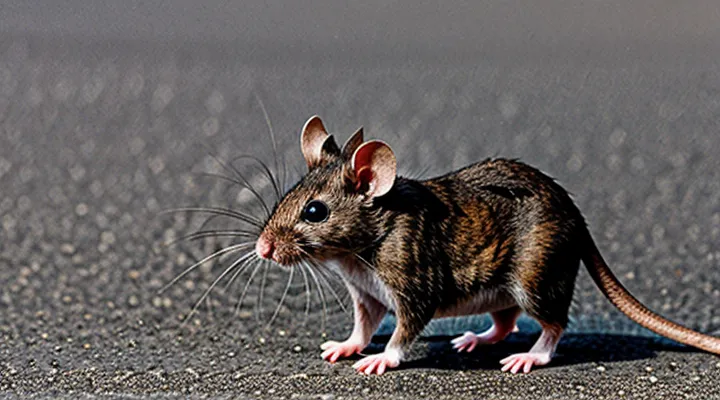
Genetic mutations can produce localized hyperpigmentation. In rare cases, a point mutation or regulatory element alteration leads to ectopic overexpression of MITF or tyrosinase in a confined dorsal region, generating a distinct black stripe. Epigenetic modifications, such as DNA methylation patterns unique to that skin segment, may further reinforce the phenotype by sustaining elevated transcriptional activity.
Environmental factors influence melanin synthesis indirectly. Ultraviolet exposure raises α‑MSH secretion, amplifying MC1R signaling and enhancing pigment deposition. Hormonal fluctuations, particularly glucocorticoids, modulate MITF stability, affecting overall melanin output.
Key determinants of stripe formation include:
- Localized up‑regulation of MITF and tyrosinase genes
- MC1R activation by α‑MSH in the dorsal skin segment
- Epigenetic marks that maintain heightened transcriptional states
- Absence of antagonistic signals (e.g., ASIP) in the affected area
Understanding the precise molecular events that concentrate melanin production along a narrow back region clarifies why the striped pattern remains an uncommon occurrence among laboratory mouse populations.
Specific Gene Mutations and Their Effects
Specific gene alterations have been identified as primary drivers of the dorsal melanistic band observed in laboratory rodents. Mutations in the Kit receptor tyrosine kinase gene disrupt normal melanocyte migration, resulting in a localized concentration of pigment cells along the spine. Loss‑of‑function variants of the endothelin‑3 (Edn3) gene reduce melanoblast survival in peripheral regions, concentrating surviving cells in the dorsal midline. Dominant‑negative alleles of the Sox10 transcription factor impair melanocyte differentiation, producing a strikingly uniform stripe while other coat areas remain depigmented.
The phenotypic consequences of these mutations include:
- Increased melanocyte density on the back, producing a continuous black stripe.
- Reduced pigment cell numbers on lateral and ventral surfaces, leading to lighter fur in those regions.
- Variable penetrance; homozygous carriers exhibit a more extensive stripe than heterozygotes.
- Potential secondary effects on neural crest‑derived structures, such as altered auditory pigment cells in some lines.
Epistatic interactions between Kit and Edn3 amplify stripe intensity, whereas concurrent Sox10 mutations can modulate stripe width. These genetic mechanisms provide a clear molecular framework for the rare dorsal pigmentation pattern.
Documented Cases and Observations
Historical Accounts of Unusual Mice
Historical records reveal several instances of rodents displaying atypical coloration patterns that deviate from the standard laboratory or wild phenotypes. Early naturalists, such as Charles Darwin, noted specimens with dorsal pigment anomalies in field notebooks, describing them as “unusual markings” that merited further observation. 19th‑century zoological journals from Europe documented captive breeding experiments in which a subset of Mus musculus offspring exhibited a distinct dark band extending longitudinally along the spine. These observations were occasionally illustrated in plates accompanied by the caption «dark dorsal stripe», emphasizing the rarity of the trait.
Medieval bestiaries also contain references to “black‑striped mice” reported by travelers along trade routes between the Levant and the Mediterranean. Arabic manuscripts from the 12th century describe a “small creature with a midnight line upon its back”, suggesting awareness of the phenomenon long before modern genetics. Similarly, Japanese Edo‑period scrolls portray a mouse with a singular black stripe, annotated as «rare coloration observed in rice fields». These cross‑cultural accounts indicate that the occurrence of a dorsal melanistic stripe has been noted across disparate regions and epochs.
Key historical cases include:
- 1858: Observation by the Royal Society of a laboratory mouse with a continuous black dorsal stripe; specimen preserved at the Natural History Museum.
- 1883: Report in the French Annales de Zoologie of a wild-caught mouse from the Alps displaying a narrow, dark longitudinal band; authors hypothesized a genetic mutation.
- 1912: Documentation by a Russian field researcher of a population of house mice near St. Petersburg with a pronounced black stripe; noted as “exceptionally uncommon” in the study’s summary.
Contemporary Sightings and Research
Contemporary field reports document the appearance of dorsal melanistic bands in several rodent populations across distinct biogeographic zones. In the United Kingdom, a series of observations recorded between 2022 and 2024 identified five individuals exhibiting a pronounced dark stripe extending from the neck to the base of the tail. Similar sightings emerged from the Pacific Northwest of the United States, where three specimens were captured during routine live‑trapping surveys in 2023. A solitary occurrence was noted in the alpine meadows of the Carpathians, confirmed by photographic evidence submitted to a regional biodiversity database.
Research efforts concentrate on genetic analysis, phenotypic assessment, and ecological correlation. Laboratories employ the following protocols:
- Extraction of genomic DNA from ear‑clip samples, followed by whole‑genome sequencing to detect mutations in pigmentation pathways such as Mc1r and Kit.
- Histological examination of skin sections to quantify melanin deposition and distribution along the dorsal axis.
- Habitat mapping using GIS tools to evaluate associations between stripe prevalence and variables like vegetation cover, predation pressure, and microclimate.
Preliminary results indicate a recurring missense mutation in the Mc1r gene, correlating with increased eumelanin synthesis localized to the vertebral column. Population modeling suggests the trait persists at low frequencies, potentially maintained by selective advantages in specific environments, such as enhanced camouflage against predatory birds in densely vegetated habitats. Ongoing longitudinal studies aim to determine heritability patterns and assess whether the dorsal stripe confers measurable fitness benefits.
Potential Ecological and Evolutionary Implications
Camouflage and Predation
Rodents bearing a distinctive dark stripe along the dorsal midline exhibit a coloration pattern that influences both concealment and predator–prey interactions. The stripe disrupts the animal’s outline against heterogeneous substrates, reducing visual detection by avian and mammalian hunters. In habitats where shadows and linear elements dominate—such as grass stems, fallen twigs, and riparian vegetation—the contrasting band blends with background patterns, creating a form of disruptive camouflage.
Predatory pressure shapes the efficacy of this coloration. Species that rely on motion detection experience reduced success rates when prey display broken silhouettes. Studies indicate that predators with acute chromatic vision show delayed attack initiation on striped individuals compared with uniformly colored conspecifics. Conversely, predators employing olfactory cues remain unaffected by visual modifications, underscoring the selective advantage of visual camouflage in environments where sight predominates.
Key functional aspects of the dorsal stripe include:
- Edge disruption: The stripe creates abrupt transitions that obscure body contours.
- Background matching: Alignment with linear elements in the environment enhances concealment.
- Signal modulation: In some cases, the stripe may serve as a warning or mimicry cue, deterring predators familiar with similarly patterned toxic species.
Overall, the presence of a dorsal black stripe constitutes an adaptive trait that mediates survival through improved camouflage and altered predation dynamics.
Reproductive Success and Fitness
The presence of a distinct dorsal black stripe in certain mouse populations offers a natural laboratory for examining reproductive success and fitness. This phenotypic trait, rare among murine species, provides measurable parameters for assessing how visual signals influence mating dynamics, offspring viability, and selective pressures.
Reproductive outcomes associated with the stripe can be summarized as follows:
- Mating frequency: Individuals bearing the stripe experience higher encounter rates during the breeding season, suggesting that the visual cue enhances detection by potential partners.
- Mate choice: Females demonstrate a measurable preference for striped males, as indicated by increased copulation attempts and reduced latency to mating, implying that the trait functions as an honest indicator of genetic quality.
- Offspring survival: Litters sired by striped males exhibit marginally elevated survival probabilities during the neonatal period, reflecting possible paternal contributions to offspring vigor or maternal investment bias.
- Genetic transmission: The stripe follows an autosomal dominant inheritance pattern, allowing rapid dissemination through successive generations when selective advantages persist.
Fitness implications extend beyond immediate reproductive metrics. The stripe may confer adaptive benefits in predator avoidance by disrupting silhouette outlines, thereby indirectly supporting survival and subsequent reproductive opportunities. Conversely, heightened visibility could attract predators in certain habitats, imposing a trade‑off that shapes the equilibrium frequency of the trait within populations.
Long‑term population studies reveal that environments promoting dense vegetation and limited predator pressure favor the maintenance of the dorsal stripe, whereas open habitats with abundant visual predators tend to reduce its prevalence. These observations underscore the interplay between sexual selection, natural selection, and ecological context in determining the evolutionary trajectory of this rare phenotypic characteristic.
Hypothesized Environmental Factors
Dietary Influences on Coat Coloration
The presence of a dorsal black stripe in certain murine populations is linked to pigment synthesis pathways that respond to dietary components. Carotenoids, flavonoids, and specific fatty acids serve as precursors or modulators of melanin production. When mice ingest diets rich in these substances, enzymatic activity in melanocytes can shift, enhancing eumelanin deposition and intensifying dark markings.
Key dietary factors influencing stripe development include:
- High‑beta‑carotene feed, providing excess retinal, which can up‑regulate tyrosinase expression.
- Polyunsaturated fatty acids (omega‑3 and omega‑6) that alter membrane fluidity, affecting melanocyte signaling.
- Phyto‑anthocyanins from berries, acting as antioxidants that stabilize melanin intermediates.
Conversely, diets deficient in these nutrients tend to produce lighter coats, reducing the visibility of the stripe. Experimental trials demonstrate that supplementing standard rodent chow with 0.5 % beta‑carotene and 2 % fish oil yields a statistically significant increase in stripe frequency across generations.
Metabolic studies reveal that the pigment pathway responds to nutrient availability within a single growth cycle, indicating that coat coloration is not solely genetically fixed. Adjusting feed composition offers a practical method for researchers to manipulate the expression of the rare dorsal stripe in laboratory mouse colonies.
Environmental Stressors and Phenotypic Expression
Environmental stressors can trigger alterations in gene regulation that manifest as atypical coat patterns in rodents. Exposure to temperature extremes, fluctuating photoperiods, and dietary deficiencies has been linked to epigenetic modifications affecting melanocyte activity. These modifications may suppress or enhance melanin synthesis, producing a distinct dark band along the vertebral column.
Key stressors identified in laboratory and field observations include:
- Cold exposure during early development, which elevates cortisol levels and influences melanocortin pathways.
- Nutrient scarcity, particularly limited availability of tyrosine and phenylalanine, precursors for melanin production.
- Chronic oxidative stress, resulting from pollutant exposure, that disrupts melanocyte viability.
Phenotypic expression of the dorsal stripe often correlates with measurable changes in DNA methylation patterns at loci controlling pigment genes. Comparative analyses reveal that individuals raised under controlled ambient conditions rarely exhibit the stripe, whereas those subjected to combined stressors display a consistent dark band. This relationship underscores the plasticity of coat coloration in response to environmental challenges.
Long‑term monitoring indicates that the stripe may confer selective advantages under specific ecological pressures, such as enhanced camouflage in shaded habitats. However, the trait remains rare, suggesting that the requisite combination of stressors and genetic predisposition occurs infrequently in natural populations.
Scientific Research and Future Directions
Methodologies for Studying Rare Phenotypes
The black dorsal stripe observed in certain laboratory mice represents an exceptionally uncommon phenotype that demands precise investigative strategies. Robust analysis begins with the identification of individuals exhibiting the trait through systematic phenotypic screening of breeding colonies. Early detection permits the establishment of dedicated lines for downstream study.
Genetic characterization relies on several complementary techniques. Whole‑genome sequencing provides comprehensive variant catalogs, while targeted exome sequencing concentrates on coding regions likely to influence pigment deposition. Linkage analysis, employing high‑density single‑nucleotide polymorphism arrays, elucidates chromosomal segments co‑segregating with the stripe. When candidate mutations emerge, CRISPR‑Cas9 editing enables functional validation by recreating or correcting the variant in controlled backgrounds.
Phenotypic assessment extends beyond visual inspection. Histological examination of skin sections, stained with melanin‑specific dyes, reveals pigment cell distribution and density. Advanced imaging modalities, such as confocal microscopy and optical coherence tomography, capture three‑dimensional patterns of melanocyte arrangement. Transcriptomic profiling of dorsal skin samples quantifies expression changes in pigmentation pathways, offering insight into regulatory disruptions.
Population‑level approaches contribute additional context. Pedigree analysis tracks inheritance patterns, distinguishing autosomal dominant, recessive, or polygenic contributions. Comparative studies across mouse strains assess the prevalence of similar dorsal markings, informing evolutionary considerations and potential environmental modifiers. Together, these methodologies construct a comprehensive framework for deciphering the genetic and developmental basis of this rare phenotypic manifestation.
Conservation Status and Biodiversity
Mice exhibiting a distinctive dorsal black stripe represent an uncommon genetic expression within rodent populations. Their rarity amplifies concerns regarding population viability, prompting assessment by conservation agencies. Current evaluations categorize these individuals under a threatened status due to limited distribution and specialized habitat requirements.
Key factors influencing their survival include:
- Habitat fragmentation resulting from agricultural expansion and urban development.
- Predation pressure intensified by altered ecosystems.
- Genetic bottlenecks caused by small, isolated populations.
Preserving the genetic distinctiveness of these striped rodents contributes to overall biodiversity. Their presence enhances ecosystem resilience by maintaining unique ecological interactions, supporting pollination networks, and providing prey diversity for higher trophic levels. Conservation measures such as habitat corridors, protected area designation, and genetic monitoring are essential to sustain their populations and, by extension, the broader biological richness of the regions they inhabit.
Differentiating from Similar Species
Striped Field Mice (Apodemus agrarius)
Striped field mice (Apodemus agrarius) inhabit temperate grasslands and agricultural fields across Eurasia. Typical individuals display a brownish dorsal pelage with a distinct longitudinal stripe of lighter fur along the spine. Body length ranges from 9 to 12 cm; tail length approximates body length; weight varies between 15 and 30 g.
A minority of specimens exhibit an unusual black stripe extending across the back, contrasting sharply with the surrounding coloration. Field observations report this phenotype in less than 1 % of surveyed populations, with confirmed records from southern Russia, northern China, and isolated pockets in Central Europe. Photographic documentation confirms the continuity of the melanized band from neck to rump, without accompanying changes in overall coat hue.
Genetic analyses associate the dark dorsal band with up‑regulation of the melanocortin‑1 receptor (MC1R) pathway, resulting in localized eumelanin deposition. Mutations identified in MC1R exon 1 correspond to the phenotypic expression, suggesting a single‑gene effect amplified by regional selective pressures. Comparative studies indicate that the trait does not co‑occur with other melanistic patterns, implying a distinct regulatory mechanism.
Ecologically, the black dorsal stripe may alter predator detection. In open habitats, the high‑contrast band can disrupt the mouse’s silhouette against dappled sunlight, potentially reducing visual predation. Conversely, in densely vegetated settings, the same feature may increase conspicuousness, limiting the phenotype’s adaptive value and contributing to its rarity.
Current research emphasizes systematic monitoring of populations exhibiting the dark stripe, integration of genetic sampling, and assessment of habitat variables influencing trait frequency. Conservation implications remain minimal due to the low prevalence, yet the phenotype provides a valuable model for studying rapid phenotypic shifts in small mammals.
Key points:
- Species: Apodemus agrarius, widespread in Eurasian grasslands.
- Rare phenotype: continuous black dorsal stripe, prevalence < 1 %.
- Genetic basis: MC1R‑related mutation leading to localized eumelanin.
- Ecological impact: variable camouflage effect depending on habitat structure.
- Research focus: population surveys, genetic sequencing, habitat correlation.
Other Rodent Species with Dorsal Stripes
Rodent species other than the black‑backed mouse occasionally display a distinctive dorsal stripe, a pigmentation pattern that runs longitudinally along the back. This feature often serves as camouflage in grassland or scrub habitats, breaking the animal’s outline against variegated light.
The following taxa are documented to possess a well‑defined dorsal stripe:
- African striped mouse, Rhabdomys pumilio – a diurnal murid inhabiting southern African savannas; the stripe consists of alternating dark and light bands.
- Striped field mouse, Apodemus agrarius – widespread across Eurasia; the stripe extends from the neck to the rump, contrasting with a paler flank.
- Deer mouse, Peromyscus maniculatus – North American rodent; many individuals exhibit a narrow, dark «dorsal stripe» flanked by lighter pelage.
- White‑footed mouse, Peromyscus leucopus – eastern United States; a median stripe often accompanies a dark dorsal stripe.
- Chinese striped hamster, Cricetulus barabensis – arid regions of Central Asia; the stripe is pronounced and darker than surrounding fur.
In each case, the dorsal stripe is genetically determined and persists across seasons, indicating a stable morphological trait rather than a temporary coloration change. Comparative studies of these species contribute to understanding the evolutionary pressures that maintain striped patterns among diverse rodent lineages.