
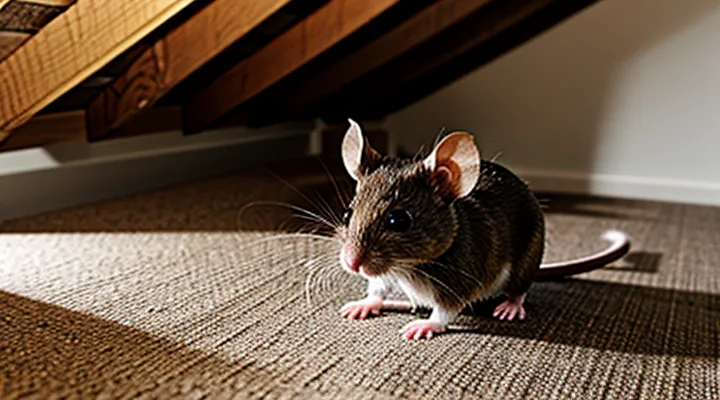
Understanding the Problem: Why Mice Invade
Health Risks and Property Damage
Disease Transmission
Mice that inhabit attic spaces carry pathogens capable of infecting humans and pets. Direct contact with rodent urine, feces, or saliva introduces bacteria such as Salmonella and Leptospira, which cause gastrointestinal illness and leptospirosis. Inhalation of aerosolized dried droppings can transmit hantavirus, leading to severe respiratory disease. Parasites, including Sarcoptes mites and Ixodes ticks, may also be transferred from rodents to occupants, resulting in allergic reactions or vector‑borne infections.
Preventing disease transmission requires eliminating the rodent source and minimizing exposure to contaminated materials. Effective measures include:
- Sealing entry points larger than ¼ inch to block access.
- Setting snap traps or electronic devices in concealed locations to reduce disturbance of droppings.
- Wearing disposable gloves, N95 respirators, and protective clothing when handling nests or cleaning debris.
- Disinfecting surfaces with a 10 % bleach solution after removal.
- Storing food in sealed containers and maintaining low humidity to discourage rodent activity.
Regular inspection of insulation, wiring, and stored items detects early signs of infestation, such as gnaw marks, shredded material, or fresh droppings. Prompt, safe eradication curtails the spread of rodent‑borne diseases and protects the health of all building occupants.
Structural Damage
Mice nesting in attic spaces create pressure points in wood framing, insulation, and drywall. Their gnawing habit compromises structural integrity, leading to weakened beams, sagging ceilings, and compromised roof support.
Visible indicators of damage include:
- Chewed or gnawed wooden joists, rafters, and studs
- Frayed or missing insulation fibers near entry holes
- Small holes or tunnels in drywall and plaster
- Loose or broken wiring sheathing caused by rodent activity
Unchecked damage can propagate. A single compromised joist may shift under load, redistributing weight to adjacent members and accelerating wear. Electrical conduits damaged by gnawing increase fire risk and may require rewiring to meet safety codes.
Inspection should focus on accessible attic panels, roof trusses, and any exposed structural components. Use a flashlight and a flexible inspection mirror to locate gnaw marks and fresh droppings. Record each affected element and assess load-bearing capacity before repair.
Repair strategies involve:
- Removing all rodent debris and sanitizing the area to prevent secondary infestations.
- Replacing damaged wood with appropriately graded lumber, securing connections with joist hangers or metal brackets to restore original load paths.
- Restoring insulation using fire‑rated material that resists nesting.
- Sealing all entry points with steel mesh, caulk, or cement to block future access.
Professional assessment may be required when damage extends beyond superficial gnaw marks, especially if load-bearing members show signs of rot or cracking. Prompt remediation preserves the building’s structural performance and prevents costly reconstruction.
Identifying a Mouse Infestation
Signs of Presence
Droppings and Urine Stains
Droppings and urine stains are primary indicators of rodent activity in an attic. Fresh droppings appear as dark, pellet‑shaped fragments about ¼ inch long; older deposits may turn lighter and crumble. Urine stains often manifest as yellowish or brownish discolorations on insulation, wood, or stored items. Both residues can harbor pathogens such as Hantavirus, Salmonella, and leptospirosis, posing health risks to occupants and pets.
Accurate assessment requires protective measures. Wear disposable gloves, a N95 respirator, and eye protection before handling any material. Use a black light to locate hidden urine spots, as fluorescence reveals stains invisible to the naked eye.
Cleaning protocol:
- Isolate the affected area with plastic sheeting to prevent cross‑contamination.
- Vacuum dry droppings with a HEPA‑rated filter; avoid shaking to minimize aerosolization.
- Apply an enzymatic cleaner to urine stains, allowing the solution to penetrate for at least 15 minutes.
- Scrub the surface with a stiff brush, then rinse with warm water.
- Disinfect the cleaned area using a 1:10 dilution of household bleach; let it sit for 10 minutes before wiping dry.
- Dispose of all used materials in sealed, biohazard‑rated bags and remove them from the home promptly.
After decontamination, inspect insulation and structural components for damage. Replace compromised insulation to eliminate residual moisture that could attract new rodents. Maintain a dry, well‑ventilated attic environment to discourage future infestations.
Gnaw Marks
Gnaw marks are the most reliable visual evidence of rodent activity in ceiling spaces. They appear as clean, shallow incisions on wood, insulation, wiring, or stored items, typically ranging from 2 mm to 5 mm in depth. The width of the bite matches the rodent’s incisors, allowing distinction between mouse and larger pest species. Fresh gnawing exhibits bright, sharp edges; older damage darkens and may show splintering.
Key characteristics for accurate identification:
- Location – Mice favor low‑lying joists, edges of insulation, and accessible pathways near food sources. Concentrated marks along a single line suggest a travel route.
- Pattern – Parallel or overlapping cuts indicate repeated passage, while irregular angles point to nesting activity.
- Material – Soft fibers such as cotton insulation are preferred for chewing, whereas hard wood is avoided unless necessary for structural access.
By mapping gnaw marks, technicians can triangulate the most likely entry points and active zones. The process involves:
- Surveying the attic systematically, noting each mark’s position and depth.
- Plotting findings on a simple floor plan to reveal corridors.
- Prioritizing areas where marks intersect with potential entry holes for targeted sealing.
Safe removal strategies rely on this information:
- Seal identified entry points with steel wool and caulking before deploying traps, preventing re‑entry.
- Place snap traps or electronic devices directly along the mapped routes, positioning bait no more than 1 inch from the gnaw marks to encourage quick capture.
- Inspect wiring and insulation for damage; replace compromised sections to eliminate hazards and reduce attractants.
Regular monitoring of gnaw marks after intervention confirms success. A decline in new incisions, coupled with the absence of fresh debris, indicates that the infestation is under control. Maintaining a clean, sealed attic environment prevents future gnawing and protects structural integrity.
Scratching Sounds and Squeaks
Scratching noises and high‑pitched squeaks are primary acoustic signs of rodent activity within a ceiling space. The sounds typically originate from a mouse’s claws on insulation, wooden joists, or stored objects, and from vocalizations produced during movement or when the animal feels threatened. Distinguishing these noises from settling timber or HVAC vibrations relies on timing (most active at dusk and dawn), rhythm (intermittent, rapid bursts), and location (concentrated near entry points, food sources, or nesting material).
When the noises are confirmed as mouse activity, immediate steps reduce the risk of damage and disease transmission.
- Inspect the attic for gnaw marks, droppings, and shredded material near the source of the sounds.
- Seal all visible gaps larger than ¼ inch with steel wool, caulk, or metal flashing to prevent further entry.
- Set snap traps or live‑catch traps along walls, corners, and near identified pathways; place bait such as peanut butter or dried fruit.
- Deploy ultrasonic deterrents only after confirming that the devices emit frequencies above 20 kHz, which affect rodents but not structural components.
- After capture, dispose of rodents according to local health regulations and disinfect the area with a bleach solution (1 part bleach to 9 parts water).
Continual monitoring of acoustic activity for several days after trap placement verifies the effectiveness of the intervention. Persistent noises indicate either remaining individuals or reinfestation, prompting a repeat of inspection, sealing, and trapping procedures.
Nests and Runways
Mice construct nests from shredded insulation, fabric, paper, and dried plant material. Nests are typically located in hidden corners of the attic, behind stored items, or within wall cavities. A well‑formed nest appears as a compact, irregular mass with a soft interior and a rough outer layer. Presence of droppings, gnaw marks, or a faint musky odor often accompanies the nest.
Runways are the pathways mice use to travel between food sources, water, and nesting sites. These routes are marked by fine, dark lines of urine and droppings on surface insulation, joists, or exposed beams. Runways may also be identified by small rub marks where rodents brush against wood or fabric. Recognizing these signs helps pinpoint active travel corridors.
Key indicators for locating nests and runways:
- Accumulated droppings in straight lines or clusters
- Gnaw holes in insulation, wiring, or structural wood
- Scraped or chewed insulation fibers
- Faint, oily residue on surfaces (urine trails)
- Visible nesting material in concealed areas
Safe removal procedure:
- Seal all entry points larger than a quarter‑inch using steel wool, copper mesh, or expanding foam.
- Set snap traps or live‑capture devices directly on identified runways, positioning bait at the end of the trail.
- Deploy bait stations with rodenticide in sealed containers, placing them near nests but away from children and pets.
- After capture, wear disposable gloves and a mask; place rodents in sealed bags and dispose of them according to local regulations.
- Clean and disinfect the attic using a solution of diluted bleach (1 part bleach to 9 parts water) or an approved disinfectant. Allow the area to dry completely.
- Replace damaged insulation and repair gnawed wiring or structural components to prevent re‑infestation.
Monitoring after treatment involves weekly inspection of previously active runways for fresh droppings or new gnaw marks. Sustained absence of evidence indicates successful eradication. Regular maintenance, such as keeping storage containers sealed and minimizing clutter, reduces the likelihood of future nest formation.
Locating Entry Points
Common Entry Areas
Mice reach attic spaces through structural gaps and openings that provide unobstructed pathways from the exterior. Identifying these routes is essential for any effective removal strategy.
- Gaps around roof eaves and fascia boards
- Unscreened or damaged roof vent openings
- Openings at soffit vents, especially where insulation is missing
- Cracks or gaps surrounding chimney flues and vent pipes
- Spaces around utility penetrations such as electrical conduits, plumbing stacks, and cable entries
- Unsealed attic access doors, hatch covers, and stairwell openings
- Small holes in exterior siding, especially near foundation walls that lead upward
Inspection should begin with a visual survey of the roof perimeter, focusing on the listed areas. Use a flashlight to detect daylight through gaps, and probe suspicious openings with a thin wire or inspection camera. Once identified, seal each entry with appropriate materials: steel wool combined with caulk for small cracks, metal flashing or hardware cloth for larger gaps, and weather‑resistant sealants for vent covers. Replace damaged vent screens, install tight‑fitting attic access doors, and ensure chimney caps are intact. Regularly repeat the inspection after seasonal weather changes to verify that newly formed gaps have not appeared.
Inspection Techniques
Effective detection of rodent activity in ceiling spaces begins with a systematic visual survey. Inspectors should start at the attic entrance, examine insulation for gnaw marks, droppings, and shredded materials, and trace any pathways leading to potential nesting sites. Light sources, such as a high‑intensity flashlight, reveal subtle signs that ambient lighting may miss.
- Follow walls and beams, looking for fresh gnaw holes on wood, wiring, or ductwork.
- Check the underside of joists for shredded insulation and urine stains that fluoresce under ultraviolet light.
- Deploy motion‑activated cameras near suspected entry points to capture nocturnal movement.
- Place non‑toxic tracking powder along known runways; footprints indicate direction of travel.
- Use a handheld thermal imager to locate warm bodies concealed within dense insulation or behind stored items.
After initial observations, conduct a tactile examination by gently probing suspect areas with a thin probe or flexible rod to confirm hidden burrows. Record all findings with timestamps and precise locations to guide subsequent removal actions. Documentation enables targeted sealing of entryways and minimizes disruption to the structure.
Humane Removal Strategies
Trapping Methods
Live Traps
Live traps provide a humane solution for extracting attic rodents without killing them. The devices consist of a cage or box that closes automatically when a mouse triggers a sensor, usually a pressure plate or a treadle. Because the animal remains alive, relocation is possible after capture.
Effective use of live traps requires careful selection and placement:
- Choose a trap sized for house mice (approximately 4 × 4 × 4 inches) with a smooth interior to prevent injury.
- Bait with high‑fat foods such as peanut butter, sunflower seeds, or small pieces of cheese.
- Position traps along walls, behind insulation, or near known activity signs; mice travel close to surfaces.
- Set traps in the late afternoon; mice are most active during nighttime hours.
- Check traps every 12 hours to reduce stress and prevent dehydration.
Once a mouse is secured, follow these steps for safe release:
- Transport the trap to a location at least two miles from the residence, preferably in a wooded or field area.
- Open the cage gently, allowing the animal to exit without sudden movements.
- Dispose of any leftover bait and clean the trap with mild detergent before reuse.
Regular monitoring of trap results, combined with sealing entry points, ensures long‑term prevention while maintaining ethical standards.
Snap Traps (Proper Placement and Use)
Snap traps remain the most reliable mechanical solution for attic rodent control when installed correctly. Position each trap against a wall, where mice travel along edges rather than open space. Target known entry points, such as gaps around vent pipes, insulation seams, and utility openings, placing a trap within a foot of each. Locate devices in concealed corners, behind stored boxes, or under joists to increase contact probability while minimizing visual exposure.
Select a high‑protein bait—peanut butter, sunflower seeds, or small pieces of cooked meat—and apply a pea‑sized amount to the trigger platform. Adjust the spring tension to a firm snap; a loose setting may allow escape. Inspect traps daily, remove captured rodents with gloves, and reset with fresh bait. Dispose of used traps according to local regulations, and keep out of reach of children and pets by storing them in sealed containers after the infestation is cleared.
- Place traps perpendicular to the wall, with the trigger facing the wall.
- Use a single, small bait morsel to prevent spillage and encourage precise contact.
- Set traps no higher than three feet from the floor, matching typical mouse travel height.
- Check and reset traps at least every 24 hours to maintain effectiveness.
- Wear disposable gloves when handling captured mice and cleaning traps.
Repellents and Deterrents
Natural Repellents
Natural repellents provide a chemical‑free option for deterring mice that have taken residence in attic cavities. These substances exploit rodents’ acute sense of smell and aversion to certain tastes, creating an environment that discourages entry and encourages exit without harming the animals.
- Peppermint oil: Concentrated oil applied to cotton balls or cloth strips emits a strong menthol scent that mice avoid. Replace every 5–7 days to maintain potency.
- Clove oil: Similar to peppermint, clove oil’s phenolic compounds repel rodents. Dilute 1 ml in 100 ml water and spray onto insulation, joists, and entry points.
- Ammonia: A small container of ammonia placed in a sealed bag releases vapors that mimic predator urine. Position near suspected pathways; replace weekly.
- Dryer sheets: The scented fabric releases volatile compounds that interfere with mouse olfactory cues. Hang sheets in corners and replace when fragrance fades.
- Citrus peels: Fresh orange or lemon peels placed in strategic spots emit limonene, a natural deterrent. Refresh every 2–3 days.
Application must consider ventilation and fire safety. Apply repellents to surfaces that will not be disturbed by regular maintenance. Avoid direct contact with electrical wiring; use cloth barriers when spraying liquids. Ensure pets and children cannot ingest concentrated oils or ammonia containers.
Integrating natural repellents with structural exclusion—sealing gaps, installing metal flashing, and trimming vegetation near the roof—enhances overall effectiveness. Monitor mouse activity with non‑lethal traps; a decline in captures indicates successful repellent deployment. If activity persists, increase concentration, rotate scents, or supplement with mechanical barriers.
Electronic Devices
Electronic solutions provide precise, non‑chemical methods for identifying and eliminating rodents hidden in roof spaces. Devices that emit ultrasonic frequencies, infrared motion sensors, and electronic bait stations detect activity without exposing occupants to toxins.
- Ultrasonic emitters – generate high‑frequency sound intolerable to mice, discouraging entry.
- Infrared motion detectors – register movement, trigger visual or audible alerts, and log activity for later analysis.
- Electronic snap traps – deliver a calibrated voltage pulse to kill instantly, reducing suffering and preventing escape.
- Digital monitoring units – combine motion detection with wireless transmission, allowing real‑time observation from ground level.
Safety demands strict adherence to electrical codes. Use low‑voltage, battery‑powered units where wiring is impractical; ensure all equipment carries UL or CE certification. Position devices away from flammable insulation, avoid drilling holes that compromise structural integrity, and verify that power cords are insulated and secured. Regularly inspect batteries and replace faulty units to prevent accidental discharge.
Effective implementation follows a systematic approach: locate activity hotspots with motion detectors, install ultrasonic deterrents at entry points, place electronic traps in identified zones, and maintain continuous monitoring through digital units. This sequence maximizes capture rates while minimizing exposure to hazardous chemicals and preserving the integrity of the attic environment.
Preventing Future Infestations
Sealing Entry Points
Repairing Gaps and Cracks
Sealing openings eliminates the primary route mice use to enter an attic. Every gap, no matter how small, offers a potential access point for rodents seeking shelter and food.
Typical entry points include:
- Gaps around vent pipes, chimney flues, and exhaust fans
- Cracks in roof sheathing, fascia, and soffit boards
- Openings at the junction of the attic floor and wall studs
- Unsealed holes around wiring, plumbing, and HVAC penetrations
Effective repair requires durable, rodent‑resistant materials. Use steel wool or copper mesh to fill narrow cracks, then apply expanding spray foam or caulk to create a tight seal. For larger openings, install metal flashing or hardware cloth with mesh no larger than ¼ inch, securing it with stainless‑steel screws. Replace damaged sheathing or insulation with pressure‑treated lumber and fire‑rated insulation panels to maintain structural integrity.
After installation, conduct a thorough visual inspection. Verify that all seams are flush, that no gaps remain around fasteners, and that the sealant has cured fully. Schedule a follow‑up check each season to detect new fissures caused by temperature shifts or settling. Promptly repair any deterioration to sustain a barrier against future infestation.
Installing Exclusion Barriers
Effective exclusion barriers prevent rodents from re‑entering an attic. Installations begin with a thorough inspection to identify all potential entry points, including gaps around vents, eaves, and utility penetrations. Seal each opening before adding physical barriers.
- Use steel wool or copper mesh to fill small cracks, then cover with caulk or expanding foam for durability.
- Apply sheet metal flashing (minimum 0.5 mm thick) over larger gaps; screw it securely and seal edges with silicone.
- Fit hardware cloth (¼‑inch mesh) around vent openings, ensuring a tight fit and overlapping seams by at least 2 inches.
- Install a continuous rodent‑proof barrier along the perimeter of the attic floor, fastening it to joists with stainless‑steel screws.
After sealing, verify the barrier’s integrity by conducting a visual sweep and a light‑touch test on all seams. Replace any damaged sections promptly. Maintaining a clean attic environment—removing debris, storing food‑free, and trimming vegetation near the roofline—supports the barrier’s long‑term effectiveness.
Maintaining a Clean Environment
Food Storage Best Practices
Proper food storage is a fundamental barrier against rodent activity in attic spaces. Use containers that lock tightly, such as heavy‑wall plastic bins with gasketed lids or metal tins with sealed closures. Place containers on shelves rather than directly on the floor to reduce contact with potential nesting material. Keep the storage area clean; sweep up crumbs, wipe spills immediately, and dispose of waste in sealed bags before it accumulates.
- Store all dry goods in airtight packaging.
- Label containers with purchase dates and rotate stock to use older items first.
- Keep the attic temperature low and humidity controlled; moisture attracts mice.
- Inspect containers regularly for signs of damage or leakage.
- Remove packaging that is torn or compromised and replace it with new sealed containers.
Regularly audit the attic for food remnants, pet food, or birdseed that may have been left unsecured. Eliminate these attractants, then seal any gaps in walls, vents, or wiring openings with steel wool and caulk. By maintaining strict food storage protocols, the likelihood of mouse presence in upper storage areas diminishes dramatically.
Eliminating Water Sources
Eliminating water sources removes a primary incentive for mice to occupy attic spaces. Dry environments discourage activity, reduce breeding success, and limit the time rodents can survive.
Key actions include:
- Inspect roof and eave vents for condensation; seal gaps with weather‑resistant caulk.
- Repair leaking pipes, gutters, and flashing; replace damaged flashing with corrosion‑resistant material.
- Install moisture‑absorbing barriers behind insulation; use vapor‑proof liners where appropriate.
- Redirect downspouts away from the building foundation; maintain a clear distance of at least three feet.
- Remove standing water in nearby containers; store firewood off the ground and cover with a waterproof tarp.
Regular monitoring of these measures ensures that moisture does not reappear, sustaining an environment hostile to attic‑dwelling rodents.
Regular Inspections
Regular inspections form the foundation of any effective attic‑rodent management plan. They reveal entry points, nesting activity, and population trends before damage escalates.
A practical schedule includes:
- Visual checks every two weeks during warm months, when mice are most active.
- Monthly inspections in colder periods, focusing on insulation and stored items.
- Additional assessments after severe weather or building renovations.
Inspection techniques should combine visual observation with simple tools. Use a flashlight to examine joist cavities, insulation layers, and pipe penetrations. Employ a mirror on an extendable pole to view hidden corners. Set up motion‑activated cameras in suspected routes for continuous monitoring. Record all findings in a log, noting location, evidence type, and date.
Documented data guide targeted sealing, bait placement, and trap deployment. When new activity appears, prioritize immediate remediation to prevent colony expansion. Consistent record‑keeping also provides evidence for professional pest‑control services, ensuring interventions address the correct problem areas.
Post-Removal Sanitation
Cleaning Up Contaminated Areas
Disinfecting Surfaces
After rodents have been captured or expelled from an attic, every contact surface must be treated to eliminate pathogens and prevent future infestations. Clean visible debris with a disposable cloth, then apply an appropriate disinfectant before the area is sealed.
- Choose EPA‑registered products effective against Salmonella, Hantavirus, and Leptospira. Common options include quaternary ammonium compounds, bleach solutions (1 part sodium hypochlorite to 9 parts water), and hydrogen peroxide‑based sprays.
- Verify concentration and contact time on the label; insufficient exposure leaves viable microorganisms.
- Wear gloves, eye protection, and a respirator when handling chemicals in confined spaces.
- Dispose of used rags in sealed bags; do not reuse on other surfaces.
Apply the disinfectant to all wooden beams, insulation, joists, and any equipment that may have contacted rodent droppings or urine. Use a spray bottle or fogger to ensure thorough coverage, especially in crevices. Allow the prescribed dwell time, then wipe excess liquid with a clean disposable wipe.
Finally, ventilate the attic for at least 30 minutes to disperse residual fumes. Store remaining disinfectant in a locked container away from children and pets. Document the date, product used, and personnel involved for future reference and compliance with health‑safety standards.
Proper Disposal of Droppings and Nests
Proper disposal of rodent droppings and nests is essential for health safety and effective pest control in an attic environment. Droppings can harbor Hantavirus, salmonella, and other pathogens; nests may contain urine‑soaked materials that exacerbate contamination. Immediate removal reduces the risk of airborne particles and prevents secondary infestations.
Steps for safe removal
- Wear disposable nitrile gloves, a fitted N‑95 respirator, and eye protection.
- Seal the work area by closing attic access points and turning off ventilation fans.
- Lightly mist droppings and nest material with a 1 % bleach solution or an EPA‑approved disinfectant; allow the solution to soak for at least 10 minutes.
- Use a stiff, disposable brush or a damp paper towel to collect the material, placing it directly into a heavy‑duty trash bag.
- Close the bag, double‑seal with tape, and dispose of it in an outdoor trash container that is emptied regularly.
- Clean all tools and protective equipment with bleach solution, then wash hands thoroughly after glove removal.
After removal, disinfect the surrounding surfaces. Apply a 1 % bleach solution or a commercial sanitizer to all exposed wood, insulation, and metal components. Allow the area to dry completely before reinstalling any stored items or re‑sealing the attic. Regular inspection and prompt cleaning of any new debris will maintain a sanitary environment and discourage further rodent activity.
Airing Out the Attic
Airing out the attic reduces humidity and eliminates the warm, sheltered environment that encourages rodent activity. Fresh airflow dries insulation, discourages nesting, and helps detect signs of infestation through audible movement or odor.
Before opening any vent, inspect the space for active nests, droppings, or gnaw marks. Seal obvious entry points with steel wool or metal flashing, then plan a ventilation route that connects the attic to the exterior without creating new access for pests.
- Install weather‑proof vent covers on roof or gable openings.
- Attach adjustable louvers to regulate airflow while preventing entry.
- Use a portable exhaust fan to force stale air outward, positioning it near the highest point of the attic.
- Run a flexible duct from the fan to the external vent, securing all joints with metal clamps.
- Verify that all openings are fitted with mesh screens of at least 1 mm opening size.
During operation, keep the fan running for a minimum of 30 minutes each day, especially after rain or high humidity periods. Monitor the attic for any new rodent signs; if activity persists, repeat sealing procedures and consider additional vent placement. Regularly clean vent grates and replace damaged screens to maintain effective airflow and prevent re‑infestation.