
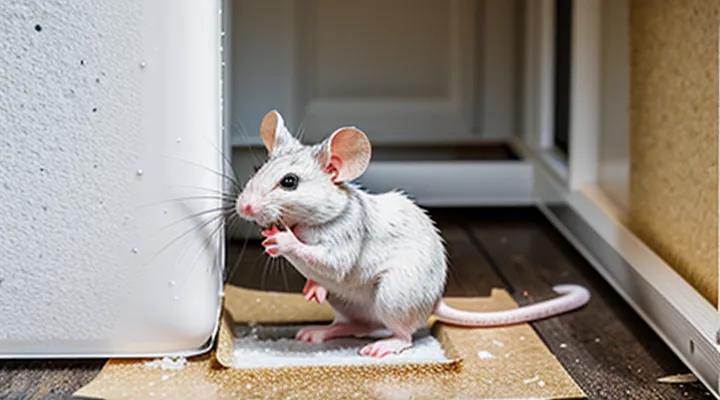
The Unseen Residents: A Look into Insulation Infestations
Why Insulation Attracts Rodents
Shelter and Warmth: An Ideal Habitat
Rodents frequently select insulation cavities as primary refuge because the material offers consistent thermal conditions and concealment from predators. The dense fibrous structure retains heat, creating a microenvironment that remains above ambient temperature even during cold periods. This thermal buffer reduces the energy expenditure required for body‑temperature regulation, allowing the animal to allocate resources to foraging and reproduction.
Key attributes that make the space suitable for shelter and warmth include:
- High specific heat capacity of the fibers, which slows temperature fluctuations;
- Minimal air drafts due to the tightly packed composition;
- Dark interior surfaces that absorb radiant heat from surrounding structures;
- Limited exposure to external light, decreasing detection risk.
The combination of these factors produces an environment that closely matches the criteria of an «ideal habitat» for small mammals seeking both protection and warmth. However, the presence of occupants can compromise insulation performance, elevate fire risk, and introduce health concerns for humans. Mitigation measures such as sealing entry points, installing physical barriers, and conducting regular inspections help preserve the intended function of the insulation while reducing rodent habitation.
Food Sources: Accidental Allure
Mice that colonise wall cavities and fiberglass insulation are drawn to food residues that unintentionally accumulate in the building envelope. Crumbs left on the floor, pet food spillage, and improperly sealed pantry items create a scent trail that penetrates gaps in the insulation, guiding rodents toward the concealed space.
Typical accidental attractants include:
- Small particles of cereal, bread, or pastry that fall behind appliances;
- Grease or oil splatters on countertops that seep into cracks;
- Open containers of nuts, seeds, or dried fruit;
- Pet kibble left in bowls for extended periods;
- Fruit peels or vegetable scraps discarded without immediate disposal.
These items generate volatile organic compounds detectable by the highly developed olfactory system of rodents. Once a scent source reaches the insulation, mice exploit the protected environment for both shelter and a steady food supply, increasing the risk of infestation.
Effective mitigation requires eliminating sources at the origin. Sealing food containers, promptly cleaning spills, and installing door sweeps or weather stripping reduce the likelihood that odors infiltrate the insulation. Regular inspection of attic and wall spaces for residue buildup further prevents accidental allure and limits rodent activity within fiberglass structures.
The Dangers of Mice in Fiberglass
Health Risks: A Silent Threat
Pathogens and Diseases: Contamination Concerns
Rodents nesting in fiberglass insulation create a direct route for microbial contamination of indoor air and surfaces. Their droppings, urine, and carcasses introduce bacteria, viruses, and parasites that thrive in the warm, moist micro‑environment of insulation material.
- Salmonella spp.
- Hantavirus
- Leptospira interrogans
- Lymphocytic choriomeningitis virus
- Streptobacillus moniliformis
- Cryptosporidium spp.
Pathogens spread through aerosolized particles generated during insulation disturbance, direct contact with contaminated fibers, or ingestion of droppings. Inhalation of contaminated dust may provoke respiratory infections, fever, and, in severe cases, hemorrhagic fever. Skin contact with urine or feces can cause rashes, ulcerations, and systemic illness. Children and immunocompromised individuals face heightened risk.
Preventive actions include sealing entry points, removing infested insulation, employing professional rodent‑exclusion services, and disinfecting affected areas with EPA‑approved biocides. Regular inspection of insulation integrity reduces the likelihood of re‑infestation and subsequent disease transmission.
Allergens and Respiratory Issues: Poor Air Quality
Mice that nest in fibrous insulation release urine, feces, and skin flakes directly into the cavity where air circulates. These biological particles become airborne when the building envelope is disturbed or when ventilation draws contaminated air into living spaces. The resulting aerosol contains proteins that trigger allergic sensitization, leading to symptoms such as sneezing, nasal congestion, and itchy eyes. Repeated exposure can progress to chronic rhinitis and exacerbate existing asthma, especially in children and individuals with pre‑existing respiratory conditions.
The compromised air quality stems from several mechanisms:
- Accumulation of rodent allergens in insulation fibers, which remain suspended for extended periods.
- Growth of mold and bacteria on moisture‑laden droppings, producing spores and volatile organic compounds.
- Increased particle load in HVAC filters, reducing system efficiency and forcing higher fan speeds that circulate contaminants more widely.
Clinical observations link indoor concentrations of mouse allergen (Mus m 1) above 1 µg/g of dust to heightened risk of asthma attacks. Mitigation requires sealing entry points, removing infested insulation, and installing high‑efficiency particulate air (HEPA) filtration to lower airborne allergen levels. Continuous monitoring of indoor particulate matter and allergen concentrations provides objective data for evaluating remediation success.
Structural Damage: Beyond the Obvious
Compromised Insulation Effectiveness: Energy Loss
Mice that infiltrate fiberglass insulation create pathways for air exchange, reducing the material’s thermal resistance. Their nesting activity displaces fibers, forming gaps that allow heat to escape during winter and enter during summer. The resulting energy loss manifests as higher utility bills and increased demand on heating and cooling systems.
Key consequences of compromised insulation include:
- Diminished R‑value, leading to measurable temperature differentials between interior and exterior surfaces.
- Elevated furnace and air‑conditioner runtime, accelerating wear and shortening equipment lifespan.
- Increased humidity levels, fostering condensation and potential mold growth in adjacent structural components.
Mitigation strategies focus on sealing entry points, installing rodent‑resistant barriers, and conducting periodic inspections to verify insulation integrity. Prompt repair of damaged sections restores thermal performance and curtails ongoing energy waste.
Chewed Wires: Fire Hazards
Mice that infiltrate wall cavities often gnaw on electrical wiring. The act of chewing removes insulation from conductors, exposing copper or aluminum strands to air. Exposed conductors can overheat, produce arcing, and ignite surrounding combustible material.
Damage to wiring compromises circuit integrity, creating intermittent connections that increase resistance and generate localized heat. In many cases, the heat reaches ignition temperature for typical insulation foams, leading to rapid fire development.
National fire‑safety reports attribute approximately 15 % of residential fire incidents to rodent‑induced electrical faults. The majority of these fires originate in areas where insulation provides both a food source and a protected pathway for rodents.
Mitigation strategies include:
- Sealing all exterior and interior entry points with steel‑wool or cement‑based caulk.
- Installing rodent‑resistant conduit (e.g., metal or PVC sleeves) around vulnerable wiring runs.
- Conducting quarterly visual inspections of insulation layers and wiring for bite marks or gnaw‑shaped holes.
- Deploying ultrasonic or bait‑based rodent control devices in attics and crawl spaces.
Implementing these measures reduces the probability of wire exposure and limits fire‑hazard potential associated with rodent activity.
Identifying a Mouse Infestation
Signs to Look For
Droppings and Urine Stains: Clear Indicators
Droppings and urine stains serve as unmistakable evidence of rodent activity within fiberglass insulation. Their presence confirms that mice have penetrated the thermal barrier and are using the cavity for shelter and foraging.
Mouse droppings are typically 3–6 mm long, dark brown to black, and possess a tapered shape. They accumulate on the surface of insulation, in cracks, or on adjacent structural components. Fresh droppings appear moist and may darken further as they desiccate, providing a time‑frame for recent activity.
Urine stains manifest as yellow‑ish or amber discolorations on insulation fibers. The stains often spread outward from the point of deposition, creating a halo of softened material. A characteristic ammonia odor accompanies the stains, intensifying in confined spaces. Prolonged exposure can lead to moisture accumulation, fostering mold growth and compromising insulation performance.
Key indicators:
- Dark, tapered fecal pellets, 3–6 mm in length
- Yellow‑amber stains with softened fiberglass fibers
- Persistent ammonia or “mouse” odor in insulated cavities
- Concentration of droppings or stains near entry points or food sources
Recognition of these signs enables prompt remediation, preventing structural damage, health risks, and loss of insulating efficiency. «Droppings and Urine Stains: Clear Indicators» provides the most reliable visual cues for identifying infestation within fiberglass wall cavities.
Gnaw Marks: Evidence of Activity
Gnaw marks provide direct evidence of rodent presence within fiberglass insulation. Fresh incisions appear as clean, shallow cuts on the material’s surface, often accompanied by splintered fibers. Older marks may show ragged edges and discoloration from moisture or urine. Typical locations include seams between joists, near entry holes, and along the interior faces of walls where insulation is exposed.
Key indicators of activity:
- Parallel or intersecting bite lines measuring 2–5 mm in length
- Visible debris such as shredded fibers and droppings adjacent to the cuts
- Irregular patterns radiating from a central entry point
- Presence of gnawed wiring or vent covers near the affected area
Detection of these signs warrants immediate inspection of the surrounding structure. Identifying the exact entry route enables targeted sealing, while removal of compromised insulation prevents further damage and reduces health risks associated with contaminated fibrous material. Professional pest control and insulation replacement restore the thermal barrier and eliminate the source of gnaw marks.
Nesting Materials: Fabric and Debris
Mice that infiltrate wall cavities frequently select readily available items to construct nests. Soft fabrics such as cotton, wool, and synthetic blends provide insulation and structural support. Fibrous debris, including shredded paper, dryer lint, and insulation remnants, supplement these materials, creating compact layers that retain heat.
Typical nesting components include:
- Cotton clothing fragments
- Wool fibers from blankets or sweaters
- Polyester fleece from upholstery
- Shredded newspaper or cardboard
- Dryer lint collected from vents
- Loose fiberglass particles displaced during installation
The presence of these substances alters the thermal performance of the surrounding insulation. Dense nests increase local temperature, potentially reducing the effectiveness of the original fiberglass barrier. Additionally, the accumulation of organic debris can attract mold growth, elevating indoor air quality concerns.
Detection relies on visual inspection of accessible cavities and the identification of droppings intermingled with nesting material. Removal strategies prioritize the extraction of all fabric and debris, followed by the replacement of compromised insulation sections. Sealing entry points prevents further infiltration and limits the introduction of new nesting resources.
Strange Noises: Scurrying and Scratching
Mice concealed within fiberglass insulation generate distinct auditory cues that homeowners often mistake for structural settling or distant traffic. The noises arise from rapid limb movement across the fibrous material and from claws scraping against the dense fibers.
Typical characteristics include:
- A repetitive, high‑pitched rustling that intensifies during nighttime hours;
- Intermittent scratching sounds followed by brief silence, indicating brief pauses as the animal navigates;
- A pattern of increasing volume as the rodent explores larger voids or approaches entry points.
These acoustic signatures differ from those of insects, which produce softer, continuous buzzing, and from larger mammals, whose footfalls generate deeper thuds. Recognizing the specific timbre and timing helps isolate the source to small rodents.
Detection methods rely on systematic inspection:
- Locate the area where noise peaks, often near ceiling joists or wall cavities;
- Remove a small section of insulation to visually confirm activity;
- Install motion‑activated acoustic monitors to record frequency and duration for confirmation.
Health implications stem from droppings and urine deposited alongside the insulation. These biological contaminants can become airborne when disturbed, posing respiratory risks. Additionally, gnawing compromises the integrity of insulation, reducing thermal efficiency and increasing energy consumption.
Mitigation strategies focus on exclusion and removal:
- Seal entry gaps larger than ¼ inch with steel wool and caulking;
- Replace contaminated insulation with untreated material to prevent re‑infestation;
- Employ professional trapping or bait stations positioned within the identified pathways.
Prompt identification of scurrying and scratching sounds reduces the likelihood of extensive damage and improves indoor air quality. Continuous monitoring after remediation confirms the success of the intervention.
Locating Entry Points
Cracks and Gaps: Common Access
Cracks and gaps in building envelopes constitute the primary routes through which rodents infiltrate fiberglass insulation. Even minute openings, as small as a quarter‑inch, permit entry, rendering the insulation vulnerable to contamination and damage.
Typical entry points include:
- Openings around utility penetrations such as electrical conduit, plumbing stacks, and HVAC ducts.
- Gaps surrounding window and door frames, especially where weather‑stripping has deteriorated.
- Cracks in foundation walls, basement floors, and crawl‑space walls caused by settlement or moisture movement.
- Unsealed seams in attic soffits, roof vents, and ridge vents.
Sealing strategies must address both the size of the opening and the material compatibility with insulation. Recommended actions are:
- Apply stainless‑steel mesh or hardware cloth over larger gaps to prevent re‑entry after repair.
- Use expanding polyurethane foam for irregular cracks, ensuring the foam does not contact the insulation directly to avoid chemical degradation.
- Install caulk or silicone sealant around fixed penetrations, selecting products rated for temperature extremes typical of attics and basements.
- Replace damaged weather‑stripping and install door sweeps to eliminate peripheral gaps.
Unaddressed access points compromise the thermal performance of fiberglass by introducing moisture and rodent excrement, which degrade fiber integrity and increase heat loss. Prompt identification and remediation of cracks and gaps preserve insulation effectiveness and reduce the risk of structural contamination.
Utility Openings: Unsealed Areas
Utility openings that lack proper sealing provide direct pathways for rodents to enter building cavities. Gaps around electrical panels, plumbing stacks, and HVAC ducts often remain unsealed during construction or renovation, creating access points that bypass exterior barriers. Once inside, mice can navigate through insulation material, compromising thermal performance and increasing the risk of contamination.
Typical unsealed utility openings include:
- Service entrances for electrical conduit, especially where conduit passes through walls or ceilings without gaskets.
- Pipe penetrations for water, gas, or drainage lines that lack collar flanges or sealant.
- HVAC ductwork connections that are not wrapped with foil tape or mastic.
- Cable entry points for telecommunications and coaxial lines without firestop sleeves.
Addressing these vulnerabilities requires installing appropriate sealing materials, such as steel wool, silicone caulk, or approved firestop products, and conducting regular inspections. Properly sealed utility openings eliminate the primary route mice use to infiltrate insulated spaces, thereby preserving the integrity of the building envelope.
Prevention Strategies
Sealing Entry Points
Exterior Maintenance: Caulk and Mesh
Exterior maintenance directly influences the likelihood of rodents entering wall cavities filled with fiberglass. Proper sealing eliminates pathways that mice exploit to reach the interior of a building.
Caulk serves as the primary sealant for gaps around windows, doors, utility penetrations, and roof eaves. High‑quality silicone or polyurethane formulations remain flexible and resist degradation from temperature fluctuations. Application steps include cleaning the joint, applying a continuous bead, and smoothing the surface to ensure complete coverage.
Mesh provides a physical barrier that augments caulking efforts. Rigid metal or heavy‑duty fiberglass mesh, installed over vent openings, soffit gaps, and crawl‑space entries, prevents mice from squeezing through openings larger than a few millimeters. Secure the mesh with corrosion‑resistant staples or screws, and overlap seams by at least 2 in. to avoid gaps.
Recommended exterior maintenance actions:
- Inspect the building envelope annually for cracks, missing siding, and deteriorated sealant.
- Apply caulk to all identified gaps, prioritizing areas near ground level and utility entries.
- Install mesh over all ventilation openings, ensuring a tight fit and proper fastening.
- Trim vegetation within 2 ft of the structure to reduce shelter for rodents.
- Perform a final visual check after weather events to confirm integrity of seals and barriers.
Consistent execution of these measures reduces the probability of mice infiltrating insulation, thereby preserving thermal performance and preventing damage to the fiberglass material.
Interior Checks: Vents and Pipes
Inspecting interior ventilation and plumbing openings is essential when assessing rodent intrusion in fibrous insulation. Openings around air ducts, dryer vents, and utility pipes often contain gaps that allow mice to enter concealed spaces.
Vents and pipes present several risk factors. Insulation can compress around metal flanges, creating cracks as small as a millimeter. Moisture from condensate lines attracts rodents, while the temperature differential between interior air and attic space encourages movement through any breach.
Key inspection actions include:
- Visual examination of vent covers for missing or damaged screens.
- Probe of pipe sleeves with a flexible rod to detect openings larger than 6 mm.
- Use of a flashlight to locate insulation displacement adjacent to ductwork.
- Verification that all external vent hoods are securely fastened to the building envelope.
- Documentation of any gnaw marks or droppings near pipe penetrations.
Sealing recommendations focus on durable, rodent‑resistant materials. Apply steel wool or copper mesh into gaps before caulking with silicone‑based sealant. For larger openings, install metal flashing or PVC collars that fit tightly around pipe shafts. Replace compromised vent grilles with models featuring reinforced steel bars.
Routine checks, performed quarterly, reduce the likelihood of mice establishing nests within insulation. Early detection of compromised vents and pipes prevents extensive damage to the fibrous barrier and maintains the intended thermal performance of the building envelope.
Eliminating Attractants
Food Storage: Secure Containers
Secure food storage is essential when living in homes insulated with fiberglass, where rodents frequently seek shelter and nourishment. Proper containers block access, reduce odors that attract mice, and preserve food quality.
Key characteristics of effective containers include:
- Heavy-duty plastic or metal construction that resists chewing.
- Tight-fitting lids with silicone or rubber gaskets to create an airtight seal.
- Locking mechanisms, such as clamp‑style clasps or screw‑on tops, that require tools to open.
- Transparent walls for easy inventory checks without opening the container.
- Labels indicating contents and expiration dates to prevent waste.
Placement strategies enhance protection:
- Store containers on elevated shelves, away from walls and baseboards where mice travel.
- Keep the storage area clean, removing crumbs and spills promptly.
- Inspect seals regularly for wear or damage; replace compromised containers without delay.
Additional measures reinforce security:
- Use a dedicated pantry or cabinet with solid doors and minimal gaps.
- Install metal mesh screens on vent openings to prevent entry.
- Rotate stock to use older items first, limiting the time food remains unattended.
By integrating rodent‑proof containers with disciplined storage practices, households minimize the risk of infestation and maintain a safe, hygienic environment despite the challenges posed by fiberglass insulation.
Waste Management: Regular Disposal
Regular disposal of waste generated by rodent activity in fiberglass insulation is a critical component of maintaining a safe living environment. Accumulated droppings, urine‑stained fibers, and gnawed material create health hazards and can attract additional pests. Prompt removal prevents the spread of pathogens and reduces the risk of insulation degradation.
Key practices for systematic waste management:
- Collect all contaminated insulation fragments using disposable gloves and a sealed bag.
- Place the sealed bag in a designated hazardous‑waste container before transferring to a municipal collection point.
- Disinfect the surrounding area with an EPA‑approved rodent‑borne disease sanitizer.
- Schedule weekly inspections to identify new debris and repeat the removal process as needed.
Repellents and Deterrents
Natural Solutions: Peppermint and Essential Oils
Mice infiltrating fiberglass insulation create structural damage and elevate health risks due to contamination of fibers and accumulation of droppings. Conventional control relies on traps and chemical baits, yet many property owners seek non‑synthetic alternatives that avoid residues in living spaces.
Peppermint oil demonstrates repellent activity through menthol’s strong odor, which overstimulates rodent olfactory receptors and induces avoidance behavior. Application involves soaking cotton pads in undiluted oil and placing them at entry points, attic joists, and within insulation cavities. Replacement every two weeks maintains potency as volatile compounds dissipate over time.
Essential oils with documented rodent‑deterring properties include:
- Peppermint (Mentha piperita) – high menthol concentration.
- Eucalyptus (Eucalyptus globulus) – cineole‑rich vapors.
- Citronella (Cymbopogon nardus) – citronellal and geraniol.
- Clove (Syzygium aromaticum) – eugenol, a strong irritant.
Effective deployment follows a standardized protocol: dilute each oil to a 5 % solution in water, spray onto fabric strips, distribute uniformly throughout the insulated area, and reapply biweekly. Direct contact with insulation fibers is unnecessary; diffusion of scent suffices to create an unfavorable environment for rodents.
Natural repellents supplement, rather than replace, integrated pest‑management strategies. Monitoring for signs of activity, sealing structural gaps, and maintaining low indoor humidity enhance overall efficacy. Reliance solely on aromatic oils may result in temporary deterrence; combined measures ensure sustained protection of insulated structures.
Commercial Products: Ultrasonic Devices
Ultrasonic devices marketed for rodent control claim to emit high‑frequency sound beyond human hearing, targeting mice that inhabit wall cavities filled with fiberglass. Manufacturers specify frequencies between 20 kHz and 65 kHz, pulse patterns designed to cause discomfort and encourage relocation. Product literature often emphasizes “continuous operation” and “wide coverage” measured in square feet, indicating suitability for residential and commercial insulation spaces.
Effectiveness studies show mixed results. Controlled experiments report reduced activity in enclosed test chambers, while field trials in existing structures reveal limited impact when animals become habituated. Success rates correlate with proper placement: devices positioned near entry points, ventilation ducts, and insulation seams achieve higher deterrence. Incorrect installation—such as placement behind metal studs or inside sealed cavities—diminishes acoustic transmission, rendering the device ineffective.
Safety considerations focus on non‑target species. Ultrasonic emissions do not affect humans or most pets, but certain wildlife, including bats and small mammals, may experience distress. Regulatory guidelines require compliance with electromagnetic compatibility standards and limit sound intensity to prevent interference with hearing aid devices. Certification labels, such as FCC Part 15 and CE marking, verify adherence.
Cost analysis compares upfront purchase price, typically ranging from $30 to $150, with long‑term maintenance. Devices generally operate on mains power, consuming less than 5 W, leading to negligible electricity expenses. Warranty periods of one to three years address component failure, while battery‑back‑up models provide continuity during power outages.
Alternative commercial solutions include bait stations, trapping systems, and sealing services. Integrated pest‑management programs combine physical barriers, regular inspections, and targeted chemical treatments to achieve comprehensive control. Selecting an ultrasonic unit should involve evaluation of frequency range, coverage area, certification, and compatibility with existing insulation configurations.
Eradicating an Existing Infestation
Trapping Methods
Snap Traps: Traditional and Effective
Snap traps remain a cornerstone of rodent control within residential structures that employ fiberglass insulation. Their metal spring mechanism delivers a rapid, lethal strike, minimizing suffering and preventing repeated damage to insulation fibers.
The design consists of a hinged bar, a tensioned spring, and a trigger platform that releases when a mouse contacts the bait. When triggered, the bar snaps shut with sufficient force to break the animal’s spine, eliminating the need for further intervention.
Key advantages include:
- Immediate result; no waiting period for poison to take effect.
- Low cost; a single unit can be purchased for a fraction of the price of electronic or glue‑based alternatives.
- Simplicity; installation requires only placement on a flat surface and securing the bait.
Effective deployment requires attention to location and safety. Place traps along walls, behind insulation panels, and near known entry points, as rodents habitually travel close to structural surfaces. Bait selection should favor high‑protein items such as peanut butter or dried meat, enhancing lure strength.
Regular inspection is essential. Remove captured rodents promptly to avoid odor buildup, which can attract additional pests. Reset or replace traps after each catch to maintain continuous coverage.
Safety considerations involve keeping traps out of reach of children and non‑target wildlife. Use protective gloves when handling captured specimens and store unused traps in sealed containers.
In summary, traditional snap traps provide a reliable, cost‑effective solution for managing mouse infestations in homes insulated with fiberglass, delivering swift results while preserving the integrity of the insulating material.
Live Traps: Humane Removal
Mice infiltrating wall cavities create health risks and structural damage. Effective control requires removal methods that avoid lethal outcomes and prevent further infestation.
Live traps consist of a concealed chamber with a trigger mechanism that closes the entrance when a mouse enters. The design eliminates contact with the animal, reducing stress and injury. Models vary in size, material, and bait compatibility, yet all share the principle of humane capture.
Practical deployment follows a systematic approach:
- Identify active pathways by inspecting gaps, vents, and entry points.
- Position traps perpendicular to the wall surface, with the trigger side facing the expected travel direction.
- Apply a small amount of attractive bait, such as peanut butter or sunflower seeds, directly on the trigger plate.
- Check traps at least twice daily to limit confinement time.
- Relocate captured mice promptly, releasing them at least one mile from the residence to discourage return.
After removal, seal identified entry points using steel wool, caulk, or foam insulation. Regular monitoring of trap locations confirms the cessation of activity and validates the integrity of the barrier.
Professional Pest Control
When to Call Experts: Severe Infestations
Severe rodent intrusion in fibrous building insulation demands professional intervention. Indicators that exceed the capacity of DIY measures include:
- Visible nesting material or droppings concentrated in walls, attics, or crawl spaces.
- Persistent gnaw marks on insulation batts, wiring, or structural members.
- Audible activity throughout the night despite traps or repellents.
- Structural damage such as shredded insulation, compromised vapor barriers, or exposed wiring.
When any of these signs appear, delay increases health risks, fire hazards, and repair costs. Certified pest‑control specialists possess tools for accurate identification, containment, and removal without compromising insulation integrity. They also coordinate with insulation contractors to assess and restore damaged areas, ensuring compliance with building codes and safety standards.
Immediate consultation with experts prevents escalation, protects occupants from allergens and disease vectors, and preserves the thermal performance of the building envelope.
Integrated Pest Management: Long-Term Solutions
Rodent infiltration of wall cavities containing fiberglass insulation creates health hazards and compromises building integrity. The presence of mice increases the risk of contamination, gnaw damage to wiring, and accelerated material degradation.
Integrated Pest Management (IPM) provides a systematic framework for addressing this issue. The approach combines preventive measures, monitoring, and targeted interventions to achieve sustainable control.
- Conduct thorough inspections to locate entry points, nesting sites, and activity trails.
- Install physical barriers such as steel mesh, sealed caulking, and weather‑stripping to eliminate access.
- Reduce attractants by managing interior food sources, maintaining clean storage areas, and controlling outdoor vegetation that contacts the structure.
- Deploy monitoring devices (traps, motion sensors) to gather data on population trends and verify the effectiveness of exclusions.
- Apply selective control methods, including snap traps or bait stations, only after exclusion measures have reduced entry opportunities.
Long‑term implementation of these steps minimizes reliance on broad‑spectrum rodenticides, lowers recurring repair costs, and sustains a healthier indoor environment.