
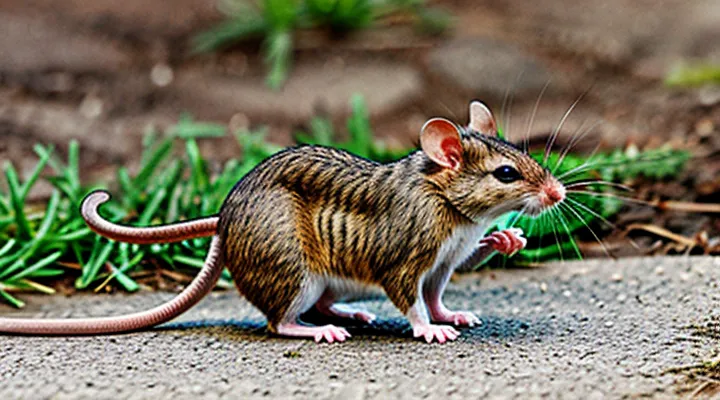
Defining Mammals
Key Attributes of Mammals
Mice exemplify the defining characteristics of the mammalian class, illustrating how these traits manifest in a small rodent species.
- Presence of hair or fur covering the body, providing insulation and sensory input.
- Production of milk by specialized mammary glands to nourish offspring during early development.
- Endothermic metabolism that maintains a stable internal temperature independent of external conditions.
- Three ossicles in the middle ear (malleus, incus, stapes) that enhance auditory sensitivity.
- Predominantly viviparous reproduction, with embryos developing inside the uterus and receiving nourishment via a placental connection in most species.
- Presence of a single, well‑developed dentary bone forming the lower jaw, allowing complex chewing motions.
- Highly developed brain regions responsible for learning, memory, and social behavior.
These attributes collectively distinguish mammals from other vertebrate groups and provide the biological framework within which mice are classified.
The Muridae Family and Rodentia Order
The Muridae family represents the largest lineage within the order Rodentia, encompassing over 700 species that include the most familiar laboratory and wild mice. Members of Muridae share a set of defining characteristics: a robust skull with a short rostrum, continuously growing incisors covered by enamel on the outer surface and softer dentine on the inner side, and a dental formula of 1.0.0.3/1.0.0.3. Their molars exhibit a simple, bunodont pattern adapted for grinding plant material, while the masseter muscles are highly developed to support gnawing.
Key taxonomic subdivisions of Muridae are organized as follows:
- Subfamily Murinae – true mice and rats, genera Mus, Rattus, Apodemus.
- Subfamily Deomyinae – spiny mice and brush-furred rats, genera Acomys, Deomys.
- Subfamily Gerbillinae – gerbils and jirds, genera Gerbillus, Meriones.
- Subfamily Lophiomyinae – the crested rat, genus Lophiomys.
Geographically, Muridae species occupy a broad range of habitats across Africa, Eurasia, and Oceania. Adaptations such as nocturnal activity, omnivorous diets, and high reproductive rates enable them to thrive in deserts, forests, grasslands, and human-modified environments. Their ecological impact includes seed dispersal, soil aeration through burrowing, and serving as prey for numerous predators.
Rodentia, the order to which Muridae belongs, is distinguished by the presence of a single pair of continuously erupting incisors in each jaw, a trait absent in other mammalian orders. Within Rodentia, Muridae occupies the most derived position, exhibiting advanced cranial and dental modifications that facilitate diverse feeding strategies. Comparative studies of murid genomes have revealed rapid evolutionary turnover in genes linked to metabolism, immunity, and sensory perception, reflecting the family's capacity to colonize varied ecological niches.
Overall, the Muridae family exemplifies the adaptive success of rodents, combining morphological specialization, extensive species richness, and ecological versatility that underpins its dominance among mammalian clades.
Anatomical Features of Mice
Skeletal Structure
Mice possess a compact skeletal framework that supports their small size and high agility. The axial skeleton consists of a short cervical region, seven thoracic vertebrae, and a flexible lumbar segment that merges into a modest sacrum. The rib cage encloses the thoracic cavity, providing protection for vital organs while allowing rapid respiration.
The skull is proportionally large relative to body mass, housing robust incisors anchored in the maxilla and mandible. The mandible is a single bone that moves freely at the temporomandibular joint, enabling gnawing motions. Cranial sutures remain partially open throughout life, accommodating growth.
The appendicular skeleton includes:
- Scapulae and clavicles that form a shallow shoulder girdle, allowing a wide range of forelimb motion.
- Humerus, radius, and ulna, each slender yet capable of bearing the forces generated during climbing and burrowing.
- Pelvic girdle composed of fused ilium, ischium, and pubis, providing a stable base for hind‑limb attachment.
- Femur, tibia, and fibula, with elongated distal epiphyses that support rapid sprinting.
- Metacarpal and metatarsal bones ending in elongated digits equipped with sharp claws for digging.
Bone tissue in mice is predominantly trabecular in the vertebral bodies and long‑bone epiphyses, offering lightweight strength. Cortical bone forms a dense outer shell, ensuring resistance to bending stresses. Growth plates persist at the ends of long bones, permitting continuous lengthening until sexual maturity.
The skeletal system exhibits several adaptations for the mouse’s ecological niche: a high degree of joint mobility, reduced bone mass to minimize energy expenditure, and reinforced dental sockets for constant tooth wear. These characteristics collectively enable the animal’s characteristic speed, maneuverability, and ability to exploit narrow burrows.
Internal Organ Systems
Mice, as small placental mammals, possess organ systems that reflect the typical mammalian organization while exhibiting adaptations to their rapid life cycle and high metabolic rate.
The digestive tract begins with incisors specialized for gnawing, followed by a short esophagus, a proportionally large stomach that stores and initiates protein breakdown, and an extensive small intestine where nutrient absorption occurs. The cecum is relatively small, limiting fermentation of fibrous material, which aligns with the species’ preference for easily digestible seeds and insects. The large intestine reabsorbs water and concentrates waste before elimination.
Respiratory anatomy includes a pair of lungs with a high surface‑to‑volume ratio, facilitating efficient gas exchange required for the mouse’s elevated oxygen demand. The diaphragm provides precise control of thoracic volume, enabling rapid breathing during locomotion or thermoregulation.
The circulatory system features a four‑chambered heart that delivers oxygenated blood to peripheral tissues through a network of arteries, arterioles, and capillaries. Venous return is assisted by muscular contractions and one‑way valves, maintaining steady flow despite the animal’s small size.
Renal function is carried out by paired kidneys composed of cortical and medullary regions that concentrate urine, conserving water while excreting nitrogenous waste. The urinary bladder stores urine until voiding, and the ureters convey fluid from kidneys to bladder.
The nervous system consists of a brain with well‑developed olfactory bulbs, cerebral cortex, and cerebellum, supporting sensory processing, learning, and coordination. The spinal cord transmits motor commands to limbs and integrates reflex pathways. Peripheral nerves innervate muscles and sensory organs.
Reproductive anatomy differs between sexes. Females possess ovaries that produce oocytes and secrete estrogen and progesterone, a uterus designed for rapid gestation (approximately 19–21 days), and mammary glands that mature during lactation. Males have testes that generate sperm and testosterone, a seminal vesicle system, and a prostate gland contributing to seminal fluid composition.
Endocrine glands, including the thyroid, adrenal cortex, and pancreas, regulate metabolism, stress response, and glucose homeostasis. Hormonal feedback loops maintain internal stability despite external fluctuations.
Collectively, these organ systems enable mice to thrive in diverse environments, support fast growth, and sustain high reproductive output, illustrating the functional integration characteristic of mammalian physiology.
Physiological Characteristics
Thermoregulation
Thermoregulation is a defining physiological characteristic of mice, aligning them with other mammalian groups that maintain a stable internal temperature despite external fluctuations. This capacity supports the metabolic demands of a small endothermic body and influences the classification of mouse species within the rodent order.
Mice employ several physiological mechanisms to generate and conserve heat:
- Basal metabolic heat production driven by mitochondrial respiration in all tissues.
- Brown adipose tissue (BAT) activity, where uncoupling protein‑1 dissipates chemical energy as heat.
- Shivering thermogenesis, rapid muscle contractions that increase heat output.
- Peripheral vasoconstriction, reducing blood flow to the skin and limiting heat loss.
Behavioral strategies complement physiological responses:
- Construction of insulated nests using shredded material.
- Group huddling, which reduces surface area exposed to cold air.
- Seasonal torpor, a controlled reduction in metabolic rate during extreme cold.
- Preference for microhabitats offering thermal shelter, such as burrows or dense vegetation.
These thermoregulatory traits are conserved across the majority of mouse genera, yet variation exists in BAT volume, torpor propensity, and nest‑building complexity, providing taxonomic markers for distinguishing closely related species.
In laboratory settings, precise ambient temperature control is mandatory because even modest deviations alter metabolic rate, activity levels, and experimental outcomes. Understanding mouse thermoregulation therefore underpins both accurate species identification and the reliability of biomedical research.
Reproductive Biology
Mice belong to the order Rodentia and exhibit mammalian reproductive traits such as internal fertilization, viviparity, and parental care. The reproductive system includes paired ovaries, a bicornuate uterus, and well‑developed mammary glands that become functional shortly after parturition.
Sexual maturity is attained at 5–8 weeks for most laboratory strains, with females entering estrus cycles lasting 4–5 days. The cycle comprises proestrus, estrus, metestrus, and diestrus phases, each identifiable by vaginal cytology. Mating typically occurs during the brief estrus window, and females are capable of conceiving again within 24 hours after delivering a litter.
Gestation lasts 19–21 days, resulting in litters of 4–12 pups depending on strain, nutrition, and environmental conditions. Neonates are altricial: born hairless, eyes closed, and reliant on maternal milk. Growth milestones include fur development by day 4, eye opening by day 14, and weaning at 21 days.
Reproductive physiology is regulated by the hypothalamic‑pituitary‑gonadal axis. Gonadotropin‑releasing hormone (GnRH) stimulates luteinizing hormone (LH) and follicle‑stimulating hormone (FSH) release, which control ovarian follicle maturation and ovulation. Progesterone maintains uterine quiescence during gestation, while prolactin and oxytocin facilitate lactation and parturition.
Key reproductive characteristics of mice:
- Rapid sexual maturation (5–8 weeks)
- Short estrous cycle (≈4 days)
- Brief gestation (≈20 days)
- Large, frequent litters (4–12 offspring)
- Altricial neonatal stage with early weaning
These features underpin the species’ suitability for genetic, developmental, and toxicological research, providing a reliable model for studying mammalian reproduction.
Sensory Capabilities
Mice, as small rodents within the mammalian class, possess a suite of sensory systems that support survival in diverse habitats. Their auditory apparatus detects ultrasonic frequencies up to 100 kHz, enabling communication and predator avoidance. The cochlear morphology includes a highly specialized basilar membrane that translates high‑frequency vibrations into neural signals with minimal latency.
Visual capacity is adapted for low‑light environments. Retinal composition features a high proportion of rod cells, providing sensitivity to dim illumination, while cone density remains low, limiting color discrimination. The pupil can constrict rapidly, allowing brief exposure to brighter conditions without compromising retinal integrity.
Olfactory performance rivals that of many larger mammals. The olfactory epithelium contains millions of receptor neurons, each expressing a distinct odorant‑binding protein. This extensive repertoire permits discrimination of complex chemical cues, essential for foraging, territorial marking, and mate selection.
Somatosensory input relies on vibrissae (whiskers) and tactile receptors in the forepaws. Whisker follicles are innervated by a dense network of mechanoreceptors that convey precise spatial information about surrounding objects. The resulting sensorimotor feedback guides navigation through confined spaces.
Key sensory attributes:
- Ultrasonic hearing (up to ~100 kHz)
- Rod‑dominated retina for scotopic vision
- Large olfactory epithelium with extensive receptor diversity
- Highly innervated vibrissae for tactile mapping
These capabilities collectively enable mice to locate food, evade threats, and maintain social interactions across a broad range of ecological niches.
Behavioral Aspects
Social Structures
Mice are small rodents classified within the family Muridae, order Rodentia, and share the defining mammalian traits of hair, three‑middle ear bones, and lactation. Their social organization varies among species and habitats, ranging from solitary individuals to complex groups that occupy interconnected burrow systems.
In many populations, individuals form hierarchically structured colonies. Dominance is established through aggressive encounters, scent marking, and vocalizations. Subordinate mice gain access to resources and mating opportunities by recognizing and adhering to the established rank. Burrow networks provide a spatial framework for these interactions, allowing multiple families to coexist while maintaining distinct territories.
Key components of mouse social structures include:
- Dominance hierarchy – a linear or partially linear ranking that regulates access to food, nest sites, and mates.
- Cooperative breeding – occasional assistance by non‑reproductive individuals in nest building, pup care, and predator detection.
- Territoriality – defense of a defined area marked by urine, glandular secretions, and vocal calls.
- Communication – ultrasonic vocalizations, pheromonal cues, and tactile signals that convey status, reproductive readiness, and threat levels.
Social organization influences survival rates, reproductive success, and gene flow. Hierarchical systems reduce intra‑group conflict, while cooperative behaviors enhance offspring viability. Territorial boundaries limit disease transmission and resource depletion, shaping population dynamics across diverse environments.
Foraging and Diet
Mice obtain nutrients through opportunistic foraging that exploits both natural and anthropogenic resources. Their small size and high metabolic rate demand frequent intake, prompting continuous activity during nocturnal periods. Search patterns combine random movements with memory of profitable patches, allowing individuals to locate seeds, insects, plant material, and waste-derived foods within a limited home range.
Diet composition varies among species and habitats, yet several categories dominate:
- Seeds and grains: high‑energy carbohydrates and lipids that support rapid growth.
- Invertebrates: protein sources such as insects, arachnids, and worm fragments.
- Green vegetation: leaves, stems, and shoots providing fiber and micronutrients.
- Human‑derived waste: processed foods, pet feed, and refuse that supplement natural supplies.
Physiological adaptations enable efficient processing of diverse items. Salivary enzymes initiate starch breakdown, while a short gastrointestinal tract accelerates absorption of simple sugars. Dental morphology—continuously growing incisors with sharp edges—facilitates gnawing of hard kernels and exoskeletons.
Seasonal shifts influence foraging strategies. In temperate zones, mice increase consumption of stored seeds during winter, often hoarding excess in concealed caches. Summer abundance of insects prompts a higher protein intake, supporting reproductive cycles. In arid environments, water‑rich succulent plants become essential, reducing reliance on scarce free water.
Social behavior affects resource acquisition. Dominant individuals may defend high‑quality foraging sites, while subordinate mice exploit peripheral areas or follow scent trails to discover new food patches. Communal nesting can concentrate waste, creating localized nutrient hotspots that attract additional foragers.
Overall, foraging and diet reflect a flexible, opportunistic approach that sustains mouse populations across varied ecosystems and under changing environmental conditions.
Communication Methods
Mice, small rodent mammals, exhibit a range of specialized communication strategies that complement their classification and physiological traits. These strategies enable individuals to convey information about territory, reproductive status, predator presence, and social hierarchy.
- Ultrasonic vocalizations
- Scent marking with urine and glandular secretions
- Whisker‑mediated tactile signaling
- Visual displays involving body posture and movement
- Low‑frequency audible calls
Ultrasonic vocalizations, emitted above the human hearing range, serve as rapid alerts during social encounters and predator avoidance. Scent marking distributes pheromonal cues that persist in the environment, allowing conspecifics to assess occupancy and reproductive readiness. Whisker contact transmits tactile data during close‑range interactions, such as nest building and grooming. Visual displays, though limited by nocturnal activity, include tail flicks and ear positioning that signal aggression or submission. Audible calls, lower in frequency, function in mother‑pup communication and group cohesion.
These modalities operate in concert, creating a multimodal signaling system that supports the ecological adaptability of mice. Understanding each method provides insight into the species’ behavioral ecology and informs laboratory research that relies on accurate interpretation of mouse communication.
Ecological Role and Habitat
Natural Habitats
Mice belong to the order Rodentia and are classified among placental mammals. Their survival depends heavily on the environments they occupy, which shape their physiological and behavioral traits.
- Open fields and agricultural lands – provide abundant seeds and insects, support extensive burrowing networks.
- Deciduous and mixed forests – offer cover, diverse plant matter, and vertical structures for climbing.
- Grasslands and savannas – feature dense root systems for tunnel construction and seasonal food fluctuations.
- Shrublands and scrub – supply dense foliage for concealment and a mix of herbaceous and woody food sources.
- Arid deserts – host species adapted to low moisture, utilizing deep burrows to escape heat.
- Wetlands and riparian zones – sustain moisture‑loving mice that exploit dense vegetation and soft soils.
- Caves and rocky outcrops – shelter populations that prefer stable microclimates and limited predator access.
Adaptations align with each setting: strong forelimb musculature for digging in loose soils, agile paws for climbing bark and stems, and metabolic adjustments for temperature extremes. Access to shelter, food diversity, and predator avoidance drives the distribution of mouse populations across these natural habitats.
Impact on Ecosystems
Mice belong to the order Rodentia, family Muridae, and exhibit traits typical of mammals: endothermy, hair covering, and lactation. Their rapid reproductive cycle and omnivorous diet enable colonization of diverse habitats, from agricultural fields to temperate forests.
Mice influence ecosystems through several mechanisms:
- Seed dispersal and predation – consumption of seeds and fruits reduces plant recruitment, while transport of intact seeds contributes to plant spatial distribution.
- Soil disturbance – burrowing activity aerates soil, enhances water infiltration, and mixes organic material, thereby affecting nutrient cycling.
- Trophic connections – mice serve as prey for birds of prey, snakes, and small carnivores, supporting higher trophic levels.
- Pathogen transmission – they act as reservoirs for bacteria, viruses, and parasites that can affect wildlife health and, occasionally, human populations.
Population surges amplify these effects, leading to increased seed predation pressure, heightened soil turnover, and greater predator support. Conversely, declines reduce food availability for predators and may allow unchecked growth of certain plant species, altering community composition.
Human activities—land conversion, pesticide use, and climate change—modify mouse abundance, thereby indirectly reshaping the ecological processes they mediate. Effective management requires monitoring mouse demographics and understanding their role within the broader mammalian classification framework.