
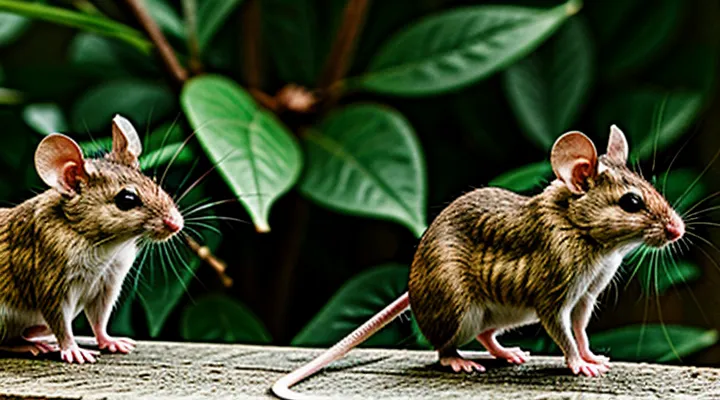
The Ancient Connection
Early Interactions
Coexistence and Competition
Mice and people share environments ranging from rural farms to dense cities, creating a continuous pattern of interaction that shapes health, economics, and scientific progress.
Coexistence arises from mutual adaptation. Mice exploit human‑generated food sources, while humans benefit from their role in biomedical research, where laboratory strains provide data on genetics, disease mechanisms, and drug efficacy. Urban ecosystems accommodate both species: rodents occupy building cavities and sewers, and residents develop sanitation practices that limit infestations.
Competition manifests where resources overlap or where mice act as vectors for pathogens. Direct impacts include crop loss, contamination of stored goods, and transmission of diseases such as hantavirus and leptospirosis. Indirect effects involve increased expenditures on pest‑control measures and public‑health programs.
Key aspects of the relationship:
- Resource overlap: food waste, grain stores, and shelter sites attract rodents, forcing humans to implement barriers and waste‑reduction strategies.
- Disease dynamics: rodents host bacteria, viruses, and parasites that can spill over to humans, prompting surveillance and vaccination efforts.
- Economic pressure: losses in agriculture and food processing drive investment in integrated pest‑management, balancing chemical, biological, and environmental controls.
- Scientific value: mouse models accelerate discovery in immunology, neuroscience, and genetics, providing data that inform human medicine.
Understanding these dynamics enables policy makers, urban planners, and researchers to design interventions that reduce conflict while preserving the beneficial contributions of mice to scientific knowledge.
Pest or Partner?
Mice occupy a paradoxical position in human societies, simultaneously regarded as destructive intruders and valuable collaborators.
As pests, mice cause measurable losses. They infiltrate stored food, gnaw electrical wiring, and contaminate surfaces with saliva, urine, and feces. Pathogens such as Salmonella and hantavirus have been isolated from wild populations, confirming their role in disease transmission. Agricultural reports attribute up to 15 % of grain spoilage to rodent activity, a figure that translates into significant economic impact.
Conversely, mice serve as indispensable partners in scientific research. Their genetic similarity to humans—approximately 98 % of protein‑coding genes—enables precise modeling of hereditary disorders. Laboratory strains have contributed to the development of insulin therapy, anticoagulants, and vaccines against polio and hepatitis B. Behavioral studies on mouse cognition provide insights into learning, memory, and neurodegenerative disease mechanisms.
Key facts illustrating the dual nature of mice:
- Reproductive capacity: A single female can produce 5–10 litters per year, each containing 6–12 offspring, facilitating rapid population growth and experimental scalability.
- Sensory acuity: Mice detect ultrasonic frequencies up to 100 kHz, a trait exploited in studies of auditory processing and communication.
- Ethical standards: The 3Rs principle (Replacement, Reduction, Refinement) governs mouse usage, ensuring humane treatment while maximizing scientific yield.
- Economic contribution: The global market for mouse‑based research supplies exceeds USD 5 billion annually, reflecting their central role in biomedical advancement.
Balancing pest control with ethical research practices requires coordinated policies. Integrated management—combining habitat modification, exclusion techniques, and targeted baiting—reduces agricultural damage without compromising laboratory supply. Simultaneously, stringent oversight of animal welfare preserves the scientific value that mice provide as collaborators.
Cultural Significance
Mice in Folklore and Mythology
Mice have appeared repeatedly in the mythic imagination of many societies, often embodying traits such as cleverness, survival, and transformation. In ancient Greek stories, the mouse is linked to the goddess Demeter, who sent a plague of mice to punish humanity after the abduction of Persephone. The myth explains the origin of agricultural pests and underscores the animal’s capacity to affect human sustenance.
- In Egyptian folklore, the mouse served as a symbol of the god Min, protector of fertility and harvest. Amulets shaped like mice were placed in granaries to ward off infestations.
- Norse legends portray the mouse as a cunning thief who steals gold from the dwarf‑smiths, reflecting the animal’s reputation for pilfering valuable items.
- Chinese tradition includes the “Mouse God” (Shǔshén), a deity invoked for protection of stored grain and for blessings of wealth; the zodiac rat, representing the first of the twelve animals, is celebrated for its quick wit and resourcefulness.
- Among the Anishinaabe of North America, the mouse is a trickster figure who outwits larger predators, teaching lessons about humility and intellect.
- In Hindu mythology, the mouse (Mushika) serves as the vehicle of the god Ganesha, illustrating the partnership between a powerful deity and a modest creature.
These examples demonstrate that across continents and epochs, mice function as narrative devices that convey moral teachings, explain natural phenomena, and embody human concerns about scarcity, cleverness, and the unseen forces that shape daily life. Their recurring presence in folklore and myth underscores a deep, longstanding interaction between rodents and people, offering insight into cultural attitudes toward a creature that lives at the border of domestication and wildness.
Symbolism Across Civilizations
Mice have served as powerful symbols throughout human history, reflecting beliefs about survival, cunning, and transformation. In ancient Egypt, the mouse represented the goddess Serket, a protector against venomous creatures; depictions on tomb walls emphasize the animal’s role in warding off danger. Greek mythology linked the mouse to Demeter, associating it with fertility and the cycles of growth, a connection reinforced by agricultural festivals that featured mouse imagery. Chinese tradition regarded the mouse as the first of the twelve zodiac signs, symbolizing resourcefulness and wealth; imperial seals and bronze vessels often displayed stylized rodents to invoke prosperity. Indigenous cultures of North America portrayed the mouse as a trickster figure, teaching moral lessons through narratives that highlighted cleverness and adaptability.
Scientific research reveals that mice share approximately 92 percent of their protein-coding genes with humans, a fact that underpins their frequent use as model organisms in biomedical studies. This genetic overlap amplifies the symbolic resonance of the mouse, positioning it as a bridge between experimental insight and human health outcomes. The parallel between cultural symbolism and biological similarity reinforces the perception of mice as both emblematic and instrumental.
Key symbolic themes across civilizations include:
- Survival and abundance: representations in agrarian societies where mouse populations signaled stored grain or impending famine.
- Cleverness and ingenuity: recurring motif in folklore illustrating problem‑solving abilities.
- Transformation and rebirth: myths where mice undergo metamorphosis, reflecting cycles of life and death.
These recurring motifs illustrate a universal pattern: societies assign meaning to the mouse that mirrors human concerns about resilience, intellect, and continuity. The convergence of cultural symbolism and scientific relevance underscores the mouse’s unique position at the intersection of myth and medicine.
Biological Similarities and Differences
Genetic Overlaps
Shared Ancestry
Mice and humans trace their lineage to a common mammalian ancestor that lived roughly 75 million years ago. Comparative genomics reveal that about 85 percent of protein‑coding genes are orthologous between the two species, indicating extensive conservation of genetic material across millions of years of evolution.
Key aspects of this shared ancestry include:
- Highly conserved signaling pathways such as Wnt, Hedgehog, and Notch, which regulate embryonic development in both organisms.
- Similar organization of major organ systems; for example, the mouse heart exhibits a four‑chamber structure and a conduction system analogous to that of humans.
- Parallel immune mechanisms, with mouse and human lymphocytes expressing comparable surface markers (CD3, CD4, CD8) and responding to cytokines in comparable ways.
- Parallel susceptibility to genetic disorders; mutations in the same genes (e.g., CFTR, BRCA1) produce comparable phenotypes, making mice valuable models for studying human disease.
These points underscore the profound evolutionary continuity that enables researchers to extrapolate findings from mouse experiments to human biology with confidence.
Model Organisms for Research
Mice serve as primary model organisms for investigating human biology because their genome shares approximately 85 % similarity with that of humans, and they reproduce rapidly under controlled laboratory conditions. Researchers exploit this genetic correspondence to explore disease mechanisms, drug responses, and developmental processes that are difficult to study directly in people.
Key attributes that make mice valuable in translational research include:
- Small size and low maintenance cost, facilitating large‑scale experiments.
- Well‑characterized inbred strains, providing reproducible genetic backgrounds.
- Availability of sophisticated genetic tools such as CRISPR‑mediated editing and conditional knock‑out systems.
- Short gestation period and large litter sizes, accelerating generational studies.
Through mouse models, scientists have identified the genetic basis of cystic fibrosis, clarified the role of the p53 tumor suppressor, and demonstrated the efficacy of monoclonal antibodies in treating autoimmune disorders. These findings have directly informed clinical trials and therapeutic strategies for patients.
Nonetheless, differences in metabolism, immune system architecture, and lifespan impose limits on extrapolation. Complementary models—zebrafish, fruit flies, and organoid cultures—address specific gaps, while comparative analyses between mouse and human data refine predictions.
In summary, mice provide a robust platform for dissecting complex biological questions that intersect with human health, offering a balance of genetic relevance, experimental tractability, and translational impact.
Physiological Disparities
Size and Lifespan
Mice and humans differ markedly in physical dimensions and longevity, reflecting distinct evolutionary pressures.
- Adult house mouse: body length 7–10 cm, tail length 5–10 cm, weight 15–30 g.
- Adult human: average height 1.6–1.8 m, weight 55–80 kg (varies by sex and region).
Lifespan contrasts are equally pronounced.
- Laboratory mouse: median lifespan 1.5–2 years; longest documented 4 years under optimal conditions.
- Human: median life expectancy 72–78 years in high‑income countries; maximum verified age 122 years.
Metabolic rate scales inversely with body size, explaining why mice age rapidly while humans experience prolonged post‑reproductive phases. Genetic pathways regulating growth and senescence, such as IGF‑1 signaling, operate across both species but produce divergent outcomes due to size‑dependent physiological constraints.
Sensory Perception
Mice and humans rely on five primary senses, yet each species exhibits distinct capabilities shaped by evolutionary pressures.
Vision differs dramatically. Humans possess trichromatic color perception, detecting wavelengths from approximately 380 nm to 740 nm. Mice lack true color vision, expressing dichromatic sensitivity limited to ultraviolet and green light. Rod density in mouse retinas exceeds that of humans, granting superior low‑light acuity but reducing detail resolution.
Olfactory systems illustrate opposite extremes. A mouse olfactory epithelium contains up to 1,200 functional odorant receptor genes, enabling detection of minute chemical cues essential for foraging and predator avoidance. Humans express roughly 400 functional receptors, providing adequate environmental monitoring but far less sensitivity to pheromonal signals.
Auditory ranges also diverge. Human hearing spans 20 Hz to 20 kHz, optimized for speech and music. Mice detect frequencies from 1 kHz up to 100 kHz, facilitating ultrasonic communication and rapid threat detection. Cochlear hair‑cell morphology reflects these adaptations, with mice possessing shorter basilar membranes tuned to higher frequencies.
Tactile perception incorporates specialized structures. Humans rely on mechanoreceptors distributed across glabrous skin for fine texture discrimination. Mice supplement this with vibrissae—highly innervated whiskers that translate minute air currents and surface contours into neural signals, supporting navigation in darkness.
Key comparative points
- Color vision: humans – trichromatic; mice – dichromatic (UV/green)
- Olfactory receptor count: humans – ~400; mice – ~1,200
- Auditory ceiling: humans – 20 kHz; mice – 100 kHz
- Tactile specialization: humans – fingertip mechanoreceptors; mice – whisker‑based mechanosensation
These differences underscore how each species has optimized sensory organs to meet ecological demands, providing a clear illustration of divergent evolutionary solutions to environmental challenges.
Mice as Scientific Models
Contributions to Medicine
Disease Research
Mice share more than 90 % of protein‑coding genes with humans, a degree of similarity that makes them indispensable for investigating disease mechanisms. Their short reproductive cycles and well‑characterized genetics allow researchers to manipulate specific genes and observe resulting phenotypes within a practical timeframe.
Genomic editing techniques such as CRISPR‑Cas9 generate mouse strains that lack, overexpress, or carry humanized versions of disease‑related genes. These models reproduce key pathological features of conditions that affect people, enabling controlled experiments that would be impossible in clinical settings.
Key areas where mouse research has advanced understanding of human disease include:
- Oncology: engineered mice develop tumors that mimic human cancer progression, supporting the discovery of oncogenic pathways and therapeutic targets.
- Neurodegeneration: transgenic lines express mutant proteins linked to Alzheimer’s, Parkinson’s, and Huntington’s diseases, revealing mechanisms of neuronal loss and testing neuroprotective compounds.
- Infectious disease: mouse models infected with pathogens such as influenza, SARS‑CoV‑2, and Mycobacterium tuberculosis replicate immune responses and disease outcomes, guiding vaccine and antiviral development.
- Metabolic disorders: diet‑induced and genetically modified mice exhibit obesity, diabetes, and lipid abnormalities, providing platforms for studying insulin signaling and metabolic regulation.
Findings derived from these models translate into clinical practice. More than 70 % of drugs that receive FDA approval were first validated in mouse experiments, demonstrating efficacy or safety before human trials. The iterative cycle of hypothesis, mouse testing, and human validation accelerates the development of diagnostics, therapeutics, and preventive strategies across a broad spectrum of illnesses.
Drug Development
Mice serve as primary pre‑clinical platforms for evaluating therapeutic candidates before human trials. Their genetic, physiological, and metabolic similarities enable researchers to assess efficacy, toxicity, and pharmacokinetics under controlled conditions.
Key advantages of rodent models include:
- Rapid breeding cycles produce large cohorts for statistical power.
- Engineered strains replicate specific human disease mutations, allowing mechanistic studies.
- Cost‑effective maintenance compared with larger mammals.
Translational success depends on rigorous validation of mouse data against human biology. Comparative genomics identifies conserved drug targets, while differences in enzyme activity and immune response guide dose adjustments and safety margins. Failure to account for species‑specific pathways often leads to late‑stage clinical setbacks.
Regulatory agencies require documented mouse studies as part of investigational new drug applications. Data on dose‑response curves, adverse events, and biomarkers form the foundation for human phase I design, reducing risk and informing patient selection strategies.
Behavioral Studies
Learning and Memory
Research on learning and memory frequently compares laboratory mice with human subjects, providing a bridge between cellular mechanisms and complex behavior. This approach enables direct testing of hypotheses generated from human studies in a controlled animal model.
Common experimental designs illustrate the parallelism of cognitive testing:
- Morris water maze assesses spatial navigation in mice; virtual navigation tasks serve a similar purpose in humans.
- Fear‑conditioning protocols pair a neutral stimulus with an aversive event; skin‑conductance responses measure the same association in people.
- Operant conditioning chambers deliver reward‑based learning for rodents; computerized reinforcement schedules produce comparable data in human participants.
Both species rely on hippocampal circuitry for spatial representation. Place cells in the mouse hippocampus fire at specific locations, a pattern echoed by human fMRI activation maps that track virtual position. Synaptic plasticity mechanisms, such as long‑term potentiation, show comparable molecular signatures across rodents and humans, including NMDA‑receptor dependence and CREB‑mediated transcription.
Distinctive features emerge from comparative analysis:
- Mice complete learning trials within minutes; humans typically require longer exposure to achieve stable performance.
- Olfactory cues dominate rodent learning, whereas visual and auditory information predominates in human tasks.
- The shorter lifespan of mice compresses developmental windows, allowing observation of age‑related memory decline over months rather than decades.
These observations inform translational research. Pharmacological agents that enhance memory in mice, such as ampakines, proceed to human clinical trials with measurable endpoints derived from the same behavioral paradigms. Genetic models of neurodegeneration in mice, carrying mutations linked to Alzheimer’s disease, provide early‑stage insight into human memory impairment and potential therapeutic targets.
Social Structures
Mice and humans both develop organized groups that influence individual behavior and survival. In rodent colonies, hierarchy is established through aggression, scent marking, and ultrasonic vocalizations. Dominant individuals secure preferred nesting sites and control access to food resources. Subordinate members contribute to communal tasks such as nest building and pup care, enhancing colony stability.
Human societies rely on layered institutions, language, and cultural conventions to coordinate actions among millions. Leadership emerges through formal elections, hereditary lines, or charismatic influence, directing resource distribution and conflict resolution. Cooperative ventures—trade, education, healthcare—depend on shared norms and legal frameworks that maintain order and promote collective welfare.
Key comparative points:
-
Hierarchy formation
• Mice: dominance determined by physical contests and pheromone cues.
• Humans: authority derived from political, economic, or social legitimacy. -
Communication
• Mice: ultrasonic calls and scent trails convey immediate threats and reproductive status.
• Humans: spoken and written language transmit abstract concepts across generations. -
Cooperation
• Mice: collective nest construction and alloparental care reduce individual workload.
• Humans: large‑scale projects such as infrastructure and scientific research require coordinated effort beyond individual capacity.
The House Mouse: An Uninvited Guest
Adaptation to Human Environments
Diet and Habitat
Mice are omnivores that consume grains, seeds, insects, and occasional plant material. Their diet varies with seasonal availability; stored food supplies become essential during winter months. Human nutrition spans a broader spectrum, including cereals, legumes, fruits, vegetables, meat, and dairy. Both species share a reliance on carbohydrates for energy, yet humans obtain a larger proportion of protein and essential micronutrients from diverse sources.
Mice thrive in environments offering shelter, warmth, and easy access to food. Typical habitats include fields, forests, barns, and urban structures such as walls and basements. Their ability to exploit human-made spaces allows rapid population growth in close proximity to people. Humans occupy a range of habitats, from rural farms to densely populated cities. Environmental factors—climate, altitude, and resource distribution—shape settlement patterns and influence public health outcomes.
Key comparative points:
- Food storage: Mice hoard seeds and grains; humans preserve food through refrigeration, canning, and freezing.
- Mobility: Mice travel short distances on foot, relying on tunnels and walls; humans use vehicles, public transit, and aircraft for long-range movement.
- Adaptability: Both species demonstrate flexibility in diet and habitat, enabling survival across varied ecological zones.
Reproductive Success
Mice reach sexual maturity within six to eight weeks, allowing multiple litters each breeding season. A single female can produce up to ten pups per litter, and the short gestation period of approximately 19 days enables several reproductive cycles annually. This rapid turnover contributes to high population growth rates under favorable conditions.
Human females typically experience puberty between ages ten and fourteen, with a gestation length of about 280 days. Average litter size is one offspring, and reproductive intervals are extended by cultural, physiological, and socioeconomic factors. Consequently, population expansion proceeds at a slower pace compared with rodent species.
Key comparative points:
- Maturation speed: mice ≈ 2 months; humans ≈ 12 years.
- Gestation length: mice ≈ 19 days; humans ≈ 280 days.
- Offspring per pregnancy: mice ≈ 5–10; humans ≈ 1.
- Reproductive frequency: mice ≥ 5 cycles/year; humans ≤ 1 cycle ≈ 2‑3 years.
These metrics illustrate how reproductive strategies diverge between the two mammals, shaping their ecological roles and evolutionary trajectories.
Impact on Humans
Disease Transmission
Mice serve as reservoirs for numerous pathogens capable of crossing the species barrier to humans. Direct contact with rodent fur, saliva, or urine introduces viral, bacterial, and parasitic agents into the human body. Inhalation of aerosolized droppings frequently results in respiratory infections, while bites transmit blood‑borne agents. Environmental contamination extends the risk to food and water supplies, creating indirect pathways for disease spread.
Key zoonotic agents transmitted from mice to people include:
- Hantavirus – inhaled particles from dried urine or feces cause hantavirus pulmonary syndrome, characterized by rapid respiratory failure.
- Lymphocytic choriomeningitis virus (LCMV) – acquired through bites or contaminated bedding, leading to meningitis and encephalitis.
- Salmonella enterica – ingested via food contaminated by rodent droppings, producing gastroenteritis and, in severe cases, systemic infection.
- Bartonella spp. – transmitted by fleas feeding on mice, resulting in cat‑scratch disease–like symptoms in humans.
- Leptospira interrogans – spread through contact with urine‑tainted water, causing leptospirosis with renal and hepatic complications.
Control measures focus on habitat exclusion, sanitation, and personal protective equipment. Regular monitoring of rodent populations, combined with prompt removal of infestations, reduces the probability of pathogen spillover. Vaccination of high‑risk occupational groups, such as laboratory personnel and pest control workers, adds a layer of protection against specific viral threats.
Economic Damage
Rodents cause measurable financial losses for societies that coexist with them. Damage estimates derive from crop losses, infrastructure repair, food‑safety breaches, and medical expenses linked to rodent‑borne diseases.
- Global agricultural losses exceed US $13 billion annually, driven by grain consumption, seed contamination, and reduced yields.
- Structural damage to buildings and wiring adds roughly US $5 billion each year, with insulation removal and fire hazards as primary contributors.
- Food‑processing facilities incur US $2 billion in product loss and sanitation costs, reflecting contamination incidents and equipment downtime.
Public‑health expenditures attributable to rodent vectors reach US $1 billion, covering treatment of leptospirosis, hantavirus, and other infections, plus preventive measures such as pest‑control programs and public‑awareness campaigns.
Research on rodent models generates substantial investment, estimated at US $4 billion annually, supporting drug development, genetic studies, and biomedical breakthroughs that ultimately reduce long‑term healthcare spending.
Human Perceptions and Responses
Fear and Disgust
Phobias and Aversions
Mice provoke a range of instinctive reactions in humans, from mild discomfort to intense fear. Musophobia, the clinical term for mouse‑related anxiety, affects an estimated 2–5 % of the adult population. Symptoms include rapid heartbeat, sweating, and avoidance of environments where rodents are likely to appear. Neuroimaging studies show heightened activity in the amygdala and insular cortex during exposure to mouse images, confirming a physiological basis for the fear response.
Humans also display aversive behaviors that do not rise to the level of phobia but influence interactions with mice. Common aversions include:
- Disgust at mouse droppings, driven by pathogen avoidance mechanisms.
- Reluctance to handle laboratory mice, linked to perceived contamination risk.
- Preference for mouse‑free living spaces, reflected in architectural design choices such as sealed foundations and pest‑proof waste containers.
Mice themselves exhibit avoidance patterns that mirror human reactions. Laboratory observations reveal that rodents quickly retreat from bright lights, sudden movements, and strong odors—stimuli that humans often find unsettling. This parallel suggests that both species share evolutionary pressures to detect and evade potential threats.
Research on cross‑species fear transmission indicates that visual cues, such as a mouse’s rapid darting motion, can trigger startle responses even in individuals without a diagnosed phobia. Conditioning experiments demonstrate that pairing a neutral sound with a mouse sighting leads to anticipatory anxiety, reinforcing the learned component of the aversion.
Understanding these fear and aversion mechanisms informs public health policies, pest‑control strategies, and animal‑research protocols. Effective mitigation relies on reducing exposure to triggering stimuli, employing humane exclusion techniques, and educating the public about the biological origins of their reactions.
Control Measures
Control measures that mitigate the impact of rodents on human environments fall into five principal categories.
- Environmental management – regular sanitation, removal of food sources, and elimination of clutter reduce shelter opportunities for mice.
- Physical barriers – sealing entry points, installing door sweeps, and using mesh screens prevent ingress into buildings and storage areas.
- Chemical control – targeted application of rodenticides, following label instructions and safety protocols, diminishes population density while limiting non‑target exposure.
- Biological control – introduction of natural predators such as barn owls or use of predatory‑rodent traps exploits ecological relationships to suppress mouse numbers.
- Regulatory compliance – adherence to local health codes, pest‑management standards, and laboratory containment guidelines ensures consistent documentation and accountability.
Effective implementation requires coordinated monitoring, documentation of infestation levels, and periodic evaluation of each method’s efficacy. Adjustments based on observed outcomes maintain control while minimizing ecological disruption and health risks.
Fascination and Affection
Pet Mice
Pet mice are small rodents frequently kept as companions because of their rapid reproduction, short life cycle, and relative ease of care. Adult mice typically weigh 20–30 g and live 1.5–2.5 years under optimal conditions. Their natural behaviors—gnawing, nesting, and foraging—require specific environmental provisions.
A suitable cage should provide at least 450 cm² floor space, solid flooring, and multiple levels for climbing. Bedding made from aspen shavings or paper pulp absorbs waste and reduces respiratory irritation. Fresh water must be supplied continuously, preferably through a metal sipper tube to prevent contamination. A balanced diet consists of a commercial mouse pellet supplemented with small quantities of fresh vegetables, seeds, and occasional protein sources such as boiled egg.
Health considerations include:
- Regular observation for signs of respiratory distress, nasal discharge, or abnormal grooming.
- Monthly weight checks to detect rapid loss or gain.
- Prompt isolation of any individual showing illness to prevent spread.
- Routine cleaning of the cage and accessories to limit bacterial growth.
Social structure influences behavior. Mice are highly social; housing a single mouse often leads to stress, whereas small groups (2–4 individuals) promote natural interaction. However, same‑sex groups may develop dominance hierarchies, requiring monitoring for aggressive encounters.
Breeding practices demand strict record‑keeping of lineage, gestation period (approximately 19–21 days), and litter size (average 5–8 pups). Overbreeding can cause genetic bottlenecks and health decline; responsible owners limit breeding cycles and provide adequate nutrition to pregnant females.
Enrichment enhances mental stimulation. Items such as cardboard tunnels, wooden chew blocks, and rotating wheels (minimum 8 cm diameter) encourage exercise and prevent stereotypic behaviors. Providing varied textures and occasional novel objects maintains curiosity and reduces boredom.
Overall, successful mouse companionship relies on precise habitat design, consistent nutrition, vigilant health monitoring, and appropriate social grouping. Adhering to these standards ensures a stable environment that mirrors the species’ natural requirements while fostering a reliable, low‑maintenance pet.
Mice in Literature and Art
Mice have appeared repeatedly in written works and visual art, serving as protagonists, symbols, and decorative motifs.
In literature, mice occupy diverse narrative functions:
- Aesop’s fables feature a mouse that outwits larger predators, illustrating the theme of cleverness overcoming size.
- Beatrix Potter’s “The Tale of Mrs. Nutkins” and “The Tale of the Flopsy Bunnies” present anthropomorphic mice that engage in moral lessons about curiosity and responsibility.
- “The Tale of Despereaux” by Kate DiCamillo portrays a brave mouse who defies expectations, highlighting courage in a small creature.
- E. B. White’s “Stuart Little” introduces a cultured mouse navigating human society, reflecting the intersection of animal and human worlds.
- John Steinbeck’s “The Pearl” uses a mouse as a fleeting image of innocence amidst tragedy.
Visual art incorporates mice through various styles:
- Albrecht Dürer’s 1504 engraving “The Small Mouse” captures the animal with meticulous detail, demonstrating early Renaissance interest in naturalistic study.
- Surrealist painter Salvador Dalí included mice in works such as “The Persistence of Memory,” where they symbolize decay and the passage of time.
- Contemporary illustrator Mary GrandPré employs stylized mice in children’s book covers, reinforcing the creature’s appeal to young audiences.
- Street artist Banksy has used mouse silhouettes in graffiti to comment on surveillance and vulnerability in urban environments.
Symbolic meanings attributed to mice in cultural productions include:
- Representation of humility and survival in hostile settings.
- Association with curiosity and the pursuit of hidden knowledge.
- Emblem of disease control, reflecting historical concerns about plague vectors.
These examples demonstrate that mice function as versatile narrative agents and artistic subjects, enriching storytelling and visual expression across centuries.
Future of Mouse-Human Interactions
Evolving Relationships
Urbanization and Biodiversity
Urban expansion reshapes habitats, forcing wildlife to adapt, retreat, or disappear. Small mammals such as mice illustrate these dynamics; they thrive in fragmented green spaces, yet their populations fluctuate with the availability of shelter and food sources created by human structures.
Research shows that dense housing districts reduce native plant diversity, which in turn limits insect prey for insectivorous species. Consequently, predator–prey relationships shift, often favoring generalist rodents that can exploit human waste. This alteration influences disease vectors, as some mouse species carry pathogens transmissible to humans.
Key observations:
- Green roofs and community gardens sustain native flora, supporting pollinators and small vertebrates.
- Urban corridors that link parks enable gene flow among mouse populations, preserving genetic diversity.
- Light pollution extends nocturnal activity periods for certain rodents, increasing encounters with humans.
- Waste management improvements correlate with lower rodent densities and reduced pathogen prevalence.
Long‑term planning that integrates ecological corridors, native vegetation, and waste control mitigates biodiversity loss while maintaining public health. The interaction between expanding cities and mouse ecology provides measurable indicators for assessing urban sustainability.
Ethical Considerations
Ethical considerations governing the use of laboratory mice in research that informs human health demand strict adherence to welfare standards, scientific justification, and regulatory oversight. Researchers must demonstrate that each study addresses a specific biomedical question that cannot be resolved through non‑animal methods, thereby ensuring that animal involvement is indispensable.
- Provide humane housing, enrichment, and veterinary care to minimize pain and distress.
- Implement refined experimental protocols that reduce the number of animals and limit invasive procedures.
- Employ validated alternatives such as in vitro models, computational simulations, or lower‑order organisms whenever feasible.
- Obtain approval from institutional review boards or animal ethics committees that evaluate scientific merit and welfare impact.
- Maintain comprehensive records of experimental design, animal handling, and outcome data to support reproducibility and accountability.
- Disclose conflicts of interest and funding sources to uphold transparency and public trust.
Compliance with these principles safeguards animal welfare, strengthens the reliability of translational findings, and reinforces the moral responsibility of the scientific community.
Technological Advances
Gene Editing and Research
Gene editing has transformed the study of mammalian biology, with mice serving as the primary experimental platform for investigations that inform human health. Precise modifications introduced into the mouse genome generate models that replicate specific human genetic conditions, allowing direct assessment of disease mechanisms and therapeutic interventions.
CRISPR/Cas systems dominate contemporary editing protocols. Their simplicity, high efficiency, and capacity for multiplexed targeting enable rapid generation of knock‑in and knock‑out alleles. Researchers routinely achieve germline transmission within two breeding cycles, reducing project timelines from years to months.
Data derived from edited mice advance understanding of:
- Gene‑function relationships in metabolic, neurological, and immunological pathways.
- The efficacy and safety profile of novel gene‑therapy vectors before clinical application.
- Inter‑species variations in DNA repair processes that influence editing outcomes.
Ethical oversight governs all stages, from construct design to animal welfare monitoring. Institutional review boards require justification of model relevance, minimization of animal numbers, and adherence to the 3R principles (Replacement, Reduction, Refinement). Regulatory agencies evaluate translational claims, ensuring that preclinical findings meet defined criteria for human trial eligibility.
Collectively, mouse‑based gene‑editing research provides a robust, reproducible foundation for deciphering human genetics and accelerating the development of precision medicines.
Pest Management Innovations
Mice coexist with humans in residential, agricultural, and industrial settings, creating health risks and economic losses that demand effective control strategies.
- Smart traps equipped with motion sensors and wireless reporting identify activity patterns and trigger automated closure, reducing manual monitoring.
- Gene‑silencing baits deliver RNA interference compounds specific to rodent species, minimizing non‑target impact while suppressing reproduction.
- Predictive analytics platforms integrate climate data, waste management records, and building layouts to forecast infestation hotspots, allowing pre‑emptive interventions.
- Habitat modification kits combine sealing materials, structural redesign guidelines, and repellant coatings to eliminate entry points and reduce attractants.
- Engineered parasitoid insects, such as specialized wasps, provide biological pressure on mouse populations without chemical residues.
These innovations streamline detection, target only the intended species, and incorporate data‑driven decision making, resulting in lower pesticide use, decreased disease transmission, and sustained protection of food stores and infrastructure.