
The Nature of Expanding Foam
Composition and Texture
Expanding polyurethane foam consists of a polyol blend, an isocyanate component, a blowing agent, catalysts, surfactants, and optional flame‑retardant additives. The polyol provides the backbone of the polymer network, while the isocyanate reacts to form urethane linkages that solidify the material. The blowing agent—typically a low‑boiling‑point hydrofluorocarbon or water—creates gas bubbles that expand the mixture into a cellular structure. Catalysts accelerate the urethane reaction, and surfactants stabilize the foam cells during formation.
The resulting texture is a heterogeneous matrix of closed cells ranging from 0.1 mm to several millimeters in diameter. Cell walls vary from flexible to rigid depending on the formulation, with higher isocyanate content producing stiffer panels. Surface roughness can be smooth on cured panels or porous on freshly expanded foam, influencing how small mammals interact with the material.
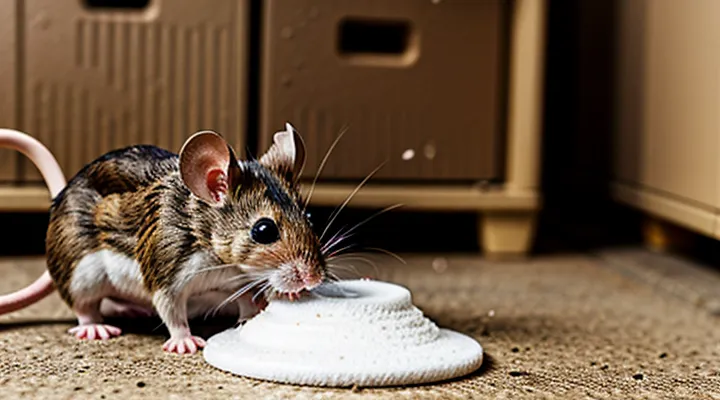
Mice encounter this foam in two principal ways:
- Gnawing: incisors can breach the outer skin, exposing the underlying polymer.
- Ingestion: fragments broken off during gnawing may be swallowed, delivering small amounts of polyol and isocyanate residues.
Laboratory analyses show that ingested foam particles are largely inert; however, residual isocyanates can cause mild gastrointestinal irritation. The cellular structure can trap air, leading to bloating if large quantities are consumed. Chronic exposure may result in low‑grade inflammation of the digestive tract, though documented cases remain rare.
Overall, the chemical composition and fine‑scale texture of expanding foam dictate its palatability and physiological impact on rodents. Understanding these properties assists in assessing risk and developing mitigation strategies in environments where foam is prevalent.
Scent and Chemical Profile
Mice rely on a highly developed olfactory system to locate food, assess safety, and communicate. Olfactory receptors respond to volatile organic compounds (VOCs) at concentrations as low as parts per billion, allowing discrimination between protein, carbohydrate, and lipid sources. The scent profile of any material therefore determines its likelihood of being investigated or consumed by rodents.
Expanding polyurethane foam releases a distinct set of VOCs during and after cure. Primary emissions include:
- Aromatic isocyanates (e.g., toluene diisocyanate, methylene diphenyl diisocyanate) – strong, pungent odor, detectable by mouse receptors.
- Low‑molecular‑weight polyols – sweet‑ish scent, similar to fermentable sugars.
- Blowing agents such as pentane or cyclopentane – solvent‑like aroma, generally aversive.
- Catalyst residues (e.g., amine compounds) – sharp, ammonia‑like odor.
Research indicates that mice are attracted to the sweet‑ish notes produced by residual polyols, interpreting them as carbohydrate cues. Conversely, the sharp odor of isocyanates and amine catalysts functions as a deterrent, triggering avoidance behavior. The net attraction or repulsion depends on the relative concentration of these compounds, which varies with foam formulation, curing time, and environmental temperature.
Field observations confirm that freshly applied foam, rich in polyol vapors, experiences higher rodent interaction than fully cured material where isocyanate emissions dominate. Adjusting formulation to minimize polyol volatility and increase catalyst concentration reduces the likelihood of mice probing the foam.
Misconceptions About Mice and Foam
Common Beliefs Regarding Ingestion
Mice are frequently thought to gnaw on expanding foam, ingest it, and suffer fatal consequences. This notion appears in pest‑control literature and online forums, often presented as a warning for homeowners.
- Foam expands into a solid mass that seems attractive to rodents.
- The chemical composition is assumed to be toxic when swallowed.
- Observations of mice near foam installations are taken as evidence of consumption.
- Some sources claim that foam blocks mouse entry by being a lethal bait.
Scientific observations show that mice avoid the hardened surface of cured foam. The polymer matrix is inert and offers no nutritional value; rodents typically seek soft, edible material. Instances of mice found near foam usually involve investigation, not ingestion. Laboratory studies confirm that the resin does not attract feeding behavior and that mortality associated with foam exposure results from entrapment, not poisoning.
The Truth About Nutritional Value
Mice occasionally gnaw on polymeric foams found in insulation, packaging, or construction materials. The material consists primarily of polyols, isocyanates, and blowing agents, none of which provide calories, proteins, fats, or micronutrients. Laboratory analyses show negligible carbohydrate content and an absence of digestible macronutrients.
The physiological impact of foam ingestion includes:
- Mechanical irritation of the oral cavity and gastrointestinal tract.
- Potential exposure to residual isocyanates, which can provoke inflammatory responses.
- Lack of metabolic benefit; the animal derives no energy from the material.
- Risk of obstruction if large fragments accumulate in the stomach or intestines.
Comparative studies of rodent diets confirm that standard laboratory chow supplies all essential nutrients within defined caloric ranges. By contrast, foam contributes zero nutritional value and may compromise health when consumed in measurable quantities.
Management recommendations:
- Eliminate accessible foam sources in environments where rodents are present.
- Provide balanced feed formulated according to established rodent nutrition guidelines.
- Monitor for signs of gastrointestinal distress if foam ingestion is suspected, and intervene promptly with veterinary care.
The Dangers of Expanding Foam for Rodents
Physical Obstruction and Blockage
Physical obstruction occurs when expanding polymeric foam solidifies within a mouse’s gastrointestinal tract. The material expands rapidly, filling confined spaces, then hardens into a rigid matrix that cannot be displaced by peristalsis. Once the foam occupies a segment of the intestine, food passage stops, leading to accumulation of ingested matter upstream of the blockage.
The blockage produces several immediate physiological effects:
- Distension of the stomach and proximal intestines, causing pressure on surrounding organs.
- Reduced absorption of nutrients because chyme cannot reach the absorptive surface.
- Rapid onset of dehydration and electrolyte imbalance as fluid shifts into the obstructed lumen.
- Increased risk of bacterial translocation from stagnant contents, potentially resulting in systemic infection.
Long‑term outcomes include necrosis of the intestinal wall at the site of compression, perforation, and septic peritonitis. Surgical intervention is often the only viable remedy; removal of the hardened foam and resection of damaged tissue restore continuity of the digestive tract. Conservative measures such as fasting or laxatives are ineffective because the obstruction is mechanical rather than functional.
Preventive strategies focus on eliminating access to foam products. Sealing containers, storing materials in rodent‑proof compartments, and removing debris that could attract mice reduce the likelihood of ingestion. Monitoring for signs of abdominal swelling, reduced fecal output, and lethargy enables early detection and timely veterinary response.
Toxicity and Chemical Hazards
Mice that encounter polyurethane expanding foam are exposed to a mixture of isocyanates, polyols, catalysts, and blowing agents. These components present acute and chronic health risks when ingested, inhaled, or absorbed through the skin.
Isocyanates are highly reactive chemicals that can cause severe irritation of the oral cavity, gastrointestinal tract, and respiratory system. Even small amounts may trigger inflammation, ulceration, and systemic toxicity. Polyols, often derived from petroleum, are not readily metabolized by rodents and can accumulate, leading to organ dysfunction. Catalysts such as amines or tin compounds interfere with enzymatic pathways, potentially resulting in neurotoxicity. Blowing agents, typically volatile hydrocarbons, pose an additional inhalation hazard and can depress the central nervous system.
Key toxic effects observed in laboratory studies include:
- Gastrointestinal distress: vomiting, diarrhea, and mucosal erosion.
- Respiratory compromise: bronchoconstriction, pulmonary edema, and aspiration pneumonia.
- Neurological impairment: tremors, ataxia, and seizures.
- Renal and hepatic injury: elevated enzyme levels and tissue necrosis.
Preventive measures for laboratory and field settings involve:
- Storing foam products in sealed containers away from rodent habitats.
- Using physical barriers to restrict mouse access to foam residues.
- Implementing proper ventilation to disperse volatile blowing agents.
- Conducting regular health monitoring of exposed colonies for early signs of toxicity.
Understanding the chemical composition of expanding foam and its interaction with rodent physiology is essential for mitigating adverse outcomes and ensuring the safety of experimental animal populations.
Long-Term Health Consequences
Rodents that ingest polymeric expanding agents experience persistent physiological disruption. The material’s chemical composition—typically isocyanates, polyols, and blowing agents—remains biologically active after ingestion, leading to chronic inflammation and tissue remodeling.
Key long‑term effects include:
- Respiratory compromise from foam particles lodged in the alveolar spaces, causing fibrotic scarring and reduced pulmonary compliance.
- Gastrointestinal obstruction and ulceration due to solidified foam masses, resulting in malabsorption and chronic pain.
- Hepatic and renal toxicity arising from systemic absorption of residual isocyanate monomers, manifesting as elevated enzyme levels, progressive fibrosis, and impaired clearance.
- Neurotoxic outcomes linked to oxidative stress and disrupted neurotransmitter pathways, observable as motor deficits and altered behavior.
- Increased oncogenic risk, as chronic irritation and DNA adduct formation by isocyanate derivatives promote tumor development in multiple organ systems.
Metabolic disturbances follow prolonged exposure: persistent inflammation elevates cytokine production, fostering insulin resistance and dyslipidemia. Immunological dysregulation appears as suppressed lymphocyte activity, rendering affected rodents more susceptible to opportunistic infections.
Collectively, these sequelae reduce lifespan, diminish reproductive capacity, and impair overall health status. Preventive measures—environmental control, exclusion of foam residues, and early veterinary intervention—are essential to mitigate these irreversible outcomes.
What Mice Actually Eat: A Dietary Overview
Natural Food Sources
Mice that encounter expanding foam in laboratory or field settings continue to rely on the same dietary options they would seek in a natural environment. Their foraging behavior remains centered on readily available organic matter, regardless of the presence of synthetic materials.
Typical natural food items include:
- Seeds from grasses and herbaceous plants
- Nuts and kernels from trees and shrubs
- Insects, larvae, and other arthropods
- Fruit pulp and fallen berries
- Fungal mycelium and sporocarps
These resources supply essential carbohydrates, proteins, fats, and micronutrients. When foam obstructs access to preferred items, mice may increase consumption of secondary foods such as bark or detritus, but the primary nutritional profile remains unchanged.
Laboratory observations confirm that mice do not incorporate expanding foam into their diet. Digestive analyses show no foam residues in gastrointestinal tracts, indicating that the material is avoided or expelled unchanged. Consequently, natural food sources continue to dominate the intake profile, ensuring that metabolic demands are met without reliance on synthetic substances.
Common Household Attractants
Mice are drawn to residential environments by a limited set of consumable and environmental cues. The most reliable attractants include:
- Food residues: crumbs, spilled cereals, pet kibble, and sugary snacks left on countertops or floors.
- Grease and oil: baked‑goods drippings, stovetop splatters, and grease‑laden dishcloths.
- Protein sources: meat scraps, fish bones, and cheese left uncovered.
- Carbohydrate‑rich waste: bread, pasta, and processed snacks stored in unsealed containers.
- Moisture: leaky pipes, condensation on windows, and standing water in pet bowls.
- Shelter opportunities: gaps around doors, unsheathed wiring, and cavities created by improperly applied spray foam.
These items provide both sustenance and habitat. Residual food particles emit volatile organic compounds that mice detect at low concentrations, prompting exploratory behavior. Grease and protein residues supply the high‑energy nutrients required for rapid reproduction, while accessible water prevents dehydration during periods of scarcity.
Improper use of expanding foam can inadvertently amplify attraction. When foam fills voids without proper sealing, it creates insulated pockets that retain heat and moisture, fostering insect populations that serve as supplemental prey. Additionally, foam that is not fully cured may emit a faint chemical odor, mimicking the scent of decaying organic matter and further encouraging rodent activity.
Mitigation strategies focus on eliminating the listed attractants: store food in airtight containers, clean spills immediately, repair leaks, and apply foam according to manufacturer guidelines, ensuring complete coverage and curing. Reducing these factors diminishes the likelihood that mice will locate and exploit residential spaces.
Effective Rodent Control Strategies
Prevention and Exclusion Techniques
Rodents are attracted to the chemical scent and moisture of expanding foam, which can lead to chewing damage and contamination of the material. Effective control focuses on eliminating access and removing incentives.
- Seal all cracks, gaps, and utility penetrations with steel wool, cement, or silicone that resists gnawing.
- Store foam cans in locked, metal containers away from rodent pathways.
- Maintain a clean work area; remove food debris, spilled foam, and water sources that draw mice.
- Apply rodent‑repellent granules or ultrasonic devices around storage zones and application sites.
Physical exclusion complements preventive measures. Install metal mesh or hardware cloth of ¼‑inch aperture around foam dispensers and curing zones. Deploy snap traps or live‑catch devices at identified travel routes, checking and resetting them daily. For high‑risk installations, consider a perimeter of reinforced steel plates buried 6 inches deep to block burrowing.
Regular inspection of structures and storage rooms identifies new entry points before damage occurs. Documentation of inspection dates, observed signs of activity, and corrective actions creates a verifiable maintenance schedule, ensuring continuous protection against rodent interference with expanding foam products.
Humane Trapping and Removal
Mice attracted to expanding foam often seek the protein and carbohydrate residues left on construction sites. The presence of foam creates a micro‑habitat that provides shelter and occasional food particles, leading to increased rodent activity. Effective control therefore requires methods that remove the animals without causing undue suffering.
Humane trapping involves live‑capture devices designed to immobilize mice without injury. These traps should meet the following criteria:
- Sturdy construction to prevent crushing.
- Smooth interior surfaces to avoid cuts.
- Size appropriate for adult mice (approximately 10 cm length).
When a trap is set, place bait that mimics the nutritional profile of foam residues, such as dried grain or peanut butter. Check traps at least once every two hours to limit stress. Once captured, relocate the mouse at least 200 m away from the original site, releasing it in a natural area with adequate cover and food sources.
Removal of expanding foam debris reduces the attractant factor. Recommended actions include:
- Scrape excess foam from surfaces before it hardens.
- Clean residual dust and crumbs with a vacuum equipped with a HEPA filter.
- Seal cracks and gaps in walls, floors, and ceilings to eliminate shelter.
Combining prompt debris cleanup with ethically sound live‑capture devices provides a comprehensive approach that protects both property and animal welfare.
Professional Pest Control Options
Professional pest‑control services address mouse infestations by combining immediate reduction methods with long‑term prevention. Technicians first assess the extent of damage caused by rodents that gnaw on insulation and foam products, then select interventions that target both the population and the underlying entry points.
Typical measures include:
- Bait stations containing anticoagulant or non‑anticoagulant rodenticides, placed in concealed locations to maximize exposure while minimizing risk to non‑target species.
- Snap or electronic traps positioned along established runways, delivering rapid mortality without chemical residues.
- Exclusion work that seals gaps around utility penetrations, vent openings, and structural joints where foam material may have been compromised.
- Fumigation or gas treatments applied in severe cases where populations are hidden within wall cavities or insulated spaces.
- Integrated Pest Management (IPM) plans that schedule regular inspections, monitor activity with tracking powders, and adjust tactics based on observed behavior.
Professional operators also advise clients on sanitation practices that reduce attractants, such as proper storage of food waste and removal of clutter that provides shelter. Documentation of all actions, including pesticide usage logs and exclusion repairs, ensures regulatory compliance and facilitates future verification of control effectiveness.
Overall, a systematic approach that blends lethal control, structural sealing, and ongoing monitoring provides the most reliable outcome against mice that target expanding foam and related building materials.