
Understanding Glue Trap Adhesive
The Nature of Mouse Trap Glue
Mouse trap glue is a synthetic adhesive formulated to retain small rodents instantly. The primary component is a polymer resin, often based on polyacrylate or polyurethane, dissolved in a volatile solvent such as acetone or ethanol. Upon exposure to air, the solvent evaporates, leaving a viscous, tacky matrix that adheres strongly to fur, skin, and many floor materials.
Key chemical traits:
- High initial tack: rapid bonding within seconds of contact.
- Low viscosity: spreads thinly, filling surface irregularities.
- Solvent‑driven curing: drying rate depends on ambient temperature and airflow.
- Resistance to water: once cured, the polymer forms a hydrophobic film that repels moisture.
- Limited thermal stability: elevated temperatures soften the adhesive, reducing bond strength.
These properties dictate how the glue interacts with flooring. On smooth, non‑porous surfaces such as tile, laminate, or sealed wood, the adhesive remains on the surface, creating a uniform film that can be scraped or dissolved. On porous or unfinished wood, the glue penetrates the material, forming a semi‑permanent bond that is more difficult to remove.
Understanding the glue’s composition and behavior is essential for selecting effective removal strategies. The adhesive’s solvent‑based nature suggests that targeted solvents—acetone, isopropyl alcohol, or citrus‑based cleaners—can dissolve the polymer before it fully cures. Conversely, the hydrophobic film that develops after curing requires mechanical disruption (scraping, abrasive pads) combined with heat or chemical softening to break the bond.
In summary, mouse trap glue consists of a fast‑acting polymer resin dissolved in a volatile solvent, creating a tacky, water‑resistant film that adheres strongly to a variety of floor finishes. Its chemical makeup and curing dynamics determine the most appropriate cleaning approach.
Why It's Difficult to Remove
Adhesive from mouse‑trap bait forms a thin, yet tenacious film that adheres strongly to most flooring materials. The polymer base is designed to resist moisture and temperature changes, so ordinary water or mild detergents cannot break the molecular bonds.
The glue penetrates microscopic pores and micro‑scratches in the surface, creating a mechanical interlock that simple wiping cannot disrupt. Once the resin dries, it becomes a hard, brittle layer that adheres more firmly than when wet, making physical removal by scraping riskier for the floor finish.
Chemical resistance compounds the problem. Many adhesives contain solvent‑free formulations that do not dissolve in common household cleaners; they require specialized solvents such as acetone, citrus‑based agents, or commercial adhesive removers. Improper solvents can damage sealants, varnish, or wood fibers, leading to discoloration or loss of integrity.
Environmental factors add further difficulty. Temperature fluctuations cause the adhesive to expand and contract, embedding it deeper into the substrate. Humidity can reactivate the glue, allowing it to re‑adhere after an attempted clean‑off.
Typical obstacles include:
- Strong polymeric bond that resists water and mild surfactants.
- Microscopic infiltration into surface irregularities.
- Hardened state increases brittleness and adhesion strength.
- Limited solvent compatibility with flooring finishes.
- Thermal and moisture cycles that reinforce the bond.
Understanding these factors is essential before selecting an effective removal strategy.
Preparation Before Cleaning
Safety First: Protective Gear
When removing adhesive residue left by rodent‑capture devices, the risk of skin contact with toxic chemicals and accidental slips demands immediate use of personal protection.
- Chemical‑resistant gloves (nitrile or neoprene) that cover wrists completely.
- Safety goggles or face shield to prevent splashes from solvent applications.
- Slip‑resistant footwear with closed toes, preferably with a waterproof outer layer.
- Disposable coveralls or aprons made of polyethylene to shield clothing.
- Respiratory protection (half‑mask with appropriate filter) if solvents emit strong vapors.
Gloves must be inspected for punctures before each session; replace immediately if compromised. Goggles should fit snugly against the face and be cleaned after use to maintain clarity. Footwear should be inspected for worn soles that could reduce traction on a sticky surface. Coveralls are to be discarded or laundered according to manufacturer guidelines after exposure to adhesive. Respirators require fit testing and filter replacement according to exposure duration.
Applying protective gear correctly reduces the likelihood of chemical burns, eye irritation, inhalation hazards, and falls. Consistent use of the listed equipment forms the first line of defense before any mechanical or chemical removal technique is employed.
Identifying Floor Material
Hardwood and Laminate
When adhesive from mouse traps remains on hardwood or laminate surfaces, the removal process must protect the finish and prevent damage. Use a method that dissolves the glue without saturating the wood or compromising the laminate seal.
Start by testing any solvent on an inconspicuous area. Apply a small amount, wait ten seconds, and observe for discoloration or swelling. If the test is successful, proceed with the chosen solvent.
Recommended solvents and application steps
-
Isopropyl alcohol (70 % or higher)
- Dampen a soft, lint‑free cloth with alcohol.
- Place the cloth over the glue for 30 seconds to soften the bond.
- Gently scrape the softened residue with a plastic putty knife, moving parallel to the grain on hardwood.
- Wipe the area with a clean, damp cloth to remove alcohol traces.
- Dry immediately with a microfiber towel.
-
Citrus‑based adhesive remover
- Apply a thin layer of the remover directly onto the glue.
- Allow 1–2 minutes for the formula to penetrate.
- Use a nylon scrub pad to lift the residue without scratching.
- Rinse the surface with a mild soap solution, then dry thoroughly.
-
Warm, soapy water (for laminate only)
- Mix a few drops of mild dish detergent in warm water.
- Soak a cloth, wring out excess liquid, and lay it on the glue for 45 seconds.
- Peel the cloth away; the glue should release.
- Dry the laminate promptly to avoid moisture seepage.
General precautions
- Avoid steel wool, abrasive pads, or sharp metal tools; they can gouge hardwood and wear laminate edges.
- Do not saturate the floor; excess liquid can cause swelling in hardwood or delaminate laminate seams.
- After glue removal, re‑condition hardwood with a suitable polish or oil to restore the protective layer.
- For laminate, apply a manufacturer‑approved sealant if the finish appears worn.
By selecting an appropriate solvent, limiting exposure time, and using non‑abrasive tools, glue residue can be eliminated from both hardwood and laminate flooring while preserving surface integrity.
Tile and Stone
Tile and stone flooring demand specific techniques when removing adhesive residue from mouse‑trap glue. The porous nature of stone and the glazed surface of tile affect both the choice of solvent and the application method.
- Begin with a soft plastic scraper to lift bulk glue without scratching the surface. Apply gentle pressure; a straight edge of a credit‑card size scraper works well.
- Test a small, inconspicuous area with an appropriate solvent—acetone, isopropyl alcohol, or a citrus‑based adhesive remover—depending on the tile glaze and stone type. Observe for discoloration or etching before full‑scale use.
- For tile, a warm water‑soap solution can soften the glue after the initial scrape. Soak a microfiber cloth, place it over the residue for 2–3 minutes, then wipe away the softened material.
- For stone, avoid acidic cleaners. Use a neutral pH detergent mixed with warm water. Apply with a soft‑bristled brush, agitate gently, then rinse thoroughly with clean water.
- If residue persists, apply a poultice made from baking soda and a minimal amount of solvent. Cover with plastic wrap, let sit for 15 minutes, then remove with a damp cloth.
- Dry the area completely to prevent moisture infiltration, especially on porous stone. Use a lint‑free towel or low‑speed fan.
Safety precautions: wear nitrile gloves, protect eyes with safety glasses, ensure adequate ventilation when using volatile solvents. Dispose of removed glue according to local hazardous waste regulations.
Carpet and Rugs
Adhesive from mouse traps frequently adheres to carpet fibers and rug pile, creating stubborn stains that require targeted removal techniques.
Immediate action reduces penetration depth; blot excess glue with a stiff cardboard edge, avoiding rubbing that spreads the residue.
Effective removal procedures include:
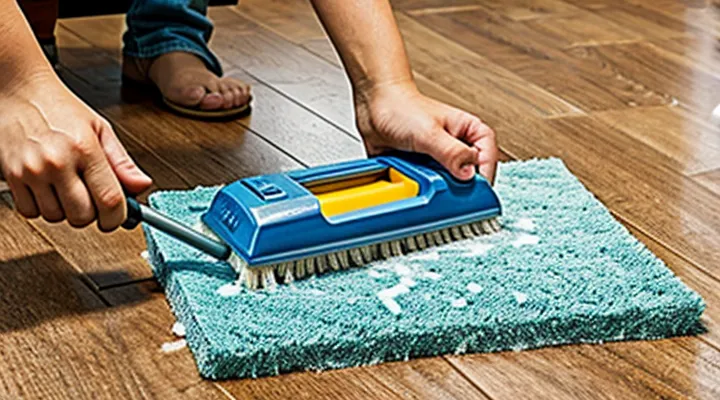
- Mechanical disruption – gently scrape the hardened adhesive with a plastic putty knife, then lift fibers using a soft‑bristled brush.
- Solvent application – apply a small amount of isopropyl alcohol or citrus‑based adhesive remover to a clean cloth, dab the spot, and allow the solvent to soften the glue before blotting.
- Heat treatment – place a warm, damp towel over the glue for several minutes; heat loosens the adhesive, enabling easy scraping.
- Commercial carpet adhesive remover – follow manufacturer instructions, typically involving a brief spray, agitation with a brush, and extraction with a wet‑vacuum.
After adhesive removal, rinse the area with a mild carpet shampoo solution, extract excess moisture, and allow the carpet or rug to dry completely before re‑vacuuming to restore pile uniformity.
Regular inspection of trap placement and prompt cleaning prevent long‑term damage to carpet and rug surfaces.
Initial Loose Debris Removal
Removing loose debris is the first critical step before tackling adhesive residues left by rodent traps. Any fragments of trap housing, plastic pieces, or dried glue must be cleared to prevent interference with solvents or mechanical tools and to protect floor integrity.
- Sweep the area with a stiff-bristle broom or a hand‑held brush to collect visible particles.
- Use a vacuum equipped with a HEPA filter; select a nozzle that can reach corners and edges.
- For stubborn fragments, employ a flat plastic scraper, applying gentle pressure to lift material without scratching the surface.
- Dispose of collected debris in a sealed container to avoid recontamination.
After this stage, the floor surface will be free of bulk contaminants, allowing subsequent removal techniques to act directly on the adhesive.
Common Cleaning Agents and Methods
Oil-Based Solutions
Vegetable Oil and Peanut Butter
Vegetable oil and peanut butter are effective agents for dissolving the adhesive left by snap‑type mouse traps on hard flooring. Both substances contain lipids that penetrate the polymer matrix of the glue, reducing its tackiness and allowing it to be scraped away without damaging the surface.
Application procedure:
- Apply a thin layer of vegetable oil or a smear of smooth peanut butter directly onto the glue spot.
- Allow the material to sit for 2–3 minutes; the oil penetrates the bond.
- Use a plastic scraper or a soft cloth to lift the softened adhesive.
- Wipe the area with a damp rag to remove residual oil or butter.
- Clean the floor with a mild detergent solution to eliminate any remaining residue.
Advantages of oil‑based methods:
- Minimal abrasion; safe for laminate, tile, and sealed wood.
- Readily available household items; no specialized solvents required.
- Low toxicity; safe for households with children or pets when properly rinsed.
Limitations:
- Oil can leave a greasy film if not fully removed; thorough rinsing is essential.
- Peanut butter may contain sugars that attract insects if residues remain.
- Stronger industrial adhesives may require repeated applications or alternative solvents.
When selecting between the two, choose vegetable oil for a neutral odor and easier cleanup; reserve peanut butter for situations where oil is scarce, ensuring the surface is promptly wiped to prevent staining.
Mineral Oil and Baby Oil
Mineral oil and baby oil are effective solvents for loosening adhesive residues left by mouse‑trap glue. Their low viscosity allows easy penetration into the tacky matrix, reducing surface tension and facilitating removal.
Application steps:
- Apply a thin layer of oil directly onto the glue spot.
- Allow 5–10 minutes for the oil to soften the adhesive.
- Gently scrape the softened residue with a plastic scraper or a soft‑bristled brush.
- Wipe the area with a clean cloth soaked in warm, soapy water to eliminate oil traces.
- Dry the floor with a lint‑free towel.
Both oils share a petroleum base, but baby oil contains added fragrance and vitamin E, which may leave a slight scent on the surface. Mineral oil is odorless and typically less expensive, making it preferable for large‑area treatments. Neither oil damages most hard‑floor finishes, yet prolonged contact should be avoided on waxed or oil‑treated surfaces, as it can interfere with the protective layer.
Safety considerations:
- Use gloves to prevent skin irritation.
- Ensure adequate ventilation; although fumes are minimal, confined spaces can accumulate vapors.
- Test a small, inconspicuous area before full‑scale application to confirm compatibility with the floor material.
When choosing between the two, prioritize mineral oil for cost‑effective, scent‑free cleaning, and select baby oil only when a mild fragrance is desired and the floor’s finish tolerates the additional additives.
Commercial Adhesive Removers
Commercial adhesive removers provide a practical solution for eliminating the sticky residue left by mouse‑trap bait on hard flooring. These products are formulated to break down polymer bonds without damaging common floor materials such as tile, laminate, vinyl, or sealed wood.
Key product categories include solvent‑based cleaners, citrus‑derived emulsifiers, and water‑soluble gels. Solvent‑based formulas contain compounds such as acetone, mineral spirits, or n‑butyl acetate; they act quickly on high‑strength adhesives but require adequate ventilation. Citrus‑based emulsifiers rely on d‑limonene to soften glue, offering a milder odor and reduced fire risk. Water‑soluble gels combine surfactants and mild acids, suitable for delicate surfaces and easy cleanup with a damp cloth.
Effective use of a commercial adhesive remover follows a consistent procedure:
- Test a small, inconspicuous area to confirm compatibility with the floor finish.
- Apply the remover according to the manufacturer’s instructions—spray, brush, or pour a measured amount onto the adhesive.
- Allow the chemical action to penetrate for the recommended dwell time, typically 2–5 minutes.
- Gently scrape the softened residue with a plastic scraper or soft‑bristle brush; avoid metal tools that could scratch the surface.
- Wipe the area with a clean, damp rag to remove any remaining solvent; repeat the application if traces persist.
- Rinse the floor with a neutral pH cleaner and dry thoroughly to prevent streaking.
Safety considerations are essential. Wear gloves resistant to chemical penetration, eye protection, and a mask if the product emits volatile organic compounds. Ensure the work area is well‑ventilated; for enclosed spaces, use a fan or open windows. Follow local regulations for disposal of used solvents and contaminated rags, placing them in sealed containers before discarding.
Choosing the appropriate commercial adhesive remover hinges on three factors: the type of adhesive used in the trap, the floor’s material and finish, and the environmental constraints of the workspace. Matching these variables minimizes the risk of surface damage while delivering efficient removal of glue residue.
Solvent-Based Solutions
Rubbing Alcohol and Nail Polish Remover
Rubbing alcohol (isopropyl) and nail‑polish remover (acetone) dissolve many adhesives, including the glue used in mouse traps. Both solvents break down polymer bonds, allowing the residue to be lifted from hard surfaces.
Preparation
- Clean the area of loose debris.
- Test a small, inconspicuous spot; observe for discoloration or surface damage.
- Ensure adequate ventilation; open windows or use a fan.
Application of rubbing alcohol
- Saturate a clean cloth with 70 %–99 % isopropyl solution.
- Press the cloth onto the glue for 30–60 seconds to soften the adhesive.
- Gently scrape with a plastic scraper or a credit‑card edge.
- Wipe remaining residue with a fresh damp cloth; repeat if necessary.
Application of nail‑polish remover
- Dampen a cotton pad with pure acetone; avoid excess pooling.
- Apply to the glue, allowing 15–30 seconds for penetration.
- Scrape the softened mass with a non‑metallic tool.
- Remove solvent traces with a water‑dampened rag; dry the floor promptly.
Safety and surface protection
- Wear nitrile gloves and safety glasses.
- Keep solvents away from open flames; both are flammable.
- Do not use on unsealed wood, laminate with a thin wear layer, or surfaces prone to discoloration; acetone can strip finishes.
- After cleaning, rinse the area with mild soap solution and dry thoroughly to prevent slip hazards.
Disposal
- Place used rags in a sealed container; follow local regulations for hazardous waste.
These procedures provide a reliable, controlled approach to removing mouse‑trap glue without compromising floor integrity.
White Spirit and Paint Thinner
Adhesive residue from mouse traps can persist on wood, tile, or laminate surfaces, requiring solvents that dissolve the polymer without damaging the substrate. White spirit and paint thinner are petroleum‑based solvents commonly employed for this purpose because they break down rubber‑based glues while evaporating quickly.
Both liquids share similar characteristics: low viscosity, moderate solvency, and a flash point that permits safe indoor use with adequate ventilation. White spirit is a refined mineral oil with fewer aromatic compounds, making it slightly less odorous and less aggressive on delicate finishes. Paint thinner, often a blend of mineral spirits and aromatic solvents, offers stronger solvency but may affect varnished or painted surfaces if left too long.
Application procedure:
- Test a small, inconspicuous area for discoloration or surface softening.
- Apply a modest amount of solvent to a clean cloth; avoid direct pouring onto the floor.
- Press the cloth onto the glue patch, allowing 30–60 seconds for penetration.
- Gently scrape the softened adhesive with a plastic putty knife or a soft‑bristle brush.
- Wipe residual solvent with a fresh damp cloth, then dry the area with a lint‑free towel.
Safety considerations include wearing nitrile gloves, eye protection, and ensuring airflow through open windows or fans. Store containers tightly sealed, away from heat sources, and dispose of used rags in a metal container with a water‑based fire‑extinguishing agent, as solvent‑soaked materials can ignite spontaneously.
When the floor material is particularly sensitive, opt for white spirit; for tougher, more resilient surfaces, paint thinner may reduce the number of mechanical actions required. Both solvents provide effective, rapid removal of trap glue when used according to the outlined protocol.
Heat-Based Solutions
Hair Dryer Application
A hair dryer can serve as an effective tool for softening adhesive residues left by mouse‑trap glue on hard flooring. Concentrated hot air raises the temperature of the polymer, reducing its tackiness and allowing it to be scraped away without damaging the surface.
Procedure
- Set the dryer to a high‑heat setting; avoid the cool or low‑temperature mode.
- Hold the nozzle 2–3 inches above the glue patch, moving it continuously to prevent localized overheating.
- After 30–45 seconds, the adhesive should become pliable. Test a small area with a plastic scraper.
- Gently lift the softened glue, working from the edges toward the center.
- Wipe any remaining film with a damp microfiber cloth; a mild solvent may be applied only if residues persist.
- Allow the floor to cool before walking on it.
Safety considerations
- Use heat‑resistant gloves to protect hands from the hot nozzle.
- Ensure adequate ventilation; heating glue can release faint fumes.
- Do not apply the dryer to vinyl or laminate flooring at temperatures above the manufacturer’s limit, as prolonged heat may cause warping.
By applying controlled heat, a hair dryer reduces the mechanical effort required to remove sticky traps and minimizes the risk of surface abrasion compared with chemical solvents alone.
Steamer Use
A steam cleaner can dissolve and lift adhesive residues left by mouse‑trap glue without damaging most hard‑floor surfaces. The high temperature softens the polymer, allowing it to be removed with a cloth or scraper while the moisture prevents the glue from re‑hardening.
- Prepare the steamer according to the manufacturer’s instructions; allow it to reach full operating pressure.
- Test a small, inconspicuous area to confirm that the floor material tolerates steam and moisture.
- Direct the steam jet at the glue spot, maintaining a distance of 2–3 cm. Hold the steam for 10‑15 seconds until the adhesive becomes tacky.
- Immediately wipe the softened glue with a microfiber cloth, applying gentle pressure.
- Repeat the process on remaining patches, then dry the area with a clean towel to avoid slip hazards.
For optimal results, use distilled water in the steamer, keep the floor well‑ventilated, and avoid prolonged exposure on laminate or unsealed wood to prevent swelling. This method eliminates the need for chemical solvents and reduces the risk of surface damage.
Step-by-Step Cleaning Process by Floor Type
Cleaning Hardwood and Laminate Floors
Gentle Application of Oil-Based Solvents
Oil‑based solvents dissolve the polymer chains of mouse‑trap adhesive without harsh mechanical action. Apply a small quantity to a soft cloth, then press the cloth onto the glue spot. The solvent penetrates the bond, allowing the adhesive to soften within 30‑60 seconds. Gently lift the softened residue with the cloth; repeat only if necessary.
- Choose a low‑odor mineral oil, vegetable oil, or dedicated adhesive remover labeled for floor use.
- Test the solvent on an inconspicuous area to confirm compatibility with the floor finish.
- Limit the amount to a thin film; excess liquid can spread beyond the target area.
- After removal, wipe the surface with a clean, damp rag to eliminate residual oil.
Safety measures include wearing gloves, ensuring adequate ventilation, and avoiding open flames, as some oil‑based solvents are flammable. Store the solvent in a sealed container away from heat sources. Proper disposal follows local hazardous‑waste guidelines.
Scraping Techniques for Stubborn Residue
When adhesive from rodent traps hardens on a floor, mechanical removal often proves most reliable. The process begins with selecting an appropriate scraper. A putty knife with a flexible stainless‑steel blade works well on smooth surfaces, while a rigid carbon‑steel scraper suits uneven or textured flooring. For delicate materials such as hardwood, a plastic scraper minimizes surface damage.
Before scraping, soften the glue to reduce resistance. Apply a solvent—acetone, mineral spirits, or a commercial adhesive remover—directly onto the residue. Allow the liquid to penetrate for 2–5 minutes, monitoring the area to prevent over‑wetting. Once the adhesive becomes tacky, position the scraper at a low angle (approximately 15°) and push forward with steady pressure. Maintain a consistent motion to avoid gouging the substrate.
If the residue remains stubborn, combine scraping with gentle heat. A heat gun set to a low temperature (150–200 °C) softens the polymer without scorching the floor. Move the heat source continuously, then resume scraping while the material is pliable. For large patches, work in sections to keep the glue from re‑hardening.
Safety considerations are essential. Wear chemical‑resistant gloves and eye protection when handling solvents or heat. Ensure adequate ventilation to disperse fumes. After the bulk of the adhesive is removed, clean the area with a mild detergent solution to eliminate solvent traces, then dry thoroughly to prevent moisture damage.
Typical sequence for effective removal:
- Test a small, inconspicuous spot with the chosen solvent.
- Apply solvent evenly; let it act for the recommended dwell time.
- Use the appropriate scraper at a low angle, applying uniform pressure.
- If needed, introduce controlled heat and repeat scraping.
- Wipe the surface with detergent‑water mixture; dry completely.
Adhering to this method yields a clean floor with minimal risk of surface impairment, even when confronting tenacious glue residues.
Final Cleaning and Polishing
After the adhesive has been stripped from the floor, the surface must be cleared of residues and restored to its original sheen. The final stage eliminates remaining particles, neutralizes any chemical traces, and re-establishes a uniform finish.
- Vacuum or sweep the area to remove dust, grit, and loosened glue fragments.
- Prepare a cleaning solution of warm water mixed with a pH‑neutral floor cleaner; avoid acidic or alkaline agents that could damage the substrate.
- Mop the floor with the solution, working in sections to prevent streaking. Rinse the mop frequently to avoid redepositing contaminants.
- Rinse the surface with clean water, using a damp mop or a low‑pressure sprayer, to eliminate any cleaner residue.
- Dry the floor promptly with a microfiber mop or a commercial floor dryer to prevent water spots and slip hazards.
- Apply a thin coat of floor polish or sealant appropriate for the material (e.g., urethane for hardwood, acrylic for vinyl). Use a low‑speed floor buffer equipped with a polishing pad to spread the product evenly.
- Allow the polish to cure according to the manufacturer’s specifications before resuming foot traffic.
The sequence restores slip resistance, enhances visual appearance, and protects the floor against future adhesive contact.
Cleaning Tile and Stone Floors
Applying Stronger Solvents
When adhesive residue from rodent traps hardens on a hard surface, a potent solvent can break the bond more efficiently than mild cleaners. Acetone, nail‑polish remover, or industrial‑grade adhesive dissolvers penetrate the polymer matrix, swelling the glue and allowing it to be scraped away. Begin by ventilating the area; open windows and, if possible, use a fan to direct fumes outward. Wear chemical‑resistant gloves and eye protection to avoid skin contact and splashes.
Apply the solvent sparingly with a disposable brush or lint‑free cloth. Allow the liquid to sit for 30–60 seconds; the glue should soften and lose its tackiness. Use a plastic putty knife or a stiff‑bristled brush to lift the loosened material, avoiding metal tools that could gouge the flooring. If residue persists, repeat the application, extending the dwell time incrementally up to two minutes, but do not exceed the manufacturer’s exposure limit.
After removal, wipe the area with a damp rag to dilute any remaining solvent, then rinse with clean water. Dry thoroughly to prevent slip hazards. Dispose of used rags and solvent containers according to local hazardous‑waste regulations; never pour solvents down the drain. For flooring types sensitive to strong chemicals—such as unfinished wood or certain laminates—test the solvent on a hidden spot first, or substitute a less aggressive product like isopropyl alcohol combined with gentle scraping.
Key considerations
- Choose a solvent compatible with the floor material.
- Ensure adequate airflow and personal protective equipment.
- Limit exposure time to prevent damage to the substrate.
- Follow proper waste‑disposal procedures.
Grout Line Cleaning
Adhesive from mouse‑trap boards often accumulates in grout lines, where it hardens and adheres to the surrounding cement. Effective removal requires a sequence that protects the grout while fully dissolving the glue.
- Scrape the bulk of the residue with a plastic putty knife; avoid metal tools that can chip the grout.
- Apply a solvent compatible with cement, such as a citrus‑based adhesive remover, directly onto the stained area. Let it sit for 30–60 seconds to soften the polymer.
- Agitate the softened glue with a soft‑bristled brush, moving parallel to the grout joints to prevent abrasion.
- Rinse the section with warm water and a mild pH‑neutral detergent to eliminate solvent traces. Use a wet‑vac or mop to extract excess liquid.
- Dry the grout thoroughly using a fan or low‑heat hair dryer; moisture left in the joints can promote mold growth.
If stubborn spots remain after the first cycle, repeat the solvent application and brushing. For highly porous grout, consider a diluted acetone solution, but test on an inconspicuous area first to verify that the grout color and integrity are unaffected. Always wear gloves and ensure adequate ventilation when handling chemical removers.
Rinsing and Drying
Rinsing removes residual adhesive after the primary removal step. Use warm water mixed with a mild detergent; the solution softens remaining glue and lifts it from the floor surface. Apply the mixture with a mop or sponge, ensuring complete coverage. Scrub gently to avoid damaging the floor finish, then rinse with clean water to flush out detergent and loosened residue.
Drying prevents streaks and re‑adhesion. Immediately after rinsing, extract excess liquid with a clean, absorbent microfiber mop or a wet‑vacuum. Follow with a dry microfiber cloth to wipe the surface, removing any lingering moisture. For large areas, employ a low‑speed floor fan or a portable dehumidifier to accelerate evaporation and ensure a uniformly dry finish.
Key actions for effective rinsing and drying:
- Prepare a warm, mildly soapy water solution.
- Apply uniformly with a mop or sponge; scrub lightly.
- Rinse thoroughly with clean water.
- Remove bulk water using a wet‑vacuum or absorbent mop.
- Finish with a dry microfiber cloth or air‑circulation device.
Complete removal of adhesive depends on thorough rinsing and prompt, thorough drying to leave the floor clean and ready for normal use.
Cleaning Carpet and Rugs
Blotting with Oil-Based Solutions
Blotting with oil‑based solutions provides a rapid means of softening and lifting glue residue from hard flooring surfaces. The oil penetrates the adhesive matrix, reduces its tack, and allows the material to be absorbed into a clean cloth without excessive scraping.
Vegetable oil, mineral oil, and low‑viscosity petroleum distillates are suitable choices. Each oil should be applied sparingly; excess liquid can stain porous finishes, so a test on an inconspicuous area is advisable. Protective gloves prevent skin contact, and adequate ventilation mitigates inhalation of volatile components.
Procedure:
- Dampen a lint‑free cloth with the selected oil; avoid soaking the fabric.
- Press the cloth onto the glue spot, maintaining contact for 30–60 seconds to allow the oil to infiltrate the bond.
- Lift the cloth; the softened adhesive adheres to the fabric.
- Repeat the blotting cycle until the majority of the residue transfers to the cloth.
- Dispose of the oil‑laden cloth in a sealed bag to prevent re‑contamination.
After oil treatment, remove remaining oil traces with a mild detergent solution or a floor‑safe degreaser. Rinse the area with clean water, dry with a fresh microfiber cloth, and inspect for any lingering stickiness. This sequence restores a clean, slip‑resistant surface without damaging the underlying floor material.
Detergent and Water Mix for Stains
A detergent‑water solution is a reliable first step for removing adhesive residues from hard flooring. Choose a neutral‑pH liquid dish detergent or an all‑purpose cleaner that contains surfactants; these agents lower surface tension and break down the polymer chains in the glue.
Mix the detergent with warm water at a ratio of 1 part detergent to 10 parts water. Stir until the mixture is uniform, then apply it to the stained area with a mop, sponge, or soft cloth. Allow the solution to soak for 30–60 seconds; this short dwell time softens the adhesive without damaging the floor finish.
After soaking, use a non‑abrasive scrub pad or a soft‑bristle brush to agitate the softened glue. Work in a circular motion, applying gentle pressure to avoid surface scratches. Rinse the area with clean water to remove detergent residues, then dry with a lint‑free towel.
Key considerations:
- Test the solution on an inconspicuous spot to verify compatibility with the floor material.
- Avoid excessive water on wood or laminate surfaces; limit exposure to the minimum needed for softening.
- For stubborn patches, repeat the application or increase the detergent concentration by one additional part, not exceeding a 1:5 ratio.
- Ensure adequate ventilation if the detergent emits strong fumes.
The described approach eliminates most glue traces while preserving the integrity of the floor, preparing the surface for any subsequent cleaning methods.
Vacuuming and Drying
Vacuuming removes most of the loosened adhesive after the glue has been softened or scraped away. A shop‑vacuum equipped with a high‑capacity filter captures sticky particles without clogging. Use a wide nozzle to cover a larger area and maintain steady, overlapping strokes. If the glue remains tacky, apply a suitable solvent (e.g., mineral spirits) first, then vacuum while the solvent is still wet to prevent re‑adhesion.
Drying prevents residual moisture from attracting dust and re‑solidifying any remaining adhesive. Follow these steps:
- Position a high‑velocity floor fan at a 45‑degree angle to the surface; run for 10‑15 minutes per square meter.
- For larger spaces, employ a portable dehumidifier set to 45 % relative humidity; monitor with a hygrometer.
- If ambient temperature is low, raise it to 20‑22 °C using a space heater; warm air accelerates evaporation.
- After mechanical airflow, allow the floor to air‑dry for an additional 30 minutes before walking on it.
Combining thorough suction with controlled airflow eliminates most glue remnants and leaves the floor ready for further cleaning or finishing.
Post-Cleaning Care and Prevention
Removing Residue and Odor
Adhesive from rodent traps leaves a stubborn film and often emits a lingering odor that can affect indoor air quality. Effective removal requires separating the physical residue from the chemical scent, using a sequence of targeted actions.
Begin by softening the glue. Apply a warm, water‑based solvent such as diluted dish soap or a commercial adhesive remover, allowing it to sit for 3–5 minutes. Gently scrape the softened material with a plastic putty knife to avoid damaging the floor surface. Rinse the area with warm water and dry with a clean microfiber cloth.
Address lingering odor with an absorbent neutralizer. Sprinkle baking soda over the treated spot, let it remain for at least 30 minutes, then vacuum thoroughly. For persistent smells, a solution of equal parts white vinegar and water can be sprayed lightly, left to evaporate, and then wiped dry. Ensure adequate ventilation during and after application to disperse volatile compounds.
Maintain a residue‑free surface by applying a thin coat of floor‑safe sealant after cleaning. The sealant creates a barrier that prevents future adhesive adhesion and reduces odor absorption.
Key steps
- Soften glue with warm, mild solvent
- Scrape gently with non‑abrasive tool
- Rinse and dry the area completely
- Apply baking soda or vinegar to neutralize odor
- Vacuum or wipe away absorbent material
- Finish with a protective sealant if appropriate
Following this protocol eliminates both visible glue remnants and unpleasant odor, restoring the floor to a clean, odor‑free condition.
Floor Protection Tips
When dealing with adhesive residue from pest‑control devices, preventing damage to the flooring is essential before any removal attempt. Choose a protective layer that matches the floor type: a thin sheet of polyethylene for vinyl, a low‑adhesive painter’s tape for hardwood, and a disposable drop cloth for tile. Secure the barrier with gentle pressure to avoid shifting during the cleaning process.
Apply a suitable solvent only to the exposed glue, not to the protective covering. Common options include citrus‑based cleaners for delicate surfaces and mineral spirits for resilient tiles. Allow the solvent to penetrate for the recommended time, then scrape the softened adhesive with a plastic putty knife to avoid scratching.
After the glue is removed, inspect the floor for any lingering residue. Wipe the area with a mild detergent solution, rinse with clean water, and dry thoroughly. If the protective layer was compromised, replace it before proceeding to the next section of floor.
Key protective practices:
- Use a non‑abrasive barrier that does not react with the cleaning agent.
- Test the solvent on a hidden spot to confirm compatibility.
- Keep the protective material flat and fully adhered to prevent solvent seepage.
- Replace the barrier after each cleaning cycle to maintain consistent protection.
Preventing Future Incidents
When adhesive from rodent traps contaminates a floor, the residue can cause slips, damage to finishes, and attract pests. Preventing recurrence requires systematic control of trap placement, glue containment, and maintenance practices.
- Install traps on non‑porous surfaces such as plastic trays, metal plates, or disposable paper pads to isolate adhesive from the floor.
- Secure trays with adhesive‑resistant tape or silicone sealant to prevent movement and leakage.
- Position traps away from high‑traffic zones; use low‑visibility corners or elevated platforms that do not interfere with foot traffic.
- Apply a thin layer of release agent (e.g., petroleum jelly) to the underside of the trap base to reduce glue transfer onto supporting surfaces.
- Conduct weekly inspections to remove spent traps, clean any accidental spills immediately with a solvent compatible with the floor material, and replace containment accessories as needed.
- Document trap locations and replacement schedules in a maintenance log; assign responsibility to a designated staff member to ensure compliance.
- Train personnel on proper trap handling, emphasizing the use of gloves, careful removal techniques, and immediate disposal of glue‑contaminated components.
By integrating these controls into routine pest‑management protocols, the likelihood of glue reaching the floor diminishes, safeguarding both safety and surface integrity.