
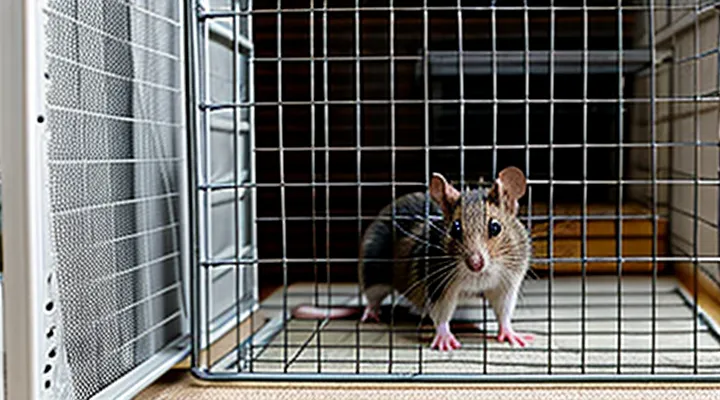
Understanding the Rodent Problem
The Threat of Rodents
Health Risks
Metal mesh barriers designed to exclude mice introduce several health hazards when material quality, installation, or upkeep are inadequate.
- Corroded alloy releases metal ions that can contaminate food and surfaces, posing toxicity risks.
- Sharp edges or protruding wire strands cause puncture wounds to personnel handling the mesh, increasing infection probability.
- Accumulated organic debris within mesh openings fosters bacterial and fungal colonies, which may be transferred to stored products.
- Nickel‑containing alloys can trigger allergic dermatitis in workers with metal sensitivities.
- Structural fatigue creates unintended gaps, allowing rodents to infiltrate and spread pathogens such as hantavirus, salmonella, and leptospira.
Mitigation requires selecting corrosion‑resistant stainless steel, ensuring all edges are deburred, and sealing joints to eliminate openings. Routine visual inspections should detect wear, deformation, or rust. Cleaning protocols must remove debris and disinfect surfaces at least quarterly. Documentation of maintenance activities supports compliance with occupational safety standards.
Addressing these risks preserves the intended protective function of metal screens while safeguarding human health and product integrity.
Structural Damage
Rodents gnaw on wood, insulation, wiring, and support members, creating holes, compromising load‑bearing capacity, and increasing fire risk. Damage often remains hidden until it weakens structural elements or triggers secondary failures such as water intrusion.
Metal mesh barriers block entry, withstand repeated chewing, and preserve the integrity of building components. The mesh’s fine apertures prevent teeth from reaching underlying material while allowing airflow and visibility.
- Prevents gnawing of structural timber and joists
- Stops penetration of insulation, reducing heat loss and moisture buildup
- Shields electrical conduits, lowering short‑circuit hazards
- Preserves concrete and masonry reinforcement by eliminating burrow pathways
Effective installation requires secure fastening to framing members, overlap of at least 2 inches at seams, and sealing of all entry points with rust‑resistant fasteners. Mesh should be placed at gaps larger than ¼ inch and extended beyond the anticipated intrusion zone.
Routine inspection confirms mesh continuity, checks for corrosion, and verifies that fasteners remain tight. Prompt repair of any breach restores protection and prevents escalation of structural damage.
Economic Impact
Metal mesh barriers designed to exclude rodents generate measurable cost reductions across multiple sectors. In agricultural storage, the material prevents grain contamination, lowering waste percentages from 3‑5 % to under 1 % in documented trials. The resulting savings translate into annual profit increases of $150 million for large‑scale producers.
In food processing facilities, steel screening eliminates the need for chemical pest control programs, cutting expenses for pesticides, labor, and compliance audits. Companies report an average reduction of $0.45 per ton of processed product, equating to $22 million in yearly operational savings for mid‑size plants.
Healthcare providers benefit from decreased incidences of rodent‑borne disease. By installing metal enclosures in kitchens and storage areas, hospitals reduce infection rates linked to pest exposure, saving an estimated $8 million per institution in treatment and liability costs.
Key economic indicators associated with the adoption of rodent‑proof metal screening:
- Return on investment (ROI) typically achieved within 12‑18 months.
- Market growth projected at 7 % CAGR through 2030, driven by stricter hygiene regulations.
- Reduction in insurance premiums ranging from 2‑4 % for facilities with certified barrier systems.
- Lowered energy consumption due to fewer ventilation interruptions caused by pest activity.
Overall, the deployment of durable metal mesh solutions yields direct financial gains, mitigates risk exposure, and supports compliance with food safety standards, reinforcing the economic stability of enterprises that rely on uncontaminated environments.
Why Metal Mesh is an Effective Solution
Advantages of Metal Mesh
Durability and Longevity
Metal mesh designed to prevent rodent intrusion must retain structural integrity over extended periods. The material’s resistance to mechanical stress, environmental degradation, and biological damage determines its service life.
Key factors influencing durability:
- Material composition – stainless steel, galvanized steel, or alloyed aluminum provide varying degrees of corrosion resistance and tensile strength.
- Protective coating – powder‑coat, epoxy, or PVC layers shield the mesh from moisture, chemicals, and UV radiation, reducing oxidation rates.
- Mesh gauge and weave – thicker wire and tighter weave increase load‑bearing capacity and limit deformation under repeated pressure from gnawing rodents.
- Installation quality – proper fastening, avoidance of sharp edges, and secure anchoring prevent stress concentrations that accelerate fatigue.
- Environmental exposure – humidity, temperature fluctuations, and exposure to salt or industrial pollutants accelerate corrosion; selecting appropriate alloys mitigates these effects.
Longevity assessments typically involve accelerated aging tests, such as salt‑spray (ASTM B117) and cyclic temperature exposure (ASTM D6944), to predict performance over years. Results indicate that well‑specified stainless steel mesh with a high‑quality powder coat can exceed 15 years of effective use in most indoor and outdoor settings, whereas untreated mild steel may deteriorate within 3–5 years under comparable conditions.
Routine inspection focuses on identifying rust spots, coating delamination, or mesh deformation. Early remediation—cleaning, recoating, or replacing compromised sections—preserves overall effectiveness and extends the system’s operational lifespan.
Physical Barrier Properties
Metal mesh designed to prevent rodent intrusion functions primarily as a physical barrier. Its effectiveness derives from engineered characteristics that block entry while withstanding environmental stresses.
Key barrier attributes include:
- Mesh aperture: openings calibrated to less than the body width of common mice, typically 6 mm or smaller, ensuring no passage through the lattice.
- Material tensile strength: steel or stainless‑steel grades offering minimum yield strengths of 250 MPa, preventing deformation under pressure from gnawing or accidental impact.
- Corrosion resistance: galvanised or alloy coatings that maintain structural integrity in humid or saline conditions for periods exceeding ten years.
- Temperature tolerance: performance retained from –40 °C to +120 °C, avoiding brittleness or softening that could compromise sealing.
- UV stability: polymer‑based protective layers or powder‑coated finishes that resist photodegradation, preserving mesh rigidity under prolonged sunlight exposure.
- Installation flexibility: bend radius specifications that allow shaping around conduits and frames without reducing aperture size or weakening joints.
Collectively, these properties create an impenetrable shield that resists mechanical breach, chemical attack, and climatic wear, delivering reliable rodent exclusion for residential, commercial, and industrial applications.
Versatility in Application
Metal mesh designed to exclude rodents offers adaptable protection across a wide range of environments. Its rigid yet flexible structure accommodates varied installation scenarios without compromising barrier integrity.
Key application areas include:
- Agricultural storage facilities where grain and feed must be shielded from infestation.
- Residential crawl spaces and basements to prevent entry into living quarters.
- Commercial warehouses handling bulk goods that require continuous rodent deterrence.
- Pet enclosures and laboratory animal rooms where containment of small mammals is mandatory.
- Greenhouses and horticultural structures that need ventilation while restricting pest access.
- Utility conduits and ventilation shafts where conventional sealing is impractical.
Installation methods adapt to project requirements. Pre‑fabricated panels can be mounted on existing frames for rapid retrofitting. Custom‑cut sections enable integration into new construction, while modular lattice strips allow precise sealing around irregular openings. Fasteners, clips, and sealant gaskets provide secure attachment in both steel and wooden substrates.
Material selection aligns with environmental demands. Stainless‑steel mesh resists corrosion in humid or coastal settings; galvanized variants offer cost‑effective protection in dry climates. Coated meshes reduce visual impact and simplify cleaning, while varying aperture sizes address specific rodent species and size classes.
The system delivers long‑term durability, minimal upkeep, and compliance with health and safety regulations. Its versatility eliminates the need for multiple specialized products, consolidating rodent control into a single, reliable solution.
Types of Metal Mesh for Rodent Control
Galvanized Steel Mesh
Characteristics
Metal mesh engineered for mouse exclusion possesses a defined set of physical and chemical attributes that ensure reliable rodent protection.
- Material composition – typically stainless steel or galvanized steel, providing high tensile strength and resistance to corrosion.
- Aperture dimensions – openings calibrated to ¼ inch (6 mm) or smaller, preventing entry of adult mice while allowing airflow.
- Tensile strength – rated at 4,000 psi minimum, sufficient to withstand pressure from gnawing and environmental loads.
- Corrosion resistance – surface treated or alloyed to endure humid or outdoor conditions without degradation.
- Fire rating – classified as non‑combustible, meeting ASTM E84 standards for flame spread.
- Durability – lifespan exceeding 10 years under normal exposure, with minimal loss of structural integrity.
- Installation flexibility – perforated edges and pre‑drilled holes enable secure fastening to frames, walls, or vents.
- Seam integrity – welded or interlocked joints eliminate gaps that could be exploited by rodents.
- Cost efficiency – material cost balanced against long‑term savings from reduced damage and pest control expenses.
Best Use Cases
Metal mesh designed specifically to block small rodents offers a reliable physical barrier in environments where infestation risk is high. Its durability, resistance to chewing, and ease of installation make it suitable for several applications.
- Agricultural storage facilities: Mesh panels line vents and gaps in grain silos, preventing mice from contaminating produce while allowing airflow.
- Commercial kitchens: Wire screens cover drain openings and service doors, eliminating entry points without impeding cleaning routines.
- Residential basements and crawl spaces: Rolled mesh is fitted over utility openings and pipe penetrations, securing vulnerable areas against gnawing pests.
- Laboratory animal rooms: Mesh curtains separate mouse colonies from adjacent spaces, maintaining containment standards without compromising ventilation.
- Outdoor equipment shelters: Enclosures for power transformers, electrical cabinets, and irrigation controls are wrapped in mesh to deter rodent damage to wiring and components.
Installation typically involves cutting the mesh to match the opening dimensions, securing edges with screws or zip ties, and sealing seams with metal tape. Selecting a gauge that balances flexibility with chewing resistance ensures long‑term effectiveness across these scenarios.
Stainless Steel Mesh
Characteristics
Metal mesh designed to prevent mouse intrusion combines specific physical and chemical attributes that ensure reliable rodent exclusion.
The mesh is typically fabricated from stainless steel or galvanized steel, providing high tensile strength and resistance to corrosion. Gauge selections range from 18 to 24 AWG, balancing durability with manageable weight for installation. Aperture dimensions are calibrated to block rodents while allowing airflow; common openings measure 1 mm × 1 mm to 3 mm × 3 mm. Smaller openings increase exclusion efficacy but may require finer fabrication tolerances.
Key performance characteristics include:
- Structural integrity – ability to withstand pressure from gnawing and environmental loads without deformation.
- Corrosion resistance – protective coating or alloy composition that maintains integrity in humid or chemically aggressive settings.
- Flexibility – sufficient pliability to conform to irregular surfaces while retaining shape after bending.
- Thermal stability – retention of mechanical properties across temperature ranges from –20 °C to 120 °C.
- Fire resistance – non‑combustible material that complies with building safety codes.
Installation considerations focus on secure fastening, overlapping seams, and sealing joints with appropriate hardware to eliminate gaps. The mesh’s smooth finish reduces the risk of injury to humans and pets during handling and maintenance.
Overall, the combination of material choice, mesh size, and engineered durability defines the effectiveness of metal screening as a rodent protection solution.
Best Use Cases
Metal wire mesh designed to block mice serves as a reliable physical barrier in environments where rodent intrusion compromises safety, hygiene, or product integrity.
In agricultural storage, tightly woven stainless‑steel mesh installed on grain silos, feed bins, and fertilizer bags prevents contamination and protects yields. The same material, when fitted to ventilation openings of livestock barns, stops rodents from entering while preserving airflow.
Food‑processing plants benefit from mesh screens on loading dock doors, equipment housings, and waste chutes. The barrier eliminates the risk of pests reaching production lines, supporting compliance with sanitary standards.
Residential applications focus on attics, crawl spaces, and basement vents. Mesh panels mounted over access points block entry without obstructing insulation or utility lines, reducing the likelihood of structural damage and disease transmission.
Pet owners employ metal cages with fine mesh walls for small mammals, ensuring containment while providing adequate ventilation. The durability of the mesh resists gnawing, extending the lifespan of the enclosure.
Laboratory facilities use rodent‑proof screens on cabinet doors, fume hood openings, and animal housing units. The barrier maintains a controlled environment, preventing unintended exposure to external pests.
Shipping containers carrying sensitive cargo incorporate mesh grates over ventilation slots. The solution safeguards goods from infestation during transport, especially in regions with high rodent activity.
Waste‑management sites install mesh covers on dumpster lids and compost bins. The barrier intercepts rodents, curbing scavenging and the spread of disease vectors.
These scenarios illustrate the most effective deployment of metal rodent barriers, emphasizing durability, fine aperture size, and compatibility with existing structures.
Hardware Cloth
Characteristics
Metal mesh designed to prevent mice intrusion possesses several definitive attributes.
The mesh is typically fabricated from stainless steel or galvanized steel, providing inherent resistance to corrosion and maintaining structural integrity in humid or outdoor environments. Wire diameter, expressed in gauge, determines tensile strength; a lower gauge (thicker wire) yields higher load‑bearing capacity, while finer gauges allow for more delicate installations where space is limited.
Opening size governs selectivity. Mesh apertures ranging from ¼ inch (6 mm) to ½ inch (12 mm) block adult mice while permitting airflow and water drainage. Consistent spacing prevents rodents from squeezing through or enlarging holes over time.
Durability is enhanced by coating processes such as powder coating or epoxy finishes, which extend service life and reduce maintenance. The material’s flexibility enables conformance to irregular surfaces, yet retains sufficient rigidity to resist tearing under pressure.
Installation characteristics include pre‑drilled holes for fasteners, modular panel dimensions (commonly 4 ft × 4 ft), and compatibility with common mounting hardware. Edge treatment—rolled or welded seams—eliminates sharp protrusions that could injure pets or humans.
Safety considerations involve non‑toxic composition, compliance with relevant ASTM or ISO standards, and absence of sharp edges after finishing. The mesh’s non‑porous nature also inhibits nesting material accumulation, simplifying cleaning.
Key performance metrics:
- Tensile strength: 1500–3000 psi depending on gauge
- Corrosion resistance: rated for 10–20 years in coastal conditions
- Aperture tolerance: ±0.02 inch for consistent blockage
- Temperature range: –40 °F to 200 °F without deformation
These characteristics collectively define the effectiveness of metal barriers in deterring rodent entry while ensuring longevity and safety.
Best Use Cases
Metal mesh designed to prevent mouse intrusion serves as a physical barrier that blocks entry while allowing airflow and visibility. Its durability and resistance to gnawing make it ideal for environments where structural integrity and hygiene are critical.
Typical applications include:
- Food storage warehouses where airtight containment prevents contamination of bulk ingredients.
- Livestock barns and poultry houses, protecting feed and bedding from rodent damage.
- Commercial kitchens and processing lines, ensuring compliance with health regulations by sealing gaps around ducts and vents.
- Residential basements and crawl spaces, sealing foundation cracks and utility openings to eliminate hidden nesting sites.
- Greenhouses and hydroponic systems, safeguarding plants and nutrient solutions from foraging rodents.
- Laboratory animal facilities, providing secure enclosures that meet strict containment standards.
In each scenario, the mesh is installed at points of potential ingress: door frames, ventilation shafts, pipe penetrations, and floor seams. Selection of gauge and mesh size depends on the target species and expected pressure, with finer apertures preferred for mice to prevent passage. Proper fastening with stainless‑steel screws or welding ensures long‑term effectiveness without creating new gaps.
Expanded Metal
Characteristics
Metal mesh designed to deter mice possesses distinct physical and functional traits that determine its effectiveness.
- Material composition: Typically stainless steel or galvanized steel, providing resistance to corrosion and maintaining structural integrity in humid or outdoor environments.
- Gauge thickness: Ranges from 20 gauge (0.8 mm) to 26 gauge (0.45 mm); thicker gauges increase rigidity and prevent bite-through, while thinner gauges offer easier handling.
- Mesh aperture: Openings of ¼ inch (6 mm) or smaller block entry by adult rodents yet allow airflow and visibility, essential for ventilation systems and utility conduits.
- Tensile strength: Exceeds 30 ksi, ensuring the mesh withstands pulling forces without deformation, crucial for sealing gaps around doors, vents, or pipe entries.
- Flexibility: Low‑carbon variants retain some pliability, facilitating installation around irregular shapes without compromising barrier continuity.
- Surface finish: Powder‑coat or epoxy coating adds an extra layer of protection against rust and reduces sharp edges that could cause injury to personnel.
- Installation features: Pre‑drilled holes or perforated edges enable secure fastening with screws, staples, or wire ties, allowing a seamless seal along structural joints.
- Longevity: Expected service life of 10 years or more under normal exposure, reducing the need for frequent replacement.
Collectively, these characteristics define a robust, long‑lasting solution for preventing rodent infiltration in residential, commercial, and industrial settings.
Best Use Cases
Metal mesh designed to deter rodents offers reliable physical exclusion in environments where sealing gaps is impractical. Its durability, resistance to gnawing, and ability to conform to irregular openings make it suitable for a range of applications.
- Agricultural storage facilities: installed around grain silos, feed bins, and livestock shelters to prevent infestation that compromises product quality and animal health.
- Commercial kitchens and food‑processing plants: fitted over ventilation ducts, service openings, and underfloor crawl spaces to meet sanitation standards while maintaining airflow.
- Residential construction: integrated into foundation walls, crawl‑space vents, and attic access points to block entry without compromising structural integrity.
- Utility infrastructure: wrapped around conduit entries, transformer housings, and pump stations where exposure to wildlife is constant.
- Outdoor structures: applied to chicken coops, rabbit hutches, and garden sheds to protect stored feed and equipment from nocturnal gnawers.
Effective deployment requires securing the mesh with corrosion‑resistant fasteners, overlapping seams by at least 2 inches, and selecting a gauge that balances flexibility with chew resistance. When these practices are followed, metal rodent barriers provide long‑term protection across diverse settings.
Key Considerations for Choosing Mesh
Mesh Size and Gauge
Preventing Entry
Metal mesh designed for rodent exclusion provides a physical barrier that stops mice from entering structures. The effectiveness of the barrier depends on precise selection and installation of the material.
- Mesh aperture must be no larger than ¼ inch (6 mm) to prevent mice from squeezing through.
- Stainless steel or galvanized steel offers corrosion resistance and maintains structural integrity over time.
- Overlap seams by at least 2 inches (5 cm) and secure with stainless‑steel staples or screws to eliminate gaps.
- Seal all joints, corners, and attachment points with rodent‑grade caulk or silicone to block potential entry routes.
- Install the mesh at the base of walls, around utility openings, and across vent openings, ensuring a continuous loop around the protected area.
Proper mounting techniques further reduce intrusion risk. Use a sturdy framing system to tension the mesh, preventing sagging that could create openings. Verify that fasteners are flush with the surface to avoid creating lever points for gnawing.
Routine inspection is essential. Check for signs of wear, corrosion, or displacement, and repair any compromised sections immediately. Maintaining a tight, uninterrupted barrier ensures long‑term prevention of mouse entry.
Material Strength
Material strength determines the effectiveness of a metal barrier designed to prevent rodent ingress. Tensile strength defines the maximum load the mesh can sustain before breaking, directly influencing its ability to withstand forces exerted by gnawing or pushing animals. Yield strength indicates the stress level at which permanent deformation begins, ensuring the mesh retains its shape under repeated pressure.
Corrosion resistance contributes to long‑term durability, especially in environments with moisture or chemicals. Mesh gauge, measured in millimeters or wire diameter, correlates with both tensile and yield strengths; thicker gauges provide higher load capacity but increase weight and cost. Heat treatment processes, such as annealing or quenching, modify the microstructure of the alloy, enhancing strength characteristics without compromising flexibility.
Key strength parameters for rodent protection mesh:
- Tensile strength (MPa) – minimum 300 MPa for stainless steel, 250 MPa for galvanized steel.
- Yield strength (MPa) – at least 200 MPa for stainless steel, 180 MPa for galvanized steel.
- Minimum wire diameter – 0.5 mm for lightweight applications, 1.0 mm for high‑traffic areas.
- Corrosion rating – ASTM A123 or equivalent for outdoor exposure.
- Heat‑treated condition – solution‑annealed for maximum ductility, quenched for increased hardness.
Material Type and Corrosion Resistance
Outdoor vs. Indoor Applications
Metal mesh designed to block rodents can be deployed in open environments and in enclosed spaces, each setting imposing distinct performance criteria.
Outdoor installations must endure weather extremes. Materials are typically galvanized or stainless steel to resist corrosion from rain and humidity. UV‑stabilized coatings prevent degradation from sunlight. Meshes are welded or mechanically fastened to foundation walls, fences, and drainage structures, ensuring a continuous barrier that resists wind‑driven pressure. Openings larger than ¼ inch are eliminated, while maintaining sufficient airflow for ventilation systems. Maintenance involves periodic inspection for damage caused by debris or animal activity.
Indoor applications prioritize safety, aesthetics, and ease of cleaning. Meshes are often fabricated from fine‑woven steel or aluminum, with edge finishes that prevent injury to occupants. Fire‑rated coatings comply with building codes for interior use. Panels are installed behind walls, under flooring, or within ductwork, where visual impact must be minimal. The finer aperture size (typically ⅛ inch) limits mouse entry without impeding airflow to HVAC units. Cleaning routines include vacuuming or wiping to remove dust and droppings, reducing health hazards.
Key distinctions:
- Material treatment: outdoor – corrosion‑resistant; indoor – fire‑rated, low‑sharp‑edge.
- Aperture size: outdoor – up to ¼ inch; indoor – often ⅛ inch.
- Installation method: outdoor – welded to structural elements; indoor – panel‑mounted behind finishes.
- Environmental exposure: outdoor – UV, rain, wind; indoor – controlled temperature, limited moisture.
- Maintenance focus: outdoor – structural integrity checks; indoor – cleanliness and safety compliance.
Environmental Factors
Metal mesh designed to deter rodents must withstand a range of environmental conditions that directly influence its longevity and effectiveness. Temperature fluctuations cause expansion and contraction of the metal, potentially loosening joints or creating gaps. In regions with extreme heat, thermal stress accelerates fatigue, while repeated freeze‑thaw cycles in cold climates promote brittleness and may lead to cracking at welds.
Humidity and precipitation promote corrosion, especially when the mesh is composed of untreated steel. Moisture penetrates surface coatings, initiating rust that weakens structural integrity and creates entry points for pests. Protective finishes such as galvanization, powder coating, or stainless‑steel alloys mitigate this risk, but their performance declines over time and must be inspected regularly.
UV radiation degrades polymer‑based coatings and can discolor painted surfaces, reducing their protective qualities. Exposure to direct sunlight for extended periods necessitates the use of UV‑stable additives or periodic re‑application of topcoats to maintain barrier properties.
Chemical agents present in the surrounding environment—soil acids, fertilizers, or cleaning solvents—can erode metal surfaces. Selecting corrosion‑resistant alloys and applying compatible sealants prevents adverse reactions with these substances.
Physical forces, including wind load, impact from debris, and animal pressure, stress the mesh framework. Proper tensioning during installation and the inclusion of reinforcement bars distribute loads evenly, reducing the likelihood of deformation.
Key environmental considerations:
- Temperature extremes (thermal expansion, fatigue)
- Moisture levels (rust, coating degradation)
- UV exposure (coating breakdown)
- Chemical exposure (soil acidity, pollutants)
- Mechanical stress (wind, impact, animal pressure)
Regular monitoring of these factors, combined with appropriate material selection and maintenance schedules, ensures that rodent deterrent mesh retains its protective function across diverse climates and site conditions.
Installation Requirements
Ease of Handling
Metal mesh designed for mouse control offers practical handling characteristics that streamline installation and maintenance. The material’s rigidity permits precise cutting with standard shears, eliminating the need for specialized tools. Edge finishes are rolled or folded, preventing sharp protrusions that could injure handlers or compromise safety during placement.
Key handling advantages include:
- Lightweight construction – the mesh’s low mass reduces fatigue when positioning large panels across openings.
- Flexible dimensions – panels are supplied in modular sizes that can be joined with simple fasteners, allowing rapid adaptation to irregular gap measurements.
- Reusable fastening system – clips and screws lock securely yet release without damaging the mesh, enabling repeated removal for cleaning or inspection.
- Corrosion‑resistant coating – surface treatment resists rust, maintaining structural integrity and preventing contaminant buildup that could hinder manipulation.
These features collectively lower labor time, minimize equipment costs, and support consistent deployment across residential, commercial, and industrial environments.
Securing Methods
Metal mesh designed to block rodents must be installed with reliable attachment techniques to prevent gaps, deformation, or displacement under environmental stress.
- Mechanical fasteners: stainless‑steel screws or bolts driven through pre‑drilled holes, spaced no more than 12 in (30 cm) apart to maintain uniform load distribution.
- Welded seams: TIG or MIG welding creates continuous joints that eliminate weak points; welds should be inspected for cracks before service.
- Tensioning systems: adjustable turnbuckles or ratchet straps apply consistent tension across the panel, reducing sag and preserving mesh geometry.
- Edge sealing: silicone‑based sealants or EPDM gaskets applied to perimeter contacts block ingress at junctions with walls, doors, or ducts.
- Overlap configuration: overlapping sections by at least 2 in (5 cm) with interlocking clips ensures redundancy if one segment fails.
Proper execution includes cleaning substrate surfaces, applying anti‑corrosion primer, and verifying alignment with a level before final tightening. Periodic inspection—quarterly for high‑traffic areas, semi‑annual for static installations—identifies loosening, rust, or damage. Immediate repair or replacement of compromised sections restores the barrier’s integrity and sustains long‑term rodent exclusion.
Installation Techniques for Metal Mesh
Identifying Entry Points
Common Rodent Access Areas
Rodent intrusion typically occurs through small openings that provide unobstructed pathways to food, shelter, and nesting sites. Identifying these entry points is essential for effective implementation of protective metal screening.
Common access areas include:
- Gaps around pipe and conduit penetrations, often less than ¼ inch wide.
- Cracks in foundation walls or slab edges where soil meets structure.
- Openings around door frames, threshold cracks, and under‑door gaps.
- Utility vent and dryer exhaust openings lacking proper covers.
- Roof eaves, soffits, and attic vents where mesh can be installed to block upward movement.
- Unsealed gaps around windows, especially where weatherstripping is damaged.
- Gaps in siding or cladding caused by loose panels or deteriorated sealant.
Each of these points permits rodents to bypass conventional barriers. Installing a durable metal mesh with openings no larger than ¼ inch across these locations creates a physical obstruction that resists chewing and prevents entry. The mesh should be securely fastened, sealed at seams, and integrated with existing building envelopes to maintain structural integrity while eliminating pathways for pests.
Inspecting Foundations and Vents
Inspecting foundations and ventilation openings is a critical step in ensuring the integrity of rodent barrier mesh systems. Proper assessment identifies gaps, corrosion, or structural shifts that could allow mice to bypass the protective screen.
Key inspection points include:
- Foundation seams: Verify that the mesh is securely anchored to concrete or footings. Look for exposed edges, loose fasteners, or deteriorated sealant that could create entry routes.
- Ventilation ducts and grilles: Confirm that mesh covers are intact, correctly sized, and welded or clamped without cracks. Check for rust, deformation, or missing sections that compromise coverage.
- Joint integrity: Examine welded or bolted connections for signs of fatigue or loosening. Re‑tighten or re‑weld as needed to maintain continuous protection.
- Material condition: Assess the metal for corrosion, coating wear, or punctures. Replace compromised sections promptly to prevent breach.
A systematic inspection schedule—quarterly for high‑risk sites, semi‑annual for standard installations—reduces the likelihood of rodent infiltration. Document findings, prioritize repairs based on severity, and verify that corrective actions restore a seamless barrier across all foundation and vent interfaces.
Preparing the Area
Cleaning and Sealing
Proper maintenance of mouse‑resistant metal mesh ensures long‑term effectiveness. Accumulated dust, debris, and corrosion diminish the barrier’s integrity and create entry points for rodents.
Cleaning procedures
- Remove loose particles with a soft brush or low‑pressure vacuum.
- Apply a mild alkaline detergent solution (pH 7‑9) using a spray bottle; avoid acidic cleaners that can corrode steel.
- Scrub gently with a non‑abrasive pad; rinse with clean water to eliminate residue.
- Dry thoroughly with compressed air or clean cloths before resealing.
Recommended frequency: quarterly inspections in high‑traffic areas; monthly cleaning in environments prone to humidity or dust.
Sealing techniques
- Inspect welds, joints, and frame connections for micro‑gaps; use a magnifying lens if needed.
- Select a sealant compatible with the mesh material: epoxy‑based for steel, silicone‑based for aluminum alloys.
- Apply sealant in a continuous bead, pressing it into the gap with a spatula to achieve full contact.
- Allow curing according to manufacturer specifications (typically 24 hours at ambient temperature) before re‑exposing the barrier to rodents.
Additional considerations
- Store cleaning agents in sealed containers to prevent contamination.
- Record inspection dates, cleaning agents used, and sealant batch numbers for traceability.
- Replace heavily corroded sections rather than attempting repair, as structural weakness cannot be fully restored.
Measuring and Cutting
Accurate measurement ensures that the metal mouse mesh fits the intended opening without gaps that could allow rodent entry. Measure the width, height, and any irregularities of the aperture using a steel ruler or a digital caliper. Record dimensions to the nearest millimeter, then add a minimal allowance (typically 1–2 mm) to accommodate slight material expansion during installation.
Select cutting tools that maintain the mesh’s structural integrity. Recommended equipment includes:
- Heavy‑duty tin snips for straight cuts up to 1 mm thickness.
- Aviation shears for precise, clean edges on thinner gauges.
- Electric rotary cutters with a fine‑toothed blade for complex shapes.
- Protective gloves and safety glasses to prevent injury.
When cutting, secure the mesh on a flat, non‑slipping surface. Align the cutting line with the marked dimensions, then apply steady pressure to avoid bending. For curved or angled sections, score the mesh first with a marker, then follow the scored line using the rotary cutter. After cutting, deburr edges with a file or sandpaper to eliminate sharp points that could damage surrounding materials or pose a hazard.
Securing the Mesh
Fasteners and Adhesives
Fasteners and adhesives are critical components in securing rodent‑proof metal screening to structures and enclosures. Proper selection ensures structural integrity, long‑term durability, and resistance to chewing or displacement by rodents.
Common fastener categories include:
- Stainless‑steel screws with self‑drilling tips for direct attachment to wood, metal, or concrete.
- Bolts with lock washers to provide high shear resistance in load‑bearing joints.
- U‑shaped clips designed to grip the edge of mesh without penetrating it, preserving the barrier’s continuity.
- Heavy‑duty staples for rapid fastening to wooden frames where vibration is minimal.
Adhesive families suitable for metal mesh installation are:
- Two‑part epoxy systems offering high tensile strength and chemical resistance for exterior applications.
- Polyurethane construction adhesives that bond to concrete, brick, and treated lumber while accommodating slight movement.
- Silicone sealants providing flexible joints and moisture barrier in areas prone to condensation.
- Hot‑melt adhesives for temporary fixtures or interior repairs where rapid set‑time is required.
Selection criteria focus on environmental exposure, load requirements, and material compatibility. Corrosion‑resistant fasteners prevent rust that could weaken the barrier. Adhesives must cure fully under the expected temperature range and maintain adhesion despite rodent activity and potential gnawing.
Installation best practices:
- Clean the substrate to remove dust, oil, and loose particles before applying any adhesive.
- Pre‑drill holes for screws or bolts to avoid mesh deformation and ensure accurate alignment.
- Apply adhesive in a continuous bead along the contact line, press the mesh firmly, and support it until the curing period specified by the manufacturer elapses.
- Inspect each joint for secure attachment, verify that no gaps exceed 1 mm, and reinforce high‑stress points with additional fasteners or adhesive as needed.
Overlapping and Sealing Gaps
Overlapping and sealing gaps ensure that a rodent barrier mesh functions without compromise. When individual panels meet, any misalignment creates openings that mice can exploit. Properly overlapped seams prevent direct line‑of‑sight entry, while a sealed joint eliminates narrow passages that rodents squeeze through.
Key practices for creating a continuous barrier include:
- Align panels so that at least 2–3 inches of each edge extend over the adjoining piece.
- Secure overlap with stainless‑steel screws or rivets placed at regular intervals (no more than 6 inches apart).
- Apply a high‑temperature silicone or polyurethane sealant along the interior side of the overlapped area.
- Reinforce the seal with metal tape or self‑adhesive flashing to resist tearing under pressure.
- For high‑traffic installations, weld the overlapping edges to produce a permanent, gap‑free joint.
Regular inspection of seams is essential. Look for signs of corrosion, loosening fasteners, or sealant degradation. Prompt repair restores integrity and maintains the effectiveness of the rodent‑proof system.
Maintenance and Inspection
Regular Checks
Signs of Rodent Activity
Metal mesh barriers designed to deter mice rely on early detection of rodent presence. Recognizing activity signs enables timely reinforcement of the protective enclosure and prevents damage.
Typical indicators of rodent intrusion include:
- Fresh droppings, often found along walls, in cabinets, or near food sources
- Gnaw marks on wood, plastic, or wiring
- Nests constructed from shredded paper, fabric, or insulation
- Grease or oil trails left by rodents moving along surfaces
- Scratching sounds within walls or ceilings, especially at night
- Unusual odors, such as a musky or ammonia-like scent
- Visible tracks or footprints in dusty areas
Each sign warrants inspection of the metal mesh installation. Reinforce gaps, repair damaged sections, and maintain a clean environment to sustain effective rodent protection.
Mesh Integrity
Mesh integrity determines the effectiveness of any rodent barrier system. High‑strength alloys such as stainless‑steel 304 or 316 provide tensile resistance that prevents deformation under pressure from gnawing rodents. Welded joints must meet ASTM E108 specifications; consistent weld penetration and uniform bead geometry eliminate weak points where mice could exploit gaps.
Corrosion resistance preserves mesh geometry over time. Protective coatings—galvanization, powder‑coat finishes, or epoxy layers—must adhere to ISO 12944 requirements, ensuring that exposure to moisture, salts, or acidic soils does not compromise openings. Regular visual inspections should verify that coating integrity remains intact; any flaking or pitting must be repaired before mesh dimensions change.
Mesh size control is critical. Aperture dimensions of 6 mm × 6 mm or smaller block entry while allowing airflow. Dimensional tolerances should stay within ±0.2 mm, as verified by calibrated calipers. Deviations beyond this range create exploitable pathways.
Maintenance practices support long‑term performance:
- Conduct quarterly inspections for rust, broken wires, or loose fasteners.
- Re‑tighten or replace compromised clamps according to manufacturer torque specifications.
- Apply touch‑up coating to any exposed metal within 48 hours of detection.
Testing protocols validate integrity. Tensile testing at 1.5 × design load confirms material resilience; impact testing with a 2 kg weight dropped from 0.5 m assesses resistance to accidental strikes. Documentation of test results provides traceability for compliance audits.
By adhering to material selection, joint quality, corrosion protection, precise aperture control, and systematic maintenance, mesh integrity remains reliable, delivering continuous protection against rodent intrusion.
Repairing Damage
Patching and Replacing
Metal mesh barriers are a primary defense against rodent intrusion in facilities such as warehouses, laboratories, and food processing plants. Over time, mesh can become torn, corroded, or displaced, compromising its effectiveness. Prompt patching and replacement restore integrity and prevent costly infestations.
Identifying damage
- Visual inspection reveals holes larger than ¼ inch, rust patches, or loose fasteners.
- Check seams where mesh meets frames; separation indicates stress.
- Use a flashlight to examine hidden corners and underside of raised platforms.
Materials and tools
- Galvanized steel or stainless‑steel mesh with mesh size ≤ 1 mm.
- Heavy‑duty wire cutters, bolt snips, and pliers.
- Stainless steel screws or self‑drilling fasteners, corrosion‑resistant sealant, and protective gloves.
- Replacement panels cut to match original dimensions.
Patching procedure
- Clean the affected area with a wire brush to remove rust and debris.
- Cut a mesh patch that overlaps the damage by at least 2 inches on all sides.
- Secure the patch with stainless steel screws placed at 4‑inch intervals; apply sealant around each screw to block gaps.
- Inspect the repaired section for tension; adjust fasteners if the mesh sags.
Replacement protocol
- Remove the compromised panel by unscrewing all anchors.
- Measure the opening and fabricate a new panel using the same mesh gauge and weave pattern.
- Position the new panel, align it with existing frames, and fasten with corrosion‑resistant screws at recommended spacing.
- Apply sealant along all perimeter joints to ensure a continuous barrier.
Preventive measures
- Schedule quarterly inspections, focusing on high‑traffic zones and areas exposed to moisture.
- Maintain a stock of pre‑cut mesh patches and spare fasteners to reduce downtime.
- Implement a log documenting repair dates, materials used, and observed wear patterns to guide future maintenance planning.
Preventing Future Infestations
A durable metal barrier installed at entry points blocks rodents from accessing interior spaces. The mesh’s fine gauge prevents even juvenile mice from squeezing through, while its corrosion‑resistant coating maintains integrity over years of exposure.
Effective prevention of future infestations requires a systematic approach:
- Conduct a thorough inspection of walls, foundations, and utility openings; seal any gaps larger than ¼ inch with mesh strips.
- Install continuous perimeter screening around crawl spaces, basements, and attic vents to eliminate hidden pathways.
- Attach flashing and sealant to mesh edges to prevent moisture intrusion that could degrade the material.
- Schedule biannual checks to verify mesh tension and identify potential damage caused by shifting structures or pests.
Integrating these steps with routine sanitation—removing food residues, securing garbage containers, and maintaining clear vegetation around the building—reduces attractants that draw rodents toward the protected area. Consistent application of the barrier and maintenance regimen sustains a rodent‑free environment and minimizes the likelihood of re‑infestation.
Beyond Mesh: Integrated Pest Management
Complementary Rodent Control Methods
Trapping and Baiting
Metal barriers create a physical exclusion zone that prevents rodents from entering protected areas. When a mesh fence is installed, gaps and hidden entry points are eliminated, but any mice that breach the perimeter must be dealt with promptly. Trapping and baiting provide the necessary follow‑up actions to remove intruders that evade the barrier.
The mesh itself does not kill; it merely blocks access. Effective pest management therefore combines the barrier with capture devices and attractants. Traps placed at known travel routes capture animals that slip past the fence, while bait stations draw them toward the traps, increasing capture rates and reducing the likelihood of population rebound.
Key practices for integrating trapping and baiting with a metal grid system:
- Position snap or live traps a few inches inside the mesh line, aligning them with mouse runways identified by gnaw marks or droppings.
- Use bait that appeals to the target species—such as peanut butter, grain, or commercial rodent attractants—and refresh it daily to maintain potency.
- Rotate trap locations every 48 hours to prevent trap shyness and to cover the entire protected perimeter.
- Record capture data (date, location, number) to assess effectiveness and adjust trap density as needed.
Safety considerations include securing bait stations to prevent non‑target exposure, wearing gloves when handling traps, and regularly inspecting the mesh for corrosion or damage that could create new entry points. Routine maintenance of both the barrier and the capture devices sustains a comprehensive rodent protection strategy.
Sanitation Practices
Metal rodent deterrent systems rely on strict sanitation to maintain effectiveness. Accumulated food debris, moisture, and organic waste create attractive conditions for rodents, compromising the physical barrier. Regular removal of these attractants preserves the integrity of the mesh and reduces the likelihood of gnawing or breach.
Key sanitation actions include:
- Daily sweeping of floors and surfaces near the mesh to eliminate crumbs and spills.
- Weekly disposal of waste in sealed containers, followed by removal from the facility.
- Bi‑weekly inspection of the mesh for corrosion, rust, or damage; immediate repair or replacement of compromised sections.
- Monthly application of a registered disinfectant to all contact points, ensuring compliance with safety data sheets.
- Quarterly deep cleaning of surrounding equipment and storage areas to prevent hidden infestations.
Consistent implementation of these practices creates an environment hostile to rodents, allowing the metal barrier to function as a reliable protective measure.
Professional Pest Control
Professional pest control relies on physical barriers that prevent rodent ingress while minimizing the need for chemical interventions. Metal mesh, engineered with precise aperture dimensions, creates a permanent exclusion zone around vulnerable structures such as vents, utility openings, and foundation cracks. The material’s rigidity eliminates the possibility of gnawing, ensuring long‑term integrity of the protection system.
Key advantages of metal rodent barriers include:
- Resistance to corrosion and weathering, maintaining performance over years of exposure.
- Compatibility with building codes that require non‑combustible, fire‑rated components.
- Ability to be fabricated to custom sizes, allowing seamless integration with irregular openings.
- Low maintenance requirements, reducing recurring service costs.
Effective deployment follows a systematic process:
- Conduct a site survey to identify all potential entry points and assess structural constraints.
- Select mesh gauge and opening size that correspond to target species and local regulations.
- Securely fasten the mesh using stainless‑steel fasteners, ensuring no gaps exceed specified tolerances.
- Perform a post‑installation inspection to verify continuity of the barrier and document any deviations.
- Schedule periodic reviews to detect damage, corrosion, or displacement, and replace compromised sections promptly.
Integration with an integrated pest management (IPM) program enhances overall efficacy. Physical exclusion works in concert with monitoring traps, sanitation measures, and targeted baiting, providing a multi‑layered defense that aligns with industry best practices and environmental stewardship.