
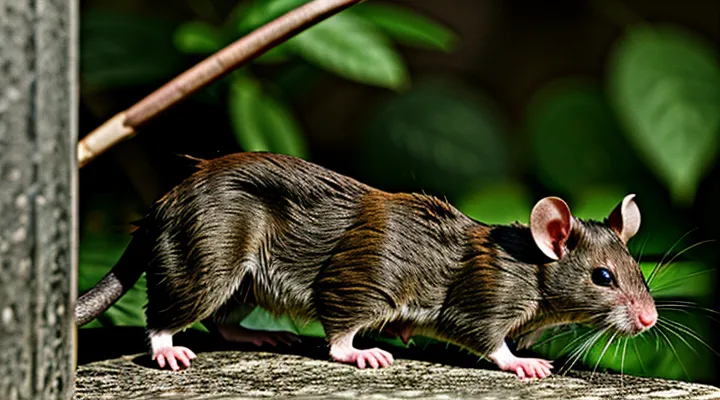
The Rodent Brain and Memory Mechanisms
Neurobiological Basis of Rat Memory
Hippocampus and Spatial Memory
The hippocampus is the principal brain region that supports spatial navigation in rodents. Its pyramidal cells generate location‑specific firing patterns known as place fields, providing an internal map of the environment. Synaptic plasticity within this structure, particularly long‑term potentiation, strengthens connections that encode new spatial layouts.
Experimental evidence demonstrates the hippocampus’s contribution to rat spatial memory:
- Lesions of the dorsal hippocampus impair performance in the Morris water maze, reducing the ability to locate a hidden platform after repeated trials.
- Inactivation of hippocampal circuits during the radial arm maze disrupts the recall of previously visited arms, indicating a loss of working spatial memory.
- In vivo electrophysiology records stable place cell activity that persists across days, correlating with the retention of learned routes.
- Optogenetic silencing of CA1 neurons during retrieval phases diminishes recall accuracy, confirming the region’s role in memory retrieval as well as acquisition.
Neurochemical modulation further refines spatial memory. Dopaminergic input to the hippocampus enhances plasticity, while cholinergic blockade degrades maze performance. These findings collectively establish the hippocampus as the neural substrate that encodes, consolidates, and retrieves spatial information in rats.
Amygdala and Emotional Memory
The amygdala governs the encoding of emotionally charged events in rats, linking affective cues with lasting representations. Its basolateral nuclei receive sensory input, while central nuclei project to brainstem structures that mediate autonomic and behavioral responses. Neurotransmitter systems, particularly glutamate and norepinephrine, drive synaptic plasticity within these circuits, strengthening connections that underlie emotional memory traces.
Lesion experiments demonstrate that removal of the basolateral amygdala impairs acquisition and retention of fear-conditioned stimuli, whereas pharmacological blockade of β‑adrenergic receptors reduces memory consolidation without affecting neutral tasks. Optogenetic activation of amygdalar neurons during training enhances subsequent recall, confirming causal involvement.
Behavioral protocols illustrate the amygdala’s function:
- Classical fear conditioning: pairing a tone with a foot shock produces robust freezing, dependent on intact amygdalar circuitry.
- Conditioned taste aversion: pairing a novel flavor with malaise generates long‑lasting avoidance, attenuated by amygdala inhibition.
- Contextual fear: exposure to a shock‑paired environment elicits sustained defensive behavior, requiring amygdala‑hippocampal interaction.
These paradigms reveal that emotional salience amplifies memory strength through amygdala‑mediated modulation of hippocampal consolidation pathways. The result is a selective enhancement of recollection for affectively relevant information, distinguishing it from neutral experiences in rat models of memory performance.
Prefrontal Cortex and Working Memory
The rodent prefrontal cortex (PFC) occupies the medial frontal region and integrates inputs from sensory, limbic, and thalamic areas. Its cellular architecture includes pyramidal neurons and interneurons that support sustained firing during short‑term retention periods, a hallmark of working memory.
Behavioral assays such as the delayed alternation task, T‑maze with inter‑trial intervals, and radial arm maze rely on the rat’s ability to hold spatial or cue information across a delay. Lesions confined to the medial PFC produce a marked decline in correct choices, indicating that the structure is required for maintaining task‑relevant representations during the pause.
Electrophysiological recordings reveal that a subpopulation of PFC neurons exhibits persistent activity throughout the delay interval, encoding the intended direction or location. This activity persists even when external stimuli are absent, providing a neural substrate for temporary storage.
Modulatory neurotransmitters shape PFC performance. Dopamine D1 receptor activation enhances the stability of delay‑related firing, while acetylcholine release improves signal‑to‑noise ratios in the network. Pharmacological blockade of either system disrupts working‑memory accuracy in the same behavioral paradigms.
Key observations
- Medial PFC lesions impair delayed alternation and T‑maze performance.
- Persistent neuronal firing during delays encodes prospective choices.
- Dopamine D1 and acetylcholine signaling modulate the fidelity of working‑memory representations.
- Pharmacological disruption of these pathways reproduces lesion‑like deficits.
Collectively, the evidence links the rat prefrontal cortex to the short‑term retention of information required for successful navigation of memory‑dependent tasks.
Types of Memory in Rats
Spatial Memory: Navigation and Environments
Rats rely on spatial memory to locate food, avoid predators, and return to nesting sites. This capability emerges from the integration of external cues and internal representations of the environment.
Experimental assessments commonly employ:
- Water maze tasks, where rats learn the position of a hidden platform using distal visual markers.
- Radial arm mazes, which test the ability to remember which arms have been visited.
- Open‑field arenas with distinct landmarks, measuring path efficiency over repeated trials.
Neural mechanisms involve hippocampal place cells that fire at specific locations, and entorhinal grid cells that generate a metric framework for movement. Lesions to these regions impair navigation, confirming their central role.
Performance varies with environmental complexity, stress exposure, and age. Simple layouts yield rapid acquisition; intricate mazes demand longer training and produce higher error rates. Chronic stress reduces retention, while aged rats show slower learning curves and diminished recall accuracy.
Overall, rats demonstrate robust spatial memory, capable of forming detailed maps of their surroundings and retrieving them after delays ranging from minutes to weeks. Their navigation proficiency provides a reliable model for studying memory processes in mammals.
Recognition Memory: Objects and Individuals
Rats demonstrate robust recognition memory for both inanimate objects and conspecifics, allowing researchers to quantify how long and how accurately these animals retain specific information. In object‑recognition tasks, rats are exposed to two identical items, then after a delay one item is replaced with a novel object. Preference for exploring the novel item indicates successful discrimination, and performance declines systematically as the retention interval lengthens. In social‑recognition paradigms, a rat encounters an unfamiliar conspecific, and later is presented with the familiar and a new individual; increased investigation of the novel animal reflects memory for the previous social partner.
Key variables that shape recognition outcomes include:
- Retention interval (seconds to days); longer delays produce lower discrimination ratios.
- Stimulus complexity; objects with distinctive textures or shapes yield higher recognition rates than feature‑poor items.
- Prior experience; repeated exposure to a specific object or individual enhances durability of the memory trace.
- Neurological manipulation; lesions of the perirhinal cortex impair object recognition, while hippocampal damage disrupts social recognition, indicating partially distinct neural circuits.
Neurophysiological recordings reveal that object‑recognition relies on firing patterns in the perirhinal cortex that differentiate novel from familiar stimuli, whereas social‑recognition engages the medial amygdala and ventral hippocampus to encode identity cues. Pharmacological studies show that antagonism of NMDA receptors reduces both forms of recognition, confirming glutamatergic involvement in the consolidation phase.
Collectively, these findings establish that rats possess a dual‑system recognition capacity, capable of distinguishing both physical objects and fellow rats with measurable precision across varying temporal windows.
Associative Memory: Classical and Operant Conditioning
Rats demonstrate robust associative memory, allowing researchers to quantify learning through well‑defined behavioral paradigms. Classical conditioning pairs a neutral stimulus (e.g., a tone) with an unconditioned stimulus (e.g., a foot‑shock) until the neutral cue alone elicits a conditioned response such as freezing. This protocol reveals the capacity of rats to form stimulus–stimulus links and retain them over intervals ranging from minutes to weeks, depending on training intensity and inter‑trial spacing.
Operant conditioning assesses stimulus–response associations by reinforcing specific actions (e.g., lever presses) with rewarding or punishing outcomes. Key features include:
- Reinforcement schedule: Fixed‑ratio, variable‑ratio, fixed‑interval, and variable‑interval schedules shape response rates and persistence.
- Extinction: Removal of reinforcement leads to a gradual decline in the learned behavior, providing a measure of memory retention.
- Reacquisition: Re‑establishing the response after extinction demonstrates the durability of the original association.
Comparative studies show that classical conditioning often yields rapid acquisition but may produce shorter retention spans, whereas operant conditioning can generate more durable memory traces when reinforced under variable‑ratio schedules. Neurobiological investigations link both forms to hippocampal and amygdalar circuits, with dopamine signaling in the nucleus accumbens playing a pivotal role in operant reinforcement. Together, these paradigms constitute the primary experimental toolkit for evaluating how well rats encode, store, and retrieve associative information.
Factors Influencing Rat Memory
Genetic Predisposition
Strain Differences in Memory Performance
Research comparing laboratory rat strains consistently reveals measurable variation in spatial, working, and episodic-like memory tasks. Inmaz, Long‑Evans, and Sprague‑Dawley rats differ in acquisition speed on the Morris water maze, with Long‑Evans subjects typically reaching criterion faster than Sprague‑Dawley. In the radial arm maze, inbred strains such as Fischer 344 display higher error rates than outbred counterparts, indicating reduced working‑memory efficiency.
Genetic background influences hippocampal plasticity, which underlies observed performance gaps. Studies measuring long‑term potentiation (LTP) report stronger synaptic potentiation in C57BL/6J mice, a pattern echoed in rat analogues that exhibit superior retention in contextual fear conditioning. Gene expression analyses associate elevated BDNF and NMDA‑receptor subunit levels with enhanced memory consolidation in strains showing lower error frequencies.
Environmental interactions modulate strain‑specific outcomes. When subjected to enriched housing, all strains improve, yet the magnitude of improvement varies: inbred strains gain up to 30 % in probe‑trial accuracy, whereas outbred strains improve by 10–15 %. This differential responsiveness suggests that baseline genetic predisposition determines the ceiling of environmental benefit.
Key observations:
- Acquisition latency: Long‑Evans < Sprague‑Dawley < Fischer 344.
- Error rate in working‑memory tasks: Fischer 344 > Sprague‑Dawley > Long‑Evans.
- Synaptic plasticity markers (LTP magnitude, BDNF expression) correlate positively with performance across strains.
- Enrichment effects: greatest relative gains in inbred strains, modest gains in outbred strains.
These findings support the conclusion that rat strain selection critically shapes experimental outcomes in memory research and must be accounted for in study design and data interpretation.
Genetic Markers and Memory Impairment
Genetic investigations have identified several loci that correlate with reduced performance on spatial and recognition tasks in laboratory rodents. Polymorphisms in the brain‑derived neurotrophic factor (BDNF) gene, especially the Val66Met variant, diminish synaptic plasticity and lead to longer escape latencies in the Morris water maze. Allelic variations of the apolipoprotein E (APOE) gene, primarily the ε4 allele, associate with accelerated decline in novel object recognition scores. Mutations in the catechol‑O‑methyltransferase (COMT) promoter affect dopamine metabolism and impair working memory in delayed alternation tests.
Quantitative trait locus (QTL) mapping in heterogeneous stock rats consistently isolates regions on chromosomes 2, 7, and 12 that contain candidate genes such as Grin2b, Camk2a, and Syn1. Transcriptomic profiling of these regions reveals down‑regulation of synaptic signaling pathways in animals exhibiting the poorest retention after a 24‑hour delay. Epigenetic marks, including hypomethylation of the promoter region of the Creb1 gene, further modulate gene expression and exacerbate memory deficits.
Application of CRISPR‑Cas9 to knock out or edit these markers validates causal relationships. Rats with targeted disruption of Bdnf exon 9 display a 35 % increase in errors during radial arm maze trials, while restoration of normal APOE expression rescues performance to baseline levels. These manipulations confirm that specific genetic alterations directly impair memory consolidation and retrieval.
Practical implications include:
- Use of identified markers for selective breeding of phenotypically stable models.
- Development of pharmacological agents aimed at restoring normal BDNF signaling.
- Implementation of gene‑therapy approaches to correct APOE‑related deficits.
Environmental Impact
Enrichment and Cognitive Enhancement
Environmental enrichment modifies rat hippocampal function, leading to measurable improvements in spatial and object memory. Experimental protocols compare standard cages with enriched environments that incorporate varied stimuli, and performance differences emerge consistently across tasks.
Enrichment strategies typically include:
- Complex housing structures (tunnels, platforms, nesting material) that increase locomotor activity.
- Social grouping that expands interaction opportunities.
- Cognitive challenges such as puzzle feeders, rotating objects, and maze exposure.
Studies report that rats housed in enriched conditions achieve higher success rates in Morris water maze trials, display faster acquisition in radial arm tasks, and retain novel object recognition longer than control groups. Neurobiological assessments reveal elevated brain‑derived neurotrophic factor levels, enhanced synaptic plasticity markers, and increased dendritic branching within the dentate gyrus.
Implementing enrichment protocols in laboratory settings therefore provides a reliable method for augmenting rat cognition, offering a robust model for investigating mechanisms underlying memory enhancement.
Stress and Memory Decline
Experimental investigations frequently assess how exposure to stressors modifies memory retention in laboratory rodents. Researchers employ paradigms such as restraint, unpredictable noise, or social defeat to induce physiological stress and then evaluate performance on tasks that require spatial navigation, object discrimination, or fear conditioning.
Stress activates the hypothalamic‑pituitary‑adrenal axis, leading to elevated corticosterone levels. This hormonal surge influences hippocampal synaptic plasticity, reduces dendritic spine density, and interferes with long‑term potentiation. Parallel alterations occur in the prefrontal cortex, where stress‑induced catecholamine fluctuations compromise executive control over memory encoding and retrieval.
Behavioral outcomes show a consistent pattern:
- Acute stress administered immediately before testing impairs acquisition of spatial cues in the Morris water maze.
- Chronic stress over several weeks produces deficits in object‑recognition accuracy and prolongs latency in fear‑conditioned extinction.
- Stress exposure during the consolidation window (30–90 min post‑training) reduces retention scores on passive avoidance tasks.
Experimental design factors crucially affect results. The intensity and duration of the stressor, the interval between stress exposure and learning, and the genetic background of the rat strain each modulate the magnitude of memory decline. Controlling these variables enables reliable comparison across studies and clarifies the neurobiological mechanisms linking stress to impaired cognition.
Early Life Experiences and Long-Term Memory
Early postnatal conditions shape the durability of spatial and associative memories in laboratory rats. Studies that expose neonates to maternal separation for several hours each day report reduced performance in the Morris water maze after six months, indicating weakened hippocampal‑dependent retention. Conversely, pups raised in enriched cages with novel objects, tunnels, and social companions display enhanced navigation accuracy and longer retention intervals, often exceeding one year.
Neurobiological analyses reveal that adverse early environments increase glucocorticoid receptor expression in the dentate gyrus, elevate hippocampal cortisol levels, and suppress synaptic plasticity markers such as BDNF. Enriched rearing produces the opposite pattern: higher BDNF concentrations, increased dendritic branching, and sustained long‑term potentiation. Epigenetic profiling shows that maternal deprivation induces hypermethylation of the promoter regions for genes involved in memory consolidation, whereas enrichment promotes hypomethylation, facilitating transcriptional activation.
Behavioral experiments using fear‑conditioned tone–shock protocols demonstrate that early stress accelerates extinction of conditioned responses, while enrichment prolongs fear memory persistence. The effect persists across generations; offspring of stressed dams exhibit memory deficits even when reared under standard conditions, suggesting transgenerational transmission through germline epigenetic marks.
Key observations can be summarized as follows:
- Maternal separation: impaired spatial memory, reduced BDNF, increased glucocorticoid signaling.
- Environmental enrichment: enhanced navigation accuracy, elevated synaptic plasticity, hypomethylated memory‑related genes.
- Transgenerational impact: offspring inherit epigenetic signatures that modulate memory capacity.
These findings establish early life experience as a determinant of long‑term memory stability in rats, linking behavioral outcomes to specific molecular and cellular adaptations.
Age-Related Memory Changes
Memory Development in Pups
Early post‑natal weeks show rapid establishment of hippocampal circuits that support spatial and contextual memory. Rat pups acquire the ability to navigate simple mazes by post‑natal day (PND) 15, coinciding with synaptic pruning and increased long‑term potentiation in the CA1 region. Neurogenesis peaks around PND 21, providing a substrate for the consolidation of new experiences.
Memory performance improves in a stepwise pattern:
- PND 10–12: Limited cue‑based learning; reliance on maternal odor cues.
- PND 13–16: Emergence of location discrimination; basic place‑learning in T‑mazes.
- PND 17–20: Integration of multiple cues; short‑term retention of up to 30 minutes.
- PND 21 onward: Stable long‑term memory; retention periods extend beyond 24 hours, comparable to adult rats.
Environmental enrichment accelerates these milestones. Exposure to varied textures, objects, and social interaction during the first three weeks increases dendritic branching and improves performance on delayed‑match‑to‑sample tasks. Conversely, deprivation delays the onset of reliable spatial memory, reflecting reduced synaptic density in the dentate gyrus.
Overall, the developmental trajectory of memory in rat pups aligns with the maturation of hippocampal networks, providing a model for assessing how early experiences shape cognitive capacity throughout the lifespan.
Cognitive Aging in Elderly Rats
Research on aged laboratory rats demonstrates a measurable decline in spatial and episodic memory performance. Standard maze tasks reveal longer latency to locate a hidden platform and reduced accuracy in navigating previously learned routes. Electrophysiological recordings show diminished long‑term potentiation in the hippocampal CA1 region, indicating weakened synaptic plasticity.
Key age‑related alterations include:
- Reduced dendritic spine density in prefrontal cortex neurons
- Lower expression of brain‑derived neurotrophic factor (BDNF)
- Accumulation of oxidative stress markers in the hippocampus
- Impaired neurogenesis in the dentate gyrus
These physiological changes correlate with observed deficits in working memory and pattern separation. Longitudinal studies confirm that the rate of decline accelerates after middle age, suggesting a critical window for intervention. Pharmacological agents that enhance cholinergic signaling or antioxidant capacity partially restore performance in aged rats, highlighting potential therapeutic targets for age‑associated cognitive impairment.
Interventions to Mitigate Age-Related Decline
Age‑related deterioration of spatial and episodic memory in rodents is measurable through maze navigation, object‑recognition, and conditioned‑avoidance tasks. Experimental evidence identifies several strategies that attenuate this decline.
- Environmental enrichment: Complex cages with tunnels, wheels, and novel objects increase hippocampal synaptic density and improve performance on Morris‑water‑maze trials in older rats.
- Caloric restriction: Daily intake reduced to 70 % of ad libitum levels prolongs long‑term potentiation and preserves discrimination accuracy in aged subjects.
- Physical exercise: Voluntary wheel running elevates brain‑derived neurotrophic factor (BDNF) levels, restores dendritic branching, and enhances recall of previously learned patterns.
- Pharmacological modulation:
- Ampakines amplify AMPA‑receptor mediated transmission, yielding faster acquisition and reduced forgetting rates.
- Acetylcholinesterase inhibitors (e.g., donepezil) sustain cholinergic signaling, supporting retrieval in delayed‑match‑to‑sample tasks.
- NMDA‑receptor partial agonists (e.g., D‑cycloserine) facilitate synaptic plasticity during training sessions.
- Hormonal supplementation: Estradiol administration in female rats restores hippocampal spine density and improves object‑location memory.
- Gene‑therapy approaches: Viral vectors delivering neurotrophic genes (e.g., BDNF, IGF‑1) produce lasting improvements in maze navigation after mid‑life onset.
Combining multiple interventions—such as enrichment plus exercise—produces additive effects, suggesting that synergistic protocols may offer the most robust protection against cognitive aging in rodent models.
Experimental Approaches to Studying Rat Memory
Behavioral Paradigms
Morris Water Maze
The Morris Water Maze is a standard experimental apparatus for assessing spatial learning and memory in rodents. A circular pool is filled with opaque water, concealing a submerged platform that rats must locate using distal visual cues placed around the testing room. Performance is recorded by tracking swim paths, latency to reach the platform, and the distance traveled.
During acquisition trials, rats receive multiple daily sessions in which the platform remains fixed. Progressive reductions in latency and path length indicate the formation of a spatial map. A probe trial, conducted after the platform is removed, measures memory retention by quantifying the time spent in the target quadrant and the number of platform-area crossings.
Key variables influencing outcomes include:
- Platform visibility (visible vs. hidden) to differentiate procedural learning from spatial navigation.
- Inter‑trial interval, affecting consolidation processes.
- Water temperature, maintained at 22 ± 1 °C to prevent hypothermia and ensure consistent motivation.
Data analysis typically employs repeated‑measures ANOVA to compare learning curves across groups, and circular statistics for directional bias during probe trials. The maze’s sensitivity to hippocampal lesions, pharmacological manipulations, and genetic modifications makes it a reliable tool for quantifying how well rats retain spatial information over short and long intervals.
Radial Arm Maze
The radial arm maze (RAM) is a standard apparatus for evaluating spatial working and reference memory in laboratory rats. Its design consists of a central platform from which multiple arms radiate outward, each ending in a food reward location. Rats must navigate the maze, remembering which arms have been visited to obtain food while avoiding revisits that yield no reward.
Performance metrics derived from RAM trials include:
- Number of correct arm entries before the first error, reflecting working memory capacity.
- Total errors (re-entries into previously visited arms), indicating memory decay over the session.
- Latency to first reward, providing a measure of exploratory efficiency.
- Pattern of arm selection, useful for distinguishing between strategy use (e.g., systematic versus random searching).
Experimental protocols typically involve a training phase where rats learn the location of rewards, followed by test sessions that manipulate variables such as delay intervals, arm visibility, or pharmacological agents. Data from these sessions allow researchers to quantify how well rats retain spatial information over short and long intervals, and to assess the impact of genetic, developmental, or neurochemical factors on memory performance.
Interpretation of RAM results relies on statistical comparison between experimental groups and control cohorts. Consistent patterns of reduced errors and faster acquisition across trials signal robust spatial memory, whereas increased perseverative errors or prolonged latency suggest deficits. The maze’s sensitivity to subtle alterations in hippocampal function makes it a valuable tool for probing the mechanisms underlying rat memory retention.
Novel Object Recognition Test
The Novel Object Recognition (NOR) test evaluates recognition memory in rats by exploiting their innate preference for novelty. During the acquisition phase, a rat explores two identical objects placed in an arena for a fixed period, typically 5–10 minutes. After a retention interval that can range from minutes to days, one familiar object is replaced with a novel item, and the animal’s exploration time is recorded. A higher proportion of time spent with the novel object indicates successful memory retention.
Key procedural elements include:
- Arena dimensions: Standard open‑field boxes (40 × 40 × 40 cm) with uniform lighting.
- Object selection: Objects differ in shape, texture, and color but share similar size to prevent bias.
- Retention intervals: Short (1–2 h) for short‑term memory, longer (24 h or more) for long‑term memory assessment.
- Data collection: Automated video tracking or manual scoring, expressed as a discrimination index: (time with novel − time with familiar) / total exploration time.
Interpretation relies on the discrimination index; values above zero reflect recognition of the familiar object. Consistency across trials, adequate habituation to the arena, and control of olfactory cues are essential for reliable results.
Advantages of the NOR test include minimal stress, low cost, and suitability for repeated testing in the same subjects. Limitations involve sensitivity to object characteristics, potential influence of locomotor activity, and the need for careful control of environmental variables.
When applied to rat memory research, the NOR test provides quantitative insight into the integrity of hippocampal‑dependent recognition processes and serves as a benchmark for evaluating pharmacological or genetic manipulations that affect memory performance.
Fear Conditioning
Fear conditioning is a standard paradigm for evaluating associative memory in rodents. The procedure pairs a neutral stimulus, typically a tone, with an aversive event such as a mild foot shock. After repeated pairings, the tone alone elicits a defensive response, most commonly freezing, which quantifies the strength of the learned association.
During acquisition, a single session presents several tone‑shock pairings separated by inter‑trial intervals of 1–3 minutes. The intensity of the shock ranges from 0.5 to 1.0 mA, lasting 0.5–2 seconds. Retention is tested by re‑exposing the animal to the tone after a delay that can vary from minutes to weeks, allowing assessment of short‑ and long‑term memory.
Key variables influencing performance include:
- Contextual cues (chamber shape, lighting, odor) that may become associated with the shock.
- Number of pairings; fewer pairings generate weaker memories, while multiple pairings strengthen retention.
- Inter‑trial interval length; longer intervals promote consolidation.
- Post‑training manipulations (pharmacological agents, lesions) that reveal underlying neural mechanisms.
Neurobiologically, fear conditioning engages the amygdala for stimulus‑shock association, the hippocampus for contextual encoding, and the prefrontal cortex for extinction and modulation. Lesions or receptor antagonists targeting these regions produce predictable deficits in freezing, confirming their roles in memory formation and retrieval.
Neuroscientific Techniques
Electrophysiology: Recording Neural Activity
Electrophysiological recordings provide direct access to the neuronal substrates that underlie spatial and episodic memory in rodents. By measuring voltage fluctuations generated by individual neurons or populations, researchers can link specific firing patterns to the acquisition, consolidation, and retrieval of learned tasks.
Typical approaches include:
- In vivo single‑unit recordings: microelectrodes positioned in hippocampal subfields capture action potentials during maze navigation or object recognition trials.
- Local field potential (LFP) monitoring: broadband signals reflect synchronized synaptic activity, allowing assessment of theta‑gamma coupling associated with memory encoding.
- Multi‑site silicon probe arrays: simultaneous sampling across cortical and subcortical structures reveals network dynamics during delayed‑match‑to‑sample tasks.
- Optogenetically tagged recordings: light‑controlled activation identifies cell types contributing to memory traces while preserving electrophysiological signatures.
Experimental design follows a sequence: baseline neural activity is recorded, the rat undergoes a learning phase (e.g., Morris water maze, radial arm maze), and post‑training recordings track changes in firing rate, burst frequency, and phase locking. Comparative analysis between correct and error trials isolates activity patterns predictive of successful recall.
Data interpretation relies on statistical models that quantify the relationship between spike timing and behavioral outcomes. Correlation of increased theta power with correct arm entries, for example, supports the hypothesis that hippocampal rhythmicity facilitates spatial navigation. Conversely, disruption of gamma oscillations by pharmacological agents often coincides with impaired retention, indicating a causal link.
Limitations include electrode drift, tissue inflammation, and the difficulty of distinguishing causation from correlation. Mitigation strategies involve chronic implant stabilization, histological verification, and the integration of complementary techniques such as calcium imaging or functional MRI.
Overall, electrophysiology furnishes precise temporal resolution necessary to map the neural code of memory in rats, enabling the identification of functional circuits that sustain long‑term information storage.
Optogenetics and Chemogenetics
Optogenetics and chemogenetics provide precise control over neuronal circuits that encode and retrieve memory traces in rodents, allowing researchers to quantify the durability of rat memory performance. By delivering light‑sensitive ion channels or designer receptors to specific brain regions, these techniques enable reversible activation or silencing of targeted neuronal populations during behavioral assays.
Optogenetic protocols employ viral vectors to express channelrhodopsins, halorhodopsins, or step‑function opsins in hippocampal pyramidal cells, entorhinal cortex projections, or prefrontal circuits. Light delivery through implanted fibers achieves millisecond‑scale temporal resolution, permitting manipulation of activity during distinct phases of learning, consolidation, or recall. Experiments that pair light‑induced inhibition with spatial navigation tasks reveal the necessity of theta‑rhythmic firing for long‑term place‑field stability, while patterned excitation can rescue performance after pharmacological disruption.
Chemogenetic approaches rely on engineered G‑protein‑coupled receptors (DREADDs) activated by otherwise inert ligands such as clozapine‑N‑oxide. Systemic injection produces sustained modulation lasting several hours, matching the temporal window of consolidation processes. Targeted expression of excitatory hM3Dq or inhibitory hM4Di receptors in the dorsal hippocampus has demonstrated that prolonged suppression of neuronal firing during the post‑training interval impairs retention measured 24 hours later, whereas activation enhances recall after a 7‑day delay.
Key comparative points:
- Temporal precision: optogenetics → sub‑second; chemogenetics → minutes‑to‑hours.
- Spatial specificity: both achieve cell‑type targeting; optogenetics requires fiber placement, chemogenetics relies on systemic ligand diffusion.
- Behavioral impact: optogenetics suited for trial‑by‑trial manipulation; chemogenetics appropriate for prolonged state changes.
- Technical demands: optogenetics involves surgical implantation and light hardware; chemogenetics demands ligand synthesis and pharmacokinetic monitoring.
Collectively, these methodologies elucidate the causal relationship between defined neuronal ensembles and the persistence of memory traces in rats. By isolating the contribution of specific circuits during acquisition, consolidation, and retrieval, optogenetics and chemogenetics generate quantitative benchmarks for how well rats retain learned information across varying time intervals.
Lesion Studies
Lesion studies provide direct evidence about the neural substrates of rat memory by selectively disabling specific brain regions and observing subsequent performance on spatial, object‑recognition, and fear‑conditioning tasks. Permanent electrolytic or excitotoxic lesions target structures such as the hippocampus, entorhinal cortex, dorsal striatum, and amygdala; reversible inactivations use pharmacological agents (e.g., muscimol) or optogenetic silencing to assess short‑term contributions. Comparative designs often include sham‑operated controls to isolate the effects of tissue damage from surgical stress.
Key observations from these experiments include:
- Hippocampal lesions impair acquisition and retention of maze navigation, indicating a central role in spatial mapping.
- Entorhinal cortex damage reduces performance on object‑location discrimination, suggesting involvement in integrating spatial and contextual cues.
- Dorsal striatum lesions disrupt habit formation while leaving initial learning intact, separating procedural memory from declarative components.
- Amygdala inactivation attenuates fear‑conditioned responses without affecting neutral spatial tasks, highlighting affective modulation of memory.
Methodological rigor requires precise lesion verification through histology, verification of behavioral baseline, and statistical comparison of performance metrics (e.g., latency, error rate, freezing duration). The convergence of lesion data with electrophysiological and imaging findings strengthens the mapping of memory circuits, clarifying how specific structures contribute to the durability and specificity of rat memory.
Comparative Aspects of Rat and Human Memory
Similarities in Memory Systems
Rats possess memory architectures that closely parallel those of other mammals, providing a reliable model for studying mnemonic processes. Structural correspondence includes a hippocampal formation organized into dentate gyrus, CA3, and CA1 subfields, which mirrors the layout observed in primates. Synaptic plasticity mechanisms, such as long‑term potentiation and long‑term depression, operate with comparable induction thresholds and molecular cascades across species.
Key functional parallels are evident in the types of memory encoded:
- Spatial navigation relies on hippocampal place cells that fire in location‑specific patterns, a phenomenon also recorded in humans performing virtual maze tasks.
- Contextual fear conditioning engages amygdala‑hippocampal circuits that associate environmental cues with aversive outcomes, reflecting a shared emotional memory pathway.
- Working memory tasks activate prefrontal cortical networks, demonstrating equivalent short‑term information retention mechanisms.
Molecular signatures further align rat and human memory systems. NMDA‑type glutamate receptors, calcium‑dependent signaling proteins (e.g., CaMKII), and transcription factors such as CREB regulate synaptic strengthening in both organisms. Epigenetic modifications, including DNA methylation and histone acetylation, modulate gene expression during memory consolidation, indicating conserved regulatory layers.
These cross‑species consistencies justify extrapolating rat data to broader neurocognitive contexts. Researchers can leverage rat models to test pharmacological agents, genetic manipulations, and behavioral interventions with confidence that observed effects will likely translate to human memory studies.
Differences in Cognitive Complexity
Rats exhibit measurable variation in cognitive complexity, influencing how they encode, retain, and retrieve spatial and episodic information. Laboratory strains differ in hippocampal synaptic plasticity, with Long‑Evans rats typically showing higher long‑term potentiation than Sprague‑Dawley counterparts, resulting in more rapid acquisition of maze tasks. Age-related decline manifests as reduced theta rhythm coherence, diminishing performance on delayed alternation tests. Environmental enrichment enhances dendritic branching, expanding the capacity for pattern separation and improving discrimination of similar contexts.
Key factors contributing to divergent cognitive profiles include:
- Genetic background: allelic variations in NMDA‑receptor subunits modulate learning speed.
- Developmental stage: juvenile rats demonstrate heightened plasticity but limited strategy use.
- Stress exposure: chronic corticosterone elevation impairs prefrontal‑hippocampal communication, lowering working‑memory span.
- Social hierarchy: dominant individuals allocate more attentional resources during exploration, yielding superior recall.
Neurochemical assessments reveal that elevated acetylcholine release correlates with enhanced cue‑dependent memory, whereas dopamine fluctuations primarily affect reward‑based learning. Electrophysiological recordings confirm that rats with richer cortical networks generate more complex firing patterns during retrieval, indicating deeper hierarchical processing.
These distinctions underscore the necessity of selecting appropriate rat models when evaluating memory capacity, as cognitive complexity directly shapes experimental outcomes.
Translational Relevance for Neurological Disorders
Research on spatial and episodic memory in rodents provides a mechanistic bridge to human neurological conditions. Rodent paradigms such as the Morris water maze, radial arm maze, and novel object recognition generate quantitative metrics of learning rate, retention interval, and error patterns that correspond to hippocampal and cortical circuit function. These metrics can be aligned with imaging and electrophysiological biomarkers used in clinical trials, enabling direct comparison across species.
Key translational contributions include:
- Identification of synaptic plasticity pathways (e.g., NMDA‑receptor signaling, BDNF modulation) that are conserved between rats and humans and serve as therapeutic targets for Alzheimer’s disease and traumatic brain injury.
- Validation of pharmacological agents that improve performance in rodent memory tasks; successful compounds often progress to phase I/II trials with measurable cognitive endpoints.
- Development of genetic models (e.g., APP/PS1, Tau transgenic rats) that replicate hallmark pathology of neurodegenerative disorders, allowing assessment of disease‑modifying interventions before human testing.
- Establishment of behavioral phenotypes that predict disease progression, such as accelerated forgetting curves that mirror early cognitive decline in Parkinson’s disease patients.
By integrating rodent behavioral data with human neuroimaging, proteomics, and clinical outcome measures, researchers generate predictive models of disease trajectory. These models inform patient stratification, dosage optimization, and endpoint selection for clinical studies, reducing translational attrition. Consequently, memory research in rats underpins the pipeline from basic discovery to therapeutic application for a range of neurological disorders.