
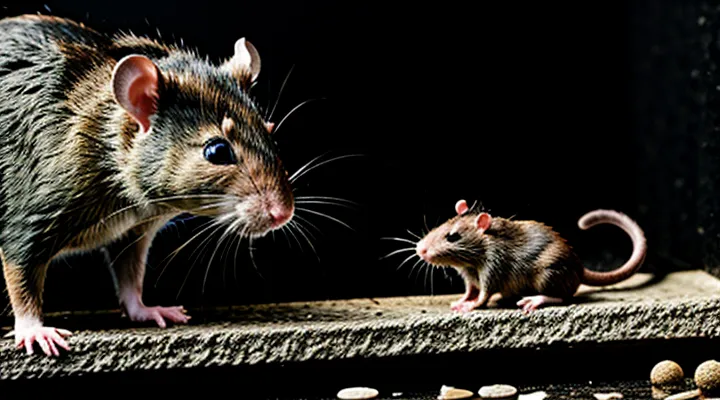
Types of Rodenticides
Anticoagulant Rodenticides
First-Generation Anticoagulants
First‑generation anticoagulant rodenticides are vitamin K antagonists that disrupt blood coagulation by blocking the enzyme vitamin K epoxide reductase (VKOR). Inhibition of VKOR prevents the regeneration of reduced vitamin K, a cofactor required for γ‑carboxylation of clotting factors II, VII, IX and X. Without functional clotting factors, the coagulation cascade stalls, leading to uncontrolled internal hemorrhage and death.
Typical compounds in this class include warfarin, chlorophacinone, diphacinone, coumachlor and bromadiolone. These agents share several pharmacological properties:
- Absorption: rapid gastrointestinal uptake; bioavailability varies with formulation and diet.
- Distribution: high affinity for hepatic tissue; moderate plasma protein binding.
- Metabolism: hepatic cytochrome P450 enzymes convert the parent compound to inactive metabolites; metabolic rate influences onset of toxicity.
- Elimination: renal excretion of metabolites; half‑lives range from 1 day (warfarin) to 3 days (chlorophacinone).
Efficacy depends on cumulative dosing. Single‑dose lethality is limited; repeated ingestion raises plasma concentrations until clotting factor depletion reaches a critical threshold. This cumulative effect distinguishes first‑generation agents from newer, high‑potency anticoagulants that act after a single dose.
Resistance arises when target rodents acquire mutations in the VKORC1 gene, reducing binding affinity of the antagonist. Consequently, control programs often rotate active ingredients or supplement with alternative toxicants to mitigate resistance development.
Secondary poisoning risk is moderate because the parent compounds and metabolites persist in predator tissues. Wildlife and domestic animals that consume poisoned rodents may experience sub‑lethal coagulopathy, necessitating monitoring and, when required, administration of vitamin K1 therapy to restore clotting function.
Second-Generation Anticoagulants
Second‑generation anticoagulant rodenticides (SGARs) such as brodifacoum, difenacoum, bromadiolone and difethialone exert their lethal effect by targeting the vitamin K cycle. They bind with high affinity to the enzyme vitamin K epoxide reductase (VKOR), preventing the regeneration of reduced vitamin K. Consequently, the γ‑carboxylation of clotting factors II, VII, IX and X is blocked, producing a rapid decline in functional coagulation proteins and resulting in uncontrolled internal bleeding.
Key pharmacological characteristics of SGARs include:
- Potency: 10–100 times more effective than first‑generation compounds, allowing lower dosages to achieve lethal outcomes.
- Persistence: Strong lipophilicity yields tissue accumulation and biological half‑lives measured in weeks to months, extending anticoagulant activity after a single ingestion.
- Resistance profile: Structural modifications reduce susceptibility to common VKOR mutations that confer resistance to earlier agents.
- Metabolism: Primarily hepatic oxidation and conjugation; metabolites retain anticoagulant activity, contributing to prolonged effect.
- Antidote response: High‑dose oral vitamin K₁ (phytonadione) reverses coagulopathy, but dosing must account for the extended half‑life of SGARs to prevent relapse.
The extended residence time of SGARs in hepatic and adipose stores creates a secondary exposure risk for predators and scavengers that consume poisoned rodents. Environmental monitoring therefore emphasizes bait placement control, use of biodegradable packaging, and strict adherence to dosage guidelines to mitigate non‑target ingestion.
Non-Anticoagulant Rodenticides
Cholecalciferol
Cholecalciferol, a synthetic form of vitamin D₃, is employed as a second‑generation anticoagulant‑free rodenticide. After ingestion, the compound is absorbed through the gastrointestinal tract and transported to the liver, where it is hydroxylated to 25‑hydroxycholecalciferol. Subsequent renal conversion yields the biologically active metabolite 1,25‑dihydroxycholecalciferol (calcitriol). This metabolite binds to intracellular vitamin‑D receptors, inducing transcription of calcium‑transport proteins and enhancing intestinal calcium absorption.
Elevated calcitriol levels rapidly increase serum calcium, producing hypercalcemia that disrupts cardiac electrophysiology, precipitates vasoconstriction, and impairs renal concentrating ability. Persistent hypercalcemia leads to:
- Calcification of soft tissues, especially the myocardium and pulmonary vessels
- Renal tubular necrosis and acute kidney injury
- Neuromuscular weakness and seizures due to altered neuronal excitability
The lethal dose for rats ranges from 2 mg/kg to 5 mg/kg body weight, depending on age and nutritional status. Toxicity manifests within 24–48 hours, with clinical signs of lethargy, polyuria, and ataxia preceding death from cardiac arrhythmia or respiratory failure.
Management of accidental exposure relies on early decontamination, intravenous fluid therapy to promote calciuresis, and administration of bisphosphonates or calcitonin to inhibit bone resorption. Prompt veterinary intervention can reduce mortality when treatment begins before irreversible organ calcification occurs.
Bromethalin
Bromethalin is a second‑generation, diphenyl ether rodenticide that exerts its lethal effect through disruption of cellular energy metabolism. After oral ingestion, the compound is absorbed from the gastrointestinal tract and distributed systemically, reaching the central nervous system within hours. Hepatic cytochrome P450 enzymes convert bromethalin to its N‑demethyl metabolite, which possesses greater potency in the target organ.
The active metabolite interferes with mitochondrial oxidative phosphorylation by uncoupling electron transport from ATP synthesis. This uncoupling collapses the proton gradient across the inner mitochondrial membrane, causing a rapid decline in intracellular ATP levels. Energy‑dependent ion pumps fail, leading to cellular swelling, particularly in neurons and glial cells. Resulting cerebral edema elevates intracranial pressure, compresses brain tissue, and produces widespread neurological dysfunction.
Key toxicological manifestations include:
- Progressive ataxia and loss of coordination
- Tremors, seizures, and paralysis of hind limbs
- Respiratory depression secondary to central nervous system failure
- Death typically occurs 24–72 hours post‑exposure, reflecting the delayed onset of clinical signs
Lethal dose estimates for adult rats range from 2 to 4 mg kg⁻¹ body weight. Because bromethalin does not act as a direct anticoagulant, it avoids the hemorrhagic complications associated with first‑generation anticoagulant poisons. However, its high potency and delayed symptomatology demand careful formulation and restricted access to prevent accidental exposure.
Zinc Phosphide
Zinc phosphide (Zn₃P₂) functions as a rodenticide through a chemical conversion that occurs after ingestion. In the acidic environment of the stomach, Zn₃P₂ reacts with hydrochloric acid to generate phosphine gas (PH₃) and zinc chloride:
Zn₃P₂ + 6 HCl → 3 ZnCl₂ + 2 PH₃↑
Phosphine is a highly toxic, colorless gas that is readily absorbed across the gastrointestinal mucosa and enters systemic circulation. Once in the bloodstream, phosphine exerts its lethal effect by disrupting mitochondrial oxidative phosphorylation. The gas binds to cytochrome c oxidase, impeding electron transfer and halting ATP production. Concurrently, phosphine induces oxidative damage to cellular membranes and proteins, leading to rapid failure of vital organ systems.
Key toxicological features include:
- Acute onset of respiratory distress, cyanosis, and metabolic acidosis within minutes to hours.
- Cardiac depression manifested as arrhythmias and hypotension.
- Hepatic and renal impairment due to oxidative injury.
- Lethal dose for rats typically ranges from 0.5 to 2 mg Zn₃P₂ per kilogram of body weight.
The rapid generation of phosphine and its multi‑target cellular toxicity explain the high efficacy of zinc phosphide in controlling rodent populations. Proper handling and dosage control are essential to mitigate accidental exposure and environmental contamination.
Strychnine (Historical/Restricted Use)
Strychnine, an alkaloid extracted from the seeds of Strychnos nux‑vomica, has been employed historically as a rodenticide because of its extreme potency and rapid onset of lethal effects. Its toxic action stems from antagonism of the inhibitory glycine receptor located in the spinal cord and brainstem. By blocking glycine‑mediated chloride influx, neuronal inhibition is removed, permitting unchecked excitatory signaling. The resulting hyperexcitability produces characteristic tonic convulsions that persist despite external stimuli and cease only with respiratory failure.
Key pharmacological features include:
- Absorption through the gastrointestinal tract within minutes of ingestion.
- Distribution to central nervous system tissues without metabolic transformation.
- Elimination primarily via renal excretion of unchanged compound; half‑life ranges from 2 to 3 hours.
Clinical presentation after exposure typically involves:
- Initial facial muscle rigidity and difficulty swallowing.
- Generalized opisthotonos with arching of the back.
- Repetitive, powerful contractions triggered by minor sensory inputs.
- Absence of loss of consciousness; victims remain fully aware during seizures.
- Rapid progression to respiratory arrest if untreated.
Management relies on supportive care: securing the airway, providing mechanical ventilation, and administering anticonvulsants such as benzodiazepines to suppress motor activity. No specific antidote exists; treatment focuses on maintaining oxygenation and preventing secondary complications.
Regulatory authorities worldwide have restricted or banned the commercial sale of strychnine for pest control due to its high human toxicity and potential misuse. In many jurisdictions, possession is limited to licensed professionals, and strict record‑keeping of acquisition and application is mandated. These controls reflect the transition from widespread historical use to contemporary prohibition in most agricultural settings.
General Principles of Rodenticide Toxicity
Absorption and Distribution
Rodent toxicants enter the body primarily through the gastrointestinal tract after oral ingestion. The chemical form—whether a solid bait, liquid concentrate, or powdered formulation—determines dissolution rate and subsequent passage across the intestinal epithelium. Lipophilic compounds cross cell membranes by passive diffusion, while hydrophilic agents rely on carrier-mediated transport or paracellular pathways. First-pass metabolism in the liver can modify a fraction of the dose, producing active metabolites that contribute to overall toxicity.
After crossing the intestinal barrier, the toxicant distributes via the bloodstream to target organs. Distribution patterns depend on:
- Molecular size and polarity: small, non‑polar molecules achieve rapid, uniform perfusion; larger or charged species remain largely intravascular.
- Plasma protein binding: high affinity for albumin or α‑1‑acid glycoprotein reduces free concentration, delaying tissue penetration.
- Tissue affinity: compounds that bind to melanin, fatty tissue, or calcium deposits accumulate preferentially, creating reservoirs that prolong exposure.
- Blood‑brain barrier permeability: lipophilic agents or those utilizing specific transporters can reach central nervous system sites, enhancing neurotoxic effects.
Elimination processes—renal excretion, biliary secretion, and pulmonary ventilation—interact with distribution dynamics. Substances with limited metabolism and low protein binding are cleared quickly, limiting systemic exposure. Conversely, agents that are extensively bound or sequestered persist, allowing sustained interaction with physiological targets such as coagulation factors or mitochondrial enzymes, thereby reinforcing the toxic outcome.
Metabolism and Excretion
Metabolism of rodenticidal agents occurs primarily in the liver, where phase I oxidative reactions mediated by cytochrome P450 isoforms generate more polar intermediates. Subsequent phase II conjugations—glucuronidation, sulfation, or glutathione binding—further increase solubility and prepare compounds for elimination. Anticoagulant rodenticides such as brodifacoum and bromadiolone undergo extensive hepatic hydroxylation followed by glucuronide formation; the resulting metabolites retain anticoagulant activity but display reduced affinity for vitamin K epoxide reductase. Zinc phosphide is hydrolyzed to phosphine gas in the acidic gastric environment; the gas is rapidly oxidized to phosphoric acid, which is then excreted unchanged.
Excretion pathways reflect the physicochemical properties of parent compounds and metabolites. Key routes include:
- Biliary secretion of conjugated metabolites into feces, predominant for long‑acting anticoagulants.
- Renal filtration and tubular secretion of hydrophilic metabolites, notable for short‑acting agents such as warfarin.
- Pulmonary elimination of volatile phosphine generated from zinc phosphide.
Elimination half‑lives vary widely. Long‑acting anticoagulants exhibit half‑lives of weeks to months, resulting in prolonged tissue residues and delayed clearance. Short‑acting agents display half‑lives of hours to days, allowing rapid removal after exposure. Species‑specific differences in enzyme expression influence both metabolic rate and excretory efficiency, affecting toxicity duration and risk of secondary poisoning.
Factors Influencing Toxicity
Toxic potency of rodent control agents depends on multiple variables that modify the interaction between the compound and the target organism. Chemical composition determines the affinity for neuronal receptors and the ability to disrupt metabolic pathways; minor alterations in functional groups can increase or decrease lethal efficiency. The administered amount establishes the exposure threshold; sub‑lethal concentrations may produce behavioral changes without causing death, while higher doses accelerate systemic failure.
The pathway through which the poison enters the body influences absorption speed and distribution. Oral ingestion typically yields rapid gastrointestinal uptake, whereas dermal contact results in slower percutaneous absorption. Inhalation of volatile formulations bypasses first‑pass metabolism, delivering the agent directly to the bloodstream. Species‑specific physiology governs susceptibility; variations in enzyme systems, such as cytochrome P450 isoforms, alter biotransformation rates and affect clearance.
Age and health status modify resilience. Juvenile rodents possess immature detoxification mechanisms, rendering them more vulnerable, whereas adult individuals with robust hepatic function may tolerate higher exposures. Concurrent exposure to other chemicals can produce synergistic effects, amplifying toxicity beyond the sum of individual agents. Environmental factors—temperature, humidity, and pH—affect stability and degradation, thereby modulating the effective dose present in the field.
Formulation characteristics also shape outcomes. Bait matrices control release kinetics, protect active ingredients from environmental breakdown, and influence palatability, which determines consumption levels. Development of resistance, driven by genetic mutations in target receptors, reduces susceptibility and necessitates higher concentrations or alternative compounds.
- Chemical structure and functional groups
- Dose magnitude
- Route of exposure (oral, dermal, inhalation)
- Species‑specific metabolic capacity
- Age and physiological condition
- Co‑exposure to other substances
- Environmental temperature, humidity, pH
- Bait formulation and release profile
- Presence of resistance mechanisms
Understanding these determinants enables precise selection and application of rodent control products, optimizing lethal efficacy while minimizing unintended exposure.
Mechanism of Action of Anticoagulants
Vitamin K Cycle Disruption
Role of Vitamin K in Coagulation
Vitamin K is required for the enzymatic conversion of specific glutamic acid residues in clotting proteins to γ‑carboxyglutamate. This modification enables calcium‑dependent binding of the proteins to phospholipid surfaces, a prerequisite for the assembly of coagulation complexes.
The cycle of Vitamin K consists of three steps:
- Reduction of dietary Vitamin K to its active hydroquinone form.
- γ‑carboxylation of clotting factors II, VII, IX, X and regulatory proteins C and S.
- Oxidation of the cofactor to Vitamin K epoxide, followed by regeneration to the quinone form by Vitamin K epoxide reductase (VKOR).
Rodent anticoagulant poisons interfere with this cycle. They bind to VKOR and inhibit the regeneration of active Vitamin K. Consequently, newly synthesized clotting factors remain under‑carboxylated and lose functional activity, leading to prolonged bleeding times and fatal hemorrhage in exposed animals.
Key implications for poisoning scenarios:
- The onset of coagulopathy correlates with the depletion rate of active Vitamin K, which varies among first‑generation (e.g., warfarin) and second‑generation anticoagulants (e.g., brodifacoum).
- Vitamin K antagonism persists longer with compounds that have higher lipid solubility and slower hepatic clearance.
- Administration of Vitamin K₁ (phytonadione) restores functional clotting factor production by bypassing the inhibited VKOR pathway, provided the dose compensates for the potency of the poison.
Understanding the biochemical dependence of coagulation on Vitamin K clarifies why rodent poisons that target VKOR produce lethal anticoagulation and informs clinical management of accidental exposures.
Inhibition of Vitamin K Epoxide Reductase
Vitamin K functions as a cofactor for the γ‑carboxylation of clotting factors II, VII, IX and X. The reduced form of the vitamin (hydroquinone) is regenerated from its epoxide by the enzyme vitamin K epoxide reductase (VKORC1). This recycling step is essential for maintaining the supply of active cofactor required for functional clotting factor synthesis.
Anticoagulant rodenticides, such as warfarin, brodifacoum and difenacoum, bind to the active site of VKORC1 and block the reduction of vitamin K epoxide. The inhibition is competitive and dose‑dependent; the stronger binding affinity of second‑generation compounds results in prolonged enzyme inactivation. As a consequence, the pool of reduced vitamin K declines rapidly.
Depletion of reduced vitamin K prevents γ‑carboxylation of nascent clotting factors. Uncarboxylated proteins are secreted in an inactive form, leading to a progressive fall in functional clotting factor levels. The deficit becomes clinically apparent after a latency of 36–72 hours, when existing functional factors are exhausted and hemorrhagic events occur.
Key biochemical outcomes of VKORC1 inhibition:
- Accumulation of vitamin K epoxide, loss of hydroquinone recycling
- Rapid decline of functional clotting factors II, VII, IX, X
- Failure of the coagulation cascade, resulting in spontaneous internal bleeding
- Delayed mortality that reduces bait avoidance by target rodents
Genetic mutations in the VKORC1 gene can diminish rodenticide binding, raising the effective dose needed for inhibition. Such resistance mechanisms involve amino‑acid substitutions that alter the enzyme’s conformation, thereby preserving vitamin K recycling despite the presence of the antagonist.
Consequences of Coagulation Factor Depletion
Hemorrhage and Associated Pathologies
Rat poisons that act as anticoagulants interfere with the vitamin K cycle, preventing γ‑carboxylation of clotting factors II, VII, IX and X. The resulting deficiency hampers the conversion of prothrombin to thrombin, which diminishes fibrin formation and prolongs bleeding time. Immediate clinical manifestation is uncontrolled hemorrhage from minor injuries that would otherwise seal quickly.
Key pathological consequences include:
- Internal bleeding: blood accumulates in the thoracic, abdominal or cranial cavities, leading to hypovolemia and organ compression.
- Hematuria and gastrointestinal hemorrhage: loss of blood through urine and feces exacerbates anemia and electrolyte imbalance.
- Coagulopathic shock: rapid fluid loss triggers systemic hypotension, reduced tissue perfusion and multi‑organ failure if untreated.
The severity of these outcomes correlates with the dose and the specific anticoagulant’s half‑life. Long‑acting compounds (e.g., brodifacoum) maintain factor inhibition for weeks, extending the period of vulnerability to secondary bleeding events. Acute exposure to short‑acting agents (e.g., warfarin) produces a transient window of coagulopathy that may resolve within days if vitamin K is administered promptly.
Effective management requires rapid restoration of clotting capacity. Intravenous vitamin K1 supplies the necessary cofactor for factor synthesis, while plasma or prothrombin complex concentrates provide immediate functional clotting proteins. Monitoring of prothrombin time (PT) and international normalized ratio (INR) guides dosage adjustments and confirms therapeutic response.
Mechanism of Action of Non-Anticoagulants
Cholecalciferol (Vitamin D3)
Hypercalcemia and Organ Damage
Hypercalcemia frequently follows exposure to anticoagulant rodenticides. The compounds inhibit vitamin K‑dependent carboxylation of clotting factors, resulting in prolonged bleeding and secondary release of calcium from damaged bone tissue. Elevated serum calcium concentrations exceed the renal threshold, prompting nephrocalcinosis and impaired glomerular filtration. Persistent hypercalcemia also disrupts myocardial electrophysiology, increasing the risk of arrhythmias and contractile dysfunction.
Organ damage associated with this metabolic disturbance includes:
- Kidneys: deposition of calcium crystals in tubules, interstitial fibrosis, reduced concentrating ability.
- Heart: altered calcium handling in cardiomyocytes, reduced ejection fraction, susceptibility to ventricular tachyarrhythmias.
- Liver: cholestasis and hepatocellular necrosis due to calcium‑induced mitochondrial dysfunction.
- Pancreas: activation of digestive enzymes, leading to autodigestion and pancreatitis.
- Central nervous system: cerebral edema and seizures caused by neuronal calcium overload.
Management requires rapid reduction of serum calcium through intravenous bisphosphonates, calcitonin, and aggressive hydration. Concurrent correction of coagulopathy with vitamin K1 limits further hemorrhage and secondary calcium release. Monitoring of renal output, cardiac rhythm, and hepatic enzymes guides therapeutic adjustments and prevents irreversible organ failure.
Bromethalin
Neurotoxicity and ATP Depletion
Rodent control agents that act as neurotoxins produce rapid disruption of neuronal signaling. Many compounds bind to voltage‑gated sodium channels, prolonging depolarization and preventing repolarization. Others inhibit acetylcholinesterase, leading to accumulation of acetylcholine at synapses, overstimulation of muscarinic and nicotinic receptors, and subsequent paralysis. The resulting loss of coordinated muscle activity precipitates respiratory failure, the principal cause of death in poisoned rodents.
Concurrently, these poisons impair cellular energy metabolism. They target mitochondrial enzymes such as complex I of the electron transport chain, reducing oxidative phosphorylation efficiency. The decline in ATP synthesis forces cells to rely on anaerobic glycolysis, producing lactate and acidifying intracellular compartments. Energy‑dependent ion pumps, notably Na⁺/K⁺‑ATPase, fail, causing ionic imbalance, cellular swelling, and necrotic death.
Key molecular events:
- Binding to neuronal ion channels → prolonged depolarization → loss of excitability.
- Acetylcholinesterase inhibition → excess acetylcholine → cholinergic crisis.
- Mitochondrial complex inhibition → ATP production drop → failure of ion homeostasis.
- Shift to glycolysis → lactate accumulation → intracellular acidosis.
The combination of disrupted neurotransmission and depleted ATP reserves creates a lethal cascade that underlies the efficacy of neurotoxic rodent poisons.
Zinc Phosphide
Formation of Phosphine Gas
Phosphide rodenticides, such as zinc phosphide and aluminium phosphide, release phosphine gas upon contact with gastric acid. The reaction proceeds as follows:
- Metal phosphide + HCl → PH₃ (phosphine) + metal chloride + water
The acidic environment of the stomach provides the necessary protons to convert the solid phosphide into volatile phosphine. The gas diffuses rapidly across the gastric mucosa, entering the bloodstream and reaching vital organs.
Phosphine is a colorless, highly soluble gas with a characteristic garlic odor detectable at low concentrations. Its volatility enables swift distribution throughout the body, while its low molecular weight facilitates penetration of cellular membranes.
At the cellular level, phosphine interferes with oxidative phosphorylation by binding to cytochrome c oxidase in the mitochondrial electron‑transport chain. This inhibition halts ATP synthesis, provokes a rapid drop in intracellular energy stores, and leads to irreversible organ failure. The combined effects of hypoxia, metabolic acidosis, and direct membrane damage account for the lethal outcome observed in rodents exposed to phosphide poisons.
Systemic Toxicity
Rodent control agents exert systemic toxicity through rapid absorption, widespread distribution, and irreversible interaction with vital biochemical pathways. After oral ingestion, the compounds enter the gastrointestinal tract, cross the intestinal mucosa, and enter the bloodstream, achieving peak plasma concentrations within minutes to hours depending on formulation and dosage.
Distribution follows the circulatory route, delivering the toxicant to highly perfused organs such as the liver, kidneys, heart, and central nervous system. Lipophilic agents readily cross the blood‑brain barrier, producing neurotoxic effects, while hydrophilic compounds accumulate in renal tissue, leading to nephrotoxicity.
The primary biochemical target varies among classes:
- Anticoagulant agents inhibit vitamin K epoxide reductase, depleting active clotting factors II, VII, IX, and X, resulting in uncontrolled hemorrhage.
- Metal‑based poisons (e.g., zinc phosphide) release phosphine gas in the acidic stomach environment; phosphine disrupts mitochondrial electron transport, causing cellular hypoxia and multi‑organ failure.
- Neurotoxic agents block voltage‑gated sodium channels or antagonize GABA receptors, producing seizures, respiratory paralysis, and cardiac arrhythmias.
Clinical manifestations reflect organ‑specific damage: epistaxis, hematochezia, and hematuria indicate coagulopathy; dyspnea, cyanosis, and metabolic acidosis signal mitochondrial dysfunction; tremors, convulsions, and loss of consciousness denote central nervous system involvement.
Elimination relies on renal excretion and hepatic metabolism, but irreversible binding to target enzymes or receptors often renders antidotal therapy ineffective. Early decontamination (gastric lavage, activated charcoal) and supportive measures (fluid resuscitation, blood product transfusion, ventilation) remain the principal interventions.
Strychnine
Glycine Receptor Antagonism
Glycine receptors are ligand‑gated chloride channels that mediate inhibitory neurotransmission in the spinal cord and brainstem. Antagonism of these receptors blocks chloride influx, removing the principal fast inhibitory signal that regulates motor neuron firing.
Rodenticide compounds that act as glycine‑receptor antagonists include strychnine, tetramethylenedisulfotetramine (TETS) and certain brominated alkaloids. After oral ingestion, these agents are rapidly absorbed from the gastrointestinal tract, cross the blood‑brain barrier, and bind with high affinity to the glycine‑binding site of the receptor complex. The blockade prevents the opening of the chloride pore, causing unchecked depolarization of motor neurons.
Physiological outcomes of glycine‑receptor antagonism in rodents are:
- Spontaneous, repetitive firing of motor neurons
- Generalized tonic–clonic convulsions without an initial inhibitory phase
- Progressive respiratory muscle paralysis leading to asphyxiation
- Rapid onset of death, typically within minutes to a few hours depending on dose and compound potency
The lethal efficiency of these poisons derives from the central role of glycine‑mediated inhibition in maintaining respiratory rhythm. Disruption of this pathway produces a cascade of excitatory activity that overwhelms autonomic control, resulting in fatal respiratory failure.
Convulsions and Respiratory Failure
Rat poisons act through distinct biochemical pathways that culminate in neurological excitation and collapse of the respiratory system. Anticoagulant rodenticides, such as bromadiolone and difenacoum, inhibit vitamin K epoxide reductase, preventing γ‑carboxylation of clotting factors II, VII, IX, and X. The resulting coagulopathy produces internal bleeding, frequently in the brain. Intracerebral hemorrhage raises intracranial pressure, irritates cortical neurons, and triggers generalized convulsions. Simultaneously, pulmonary hemorrhage compromises gas exchange, leading to hypoxemia and respiratory arrest if bleeding is extensive.
Phosphide rodenticides, including zinc phosphide and aluminum phosphide, generate phosphine gas upon contact with gastric acid. Phosphine penetrates mitochondrial membranes, blocks cytochrome c oxidase, and halts oxidative phosphorylation. Cellular ATP depletion forces neurons into depolarization, producing seizure activity. Metabolic acidosis from anaerobic glycolysis depresses the medullary respiratory centers, while direct toxic injury to the diaphragm and intercostal muscles impairs ventilation. The combination of seizures and progressive respiratory muscle failure often results in fatal outcomes within hours of ingestion.
Key physiological events linking toxin exposure to convulsions and respiratory failure:
- Disruption of clotting cascade → intracranial hemorrhage → neuronal irritation → seizures.
- Pulmonary bleeding → reduced oxygen diffusion → hypoxemia → respiratory collapse.
- Mitochondrial inhibition by phosphine → ATP shortage → neuronal hyperexcitability → seizures.
- Acid–base imbalance → central respiratory drive suppression → apnea.
Rapid identification of these mechanisms guides emergency interventions, including vitamin K administration for anticoagulants and supportive ventilation for phosphide poisoning.
Clinical Signs and Symptoms of Poisoning
Anticoagulant Rodenticide Poisoning
Anticoagulant rodenticides interfere with the vitamin K cycle, specifically inhibiting the enzyme vitamin K epoxide reductase (VKOR). The inhibition blocks the regeneration of reduced vitamin K, a co‑factor required for γ‑carboxylation of clotting factors II, VII, IX and X. As a result, functional clotting proteins decline, producing a coagulopathy that manifests after a variable latent period, typically 24–72 hours post‑exposure.
The most frequently used compounds belong to first‑generation (warfarin, chlorophacinone) and second‑generation (bromadiolone, difenacoum, brodifacoum) classes. Second‑generation agents possess higher lipid solubility and longer biological half‑lives, leading to prolonged tissue accumulation and delayed recovery.
Clinical presentation includes:
- Spontaneous epistaxis, gingival bleeding, or hematomas.
- Hematuria, melena or hematochezia.
- Weakness, tachycardia and hypotension secondary to blood loss.
- Prolonged prothrombin time (PT) and activated partial thromboplastin time (aPTT), with elevated international normalized ratio (INR).
Laboratory confirmation relies on:
- Quantitative measurement of rodenticide residues in serum or urine using high‑performance liquid chromatography or mass spectrometry.
- Coagulation profile consistent with vitamin K antagonism.
Therapeutic management comprises:
- Immediate administration of vitamin K1 (phytonadione) by oral or parenteral route; dosing ranges from 5 mg to 10 mg daily for humans, and 2.5 mg to 5 mg for small mammals, adjusted to normalize PT/INR.
- Continuous monitoring of coagulation parameters; therapy persists for at least 3 weeks after normalization to prevent relapse due to hepatic stores.
- Supportive measures: transfusion of fresh frozen plasma or packed red cells for severe hemorrhage, and correction of hypovolemia.
Prevention of secondary poisoning involves:
- Securing bait stations to limit access by non‑target species.
- Prompt removal of contaminated carcasses.
- Educating handlers about personal protective equipment during decontamination.
Understanding the biochemical blockade of VKOR and the pharmacokinetic properties of each anticoagulant informs accurate diagnosis, effective treatment, and risk mitigation for both animal and human exposures.
Non-Anticoagulant Rodenticide Poisoning
Non‑anticoagulant rodenticides act primarily by disrupting cellular metabolism, interfering with mitochondrial function, or inhibiting specific enzymes. These agents bypass the clotting cascade and produce toxicity through mechanisms such as oxidative stress, inhibition of acetylcholinesterase, or blockade of calcium channels. The resulting biochemical disturbances lead to rapid organ failure, especially in the liver, kidneys, and central nervous system.
Clinical manifestations appear within hours to days after ingestion. Common signs include:
- Vomiting and diarrhoea, often with blood
- Lethargy progressing to coma
- Seizures or tremors
- Respiratory depression
- Renal insufficiency indicated by oliguria or anuria
- Hepatic dysfunction reflected in jaundice and elevated transaminases
Diagnosis relies on a detailed exposure history, identification of the specific rodenticide, and laboratory confirmation of toxic metabolites. Blood chemistry typically reveals metabolic acidosis, elevated liver enzymes, and impaired renal parameters. Imaging studies may be unnecessary unless complications such as cerebral edema are suspected.
Management focuses on decontamination, supportive care, and targeted antidotes when available. Immediate steps include:
- Gastric lavage or activated charcoal administration within the first hour of exposure.
- Intravenous fluid resuscitation to maintain perfusion and promote renal clearance.
- Administration of specific antidotes (e.g., atropine for anticholinesterase agents, vitamin K‑dependent clotting factors for anticoagulant exposure) only when the toxin class is confirmed.
- Monitoring of vital signs, electrolytes, and organ function every 4–6 hours.
- Consideration of extracorporeal removal techniques, such as hemodialysis, for toxins with low protein binding and high renal elimination.
Prognosis depends on the amount ingested, speed of medical intervention, and the rodenticide’s pharmacokinetic properties. Early aggressive therapy improves survival rates and reduces the likelihood of permanent organ damage.
Antidotes and Treatment Strategies
Anticoagulant Rodenticide Overdose
Anticoagulant rodenticides impair vitamin K recycling, preventing the γ‑carboxylation of clotting factors II, VII, IX, and X. An overdose overwhelms hepatic capacity, resulting in rapid depletion of functional clotting proteins and uncontrolled bleeding.
Clinical manifestations appear within 24–72 hours and include:
- Petechial hemorrhages on mucous membranes and skin
- Hematuria and melena
- Epistaxis and gingival bleeding
- Hematoma formation at trauma sites
- Decreased fibrinogen and prolonged prothrombin time
Laboratory evaluation shows markedly prolonged PT/INR, reduced factor activity, and normal platelet count. Differential diagnosis excludes hepatic failure and disseminated intravascular coagulation.
Therapeutic intervention requires immediate vitamin K1 administration, typically 10 mg orally every 6 hours until coagulation parameters normalize. Supportive measures comprise:
- Fresh frozen plasma or prothrombin complex concentrate for life‑threatening hemorrhage
- Red blood cell transfusion to maintain hemodynamic stability
- Intravenous calcium gluconate when severe hypocalcemia accompanies massive bleeding
Monitoring includes serial PT/INR, factor levels, and clinical assessment of bleeding sites. Discontinuation of the offending rodenticide and education on safe handling prevent recurrence.
Non-Anticoagulant Rodenticide Overdose
Non‑anticoagulant rodenticides act through disruption of cellular energy pathways, calcium homeostasis, or metabolic conversion to toxic gases. Overdose produces rapid onset of neurologic, hepatic, or respiratory failure depending on the active ingredient.
Bromethalin, a mitochondrial uncoupler, collapses the proton gradient, leading to cerebral edema, seizures, and coma. Toxic doses exceed 5 mg kg⁻¹ in humans; serum bromethalin levels rise above 0.2 µg mL⁻¹. Management requires immediate decontamination, aggressive seizure control with benzodiazepines, and osmotic agents to reduce intracranial pressure. No specific antidote exists; supportive care determines outcome.
Cholecalciferol (vitamin D₃) intoxication triggers hypercalcemia by enhancing intestinal calcium absorption and bone resorption. Serum calcium surpasses 14 mg dL⁻¹ within hours of ingestion of 0.5 g kg⁻¹. Clinical picture includes polyuria, renal failure, and cardiac arrhythmias. Treatment protocol includes intravenous isotonic saline, loop diuretics, bisphosphonates, and calcitonin to lower calcium levels. Monitoring of renal function and electrolytes is mandatory.
Zinc phosphide releases phosphine gas upon contact with gastric acid, causing oxidative damage to mitochondria and hemolysis. Lethal dose approximates 30 mg kg⁻¹. Early signs are nausea, vomiting, and respiratory distress, progressing to multi‑organ failure. Gastric lavage with sodium bicarbonate can neutralize phosphine formation; activated charcoal may adsorb residual toxin. Hemodialysis may be required for severe metabolic acidosis.
Key points for clinical response:
- Immediate airway protection and oxygen supplementation.
- Gastric decontamination within the first hour of ingestion.
- Specific supportive measures tailored to the toxin’s pathophysiology.
- Continuous cardiac monitoring and serial laboratory assessments.
Prognosis correlates with time to treatment, ingested dose, and patient age. Prompt recognition of the specific rodenticide class and targeted supportive therapy improve survival rates.