
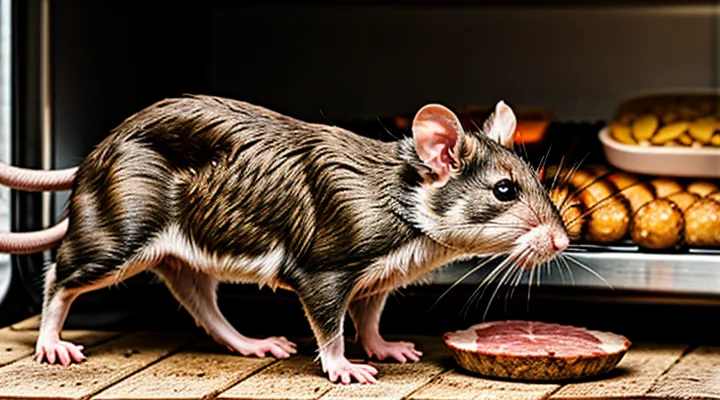
The Carnivorous Side of Rats: A Dietary Overview
Natural Diet of Wild Rats
Wild rats obtain most of their calories from plant material, seeds, and insects, but animal protein also forms a measurable portion of their intake. Field observations indicate that 10–20 % of a wild rat’s diet consists of vertebrate tissue, acquired from opportunistic predation on small birds, amphibians, and reptiles, as well as scavenging on carrion and discarded food waste. This protein source supports rapid growth, reproduction, and immune function, especially during periods when plant resources are scarce.
The meat component in a natural setting is typically lean, unprocessed, and free of contaminants. Safe meat choices for captive rats should mirror these characteristics:
- Fresh, skin‑less poultry (chicken or turkey) cooked without added salt or spices.
- Lean rabbit or hare meat, lightly cooked or offered raw if sourced from a reliable, disease‑free supplier.
- Small‑to‑medium fish (e.g., sardines, trout) deboned and cooked to eliminate parasites.
- Unseasoned, cooked lean beef or pork, trimmed of excess fat and connective tissue.
Meat sources that pose health risks include processed products (sausages, cured meats), high‑fat cuts, meat containing bones that can splinter, and any tissue showing signs of spoilage or contamination. Providing meat that matches the natural, low‑fat, pathogen‑free profile of wild‑rat consumption reduces the likelihood of gastrointestinal disturbances and supports optimal physiological performance.
Nutritional Needs of Domestic Rats
Domestic rats require a diet that supplies adequate protein, fat, carbohydrates, vitamins, minerals, and water. Protein is the primary building block for growth, tissue repair, and immune function; fat provides concentrated energy and supports the absorption of fat‑soluble vitamins; carbohydrates supply readily available energy; minerals and vitamins maintain metabolic balance and skeletal health. Water must be available at all times to prevent dehydration.
Protein should constitute 14‑18 % of the total diet, with a minimum of 18 % for breeding or growing animals. Fat content is optimal at 5‑7 % of the diet, while the calcium‑to‑phosphorus ratio must stay near 1:1 to prevent metabolic bone disease. Vitamin A, D, E, K, B‑complex, and mineral sources such as selenium, zinc, and magnesium are essential in measured amounts; deficiencies manifest quickly in rodents.
Meat can satisfy the protein and fat requirements when selected and prepared correctly. Safe options include:
- Skinless, boneless chicken breast, cooked thoroughly
- Turkey thigh or breast, cooked without seasoning
- Lean rabbit meat, fully cooked
- White fish such as cod or haddock, cooked and deboned, low in mercury
- Lean pork loin, cooked and trimmed of excess fat
These meats provide high‑quality animal protein and essential amino acids without excess saturated fat or harmful additives.
Preparation must eliminate pathogens and toxins: cook meat to an internal temperature of at least 74 °C (165 °F), remove all bones, avoid salt, spices, sauces, and processed additives. Store cooked portions in airtight containers and use within 48 hours to prevent spoilage.
Meat should be offered as a supplement, not a staple. Limit portions to 5‑10 % of the daily caloric intake, distributed across one or two feedings. Monitor body condition and adjust quantities accordingly; over‑feeding can lead to obesity and related health issues.
Safe Meats for Rat Consumption
Cooked Lean Meats
Chicken
Chicken is a widely used protein source for laboratory rats when meat inclusion is required. Raw chicken carries a high risk of bacterial contamination, particularly Salmonella and Campylobacter, which can cause severe gastrointestinal disease in rats. To mitigate this risk, chicken should be thoroughly cooked to an internal temperature of at least 74 °C (165 °F) and cooled before offering.
Nutritionally, cooked chicken provides:
- High‑quality animal protein (approximately 31 g per 100 g cooked meat)
- Essential amino acids, especially lysine and methionine, supporting growth and tissue repair
- Low fat content when skin is removed, reducing the likelihood of obesity in captive rodents
- Minimal carbohydrate contribution, aligning with the low‑carbohydrate nature of typical rat diets
When incorporating chicken into a rat’s diet, follow these guidelines:
- Use boneless, skinless meat to prevent choking hazards and excess fat.
- Cook without added salt, spices, or sauces; additives can disrupt electrolyte balance.
- Portion size should not exceed 5 % of total daily caloric intake to avoid nutrient imbalances.
- Store cooked chicken in airtight containers at 4 °C and use within 48 hours; discard any leftovers after this period.
Regular monitoring of body weight and health status is essential after introducing chicken, ensuring the diet remains balanced and free of adverse effects.
Turkey
Turkey provides a lean protein source suitable for laboratory and pet rats when prepared correctly. The meat supplies essential amino acids, low saturated fat, and moderate levels of vitamin B‑12 and selenium, which support growth, immune function, and metabolic health.
- Protein: 29 g per 100 g, high biological value.
- Fat: 1–2 g per 100 g, predominantly unsaturated.
- Micronutrients: B‑complex vitamins, selenium, phosphorus.
- Caloric density: ~135 kcal per 100 g, lower than most red meats.
Safe inclusion requires cooking to an internal temperature of at least 74 °C (165 °F) to eliminate Salmonella, Campylobacter, and other pathogens. Remove skin and excess fat; trim connective tissue to prevent choking hazards. Cool cooked turkey to room temperature before offering, and serve in small, bite‑size pieces to match the rat’s oral capacity.
Potential concerns include:
- Raw turkey: high risk of bacterial contamination.
- Over‑seasoned or processed turkey (e.g., deli slices): contains sodium, preservatives, and additives that may cause renal stress or gastrointestinal irritation.
- Excessive portion size: can lead to obesity or nutrient imbalance if turkey displaces fiber‑rich components such as whole‑grain pellets and vegetables.
Guidelines for diet formulation:
- Limit turkey to 10–15 % of total daily caloric intake.
- Balance with a base diet rich in fiber, complex carbohydrates, and adequate vitamins.
- Monitor body condition and adjust portions weekly based on weight trends.
When these protocols are followed, turkey serves as a safe, nutritionally valuable meat option for rat diets.
Beef
Beef can be incorporated into a rat’s diet when it meets strict quality standards. Commercially sourced, lean cuts provide protein, iron, and zinc that support growth and tissue repair. Excessive fat increases the risk of obesity and hepatic strain, so only trimmed, low‑fat portions should be offered.
Safety depends on several factors:
- Meat must be fresh, free from spoilage, and sourced from reputable suppliers.
- Cooking to an internal temperature of at least 71 °C eliminates Salmonella, E. coli, and other pathogens.
- No seasonings, sauces, or additives may be added; salt and spices can cause electrolyte imbalance.
- Portion size should not exceed 5 % of the total daily caloric intake, distributed across no more than two feedings per week.
Preparation guidelines:
- Trim visible fat and connective tissue.
- Cut meat into 0.5‑cm cubes to facilitate chewing and digestion.
- Boil or bake until fully cooked; cool to room temperature before serving.
- Store leftovers in a sealed container at 4 °C and discard after 24 hours.
When these conditions are met, beef serves as a safe, occasional protein source for laboratory and pet rats. Continuous monitoring of body condition and stool consistency is recommended to detect any adverse reactions promptly.
Lamb
Lamb provides a high‑quality protein source for laboratory and pet rats, offering essential amino acids, vitamins B12 and B6, and minerals such as iron and zinc. The fat content of lamb is moderate; lean cuts contain about 15 % protein, 5 % fat, and negligible carbohydrates, aligning with the carnivorous component of a balanced rodent diet.
Raw lamb carries a risk of bacterial contamination (Salmonella, E. coli) and parasitic infection (Toxoplasma gondii). Cooking to an internal temperature of 71 °C (160 °F) eliminates these hazards while preserving most nutrients. Avoid seasoning, salt, or sauces, as excess sodium and additives can cause renal stress in rats.
Feeding recommendations:
- Offer cooked, unseasoned lamb no more than twice weekly.
- Portion size should not exceed 0.5 g per 100 g body weight per serving.
- Provide as a supplement to a grain‑based base diet; do not replace staple feed.
- Store cooked lamb in airtight containers, refrigerate for up to three days, or freeze for longer periods.
Monitoring rats after lamb introduction is essential. Observe for gastrointestinal upset, changes in fecal consistency, or reduced activity. Persistent adverse signs warrant discontinuation and veterinary consultation.
Organ Meats
Liver
Liver provides rats with high-quality protein, essential amino acids, and a concentrated source of vitamins A, B12, and folate. Its mineral profile includes iron, copper, and zinc, which support hemoglobin synthesis and enzymatic functions. The organ’s lipid content supplies readily absorbed fatty acids, contributing to energy balance.
Potential hazards arise from excessive vitamin A and copper, which can cause hypervitaminosis A and copper toxicity if liver is fed in large amounts. Raw liver may harbor pathogens such as Salmonella or E. coli; cooking reduces microbial risk but must avoid over‑cooking, which degrades heat‑sensitive nutrients.
Feeding recommendations:
- Offer liver as a supplement, not a staple—limit to 5–10 % of total diet weight.
- Provide cooked, unseasoned liver; boil or steam for 5–10 minutes until interior reaches 71 °C.
- Store fresh liver at ≤4 °C and use within 48 hours; freeze for longer storage, thaw in refrigerator before preparation.
- Rotate liver with other protein sources (e.g., chicken, fish) to balance micronutrient intake.
Monitoring rat health after liver introduction—checking for signs of gastrointestinal upset, changes in coat condition, or abnormal behavior—helps detect adverse reactions early. Adjust portion size or frequency based on observed tolerance and overall dietary composition.
Heart
The heart of mammals and birds provides a concentrated source of protein, essential amino acids, and micronutrients such as iron, zinc, and B‑vitamins, making it a valuable component of a laboratory rat’s meat supplement. Because the organ is rich in myoglobin, it supplies heme iron that is more readily absorbed than non‑heme iron from muscle tissue, supporting hemoglobin synthesis and oxygen transport.
Safety considerations focus on pathogen load, fat content, and potential contaminants. Fresh, boneless heart tissue from animals raised without antibiotics or growth promoters minimizes bacterial contamination. Rapid cooling after slaughter and storage at 4 °C for no more than 48 hours, or freezing at ‑20 °C for longer periods, preserve quality and reduce microbial risk. Thawing should occur in a refrigerator, not at room temperature, to prevent bacterial proliferation.
When selecting heart meat for rats, preferred sources include:
- Chicken heart: low in saturated fat, high in taurine, readily available, low risk of prion disease.
- Rabbit heart: moderate fat, balanced amino‑acid profile, minimal allergenic potential.
- Beef heart: higher iron and zinc, greater caloric density; suitable for growth phases or high‑energy requirements.
Processing guidelines:
- Trim visible connective tissue and residual blood vessels.
- Cut into 1–2 mm cubes to ensure uniform ingestion.
- Optional brief blanching (30 seconds in boiling water) reduces surface pathogens without significant nutrient loss.
- Incorporate into the diet at 5–10 % of total food mass, adjusting based on the rat’s age, weight, and activity level.
Monitoring rat health after introducing heart meat includes tracking body weight, coat condition, and fecal consistency. Any signs of gastrointestinal upset or abnormal behavior warrant immediate reduction or cessation of the organ supplement.
In summary, heart tissue supplies high‑quality protein and bioavailable minerals, and when sourced from clean, well‑managed animals and handled with proper hygiene, it constitutes a safe and nutritionally advantageous meat option for rats.
Fish Options
Cooked Salmon
Cooked salmon can be included in a rat’s diet as a source of high‑quality protein and omega‑3 fatty acids. The fish must be thoroughly cooked, skinless, and free of bones to prevent choking and gastrointestinal injury.
Nutrient profile of cooked salmon:
- Protein: approximately 25 g per 100 g, providing essential amino acids.
- Omega‑3 fatty acids (EPA, DHA): 1–2 g per 100 g, supporting neural development and inflammatory regulation.
- Vitamin D: 10–15 µg per 100 g, aiding calcium metabolism.
- Selenium: 30–40 µg per 100 g, contributing to antioxidant defenses.
Safety considerations:
- Cook until internal temperature reaches at least 70 °C to eliminate pathogens such as Salmonella.
- Remove all pin bones; even small fragments can cause trauma or blockages.
- Limit portions to avoid excess fat, which may lead to obesity or hepatic lipidosis.
- Use wild‑caught salmon sparingly due to potential mercury or environmental contaminants; farmed varieties with verified low‑methylmercury levels are preferable.
Feeding guidelines:
- Offer no more than 5 % of the total daily caloric intake as cooked salmon.
- Provide 1–2 g of fish per 100 g of body weight, divided into two small servings.
- Rotate with other protein sources (e.g., lean poultry, boiled egg) to ensure a balanced amino‑acid profile.
- Monitor the animal for signs of digestive upset after introduction; discontinue if diarrhea, reduced activity, or weight loss occurs.
When prepared and administered according to these parameters, cooked salmon serves as a safe, nutrient‑dense supplement in a rat’s protein regimen.
Cooked Tuna
Cooked tuna is a protein source that can be included in a rat’s diet, but it must meet specific safety criteria. The fish provides high‑quality amino acids, omega‑3 fatty acids, and essential vitamins such as B12 and D. These nutrients support muscle maintenance, neural function, and immune health.
Potential hazards arise from cooking methods and contaminant levels. Over‑cooking reduces moisture, increasing sodium concentration and making the meat harder to chew, which can lead to gastrointestinal irritation. Commercial tuna often contains measurable mercury; repeated exposure may cause neurotoxicity in rodents. Additionally, canned tuna may include added salt or oil, both unsuitable for regular feeding.
Safe incorporation requires strict control of preparation and portion size:
- Use fresh, plain tuna fillet, boiled or steamed without added salt, oil, or seasonings.
- Cool the fish to room temperature before offering.
- Serve no more than 5 g per 100 g of body weight per week (approximately a teaspoon for a 250‑g rat).
- Limit feeding to a maximum of twice per week to prevent cumulative mercury intake.
- Observe the rat for signs of digestive upset, such as loose stools or reduced appetite, after the first exposure.
When these guidelines are followed, cooked tuna can serve as an occasional supplement to a balanced rodent diet, providing valuable nutrients without introducing significant health risks. Regular monitoring of the animal’s condition and rotating protein sources remain essential for long‑term wellbeing.
Meats to Avoid and Why
Processed Meats
Bacon
Bacon provides high‑fat protein but also carries significant health risks for laboratory and pet rats. Its saturated fat content exceeds 40 % of calories, which can lead to rapid weight gain, hepatic lipidosis, and cardiovascular strain. Sodium levels in cured bacon often surpass 1,500 mg per 100 g, a concentration that can cause electrolyte imbalance, dehydration, and renal stress in small mammals.
When bacon is considered for occasional supplementation, the following precautions are mandatory:
- Use uncured, low‑sodium varieties or freshly prepared pork belly without added nitrates or nitrites.
- Cook thoroughly to eliminate Salmonella and Campylobacter; avoid smoke‑cured or heavily seasoned products.
- Trim visible fat and skin to reduce excess calories; serve in bite‑size pieces no larger than 2 mm.
- Limit frequency to no more than once per week, with a total portion not exceeding 0.5 g per 100 g body weight.
- Monitor rats for signs of gastrointestinal upset, lethargy, or abnormal weight gain; discontinue immediately if symptoms appear.
Nutritionally, bacon supplies essential amino acids such as lysine and methionine, yet the imbalance between protein and fat makes it unsuitable as a primary protein source. Balanced rodent diets typically rely on lean meats (e.g., chicken breast, turkey) that deliver comparable amino acid profiles with lower fat and sodium content. Consequently, bacon should remain an occasional treat, not a staple, and only after rigorous preparation and dosage control.
Sausage
Sausage can be included in a rat’s diet only when it meets strict safety criteria. Processed meat products often contain high levels of fat, salt, preservatives, and spices that may cause digestive upset, hypertension, or toxicity in rodents. Raw or undercooked sausage poses a bacterial risk, while cured varieties frequently include nitrates or nitrites, which are carcinogenic for rats.
Key considerations for selecting a sausage suitable for rats:
- Fat content below 10 % of total weight.
- Sodium concentration under 0.5 % (approximately 500 mg per 100 g).
- Absence of added spices, garlic, onion, or chili powders.
- No nitrate or nitrite curing agents.
- Fully cooked, then cooled to room temperature before offering.
If a sausage satisfies all listed parameters, it may be offered as an occasional treat, limited to 5 % of the animal’s total caloric intake. Regular feeding should rely on unprocessed protein sources such as lean poultry, boiled eggs, or fresh fish. Monitoring for signs of gastrointestinal distress, weight loss, or changes in behavior is essential after any introduction of processed meat.
Deli Meats
Deli meats can be incorporated into a rat’s diet, but selection must follow strict safety criteria. Processed products often contain high sodium, preservatives, and additives that may cause gastrointestinal distress or long‑term health issues in rodents. Evaluate each item for salt content, curing agents, and flavorings before offering it to a pet rat.
Safe choices
- Freshly sliced turkey breast with no added brine or seasoning.
- Low‑sodium chicken breast deli slices, plain and unseasoned.
- Cooked ham that is nitrite‑free, low‑salt, and free of sugar glazes.
Items to avoid
- Salami, pepperoni, and other heavily spiced sausages.
- Bologna and processed lunch meats containing nitrates, nitrites, or high levels of phosphates.
- Smoked or cured products with smoke flavoring, caramel coloring, or artificial preservatives.
When feeding deli meat, limit portions to no more than 5 % of the total daily caloric intake. Offer small, bite‑size pieces and monitor the rat for signs of digestive upset, such as loose stool or reduced appetite. Rotate protein sources to prevent nutrient imbalances and provide fresh water at all times.
Regular veterinary check‑ups should include a review of any processed meat included in the diet, ensuring that the rat’s weight, kidney function, and overall health remain within optimal ranges.
Raw or Undercooked Meats
Raw or undercooked meats present a high risk of bacterial, parasitic, and viral contamination that can cause severe illness in laboratory and pet rats. Pathogens such as Salmonella, Listeria, and Campylobacter survive in meat that has not reached an internal temperature of at least 71 °C (160 °F). Even brief exposure to these organisms may result in gastrointestinal distress, weight loss, and increased mortality, compromising experimental integrity or animal welfare.
To reduce hazards, raw meat should be avoided entirely. If a researcher or caretaker chooses to include meat, it must be thoroughly cooked, cooled, and served in small, manageable portions. The following meat categories are considered acceptable when prepared according to these standards:
- Chicken breast: cooked to an internal temperature of 71 °C, no skin or bones.
- Lean turkey: same temperature requirement, trimmed of fat.
- Beef (lean cuts): cooked to at least 71 °C, no gristle.
- Pork (loin or tenderloin): cooked to a minimum of 71 °C, no excess fat.
When cooking, use separate utensils and surfaces to prevent cross‑contamination with other foods. Store cooked meat in a refrigerator at 4 °C (40 °F) or lower and discard any leftovers after 24 hours. Regularly monitor rats for signs of digestive upset, such as loose stools or reduced feed intake, and adjust the diet promptly if symptoms appear.
In summary, raw or undercooked meats are unsuitable for rat nutrition due to pathogen risk. Safe inclusion of meat requires full cooking, proper handling, and strict temperature control to protect rat health and maintain experimental reliability.
Fatty Meats
Fatty meats supply concentrated calories that can support growth and activity in laboratory and pet rats, yet the high lipid content poses a risk of obesity, hepatic steatosis, and pancreatitis when over‑included.
- Pork belly: rich in saturated fat; safe only after thorough trimming of visible fat and cooking to eliminate pathogens. Limit to no more than 2 % of total diet weight per week.
- Beef ribeye: contains intramuscular marbling; acceptable when excess external fat is removed and meat is boiled or baked. Recommended frequency: once weekly, 1–2 g per 100 g body weight.
- Lamb shoulder: moderate fat layer; safe after trimming and cooking. Use sparingly, 1 % of diet mass, no more than twice monthly.
- Chicken thighs (skin on): high in subcutaneous fat; safe when skin is removed and meat is fully cooked. Incorporate as occasional treat, not exceeding 1 % of diet weight.
Safe incorporation requires three steps: (1) remove all visible adipose tissue before cooking; (2) apply moist heat (boiling, steaming, baking) to reach an internal temperature of at least 71 °C; (3) cool, cut into 2–3 mm pieces, and store at 4 °C for no longer than three days.
Overall, fatty meats may be included in a rat’s diet when trimmed, cooked, and limited to small, infrequent portions. Regular monitoring of body condition and health markers ensures that lipid intake remains within tolerable limits.
Heavily Seasoned Meats
Heavily seasoned meats present several hazards for laboratory and pet rats. Salt, garlic, onion, chili, and other strong flavorings can cause gastrointestinal irritation, electrolyte imbalance, or toxic reactions. Rats lack the enzymatic capacity to metabolize many spice compounds efficiently, leading to accumulation of harmful metabolites.
Key concerns include:
- Sodium overload – excessive salt raises blood pressure and may precipitate renal failure.
- Allium toxicity – garlic, onion, leeks, and related plants contain thiosulfates that damage red blood cells.
- Capsaicin effects – spicy peppers trigger pain receptors, causing stress and reduced feed intake.
- Preservatives and additives – many seasoned products contain MSG, nitrates, or artificial flavors that can interfere with normal metabolism.
If inclusion of seasoned meat is unavoidable, follow strict limits:
- Limit total sodium to less than 0.2 % of the diet (approximately 2 g per kilogram of feed).
- Exclude all members of the Allium family.
- Avoid any product with added chili, pepper, or hot sauce.
- Choose meat that contains no artificial preservatives or flavor enhancers.
- Provide the seasoned portion as a minor supplement, not exceeding 5 % of total caloric intake.
Monitoring should focus on body weight, stool consistency, and signs of dehydration or anemia. Any adverse response warrants immediate removal of the seasoned meat and substitution with plain, lean protein sources such as unseasoned chicken, turkey, or fish.
Best Practices for Feeding Meat to Rats
Portion Control and Frequency
When feeding meat to laboratory or pet rats, precise portion sizes prevent nutritional imbalances and health risks. A single serving should not exceed 5 % of the animal’s total daily caloric intake; for a 300‑gram adult rat, this translates to roughly 2–3 grams of cooked lean meat per day. Portion weight must be measured with a scale, not estimated by volume, to ensure consistency across individuals.
Frequency influences protein metabolism and gut flora. Limit meat to no more than three meals per week, spacing servings at least 48 hours apart. This schedule allows the gastrointestinal tract to process animal protein without excessive strain and reduces the chance of fatty liver development. Alternate protein sources—such as soy, eggs, or insects—on non‑meat days to maintain a balanced amino‑acid profile.
Guidelines for safe meat feeding:
- Use only fully cooked, unseasoned meat; raw meat carries pathogen risk.
- Remove visible fat, skin, and connective tissue; excess lipid content accelerates obesity and hepatic issues.
- Record each rat’s intake in a log to detect deviations from the 5 % caloric ceiling.
- Adjust portion size for juveniles or underweight individuals, reducing the amount proportionally to body weight.
- Consult veterinary nutrition references when introducing new meat types, confirming digestibility and absence of toxic compounds.
Preparation Guidelines
When feeding rats meat, preparation must eliminate pathogens and ensure nutritional balance. Choose fresh, lean cuts from reputable sources; avoid processed or heavily seasoned products that contain additives or excess sodium.
Store meat at 4 °C or lower and use within 24 hours. Before handling, wash hands and sanitize surfaces. Trim visible fat, connective tissue, and bone fragments that could cause injury or digestive upset.
Preparation steps
- Thaw safely: Transfer frozen meat to a refrigerator overnight; never thaw at room temperature.
- Cook thoroughly: Heat to an internal temperature of at least 74 °C (165 °F) to destroy bacteria and parasites.
- Cool promptly: Place cooked meat in a clean container, cover, and refrigerate within two hours.
- Portion control: Measure 1–2 g of cooked meat per 100 g of body weight; serve in small, bite‑size pieces.
- Serve fresh: Offer meat at room temperature; discard any leftovers after 30 minutes to prevent spoilage.
Avoid cross‑contamination by using separate utensils for raw and cooked meat. Dispose of packaging and waste promptly, and monitor rats for any signs of distress after introducing meat into their diet.
Monitoring for Adverse Reactions
Monitoring adverse reactions is essential when introducing animal protein into laboratory rat nutrition. Systematic observation allows early detection of intolerance, toxicity, or nutritional imbalance that could compromise experimental validity.
Key indicators to assess include:
- Changes in body weight or growth rate deviating from established baselines.
- Alterations in feed intake, such as reduced consumption or refusal of the meat‑containing diet.
- Clinical signs: lethargy, diarrhea, respiratory distress, or abnormal grooming behavior.
- Hematological and biochemical parameters: elevated liver enzymes, altered kidney markers, or inflammatory cytokine levels.
- Post‑mortem findings: organ lesions, inflammation, or necrosis identified during necropsy.
Implementing a structured protocol—daily visual checks, weekly weight measurements, bi‑weekly blood sampling, and final necropsy—provides comprehensive data to evaluate the safety of specific meat sources in rat diets.