
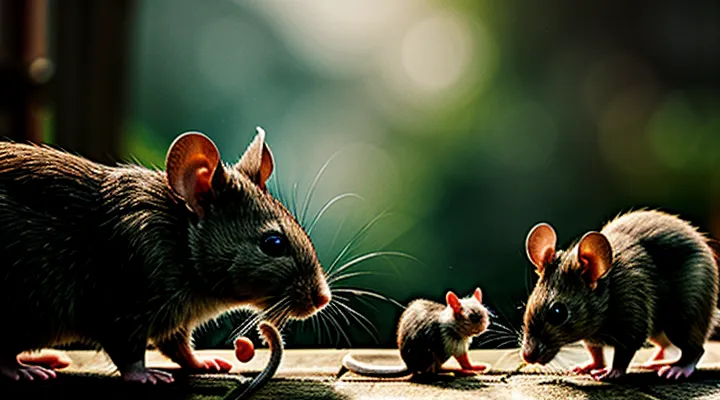
Understanding Dream Symbolism
General Interpretations of Rodents in Dreams
Rats as Symbols
Rats appear in dream narratives as potent symbols that convey specific psychological and cultural messages. Their presence often signals underlying concerns about personal integrity, social interaction, or hidden threats.
In many traditions, rats embody deception and betrayal. When a dreamer encounters a rat, the image may reflect feelings of mistrust toward a confidant or an awareness of dishonest behavior within a close relationship. The animal’s nocturnal habits reinforce associations with secrecy and activities that occur out of public view.
Psychologically, rats represent survival instincts and adaptability. Their ability to thrive in adverse conditions can translate into a subconscious reminder of the dreamer’s capacity to navigate difficult circumstances. The dream may therefore serve as encouragement to employ resourcefulness and resilience.
Common symbolic interpretations of rats in sleep imagery include:
- Dishonesty or infidelity – signals suspicion of unfaithful actions.
- Neglected responsibilities – highlights tasks or obligations that have been ignored.
- Health concerns – suggests potential exposure to illness or contamination.
- Financial loss – warns of wasteful spending or hidden expenses.
- Personal transformation – indicates a need to shed outdated habits and adopt new strategies.
Cultural myths often cast rats as agents of pestilence or ruin, reinforcing the association with decay and disease. Conversely, some folklore portrays them as clever tricksters who outwit larger foes, emphasizing intelligence and strategic thinking.
When interpreting a rodent‑filled dream, assess the emotional tone, the rat’s behavior, and surrounding details. A calm, controlled rat may point to mastery over challenges, while a frantic, aggressive rat typically signals acute anxiety or imminent conflict. The specific context determines whether the symbol urges caution, prompts self‑examination, or celebrates adaptability.
Mice as Symbols
Dreams that include mice convey distinct symbolic messages that differ from those associated with larger rodents. Mice represent subtle concerns, hidden anxieties, and minor disruptions in daily life. Their presence signals attention to details that may otherwise go unnoticed.
Key interpretations of mouse imagery in sleep visions:
- Neglected responsibilities – Small tasks or obligations that have been postponed can surface as mice scurrying through the dreamscape.
- Resourcefulness – The animal’s ability to survive with minimal resources suggests the dreamer’s capacity to manage scarcity or adapt to constraints.
- Health warnings – Because mice are carriers of disease, their appearance may alert the sleeper to potential health issues, especially those linked to hygiene or environmental conditions.
- Loss or theft – The creature’s habit of taking crumbs mirrors fears of losing small possessions or having something valuable pilfered unnoticed.
The emotional tone of the dream refines the meaning. A calm encounter points to confidence in handling minor problems, whereas fear or disgust amplifies feelings of vulnerability and urges corrective action. Recognizing the specific context—such as the mouse’s location, behavior, and interaction with the dreamer—provides a clearer map for interpreting the underlying message.
Cultural and Historical Perspectives
Rodents in Mythology and Folklore
Eastern Traditions
Dreams featuring rats or mice attract attention in several Eastern cultural systems, each assigning distinct symbolic weight to the appearance of these small mammals.
In Chinese tradition, rodents appear as omens linked to material conditions and personal conduct. The symbolism can be summarized as follows:
- Presence of a healthy rat suggests forthcoming financial gain or successful commerce.
- A dying or diseased mouse denotes loss, fraud, or the need for vigilance against deceit.
- Interaction with many rats may warn of overwhelming responsibilities or chaotic environments.
Within the Indian (Vedic) framework, rodents embody moral and spiritual cues. Their interpretation includes:
- Seeing a rat stealing food reflects a subconscious awareness of hidden greed or theft.
- A mouse nesting quietly in a sacred space signals humility and the potential for spiritual progress through modesty.
- Dreaming of a rat that climbs a tree can indicate ambition that may lead to overreach.
Japanese folklore treats rats and mice as messengers of both fortune and caution. Key points are:
- A rat entering the home in a dream often foretells unexpected wealth or a favorable business deal.
- A mouse scurrying away from the dreamer suggests missed opportunities or the need to act promptly.
- Multiple mice fleeing together can symbolize an imminent shift in social status or community perception.
Across these traditions, recurring motifs emerge:
- Association with wealth and resource acquisition.
- Warning against dishonesty, theft, or unrestrained desire.
- Indication of personal transformation, either through modest perseverance or through the risk of excess.
The convergence of these perspectives underscores the rodent’s dual role as a harbinger of prosperity and a cautionary sign, reflecting cultural values that link material success with ethical conduct.
Western Traditions
In Western cultural history, dreams featuring rats or mice have been treated as omens, moral warnings, or reflections of inner conflict. Classical authors such as Aristotle and Plutarch recorded anecdotes in which rodents signified impurity, disease, or impending loss, linking the creatures to the fragility of human affairs.
Greek and Roman literature frequently connected rodent imagery with deceit and theft. A mouse scurrying through a household was interpreted as a warning of hidden betrayal, while a swarm of rats suggested a breakdown of social order. These associations stemmed from observations of rodents’ destructive habits and their capacity to infiltrate sealed spaces.
During the medieval period, Christian theologians reinterpreted the same symbols within a spiritual framework. Rats appeared in sermons as representations of sin or demonic influence, emphasizing the need for repentance. Mice, less threatening than rats, were sometimes portrayed as minor temptations that could grow into larger vices if ignored.
Modern psychoanalytic theory offers a psychological reading. Freud regarded rodents as symbols of repressed sexual urges, citing their nocturnal activity and hidden nature. Jung expanded the symbolism, describing rats and mice as archetypal shadows that embody neglected aspects of the self.
Key interpretive points in Western tradition:
- Moral warning – indication of ethical lapse or concealed danger.
- Health concern – association with disease, especially plague.
- Psychological shadow – representation of suppressed impulses or anxieties.
- Spiritual impurity – sign of moral corruption or demonic presence.
These perspectives illustrate how Western thought has consistently linked rodent dreams with underlying threats, whether moral, physical, or psychological.
Psychological Interpretations
Dreams featuring rats or mice often signal underlying emotional states that the conscious mind has not fully acknowledged. The presence of these small rodents can reflect feelings of vulnerability, hidden anxieties, or perceived threats that are not overtly expressed during waking hours.
Psychological analysis associates specific symbolic functions with rodent imagery:
- Unresolved anxiety – the animal’s quick movements mirror racing thoughts or persistent worries that the dreamer cannot control.
- Feelings of contamination – the creature’s association with dirt may represent a perceived moral or psychological impurity, prompting a need for personal cleansing.
- Power dynamics – despite their size, rats can embody a sense of dominance or manipulation, suggesting the dreamer feels overrun by subtle forces in relationships or work.
- Survival instincts – the instinctual behavior of rodents may point to the dreamer’s instinctual drive to protect resources, health, or reputation.
Freudian perspective links rodent dreams to repressed sexual or aggressive impulses, interpreting the animal’s nocturnal activity as a metaphor for hidden desires. Jungian theory treats the rat or mouse as an archetype of the “shadow,” urging integration of suppressed traits to achieve psychological wholeness.
Therapeutic approaches recommend examining recent life events that could trigger such imagery, identifying specific stressors, and employing techniques—such as journaling or cognitive restructuring—to confront the underlying emotions. Resolving the latent content behind the rodent symbols often reduces recurrence and enhances emotional equilibrium.
Specific Dream Scenarios and Their Meanings
Rats in Dreams
Seeing a Single Rat
Seeing a single rat in a dream often points to an isolated problem or hidden anxiety that the dreamer has not yet confronted. The animal’s solitary presence suggests that the issue is personal rather than collective, highlighting a feeling of vulnerability or betrayal that originates from within the individual’s own environment.
Interpretations commonly associated with this image include:
- A warning about deceit in a close relationship; the rat symbolizes a person who may be acting covertly.
- An indication of neglected responsibilities, where the rat represents a task or duty that has been ignored and now demands attention.
- A manifestation of fear of contamination or impurity, reflecting concerns about health, hygiene, or moral cleanliness.
- A signal of resourcefulness; the rat’s ability to survive in harsh conditions may encourage the dreamer to adopt pragmatic strategies.
Psychologically, the solitary rat can be linked to repressed feelings that surface when the subconscious seeks resolution. The dream may urge the individual to examine personal boundaries, assess trust levels, and address any lingering doubts before they expand into larger issues.
Multiple Rats
Dreams that contain a group of rats usually point to issues of excess, hidden threats, or collective anxiety. The presence of multiple rodents amplifies the symbolic weight compared to a single animal, suggesting that the problem is not isolated but pervasive within the dreamer’s environment.
- Overabundance – A swarm of rats can reflect feelings of being overwhelmed by minor irritations that have multiplied, such as repetitive stressors at work or in personal relationships.
- Hidden dangers – Multiple rats moving together may indicate concealed risks that are spreading, urging the sleeper to investigate underlying causes before they become overt.
- Social conflict – The image of many rats interacting can symbolize discord within a group, implying distrust or betrayal among colleagues, family members, or friends.
- Loss of control – An uncontrolled swarm suggests the dreamer perceives a loss of authority over a situation that is rapidly deteriorating.
Cultural and personal associations modify these interpretations. In traditions where rats represent disease, a multitude may warn of potential health concerns. Conversely, societies that view rats as resourceful may interpret the dream as a cue to harness adaptability and resource management.
The emotional tone of the dream refines the meaning. Fear, disgust, or fascination experienced during the vision can shift the focus from external threats to internal attitudes toward chaos and survival. Recognizing the specific context in which the rats appear—such as a kitchen, a sewer, or an open field—provides additional clues about the domain of life affected by the symbolism.
Dead Rats
Dreams featuring dead rats signal the termination of a problem that has been draining emotional or material resources. The deceased animal represents an issue that once occupied the subconscious, now resolved or abandoned. This resolution can manifest as relief, but may also expose underlying anxiety about loss or missed opportunities.
Interpretations commonly associated with dead rodent imagery include:
- Completion of a conflict that involved deceit, betrayal, or hidden threats.
- Release from a situation that felt contaminating or unhealthy.
- Awareness of wasted effort, prompting reassessment of priorities.
- Symbolic death of a habit or behavior that no longer serves personal growth.
When the dream presents the corpse in a decayed state, the message intensifies, indicating that the unresolved matter lingered long enough to cause stagnation. Immediate emotional reactions—disgust, fear, or indifference—guide the dreamer toward acknowledging the lingering impact and moving beyond it.
Rat Bites
Dreams featuring a rat or mouse bite convey a sharp warning that something in waking life is causing emotional or physical distress. The sudden pain of a bite symbolizes an unexpected attack on personal boundaries, a betrayal, or a situation that threatens health.
Interpretations focus on three dimensions. First, the bite reflects interpersonal conflict; a person may feel threatened by a rival or sense that trust has been broken. Second, the image signals a health concern, often related to stress‑induced ailments or the need to address a lingering infection. Third, the bite can indicate financial pressure, suggesting that resources are being drained by hidden costs or wasteful habits.
Practical response involves assessing recent events for parallels. Identify any relationship where aggression or deceit has emerged, evaluate health routines for signs of neglect, and review budgeting for unexpected expenses. Adjusting behavior in these areas aligns waking actions with the dream’s alert.
- Aggression from a colleague or family member
- Fear of disease, especially infections transmitted by rodents
- Anxiety about losing money or resources
- Sense of vulnerability after a recent insult or criticism
Integrating the bite’s message encourages proactive measures: confront hostile interactions, seek medical evaluation if symptoms appear, and tighten financial management. The dream’s vividness underscores the urgency of these steps.
Catching or Killing Rats
Dreams that involve grasping or slaying rodents often signal an effort to confront hidden issues. The act of catching a rat suggests a desire to contain a problem that feels out of control, while killing the animal indicates a decisive move to eradicate a source of anxiety or corruption.
- Capturing a rat reflects an attempt to acknowledge a threat without destroying it, implying the dreamer seeks to understand or manage an underlying tension.
- Killing a rat conveys a final break with a negative influence, representing the termination of habits, relationships, or thoughts deemed harmful.
- The method of capture—trapping versus snatching—adds nuance: a trap implies strategic planning, whereas a sudden grab indicates impulsive action.
- The condition of the rat at the moment of death—alive, wounded, or already dead—mirrors the perceived stage of the issue: emerging, partially resolved, or fully eliminated.
Cultural symbolism reinforces these readings. In many traditions, rodents embody deceit, disease, or poverty; removing them in a dream aligns with cleansing or upward social mobility. Conversely, some folklore views rats as messengers of hidden knowledge; thus, killing them may denote the loss of subconscious insight.
Overall, the dream scenario of catching or killing rats functions as a psychological indicator that the sleeper is actively addressing, suppressing, or terminating a concealed problem. The precise emotional tone—relief, fear, satisfaction—provides additional clues about the effectiveness of the dreamer’s response.
Mice in Dreams
Seeing a Single Mouse
Dreams that feature rodents often convey messages about subtle concerns, hidden resources, or unnoticed influences. When the creature appears as a lone mouse, the symbolism narrows to personal, individualized themes rather than collective or societal issues.
- Personal vulnerability – A solitary mouse may reflect feelings of being overlooked or powerless in a specific situation.
- Hidden opportunities – The mouse’s quiet nature can indicate concealed chances that require careful attention to uncover.
- Minor annoyances – The presence of a single small pest can signal trivial problems that, if ignored, might grow into larger disruptions.
- Adaptability – Observing one mouse highlights the dreamer’s capacity to navigate confined or restrictive environments with agility.
Cultural interpretations vary: Eastern traditions frequently associate the mouse with wealth and thrift, suggesting that a single mouse could herald modest financial gain. Western psychoanalytic views often link the animal to subconscious fears or repressed instincts, emphasizing the need for introspection. Regardless of origin, the appearance of one mouse in a dream consistently points to issues that are intimate, precise, and require focused awareness.
Multiple Mice
Dreams featuring several mice convey distinct symbolic messages that differ from solitary mouse imagery. The presence of multiple rodents often signals an accumulation of minor concerns, hidden anxieties, or subtle pressures that collectively affect the dreamer’s waking life.
- A swarm of mice suggests that trivial issues are multiplying, creating a sense of overwhelm despite each problem seeming insignificant on its own.
- Repeated sightings of groups of mice indicate unresolved social tensions, such as feelings of being ignored or undervalued within a community or workplace.
- When the mice are active and scurrying, the dream hints at unchecked stressors that are rapidly spreading, urging immediate attention to prevent escalation.
- If the mice appear dead or stagnant, the vision reflects suppressed emotions or missed opportunities that have lost momentum.
Psychological frameworks associate the image of numerous mice with the mind’s tendency to compartmentalize stress into manageable fragments, yet the collective effect signals a need for holistic resolution. Cultural traditions often interpret a multitude of small pests as an omen of financial leakage or loss, reinforcing the practical implication that attention to detail can prevent larger setbacks.
Dead Mice
Dreams that feature deceased rodents convey specific psychological signals. The presence of a dead mouse suggests the end of a minor anxiety, the resolution of a trivial problem, or the loss of a small, fleeting opportunity. Such imagery often reflects subconscious acknowledgment that a previously persistent irritation has been neutralized.
Key implications include:
- Completion of a short‑term concern that no longer requires attention.
- Indication that a minor threat, represented by the mouse, has been eliminated.
- Symbolic closure of a relationship or project that held little significance.
In the broader framework of rodent symbolism, live rats and mice typically denote hidden worries, opportunistic behavior, or feelings of vulnerability. When the creature appears lifeless, the dreamer’s mind signals a transition from active tension to passive acceptance. The emotional tone accompanying the vision—relief, indifference, or sadness—refines the interpretation, pointing to whether the cessation is welcomed or mourned.
Cultural and personal associations modify the reading. For individuals who view mice as harmless, death may simply mark the end of a nuisance. For those linking rodents to disease or betrayal, a dead mouse can represent the cessation of a harmful influence. Consequently, the symbol functions as a concise report from the unconscious, confirming that a minor, previously disruptive element has been resolved.
Mouse Traps
Mouse traps serve as a concrete metaphor for the resolution of anxieties that appear when rodents populate a dreamscape. The presence of rats or mice often signals hidden concerns, and a trap represents an active approach to confronting those issues rather than allowing them to persist unnoticed.
Common trap designs illustrate distinct strategies for dealing with subconscious disturbances:
- Snap mechanisms: immediate, decisive action that mirrors the desire to eradicate a problem swiftly.
- Live‑capture cages: containment without destruction, suggesting a preference for managing rather than eliminating the underlying fear.
- Electronic devices: reliance on technology or rational analysis to detect and neutralize hidden threats.
- Glue boards: passive entrapment, reflecting a willingness to let circumstances unfold until the issue reveals itself.
Applying these models to dream interpretation encourages a systematic evaluation of personal patterns. A snap‑type scenario may indicate readiness for abrupt change, while a live‑capture approach points to a more diplomatic resolution. Electronic analogues imply analytical thinking, and glue‑board symbolism suggests a period of observation before taking decisive steps.
In practice, recognizing the type of trap that resonates with the dream can guide concrete actions in waking life. Selecting a method that aligns with one’s temperament—whether direct, compassionate, analytical, or patient—provides a structured pathway to address the latent messages conveyed by rodent imagery.
Personal Context and Dream Analysis
The Role of Emotions in Dream Interpretation
Emotions felt while dreaming of rats or mice serve as the primary indicator for interpreting the symbolic content of the vision. Fear, disgust, or curiosity recorded during the episode directs the analyst toward specific psychological themes, such as hidden threats, unresolved conflicts, or suppressed instincts. The intensity of the feeling calibrates the urgency of the message; heightened anxiety signals immediate concerns, whereas mild amusement suggests a distant, less pressing issue.
Key emotional markers and their typical interpretive implications:
- Intense fear or panic – signals perceived danger in the waking environment, often related to betrayal or loss of control.
- Disgust or revulsion – points to moral discomfort, guilt, or avoidance of undesirable habits.
- Calm fascination or humor – indicates curiosity about hidden aspects of self, potential for creative problem‑solving, or acceptance of minor flaws.
The emotional tone also interacts with personal history. Individuals who associate rodents with disease may experience stronger aversion, turning the dream into a warning about health or hygiene. Conversely, those who view mice as harmless may interpret the same image as a prompt to explore overlooked opportunities. By anchoring analysis in the dreamer’s affective response, the interpretation remains grounded in lived experience rather than abstract symbolism.
Recurring Dreams with Rodents
Recurring dreams that repeatedly present rats or mice signal persistent inner tensions. The brain uses these small mammals to symbolize threats that feel invasive, hidden, or difficult to control. When the same rodent scenario reappears, the mind is reinforcing a message that the underlying issue has not been resolved.
Typical sources of such repetition include:
- Chronic stress or anxiety that the conscious mind avoids confronting.
- Unresolved interpersonal conflicts, especially those involving betrayal or manipulation.
- Feelings of contamination, neglect, or loss of personal boundaries.
- Subconscious processing of past trauma in which rodents were present or symbolically relevant.
Cultural traditions assign distinct meanings to rodent imagery. In many Eastern systems, rats embody resourcefulness and survival, suggesting the dreamer must adapt to a challenging environment. Western folklore often links mice to meekness or hidden danger, implying that unnoticed problems may be escalating. Recognizing the cultural lens that shapes personal interpretation refines the analysis.
Effective response to repeated rodent dreams involves systematic observation and intervention. Maintaining a detailed dream journal captures contextual details—time of night, emotional tone, specific actions of the animal—that reveal patterns. Identifying stressors that correspond with dream frequency guides targeted lifestyle adjustments, such as improving sleep hygiene, reducing exposure to anxiety‑inducing situations, or seeking professional counseling. Cognitive‑behavioral techniques that reframe the rodent’s role—viewing it as a signal rather than a threat—can diminish its recurrence and restore psychological equilibrium.
Connecting Dreams to Waking Life Events
Seeing rats or mice while asleep often mirrors recent or ongoing situations that involve scarcity, competition, or hidden threats. The brain translates stressors related to resources—such as finances, food, or time—into rodent symbols, because these animals are culturally linked to survival and opportunism.
When a dream features rodents scurrying through a kitchen, the mind may be processing concerns about personal health or dietary habits. If the setting is a dark alley, the image likely reflects feelings of vulnerability in an unfamiliar environment or anxiety about social marginalization.
Common patterns that link such dreams to daily life include:
- Recurrent encounters with rodents after a period of intense workload, suggesting perceived depletion of energy or time.
- Presence of dead or wounded mice alongside feelings of guilt, indicating unresolved remorse over neglecting responsibilities.
- Interaction with a pet rat, which often corresponds to a developing trust or collaboration in a professional project.
Analyzing the specific context—location, behavior of the animal, and emotional response—enables a direct correlation between the nocturnal narrative and concrete waking experiences. This approach transforms symbolic imagery into actionable insight, guiding individuals toward targeted adjustments in lifestyle, stress management, or interpersonal dynamics.