
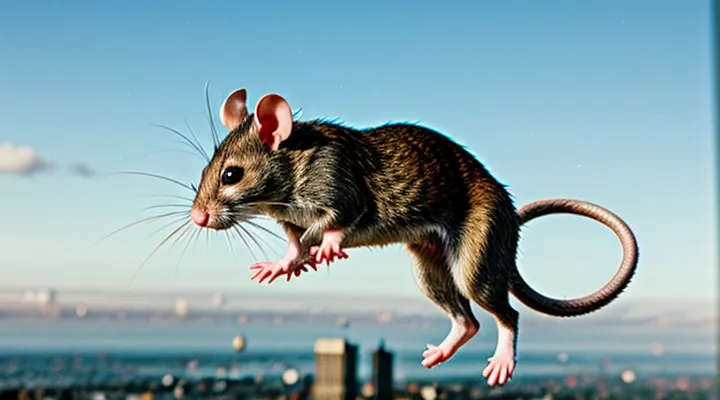
Interpreting Dream Symbols
The Universal Symbolism of Rats
Rats appear in myths, folklore, and religious texts worldwide, consistently representing dual aspects of life. Their presence evokes both reverence for adaptability and fear of contamination.
Across traditions, rats symbolize survival in harsh environments, resourcefulness in scarcity, and the spread of disease. Simultaneously, they embody hidden knowledge, cunning strategies, and the potential for rapid growth.
When a rat leaps onto a sleeper, the dream conveys a direct encounter with these archetypal forces. The physical contact intensifies the message, suggesting an urgent need to acknowledge the underlying theme.
Typical interpretations include:
- A warning about unnoticed threats that may infiltrate personal or professional spheres.
- An invitation to harness resourcefulness and adapt to changing circumstances.
- An indication of suppressed anxieties related to health, hygiene, or social reputation.
- A sign of impending abundance, prompting preparation for rapid expansion or opportunity.
The precise meaning depends on the dreamer’s current challenges, cultural background, and emotional response during the vision. Recognizing the rat’s universal symbolism helps translate the vivid encounter into actionable insight.
Personal Context in Dream Analysis
Dream interpretation hinges on the dreamer’s unique circumstances. When a rat leaps onto the sleeper, the symbolism cannot be detached from personal history, current emotions, and recent events. The same animal may signify danger for one individual and a reminder of past betrayal for another; the distinction arises from the dreamer’s own narrative.
Key elements that shape meaning include:
- Emotional climate – anxiety, guilt, or excitement experienced before sleep often colors the animal’s role.
- Recent experiences – encounters with rodents, news stories about disease, or workplace conflicts involving “pests” can direct the dream’s focus.
- Health status – concerns about illness, especially infections associated with rats, may surface as a warning signal.
- Cultural background – societies that view rats as omens, messengers, or pests assign different connotations to the creature.
- Personal associations – memories of a childhood pet rat, a traumatic incident, or a metaphorical “rat” in personal relationships inform the interpretation.
Analyzing these factors provides a precise framework for decoding the dream. The rat’s sudden movement onto the sleeper gains relevance only when examined against the dreamer’s lived reality, revealing whether the vision serves as a caution, a reminder, or an expression of inner tension.
Common Interpretations of a Rat Jumping on You
Feelings of Betrayal or Deception
Hidden Enemies or Treacherous Relationships
A dream in which a rat leaps onto you signals an alert to covert hostility. The animal’s sudden contact embodies an intrusion that mirrors undisclosed antagonism in waking life.
- Unexplained criticism from a colleague who previously appeared supportive.
- Subtle sabotage of personal projects, often disguised as accidental errors.
- Persistent feelings of unease after interactions with a particular individual.
These patterns suggest the presence of hidden enemies—people who conceal resentment or competition behind a façade of friendliness. The rat’s aggressive movement reflects the urgency of recognizing such threats before they undermine confidence or progress.
The same imagery can denote treacherous relationships. When a rat, traditionally associated with disease and filth, invades personal space, it highlights bonds tainted by deceit. Indicators include:
- Frequent breaches of trust, such as broken promises or selective honesty.
- Manipulative behavior that serves the other’s interests while marginalizing yours.
- A recurring sense of being used, especially when the relationship appears beneficial on the surface.
Interpreting the dream as a warning encourages vigilance. Identifying these covert dynamics allows decisive action—setting boundaries, confronting duplicity, or distancing from toxic connections—to preserve emotional and professional stability.
Issues with Health or Uncleanliness
Physical or Emotional Contamination
Dreams in which a rat springs onto the sleeper often signal a sense of contamination, either bodily or psychological. The animal’s sudden contact suggests an intrusion of unwanted material—such as filth, disease, or toxic emotions—into the dreamer’s personal space. This motif reflects an unconscious alert to conditions that may erode health, self‑esteem, or moral clarity.
Physical contamination is represented by the rat’s fur, teeth, or waste, implying exposure to germs, illness, or hazardous substances. The dream may be processing recent encounters with unsanitary environments, neglected hygiene, or fear of infection. Emotional contamination appears when the rat embodies feelings of disgust, shame, or betrayal, indicating that the dreamer perceives an internal breach of purity or integrity.
Key implications of this symbolism include:
- Recognition of a hidden source of stress or anxiety that requires cleansing.
- Prompt to assess personal habits, living conditions, or relationships for harmful influences.
- Guidance to establish boundaries that prevent further infiltration of toxic elements.
Addressing both tangible and intangible pollutants—through medical check‑ups, environmental tidying, or emotional processing—aligns the subconscious warning with conscious corrective action.
Financial Concerns or Loss
Fear of Poverty or Resource Depletion
A rat that suddenly lands on you in a dream often signals an unconscious alarm about dwindling resources. The animal’s reputation for scavenging and surviving on limited supplies translates into a symbolic warning that the dreamer senses a threat to personal wealth or basic necessities.
The brain associates the rat’s rapid movements with the urgency of a shortage. When the creature makes direct contact, the dream amplifies the feeling of vulnerability, suggesting that financial insecurity is not merely abstract but perceived as an imminent personal attack.
Common elements that reinforce a poverty‑related interpretation include:
- The rat appears in a familiar setting such as a home or workplace, indicating that the perceived threat targets everyday life.
- The dreamer feels chased, trapped, or unable to escape the animal, reflecting a sense of being cornered by bills or debt.
- The rat is dirty or diseased, symbolizing contamination of one’s financial stability.
Addressing the underlying anxiety involves concrete actions: review income and expenditures, establish an emergency fund, and seek professional advice if debt accumulates. Reducing the emotional intensity of the dream can also be achieved by confronting the fear directly, for example through visualization of the rat being removed or transformed into a neutral animal.
Overcoming Obstacles or Escaping a Threat
A Call to Action or Confrontation
Dreams in which a rat leaps onto the dreamer convey a direct summons to confront a hidden problem. The sudden physical contact signals that an issue previously ignored has become urgent, demanding immediate attention rather than passive observation.
The rat’s aggressive movement reflects underlying anxiety about betrayal, contamination, or loss of control. Its presence on the body indicates that the source of discomfort is intimately linked to personal boundaries, health, or relationships. Ignoring the image reinforces avoidance; acknowledging it forces the mind to recognize the threat and act.
Practical response steps:
- Identify the area of life where fear or mistrust feels most acute; label the specific situation.
- Examine recent interactions for signs of deception, exploitation, or neglect.
- Confront the responsible party or circumstance with clear, factual statements; avoid emotional embellishment.
- Establish firm boundaries to prevent recurrence; document expectations and consequences.
- Seek professional guidance if the issue involves health concerns, addiction, or persistent psychological distress.
Executing these actions transforms the dream’s warning into tangible progress, turning a symbolic attack into a catalyst for decisive change.
Psychological Perspectives
Unconscious Fears and Anxieties
A rat that leaps onto you while dreaming signals hidden apprehensions that your conscious mind has not addressed. The animal’s sudden movement reflects a surge of suppressed dread, often linked to feelings of contamination, loss of control, or betrayal. When the creature lands directly on the dreamer’s body, the mind dramatizes the immediacy of these anxieties, forcing attention toward a threat that feels personal and invasive.
Typical unconscious concerns revealed by this image include:
- Fear of being overwhelmed by minor but persistent problems that accumulate unnoticed.
- Anxiety about personal boundaries being violated, especially in relationships or workplaces.
- Worry that hidden aspects of one’s character are being exposed or judged by others.
The rat’s association with disease and filth amplifies a subconscious alarm about health, hygiene, or moral impurity. The act of jumping intensifies the message, suggesting that the underlying fear is not merely present but ready to erupt into conscious awareness. Recognizing the dream as a mirror of these buried tensions enables proactive coping, such as confronting stressful situations, establishing clearer limits, or seeking professional guidance to process lingering dread.
Suppressed Emotions or Traumas
A rat that leaps onto the dreamer often signals emotions that have been hidden or experiences that have not been processed. The sudden, invasive nature of the animal mirrors the way repressed feelings can surface without warning, disrupting mental equilibrium.
The dream’s focus on a rat suggests specific dynamics:
- Fear of contamination or moral decay, linked to unresolved guilt.
- Recognition of a situation that feels threatening yet remains unaddressed.
- An urge to confront a memory that has been dismissed or minimized.
When the dreamer feels the rat’s weight, the sensation can be interpreted as the burden of unspoken pain. The animal’s quick movements reflect the rapid, uncontrolled emergence of trauma that the conscious mind has attempted to suppress.
Interpretation benefits from examining personal history. Identify moments where anxiety, shame, or loss were dismissed; these are likely sources that the subconscious is attempting to highlight. Addressing the underlying issue—through reflection, dialogue, or professional support—reduces the recurrence of such vivid symbols.
The Shadow Self and Undesirable Traits
Dreams in which a rat leaps onto the dreamer act as a mirror for the unconscious, pointing to aspects of the shadow self that the conscious mind rejects. The rat’s sudden contact forces attention onto hidden impulses, survival instincts, and personal habits that feel dirty, sneaky, or socially unacceptable. By confronting this animal, the psyche signals a need to acknowledge and integrate these suppressed elements rather than continue to deny them.
Typical shadow qualities highlighted by this scenario include:
- Manipulative behavior that serves personal gain at others’ expense.
- Excessive fear of contamination, whether literal or symbolic, leading to avoidance of uncomfortable truths.
- Compulsive hoarding of resources, emotions, or secrets, reflecting a scarcity mindset.
- Tendency to undermine authority or break rules to maintain a sense of control.
Recognizing these traits allows the dreamer to transform the rat’s disruptive presence into a catalyst for self‑examination and personal growth.
Cultural and Historical Contexts
Rats in Folklore and Mythology
Rats occupy a prominent place in the mythic imagination of many cultures, often embodying paradoxical qualities that blend survival, cunning, and danger. Their frequent appearance in legends reflects both reverence for their adaptability and fear of their association with disease and theft.
- Ancient Egypt: revered as symbols of fertility and renewal; the god Set’s adversary was a rat, representing chaos.
- Chinese tradition: the Rat is the first sign of the zodiac, linked to intelligence, wealth, and opportunism.
- European folklore: rats appear as plague bearers, yet also as trickster figures in tales such as “The Pied Piper.”
- Native American stories: some tribes view the rat as a messenger of hidden knowledge, while others warn against its greed.
Interpretations of the animal’s traits converge on three core ideas: resourcefulness, contamination, and betrayal. Resourcefulness emerges from the rat’s ability to thrive in harsh environments; contamination stems from its role as a carrier of illness; betrayal arises from its nocturnal raids on stored provisions.
When a dream presents a rat leaping onto the dreamer, the imagery draws upon these ancient motifs. The encounter signals a need to confront concealed threats, reassess personal boundaries, or harness latent ingenuity. The sudden physical contact emphasizes urgency, urging the sleeper to address the underlying issue before it spreads.
Varying Interpretations Across Cultures
Dreams featuring a rat leaping onto the sleeper have been interpreted differently across cultural traditions. These variations reveal how symbolic animal behavior intertwines with local belief systems, social anxieties, and moral teachings.
-
East Asian folklore: In Chinese tradition, a rat’s sudden approach signifies an imminent financial gain or a warning against greed. The animal’s association with the zodiac’s first sign reinforces the idea of new beginnings and opportunistic ventures. Japanese folklore links the scene to hidden threats; a rat landing on a person may forecast betrayal by a trusted associate.
-
South Asian perspectives: Hindu narratives view the rat as the vehicle of the deity Ganesha. When the creature appears in a dream, it can represent divine guidance, urging the dreamer to remove obstacles and pursue a spiritual path. Conversely, some regional legends interpret the act as a sign of impurity, urging purification rituals.
-
Western folklore: Medieval European superstition often equated rats with disease and decay. A dream of a rat jumping onto one’s body suggested impending illness or moral corruption, prompting the dreamer to seek medical or spiritual counsel. In contemporary psychological analysis, the image may symbolize repressed fears or feelings of being overwhelmed by minor nuisances.
-
Indigenous American beliefs: Certain Native American cultures regard the rat as a trickster figure. The dream scenario may indicate the need for adaptability and cleverness in navigating upcoming challenges. Some tribal stories warn that the rat’s presence signals a disruption of harmony within the community.
-
African oral tradition: In several West African societies, the rat embodies resourcefulness. A dream where the animal lands on a person can be interpreted as encouragement to use ingenuity to resolve a pressing problem, especially in matters of survival or family welfare.
These interpretations share a common thread: the rat’s unexpected proximity to the dreamer triggers a call for action, whether through caution, spiritual alignment, or strategic ingenuity. Recognizing the cultural lens through which the dream is viewed allows a more nuanced understanding of its potential significance.
Actions to Consider After Such a Dream
Self-Reflection and Introspection
Dreams in which a rat leaps onto the dreamer act as a mirror for personal evaluation. The sudden contact forces attention toward hidden anxieties, prompting a review of one’s inner dialogue. The animal’s abrupt movement symbolizes an intrusion of suppressed thoughts that the conscious mind has avoided.
The encounter encourages the following reflective actions:
- Identify recent situations where feelings of contamination or betrayal emerged.
- Examine patterns of avoidance that may have allowed stress to accumulate.
- Consider how personal boundaries were breached, either by others or by self‑imposed limits.
- Reassess attitudes toward survival instincts, noting whether fear or curiosity dominates the response.
By confronting the image, the sleeper gains clarity about internal conflicts. The rat’s presence suggests that unresolved concerns are surfacing, demanding acknowledgment before they manifest in daily behavior. Recognizing this signal enables the individual to adjust coping strategies, reinforcing self‑awareness and emotional regulation.
Ultimately, the dream serves as a diagnostic tool, pointing to areas where introspection can transform vague discomfort into actionable insight. Engaging with the symbolism leads to a more coherent self‑concept and a stronger capacity to manage future stressors.
Addressing Underlying Issues
Dreams in which a rat leaps onto the sleeper often signal unresolved anxieties or hidden conflicts. The animal’s sudden contact suggests that suppressed concerns have surfaced, demanding attention. Recognizing the symbolic warning allows the dreamer to confront the source rather than ignore it.
Addressing the underlying issues involves deliberate steps:
- Identify recent situations that provoke fear, distrust, or embarrassment; note any patterns that mirror the rat’s unexpected presence.
- Examine personal habits or relationships that may feel invasive or contaminating; assess whether boundaries have been compromised.
- Document emotional reactions triggered by the dream, then trace them to real‑world events or stressors that elicit similar feelings.
- Develop a concrete plan to modify the identified problem areas, such as establishing clearer limits, seeking professional guidance, or restructuring daily routines.
- Implement regular self‑reflection, using a journal to track progress and detect recurring symbols that may indicate lingering tension.
By systematically dissecting the dream’s message and applying targeted corrective actions, the sleeper can transform the unsettling vision into a catalyst for personal growth and emotional stability.
Seeking Professional Guidance
Dreams featuring a rat that jumps onto the dreamer often generate strong emotional reactions. Accurate interpretation demands more than casual speculation; professional expertise can differentiate symbolic meaning from random imagery.
A qualified analyst can:
- Examine the rat’s behavior, size, and setting to uncover specific associations.
- Relate the dream content to the individual’s life circumstances, stressors, and subconscious concerns.
- Provide a framework that integrates cultural symbolism with personal psychology.
- Offer actionable recommendations for emotional processing or behavioral adjustments.
When selecting a specialist, consider the following criteria:
- Formal training in dream analysis, depth psychology, or related therapeutic fields.
- Demonstrated experience with animal symbolism and anxiety‑related imagery.
- Clear methodology that includes confidentiality and informed consent.
- Availability of follow‑up sessions to track progress and refine insights.
Engaging a professional ensures that the dream’s message is interpreted with rigor, reducing misinterpretation and supporting mental well‑being.