
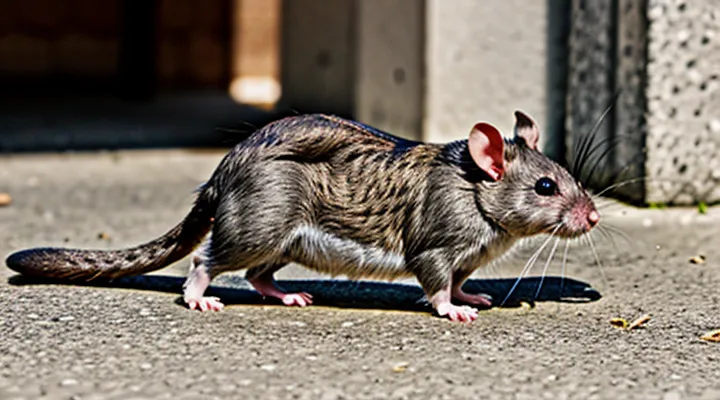
Understanding Rat Weight: What's Normal?
Average Weight Ranges by Species
Brown Rat («Rattus norvegicus»)
Brown rats (Rattus norvegicus) typically weigh between 250 g and 500 g when fully mature. Under optimal laboratory conditions, individuals can reach 600 g to 800 g, but weights above 1 kg are rare and usually indicate abnormal growth, excessive feeding, or health issues.
Factors that determine the upper weight limit include:
- Sex: Males are generally 10‑20 % heavier than females.
- Age: Weight peaks at 12‑18 months; older rats often lose mass due to degenerative changes.
- Diet: High‑calorie, protein‑rich diets accelerate growth; low‑nutrient rations restrict it.
- Environment: Limited space and high population density suppress weight gain, while spacious, enrichment‑rich habitats promote larger body mass.
Health considerations for rats approaching the upper weight range:
- Increased risk of cardiovascular strain, fatty liver disease, and joint degeneration.
- Reduced reproductive efficiency; overweight males exhibit lower sperm quality, and females may experience dystocia.
- Shortened lifespan relative to average‑weight counterparts.
Recommendations for caretakers and researchers:
- Maintain average adult weight between 300 g and 500 g for optimal health.
- Provide balanced rations containing 18‑20 % protein, 5‑7 % fat, and adequate fiber.
- Monitor body condition weekly; adjust feed quantity if weight exceeds 600 g.
- Ensure enclosure size of at least 0.5 m² per rat to encourage activity and prevent excessive adiposity.
- For breeding programs, select individuals within the 350‑450 g range to maximize fertility and offspring viability.
Extreme weights above 800 g should trigger veterinary evaluation to rule out metabolic disorders and to implement weight‑reduction strategies.
Black Rat («Rattus rattus»)
The black rat (Rattus rattus) commonly reaches a body mass of 150–250 g in adulthood, with males averaging slightly higher than females. Under optimal nutrition and low stress, individuals can approach 300 g, which represents the practical upper limit for healthy growth. Weights beyond this threshold often indicate obesity, reduced mobility, or underlying disease.
Factors that push weight toward the ceiling include:
- High‑calorie diets rich in grains, seeds, and processed foods
- Limited physical activity due to cramped cages or lack of enrichment
- Genetic predisposition in certain breeding lines
Exceeding the weight ceiling compromises cardiovascular function, joint health, and reproductive efficiency. Regular weighing is essential for early detection of excess mass.
Recommendations for maintaining weight within safe limits:
- Provide a balanced diet containing 18–20 % protein, 4–6 % fat, and adequate fiber; limit treat portions to no more than 5 % of total intake.
- Ensure cage dimensions allow at least 0.5 m² of floor space per animal; incorporate climbing structures and running wheels to promote activity.
- Conduct weekly weight checks; intervene when an individual exceeds 280 g by adjusting diet and increasing exercise opportunities.
- Schedule veterinary examinations quarterly to assess body condition score and screen for metabolic disorders.
Adhering to these guidelines preserves the black rat’s health, supports natural behavior, and prevents the complications associated with overgrowth.
Factors Influencing Healthy Weight
Age and Developmental Stages
Rats progress through distinct developmental phases, each with characteristic weight thresholds that inform safe handling, housing, and health monitoring.
- Neonatal (0–3 weeks): weight typically 5–15 g. Rapid growth demands frequent weighing to detect deviations that may signal illness or inadequate nutrition.
- Weanling (3–6 weeks): weight rises to 30–70 g. At this stage, cage enrichment should accommodate increased mobility while preventing excessive load on the musculoskeletal system.
- Juvenile (6–12 weeks): weight reaches 100–180 g. Dietary intake must support continued growth; feed portions should be adjusted to avoid obesity, which compromises skeletal development.
- Adult (12 weeks–18 months): weight stabilizes between 180–300 g for common laboratory strains. Maintaining weight within this interval reduces strain on joints and cardiovascular function; regular health assessments are essential.
- Senior (18 months+): weight may decline to 150–200 g. Monitoring for involuntary weight loss is critical, as it often precedes age‑related disorders. Dietary enrichment and reduced stressors help preserve vitality.
Weight recommendations align with each stage’s physiological capacity. Exceeding the upper limits for a given age increases risk of musculoskeletal injury, respiratory distress, and reduced lifespan. Conversely, falling below lower limits signals potential malnutrition or disease, warranting immediate veterinary evaluation.
Gender Differences
Male rats typically achieve higher body masses than females. Average adult male weight ranges from 250 g to 300 g, while adult females usually fall between 180 g and 230 g. The upper physiological ceiling for males approaches 350 g; for females, it rarely exceeds 260 g. These limits reflect inherent hormonal and metabolic variations that influence growth rates, muscle development, and fat deposition.
Implications for husbandry and research protocols include:
- Cage space calculations must account for the larger footprint of male specimens at peak weight.
- Feed rations should be calibrated to prevent overnutrition in males, whose appetite and growth potential are greater.
- Health monitoring thresholds need gender‑specific reference values to detect early signs of obesity or underweight conditions.
When establishing weight‑based recommendations, consider the following principles:
- Set separate maximum acceptable weights for each sex to avoid misclassification of healthy individuals as overweight.
- Adjust dosing regimens for pharmacological studies according to sex‑specific body mass, ensuring accurate exposure levels.
- Record gender alongside weight data in all experimental logs to support reproducibility and statistical validity.
Recognizing these gender differences enhances animal welfare, improves data quality, and aligns management practices with the biological realities of rat populations.
Identifying Overweight and Underweight Rats
Signs of Obesity in Rats
Physical Indicators
Physical indicators provide objective data for assessing whether a rat approaches or exceeds recommended weight thresholds. Body mass measured with a digital scale offers the primary metric; values above 500 g for standard laboratory strains, and 600–800 g for larger pet breeds, signal a need for evaluation. Length from nose to base of the tail, recorded in millimeters, helps differentiate growth from excess adiposity. Girth measured around the ribcage, expressed in centimeters, correlates with abdominal fat accumulation and should remain proportionate to body length.
Condition scoring translates visual and tactile assessment into a standardized scale:
- Score 1: Emaciated, prominent vertebrae, visible ribs.
- Score 2: Thin, slight rib visibility, minimal fat pads.
- Score 3: Ideal, ribs concealed, slight waist definition, no excess fat.
- Score 4: Overweight, rounded abdomen, reduced waist definition.
- Score 5: Obese, pronounced belly, difficulty feeling ribs.
Hair coat quality, eye clarity, and activity level serve as supplementary signs. A glossy coat, bright eyes, and normal exploratory behavior typically accompany optimal weight, whereas dull fur, cloudy eyes, and lethargy often accompany excess weight.
Regular monitoring schedule should include weekly weighing, monthly length and girth measurements, and quarterly condition scoring. Adjustments to diet, enrichment, and veterinary consultation follow any deviation from the ideal score 3 or when weight surpasses breed‑specific limits.
Behavioral Changes
Rats approaching the upper weight threshold exhibit reduced exploratory activity and a preference for stationary nesting sites. Excess body mass diminishes agility, leading to shorter travel distances during foraging bouts and a higher incidence of sedentary behavior.
Elevated weight influences social dynamics within colonies. Heavier individuals dominate feeding stations, causing subordinate rats to experience restricted access and increased stress-related grooming. Hierarchical shifts often result in decreased aggression from dominant rats, as physical dominance replaces territorial disputes.
Metabolic adjustments accompany weight gain. Energy expenditure drops, reflected in lower nightly locomotor counts and diminished thermogenic responses. Consequently, rats consume fewer calories per gram of body weight despite higher absolute feed intake.
Health‑related behavioral markers change noticeably:
- Decreased wheel running speed and duration
- Lower frequency of scent‑marking and exploratory sniffing
- Increased time spent in burrow‑like structures
- Reduced engagement in mating displays
These patterns provide practical indicators for caretakers monitoring compliance with recommended weight limits. Adjustments to diet composition, portion size, and enrichment schedules can mitigate undesirable behavioral shifts and preserve optimal activity levels.
Risks Associated with Obesity
Health Complications
Rats that exceed established weight thresholds are prone to a range of physiological disturbances. Excessive mass strains musculoskeletal structures, leading to joint degeneration, reduced mobility, and increased risk of fractures. Cardiovascular systems experience heightened workload, which can precipitate hypertrophy, arrhythmias, and heart failure. Metabolic imbalance emerges as adipose tissue expands, often resulting in insulin resistance, hyperglycemia, and fatty liver disease. Respiratory function deteriorates because enlarged thoracic cavities compromise lung capacity, increasing susceptibility to pneumonia and chronic obstructive conditions. Digestive efficiency declines; enlarged stomachs impede peristalsis, causing constipation, gastric ulcers, and malabsorption. Immune competence diminishes, making overweight rats more vulnerable to infections and slower wound healing. Behavioral changes accompany physical decline, including reduced grooming, lethargy, and aggression, which can further impair overall health.
Key health complications associated with surpassing optimal rat body mass:
- Joint arthritis and skeletal deformities
- Cardiac hypertrophy and rhythm disorders
- Insulin resistance and hepatic steatosis
- Impaired pulmonary ventilation and recurrent respiratory infections
- Gastrointestinal dysmotility and ulceration
- Suppressed immune response and delayed tissue repair
- Behavioral abnormalities affecting welfare
Monitoring body condition scores and adhering to recommended weight limits mitigates these risks and supports long‑term vitality. Regular veterinary assessment, balanced nutrition, and appropriate exercise are essential components of effective weight management.
Reduced Lifespan
Rats that exceed recommended weight limits experience a measurable decline in average lifespan. Data from laboratory colonies show a 15‑25 % reduction in survival time when body mass surpasses the upper threshold established for the species.
Excessive weight imposes physiological stress that accelerates aging processes:
- Cardiovascular strain from increased blood volume and pressure.
- Metabolic overload leading to insulin resistance and hepatic dysfunction.
- Joint degeneration caused by heightened mechanical load.
These factors interact, shortening the period of productive health and elevating mortality risk.
Management strategies focus on maintaining body mass within the advised range:
- Monitor weekly weight using calibrated scales.
- Adjust caloric intake to match activity level and growth stage.
- Provide enrichment that encourages movement and prevents sedentary behavior.
- Conduct regular health assessments to detect early signs of obesity‑related pathology.
Adhering to these practices aligns with established guidelines for maximum rat weight and supports longevity comparable to baseline expectations.
Signs of Being Underweight
Physical Indicators
Physical indicators provide the basis for establishing safe weight limits and practical guidance for rat caretakers. Direct measurements such as body length (nose‑to‑tail), chest girth, and hind‑foot span allow calculation of a weight‑to‑size ratio that reflects skeletal capacity. A ratio exceeding 1.5 g per millimetre of combined length suggests excessive mass and heightened risk of musculoskeletal strain.
Condition scoring, performed by palpating the dorsal spine and ribs, distinguishes lean, ideal, and overweight categories. An ideal score presents a subtle but palpable spine and ribs without pronounced fat deposits. Overweight rats exhibit a smooth dorsal profile and obscured ribs, indicating adipose accumulation beyond functional requirements.
Coat quality serves as an indirect metric; glossy, dense fur correlates with adequate nutrition, while dull or patchy fur may signal metabolic imbalance associated with abnormal weight. Activity level, observed during nocturnal foraging, offers functional insight: reduced locomotion and reluctance to climb suggest that weight exceeds the animal’s biomechanical tolerance.
Key physical indicators:
- Body length (mm) and chest girth (mm) – compute weight‑to‑size ratio.
- Condition score (lean, ideal, overweight) – palpation of spine and ribs.
- Coat appearance – sheen and density.
- Activity observation – frequency of climbing and exploring.
Recommendations derived from these metrics:
- Maintain weight within 1.2–1.5 g per millimetre of combined length for adult rats of average build.
- Adjust diet and exercise to correct condition scores that deviate from the ideal range.
- Monitor coat condition quarterly; intervene with dietary supplements if deterioration appears.
- Encourage enrichment that promotes climbing and foraging to sustain functional musculature.
Consistent application of these indicators ensures that rat mass remains within biomechanically sound limits, supporting health and longevity.
Health Concerns
Excessive body mass in rats triggers several medical problems that reduce welfare and shorten lifespan. Overweight individuals experience increased strain on skeletal joints, leading to arthritis and mobility loss. Fat accumulation elevates blood lipid levels, predisposing animals to cardiovascular disease and hypertension. Metabolic imbalance often results in insulin resistance, glucose intolerance, and hepatic steatosis. Respiratory function deteriorates as adipose tissue impedes thoracic expansion, causing reduced oxygen exchange and heightened susceptibility to infections. Reproductive performance declines; obese females display irregular estrous cycles, lowered fertility, and higher miscarriage rates.
- Joint degeneration and reduced locomotion
- Elevated cholesterol, triglycerides, and blood pressure
- Insulin resistance, hyperglycemia, fatty liver disease
- Impaired ventilation and increased respiratory infections
- Compromised breeding efficiency and offspring viability
Weight management requires regular measurement of body condition score and precise scale readings. Dietary intake should align with caloric recommendations for the species, emphasizing high‑quality protein and limited fat. Exercise enrichment, such as climbing structures and foraging opportunities, promotes muscle development and energy expenditure. Veterinary assessment every six months enables early detection of obesity‑related disorders and adjustment of nutritional plans. Implementing these practices maintains rats within the optimal weight range, safeguarding health and extending productive life.
Maintaining Optimal Rat Weight: Recommendations
Nutritional Guidelines
Balanced Diet Composition
A balanced diet is essential for rats that approach the upper weight limits recommended for their breed. Proper nutrient ratios support muscle development, skeletal strength, and metabolic health without encouraging obesity.
- Protein: 18‑22 % of total calories. Sources include cooked chicken, boiled eggs, low‑fat cottage cheese, and high‑quality rodent pellets formulated with soy or fish meal.
- Fat: 5‑8 % of total calories. Sources include small amounts of sunflower oil, flaxseed, or nuts such as almonds, limited to prevent excess caloric density.
- Carbohydrates: 45‑55 % of total calories. Sources comprise whole grain oats, barley, sweet potato, and fresh vegetables like carrots and broccoli.
- Fiber: 3‑5 % of total diet. Sources include timothy hay, shredded wheat, and leafy greens, promoting digestive transit and preventing gastrointestinal issues.
Micronutrients must meet the species‑specific requirements for calcium, phosphorus, vitamin A, D3, E, B‑complex, and trace minerals. Commercially prepared rodent pellets typically supply these in balanced amounts; supplementation should be limited to deficiencies identified by veterinary analysis. Fresh water must be available at all times; daily intake averages 10‑15 ml per 100 g body weight.
Feeding frequency influences weight regulation. Offer measured portions twice daily, adjusting quantities as the rat approaches the target weight range. Monitor body condition scores weekly; reduce caloric intake by 10‑15 % if excessive fat deposition appears. Replace stale food promptly to maintain nutrient integrity.
Consistent application of these compositional guidelines enables rats to attain maximum permissible weight while preserving health and longevity.
Appropriate Portion Sizes
When determining how much food to offer a rat, the animal’s target weight provides the primary reference point. A rat that is expected to reach the upper limit of its breed‑specific size range requires a larger daily ration than one maintained at a modest weight. Adjust portions according to the following principles:
- Calculate the rat’s ideal body mass (in grams) based on its strain and age. Multiply this figure by 0.03 – 0.04 to obtain the approximate daily dry‑food quantity (e.g., a 300 g rat needs 9–12 g of pellets).
- Include fresh vegetables and occasional protein sources to supply essential micronutrients, but limit these to no more than 15 % of total intake by weight.
- Distribute the total amount into two feedings per day to promote stable metabolism and prevent overeating.
- Monitor body condition weekly; increase or decrease portions by 5 % if the rat’s weight deviates by more than 5 % from the target.
Protein‑rich treats such as boiled egg or cooked chicken should not exceed 1 % of the daily ration, and high‑fat snacks must be avoided entirely. Water must be available at all times, with a fresh supply changed daily. By aligning portion sizes with the rat’s projected weight ceiling, owners can sustain healthy growth while minimizing the risk of obesity and related health issues.
Exercise and Enrichment
Importance of Physical Activity
Physical activity directly influences a rat’s ability to stay within recommended weight limits, thereby supporting health outcomes outlined in weight‑management guidelines. Regular movement stimulates metabolism, promotes lean tissue development, and reduces excess fat accumulation that can push body mass beyond safe thresholds.
Key physiological effects of consistent exercise include:
- Enhanced muscle mass, which raises basal metabolic rate and improves load‑bearing capacity.
- Strengthened skeletal structure, decreasing the risk of fractures associated with excessive weight.
- Improved cardiovascular efficiency, lowering the incidence of hypertension and related complications.
- Regulation of appetite hormones, helping maintain energy intake at levels compatible with weight recommendations.
- Reduction of stress‑induced cortisol spikes, which can otherwise contribute to abdominal fat deposition.
Implementing a structured activity regimen—such as daily wheel running, climbing apparatus, or timed foraging sessions—provides measurable control over weight trajectories. Monitoring body condition scores alongside activity logs enables precise adjustments to ensure rats remain within the established maximum mass parameters, thereby extending lifespan and preserving functional performance.
Environmental Enrichment for Activity
Environmental enrichment directly influences the activity levels of laboratory rats, which in turn affects their growth trajectories and compliance with weight thresholds recommended for experimental integrity. Providing stimuli that encourage locomotion, climbing, and foraging reduces sedentary behavior, limiting excessive adipose accumulation that can push individuals beyond acceptable limits.
Key enrichment elements that promote sustained movement include:
- Multi‑level cage structures with platforms and ramps to stimulate vertical exploration.
- Rotating wheels or treadmills calibrated for rodent dimensions, offering voluntary aerobic exercise.
- Burrowing substrates such as shredded paper or corncob bedding, enabling natural digging behavior.
- Puzzle feeders that require manipulation to access food, extending feeding time and increasing activity.
Implementing these components should follow a systematic schedule: introduce new objects weekly, rotate existing items to prevent habituation, and monitor individual weight weekly to detect deviations from target ranges. Adjust enrichment intensity if weight gain exceeds 10 % of baseline, either by increasing exercise opportunities or by modifying diet composition.
By integrating targeted enrichment strategies, caretakers can maintain rat body mass within the limits established for reliable data collection, while also enhancing welfare through increased behavioral expression.
Veterinary Care and Monitoring
Regular Check-ups
Regular veterinary examinations are essential for maintaining the weight limits recommended for pet rats. Precise weighing during each visit provides objective data that can be compared to established thresholds for healthy adult size. Consistent measurements allow early detection of upward trends that may indicate overfeeding, metabolic disorders, or reduced activity.
Key components of a routine check‑up include:
- Weight recording: Use a digital scale with 1‑gram accuracy. Document the value and compare it to the species‑specific maximum weight range.
- Body condition assessment: Palpate the rib cage and spine to evaluate fat deposits. A thin to moderate layer of fat is acceptable; excessive padding suggests overnutrition.
- Dental inspection: Overweight rats often experience accelerated tooth wear. Check for uneven incisor length and signs of malocclusion.
- Behavioral observation: Record activity levels, grooming habits, and appetite. Declining locomotion may correlate with excess body mass.
Veterinarians typically recommend check‑ups every four to six weeks for growing juveniles and every three months for adult rats maintained within the optimal weight window. If a rat’s weight exceeds the upper limit, the practitioner should adjust the diet, increase enrichment that promotes exercise, and schedule follow‑up weigh‑ins at two‑week intervals until the target range is restored.
Implementing systematic health evaluations ensures that weight remains within safe boundaries, minimizes the risk of obesity‑related complications, and supports overall longevity of the animal.
Addressing Underlying Health Issues
Rats that exceed or fall short of recommended weight thresholds often do so because of hidden medical problems. Recognizing and treating these conditions restores normal growth patterns and prevents long‑term complications.
Common health factors that distort weight include:
- Metabolic disorders such as diabetes or hypothyroidism, which alter energy utilization.
- Intestinal parasites that divert nutrients and cause weight loss.
- Dental malocclusion, leading to reduced food intake and poor condition.
- Chronic respiratory infections that increase metabolic demand and suppress appetite.
- Renal insufficiency, which disrupts fluid balance and nutrient excretion.
Effective management requires a systematic approach:
- Schedule a full physical examination by a veterinarian experienced with rodents.
- Conduct laboratory tests: blood chemistry for endocrine and renal function, and fecal analysis for parasites.
- Perform a detailed oral inspection; correct overgrown incisors with trimming or filing.
- Implement targeted therapy: antiparasitic medication, insulin or hormone replacement, antibiotics, or renal support as indicated.
- Adjust the diet to provide balanced protein, fiber, and moisture; consider specialized formulations for diagnosed conditions.
- Monitor weight weekly, recording deviations from the target range and modifying treatment accordingly.
Consistent observation and prompt intervention keep rats within optimal size limits, ensuring both health and longevity.
Special Considerations for Rat Weight Management
Genetic Predisposition to Weight Issues
Genetic makeup determines the upper weight limits that individual rats can safely attain. Studies of laboratory and pet populations show that specific alleles controlling appetite regulation, energy expenditure, and fat storage set a ceiling for body mass. Rats carrying variants of the leptin‑receptor gene, for example, exhibit higher daily caloric intake and reduced satiety signaling, which pushes their weight toward the maximum recommended range.
Breed analysis reveals measurable heritability for body weight. Long‑haired strains such as the Dumbo and Rex display average adult weights 10‑15 % lower than those of short‑haired, stockier breeds like the Fancy. Heritability coefficients for total mass range from 0.35 to 0.55, indicating that more than one‑third of weight variation is inherited. Selective breeding amplifies these differences; lines maintained for large size consistently exceed the safe upper threshold, while lines selected for small stature remain well below it.
When genetic predisposition drives a rat toward excess mass, health risks increase. Elevated adiposity correlates with cardiac strain, joint degeneration, and reduced lifespan. Early identification of high‑risk genotypes allows caretakers to intervene before weight crosses the safety margin.
Recommendations for managing genetically driven weight issues
- Perform genetic screening for known appetite‑related alleles in breeding stock.
- Prioritize mating pairs with low‑risk genotypes to shift population averages downward.
- Implement routine weight monitoring; record weekly measurements and compare to breed‑specific upper limits.
- Adjust dietary energy density for individuals with high‑risk profiles; reduce calorie‑dense treats and increase fiber content.
- Encourage regular physical activity through enrichment objects that stimulate locomotion.
Adhering to these practices aligns rat development with scientifically established weight guidelines, minimizes health complications, and supports responsible breeding programs.
Impact of Housing and Environment
Housing design directly influences the ability of rats to reach recommended weight thresholds without compromising health. Overcrowded cages limit movement, reduce access to enrichment, and elevate stress hormones, which suppress growth and predispose individuals to metabolic disorders.
Adequate space per animal is essential. Minimum floor area of 0.08 m² per rat, combined with vertical climbing structures, supports natural foraging behavior and muscle development. Providing separate zones for nesting, feeding, and exercise prevents competition and encourages consistent food intake.
Environmental parameters affect metabolic efficiency. Optimal temperature ranges from 20 °C to 24 °C; deviations increase caloric demands for thermoregulation. Relative humidity should remain between 40 % and 60 % to avoid respiratory irritation. Consistent light cycles of 12 hours dark/12 hours light synchronize circadian rhythms, stabilizing hormone release that regulates growth.
Key recommendations:
- Allocate at least 0.08 m² floor space per rat; include multi‑level platforms.
- Use absorbent, dust‑free bedding; replace weekly to maintain hygiene.
- Maintain ambient temperature 20‑24 °C and humidity 40‑60 %.
- Implement a strict 12/12 light‑dark schedule; avoid abrupt illumination changes.
- Provide balanced diet with protein content of 18‑22 % and unrestricted fresh water.
- House rats in compatible groups of 2‑4 individuals; monitor hierarchy to prevent bullying.
Adhering to these housing and environmental standards enables rats to achieve target weight limits reliably while preserving overall welfare.
Managing Weight in Senior Rats
Senior rats commonly gain weight as metabolism slows, making regular assessment essential for health preservation. Ideal body condition aligns with a slender silhouette, a visible waist behind the ribs, and a palpable but not protruding spine. Excessive mass increases strain on joints, elevates risk of cardiovascular disease, and predisposes to hepatic lipidosis.
Accurate weighing should occur weekly for rats older than twelve months. Record each measurement and calculate the percentage change over a month; a rise exceeding 5 % signals the need for intervention. Compare values with established weight ceilings for the specific strain and sex, recognizing that adult females often weigh 150–250 g, while males may reach 200–300 g.
Effective weight control relies on three coordinated actions:
- Dietary adjustment – replace high‑fat treats with low‑calorie vegetables, limit commercial pellets to 1 g per 100 g of body weight per day, and eliminate free‑feeding.
- Portion timing – divide daily rations into two meals spaced 8–10 hours apart to reduce continuous caloric intake.
- Physical stimulation – provide climbing structures, tunnels, and rotating wheels; schedule daily handling sessions lasting 10–15 minutes to encourage movement.
Monitoring should include weekly observation of activity levels, grooming behavior, and respiratory sounds. Any decline in mobility or emergence of wheezing warrants veterinary evaluation. Adjustments to the feeding plan must be gradual; a reduction of 10 % in caloric content per week prevents stress‑induced anorexia.
Veterinarians may recommend supplemental omega‑3 fatty acids to support cardiovascular function, but only under professional supervision. In cases of severe obesity, a controlled diet protocol lasting 4–6 weeks, combined with increased exercise, typically yields a 8–12 % weight reduction without compromising muscle mass.
Consistent record‑keeping, precise feeding, and structured enrichment together maintain senior rats within safe weight parameters, extending lifespan and preserving quality of life.