
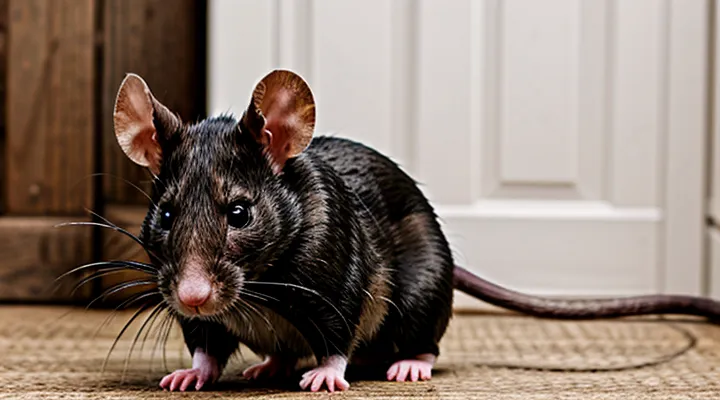
Choosing the Perfect Name for Your Male Rat
Why Naming Your Rat Matters
Naming a pet rat influences daily interaction, health management, and social dynamics. A distinct name provides a reliable reference for owners, caregivers, and veterinary staff, reducing confusion when multiple rodents share a habitat.
- Enables precise communication during handling and training sessions.
- Allows accurate recording of medical history, dietary preferences, and behavioral observations.
- Reinforces the human‑animal bond by creating a personal connection.
- Clarifies hierarchy in multi‑rat environments, preventing aggression caused by ambiguous identification.
- Simplifies inventory of supplies such as cages, enrichment toys, and feeding schedules.
- Encourages responsible ownership through consistent acknowledgment of the animal’s individuality.
Consistent use of a chosen name integrates the rat into the household routine, supporting both welfare and management efficiency.
Factors to Consider When Naming Your Rat
Personality and Temperament
When selecting a name for a male rat, the animal’s character and disposition provide the most reliable guide. A name that mirrors observable behavior reinforces the bond between owner and pet and simplifies communication during handling and training.
Bold or dominant rats often display confident movements, frequent exploration, and a willingness to lead. Suitable names include:
- Atlas – evokes strength and leadership
- Rex – conveys authority
- Maverick – reflects independence
- Titan – suggests power
Rats with a gentle, shy temperament tend to retreat when startled, seek quiet corners, and accept affection gradually. Appropriate choices are:
- Whisper – captures softness
- Nimbus – suggests a light, unobtrusive presence
- Milo – denotes mildness
- Basil – implies calm refinement
Highly curious and energetic individuals continuously investigate objects, solve puzzles, and exhibit rapid, playful motions. Names that match this vigor include:
- Scout – highlights investigative nature
- Bolt – denotes speed
- Fizz – reflects lively activity
- Jasper – combines curiosity with charm
Intelligent rats that learn tricks quickly and respond to cues demonstrate problem‑solving aptitude. Names reinforcing intellect are:
- Einstein – signals high cognition
- Sherlock – suggests investigative skill
- Pixel – references sharp perception
- Quill – hints at thoughtful behavior
Matching a rat’s name to its personality eliminates ambiguity, supports consistent interaction, and honors the animal’s unique traits. Selecting from the list above ensures the name aligns with observable temperament while remaining memorable and appropriate for a male pet rodent.
Appearance and Breed
Appearance and breed provide the most direct clues for selecting a suitable name for a male rat. Distinct coat colors, patterns, ear shapes, and fur textures create recognizable identities that can be reflected in the name.
- Standard (short‑haired) rat – smooth coat, typical body shape; common colors include black, brown, white, and agouti.
- Dumbo rat – enlarged, low‑set ears; often found in the same color range as standard rats but with a softer silhouette.
- Hairless rat – bare skin, wrinkled appearance; colors appear as pink, gray, or mottled.
- Rex rat – curly, plush fur; colors may be sable, blue, or cinnamon.
- Satin rat – glossy, satin‑like coat; frequently seen in solid or broken patterns.
- Manx rat – tailless or very short tail; share coat variations with other breeds.
- Variegated and patterned rats – “broken” (white with patches), “dilute” (softened shades), “agouti” (ticked fur), each offering unique visual markers.
Naming suggestions aligned with these traits:
- Color‑based: Midnight (black), Copper (copper‑brown), Snowball (white), Ember (red‑orange).
- Ear‑or tail‑focused: Flap (Dumbo ears), Stub (Manx tail), Silk (soft ear fur), Whisper (hairless skin).
- Fur texture: Curl (Rex), Velvet (Satin), Plush (hairy varieties), Bristle (coarse coats).
- Pattern‑oriented: Spot (broken pattern), Patch (mixed colors), Stripe (linear markings), Dapple (mottled).
Choosing a name that mirrors a rat’s physical characteristics reinforces the bond between owner and pet while providing an instantly recognizable identifier.
Your Own Preferences
When selecting a name for a male rat, personal taste drives the final choice. Consider the animal’s appearance, behavior, and any thematic motif you enjoy. A name that reflects a favorite literary character, a scientific term, or a nostalgic reference can reinforce the bond between owner and pet. Sound matters as well; short, vowel‑rich names are easier for the rat to recognize and for the owner to repeat consistently. Cultural background, humor style, and the desire for a name that sounds distinct in a multi‑pet household also shape preferences.
- Milo – evokes agility and curiosity; short vowel‑lead sound.
- Gizmo – suits a rat that manipulates objects; conveys technical flair.
- Atlas – fits a larger‑bodied male; suggests strength.
- Pip – works for a tiny, lively rat; simple consonant‑vowel pattern.
- Nero – draws from historical reference; strong, resonant tone.
- Baxter – delivers a classic pet name feel; easy to call.
- Pixel – ideal for a rat with a speckled coat; modern tech vibe.
- Rex – conveys dominance; brief and assertive.
Aligning the chosen name with your aesthetic preferences ensures the label feels personal and memorable, reinforcing the relationship while remaining practical for everyday interaction.
Categories of Male Rat Names
Classic and Popular Rat Names
Classic rat names often draw from literature, mythology, and historic figures, providing a timeless feel that suits the intelligence and curiosity of male rodents. Names such as Hercules, Sherlock, Gandalf, Atticus, and Milo convey strength, wit, or literary heritage, making them suitable for owners seeking a dignified identity for their pet.
Popular contemporary choices reflect current pop culture and playful wordplay, resonating with a broad audience of pet enthusiasts. Common selections include Mickey, Rocket, Ziggy, Baxter, Jasper, Nico, Finn, Toby, Oscar, and Rex. These names balance familiarity with a lighthearted tone, fitting the energetic nature of male rats.
Combining tradition with modern trends yields a versatile naming pool. Owners can select from the classic list for a sense of gravitas or opt for the popular set to emphasize personality and trend awareness. Both categories provide recognizable, easy‑to‑pronounce options that reinforce the bond between pet and keeper.
Funny and Quirky Rat Names
Choosing a name that highlights a male rat’s playful personality can make the pet feel like part of the household. Humor works best when the name reflects a recognizable trait, a pop‑culture reference, or a clever wordplay that is easy to call out.
Consider these options, grouped by theme:
- Food‑Inspired: Cheddar, Popcorn, Nacho, Biscuit, Sriracha
- Pop‑Culture Twists: Gandalf the Grey, Darth Whisker, Sherlock Bones, Yoda Tail, Marty McFly
- Wordplay: Sir Squeaks‑alot, Whisker‑do, Rat‑tastic, Fuzz‑bucket, Nibbles McNose
- Animal Puns: Ham‑ster (a joke on “hamster”), Squeak‑y‑Boo, Tail‑Spin, Whisker‑Wiggle, Paws‑itively
When selecting a name, verify that it is short enough for clear vocalization and that it does not resemble commands the rat might misunderstand. A funny, quirky name enhances bonding and makes daily interaction more enjoyable.
Food-Inspired Rat Names
Food-inspired names give male rats a playful identity tied to familiar flavors, making daily interaction more engaging. Selecting a name that echoes a favorite snack or dish also highlights a pet’s personality, whether it is bold like “Chili” or mellow like “Miso”.
Common categories include:
- Spices and herbs – Basil, Cumin, Saffron, Pepper
- Fruits and vegetables – Kiwi, Tomato, Pumpkin, Carrot
- Desserts and sweets – Brownie, Muffin, Cookie, Taffy
- Savory dishes – Chili, Nacho, Ramen, Sushi
Each option pairs a recognizable culinary term with a concise, easy‑to‑call label. Names derived from food often evoke positive associations, encouraging owners to speak clearly and frequently, which reinforces training and bonding. The brevity of single‑word choices also suits the limited vocal range of rodents, ensuring the rat responds reliably.
When choosing a food‑themed name, consider the rat’s coloration, behavior, and any particular quirks. A dark‑brown rat may suit “Cocoa”, while an energetic jumper could be “Popcorn”. Matching visual or behavioral traits with the selected dish enhances memorability and strengthens the owner‑pet connection.
Human-Inspired Rat Names
Choosing a human name for a male rat creates an immediate sense of character and can simplify daily interaction. The practice aligns the pet’s identity with familiar social cues, encouraging owners to treat the rodent as an individual rather than a generic animal.
Human‑inspired names fall into several useful groups. Classic names convey timeless authority; contemporary choices reflect current trends; literary and historical selections add depth for owners who appreciate cultural references.
- Classic: Arthur, Henry, Victor, James, Theodore
- Contemporary: Mason, Logan, Finn, Milo, Jax
- Literary: Atticus, Holden, Gatsby, Darcy, Sherlock
- Historical: Edison, Lincoln, Churchill, Galileo, Caesar
Each option retains recognizability while providing a distinct personality marker. Selecting a name from the appropriate category ensures the rat’s name matches the owner’s desired tone, whether formal, modern, or evocative of a favorite story.
Fictional Character Rat Names
Choosing a name from fiction gives a male rat a distinct personality and a memorable reference point. Authors, filmmakers, and game designers have created a wealth of rodent‑friendly characters whose names translate well to household pets.
- Literary sources: Remus (Harry Potter), Squeakers (The Tale of Despereaux), Basil (The Secret of NIMH), Rikki (Rikki-Tikki-Tavi), Mortimer (The Mouse and His Child)
- Cinematic and television references: Splinter (Teenage Mutant Ninja Turtles), Templeton (Charlotte’s Web), Pinky (Pinky and the Brain), Ratigan (The Great Mouse Detective)
- Video‑game inspirations: Ratchet (Ratchet & Clank), Sly (Sly Cooper), Nibbles (Pac‑Man), Vermin (The Last of Us)
When selecting a fictional name, consider the following criteria: the name’s length should suit quick verbal commands; the phonetic composition should avoid harsh consonant clusters that may be difficult for a pet owner to pronounce; the reference should be recognizable enough to convey the intended character traits without requiring extensive explanation. By aligning these factors with the chosen fictional source, owners secure a name that is both meaningful and practical for a male rat.
Mythology-Inspired Rat Names
Mythology offers a rich source of strong, memorable names for male rats, combining cultural depth with a touch of intrigue. Selecting a mythic name can emphasize a pet’s personality while providing a conversation starter.
- Anubis – Egyptian god of the after‑life, often depicted with a jackal head, symbolizing guardianship.
- Hermes – Greek messenger deity, patron of travelers and thieves, reflecting a rat’s quick movements.
- Loki – Norse trickster god, known for mischief and shape‑shifting, suitable for a curious rodent.
- Set – Egyptian god of chaos and storms, fitting for a bold, assertive rat.
- Pan – Greek god of the wild, associated with forests and music, ideal for an adventurous pet.
- Raven – Figure in various mythologies as a clever trickster, echoing the rat’s intelligence.
- Mimir – Norse keeper of wisdom, appropriate for a perceptive, observant rat.
- Thoth – Egyptian deity of writing and knowledge, matching a rat’s keen problem‑solving skills.
When choosing a mythological name, consider the animal’s temperament, physical traits, and the cultural story behind the name. A name that aligns with the rat’s behavior enhances recall and reinforces the bond between owner and pet.
Unique and Unusual Rat Names
Choosing a name that stands out gives a male rat a distinct identity and reinforces the bond between owner and pet. Uncommon names avoid confusion in multi‑pet households and add personality to everyday interactions.
Inspiration can be drawn from multiple domains:
- Mythic figures rarely used for rodents, such as Anubis, Cernunnos, or Eros.
- Literary characters with sharp or clever traits, for example Gatsby, Mordecai, or Quixote.
- Scientific terminology that evokes curiosity, like Quark, Helix, or Nebula.
- Obscure words from foreign languages, for instance Kaito (Japanese “sea”), Bram (Dutch “bramble”), or Soren (Danish “stern”).
- Niche pop‑culture references, such as Tiberius (Star Trek), Korben (The Fifth Element), or Nix (video‑game lore).
When selecting a name, prioritize clarity of pronunciation, ease of recall, and relevance to the rat’s temperament or appearance. A well‑chosen, unconventional name enhances training cues and enriches the pet‑owner relationship.
Tips for Naming Your Male Rat
Testing Out Names
When selecting a name for a male rat, the most reliable method is to test the options in real‑time rather than relying solely on personal preference. Testing provides evidence of how the name sounds in the household, how the animal responds, and whether the name remains practical during daily care.
Key criteria for effective testing include:
- Audibility: The name should be clear at a distance and distinct from common household commands.
- Length: Short or two‑syllable names reduce the chance of truncation during repeated use.
- Tone: Names ending with a vowel or soft consonant often elicit a calmer reaction from rodents.
- Uniqueness: Avoid names that match other pets or family members to prevent confusion.
A systematic testing routine can be implemented in four steps:
- Compile a shortlist of 5‑7 candidates based on the criteria above.
- Use each name for a full day, speaking it during feeding, handling, and play sessions.
- Record the rat’s behavior—approach, vocalization, and activity level—each time the name is spoken.
- Review the observations, discarding names that produce hesitation, stress, or lack of recognition.
During the trial period, note any patterns: a name that consistently draws the rat’s attention indicates strong associative learning, while a name that elicits indifference may require replacement. Adjust the list accordingly and repeat the cycle until a single name demonstrates reliable responsiveness and ease of use. This evidence‑based approach ensures the chosen name functions effectively in everyday interactions and supports a positive bond between owner and pet.
Short and Easy-to-Pronounce Names
When naming a male rat, brevity and clarity support consistent recall and smooth vocal interaction. Names that consist of one or two syllables reduce the chance of mispronunciation and encourage quick response during handling.
- Milo
- Finn
- Gus
- Max
- Theo
- Jax
- Neo
- Zed
- Ace
- Rex
Effective short names share several traits: they contain simple vowel‑consonant patterns, avoid hard-to‑articulate clusters, and remain distinct from common commands. Aim for three letters or fewer, limit the use of silent letters, and select sounds that stand out against background noise. This approach yields names that are easy for both owner and pet to recognize and repeat.
Avoiding Confusing Names
Choosing a name that is easy to distinguish from everyday commands prevents miscommunication and reduces stress for both pet and owner. A rat that hears its name confused with a word like “no” or “come” may hesitate, hindering training and bonding.
Clear names share these characteristics:
- One or two syllables, avoiding homophones of common commands.
- Simple consonant‑vowel patterns that stand out from typical household vocabulary.
- Distinct vowel sounds that differ from the owner’s frequent utterances.
When evaluating options, test the name aloud in the presence of the rat. If the animal reacts to a similar-sounding word, discard the choice. Prefer names that begin with a consonant not used in commands, such as “Bax” over “Bark”.
Avoid using human names that are also used for other pets in the household, as overlapping calls create ambiguity. Likewise, steer clear of popular slang that may change meaning over time, ensuring the name remains unambiguous.
By adhering to these guidelines, owners secure a reliable identifier that supports consistent interaction and reduces the likelihood of accidental commands.
Involving the Whole Family
Involving every household member when naming a male rat strengthens ownership and encourages consistent care. Begin by gathering the family in a brief session, presenting the rat’s personality traits—active, curious, gentle—and asking each person to suggest a name that reflects those qualities. Record all proposals, then review them together, eliminating duplicates and focusing on names that are easy to pronounce and distinct from commands.
After the initial round, narrow the list through a simple voting process. Each participant assigns one point to their top three choices; the name with the highest total becomes the official selection. This method ensures democratic input while maintaining clarity for daily interaction.
A short list of family‑approved names illustrates the approach:
- Baxter – strong, classic, easy to call.
- Milo – playful, suitable for a lively rodent.
- Scout – fits an exploratory temperament.
- Rufus – warm, recognizably male.
- Jasper – elegant, memorable in a household setting.
Finalize the decision by confirming that all members can comfortably use the chosen name during feeding, cleaning, and playtime. Consistent use reinforces the rat’s identity and promotes a collaborative environment for pet care.