
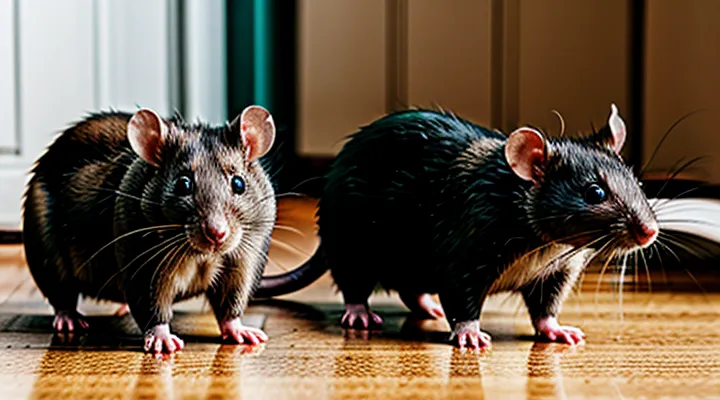
Keeping Rats as Pets: An Overview
Rats are highly social mammals that adapt well to indoor environments when provided with proper housing, nutrition, and mental stimulation. Their small size, low maintenance cost, and rapid breeding cycle make them accessible to a wide range of owners, from students to retirees. Typical cage setups include a solid-bottom enclosure with chew‑resistant bars, nesting material, a water bottle, and a balanced pellet diet supplemented by fresh vegetables.
Advantages include:
- High intelligence, enabling training for simple tricks and response to handling.
- Short lifespan (approximately two to three years), which limits long‑term commitment.
- Minimal space requirements compared to larger pets.
- Low veterinary expense when routine health checks are performed.
Disadvantages include:
- Susceptibility to respiratory infections if humidity or ventilation is inadequate.
- Potential for strong odor if cage cleaning is infrequent.
- Requirement for daily social interaction to prevent stress‑related behaviors.
- Legal restrictions in some jurisdictions that prohibit keeping rats as domestic animals.
Successful ownership depends on consistent cage maintenance, regular health monitoring, and provision of enrichment items such as tunnels, wheels, and chew toys. Prospective owners should assess personal capacity to meet these obligations before acquiring a rat, ensuring that the animal’s welfare and the household’s expectations align.
The Upsides of Rat Ownership
Companionship and Intelligence
«Sociable Nature»
Rats are inherently social mammals; they thrive in groups and develop complex hierarchies. Their capacity for bonding extends to humans, allowing them to respond to vocal cues, gestures, and routine interaction. This sociability reduces isolation for owners and provides a platform for behavioral enrichment.
Positive aspects of rat sociability
- Mutual grooming and play reinforce trust, making handling easier and safer.
- Vocalizations indicate emotional states, enabling owners to anticipate needs and respond appropriately.
- Group housing prevents stress‑induced behaviors such as aggression or stereotypies, promoting overall health.
Potential drawbacks linked to sociable nature
- Rats require companionship; solitary housing may lead to chronic stress, necessitating additional resources for pair or group care.
- Social interaction increases the risk of disease transmission within the colony, demanding rigorous hygiene and veterinary monitoring.
- Strong bonds can cause grief if a companion dies, potentially affecting the remaining rats’ welfare.
Understanding the sociable nature of rats informs responsible ownership, balancing the benefits of companionship with the obligations of proper group management.
«Trainability and Curiosity»
Rats learn quickly when presented with consistent cues and rewards. They can be taught to navigate mazes, perform simple tricks, and respond to clicker signals, which enhances interaction and provides mental stimulation. Successful training reduces unwanted behaviors and creates a predictable routine for the owner.
Training requires regular sessions, precise timing, and patience. Inconsistent practice leads to confusion, and frequent repetition may become time‑consuming for busy households. Without adequate reinforcement, rats may revert to previous habits, diminishing the benefits of their trainability.
Rats explore their environment relentlessly. Their innate curiosity drives them to investigate new objects, solve puzzles, and manipulate items such as tunnels and wheels. Providing varied enrichment satisfies this drive, promotes healthy activity, and prevents boredom‑related stress.
Uncontrolled curiosity can damage household items, chew wiring, and create messes. Owners must secure cables, block access to hazardous areas, and supervise interactions to avoid injuries or escapes. Failure to manage exploratory behavior increases maintenance effort and poses safety risks.
Low Maintenance and Affordability
«Space Requirements»
Rats need a dedicated enclosure that provides enough room for movement, exploration, and enrichment. The minimum floor area for a pair of rats is 2 sq ft (approximately 0.19 m²); each additional rat requires an extra 0.5 sq ft (0.05 m²). A cage height of at least 12 in (30 cm) allows vertical climbing structures and hammocks, which are essential for natural behavior.
- Cage dimensions: 24 in × 12 in × 12 in (60 cm × 30 cm × 30 cm) for two rats; increase length by 6 in (15 cm) per extra rat.
- Material: Wire mesh with a solid back panel prevents escape and reduces stress. Acrylic or glass tanks must have ventilation openings and a secure lid.
- Flooring: Solid base with a thick layer of absorbent bedding (≈2 in/5 cm) supports hygiene and comfort.
- Enrichment space: Allocate at least 30 % of the cage floor for tunnels, toys, and climbing platforms; vertical space should accommodate multiple levels without overcrowding.
- Location: Place the enclosure on a stable, level surface away from direct sunlight, drafts, and kitchen fumes. Ensure the area allows easy access for daily cleaning and feeding.
Insufficient space leads to aggression, stereotypic behavior, and health problems. Adequate enclosure size mitigates these risks while supporting social interaction and physical activity. Adjust the layout when adding new rats to maintain the per‑rat space ratio.
«Dietary Needs»
Proper nutrition determines the viability of rat ownership. Inadequate diets quickly lead to health problems that outweigh the appeal of having a small companion.
- Protein: 15‑20 % of daily intake; sources include commercial pellets, cooked eggs, lean meat, or insects.
- Fiber: 5‑10 % to promote gut motility; supplied by fresh vegetables such as kale, carrots, and broccoli.
- Fat: 5‑8 % for energy; present in nuts, seeds, and pellet formulations.
- Vitamins and minerals: Vitamin C, B‑complex, calcium, phosphorus, and potassium must be balanced; deficiency or excess can cause skeletal or metabolic disorders.
- Water: constant access to clean, fresh water prevents dehydration and urinary issues.
Recommended daily regimen:
- Commercial rat pellets as a reliable base, meeting macro‑ and micronutrient requirements.
- Fresh vegetables (30 % of diet) rotated to provide varied fiber and vitamins.
- Limited fruit (≤10 % of diet) for occasional sugars.
- Protein treats (≤5 % of diet) no more than three times per week to avoid excess calories.
Potential drawbacks linked to dietary management:
- Higher expense than generic pet food due to specialized pellets and fresh produce.
- Risk of obesity if calorie‑dense treats dominate the diet.
- Need for daily preparation and monitoring to prevent toxic foods (e.g., avocado, chocolate, raw beans).
- Sensitivity to sudden diet changes, which can trigger gastrointestinal distress.
When dietary needs are met, rats display robust health, reduced veterinary visits, and longer companionship—key advantages of pet rat keeping. Conversely, neglecting nutritional standards generates illness, increased costs, and diminishes the overall benefit of having rats at home.
Unique Pet Experience
«Individual Personalities»
Rats exhibit a wide range of individual traits that directly affect their suitability as household companions. Distinct temperaments can influence social interaction, training success, and overall compatibility with owners. Recognizing these differences helps prospective caretakers evaluate whether a particular rat aligns with their lifestyle and expectations.
- Affable, curious individuals tend to explore environments readily, facilitating enrichment activities and interactive play. Their sociability often translates into stronger bonds with humans, which can be a decisive advantage for families seeking an engaging pet.
- More timid or reserve‑oriented rats may require gradual exposure to handling and a quieter setting. Their cautious nature can reduce the likelihood of accidental bites but may also limit observable interaction, a potential drawback for owners desiring frequent contact.
- Highly dominant or assertive rats frequently assume leadership within a group, potentially suppressing the behavior of quieter companions. This hierarchy can simplify group management but may also create stress for subordinate individuals, affecting the overall welfare of the colony.
- Intellectually adept rats learn tricks and respond to click‑trainers efficiently, offering enrichment opportunities that enhance mental health. Their learning capacity represents a benefit for owners interested in training, yet it may raise expectations that are unrealistic for less responsive rats.
Assessing personality traits before adoption enables owners to match a rat’s disposition with their capacity for care, space constraints, and desired level of interaction. Informed decisions based on these behavioral profiles contribute to a balanced evaluation of the benefits and challenges associated with maintaining rats at home.
«Emotional Connection»
Rats display social behaviors that enable owners to develop a personal bond. They recognize individual caretakers, respond to voice tones, and seek physical contact, indicating mutual awareness.
Observable signs of attachment include grooming, following the owner’s movements, and emitting soft vocalizations when handled. These actions demonstrate reciprocal interaction rather than mere instinctual activity.
Positive emotional outcomes for caretakers:
- Decreased physiological stress markers measured after brief handling sessions.
- Enhanced sense of companionship comparable to other small mammals.
- Increased empathy through routine observation of the animal’s needs.
Emotional challenges for caretakers:
- Strong attachment may cause intense grief if the rat dies or is removed.
- Ongoing responsibility for daily interaction can create pressure for owners with limited time.
- Potential for neglect if the owner’s schedule changes, leading to behavioral regression in the animal.
The Downsides of Rat Ownership
Health Concerns and Lifespan
«Common Ailments»
Pet rats frequently develop health problems that influence the decision to keep them as indoor companions. Recognizing these conditions enables owners to assess risks, plan care, and evaluate the overall suitability of rat ownership.
- Respiratory infections (e.g., Mycoplasma pulmonis, Streptococcus spp.) – symptoms: nasal discharge, labored breathing, reduced activity.
- Skin disorders (e.g., mite infestation, fungal dermatitis) – symptoms: hair loss, itching, crusty lesions.
- Gastrointestinal issues (e.g., ileitis, gastric ulcers) – symptoms: weight loss, diarrhea, blood in stool.
- Dental malocclusion – symptoms: difficulty chewing, drooling, facial deformities.
- Tumors (particularly mammary and adrenal) – symptoms: palpable masses, abnormal behavior, rapid weight changes.
Early detection relies on daily observation of behavior, grooming, and physical condition. Veterinary consultation should follow any deviation from normal patterns. Treatment protocols often combine antimicrobial agents, anti‑inflammatory medication, and supportive care such as humidified environments for respiratory cases or dietary adjustments for dental problems.
Preventive measures reduce the incidence of these ailments: regular cage sanitation, balanced nutrition, routine health checks, and quarantine of new arrivals. Implementing these practices lowers veterinary expenses and minimizes disruption to household routines.
Owners must weigh the effort required to manage common rat illnesses against the companionship benefits. High morbidity rates increase time commitment and financial outlay, while effective prevention can mitigate most health concerns, making rat keeping a manageable responsibility for informed caretakers.
«Short Lifespan»
Rats typically live two to three years, a factor that shapes both benefits and drawbacks of keeping them as companions.
- The brief lifespan limits long‑term attachment; owners must prepare for frequent loss and the associated emotional impact.
- Short reproductive cycles increase the likelihood of accidental litters, requiring diligent separation and sterilization.
- Veterinary expenses concentrate within a narrow time frame, potentially raising the cost per year of care.
Conversely, the limited lifespan can also be advantageous.
- Rapid maturation allows owners to observe full developmental stages within a single ownership period, facilitating education about growth, behavior, and health.
- The condensed timeline encourages regular interaction, fostering a focused, intensive bond that often outweighs the brevity of the relationship.
- Early end-of-life expectations simplify long‑term planning, eliminating the need for extended accommodations or aging‑related adjustments.
Odor and Hygiene
«Cage Maintenance»
Cage maintenance directly influences the health of pet rats and the livability of the household. Regular upkeep prevents odor buildup, reduces the risk of parasites, and keeps the environment comfortable for the animals.
- Clean the cage completely every 1–2 weeks; replace all bedding.
- Spot‑clean daily: remove droppings, uneaten food, and soiled nesting material.
- Refresh water daily; inspect the bottle for leaks and mineral deposits.
- Rotate enrichment items weekly to avoid mold and wear.
- Disinfect all accessories (toys, tunnels, feeding bowls) with a mild, pet‑safe solution during each deep clean.
Consistent cleaning demands a weekly time slot and a modest budget for bedding, disinfectants, and replacement accessories. Neglecting these tasks leads to stronger smells, higher veterinary costs, and potential conflicts with other household members. Proper cage maintenance therefore balances the appeal of keeping rats against the required effort and expense.
«Ammonia Build-up»
Ammonia accumulates in cages when urine decomposes, especially in poorly ventilated enclosures. High concentrations irritate the respiratory tract of both rodents and humans, can trigger asthma attacks, and may lead to chronic sinus inflammation. The odor also reduces the pleasantness of the living environment, discouraging extended indoor interaction with the animals.
Mitigation measures:
- Replace bedding daily; choose absorbent, low‑dust substrates such as paper pulp or aspen shavings.
- Clean the cage at least once every 24 hours; remove soiled spots and replace all bedding weekly.
- Provide adequate airflow by positioning cages away from sealed corners and using cage fans or room ventilation.
- Use sealed food containers to prevent spillage, which contributes to moisture and bacterial growth.
- Incorporate a shallow water dish with a drip tray to collect excess liquid and prevent pooling.
Regular monitoring of ammonia levels can be performed with inexpensive test strips. Readings above 10 ppm indicate the need for immediate cleaning or ventilation adjustments. Maintaining low ammonia concentrations supports the health of pet rats and preserves indoor air quality for owners.
Potential for Damage
«Chewing Habits»
Rats continuously gnaw because their incisors grow throughout life; unchecked growth leads to misalignment, pain, and inability to eat.
The behavior prevents dental problems, promotes oral health, and supplies sensory stimulation that reduces stress and stereotypic actions.
Uncontrolled chewing can damage furniture, electrical cords, and wiring, creating fire hazards and costly repairs; ingesting inappropriate materials may cause gastrointestinal blockage.
Effective control relies on providing safe, durable chew items, regularly rotating them to sustain interest, and inspecting the environment for vulnerable objects.
- Offer untreated wood blocks, sisal rope, and mineral chews.
- Replace worn toys before they fragment.
- Secure cords with protective tubing or keep them out of reach.
- Supervise new introductions to the habitat for at least a week.
Consistent management preserves the animal’s health while minimizing property loss.
«Escape Artists»
Rats possess a strong instinct to explore and breach barriers, a behavior that owners label “escape artists.” Their ability to squeeze through gaps, chew pliable materials, and navigate complex environments demands meticulous cage design and constant vigilance.
Advantages linked to this trait
- Encourages owners to invest in secure, high‑quality enclosures, which improve overall animal welfare.
- Prompts regular inspection of housing, reducing the likelihood of unnoticed damage or disease.
- Provides mental stimulation for the rats, as the challenge of escaping can be redirected into enrichment activities such as puzzle feeders and maze structures.
Disadvantages linked to this trait
- Inadequate containment may lead to rats entering living spaces, contaminating surfaces with urine, feces, and hair.
- Escaped individuals can bite, scratch, or transmit pathogens to humans and other pets.
- Persistent escape attempts increase stress for both the animal and the caretaker, potentially resulting in aggression or health issues.
Effective management of the escape‑artist tendency hinges on robust cage construction, routine maintenance, and proactive enrichment, balancing the benefits of heightened vigilance against the risks of uncontrolled roaming.
Social Perceptions
«Public Misconceptions»
Public perception of pet rats is shaped by several inaccurate beliefs that obscure both the advantages and disadvantages of keeping them as companions.
- Rats are inherently disease carriers. Veterinary studies confirm that domesticated rats rarely transmit pathogens to humans when proper hygiene is maintained.
- All rodents exhibit aggressive behavior. Behavioral research shows that laboratory‑bred rats are sociable, can be trained, and typically display gentle interaction with familiar caretakers.
- Rats have short lifespans that render them unsuitable as long‑term pets. The average domestic rat lives 2–3 years, a duration comparable to many small mammals, allowing owners to experience a full cycle of care and bonding.
- Rodents cannot be litter trained. Conditioning experiments demonstrate that rats reliably use designated trays after a brief acclimation period, reducing waste management concerns.
- Keeping rats requires specialized equipment beyond a simple cage. Standard cages, bedding, and basic enrichment items satisfy their physiological and psychological needs, matching the requirements of other common small pets.
These misconceptions limit informed decision‑making. Accurate data reveal that rats provide enrichment, social interaction, and low‑maintenance care, while also presenting genuine considerations such as lifespan and specific dietary needs. Recognizing factual information enables prospective owners to weigh the true benefits against the real challenges of housing rats in a domestic environment.
«Fear and Disgust»
Keeping rodents as indoor companions triggers strong emotional reactions that shape owners’ decisions. Fear and disgust appear early in the evaluation process and often outweigh practical considerations.
Fear arises from several concrete factors:
- Sudden movements that can startle observers.
- Potential for bite injuries, especially with untrained individuals.
- Documented cases of pathogen transmission, prompting health‑related anxiety.
Disgust is linked to sensory and hygienic aspects:
- Accumulation of feces, which stains surfaces and requires frequent cleaning.
- Musky odor produced by scent glands, noticeable in confined spaces.
- Visible grooming behavior, including nibbling of fur and skin, which many find unsettling.
These affective responses intersect with logical appraisal of pet ownership. When fear or disgust dominate, individuals may reject the animal despite evidence of low disease risk and manageable maintenance. Conversely, mitigating strategies—secure cages, regular cleaning, and handling training—can reduce negative emotions and allow a more balanced assessment of the animal’s suitability for the home.