
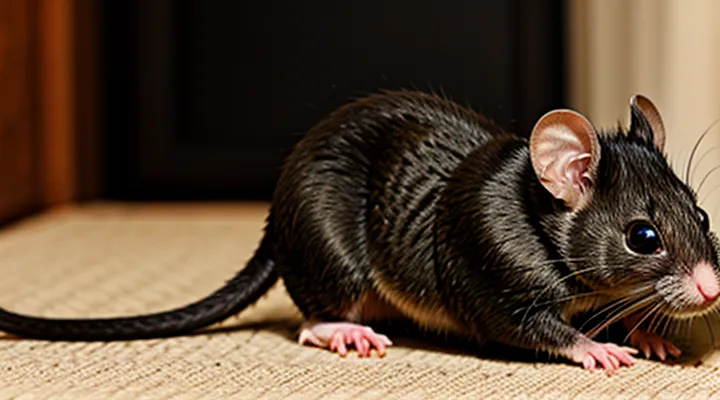
The Allure of Fancy Rats: Why Choose Them?
Unique Personality and Intelligence
Trainability and Social Interaction
Fancy rats demonstrate notable learning capacity. They respond to positive reinforcement, can master simple commands such as “come,” “stay,” and target‑touch tasks. Clicker training accelerates acquisition of these behaviors, enabling owners to shape more complex actions like navigating obstacle courses. Consistent short sessions prevent stress and maintain motivation.
Social dynamics shape both well‑being and management requirements. Rats form strong bonds with conspecifics; a single individual often exhibits signs of loneliness, including reduced activity and self‑injury. Pairing or grouping provides grooming opportunities, mutual play, and hierarchical stability. Human interaction triggers similar affiliative responses: head‑rubbing, vocalizations, and willingness to approach hands. Reliable handling from an early age reduces fear and enhances cooperative behavior.
Benefits
- Rapid acquisition of basic tricks improves mental stimulation.
- Cooperative tasks facilitate enrichment and reduce boredom.
- Group living fulfills innate social needs, promoting health.
- Regular human contact strengthens trust and eases veterinary procedures.
Drawbacks
- Training demands daily time commitment; inconsistency leads to regression.
- Highly social rats may become disruptive if isolated, requiring additional companions.
- Multiple animals increase space requirements, cleaning workload, and potential aggression during hierarchy formation.
- Over‑stimulation from excessive handling can cause stress, necessitating balanced interaction schedules.
Emotional Bonds with Owners
Fancy rats frequently form attachments that resemble those observed in traditional pets. Owners often report recognition of their rat’s presence, vocalizations directed at the human, and a willingness to seek physical contact.
- Positive aspects of this attachment include reduced loneliness for the caretaker, measurable decreases in stress markers when the animal is handled, and reinforcement of routine care behaviors that improve overall health of the rat.
- Negative aspects involve potential emotional distress when the rat ages or dies, heightened anxiety during periods of separation, and the risk of over‑reliance on the animal for emotional support, which may impede development of broader social networks.
The strength of the bond can affect decision‑making about housing, diet, and veterinary care. Owners who value companionship may invest in larger enclosures, enrichment items, and regular health checks, while those less attached might accept minimal interaction and lower maintenance standards.
Assessing personal expectations before acquiring a fancy rat helps align the animal’s capacity for connection with the owner’s emotional needs, thereby minimizing regret and maximizing mutual well‑being.
Low Maintenance (Relative to Other Pets)
Smaller Space Requirements
Fancy rats occupy considerably less floor area than many traditional pets. A single adult typically requires a cage of 2 ft × 1 ft × 1 ft for comfortable movement, allowing owners in small apartments to provide adequate housing without sacrificing living space.
Advantages of the modest spatial demand include:
- Compatibility with limited‑size dwellings; no need for a dedicated room or large enclosure.
- Reduced furniture rearrangement; cages can be placed on a desk, shelf, or under a table.
- Lower utility costs; smaller cages consume less electricity for heating and ventilation.
Potential drawbacks arise when the minimal space is insufficient for enrichment. Overcrowding can lead to stress, aggression, and health issues. To mitigate these risks, owners should supplement the primary cage with regular out‑of‑cage playtime, climbing structures, and rotating toys, ensuring the animal receives adequate physical and mental stimulation despite the limited footprint.
Simplified Grooming Needs
Pet rats require only a few grooming actions to stay healthy. Daily inspection of the coat and occasional brushing remove loose hair and prevent matting. Nail trimming every two to three weeks maintains comfortable movement and avoids injury. A light, infrequent bath with warm water and mild soap eliminates excess oil; most owners find it sufficient to rinse the animal once a month. Ear and eye cleaning with a cotton swab dampened in saline keeps debris from accumulating.
- Brush coat 2–3 times weekly with a soft pet brush.
- Trim nails using small animal clippers; stop when the quick is visible.
- Bathe monthly; use lukewarm water and a gentle cleanser, dry thoroughly.
- Wipe eyes and ears with saline‑moistened cotton; discard residue.
Reduced grooming workload lowers the time commitment for owners, making rats suitable for busy households. Minimal equipment—brush, clippers, and a shallow container—keeps costs low. Regular grooming also provides early detection of skin lesions, parasites, or injuries, supporting prompt veterinary care.
Neglecting these simple tasks can lead to coat tangles, skin irritation, and a strong odor that signals poor hygiene. Over‑trimming nails may cause bleeding; improper bathing temperature can stress the animal. Consistent attention to the outlined steps prevents these drawbacks while preserving the animal’s well‑being.
The Challenges of Fancy Rat Ownership
Significant Time Commitment
Daily Interaction and Enrichment
Daily interaction with fancy rats provides essential mental stimulation and strengthens the human‑animal bond. Regular handling, gentle petting, and brief conversation sessions teach the rodents to trust their caretakers, reducing stress‑related behaviors such as excessive grooming or self‑mutilation. Consistent contact also allows owners to monitor health indicators—weight, coat condition, and activity levels—enabling prompt veterinary intervention when needed.
Enrichment activities complement interaction by addressing the species’ innate curiosity and problem‑solving abilities. Effective strategies include:
- Puzzle feeders that require manipulation to release food, encouraging dexterity and cognitive engagement.
- Rotating tunnels, climbing structures, and chewable objects to prevent habituation and maintain exploratory drive.
- Short, supervised free‑range sessions in a safe, escape‑proof area to promote natural foraging and locomotion.
These practices mitigate boredom, a common cause of stereotypic behaviors such as bar‑biting or repetitive pacing. However, they demand time investment and careful planning. Owners must allocate several minutes each day for handling and design a varied enrichment schedule; neglect can lead to heightened anxiety, aggression, or health decline.
Balancing interaction and enrichment with routine care yields a healthier, more sociable pet, while insufficient engagement increases the risk of behavioral and physiological problems.
Cleaning and Cage Maintenance
Maintaining a clean cage is essential for the health of fancy rats and directly influences the overall experience of ownership. Daily spot‑cleaning removes spilled food, urine stains, and shed bedding, preventing bacterial growth and strong odors. A weekly deep clean—removing all substrate, washing the enclosure with mild detergent, rinsing thoroughly, and drying before adding fresh bedding—reduces parasite risk and supports the animals’ respiratory health.
Pros of diligent cage upkeep include:
- Consistent hygiene lowers veterinary costs by preventing common ailments such as respiratory infections and skin conditions.
- A tidy environment encourages natural foraging behavior, as rats are less likely to hide waste in corners.
- Reduced odor improves the living space for both the pets and their human caregivers.
Cons associated with regular maintenance are:
- Time commitment of 15–30 minutes each day and a longer session weekly, which may be challenging for owners with busy schedules.
- Financial outlay for quality bedding, cleaning agents, and replacement accessories, especially when using specialized, low‑dust products.
- Potential stress to the rats if the cage is emptied and reassembled frequently; gradual transitions and consistent routines mitigate this risk.
Effective cage management balances these factors by establishing a predictable cleaning schedule, selecting low‑maintenance enclosure designs (e.g., solid‑bottom cages with removable trays), and using absorbent, clump‑forming bedding to shorten deep‑clean intervals. This approach maximizes the health benefits while minimizing the labor and expense involved in caring for fancy rats.
Financial Considerations
Initial Setup Costs
When deciding to keep fancy rats, the first financial commitment involves equipping the animal with a safe, functional environment. The required items represent the bulk of the upfront expense, and their quality directly influences the pet’s health and behavior.
- Cage – A solid‑bottom, ventilated enclosure sized at least 2 ft × 1 ft × 1 ft; prices range from $80 for basic models to $250 for premium glass or modular systems.
- Bedding – Absorbent, dust‑free substrate such as paper pulp or aspen; a 10‑lb bag costs $8–$15 and must be replenished weekly.
- Enrichment – Chew toys, tunnels, climbing structures, and hideouts; a starter set typically totals $20–$40.
- Food and Water – A balanced pellet diet with occasional treats; initial bulk purchase of 5 lb of pellets is $12–$18, while a stainless‑steel water bottle costs $5–$10.
- Health Supplies – Basic grooming tools, a small first‑aid kit, and a veterinary consultation for a health check; the vet visit alone averages $50–$80.
Additional considerations include transport cages for trips to the veterinarian, a litter box, and occasional replacement of worn accessories. Prices vary by brand, material, and regional availability, so budgeting for a range rather than a fixed amount provides a realistic financial outlook.
Ongoing Expenses: Food, Bedding, and Vet Care
When evaluating the financial commitment of owning a pet rat, three recurring cost categories dominate the budget: nutrition, habitat maintenance, and health services.
-
Nutrition – High‑quality rodent pellets, fresh vegetables, and occasional protein treats are essential for growth and longevity. A standard 5‑kg bag of pellets costs roughly $20–$30 and lasts about a month for a pair of rats. Supplementary produce adds $5–$10 monthly, depending on seasonal availability.
-
Habitat maintenance – Bedding material, such as paper‑based or aspen shavings, must be replaced weekly to control odor and moisture. A 10‑lb package ranges from $8 to $12, translating to $15–$20 per month for a typical cage. Additional accessories (cage liners, cleaning sprays) contribute another $5–$8 monthly.
-
Health services – Routine veterinary examinations, vaccinations, and emergency care represent the most variable expense. Preventive visits occur twice yearly, each costing $50–$80. Unexpected illnesses may require diagnostics and medication, adding $30–$150 per incident.
Summing these figures yields a baseline monthly outlay of $40–$60, excluding occasional emergencies. Prospective rat owners should incorporate this steady expenditure into their financial planning to ensure consistent care and avoid compromising animal welfare.
Potential Health Issues and Lifespan
Common Rat Ailments
Respiratory infections are a frequent problem in pet rats. Symptoms include sneezing, nasal discharge, labored breathing, and lethargy. Prompt veterinary assessment and appropriate antibiotics can prevent progression to pneumonia, which often proves fatal without treatment.
Skin conditions such as dermatitis and mange appear as hair loss, crusty patches, and itching. These disorders typically result from parasites, fungal overgrowth, or allergic reactions. Effective management requires identification of the underlying cause, followed by topical or systemic medication and strict hygiene.
Gastrointestinal disturbances manifest as diarrhea, weight loss, and reduced appetite. Common triggers include dietary changes, bacterial overgrowth, or parasites. Rehydration, dietary adjustment, and, when indicated, antiparasitic therapy are essential to restore gut health.
Dental malocclusion occurs when incisors fail to wear evenly, leading to overgrowth, difficulty eating, and oral ulceration. Regular inspection of tooth length and provision of chewable enrichment items help maintain proper wear. Surgical trimming performed by a qualified veterinarian resolves severe cases.
Tumors, particularly mammary adenomas and fibrosarcomas, are observed in older rats. Rapidly growing masses, ulceration, or bleeding signal the need for immediate veterinary evaluation. Surgical excision offers the best prognosis when detected early.
Parasitic infestations, including mites and internal worms, produce itching, fur loss, and digestive upset. Routine fecal examinations and preventive treatments reduce the risk of infestation and associated health decline.
Vaccination is unavailable for rats, making disease prevention reliant on environmental control, proper nutrition, and regular health monitoring. Early detection of the ailments listed above directly influences the overall welfare of pet rats and informs the decision‑making process regarding their ownership.
Shorter Lifespan: Emotional Impact
Fancy rats typically live between two and three years. Their brief lifespan can create a rapid cycle of attachment and loss, affecting owners’ emotional well‑being.
- Anticipation of imminent death may lead to heightened anxiety during the pet’s final months.
- Frequent bereavement can generate grief patterns similar to those experienced after losing larger companion animals.
- The short time frame limits opportunities for long‑term bonding, reducing the depth of relational development.
Owners often report feelings of sadness and guilt after the rat’s death, especially when they perceive the loss as premature. The emotional toll may discourage potential caretakers from adopting fancy rats, influencing overall popularity of these pets.
Societal Perceptions and Misconceptions
Overcoming Stereotypes
Fancy rats often suffer from misconceptions that deter potential owners. Common images portray them as dirty, disease‑carrying, or unsuitable as pets. Scientific studies show low zoonotic risk when proper hygiene is practiced, and breed standards emphasize clean coats and calm temperaments. Presenting verified data counters fear‑based narratives and informs prospective caretakers.
Effective strategies for dismantling stereotypes include:
- Publishing veterinary research that quantifies health risks and clarifies care requirements.
- Sharing documented behavioral assessments that highlight intelligence, trainability, and social compatibility.
- Featuring owner testimonies that describe daily interactions, grooming routines, and enrichment activities.
- Providing transparent guidelines on housing, diet, and veterinary check‑ups to demonstrate responsible ownership standards.
When evaluating the merits of keeping fancy rats, stakeholders should weigh factual evidence against anecdotal bias. Objective criteria—such as lifespan, space needs, and compatibility with other pets—offer a clearer picture than cultural prejudice. Decision‑makers benefit from a balanced view that separates myth from measurable outcomes.
Overcoming entrenched stereotypes ultimately expands the pool of informed owners, improves animal welfare, and enriches the pet‑keeping community with diverse, well‑educated participants.
Educating Others about Pet Rats
Educating prospective owners about pet rats requires clear presentation of factual information and balanced evaluation of their suitability as companions.
Fancy rats (Rattus norvegicus domestica) are selectively bred for coat color, pattern, and temperament. They possess high intelligence, social affinity, and relatively low maintenance compared to larger mammals. Lifespan averages 2–3 years, with health issues such as respiratory infections and tumors occurring predictably in older individuals.
Advantages
- Social behavior encourages bonding with humans and other rats.
- Small size fits apartment living; cage footprint remains modest.
- Low food cost; standard rodent pellets meet nutritional needs.
- Quick learning enables training for simple tricks and handling.
- Short reproductive cycle supports controlled breeding programs.
Disadvantages
- Short lifespan may cause emotional distress for owners.
- Susceptibility to respiratory disease demands vigilant hygiene.
- Requirement for daily interaction; neglect leads to stress and aggression.
- Legal restrictions in some jurisdictions limit ownership.
- Potential allergen exposure for sensitive individuals.
Effective education combines these points with practical guidance: recommend cage dimensions of at least 2 sq ft per rat, emphasize daily cleaning schedules, provide resources such as veterinary contacts specializing in exotics, and suggest reputable breeders who prioritize health screening. Encourage prospective owners to observe rat behavior before acquisition, ensuring compatibility with lifestyle and household conditions.