
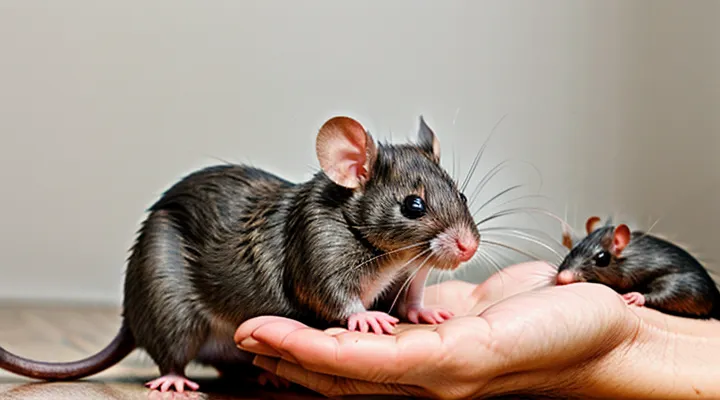
Understanding the Natural Lifespan of Rats
Wild Rats Versus Pet Rats: A Comparison
Wild rats typically live 1–2 years in natural habitats, with mortality driven by predation, disease, and fluctuating food supplies. Average longevity under field conditions rarely exceeds 18 months, even when individuals avoid immediate threats.
Hand‑raised pet rats commonly reach 2–3 years, and exceptional cases extend to 4 years. Controlled environments provide regular nutrition, veterinary care, and protection from predators, allowing the species’ genetic potential for longer life to be expressed.
Differences arise from several variables:
- Diet quality: Wild diets consist of opportunistic foraging, often deficient in essential nutrients; pet diets are formulated for balanced protein, fat, and vitamin content.
- Health management: Veterinary interventions prevent or treat infections that would be lethal in the wild.
- Stress exposure: Constant threat perception and competition elevate cortisol levels in wild populations, shortening lifespan; domestic rats experience reduced stressors.
- Genetic selection: Breeding programs favor traits associated with health and longevity, whereas wild populations maintain broader genetic diversity without selective pressure for extended life.
Overall, the controlled conditions of domestication increase the average lifespan of hand‑raised rats by roughly 50 % compared with their wild counterparts.
Average Lifespan of Pet Rats
Factors Influencing Lifespan
Hand‑raised rats typically live longer than their wild‑caught counterparts when optimal conditions are consistently provided. Longevity is determined by a combination of genetic, nutritional, environmental, and management variables.
Genetic background sets the baseline potential for lifespan. Inbreeding can reduce vitality, while outbred lines often display greater resilience. Selecting breeding stock with documented health histories enhances the probability of extended survival.
Nutrition directly influences cellular maintenance and disease resistance. Diets that mimic natural omnivorous intake—high‑quality rodent pellets supplemented with fresh vegetables, occasional protein sources, and limited sugary treats—support organ function and immune competence. Consistent feeding schedules prevent metabolic stress.
Environmental factors encompass housing design, climate control, and enrichment. Cages should provide adequate space, ventilation, and solid flooring to avoid foot injuries. Temperature maintained between 18 °C and 24 °C and relative humidity of 40–60 % reduce respiratory and dermatological problems. Regular introduction of chew toys, tunnels, and climbing structures encourages physical activity, which mitigates obesity and musculoskeletal decline.
Health management includes preventive veterinary care, parasite control, and prompt treatment of injuries. Routine health checks detect early signs of respiratory infections, tumors, and dental issues. Vaccination is not standard for rats, but strict hygiene and quarantine of new arrivals limit pathogen exposure.
Social interaction is critical for emotional stability. Rats are highly social; isolation can increase stress hormones, suppress immunity, and shorten life expectancy. Cohabitation with compatible conspecifics, coupled with gentle daily handling, promotes trust and reduces chronic stress.
Summarized factors influencing the longevity of hand‑reared pet rats:
- Genetic quality and breeding practices
- Balanced, species‑appropriate diet
- Controlled temperature and humidity
- Spacious, well‑ventilated housing with enrichment
- Regular veterinary examinations and parasite prevention
- Consistent social companionship and low‑stress handling
Optimizing each element creates conditions in which hand‑raised rats can achieve their maximum natural lifespan.
Genetic Predisposition
Genetic predisposition significantly influences the longevity of domesticated rats that are hand‑reared. Studies of laboratory and pet populations identify several hereditary traits that correlate with extended or reduced lifespans.
Key genetic factors include:
- Alleles affecting metabolic efficiency – variants of the Pparg gene improve insulin sensitivity, lowering the incidence of age‑related diabetes.
- Immune‑system regulators – polymorphisms in the Mhc region enhance pathogen resistance, reducing mortality from common infections.
- Growth‑factor genes – mutations in Igf1 modulate growth rates; slower growth often aligns with delayed onset of neoplastic diseases.
- Skin and coat genes – certain Kit alleles reduce dermatological issues that can lead to secondary infections.
Selective breeding practices amplify these traits. Inbreeding depresses heterozygosity, increasing the frequency of deleterious recessive alleles such as those linked to cardiac anomalies and renal degeneration. Outcrossing introduces genetic diversity, raising the prevalence of protective alleles and improving overall health outcomes.
Hereditary screening protocols, employing PCR or SNP arrays, enable breeders to identify individuals carrying advantageous genotypes. Incorporating such data into breeding decisions extends the average lifespan of hand‑raised pet rats by up to 20 % compared with unmonitored populations.
Environmental Enrichment
Environmental enrichment provides the stimuli needed for hand‑reared pet rats to maintain physical health, mental acuity, and social competence, all of which correlate with increased longevity.
Key enrichment categories include:
- Physical structures: tunnels, climbing ladders, and chewable platforms that encourage exercise and dental wear.
- Cognitive challenges: puzzle feeders, foraging boxes, and rotating toys that promote problem‑solving.
- Social interactions: regular, supervised contact with conspecifics or human caretakers to reduce isolation stress.
- Sensory variety: varied textures, scents, and auditory cues that prevent habituation and stimulate curiosity.
Research on laboratory and domestic rodents demonstrates that enriched environments reduce incidence of obesity, cardiovascular strain, and neoplastic growth, thereby extending average life expectancy by 15‑30 % compared with barren housing. Biomarkers such as lower corticosterone levels and improved immune function consistently accompany enriched conditions.
Practical guidelines for owners:
- Introduce at least two distinct physical elements per cage and refresh them monthly.
- Provide daily foraging opportunities using timed-release food dispensers.
- Schedule brief, supervised play sessions with a compatible rat or a familiar caretaker three times per week.
- Rotate sensory items (e.g., scented cloth strips) on a weekly basis to prevent desensitization.
Implementing these measures creates a dynamic habitat that supports physiological resilience and enhances the overall lifespan of hand‑raised pet rats.
Key Factors Affecting Lifespan of Hand-Raised Pet Rats
Nutrition: The Cornerstone of Health
Balanced Diet Essentials
A balanced diet directly influences the health span of hand‑raised pet rats. Adequate nutrition supports organ development, immune function, and cognitive performance, which together extend average longevity.
Protein sources must provide essential amino acids for tissue growth. Recommended options include cooked eggs, lean poultry, and high‑quality rodent pellets formulated with 18–20 % protein. Fat content should remain moderate, supplying essential fatty acids without promoting obesity; a 5–7 % inclusion of omega‑3‑rich oils is optimal.
Carbohydrates supply energy for active rodents. Complex carbs such as whole‑grain oats, barley, and cooked sweet potato deliver sustained glucose release, while simple sugars should be limited to avoid metabolic strain. Fiber, derived from fresh vegetables and safe fruit portions, aids gastrointestinal motility and prevents constipation.
Key micronutrients must be present in adequate amounts:
- Calcium / phosphorus ratio of approximately 1 : 1 for skeletal integrity
- Vitamin A for vision and epithelial health
- Vitamin D3 to facilitate calcium absorption
- B‑complex vitamins for metabolic processes
- Selenium and zinc for antioxidant protection
Consistent provision of these nutrients, combined with fresh water and regular health monitoring, creates the dietary foundation that maximizes the lifespan of hand‑raised pet rats.
Avoiding Harmful Foods
Proper nutrition directly influences the longevity of hand‑reared pet rats. Certain foods contain toxins, excessive fats, or ingredients that disrupt digestive health, reducing lifespan and increasing disease risk.
- Chocolate and cocoa products – contain theobromine, which rats cannot metabolize safely.
- Caffeinated beverages or foods – stimulate heart rate and may cause arrhythmias.
- Citrus fruits – high acidity can irritate the gastrointestinal lining and lead to ulceration.
- Avocado flesh – includes persin, a compound toxic to rodents.
- Processed meats with nitrates or high salt content – elevate blood pressure and strain renal function.
- Raw beans, especially kidney beans – contain lectins that impair nutrient absorption and cause intestinal distress.
- Artificial sweeteners such as xylitol – can cause rapid insulin release and hypoglycemia.
- Moldy or spoiled produce – introduces mycotoxins that damage liver cells.
Eliminate these items from the diet and replace them with fresh vegetables, high‑quality rodent pellets, and occasional protein sources like boiled eggs or cooked lean meat. Regularly monitor food freshness, store supplies in airtight containers, and observe rats for signs of digestive upset. Consistent avoidance of harmful foods supports optimal health and extends the expected lifespan of hand‑raised companion rats.
Housing and Environment
Cage Size and Design
Adequate cage dimensions and thoughtful construction directly affect the health and longevity of hand‑reared rats. A minimum floor space of 2 sq ft per pair of adults prevents overcrowding, promotes regular exercise, and reduces stress‑induced ailments. Vertical space should allow for climbing and nesting, with at least 12 inches of height between the floor and the top of the enclosure.
Key design elements include:
- Solid, non‑porous flooring covered with a thin layer of safe bedding to facilitate cleaning and prevent bacterial growth.
- Secure, ventilated panels that provide airflow while protecting against escape; mesh size must be ≤ ¼ inch to block small paws.
- Modular sections that can be rearranged to introduce novel environments, encouraging mental stimulation and preventing stereotypic behavior.
- Easy‑access doors and removable trays for routine health checks, weight monitoring, and cage cleaning without disturbing the animals.
Materials such as powder‑coated metal or high‑grade acrylic resist corrosion and are easy to disinfect. Avoid untreated wood, which can splinter and harbor parasites. Incorporating chew‑proof accessories—ramp, hideout, and climbing branches—supports dental wear and natural foraging instincts, both critical for sustained well‑being.
Substrate and Bedding Choices
Choosing an appropriate substrate directly influences the respiratory health, skin condition, and overall longevity of hand‑raised pet rats. Inhalable dust particles can irritate delicate airways, while contaminated bedding may harbor pathogens that shorten life expectancy. Therefore, substrate selection must prioritize low dust, absorbency, and ease of sanitation.
- Paper‑based bedding (e.g., shredded paper, cellulose pads): minimal dust, high absorbency, biodegradable; unsuitable for prolonged moisture exposure.
- Aspen shavings: low aromatic oils, moderate dust, good ventilation; requires frequent replacement to prevent mold.
- Coconut fiber (coir): excellent moisture control, natural antimicrobial properties; may contain residual dust if not pre‑treated.
- Hemp bedding: low allergenicity, high absorbency, renewable; higher cost, potential for occasional mold if not fully dried.
- Corncob bedding: high absorbency, low cost; elevated dust levels and possible fungal growth if damp.
Avoid cedar, pine, or scented wood shavings because volatile compounds can cause chronic respiratory irritation. For optimal health outcomes, combine a low‑dust primary substrate (paper or aspen) with a thin layer of absorbent material (coir or hemp) to manage humidity. Replace the entire bedding weekly, spot‑clean daily, and sterilize the enclosure with a mild, rat‑safe disinfectant monthly. This routine minimizes microbial load, preserves coat integrity, and supports a longer, healthier life for hand‑raised rats.
Temperature and Humidity Control
Temperature stability directly influences metabolic rate in hand‑reared rats. Ambient temperatures between 18 °C and 24 °C keep basal metabolism within a range that supports growth without imposing excessive energy demands. Temperatures above 27 °C accelerate respiration and may lead to heat stress, reducing immune function and shortening life expectancy. Conversely, temperatures below 15 °C slow digestion and increase susceptibility to respiratory infections.
Humidity levels affect skin integrity and respiratory health. Relative humidity maintained at 45 %–55 % prevents desiccation of the nasal passages and reduces the risk of fungal growth in bedding. Humidity below 30 % can cause dry skin and eye irritation, while levels above 70 % promote mold, aggravating the respiratory system and accelerating decline.
Practical guidelines for optimal environmental control:
- Use a calibrated digital thermostat; check readings twice daily.
- Employ a hygrometer; adjust with a humidifier or dehumidifier as needed.
- Position cages away from direct sunlight, drafts, and HVAC vents.
- Change bedding weekly to prevent moisture buildup.
- Record temperature and humidity trends; correlate spikes with health observations.
Consistent management of these parameters creates a physiological environment that maximizes the longevity of pet rats raised by hand.
Veterinary Care and Disease Prevention
Regular Health Check-ups
Regular examinations are essential for extending the longevity of hand‑reared pet rats. Early detection of respiratory infections, dental overgrowth, and skin conditions prevents rapid health decline and supports steady growth.
Key components of each veterinary visit include:
- Physical assessment of weight, coat quality, and activity level.
- Auditory and ocular inspection for discharge, redness, or swelling.
- Palpation of the abdomen to identify masses or organ enlargement.
- Dental evaluation to ensure incisors are properly trimmed and aligned.
- Blood sampling for complete blood count and metabolic panel, detecting hidden infections or organ dysfunction.
Recommended frequency varies with age:
- Neonates (0–4 weeks): weekly check‑ups to monitor developmental milestones and weaning progress.
- Juveniles (1–3 months): bi‑weekly examinations to track growth curves and vaccination schedule.
- Adults (3 months–2 years): monthly visits for preventive care and behavioral assessment.
- Seniors (over 2 years): bi‑monthly appointments to manage age‑related decline and adjust diet.
Preventive measures reinforce regular check‑ups:
- Daily observation for sneezing, wheezing, or changes in grooming habits.
- Maintenance of a clean cage environment to reduce pathogen load.
- Balanced diet rich in protein, fiber, and vitamin C to support immune function.
- Scheduled nail trimming and enrichment to prevent musculoskeletal stress.
Consistent veterinary oversight, combined with vigilant owner monitoring, directly influences the overall lifespan of hand‑raised pet rats, ensuring they remain healthy throughout their adult years.
Common Health Issues in Pet Rats
Pet rats raised by hand are susceptible to a set of health conditions that directly affect their longevity. Recognizing and addressing these problems early can extend the life expectancy of a hand‑reared companion.
- Respiratory infections (e.g., Mycoplasma pulmonis, Streptococcus spp.) – present with nasal discharge, sneezing, labored breathing; can progress to pneumonia if untreated.
- Skin parasites (mites, fleas) – cause itching, hair loss, dermatitis; secondary bacterial infections may develop.
- Gastrointestinal disturbances (diarrhea, constipation) – often linked to diet imbalance, stress, or bacterial overgrowth; dehydration and weight loss are common consequences.
- Dental overgrowth – continuous incisor growth leads to malocclusion, difficulty eating, and weight loss if not trimmed.
- Tumors (especially mammary and endocrine neoplasms) – frequent in older rats; may manifest as palpable masses, weight fluctuation, or hormonal changes.
- Metabolic disorders (e.g., hypoglycemia, kidney disease) – result in lethargy, excessive drinking, and altered urine output.
Effective management includes regular health checks, prompt veterinary intervention, balanced nutrition, enrichment to reduce stress, and routine dental trimming. Early detection and treatment of the listed conditions correlate with measurable increases in the expected lifespan of hand‑reared rats.
Respiratory Infections
Respiratory infections are a leading factor limiting the longevity of hand‑raised pet rats. The small airway size of these rodents makes them susceptible to pathogens that rapidly compromise oxygen exchange. Early signs include nasal discharge, audible wheezing, and reduced activity; progression often leads to pneumonia, septicemia, and death within days to weeks if untreated.
Common agents:
- Mycoplasma pulmonis – chronic upper‑respiratory disease, causes rhinitis and otitis; persistent infection shortens average lifespan by 20‑30 %.
- Streptococcus spp. – acute bronchopneumonia, rapid onset of fever and lethargy; mortality spikes during crowded housing.
- Bordetella bronchiseptica – cough, sneezing, secondary bacterial invasion; heightened risk in young or immunocompromised individuals.
- Viral agents (e.g., Sendai virus) – transient symptoms but can predispose to bacterial superinfection.
Prevention strategies:
- Maintain humidity between 40‑60 % and temperature around 20‑24 °C to discourage pathogen proliferation.
- Provide HEPA‑filtered ventilation; replace bedding weekly to reduce microbial load.
- Conduct quarterly health screenings, including nasal swabs for Mycoplasma detection.
- Administer prophylactic antibiotics only under veterinary guidance to avoid resistance.
Therapeutic interventions:
- Empiric broad‑spectrum antibiotics (e.g., enrofloxacin) pending culture results; adjust based on sensitivity.
- Supportive care with warm, humidified environments and fluid supplementation to alleviate dehydration.
- Antipyretics (e.g., meloxicam) for fever control, administered at recommended dosages.
Effective management of respiratory infections can extend the average life expectancy of hand‑raised pet rats from 2‑3 years to 3‑4 years, aligning their survival with optimal genetic potential. Regular veterinary oversight remains essential for early detection and timely treatment.
Tumors and Cancers
Tumors and cancers significantly influence the life expectancy of hand‑reared pet rats. Malignant growths reduce average survival by 30‑45 % compared to healthy individuals, while benign neoplasms may cause a 10‑15 % decrease when left untreated.
Common neoplastic conditions in these rodents include:
- Mammary adenocarcinoma – frequent in older females; rapid enlargement and ulceration are typical.
- Hepatocellular carcinoma – presents with abdominal distension and lethargy; often detected post‑mortem.
- Lymphoma – systemic involvement; weight loss and swollen lymph nodes are early indicators.
- Fibrosarcoma – subcutaneous masses that may infiltrate muscle tissue; can impair mobility.
Early detection relies on observable signs such as:
- Unexplained weight loss.
- Persistent swelling or nodules under the skin.
- Hematuria or blood in feces.
- Behavioral changes, including reduced activity and loss of appetite.
Diagnostic protocols recommended for pet rats involve:
- Physical examination by a qualified veterinarian.
- Imaging (radiography or ultrasound) to assess internal organ involvement.
- Fine‑needle aspiration or biopsy for histopathological confirmation.
Therapeutic options, when feasible, consist of surgical excision, chemotherapy protocols adapted from small‑animal oncology, and supportive care (analgesia, nutritional support). Surgical removal offers the highest probability of extending survival for localized tumors, with median remission periods of 4‑6 months. Chemotherapy can stabilize disseminated disease, adding 2‑3 months to life expectancy in responsive cases.
Preventive measures that improve overall longevity include:
- Maintaining a balanced diet low in excess fats and high in fiber.
- Providing environmental enrichment to reduce chronic stress, a known promoter of immunosuppression.
- Regular veterinary health checks at six‑month intervals for early tumor screening.
Statistical analyses of captive populations show that rats receiving routine health monitoring and prompt intervention for neoplastic lesions achieve median lifespans of 2.5–3 years, compared with 1.5–2 years for untreated counterparts.
Pododermatitis («Bumblefoot»)
Pododermatitis, commonly called bumblefoot, is an inflammatory condition of the plantar skin and underlying tissues in pet rats raised by hand. The disease originates from bacterial invasion—most often Staphylococcus spp. or Pseudomonas spp.—following skin breaches caused by trauma, abrasive cage flooring, or chronic pressure on the feet.
Typical manifestations include swelling of the foot pads, ulceration, purulent discharge, and altered gait. In advanced cases, necrosis and osteomyelitis may develop, compromising limb function.
Diagnosis relies on visual assessment of the lesions, bacterial culture of exudate, and, when bone involvement is suspected, radiographic imaging to reveal lytic changes.
Therapeutic protocol consists of:
- Thorough cleaning of the affected area with sterile saline.
- Topical antiseptic application.
- Systemic antibiotics selected based on culture sensitivity.
- Analgesics to alleviate pain.
- Regular bandaging or protective footwear to prevent further trauma.
Preventive measures reduce incidence and support longer life expectancy:
- Provide soft, low‑dust bedding (e.g., shredded paper or aspen shavings).
- Keep cages dry and clean; replace soiled substrate weekly.
- Inspect feet during routine health checks.
- Maintain optimal body condition; avoid obesity that increases foot pressure.
- Offer balanced nutrition rich in vitamins A and C to support skin integrity.
When identified early and treated promptly, pododermatitis does not significantly shorten the lifespan of hand‑reared pet rats. Delayed or inadequate management frequently leads to systemic infection and premature death, underscoring the importance of vigilant husbandry and swift medical intervention.
Early Detection and Treatment
Early identification of health problems directly influences the longevity of hand‑reared pet rats. Prompt intervention reduces organ damage, lowers mortality risk, and supports sustained growth.
Observable indicators of emerging illness include:
- Sudden weight loss or failure to gain weight
- Nasal or ocular discharge
- Lethargy or reduced activity
- Abnormal grooming or coat condition
- Changes in stool consistency or frequency
- Respiratory sounds such as wheezing or rattling
Veterinary assessment relies on:
- Daily weight records compared to age‑matched growth curves
- Physical examination focusing on respiratory, gastrointestinal, and musculoskeletal systems
- Fecal microscopy to detect parasites
- Radiography or ultrasound for internal organ evaluation when respiratory or abdominal signs appear
- Blood analysis for anemia, infection markers, and metabolic imbalances
Effective treatment protocols consist of:
- Targeted antimicrobial therapy based on culture results; empirical broad‑spectrum agents used only when immediate action is required
- Fluid therapy to correct dehydration and electrolyte disturbances
- Anti‑inflammatory medication to reduce tissue swelling and pain
- Environmental adjustments, such as temperature control and improved ventilation, to alleviate stressors that exacerbate disease
- Nutritional supplementation with high‑quality protein, essential fatty acids, and vitamins to support recovery
Preventive measures that extend lifespan include:
- Strict cage hygiene with regular cleaning and disinfection
- Balanced diet formulated for laboratory‑grade rodents, avoiding excessive treats
- Routine health checks every two weeks for juveniles and monthly for adults
- Quarantine of new arrivals for at least two weeks before integration
- Monitoring of breeding pairs for hereditary conditions and eliminating affected individuals from the colony
Consistent application of these detection and treatment strategies maximizes the health span of hand‑raised pet rats, ensuring they remain active and robust throughout their natural life expectancy.
Socialization and Mental Stimulation
Importance of Companionship
Companionship directly influences the health trajectory of hand‑reared pet rats. Social interaction lowers cortisol levels, stabilizes heart rate, and promotes regular grooming behavior, all of which correlate with reduced morbidity.
Research on laboratory rodents demonstrates that pair‑housing accelerates immune function development. Rats with a stable partner exhibit higher lymphocyte counts and faster wound healing than isolated individuals, contributing to a measurable increase in average lifespan.
Key effects of regular companionship include:
- Enhanced appetite regulation, preventing weight loss associated with chronic stress.
- Increased activity levels, supporting cardiovascular fitness.
- More consistent sleep cycles, reducing metabolic strain.
- Early detection of illness through mutual grooming, enabling prompt veterinary intervention.
By integrating consistent social contact into daily care routines, owners can extend the functional lifespan of hand‑raised rats and improve overall welfare.
Preventing Stress and Boredom
Hand‑raised pet rats thrive when environmental enrichment eliminates chronic stress and monotony. Regular interaction with a caregiver provides social security, while diverse sensory stimuli keep the animal mentally active.
- Rotate toys weekly; include tunnels, chew blocks, and textured surfaces.
- Schedule short, daily handling sessions; limit each to 5‑10 minutes to prevent overstimulation.
- Introduce novel objects such as pine cones or safe cardboard puzzles, removing them after a few days to avoid habituation.
- Maintain a consistent light‑dark cycle; abrupt changes in illumination provoke anxiety.
- Offer a variety of food textures and flavors, changing the presentation order to sustain interest.
Monitoring behavior identifies early signs of distress. Excessive grooming, repetitive pacing, or loss of appetite indicate that enrichment is insufficient. Adjusting the routine promptly restores equilibrium, supporting a longer, healthier life for the rat.
Interactive Play and Training
Interactive play sessions stimulate cardiovascular function and muscle tone in hand‑raised rats, directly influencing their longevity. Regularly scheduled activity prevents obesity, reduces the incidence of metabolic disorders, and promotes efficient respiratory patterns, all of which correlate with extended survival periods.
Training routines that incorporate problem‑solving tasks enhance neuroplasticity and mitigate age‑related cognitive decline. Engaging the animal in scent discrimination, maze navigation, and object manipulation strengthens neural pathways, resulting in sustained mental acuity throughout adulthood.
Practical guidelines for owners:
- Conduct 10‑15 minute play bouts twice daily; include climbing structures, tunnels, and chew toys.
- Introduce new puzzles weekly, gradually increasing complexity to challenge memory and learning capacity.
- Use positive reinforcement, such as small food rewards, to shape desired behaviors without inducing stress.
- Rotate enrichment items every three days to maintain novelty and prevent habituation.
Consistent implementation of these interactive methods yields measurable improvements in body condition scores, activity levels, and overall health markers, thereby contributing to a longer, healthier life for hand‑raised pet rats.
Maximizing Your Pet Rat's Lifespan
Proactive Health Management
Daily Observation and Monitoring
Daily observation of hand‑raised pet rats provides essential data for assessing factors that influence their longevity. Consistent monitoring establishes baseline health metrics, identifies early signs of disease, and informs adjustments to husbandry practices.
Key parameters to record each day include:
- Body weight measured to the nearest gram.
- Food and water intake, noting any refusals or changes in consumption patterns.
- Activity level, observed during active periods and quantified by duration of exploratory behavior.
- Grooming habits, with attention to excessive or insufficient grooming.
- Respiratory sounds and nasal discharge, documented for any abnormalities.
- Stool consistency and frequency, indicating digestive health.
Data collection should occur at the same time each day to reduce variability. Digital scales, calibrated water dispensers, and video recording equipment enhance accuracy. Log entries must be maintained in a structured format, such as a spreadsheet, allowing trend analysis over weeks and months.
Regular analysis of recorded trends enables timely interventions. For instance, a consistent weight decline of more than 5 % over three consecutive days warrants veterinary evaluation. Sudden reductions in water intake may signal metabolic disturbances, prompting environmental adjustments.
Integrating daily health checks with periodic veterinary examinations creates a comprehensive monitoring system. This approach maximizes the probability of extending the lifespan of hand‑reared rats by facilitating early detection and corrective action.
Implementing Preventive Measures
Effective preventive strategies are essential for maximizing the longevity of hand‑reared companion rats. Implementing systematic controls reduces disease incidence, mitigates stress, and supports physiological health throughout the animal’s life.
- Provide a balanced diet formulated for small rodents, including high‑quality pellets, fresh vegetables, and limited protein treats.
- Maintain ambient temperature between 68–74 °F (20–23 °C) and relative humidity of 45–55 %.
- Ensure cage hygiene by cleaning surfaces weekly and replacing bedding bi‑weekly to limit pathogen buildup.
- Conduct weekly health checks: examine fur condition, eye clarity, respiratory sounds, and weight fluctuations.
- Facilitate social interaction with compatible conspecifics; isolation increases cortisol levels and shortens lifespan.
- Offer enrichment objects—tunnels, chew toys, climbing structures—to promote natural behaviors and prevent obesity.
- Schedule annual veterinary examinations, including dental assessment and parasite screening.
Dietary precision prevents nutritional deficiencies that compromise organ function. Temperature stability averts thermoregulatory stress, while consistent cleaning eliminates bacterial reservoirs. Regular physical examinations detect early signs of illness, allowing prompt treatment and reducing mortality risk. Social housing satisfies innate communal instincts, decreasing anxiety‑related disorders. Enrichment sustains mental acuity, reducing stereotypic behaviors linked to health decline. Veterinary oversight provides professional intervention for conditions beyond owner detection.
Adhering to these measures creates an environment where hand‑raised rats can achieve their full biological potential, extending their productive and enjoyable years.
Creating an Optimal Living Environment
Consistent Cleaning and Hygiene
Consistent cleaning and hygiene are primary factors that determine the health and longevity of hand‑raised pet rats. Regular removal of waste, prompt replacement of soiled bedding, and strict control of contaminants reduce exposure to pathogens that shorten lifespan.
- Clean the cage at least once a week; remove all waste, replace bedding, and disinfect surfaces with a rat‑safe sanitizer.
- Spot‑clean daily: discard wet food, remove droppings, and wipe water bottles.
- Perform a deep clean monthly: disassemble the cage, wash all components with warm, soapy water, rinse thoroughly, and apply a diluted bleach solution (1 % concentration) before drying.
Bedding should be absorbent, dust‑free, and changed completely during weekly cleaning. Low‑dust substrates prevent respiratory irritation, a common cause of illness in rodents. Avoid cedar or pine shavings, which release volatile oils harmful to sensitive airways.
Water bottles must be inspected daily for cracks or leaks. Replace the water source weekly and sterilize bottles with boiling water or a mild disinfectant. Fresh water eliminates bacterial growth that can lead to gastrointestinal infections.
Food containers require tight lids and routine cleaning. Remove uneaten food after each feeding session to prevent mold development. Store dry feed in airtight containers to protect against humidity and pest intrusion.
Hand hygiene before and after handling rats minimizes cross‑contamination. Wash hands with soap and warm water for at least 20 seconds; consider using a disposable glove when cleaning cages to avoid transferring skin oils or residues onto the animals.
Maintaining these cleaning protocols correlates with extended lifespan in domesticated rats. Reduced disease incidence, stable body weight, and sustained activity levels are observed in populations where hygiene practices are strictly followed.
Providing a Safe and Stimulating Habitat
A well‑designed enclosure directly influences the longevity of hand‑raised pet rats. Proper space, environmental stability, and mental stimulation reduce stress, prevent disease, and support healthy development.
- Size and layout: Minimum floor area of 2 sq ft per rat; multiple levels encourage climbing and exploration. Provide at least one hiding spot per animal to allow retreat.
- Bedding: Use dust‑free, absorbent material such as paper pulp or aspen shavings. Replace weekly to control odor and parasites.
- Temperature and humidity: Maintain ambient temperature between 68–75 °F (20–24 °C) and relative humidity around 50 %. Avoid drafts and sudden fluctuations.
- Enrichment: Include chew‑safe toys, tunnels, and foraging puzzles. Rotate items every 2–3 days to sustain curiosity.
- Cleaning protocol: Perform spot cleaning daily; conduct a full substrate change and disinfect surfaces weekly with a rodent‑safe sanitizer.
- Social environment: House compatible individuals together; monitor interactions to prevent aggression. Provide separate feeding stations to reduce competition.
Regular health checks complement habitat management. Observe coat condition, activity level, and appetite; adjust environmental parameters promptly if deviations appear. Consistent application of these standards maximizes the life expectancy of hand‑raised rats while promoting their overall well‑being.
End-of-Life Care Considerations
Recognizing Signs of Decline
Pet rats raised by hand require vigilant observation to detect health deterioration early. Subtle changes often precede serious conditions; prompt identification can extend the animal’s life expectancy.
Weight fluctuations signal metabolic issues. A loss of 5 % body mass within a week warrants immediate weighing and veterinary consultation. Conversely, rapid gain may indicate fluid retention or organ dysfunction.
Coat and skin provide visual cues. Dull, ragged fur, especially around the tail and hindquarters, reflects poor nutrition or dermatological disease. Visible lesions, scabs, or hair loss demand cleaning and professional assessment.
Activity patterns reveal internal discomfort. Reduced exploration, reluctance to climb, or prolonged periods of stillness suggest musculoskeletal pain or systemic illness. Sudden aggression or withdrawal from companions may also indicate distress.
Appetite and water intake are critical metrics. Decreased consumption, spillage of food, or refusal to drink for more than 24 hours signals gastrointestinal or respiratory problems. Monitor for signs of choking or difficulty swallowing.
Respiratory observations should include breathing rate and sound. Rapid, shallow breaths, audible wheezing, or nasal discharge indicate infection or airway obstruction. Observe the chest for asymmetrical movement.
Eye and nasal health reflect systemic status. Cloudy corneas, excessive tearing, or nasal discharge point to infection, dehydration, or environmental irritants. Clean the area gently and seek veterinary care if symptoms persist.
Behavioral changes in grooming provide additional data. Rats that neglect self‑cleaning develop oily fur and skin debris, which can lead to secondary infections. Encourage regular grooming sessions and inspect for parasites.
Key indicators of decline
- Weight loss >5 % in a week
- Dull, uneven fur or skin lesions
- Decreased activity or abnormal aggression
- Reduced food and water intake
- Rapid or labored breathing, nasal discharge
- Cloudy eyes or excessive tearing
- Neglected grooming, oily coat
Consistent recording of these parameters creates a baseline for each rat, allowing rapid detection of deviations. Early intervention based on these signs improves the chances of recovery and contributes to a longer, healthier lifespan for hand‑reared pet rats.
Providing Comfort and Support
Comfort measures directly influence the longevity of hand‑reared rats. A stable environment reduces stress hormones, which are linked to accelerated aging and immune suppression. Consistent temperature (22‑24 °C) and low noise levels create conditions that support healthy physiological development.
Nutritional support sustains growth and prolongs life expectancy. Key practices include:
- Offering a balanced diet of high‑protein pellets, fresh vegetables, and occasional treats.
- Providing clean water daily; automatic dispensers prevent interruption.
- Supplementing with vitamin C and calcium during growth phases to strengthen skeletal and metabolic systems.
Social interaction mitigates isolation stress, a known factor in reduced lifespan. Daily handling sessions of 5‑10 minutes foster trust, lower cortisol, and encourage exploratory behavior. Pairing compatible individuals or introducing limited group time enhances mental stimulation without increasing aggression.
Regular health monitoring extends lifespan by enabling early detection of illness. Routine checks for respiratory signs, dental wear, and coat condition, combined with prompt veterinary intervention, maintain physiological stability and prevent chronic decline.
Euthanasia: A Difficult Decision
Euthanasia decisions for hand‑tended rats hinge on clinical indicators that signal irreversible decline. Veterinarians assess weight loss, respiratory distress, severe ulceration, or neurological impairment that cannot be stabilized with treatment. When these signs progress despite intervention, humane termination becomes the medically responsible option.
Owners must weigh the animal’s projected longevity against the quality of life observed in daily interaction. Factors that influence this judgment include:
- Age‑related organ failure patterns typical for domesticated rats.
- Frequency and severity of chronic conditions such as tumors or renal disease.
- Behavioral changes indicating persistent pain or loss of normal activity.
- Availability of palliative measures that can realistically alleviate suffering.
Ethical frameworks prioritize minimizing distress while respecting the bond formed through intensive caregiving. Documentation of symptom progression, treatment attempts, and owner observations provides a transparent basis for the final decision. Consulting a veterinary specialist ensures that the chosen method aligns with accepted humane standards and legal regulations.