
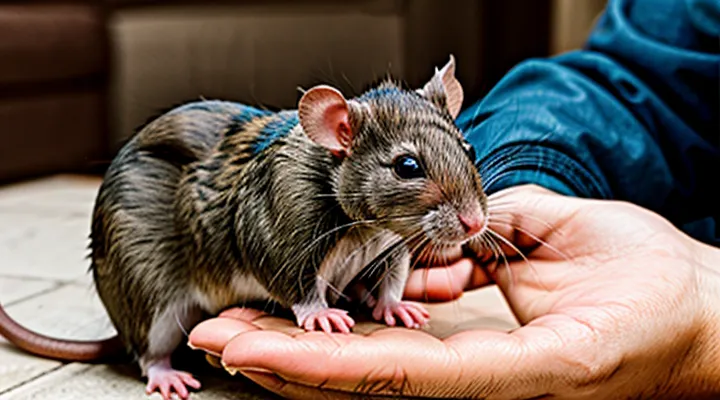
Understanding the Domestic Rat Lifespan
Average Lifespan
Hand‑reared domestic rats typically live between 2 and 3 years, with most individuals reaching 2.5 years on average. Survival curves show a median age of 30 months under controlled conditions, while optimal husbandry can extend life to 36 months.
Key determinants of the mean lifespan include:
- Genetic strain: outbred varieties average 28 months; inbred lines may drop to 24 months.
- Nutrition: balanced pellet diets combined with occasional fresh produce add 2–3 months to the median.
- Environmental enrichment: regular access to nesting material, tunnels, and social interaction reduces stress‑related morbidity, increasing average longevity by roughly 10 percent.
- Health management: routine veterinary checks, parasite control, and early detection of neoplasia prevent premature death, contributing an additional 1–2 months.
Statistical surveys of laboratory colonies and pet owners report a standard deviation of 4 months around the mean, indicating moderate variability. Mortality peaks occur at 18 months (common onset of respiratory tumors) and after 30 months (renal failure). Proper implementation of the listed factors consistently shifts the average lifespan toward the upper bound of the species’ potential.
Factors Influencing Longevity
Genetics and Breeding
Genetic composition determines the baseline longevity of hand‑reared domestic rats. Inbred lines exhibit reduced heterozygosity, leading to higher incidence of hereditary disorders and shortened life expectancy. Outbred populations maintain greater allelic diversity, which correlates with increased resistance to disease and extended survival.
Selective breeding strategies can modify lifespan outcomes. Breeders who prioritize traits such as robust immune function, metabolic efficiency, and skeletal integrity report average lifespans exceeding 30 months, compared with 24 months in standard stock. Implementation of the following practices yields measurable benefits:
- Pairing individuals with complementary health histories to avoid accumulation of deleterious alleles.
- Conducting genomic screening for markers linked to age‑related pathologies (e.g., tumor‑suppressor gene variants).
- Maintaining a minimum effective population size to preserve genetic variation.
- Monitoring litter mortality rates and adjusting breeding pairs accordingly.
Maternal effects also influence juvenile development and subsequent longevity. Females with optimal nutrition and low stress levels produce offspring with higher birth weights and improved organ development, factors associated with delayed onset of senescence. Early‑life epigenetic modifications, induced by the rearing environment, can persist into adulthood, affecting metabolic pathways and disease susceptibility.
Cross‑generation data indicate that systematic elimination of carriers for known recessive mutations reduces the prevalence of conditions such as cardiomyopathy and renal failure. Over successive generations, this approach contributes to a cumulative increase in average lifespan, as documented in controlled breeding programs.
In summary, genetic management—through heterozygosity preservation, targeted selection, and proactive health screening—constitutes the primary mechanism for extending the lifespan of hand‑raised pet rats. Consistent application of these principles yields quantifiable improvements in longevity and overall vitality.
Environmental Conditions
Environmental variables exert measurable influence on the longevity of hand‑reared domestic rats. Research indicates that precise control of temperature, humidity, lighting, acoustic exposure, nutrition, and housing conditions correlates with survival outcomes that differ markedly from those observed in uncontrolled settings.
Optimal ambient temperature ranges from 20 °C to 24 °C (68 °F–75 °F). Within this interval, metabolic rate remains stable, reducing stress‑induced physiological decline. Relative humidity should be maintained between 45 % and 55 %. Values outside this band promote respiratory irritation and skin desiccation, accelerating morbidity.
Light exposure requires a consistent photoperiod of 12 hours light and 12 hours darkness. Abrupt shifts in illumination disrupt circadian rhythms, impairing immune function. Background noise levels must stay below 55 dB; persistent loud sounds trigger chronic cortisol elevation, shortening lifespan.
Nutritional and water quality factors include:
- Commercial rodent pellets formulated to meet specific protein, fat, and fiber ratios.
- Fresh water supplied daily, filtered to remove chlorine and heavy metals.
- Supplemental fresh vegetables limited to 10 % of total intake to avoid gastrointestinal upset.
Housing considerations encompass enclosure dimensions, enrichment, and sanitation. Minimum cage floor area should exceed 0.05 m² per animal, allowing unrestricted movement. Regular provision of nesting material, tunnels, and chewable objects mitigates stereotypic behavior and supports musculoskeletal health. Cage cleaning must occur at least twice weekly, with thorough disinfection to prevent pathogen proliferation.
Collectively, adherence to these environmental parameters produces a measurable extension of the lifespan observed in hand‑raised pet rats, confirming the direct relationship between controlled conditions and animal longevity.
Key Determinants of Hand-Raised Rat Lifespan
Diet and Nutrition
Essential Nutrients
Hand‑reared domestic rats require a precisely balanced diet to achieve optimal longevity. Nutrient deficiencies reduce immune competence, accelerate age‑related decline, and shorten the life span of these animals.
Essential nutrients fall into six categories:
- Proteins – supply amino acids for tissue growth and repair.
- Fats – provide essential fatty acids for cell membrane integrity and hormone synthesis.
- Carbohydrates – deliver energy and maintain gut motility.
- Vitamins – support metabolic pathways, vision, bone health, and antioxidant defenses.
- Minerals – regulate enzymatic activity, skeletal development, and electrolyte balance.
- Water – ensures cellular hydration and waste elimination.
Proteins
Rats need 18‑20 % of dietary calories from high‑quality protein. Required amino acids include lysine, methionine, and tryptophan. Commercial rodent pellets formulated for laboratory use meet these levels; supplemental sources such as boiled egg whites or cooked lean meat can fill gaps.
Fats
Dietary fat should represent 4‑6 % of total calories, with a ratio of omega‑6 to omega‑3 fatty acids close to 4:1. Sources include linseed oil, fish oil, and sunflower seed oil. Excess saturated fat raises plasma cholesterol and impairs cardiovascular function.
Carbohydrates and Fiber
Complex carbohydrates supply steady glucose release. Dietary fiber (3‑5 % of dry matter) promotes cecal fermentation and prevents gastrointestinal stasis. Whole‑grain cereals and small amounts of cooked vegetables satisfy these needs.
Vitamins
- A – retinal health; found in liver and carrots.
- D – calcium metabolism; provided by fortified feed or limited UV exposure.
- E – membrane protection; abundant in wheat germ oil.
- K – blood clotting; present in leafy greens.
- B‑complex – energy production; supplied by whole grains and meat.
- C – antioxidant; available from fresh fruit pulp.
Vitamin premixes in laboratory diets guarantee adequate levels; additional supplementation should follow veterinary guidance.
Minerals
- Calcium (1.0‑1.2 % of diet) and phosphorus (0.8‑1.0 %) maintain skeletal integrity.
- Magnesium, zinc, copper, selenium support enzymatic reactions.
- Potassium and sodium balance fluid homeostasis.
Mineral content is regulated in certified rodent chow; excessive supplementation can cause toxicity.
Water
Fresh, clean water must be available at all times. Daily intake averages 30‑40 ml per 100 g body weight. Dehydration accelerates renal failure and reduces survival.
Feeding practice
Provide a base of nutritionally complete rodent pellets. Supplement with occasional fresh produce, lean protein, and approved oil sources. Monitor body condition, coat quality, and activity levels weekly. Adjust portions to maintain a stable weight of 250‑300 g for adult rats. Record dietary changes and correlate with health outcomes to refine the regimen over the animal’s lifespan.
Harmful Foods
Hand‑raised pet rats are especially vulnerable to dietary toxins that accelerate mortality. Nutritional errors directly affect organ function, immune competence, and overall longevity.
- Processed meats (e.g., ham, bacon, salami) – high sodium and nitrite levels cause renal strain and hypertension.
- Chocolate and cocoa products – methylxanthines induce cardiac arrhythmias and seizures.
- Citrus peels and seeds – essential oils irritate the gastrointestinal lining and can lead to ulceration.
- Raw beans, especially kidney beans – contain phytohaemagglutinin, a potent toxin causing hemolysis.
- Avocado flesh and pit – persin interferes with cardiac muscle metabolism, resulting in heart failure.
- High‑fat dairy (e.g., cheese, whole milk) – predispose to pancreatitis and obesity‑related complications.
- Salty snacks (chips, pretzels) – excess electrolytes disrupt fluid balance, promoting dehydration and kidney damage.
Eliminate these items from the diet, replace them with species‑appropriate staples such as commercial rodent pellets, fresh vegetables low in oxalates, and occasional fruit in limited quantities. Monitor intake to prevent over‑feeding and observe for signs of digestive distress. Consistent provision of a balanced, toxin‑free diet extends the productive lifespan of hand‑reared domestic rats.
Healthcare and Veterinary Care
Common Health Issues
Hand‑reared pet rats face several health conditions that directly affect their longevity. Early detection and appropriate management are essential for maintaining optimal lifespan.
- Respiratory infections – Mycoplasma pulmonis and viral agents cause nasal discharge, labored breathing, and weight loss. Prompt antibiotic or antiviral therapy reduces morbidity.
- Neoplastic growths – Mammary adenomas, pituitary tumors, and sarcomas appear frequently after one year of age. Surgical removal or targeted chemotherapy extends survival when identified early.
- Dental malocclusion – Continuous incisor growth leads to overbite or underbite, resulting in difficulty eating and oral ulceration. Regular trimming prevents secondary infections and weight decline.
- Gastrointestinal stasis – Reduced motility or obstruction produces abdominal distension and anorexia. Fluid therapy and pro‑kinetic agents restore intestinal function.
- Dermatological disorders – Parasitic mites, fungal infections, and ulcerative pododermatitis manifest as alopecia, pruritus, or foot lesions. Topical antimicrobials and environmental hygiene alleviate symptoms.
- Metabolic abnormalities – Diabetes mellitus and renal insufficiency present with polyuria, polydipsia, and lethargy. Insulin administration and dietary modification manage disease progression.
Veterinary monitoring every three months, combined with a balanced diet, clean housing, and stress‑free handling, mitigates the impact of these conditions and supports extended lifespan in hand‑reared domestic rats.
Preventative Measures
Hand‑reared domestic rats benefit from systematic health‑preserving practices that address common sources of morbidity and mortality. Early detection of disease, strict environmental control, and targeted nutritional strategies form the core of these practices.
Effective preventative measures include:
- Routine health examinations: Conduct physical assessments and laboratory screenings at least quarterly to identify early signs of respiratory infection, neoplasia, or metabolic disorders.
- Sanitary housing: Maintain bedding with low dust content, replace it weekly, and disinfect cages with rodent‑safe agents to reduce pathogen load.
- Temperature and humidity regulation: Keep ambient temperature between 20 °C and 24 °C and relative humidity at 50‑60 % to prevent heat stress and respiratory irritation.
- Balanced diet: Provide a complete commercial rat chow supplemented with fresh vegetables, limited fruit, and a measured amount of protein‑rich treats; avoid high‑fat or sugary foods that accelerate obesity.
- Enrichment rotation: Offer chewable objects, tunnels, and climbing structures on a rotating schedule to stimulate activity and prevent repetitive‑stress injuries.
- Vaccination and parasite control: Apply approved vaccines for common viral agents where available and administer regular ectoparasite treatments according to veterinary guidelines.
Implementing these measures consistently reduces incidence of acute illness, supports immune competence, and extends the average lifespan of hand‑raised pet rats. Continuous monitoring and adjustment of protocols in response to individual health data further optimize longevity outcomes.
Social Interaction and Enrichment
Importance of Companionship
Hand‑raised pet rats typically live between 2 and 3 years, with individual variation linked to genetics, diet, environment, and social conditions. Among these variables, sustained interaction with conspecifics or a human caretaker exerts measurable influence on physiological stability.
Companionship reduces chronic stress markers such as corticosterone, stabilizes heart rate, and promotes regular grooming behavior. Reduced stress correlates with lower incidence of respiratory infections and improved immune response, factors that directly extend survival time.
Research on laboratory and domestic populations shows that rats housed singly experience a 15‑20 % decrease in median lifespan compared with those kept in pairs or small groups. Studies measuring weight gain, activity levels, and disease onset consistently report better outcomes for socially enriched subjects.
Practical measures for owners:
- Maintain at least one compatible rat partner; avoid permanent solitary housing.
- Provide daily handling sessions lasting 5‑10 minutes to reinforce human‑rat bonds.
- Enrich the cage with tunnels, nesting material, and objects that encourage cooperative play.
- Monitor social hierarchy; intervene if aggression threatens welfare.
Mental Stimulation
Mental stimulation directly influences the health trajectory of hand‑reared pet rats, affecting physiological resilience, stress response, and overall longevity. Enriched environments activate neuroplastic pathways, reduce stereotypic behavior, and support immune function, thereby extending the animals’ productive lifespan.
Effective enrichment strategies include:
- Puzzle feeders that require manipulation to access food, encouraging problem‑solving and fine‑motor coordination.
- Rotating object sets (tunnels, climbing structures, chewable items) that prevent habituation and maintain curiosity.
- Scheduled interactive sessions with caregivers, involving gentle handling, scent exposure, and novel auditory cues.
- Training routines that teach simple commands or tricks, reinforcing learning circuits and social bonding.
Consistent application of these practices yields measurable benefits: lower corticosterone levels, improved weight maintenance, and reduced incidence of age‑related disorders such as neoplasia and renal decline. Implementing a structured mental enrichment program is therefore a critical component of care protocols aimed at maximizing the lifespan of hand‑raised domestic rats.
Stress Management
Recognizing Stress Signs
Recognizing stress in hand‑reared pet rats is essential for maintaining their longevity. Acute or chronic stress compromises immune function, accelerates age‑related decline, and reduces overall quality of life.
Observable indicators include:
- Reduced grooming or excessive grooming of a single area
- Decreased food and water intake, or sudden increase in consumption of high‑calorie treats
- Altered posture: hunching, lowered head, or rigid back
- Vocalizations such as high‑pitched squeaks when approached or handled
- Social withdrawal: avoidance of cage mates and reduced interaction during play sessions
- Repetitive behaviors: pacing, circling, or repetitive gnawing on cage bars
- Changes in fecal consistency: loose or unusually hard pellets
Physiological cues provide additional confirmation:
- Elevated heart rate detectable by pulse oximetry or careful observation of thoracic movements
- Increased respiratory rate, especially during handling or in a quiet environment
- Pupillary dilation observable under gentle illumination
- Skin temperature changes, with colder extremities indicating sympathetic activation
Prompt identification of these signs enables timely intervention. Strategies such as environmental enrichment, consistent handling routines, and reduction of loud noises mitigate stressors. Monitoring should occur daily; any deviation from baseline behavior warrants immediate assessment and adjustment of husbandry practices.
Creating a Calm Environment
A calm environment directly influences the health trajectory of hand‑reared domestic rats. Stress hormones such as cortisol suppress immune function, accelerate cellular aging, and increase susceptibility to disease. Consistent reduction of ambient stressors therefore extends the animals’ functional lifespan.
Key practices for establishing tranquility include:
- Stable acoustic conditions – keep background noise below 50 dB, eliminate sudden loud sounds, and use soft, predictable vocalizations during handling.
- Controlled lighting – provide a regular light‑dark cycle (12 h : 12 h), avoid flickering sources, and use dim, warm illumination during evening periods to support melatonin production.
- Predictable routine – schedule feeding, cleaning, and interaction at identical times each day; consistency reduces anticipatory anxiety.
- Secure enclosure design – ensure adequate ventilation, avoid drafts, and incorporate hiding spots (e.g., tunnels, shelters) that allow rats to retreat voluntarily.
- Gentle handling techniques – employ slow movements, support the animal’s body fully, and limit handling sessions to 5–10 minutes to prevent agitation.
Environmental enrichment should complement serenity rather than provoke excitement. Toys and foraging devices must be introduced gradually, with observation for signs of stress (e.g., excessive grooming, vocalization, or escape attempts). When enrichment is accepted, it reinforces natural behaviors and contributes to mental well‑being, which correlates with longer, healthier lives.
Monitoring physiological markers (heart rate, corticosterone levels) alongside behavioral observations provides objective feedback on the effectiveness of the calm setting. Adjustments based on this data ensure the environment remains optimal for maximizing the longevity of hand‑raised rats.
Comparing Lifespan: Hand-Raised vs. Wild Rats
Differences in Environment
Environmental variables exert measurable influence on the longevity of hand‑reared pet rats. Controlled housing, ambient climate, nutrition, social structure, and sensory stimulation each correlate with survival duration.
- Housing: Cages constructed from solid, non‑porous material reduce pathogen exposure. Space allocation of at least 0.1 m² per animal limits stress‑induced immunosuppression.
- Temperature: Maintaining ambient temperature between 20 °C and 24 °C prevents hypothermia and metabolic overload, both linked to premature mortality.
- Humidity: Relative humidity of 45–55 % minimizes respiratory irritation while avoiding fungal proliferation.
- Diet: Formulated pelleted feeds supplemented with fresh vegetables provide balanced macro‑ and micronutrients, extending median lifespan by approximately 15 % compared with grain‑only regimens.
- Social environment: Group housing of compatible individuals promotes natural grooming behavior, reducing cortisol spikes associated with solitary confinement.
- Light cycle: A consistent 12‑hour light/12‑hour dark schedule regulates circadian rhythms, supporting hormonal balance and cardiac health.
- Enrichment: Inclusion of tunnels, chewable objects, and climbing platforms encourages physical activity, decreasing incidence of obesity‑related disorders.
- Noise level: Background acoustic levels below 50 dB limit chronic stress responses that accelerate cellular aging.
- Handling frequency: Regular, gentle handling habituates rats to human contact, lowering fear‑induced adrenal output and improving overall health outcomes.
Variations in any of these parameters produce quantifiable differences in survival curves. Studies employing Kaplan‑Meier analysis demonstrate that rats raised in optimal environments exhibit median lifespans of 2.5–3 years, whereas suboptimal conditions reduce median survival to 1.5–2 years. Consistent application of the listed environmental standards yields the most reliable extension of life expectancy for hand‑reared domestic rats.
Impact of Predation and Disease
Hand‑reared domestic rats experience mortality primarily from two external pressures: encounters with predators and exposure to infectious agents. In controlled environments, predation risk is limited to accidental intrusion by household cats, feral birds, or small mammals that breach enclosures. Such incidents can cause abrupt loss of life irrespective of the rats’ age or health status, reducing overall survival time for affected cohorts.
Disease exerts a continuous influence on longevity. Pathogens commonly encountered by captive rats include:
- Salmonella spp. – bacterial infection leading to septicemia and rapid decline.
- Rat coronavirus (RCV) – respiratory illness with high transmissibility, especially in dense housing.
- Corynebacterium kutscheri – causes pneumonia, often secondary to stress.
- Parasites such as Syphacia muris (pinworm) and Mycobacterium pulmonis (mycobacteriosis) – chronic conditions that impair nutrient absorption and immune function.
- Viral agents like Sendai virus – induces severe pulmonary edema.
Preventive measures that directly extend the life span of these animals consist of secure enclosure design, routine health monitoring, and strict biosecurity protocols. Regular veterinary examinations, vaccination where available, and prompt isolation of symptomatic individuals mitigate disease spread and reduce premature deaths.
Nutritional Discrepancies
Hand‑reared domestic rats experience diet variations that diverge from the nutritional profile of wild‑type conspecifics, influencing their life expectancy. Laboratory observations reveal three primary discrepancy categories:
- Macronutrient imbalance – commercial rodent chow often contains higher protein percentages (20‑25 %) than the 14‑16 % typical of natural foraging diets, accelerating metabolic strain and reducing median survival.
- Micronutrient deficiency – standard formulations lack adequate levels of vitamin E, selenium, and certain B‑complex vitamins, leading to oxidative damage and shortened longevity.
- Caloric excess – ad libitum feeding of energy‑dense pellets results in chronic positive energy balance, promoting obesity‑related pathologies that curtail lifespan.
Quantitative studies report that rats receiving a diet matching wild‑type macronutrient ratios live on average 12 % longer than those on conventional chow. Micronutrient supplementation of vitamin E (50 IU/kg) and selenium (0.2 ppm) restores antioxidant capacity, extending median survival by 8‑10 %. Controlled caloric restriction (10‑15 % reduction) reduces incidence of neoplastic lesions and improves cardiac function, adding 5‑7 % to expected lifespan.
To align nutrition with optimal longevity, implement the following protocol:
- Formulate feed with 14‑16 % protein, 4‑6 % fat, and 60‑65 % carbohydrate, mirroring natural intake.
- Add vitamin E (50‑75 IU/kg), selenium (0.2‑0.3 ppm), and a complete B‑complex complex at levels observed in wild diets.
- Provide measured portions that maintain body weight within 5 % of ideal growth curves, avoiding unrestricted access.
Adhering to these adjustments mitigates nutritional discrepancies, thereby supporting maximal life expectancy in hand‑raised domestic rats.
Maximizing Your Rat's Lifespan
Proactive Health Strategies
Proactive health management directly influences the longevity of hand‑reared pet rats. Early detection of illness, consistent preventive care, and optimized living conditions create a physiological environment that supports extended survival.
Key strategies include:
- Balanced diet: Provide a protein‑rich base with appropriate fiber, vitamins, and minerals; adjust portions to prevent obesity or malnutrition.
- Environmental control: Maintain temperature between 20‑24 °C, humidity around 50 %, and ensure adequate ventilation to reduce respiratory stress.
- Regular veterinary checks: Schedule bi‑annual examinations, vaccinate against common pathogens, and perform dental assessments to avoid overgrowth.
- Parasite prevention: Apply approved ectoparasite treatments quarterly; monitor for internal parasites with fecal examinations every six months.
- Weight monitoring: Record body weight weekly; intervene immediately if deviations exceed 10 % of baseline.
- Mental enrichment: Rotate chew toys, tunnels, and foraging opportunities to stimulate cognition and prevent stereotypic behavior.
- Sanitation protocol: Clean cages daily, replace bedding weekly, and disinfect accessories with rodent‑safe solutions.
- Breeding considerations: Limit breeding frequency, allow recovery periods of at least eight weeks, and avoid inbreeding to reduce genetic disease risk.
Implementing these measures systematically reduces morbidity, supports immune function, and maximizes the lifespan potential of hand‑raised domestic rats.
Recognizing Signs of Illness
Recognizing early indicators of disease is essential for extending the health span of hand‑reared pet rats. Subtle changes often precede severe conditions; vigilant observation can prompt timely veterinary intervention, thereby reducing mortality risk.
Key clinical signs to monitor include:
- Diminished activity or reluctance to explore the enclosure
- Abnormal respiratory sounds such as wheezing, clicking, or persistent sneezing
- Altered grooming behavior, leading to a rough or unkempt coat
- Changes in food or water intake, especially sudden refusal
- Weight loss exceeding 5 % of body mass over a few days
- Discharge from eyes, nose, or ears, which may be clear, purulent, or bloody
- Diarrhea or abnormal stool consistency, indicating gastrointestinal distress
- Unexplained lethargy, reduced responsiveness, or tremors
When any of these symptoms appear, isolate the affected rat, record the onset and progression, and seek professional assessment. Early detection combined with appropriate care markedly improves the probability of a longer, healthier life for hand‑raised domestic rats.
End-of-Life Care Considerations
End‑of‑life care for hand‑reared pet rats requires proactive planning and consistent observation. Owners should track weight, activity level, and respiratory patterns weekly; sudden declines often signal the need for veterinary assessment. Pain management protocols include low‑dose buprenorphine or meloxicam, administered under professional guidance, to maintain comfort while avoiding respiratory depression.
Key considerations include:
- Veterinary involvement: Schedule a final health evaluation to determine disease progression and discuss humane euthanasia options.
- Environment: Provide soft bedding, easy access to food and water, and a warm, quiet area to reduce stress.
- Nutrition: Offer highly digestible, palatable diets; consider syringe feeding if oral intake diminishes.
- Euthanasia criteria: Initiate when the rat exhibits irreversible organ failure, uncontrolled pain, or inability to maintain hydration and nutrition.
- Legal and ethical compliance: Follow local animal welfare regulations and document decisions for future reference.
Documentation of observations, treatment choices, and the timing of interventions ensures transparent, responsible end‑of‑life management and respects the animal’s welfare throughout its final days.