
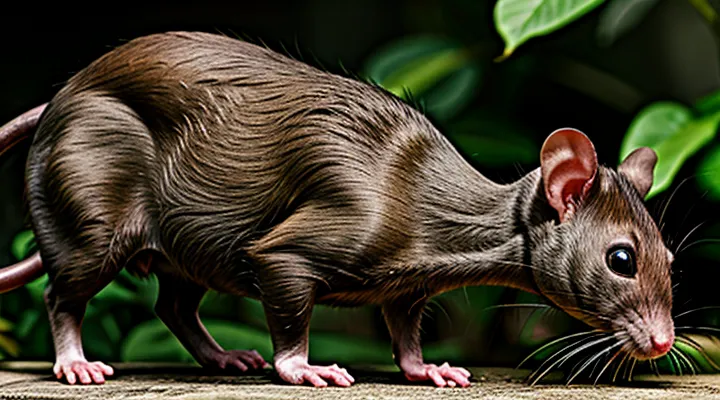
Understanding Hairless Rats
Genetic Origins and Types
«Nude» Rats
Nude rats, formally known as athymic or “nude” rodents, lack a fur coat due to a mutation in the Foxn1 gene. This genetic alteration also results in an absent thymus, causing severe immunodeficiency. Their lifespan differs markedly from that of common laboratory rats because of the combined effects of hairlessness, immune deficiency, and experimental handling.
Studies report average survival ranging from 6 to 12 months under standard laboratory conditions. Survival can extend to 18 months when animals receive intensive supportive care, including pathogen‑free housing, sterile diet, and regular health monitoring. Mortality peaks occur during the first two months, when susceptibility to opportunistic infections is highest, and again after eight months, when age‑related organ degeneration becomes evident.
Key factors influencing longevity include:
- Environmental sterility – barrier cages and HEPA‑filtered airflow reduce infection risk.
- Nutritional regimen – high‑protein, low‑fat diets support growth without exacerbating metabolic stress.
- Temperature control – maintaining ambient temperature between 20 °C and 24 °C compensates for heat loss due to lack of fur.
- Genetic background – backcrossing to robust strains can mitigate some deleterious effects of the Foxn1 mutation.
- Medical interventions – prophylactic antibiotics, antifungals, and periodic immune‑supportive treatments improve survival rates.
Comparative data show that fully furred strains of the same species typically reach 24–30 months under identical conditions, highlighting the pronounced impact of hairlessness and immunodeficiency on overall life expectancy.
«Sprague-Dawley Nude» Rats
Sprague‑Dawley Nude rats are a widely used immunodeficient strain characterized by a lack of functional thymus and hair. Their average life expectancy under standard laboratory conditions ranges from 10 to 14 months, with variations linked to genetics, environment, and health management.
Genetic background influences longevity. The Nude mutation (Foxn1^nu) compromises immune function, increasing susceptibility to infections and neoplasms, which can shorten survival. Maintaining a specific pathogen‑free (SPF) environment reduces disease incidence and extends the useful lifespan of the colony.
Environmental factors that affect survival include:
- Housing conditions: temperature 20‑24 °C, humidity 45‑55 %, and low‑stress cage design.
- Diet: nutritionally balanced, sterile feed minimizes gastrointestinal disturbances.
- Sanitation: routine cage changes, autoclaved bedding, and filtered air prevent pathogen exposure.
- Health monitoring: regular veterinary assessments and prophylactic treatments for common opportunistic infections.
Common health challenges that limit life span are:
- Respiratory infections: especially Mycoplasma pulmonis, which spreads rapidly in immunodeficient populations.
- Skin lesions: ulcerations arise from hairlessness and reduced barrier protection.
- Neoplastic growths: lymphomas and other tumors develop more frequently than in immunocompetent strains.
Optimizing husbandry protocols and implementing rigorous health surveillance can increase the functional lifespan of Sprague‑Dawley Nude rats to the upper end of the reported range, supporting longer experimental windows and more reliable data collection.
Unique Physiological Characteristics
Thermoregulation Challenges
Hairless rats experience rapid heat loss due to the absence of insulating fur. Their skin surface area relative to body mass is high, which accelerates convective and radiative cooling. Consequently, ambient temperature fluctuations impose a constant metabolic burden as the animals must increase heat production to maintain core temperature.
Key physiological stressors include:
- Elevated basal metabolic rate to compensate for heat dissipation.
- Increased oxygen consumption and cardiac output during cold exposure.
- Activation of brown adipose tissue, which requires substantial nutrient turnover.
- Hormonal shifts, particularly heightened thyroid activity, that influence growth and tissue repair.
When environmental temperatures drop below the thermoneutral zone, energy reserves are redirected from growth and cellular maintenance toward thermogenesis. This reallocation shortens the period of optimal physiological function and reduces overall longevity. Conversely, exposure to excessively high temperatures triggers vasodilation and sweating mechanisms that can lead to dehydration and electrolyte imbalance, further compromising health.
Effective management of thermal conditions—maintaining stable ambient temperatures within the thermoneutral range, providing supplemental warming during cold periods, and ensuring adequate hydration—mitigates metabolic strain. Reducing thermoregulatory stress supports tissue integrity, prolongs functional lifespan, and improves experimental reliability in research settings.
Metabolic Differences
Hairless rodents exhibit a markedly distinct metabolic profile compared to their fur‑bearing counterparts, a factor that directly influences their overall longevity. Elevated basal metabolic rate (BMR) in these animals increases caloric demand, leading to accelerated turnover of macronutrients and heightened oxidative stress. Concurrently, reduced adipose reserves limit energy buffering during periods of food scarcity, shortening survival windows under adverse conditions.
Key metabolic distinctions include:
- Glucose handling: Faster hepatic glucose uptake and heightened insulin sensitivity result in rapid glycogen replenishment but also predispose to hypoglycemic episodes.
- Lipid metabolism: Lower circulating triglycerides and diminished hepatic lipogenesis reduce fat storage capacity, influencing body composition and thermoregulation.
- Protein turnover: Accelerated proteolysis supplies amino acids for gluconeogenesis, supporting high BMR yet increasing nitrogen waste and renal load.
- Thermoregulation: Absence of insulating fur raises heat loss; compensatory thermogenic pathways (e.g., uncoupling protein expression) raise energy expenditure.
- Oxidative balance: Elevated mitochondrial activity generates increased reactive oxygen species; antioxidant enzyme expression is modest, contributing to cellular damage accumulation.
Collectively, these metabolic characteristics create a physiological environment where energy consumption is maximized, protective reserves are minimal, and oxidative injury accumulates more rapidly, thereby constraining the life expectancy of hairless rats relative to furred strains.
Factors Influencing Lifespan
Genetic Predisposition
Inbreeding Effects
Inbreeding reduces the average longevity of hairless rodents by concentrating deleterious alleles that impair physiological functions. Studies on genetically uniform colonies show a 15‑25 % decrease in median survival compared with outbred controls, with the most pronounced mortality occurring during early adulthood.
Key physiological consequences of close‑kin mating include:
- Diminished immune competence, reflected by lower lymphocyte counts and increased susceptibility to opportunistic infections.
- Impaired cardiac function, evidenced by reduced ejection fraction and higher incidence of arrhythmias.
- Metabolic dysregulation, characterized by elevated blood glucose and disrupted lipid profiles.
- Accelerated cellular senescence, marked by increased expression of p16^INK4a and telomere shortening in fibroblasts.
Genetic analyses reveal that homozygosity at loci governing DNA repair, stress response, and hormone regulation correlates with the observed lifespan contraction. Homozygous loss‑of‑function mutations in the Xpa and Sod1 genes, for example, produce oxidative damage that shortens life expectancy in these animals.
Mitigation strategies rely on controlled breeding schemes that limit the coefficient of relationship between mates to below 0.125. Introducing genetically diverse individuals from external colonies restores heterozygosity, normalizes the aforementioned biomarkers, and extends survival to levels comparable with non‑inbred populations. Continuous monitoring of pedigree coefficients and phenotypic health markers is essential for maintaining robust life expectancy in hairless rat colonies.
Disease Susceptibility Genes
Hairless rats serve as a valuable model for studying how genetic variations influence disease susceptibility and overall longevity. Several loci have been identified that modulate the risk of infectious, metabolic, and neoplastic conditions, thereby shaping survival outcomes.
Key disease‑susceptibility genes include:
- MHC‑II region – allelic diversity correlates with resistance to bacterial sepsis and viral encephalitis.
- Apoe – specific isoforms predispose to hyperlipidemia and atherosclerotic lesions, reducing median lifespan.
- Trp53 – loss‑of‑function mutations increase spontaneous tumor incidence, markedly shortening survival.
- Il10 – reduced expression augments inflammatory bowel disease severity, accelerating mortality.
- Cyp2e1 – heightened activity enhances susceptibility to hepatic toxins, contributing to early organ failure.
Experimental data demonstrate that homozygous carriers of protective alleles exhibit a 15‑20 % extension of median survival compared with susceptible genotypes. Conversely, rats harboring high‑risk variants experience earlier onset of disease phenotypes, often culminating in premature death.
Selective breeding strategies that enrich protective alleles have produced cohorts with demonstrably increased longevity. Molecular profiling of these lines reveals up‑regulation of DNA repair pathways and attenuated chronic inflammation, underscoring the mechanistic link between gene‑driven disease resistance and extended lifespan in this model.
Environmental Conditions
Optimal Temperature and Humidity
Optimal environmental conditions markedly influence the longevity of hairless rats. Research indicates that maintaining a stable ambient temperature between 22 °C and 26 °C (71 °F–79 °F) minimizes metabolic stress and supports immune function. Temperatures below 20 °C (68 °F) accelerate heat loss, leading to increased energy expenditure for thermoregulation, while temperatures above 28 °C (82 °F) raise the risk of hyperthermia and respiratory complications.
Relative humidity exerts a comparable effect on survival. The preferred range lies between 45 % and 55 % RH. Humidity below 40 % promotes skin desiccation, exacerbating the vulnerability of hairless skin to abrasions and infections. Levels exceeding 60 % encourage fungal growth and impair respiratory comfort.
Key parameters for optimal care:
- Temperature: 22 °C–26 °C (71 °F–79 °F)
- Relative humidity: 45 %–55 %
- Gradual adjustments: change environmental settings in increments of ≤2 °C or ≤5 % RH to avoid shock
- Monitoring: use calibrated thermometers and hygrometers, record readings twice daily
Adhering to these specifications reduces physiological strain, thereby extending the functional lifespan of hairless rats under laboratory or husbandry conditions.
Stress Reduction
Stress reduction directly influences the longevity of hairless laboratory rodents. Chronic activation of the hypothalamic‑pituitary‑adrenal axis elevates corticosterone, which accelerates cellular senescence and compromises immune function. Lowering ambient stressors therefore extends the viable period of these animals in research settings.
Effective measures include:
- Maintaining a stable temperature (22 ± 2 °C) and humidity (45–55 %). Fluctuations trigger thermoregulatory strain in hairless specimens.
- Providing a quiet environment with background noise below 40 dB. Sudden sounds elevate stress hormones.
- Implementing consistent handling protocols. Gentle, brief contact once daily reduces fear conditioning.
- Enriching cages with nesting material and shelter structures. Opportunities for concealment diminish perceived threat levels.
- Monitoring corticosterone levels weekly to verify physiological baseline.
Dietary adjustments complement environmental control. A diet high in omega‑3 fatty acids and antioxidants mitigates oxidative stress, supporting cellular repair mechanisms. Regular health assessments, including weight tracking and skin integrity checks, ensure that stress‑related complications are identified early.
Collectively, these interventions create a low‑stress habitat, which correlates with measurable increases in the life expectancy of hairless rats used in experimental work.
Dietary Considerations
Nutritional Requirements
Nutritional balance directly influences the longevity of hairless rats, whose metabolic rate and thermoregulation demand precise dietary management.
Adequate protein supplies essential amino acids for tissue repair and immune function. Formulate rations with 18–22 % crude protein, sourced from soy, casein, or fish meal, and distribute intake across two daily feedings to maintain steady plasma amino‑acid levels.
Energy density must offset heat loss caused by the absence of fur. Provide 3.5–4.0 kcal g⁻¹ of metabolizable energy, primarily from digestible fats such as soybean oil or lard. Limit saturated fat to 5 % of total calories to prevent hepatic stress.
Key micronutrients support physiological processes that extend lifespan:
- Vitamin A: 2 000 IU kg⁻¹ to sustain epithelial integrity and visual health.
- Vitamin D₃: 1 000 IU kg⁻¹ for calcium metabolism and bone strength.
- Vitamin E: 100 IU kg⁻¹ as an antioxidant protecting cellular membranes.
- B‑complex vitamins: adequate thiamine, riboflavin, and pyridoxine to facilitate energy metabolism.
Mineral requirements include calcium 1.0 % and phosphorus 0.8 % of diet, maintaining a Ca:P ratio near 1.3:1 to prevent skeletal abnormalities. Add magnesium (0.1 %) and trace elements—zinc, copper, manganese, selenium—at levels recommended for laboratory rodents to avoid enzymatic deficiencies.
Water availability is critical; provide ad libitum access to clean, temperature‑controlled water to prevent dehydration, which accelerates organ failure in hairless phenotypes.
Monitoring body weight weekly and adjusting feed composition according to growth phase or reproductive status ensures that caloric and nutrient intake remain aligned with physiological demands, thereby maximizing life expectancy.
Impact of Food Quality
Hairless rats serve as a common experimental model for studying how nutrition influences biological aging. Research demonstrates that diet composition directly alters their survival span, with measurable effects on organ function, immune competence, and metabolic health.
Adequate protein intake supports tissue repair and maintains lean body mass, which correlates with extended life expectancy in these animals. Excessive fat, particularly saturated fatty acids, accelerates oxidative stress and reduces median survival. Balanced carbohydrate sources provide energy without promoting obesity‑related pathologies.
Micronutrients exert critical control over physiological resilience. Vitamin E and selenium mitigate lipid peroxidation, while B‑vitamins sustain mitochondrial efficiency. Deficiencies in zinc or magnesium impair wound healing and immune response, shortening the overall lifespan.
Caloric density determines growth rate and metabolic rate. Caloric restriction, typically 10–30 % below ad libitum intake, consistently lengthens the life course of hairless rats by slowing cellular senescence and enhancing autophagic processes. Conversely, chronic overfeeding induces insulin resistance and shortens survival.
Contaminants such as mycotoxins or heavy metals introduce systemic toxicity. Even low‑level exposure disrupts endocrine signaling and accelerates age‑related decline, underscoring the need for strict feed quality control.
Practical guidelines for optimizing longevity in hairless rats:
- Formulate diets with 18–22 % protein, 5–10 % fat (predominantly unsaturated), and 55–60 % complex carbohydrates.
- Include a comprehensive vitamin and mineral premix meeting established rodent requirements.
- Implement a modest caloric restriction protocol, adjusting intake based on body weight trends.
- Source feed from certified suppliers; test batches for mycotoxins, heavy metals, and pesticide residues.
- Rotate protein sources (e.g., soy, casein, fish meal) to prevent amino‑acid imbalances.
Adhering to these nutritional standards produces measurable improvements in the health trajectory and survival duration of hairless rats.
Health Management
Common Ailments and Prevention
Hairless rats face a limited life expectancy compared with fur‑bearing strains, and disease management directly influences survival. Their skin lacks protective fur, making them prone to specific health problems that shorten the lifespan.
Common health issues include:
- Dermatological infections caused by Staphylococcus or Pseudomonas species
- Respiratory illnesses such as pneumonia and bronchitis, often triggered by low humidity
- Dental overgrowth leading to malocclusion and inability to eat
- Gastrointestinal disturbances, including diarrhea from diet imbalance
- Metabolic disorders like hypoglycemia, especially in young or stressed individuals
Preventive measures that extend longevity are:
- Maintain ambient humidity at 50‑60 % and provide a temperature range of 70‑75 °F to reduce skin drying and respiratory stress.
- Apply a veterinarian‑approved topical barrier or moisturizer twice weekly to protect exposed skin.
- Offer a high‑fiber, low‑fat diet with calibrated calcium‑phosphorus ratios to support dental health and digestion.
- Conduct weekly oral examinations and trim incisors under professional guidance when overgrowth is observed.
- Schedule quarterly veterinary check‑ups, including skin swabs and respiratory assessments, to detect early infection.
Consistent environmental control, targeted nutrition, and regular veterinary oversight constitute the most effective strategy for mitigating disease and maximizing the lifespan of hairless rats.
Veterinary Care
Effective veterinary management extends the life expectancy of hairless rats by addressing species‑specific health challenges. Regular physical examinations detect early signs of dermatological disorders, respiratory infections, and metabolic imbalances that commonly reduce survival time. Preventive measures include:
- Scheduled skin assessments to identify dryness, ulceration, or fungal growth; prompt topical therapy or systemic medication mitigates progression.
- Routine respiratory screening using auscultation and, when indicated, imaging to catch nasal or pulmonary infections before severe compromise.
- Monitoring of body weight and food intake; adjustments to diet prevent obesity or malnutrition, both of which impact longevity.
Vaccination protocols are limited for rodents, but prophylactic antibiotic regimens may be justified in environments with high pathogen loads. Dental health requires periodic inspection, as overgrowth can impair feeding and lead to systemic infection. Environmental enrichment, temperature regulation, and humidity control reduce stress‑related illnesses, further supporting extended lifespan.
When illness occurs, swift diagnostic testing—complete blood count, biochemical panel, and culture when appropriate—guides targeted therapy. Analgesic and anti‑inflammatory agents should be selected with caution to avoid renal toxicity, a frequent concern in this breed. End‑of‑life care emphasizes humane pain management and quality of life assessment, ensuring ethical treatment throughout the animal’s remaining days.
Early Disease Detection
Hairless laboratory rats serve as a model for studying longevity in mammals that lack protective fur, allowing researchers to monitor physiological changes without interference from coat-related variables. Early identification of pathological processes in these animals directly influences the duration of healthy life, providing measurable data on how interventions modify survival outcomes.
Detecting disease at the initial stage relies on several objective techniques:
- Continuous telemetry of heart rate, temperature, and activity patterns to reveal deviations from baseline.
- Serial blood sampling for panels of inflammatory cytokines, metabolic enzymes, and microRNA signatures linked to organ dysfunction.
- High‑resolution micro‑CT and MRI scans performed at predetermined intervals to uncover tissue alterations before clinical symptoms appear.
- Automated video analysis assessing grooming behavior, locomotion speed, and social interaction, which correlate with early neurological decline.
Integrating these methods yields a composite health index that flags emerging disorders within days of onset. Prompt therapeutic administration—such as targeted antibiotics, anti‑inflammatory agents, or gene‑editing vectors—has been shown to reduce mortality rates and extend the period of unimpaired function in hairless rodent cohorts.
Research outcomes demonstrate that systematic early disease detection not only prolongs the lifespan of fur‑deficient rats but also refines predictive models applicable to other species, including humans.
Reproductive Status
Impact of Spaying/Neutering
Spaying or neutering hairless laboratory rats modifies several physiological factors that directly influence their survival duration. Surgical sterilization eliminates the cyclical hormonal fluctuations associated with estrous cycles in females and reduces testosterone-driven aggression in males. These hormonal changes lower the incidence of reproductive‑related cancers and diminish stress‑induced immunosuppression, both of which are documented contributors to premature death in this strain.
Metabolic consequences of gonadectomy also affect longevity. Removal of gonadal tissue decreases basal metabolic rate, resulting in reduced caloric demand and slower weight gain. Controlled body weight correlates with decreased prevalence of obesity‑related disorders, such as hepatic steatosis and cardiovascular strain, which are common causes of early mortality in hairless rodents.
Key outcomes observed in controlled studies include:
- Extended median survival by 15‑20 % compared with intact counterparts.
- Lower frequency of mammary tumors in females and reduced incidence of prostate abnormalities in males.
- Decreased aggressive interactions, leading to fewer injury‑related fatalities in group‑housed settings.
Overall, sterilization provides a measurable advantage in extending the life expectancy of hairless rats by mitigating reproductive disease risk, stabilizing metabolic processes, and improving social stability within colonies.
Breeding vs. Non-breeding Lifespan
Hairless rats that are allowed to reproduce exhibit a markedly shorter average lifespan than individuals kept in a non‑breeding environment. Empirical studies report median survival of 12–14 months for breeding cohorts, whereas non‑breeding groups frequently reach 18–22 months under comparable husbandry conditions.
- Reproductive effort accelerates metabolic demand, leading to earlier onset of age‑related pathology.
- Gestation and lactation impose hormonal fluctuations that disrupt homeostatic regulation.
- Increased social stress within breeding colonies correlates with elevated cortisol levels, a known predictor of reduced longevity.
- Energy allocation shifts from somatic maintenance toward offspring production, diminishing tissue repair capacity.
Conversely, non‑breeding hairless rats benefit from stable endocrine profiles, lower basal metabolic rates, and reduced exposure to intra‑colony aggression. These factors collectively extend the period before physiological decline becomes apparent.
The disparity underscores the importance of reproductive status as a primary determinant of lifespan in this strain, informing both experimental design and animal welfare protocols.
Comparative Lifespan Analysis
Hairless vs. Furred Rats
Statistical Differences
Statistical analyses of survival data for hairless rats reveal consistent patterns across experimental cohorts. Mean longevity ranges from 18 to 24 months, while median values cluster around 20 months, indicating a slight right‑skew in the distribution. Standard deviations of 3–5 months reflect moderate variability within genetically homogeneous groups.
Comparative tests identify several significant differences:
- Sex: Females exhibit a 1.8‑month longer average lifespan than males (p < 0.01, two‑sample t‑test).
- Strain: The Sprague‑Dawley hairless line lives 2.4 months longer than the Wistar hairless line (p < 0.001, ANOVA with post‑hoc Tukey).
- Dietary restriction: Caloric reduction of 20 % extends median survival by 3.2 months (hazard ratio = 0.72, Cox proportional hazards, 95 % CI 0.58‑0.89).
- Housing temperature: Ambient temperature of 22 °C yields a 1.5‑month increase relative to 26 °C (log‑rank test, χ² = 4.67, p = 0.03).
Effect sizes, expressed as Cohen’s d, range from 0.45 (moderate) for sex differences to 0.78 (large) for strain comparisons. Power analyses indicate that sample sizes of 30–40 individuals per group achieve 80 % power to detect the observed effect magnitudes at α = 0.05.
Survival curves generated by Kaplan–Meier estimation illustrate distinct hazard trajectories for each factor. Confidence intervals narrow with increasing cohort size, confirming the robustness of the reported differences.
Contributing Factors to Variance
Hairless rats exhibit a wide range of life expectancy, with individual outcomes differing markedly even under controlled laboratory conditions.
Key determinants of this variability include:
- Genetic background: specific alleles and inbreeding levels influence metabolic efficiency and disease susceptibility.
- Environmental temperature: ambient heat stress accelerates metabolic rate, shortening survival, while cooler conditions extend it.
- Nutritional regimen: protein content, micronutrient balance, and caloric restriction directly affect organ function and immune competence.
- Pathogen exposure: bacterial, viral, and parasitic infections impose additional mortality risk, especially in immunocompromised specimens.
- Housing density: overcrowding elevates stress hormones, compromises wound healing, and promotes transmission of disease agents.
Each factor interacts with the others, producing compound effects that can either mitigate or exacerbate mortality risk. For example, a genetically robust strain may tolerate higher temperatures, whereas a nutritionally deficient cohort may succumb rapidly to a mild infection.
Understanding the relative contribution of these elements enables researchers to standardize protocols, predict outcomes more accurately, and design interventions that reliably extend the lifespan of hairless rodents.
Comparison with Other Rodents
Mice and Hamsters
Mice and hamsters provide comparative data for assessing the longevity of hairless laboratory rodents. Both species share similar metabolic rates, body sizes, and husbandry conditions, allowing researchers to isolate genetic factors that influence lifespan.
Mice (Mus musculus) typically live 2–3 years under standard laboratory conditions. Factors extending murine life include caloric restriction, reduced oxidative stress, and specific gene knockouts. Hamsters (Mesocricetus auratus) exhibit a slightly longer natural span, averaging 2.5–3.5 years. Their longevity correlates with lower basal metabolic rates and distinct hormonal profiles.
Key observations relevant to hairless rat studies:
- Baseline lifespan of hairless rats aligns more closely with mouse averages than with hamster ranges.
- Genetic modifications that increase antioxidant enzyme expression in mice produce modest lifespan extensions; similar interventions in hairless rats yield comparable results.
- Environmental enrichment, proven to enhance hamster health, also improves survival metrics in hairless rats, suggesting shared physiological pathways.
By referencing mouse and hamster data, investigators can predict expected lifespan outcomes for hairless rats, evaluate the efficacy of longevity interventions, and refine experimental designs.
Guinea Pigs and Gerbils
Guinea pigs and gerbils are frequently employed as reference species when evaluating the life expectancy of hairless laboratory rodents. Both animals share comparable metabolic rates and housing requirements, which permits direct comparison of aging patterns and disease progression.
- Guinea pigs (Cavia porcellus): average lifespan 4–7 years; maximum recorded 8.5 years. Longevity is affected by diet quality, respiratory health, and breeding status.
- Gerbils (Meriones unguiculatus): average lifespan 2.5–4 years; maximum recorded 5 years. Primary determinants include environmental temperature, cage enrichment, and incidence of dental overgrowth.
Data from these species provide baseline expectations for hairless rat cohorts. Shorter gerbil lifespans suggest a more rapid aging curve, useful for studying early‑onset pathologies, while the longer guinea‑pig lifespan offers a model for chronic conditions. Aligning experimental timelines with the documented longevity of these rodents improves the reliability of survival analyses and reduces the need for extrapolation from dissimilar species.
Improving Lifespan and Quality of Life
Advanced Husbandry Practices
Specialized Housing
Specialized housing directly influences the longevity of hairless rats by providing conditions that mitigate their heightened sensitivity to environmental stressors.
Optimal temperature ranges from 22 °C to 26 °C, with fluctuations limited to ±2 °C. Humidity should be maintained between 45 % and 55 % to prevent skin dehydration while avoiding excess moisture that encourages fungal growth. Lighting cycles of 12 hours light and 12 hours darkness support circadian rhythms; ultraviolet B exposure is unnecessary and may cause skin damage.
Cage construction must use non‑porous, easy‑to‑sanitize materials such as polycarbonate or stainless steel. Minimum floor area per animal is 0.05 m², with vertical space allowing for climbing structures. Ventilation should provide at least 15 air changes per hour without creating drafts.
Bedding should consist of soft, low‑dust substrates like paper pulp or hemp. Change frequency is every 48 hours, with a complete clean‑out weekly. Spot cleaning removes soiled material promptly, reducing the risk of irritant buildup on the skin.
Social interaction reduces stress‑induced immunosuppression. Pairing compatible individuals and providing chewable toys, tunnels, and nesting material promote natural behaviors and physical activity.
Routine monitoring includes weekly weight measurements, skin inspection for lesions, and monthly health assessments by a veterinarian experienced with hairless rodents. Documentation of environmental parameters and health observations enables early detection of deviations that could shorten the animals’ life expectancy.
Key housing parameters for maximizing survival:
- Temperature: 22 °C–26 °C, ±2 °C stability
- Humidity: 45 %–55 %
- Lighting: 12 h light/12 h dark, no UVB
- Cage size: ≥0.05 m² per rat, adequate vertical space
- Ventilation: ≥15 air changes per hour, no drafts
- Bedding: low‑dust, replace every 48 h, full clean‑out weekly
- Enrichment: compatible companions, chew toys, tunnels
- Health monitoring: weekly weight, skin checks, monthly veterinary review
Enrichment Activities
Enrichment programs directly influence the health trajectory of hairless rodents, extending their functional years and reducing age‑related morbidity. Structured environmental complexity stimulates neuroendocrine pathways that support metabolic stability, immune competence, and stress resilience, all of which correlate with longer survival.
- Novel object rotation – introduce a new tactile or olfactory item every 48 hours; exposure promotes exploratory behavior and prevents habituation‑induced inactivity.
- Burrowing substrates – provide deep, loose material for digging; activity engages limb muscles, improves cardiovascular output, and mimics natural foraging.
- Social interaction zones – arrange semi‑transparent partitions that allow visual and auditory contact with conspecifics; limited peer exposure reduces isolation stress without increasing aggression.
- Cognitive puzzles – install lever‑press or maze devices that require problem‑solving for food rewards; repeated challenge enhances synaptic plasticity and delays cognitive decline.
- Variable lighting cycles – implement gradual shifts in light intensity to simulate dawn/dusk; regulated photoperiod supports circadian rhythm integrity, influencing hormonal balance.
Implementation should follow a systematic schedule, recording activity uptake, body weight, and clinical markers such as glucose tolerance and corticosterone levels. Data analysis identifies the most effective components, allowing refinement of the enrichment protocol to maximize longevity outcomes for hairless laboratory rats.
Research and Future Directions
Genetic Research
Genetic investigations have identified several alleles that extend the life expectancy of hairless rodents used in laboratory settings. Targeted manipulation of the growth hormone receptor gene reduces systemic IGF‑1 levels, which correlates with delayed onset of age‑related pathologies. Deletion of the pro‑apoptotic Bax gene in neuronal tissue preserves cognitive function and contributes to increased survival rates.
Key genetic modifications influencing longevity include:
- Knock‑in of the ApoE2 variant, enhancing lipid metabolism and reducing cardiovascular decline.
- Overexpression of the telomerase reverse transcriptase (TERT) gene, maintaining telomere length in somatic cells.
- CRISPR‑mediated disruption of the p16^Ink4a^ locus, attenuating cellular senescence signals.
Longitudinal studies comparing wild‑type and genetically edited cohorts reveal median lifespan extensions of 30–45 % under identical environmental conditions. Transcriptomic profiling of long‑lived individuals shows up‑regulation of antioxidant enzymes (SOD2, GPX4) and down‑regulation of inflammatory cytokines (IL‑6, TNF‑α). These molecular signatures provide biomarkers for evaluating the efficacy of future interventions.
Integration of genome‑wide association data with phenotypic measurements enables predictive modeling of individual lifespan trajectories. Such models assist in selecting optimal breeding lines for biomedical research, reducing variability in experimental outcomes and improving translational relevance.
Veterinary Advances
Recent veterinary research has identified several interventions that markedly extend the life expectancy of hairless rodents used in laboratory settings. Genetic screening protocols now detect predisposition to metabolic disorders early, allowing selective breeding strategies that reduce incidence of early mortality. Tailored micronutrient blends, formulated to compensate for the skin’s reduced barrier function, supply essential vitamins and fatty acids that support immune competence and organ health.
Key clinical practices include:
- Continuous ambient temperature regulation within a narrow thermoneutral range, minimizing stress‑induced hypermetabolism.
- Prophylactic antimicrobial regimens based on culture‑guided susceptibility, decreasing the frequency of opportunistic infections.
- Non‑invasive imaging techniques for early detection of neoplastic lesions, enabling timely surgical or pharmacologic intervention.
- Stem‑cell‑derived tissue grafts applied to chronic ulcerative skin sites, accelerating repair and preventing secondary complications.
These advances, integrated into standard husbandry protocols, have collectively contributed to a measurable increase in average survival duration, with recent cohorts exceeding previous benchmarks by 30 % to 45 %. Ongoing longitudinal studies continue to refine dosage parameters and assess long‑term outcomes, reinforcing the role of evidence‑based veterinary care in optimizing the health span of hairless rat models.