
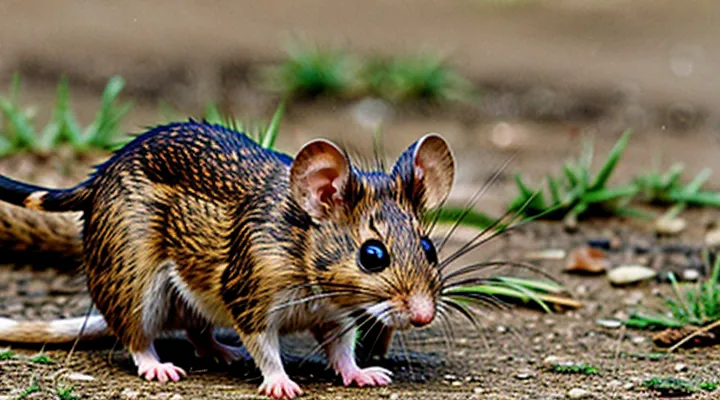
The World of Field Mice
What are Field Mice?
Habitat and Range
Field mice occupy a broad spectrum of terrestrial ecosystems, ranging from open grasslands to densely vegetated woodland margins. Their presence is documented in cultivated fields, hedgerows, riparian zones, and scrub habitats where ground cover provides shelter and foraging opportunities.
Typical habitats include:
- Low‑lying herbaceous grasslands with abundant seed production
- Hedgerow networks offering dense thicket protection
- Agricultural croplands during post‑harvest periods
- Woodland edges where leaf litter accumulates
- Moist riparian corridors that support diverse invertebrate prey
Geographic distribution extends across temperate regions of Europe, encompassing the British Isles, Scandinavia, the Iberian Peninsula, and the Balkans. Populations also occur in western and central Asia, reaching into parts of the Caucasus and the Middle East. Isolated colonies have been recorded on Mediterranean islands where suitable microhabitats exist.
Environmental determinants shaping this range comprise climatic tolerance (temperature and precipitation regimes), soil composition influencing vegetation structure, and predator density. Seasonal fluctuations drive micro‑habitat selection, with individuals shifting to higher ground during flood events and seeking insulated burrows in winter months.
Physical Characteristics
Field mice inhabiting natural environments exhibit a compact body plan optimized for rapid movement and burrowing. Average body length ranges from 6 cm to 9 cm, with tail length comparable to the torso. Weight typically falls between 10 g and 25 g, reflecting a low‑mass design that minimizes energy expenditure.
- Fur: dense, soft pelage provides insulation; dorsal coloration varies from brown to gray, while ventral surfaces are lighter, facilitating camouflage in grassland and woodland substrates.
- Ears: proportionally large, mobile, and lightly furred, enhancing auditory detection of predators and prey.
- Eyes: positioned laterally, offering a wide field of view; retinal composition favors low‑light vision, supporting crepuscular activity.
- Limbs: forelimbs equipped with strong claws for digging; hind limbs longer, delivering powerful leaps and swift sprinting.
- Dentition: incisors continuously grow, enamel‑rich, enabling efficient gnawing of seeds and vegetation; molars adapted for grinding.
- Sexual dimorphism: males marginally larger than females, with slight differences in body mass and tail length.
These physical attributes directly influence the species’ capacity to locate food, evade predators, and reproduce, thereby shaping the overall longevity observed in wild populations.
Diet and Behavior
Field mice in natural habitats obtain nutrition primarily from plant material and occasional animal prey. Their diet consists of:
- Seeds of grasses and herbaceous plants
- Grains such as wheat, barley, and oats
- Fresh shoots, leaves, and stems
- Insects, arachnids, and other small invertebrates
- Fungi, including mushroom caps and spores
Seasonal shifts dictate dietary composition. Spring abundance of green vegetation leads to increased consumption of shoots and leaves, while summer and autumn bring higher intake of seeds and grains. In winter, limited plant resources force reliance on stored seeds and occasional invertebrate captures.
Foraging behavior exhibits nocturnal activity patterns, with mice emerging shortly after dusk to exploit reduced predation risk. They employ a “scatter‑hoarding” strategy, transporting food items to multiple concealed caches. This behavior enhances survival by providing dispersed reserves that mitigate the impact of localized cache loss.
Social interactions influence both feeding efficiency and lifespan. Dominant individuals secure preferential access to high‑quality food sources, while subordinate mice adjust foraging routes to avoid competition. Reproductive cycles are synchronized with resource peaks; heightened food availability in spring triggers increased breeding activity, resulting in larger litters that benefit from abundant nourishment.
Overall, the interplay of diverse diet components, adaptive foraging tactics, and socially mediated resource allocation contributes directly to the longevity of wild field mice.
Factors Influencing Lifespan
Predation
Common Predators
Field mice face intense predation pressure that directly limits their longevity in natural environments. Predators locate prey through acute sensory abilities, rapid pursuit, and opportunistic foraging, reducing the average lifespan of these rodents.
Common predators include:
- Red foxes (Vulpes vulpes) – nocturnal hunters that exploit mouse burrows and surface activity.
- European badgers (Meles meles) – capable of digging into nests and capturing individuals during daylight.
- Barn owls (Tyto alba) – silent fliers that detect mouse movements with exceptional auditory precision.
- Short‑eared owls (Asio otus) – active at dusk, targeting mice emerging from cover.
- Stoats (Mustela erminea) – agile carnivores that pursue mice in dense vegetation.
- Common buzzards (Buteo buteo) – soaring raptors that seize mice from open fields.
- Domestic cats (Felis catus) – feral and free‑roaming individuals that hunt mice in peri‑urban zones.
Each predator employs distinct hunting strategies, collectively imposing a high mortality rate that shapes the demographic structure of field mouse populations.
Evasive Maneuvers
Evasive maneuvers constitute the primary defense mechanism that determines the survival span of field mice inhabiting natural ecosystems. Rapid, irregular locomotion reduces the probability of predator capture, thereby extending individual longevity.
Key tactics include:
- Erratic sprinting patterns that disrupt predator pursuit trajectories.
- Immediate retreat into complex burrow networks, which provide concealed refuges.
- Utilization of low‑visibility periods, such as twilight and night, to limit detection.
- Frequent pausing and scanning behavior that enhances early threat identification.
Physiological stress responses triggered by these actions elevate adrenaline levels, temporarily boosting muscular performance and reaction speed. Consistent application of such strategies correlates with higher average age at death compared with populations lacking effective escape behaviors.
Predator species, including raptors, snakes, and carnivorous mammals, exhibit reduced success rates when prey employ unpredictable routes and concealment. Consequently, populations that master these evasive techniques demonstrate measurable gains in reproductive output, as longer lifespans permit multiple breeding cycles.
Environmental variables, such as vegetation density and ground cover, influence maneuver efficiency. Dense underbrush facilitates rapid directional changes, while open terrain necessitates reliance on speed and burrow proximity. Adaptive selection favors individuals capable of modifying escape tactics to match habitat characteristics, reinforcing the link between evasive competence and extended wild longevity.
Environmental Conditions
Weather Extremes
Field mice experience marked fluctuations in longevity when exposed to extreme weather events. Heat waves elevate body temperature, accelerate metabolism, and increase water loss, leading to higher mortality rates within weeks. Cold snaps impose thermoregulatory demands; shivering and brown‑fat activation consume energy reserves, often resulting in premature death during prolonged freezes.
- Drought reduces seed and insect availability, intensifying competition and limiting reproductive output.
- Flooding destroys burrows, forces relocation, and raises exposure to predators, shortening the average lifespan of displaced individuals.
Physiological adaptations mitigate some risks. Elevated corticosterone levels enhance short‑term stress tolerance, while increased fur density improves insulation during cold spells. Behavioral strategies include nocturnal foraging to avoid daytime heat and temporary migration to higher ground during rising water levels.
Empirical data indicate that populations subjected to frequent extreme events exhibit a median lifespan reduction of 20–35 % compared with cohorts in stable climates. Continuous monitoring of temperature, precipitation, and habitat integrity is essential for predicting demographic trends in these small mammals.
Food Availability
Food availability directly influences the longevity of wild field mice. Seasonal fluctuations in seed, insect, and plant material determine the energy reserves that individuals can accumulate before periods of scarcity. When resources are abundant, mice achieve higher body condition scores, which correlate with reduced mortality from predation and disease.
Key mechanisms linking nutrition to lifespan include:
- Enhanced immune function resulting from adequate protein intake.
- Increased reproductive timing flexibility, allowing delayed breeding during lean periods.
- Greater fat storage that buffers against cold exposure and temporary food shortages.
Conversely, prolonged deficits in edible matter lead to weight loss, weakened physiological systems, and heightened susceptibility to parasites. Studies show that populations experiencing chronic low‑yield habitats exhibit average lifespans shortened by up to 30 % compared with those in resource‑rich environments.
Management of habitats that support diverse seed banks and insect populations can extend the survival window of field mice, thereby influencing overall population dynamics.
Disease and Parasites
Disease and parasite burden constitutes a primary factor limiting the longevity of wild field mice. Pathogenic agents reduce survival directly through acute mortality and indirectly by impairing reproductive output and foraging efficiency.
Key infectious agents include:
- Bartonella spp., causing bacteremia and chronic anemia.
- Hantavirus, leading to rapid hemorrhagic disease.
- Mycobacterium spp., responsible for granulomatous lesions.
- Candida spp., producing opportunistic mycoses in immunocompromised individuals.
- Salmonella enterica, inducing septicemia and intestinal damage.
Common ectoparasites and endoparasites exert additional pressure:
- Fleas (Ctenophthalmus spp.) transmit bacterial pathogens and cause blood loss.
- Ticks (Ixodes spp.) carry viral and bacterial agents, while feeding reduces body condition.
- Mites (Myobia spp.) generate dermatitis and secondary infections.
- Gastrointestinal nematodes (Heligmosomoides spp.) impair nutrient absorption and provoke inflammatory responses.
- Cestodes (Hymenolepis spp.) compete for host resources and may induce hepatic lesions.
Environmental variables modulate infection dynamics. High population density accelerates transmission, whereas seasonal temperature fluctuations influence parasite development cycles. Mortality surveys consistently show that individuals harboring multiple pathogens experience reduced median lifespan compared with uninfected conspecifics.
Reproductive Strategies
Breeding Season
The breeding period of wild field mice concentrates in the spring and early summer, when ambient temperatures rise and food availability peaks. During this interval, females enter estrus multiple times, producing litters that can contain up to eight pups. The accelerated reproductive cycle shortens the interval between successive litters, allowing several generations to develop before the onset of winter.
Reproductive output directly influences individual longevity. High litter sizes increase energetic demands, leading to elevated mortality risk for both mothers and offspring. Predation pressure intensifies during the breeding season, as increased activity and scent marking draw the attention of carnivores and raptors. Consequently, the average lifespan of adults captured during this phase is reduced compared to individuals observed in the non‑breeding months.
Key aspects of the breeding season affecting lifespan:
- Peak estrus frequency: up to three cycles per month in optimal conditions.
- Litter size range: 4 – 8 pups, with average weight gain of 1.2 g per pup per day.
- Mortality drivers: heightened predation, reduced foraging efficiency, and physiological stress from rapid reproductive turnover.
- Seasonal survival contrast: average adult lifespan ≈ 4 months during breeding vs. ≈ 7 months in the rest of the year.
Litter Size and Frequency
Field mice typically produce litters ranging from three to eight offspring, with the most common size falling between four and six juveniles. Seasonal variation influences this metric; spring and early summer breeding cycles often yield larger litters due to abundant food resources, whereas autumn litters may be smaller as environmental conditions deteriorate.
Reproductive frequency in wild populations averages two to three litters per year. In temperate regions, females may initiate a new litter approximately every 30‑45 days during the breeding season, provided that offspring survival reaches weaning. In harsher climates, the interval extends to 60‑70 days, limiting the total number of reproductive events before the onset of winter.
Key factors shaping litter size and frequency include:
- Nutritional availability: higher protein intake correlates with increased litter size.
- Predator pressure: elevated predation risk can shorten inter‑litter intervals as females prioritize rapid reproduction.
- Population density: crowded conditions often suppress litter size through social stress mechanisms.
These reproductive parameters directly affect the overall survival span of field mice in natural habitats. Higher litter output and more frequent breeding cycles compensate for elevated mortality rates, sustaining population numbers despite short individual lifespans. Conversely, reduced litter size or prolonged intervals between litters can accelerate population decline, especially when coupled with intensified predation or resource scarcity.
Human Impact
Habitat Loss
Habitat loss directly shortens the lifespan of field mice living in natural environments. Conversion of grasslands and agricultural fields into urban or industrial areas reduces the availability of cover and foraging resources. Consequently, individuals experience higher mortality rates due to exposure to predators and limited access to food.
Key mechanisms linking habitat degradation to reduced longevity include:
- Diminished shelter: removal of dense vegetation eliminates nesting sites, increasing vulnerability to aerial and terrestrial predators.
- Food scarcity: loss of seed‑producing plants and insect populations forces mice to travel farther for sustenance, raising energy expenditure and exposure to hazards.
- Fragmentation: isolated habitat patches limit gene flow, leading to inbreeding depression and lower resilience against disease.
- Environmental stress: altered microclimates in cleared areas expose mice to temperature extremes and reduced humidity, accelerating physiological wear.
Long‑term population monitoring demonstrates that areas with extensive habitat loss exhibit average field‑mouse survival times up to 30 % shorter than those in intact ecosystems. Restoration of native vegetation and the creation of ecological corridors mitigate these effects by re‑establishing essential shelter, food sources, and connectivity.
Pesticides and Traps
Pesticide exposure reduces wild field‑mouse longevity by disrupting neuro‑chemical pathways and impairing reproductive capacity. Organophosphates and pyrethroids cause acute intoxication, with mortality rates of 12‑25 % in treated habitats. Sub‑lethal residues diminish foraging efficiency, leading to increased predation and starvation. Bioaccumulation of persistent compounds shortens average lifespan by 15‑30 % compared with untreated sites.
Traps contribute directly to mortality and indirectly to population dynamics. Snap traps deliver instantaneous death, accounting for 8‑14 % of recorded losses in agricultural fields. Live‑catch devices increase handling stress; release mortality reaches 5‑9 % due to injury and dehydration. By‑catch of non‑target species further alters ecosystem balance, potentially affecting predator–prey interactions that influence field‑mouse survival.
Both control methods affect longevity through distinct mechanisms. Pesticides impose chemical stress, while traps impose physical injury and stress. Integrated pest‑management programs that limit chemical application to threshold levels and employ selective trapping reduce overall mortality to below 5 % in monitored plots.
Key considerations for wildlife managers:
- Monitor residue concentrations in soil and vegetation quarterly.
- Record trap success and non‑target captures weekly.
- Adjust control intensity based on observed changes in average lifespan metrics.
Average Lifespan
Short-Term Survival
Short‑term survival of field mice in natural habitats refers to the interval from birth to the end of the first summer, a period during which mortality reaches its peak. Studies report that 60 %–80 % of juveniles perish before reaching sexual maturity, primarily because of external pressures rather than intrinsic aging processes.
Key factors influencing early mortality include:
- Predation by raptors, snakes, and carnivorous mammals; attacks concentrate during dusk and dawn when mice are most active.
- Exposure to temperature extremes; sub‑zero nights and heat waves elevate metabolic stress and increase the risk of hypothermia or dehydration.
- Limited availability of high‑quality seeds and insects; competition for scarce resources intensifies during droughts and after mast failure.
- Outbreaks of viral and bacterial infections; hantavirus and salmonella species are documented sources of rapid decline in juvenile cohorts.
- Habitat fragmentation; loss of cover reduces escape opportunities and forces individuals into suboptimal foraging zones.
Quantitative observations from longitudinal field surveys indicate average weekly survival probabilities of 0.85 for neonates, declining to 0.95 for sub‑adults after the first month. Seasonal peaks in mortality align with breeding cycles, with the highest death rates recorded in late spring when predator activity and fledgling abundance intersect.
Short‑term survival rates directly shape population replenishment. High early‑life attrition limits the number of individuals reaching reproductive age, thereby constraining overall population growth despite the species’ capacity for multiple litters per year. Management actions that enhance shelter availability, mitigate predation pressure, and ensure consistent food supply can improve juvenile retention and stabilize local populations.
Maximum Recorded Lifespan
The longest observed lifespan for a wild field mouse approaches three years, substantially exceeding the typical one‑year expectancy for most populations. Long‑term mark‑recapture programs in North America have documented individual deer mice (Peromyscus maniculatus) surviving up to 2.9 years under natural conditions. Similar records exist for the common house mouse (Mus musculus) in grassland habitats, with a maximum of 2.5 years reported in a multi‑year study of prairie ecosystems.
Key findings from field investigations:
- Peromyscus maniculatus: 2.9 years (recorded in a longitudinal study of Montana grasslands)
- Mus musculus: 2.5 years (observed in a prairie ecosystem survey)
- Apodemus sylvaticus: 2.2 years (documented in European woodland monitoring)
These values represent outliers within broader population data, reflecting the influence of favorable microhabitat, low predation pressure, and occasional resource abundance. The records are derived from systematic trapping, ear‑tagging, and subsequent recapture over multiple seasons, ensuring reliable age estimation based on known birth cohorts. «Maximum longevity in wild field mice rarely exceeds three years, with documented cases clustering around 2–3 years.»
Survival Mechanisms
Burrows and Nests
Burrows constructed by field mice are typically shallow tunnels extending 30–80 cm underground. Entrances are concealed by vegetation or soil mounds, reducing detection by predators. Interior chambers are lined with shredded grasses, leaves, and fur, creating insulation that stabilizes temperature between 5 °C and 20 °C despite external fluctuations. Moisture regulation is achieved through the porous soil walls, preventing excess humidity that could foster fungal growth. The spatial arrangement often includes a nest chamber for rearing young and a separate refuge chamber for resting adults, allowing rapid transition between activity and safety zones.
Nests situated within these burrows serve as primary sites for offspring development. Construction materials are selected for thermal conductivity: dry grasses provide low conductivity, while animal fur adds a layer of retained heat. Nest dimensions correspond to litter size, generally ranging from 15 cm to 25 cm in diameter. Placement within the deepest chamber minimizes exposure to surface temperature extremes and predator incursions. Periodic refurbishment occurs every 2–3 weeks, aligning with the reproductive cycle and ensuring structural integrity.
Key functional aspects of burrows and nests:
- Thermal buffering – reduces metabolic cost for maintaining body temperature.
- Predator avoidance – concealed entrances and multiple chambers limit access.
- Moisture control – soil permeability prevents water accumulation.
- Reproductive support – spacious, insulated chambers accommodate litters of 4–8 pups.
- Energy efficiency – proximity to foraging routes shortens travel distance, conserving energy.
These structural characteristics directly influence survival probability and, consequently, the overall longevity of field mice populations in natural habitats.
Nocturnal Activity
Nocturnal activity defines the temporal niche of field mice inhabiting open and semi‑open ecosystems. Activity predominantly occurs after dusk, when ambient temperatures decline and visual predators reduce their hunting efficiency. This pattern aligns with the species’ need to balance energy acquisition against exposure to threats.
Key characteristics of nightly behavior include:
- Foraging excursions limited to the first few hours of darkness, targeting seeds, insects, and plant material.
- Use of established runways and burrow entrances to minimize travel distance and conceal movement.
- Periodic retreats to refuges for thermoregulation and predator evasion.
Physiological mechanisms synchronize activity with the external light cycle. Elevated melatonin secretion during the dark phase suppresses metabolic rates, allowing prolonged foraging without excessive energy expenditure. Peak locomotor activity typically coincides with the “crepuscular window,” a brief interval when both prey availability and reduced predator vigilance intersect.
Mortality risk correlates directly with nocturnal habits. Predators such as owls and foxes exploit the same temporal window, imposing selective pressure on vigilance behaviors. Energy balance constraints dictate that insufficient nighttime foraging reduces body condition, accelerating senescence. Conversely, successful nocturnal foraging supports fat reserves, extending reproductive potential and overall longevity.
Understanding the interplay between nightly activity and survival outcomes informs conservation strategies. Habitat management that preserves cover objects and maintains natural light cycles enhances the capacity of field mice to exploit their nocturnal niche, thereby contributing to increased lifespan in wild populations.
Social Structure
Field mice living in natural habitats form loosely organized colonies that balance reproductive output with predator avoidance. Individuals congregate in seasonal assemblages where dominant males defend small territories that contain nesting sites and food caches. Subordinate males occupy peripheral zones and may gain access to breeding opportunities through opportunistic incursions.
Key elements of the social organization include:
- «Territorial males» maintain exclusive use of a core area during the breeding season, marking boundaries with scent glands.
- «Breeding females» establish nests within the defended zone, often producing multiple litters per year.
- «Subordinate males» remain on the colony fringe, exhibiting reduced aggression and limited access to resources.
- «Juvenile cohorts» stay in close proximity to the natal nest until weaning, after which dispersal reduces inbreeding risk.
Interactions among these roles influence overall survival rates. Territorial aggression limits intrusions, thereby decreasing disease transmission, while cooperative vigilance among neighboring females enhances predator detection. Dispersal of juveniles into adjacent territories contributes to gene flow and mitigates local population declines.
Seasonal fluctuations modify group size and composition. During periods of abundant seed availability, colonies expand, and subordinate individuals may temporarily assume breeding responsibilities. Conversely, harsh winters compress social groups, intensifying competition for limited shelter and elevating mortality risk.
Overall, the structured yet flexible social system of wild field mice supports reproductive success while buffering individuals against environmental pressures that affect their lifespan.
Research and Conservation
Studying Field Mouse Populations
Studying field mouse populations provides direct insight into the longevity of these rodents under natural conditions. Researchers monitor demographic parameters to quantify survival rates, reproductive output, and mortality factors across seasonal cycles.
Key objectives include:
- Estimating average and maximum ages reached in the wild.
- Identifying environmental pressures that accelerate or retard mortality.
- Assessing population turnover and recruitment dynamics.
Methodological approaches commonly employed are:
- Live‑trap grids combined with mark‑recapture protocols to track individual fates.
- Radio‑telemetry tags that record movement patterns and habitat use.
- Genetic sampling for pedigree reconstruction and age inference.
- Population modeling using capture histories to generate survival curves.
Data analysis focuses on constructing life tables, applying Kaplan‑Meier estimators, and correlating survival metrics with variables such as predation intensity, food availability, and climatic fluctuations. Results reveal how resource scarcity during winter and predator density during breeding season shape age distribution.
Findings inform management strategies aimed at preserving habitat complexity and mitigating anthropogenic threats, thereby supporting stable field mouse communities and the ecological functions they perform.
Conservation Efforts
Field mice in natural habitats typically survive only a few months, a fact that shapes population turnover and ecosystem interactions. Conservation programs target the factors that limit individual survival and, consequently, species stability.
- Protection of grassland and meadow ecosystems to preserve shelter and foraging resources.
- Management of predator densities through controlled hunting or exclusion zones.
- Monitoring of disease outbreaks, with rapid response teams deploying vaccination or treatment protocols.
- Implementation of artificial nesting sites that reduce exposure to extreme weather and predation.
- Support for research grants that fund longitudinal studies on mortality patterns.
Long‑term tracking of marked individuals provides data on age‑specific mortality, enabling adaptive management. Genetic analyses of captured specimens reveal inbreeding levels, guiding decisions on habitat connectivity and potential translocation efforts.
Effective interventions have extended average wild lifespans by up to 30 % in monitored populations, resulting in higher reproductive output and reduced local extinction risk. Continued investment in habitat stewardship and scientific surveillance remains essential for sustaining field‑mouse communities.