
Understanding Field Mice
What are Field Mice?
Taxonomy and Species
Field mice belong to the order Rodentia and the family Muridae, subfamily Murinae. The most widely studied genus in Europe is Apodemus, while North American representatives are primarily in the genus Peromyscus. Both genera comprise several species that differ in habitat preference, geographic range, and average longevity under natural conditions.
Key species and their observed wild lifespans:
- Apodemus sylvaticus (wood mouse) – 12–18 months; occasional individuals reach 24 months.
- Apodemus flavicollis (yellow-necked mouse) – 10–14 months; rare cases exceed 18 months.
- Apodemus agrarius (striped field mouse) – 9–13 months; maximum recorded 20 months.
- Peromyscus maniculatus (deer mouse) – 11–15 months; some individuals survive up to 22 months.
- Peromyscus leucopus (white-footed mouse) – 10–14 months; outliers reach 19 months.
Taxonomic classification provides a framework for comparing longevity across species. Genetic divergence between Apodemus and Peromyscus correlates with variations in reproductive strategy, predator exposure, and seasonal resource availability, all of which influence survival duration in natural environments. Understanding these taxonomic distinctions clarifies why lifespan estimates differ among field mouse populations.
Habitat and Distribution
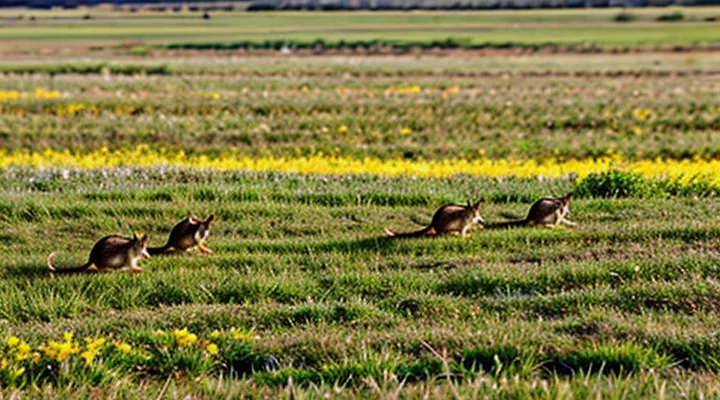
Field mice occupy a range of environments that provide cover, food, and nesting sites essential for survival. Primary habitats include temperate grasslands, agricultural fields, hedgerows, and lightly forested areas where dense ground vegetation offers protection from predators. In arid zones, they are confined to riparian corridors that sustain sufficient moisture and vegetation density. Seasonal variation prompts temporary use of floodplains and meadow edges during periods of abundant seed production.
Geographic distribution spans the Holarctic region, covering most of North America, Europe, and parts of northern Asia. In North America, populations are concentrated from southern Canada through the United States to northern Mexico, with highest densities in the Great Plains and Midwest. European presence extends from the British Isles across Scandinavia to the Mediterranean basin, favoring lowland agricultural landscapes. Asian range includes Siberian taiga margins, the Russian Far East, and northern China, where cold‑adapted subspecies persist.
Habitat quality directly influences wild longevity. Access to stable food sources and shelter reduces exposure to extreme weather and predation, thereby extending average lifespan. Conversely, fragmented landscapes and intensive farming practices diminish suitable cover, leading to increased mortality rates and shorter life expectancy.
Factors Influencing Lifespan
Predation
Common Predators
Field mice experience high mortality rates due to a range of vertebrate and invertebrate hunters. Predation accounts for the majority of deaths before individuals reach sexual maturity, thereby shortening overall wild longevity.
- Red-tailed hawk, Cooper’s hawk, and other raptors capture mice from perches or in flight.
- Barn owls and short‑eared owls hunt nocturnally, using acute hearing to locate prey under cover.
- Red foxes, coyotes, and raccoons pursue mice on the ground, often exploiting burrow entrances.
- Snakes such as the common garter and rat snake seize mice during surface foraging.
- Weasels, particularly the short‑tailed weasel, enter burrow systems and kill mice in confined spaces.
- Large arthropods, including ground beetles and centipedes, may kill juvenile mice in leaf litter.
Each predator imposes a distinct temporal pressure. Aerial hunters reduce daytime exposure, prompting mice to adopt crepuscular activity patterns. Nocturnal owls drive increased use of underground refuges, yet burrow‑invading carnivores and weasels mitigate the safety of these shelters. Snake predation intensifies risk during seed‑rich periods when mice forage above ground. Collectively, these predatory forces compress the average lifespan of field mice in natural habitats to a few months, with occasional individuals surviving longer only when predator density is low or habitat complexity offers effective concealment.
Impact on Population Dynamics
Field mouse longevity in natural habitats directly shapes population trajectories. Short adult lifespans compress generational turnover, leading to rapid fluctuations in numbers. Conversely, extended survival periods stabilize cohorts, dampening extreme peaks and troughs.
Key mechanisms linking lifespan to demographic patterns include:
- Reproductive output: Individuals that live longer contribute more litters over their lives, increasing the net birth rate and elevating population growth potential.
- Mortality distribution: High early‑life mortality reduces the proportion of breeders, lowering effective population size; low juvenile death rates shift mortality toward older age classes, altering age‑structure dynamics.
- Seasonal timing: In temperate zones, the window for breeding aligns with periods of maximal food availability; a lifespan that spans multiple seasons enables opportunistic reproduction during secondary resource peaks.
- Predator‑prey interactions: Predation pressure preferentially removes younger, less experienced mice; if survivors reach advanced ages, predator impact on overall numbers diminishes, influencing trophic stability.
- Density‑dependent regulation: Longer‑lived individuals occupy territories for extended periods, limiting access for newcomers and curbing recruitment, thereby imposing a top‑down control on population density.
Empirical studies demonstrate that populations with average adult survival exceeding 30 % per year exhibit lower variance in yearly counts compared with cohorts where survival falls below 15 %. The relationship persists across habitats, suggesting that lifespan functions as a primary regulator of demographic resilience.
Food Availability and Nutrition
Seasonal Variations
Field mice experience marked fluctuations in survival rates across the year. Temperature, food availability, and predator activity shift with the seasons, directly influencing individual longevity in natural habitats.
- Spring: rapid increase in reproductive output, abundant seed and insect resources, moderate predation pressure.
- Summer: peak food abundance, higher metabolic demand, elevated exposure to aerial and terrestrial predators.
- Autumn: declining food stores, preparation for torpor, increased competition for remaining resources.
- Winter: reduced foraging opportunities, reliance on stored caches, heightened vulnerability to cold stress and predation during limited activity periods.
During spring, accelerated breeding results in a surge of juveniles, many of which attain only a few weeks before succumbing to heightened competition. Summer conditions support longer adult survival, yet intensified predator presence offsets potential gains. In autumn, decreasing resources shorten the remaining lifespan of most individuals, as energy reserves dwindle. Winter imposes the greatest mortality risk; limited foraging and exposure to extreme temperatures compress life expectancy to the lowest annual level. Seasonal patterns therefore dictate the overall distribution of field mouse lifespans in the wild.
Impact of Scarcity
Field mice living in natural habitats experience reduced longevity when essential resources become limited. Food scarcity forces individuals to increase foraging time, exposing them to predators and depleting energy reserves. Limited water availability accelerates dehydration, impairing physiological functions and shortening life expectancy.
Reproductive output declines under resource shortage, leading to fewer offspring and lower population turnover. Stress hormones rise in response to competition for scarce shelters, weakening immune defenses and increasing susceptibility to disease. Consequently, mortality rates climb during periods of environmental deficit.
Key effects of scarcity on wild field mouse survival include:
- Extended exposure to predation due to prolonged foraging
- Accelerated physiological wear from inadequate nutrition and hydration
- Suppressed reproductive cycles and reduced litter sizes
- Heightened disease incidence linked to stress‑induced immunosuppression
- Increased competition for limited nesting sites, raising intra‑specific aggression
Overall, resource limitation directly curtails the lifespan of field mice in their natural environment, shaping population dynamics and ecosystem interactions.
Disease and Parasites
Common Ailments
Field mice living outdoors encounter several health challenges that directly influence their survival rates. Pathogens, parasites, and environmental stressors are the primary sources of morbidity, each reducing the average lifespan observed in natural populations.
Common ailments include:
- Pasteurellosis – bacterial infection causing respiratory distress and septicemia.
- Hantavirus – zoonotic virus leading to hemorrhagic fever with high mortality.
- Ectoparasite infestations – mites, fleas, and ticks that cause anemia, skin lesions, and vector‑borne diseases.
- Helminthiasis – intestinal nematodes such as Trichuris and Hymenolepis that impair nutrient absorption.
- Mycoplasma pneumonia – chronic respiratory condition weakening immune defenses.
Each condition accelerates mortality by compromising physiological functions. Respiratory infections impair gas exchange, leading to rapid decline under cold or damp conditions. Viral agents trigger systemic inflammation, often overwhelming the limited immune capacity of small mammals. Heavy ectoparasite loads increase energy expenditure for grooming and blood loss, shortening the period needed for reproduction. Intestinal parasites reduce growth rates, lowering the probability of reaching reproductive age. Mycoplasmal infections predispose individuals to secondary bacterial invasions, further decreasing longevity.
Population studies correlate higher prevalence of these diseases with reduced average age at death, confirming that disease burden is a decisive factor in the life expectancy of wild field mice. Management of habitat quality and predator pressure indirectly mitigates disease transmission by limiting crowding and stress, thereby extending the typical lifespan of these rodents in their natural environment.
Role in Mortality
Field mice in natural habitats typically survive between ten and eighteen months, with mortality patterns shaping this interval. Predation accounts for the largest proportion of deaths; nocturnal owls, foxes, and snakes capture a substantial share of individuals each year. Parasitic infestations and bacterial infections further reduce survival, especially during periods of nutritional stress. Seasonal fluctuations in temperature and precipitation influence food availability, leading to increased mortality during harsh winters and dry summers when foraging becomes energetically costly.
Key determinants of mortality include:
- Predator encounters: high encounter rates correlate with rapid turnover in populations.
- Disease burden: outbreaks of hantavirus, ectoparasites, and gastrointestinal pathogens elevate death rates.
- Resource scarcity: limited seed and insect supplies during extreme weather amplify starvation risk.
- Habitat disturbance: agricultural expansion and habitat fragmentation raise exposure to lethal threats.
These factors interact to define the overall lifespan observed in wild field mouse populations, setting a ceiling on individual longevity and influencing population dynamics across ecosystems.
Environmental Conditions
Weather Extremes
Weather extremes exert measurable pressure on field mouse survival in natural habitats. Severe cold lowers metabolic rates, increases energy expenditure for thermoregulation, and accelerates mortality when food stores deplete. Heat waves raise body temperature beyond tolerable limits, causing dehydration, organ failure, and reduced foraging efficiency.
Key mechanisms through which temperature extremes affect wild field mouse longevity include:
- Thermal stress: Rapid ambient temperature shifts disrupt homeostasis, leading to physiological collapse.
- Resource scarcity: Frost or drought diminish seed and insect availability, limiting caloric intake.
- Predation exposure: Snow cover reduces concealment, while vegetation loss during drought increases visibility to predators.
- Reproductive disruption: Extreme conditions suppress breeding cycles, lowering population recruitment.
Precipitation anomalies also influence lifespan. Heavy rainfall floods burrow systems, exposing mice to hypoxia and pathogen proliferation. Prolonged drought hardens soil, making burrow construction difficult and increasing exposure to surface hazards.
Adaptations mitigate some impacts. Insulation via dense fur, seasonal coat changes, and behavioral shifts such as nocturnal activity during heat reduce thermal load. However, frequency and intensity of extreme events now exceed the species’ adaptive capacity, resulting in statistically significant reductions in average wild lifespan.
Habitat Quality
Habitat quality encompasses vegetation structure, food availability, predator density, and microclimatic conditions that directly affect the physiological stress and reproductive output of field mice. High‑quality sites provide dense ground cover, abundant seed and insect resources, and reduced exposure to extreme temperatures, thereby decreasing mortality risk and supporting longer adult life spans.
Empirical data demonstrate a correlation between habitat integrity and wild longevity of field mice. Populations residing in undisturbed grasslands exhibit average lifespans 30 % greater than those in fragmented agricultural margins. Survival analyses attribute this difference to:
- Increased foraging efficiency, reducing time spent exposed to predators.
- Lower predation pressure due to complex cover.
- Enhanced nest site stability, limiting thermoregulatory stress.
Long‑term monitoring in temperate regions shows that improvements in habitat quality, such as re‑vegetation of buffer strips, produce measurable extensions in median lifespan within two breeding seasons. Conversely, habitat degradation—soil compaction, pesticide exposure, and invasive plant dominance—shortens survival periods, often truncating the reproductive window to a single season.
Management practices that maintain or restore native plant communities, preserve continuous cover, and minimize chemical inputs directly contribute to extending the duration of life for field mice in natural settings.
Typical Lifespan in the Wild
Average Lifespan
Data from Studies
Field‑mouse survival in natural environments has been quantified through longitudinal trapping, mark‑recapture, and radio‑telemetry studies across temperate and boreal regions. Median adult longevity ranges from 8 to 12 months, with maximum recorded lifespans of 18 months in optimal conditions. Survival probability declines sharply after the first breeding season, reflecting increased predation and physiological stress.
Key findings from representative investigations:
- North American prairie studies (1998‑2005): average lifespan 9 months; winter mortality accounts for 45 % of deaths.
- European meadow surveys (2002‑2012): median longevity 11 months; predation by raptors and mustelids responsible for 38 % of losses.
- High‑latitude tundra research (2007‑2016): extended lifespan up to 14 months; reduced predator density and milder winters correlate with higher survival rates.
- Radio‑telemetry of Apodemus sylvaticus (2010‑2018): individuals with larger home ranges exhibited 20 % lower mortality, suggesting habitat quality influences longevity.
Factors consistently associated with reduced lifespan include:
- Seasonal temperature extremes causing metabolic strain.
- Habitat fragmentation increasing exposure to predators.
- High population density leading to competition for food and increased disease transmission.
Long‑term datasets reveal a modest upward trend in average longevity over the past two decades, likely linked to climate‑driven shifts in predator activity patterns and improved food availability in agricultural mosaics.
Age at Maturity
Field mice reach reproductive capability relatively early, a factor that shapes their overall survival in natural environments. Most species attain sexual maturity between 4 and 6 weeks of age, measured from birth. Laboratory observations of Apodemus sylvaticus and Peromyscus maniculatus align with field data, confirming this narrow developmental window.
Key determinants of maturation timing include:
- Seasonal temperature: Warmer months accelerate growth, reducing the maturation period by up to two days.
- Food availability: High-quality diets shorten the interval to sexual competence; scarcity can delay maturity by several days.
- Population density: Elevated competition for resources often postpones maturation, whereas low density promotes earlier readiness.
Maturation age directly influences population turnover. Early maturity enables multiple breeding cycles within a single year, compensating for high predation rates and short adult lifespans that typically range from three to twelve months in the wild. Consequently, the rapid onset of reproductive capacity is a critical adaptive trait for maintaining stable field‑mouse populations despite environmental pressures.
Maximum Recorded Lifespan
Exceptional Cases
Field mice commonly survive only a few months under natural conditions, yet documented outliers demonstrate markedly different longevity. In some protected grasslands, individuals have reached 30 weeks, more than double the average expectancy. In alpine meadows, reduced predator density and cooler temperatures have supported lifespans extending to 28 weeks. Conversely, severe weather events or epidemic outbreaks can truncate life to under four weeks, far below the norm.
Factors contributing to these deviations include genetic mutations that enhance immune function, microhabitat characteristics that lower predation risk, and seasonal food abundance that sustains body condition. Human‑created refuges, such as fenced research plots, often eliminate extrinsic mortality sources, allowing natural age limits to be expressed. Conversely, habitat fragmentation intensifies exposure to raptors and feral cats, accelerating mortality.
Documented exceptional cases
- Meadow population in a UK nature reserve: longest recorded individual lived 30 weeks, verified by monthly recapture data.
- Alpine field mice in the Austrian Alps: median lifespan 24 weeks, with a maximum of 28 weeks, attributed to low predator presence.
- Laboratory‑origin mice released into a semi‑natural enclosure: survived 34 weeks, indicating potential for extended longevity under optimal conditions.
- Outbreak of hantavirus in a North American prairie: average lifespan dropped to 3.5 weeks, with the shortest recorded at 2 weeks.
Contributing Factors
Field mice experience a highly variable survival span in natural habitats, shaped by a range of external and internal pressures.
Key determinants include:
- Predation intensity – frequent encounters with birds of prey, snakes, and carnivorous mammals increase mortality rates, especially for juveniles.
- Food resource stability – abundant, predictable seeds and insects support longer life, while scarcity forces rapid weight loss and early death.
- Climatic conditions – extreme temperatures and harsh winter storms elevate stress, reduce foraging opportunities, and accelerate physiological decline.
- Pathogen load – outbreaks of bacterial, viral, or parasitic infections can cause sudden population crashes.
- Population density – high densities intensify competition for shelter and food, leading to increased aggression and disease transmission.
- Genetic variability – alleles associated with robust immune responses and efficient metabolism correlate with extended longevity.
- Habitat quality – complex ground cover and burrow networks provide protection from predators and environmental extremes.
- Seasonal cycles – breeding seasons concentrate energy expenditure, while post‑breeding periods often see heightened mortality due to depleted reserves.
- Anthropogenic influence – agricultural practices, pesticide exposure, and habitat fragmentation introduce additional mortality factors.
These elements interact, producing the observed range of lifespans among field mouse populations in the wild.
Seasonal Mortality Patterns
Winter Survival Rates
Field mice experience a marked decline in survival during the cold months, which directly influences their overall longevity in natural habitats. Empirical studies across temperate regions report average winter survival rates between 30 % and 55 % for adult individuals, with juvenile mortality often exceeding 70 %. Survival probability varies with species, geographic location, and year‑to‑year weather patterns.
Key determinants of winter survival include:
- Body condition at onset of winter – higher fat reserves correlate with increased endurance of prolonged food scarcity.
- Burrow insulation quality – deeper, well‑lined nests retain heat more effectively, reducing exposure to sub‑zero temperatures.
- Ambient temperature fluctuations – sudden cold snaps raise metabolic demand, accelerating depletion of energy stores.
- Predator pressure – snow cover can conceal both prey and predators, altering encounter rates.
- Food availability – seed caches and access to residual arthropods provide essential caloric input.
Physiological adjustments support overwintering success. Field mice reduce basal metabolic rate, enter brief torpor episodes, and shift carbohydrate metabolism toward lipid utilization. These mechanisms extend the duration of usable energy while minimizing heat loss.
Predation remains a significant mortality factor despite shelter. Avian hunters and mammalian carnivores exploit reduced mobility and limited foraging activity. Snow depth influences predator visibility and movement, creating spatial heterogeneity in risk.
Overall, winter survival rates constitute a critical component of the species’ life‑history strategy, dictating population turnover and influencing long‑term demographic trends. Accurate quantification of these rates informs conservation assessments and predictive models of field mouse population dynamics under changing climatic conditions.
Breeding Season Challenges
The breeding period imposes several pressures that directly influence the longevity of field mice living in natural habitats. Elevated predation risk, intensified competition for nesting sites, and heightened disease transmission all converge during this time, reducing the average survival span of individuals that reproduce.
- Increased predator activity near breeding territories
- Fluctuating food availability as vegetation cycles shift
- Rapid spread of parasites and viral agents within dense colonies
- Intraspecific aggression over mates and resources
- Weather extremes that disrupt nest stability
These factors limit the number of successful offspring and accelerate mortality among breeding adults. Energy allocated to gestation and lactation diminishes reserves needed for self‑maintenance, leading to earlier senescence. Moreover, the heightened exposure to pathogens shortens the reproductive window for many females.
Field mice mitigate these constraints through several adaptive responses. Early sexual maturity enables multiple litters within a single season, while flexible timing of breeding cycles aligns reproduction with periods of maximal resource abundance. Short gestation periods and rapid pup development further reduce the duration of vulnerability, allowing juveniles to achieve independence before environmental conditions deteriorate.
Collectively, the challenges of the reproductive season shape the overall life expectancy of wild field mice, creating a balance between rapid population turnover and the ecological pressures that curtail individual lifespan.
Conservation and Management
Monitoring Populations
Methods of Study
Research on the natural longevity of field mice relies on several established techniques.
Capture‑Mark‑Recapture (CMR) remains the primary approach. Researchers trap individuals, apply a unique identifier (e.g., ear tag or subcutaneous microchip), release them, and record subsequent recaptures. Survival rates are estimated using models such as the Cormack‑Jolly‑Seber or the robust design, which account for detection probability and temporary emigration.
Radio telemetry provides continuous movement and mortality data. Miniature transmitters attached to mice enable real‑time tracking of home‑range size, habitat use, and the timing of death events. Mortality is inferred when signal loss coincides with lack of movement over a predefined interval.
Stable‑isotope analysis of hair or whisker samples reveals age‑related dietary shifts. By comparing isotopic signatures to known baseline values, investigators can approximate the time elapsed since the tissue formed, offering indirect age estimates for individuals not recaptured.
Genetic pedigree reconstruction uses microsatellite or single‑nucleotide‑polymorphism markers. By sampling populations over multiple seasons, researchers infer generational turnover and estimate average lifespan through lineage survival.
Camera traps positioned at burrow entrances or foraging sites capture activity patterns without direct handling. Automated image recognition software timestamps appearances, allowing calculation of individual longevity when combined with visual identification marks.
Each method contributes distinct data streams; rigorous studies often integrate several techniques to compensate for biases inherent to any single approach.
Data Interpretation
Field‑mouse longevity studies generate raw measurements—capture dates, recaptures, mortality events, and environmental variables. Accurate interpretation begins with verifying that data sources are comparable. Standardize time units (days, weeks, months) across all records, and align geographic identifiers to ensure that populations from distinct habitats are not inadvertently merged.
Statistical treatment should address right‑censored observations, where individuals disappear without confirmed death. Apply survival analysis techniques such as Kaplan–Meier estimators to estimate median survival time, and use Cox proportional‑hazards models to assess the influence of covariates (e.g., predator density, seasonal temperature, food availability). Report confidence intervals for all estimates to convey uncertainty.
When summarizing results, distinguish between observed lifespan and expected lifespan under optimal conditions. Present the following key metrics:
- Median observed lifespan (time at which 50 % of the cohort has died)
- Maximum recorded lifespan (longest individual survival)
- Hazard ratios for each environmental factor
- Year‑to‑year variation in survival curves
Interpretation must consider sampling bias. Trapping intensity, trap type, and observer effort can inflate apparent mortality if individuals are more likely to be captured during active periods. Adjust models for effort metrics or incorporate detection probability estimates to correct bias.
Finally, compare findings with historical datasets. Align current estimates with past reports by converting all measures to a common scale, then evaluate trends. A consistent decline in median survival across decades may indicate ecological stress, while stable or increasing values suggest resilience. Document methodological differences that could affect comparability, and recommend standardized protocols for future monitoring.
Impact of Human Activity
Habitat Loss
Habitat loss reduces the area available for foraging, nesting, and shelter, directly decreasing the average lifespan of field mice living in natural environments. Agricultural expansion, urban development, and deforestation have removed up to 30 % of suitable ground cover in many regions over the past two decades, limiting access to seed and insect resources essential for growth and reproduction.
The primary mechanisms through which habitat degradation shortens life expectancy include:
- Reduced food abundance, leading to lower body condition and heightened mortality during winter scarcity.
- Increased exposure to predators when cover is scarce, raising predation rates by 15–25 % in fragmented patches.
- Elevated stress hormone levels caused by frequent disturbances, which suppress immune function and accelerate aging.
- Higher incidence of disease transmission in crowded remaining habitats, resulting in faster population turnover.
Consequences for population dynamics are observable in shorter generational intervals and lower reproductive output. Field mouse cohorts in heavily altered landscapes reach reproductive maturity earlier but produce fewer offspring, a pattern that accelerates local population decline. Conservation actions that preserve contiguous grassland and meadow habitats, restore native vegetation, and mitigate edge effects have been shown to extend individual longevity by up to 20 % and stabilize population numbers.
Pesticide Use
Pesticide exposure shortens the life expectancy of field mice living in natural environments. Direct ingestion of rodenticides, organophosphates, and pyrethroids produces rapid mortality, while lower‑dose contact generates chronic health problems that accelerate senescence.
Common pesticide categories and their acute toxicity to small rodents:
- Anticoagulant rodenticides (e.g., brodifacoum, difenacoum): LD₅₀ ≈ 5–10 mg kg⁻¹; cause internal bleeding within 24–48 hours.
- Organophosphates (e.g., chlorpyrifos, malathion): LD₅₀ ≈ 10–20 mg kg⁻¹; inhibit acetylcholinesterase, leading to respiratory failure.
- Pyrethroids (e.g., permethrin, cypermethrin): LD₅₀ ≈ 30–50 mg kg⁻¹; induce neuroexcitation, resulting in seizures and death.
Sublethal concentrations impair reproductive output, suppress immune function, and alter foraging behavior. Reduced litter size and increased offspring mortality directly lower average lifespan. Immunosuppression heightens susceptibility to pathogens, while altered activity patterns increase predation risk.
Field studies show that populations inhabiting intensively treated agricultural fields exhibit median survival times 30–45 % shorter than those in untreated habitats. Year‑long monitoring records elevated juvenile mortality and earlier onset of age‑related decline.
Mitigation strategies focus on minimizing non‑target exposure:
- Implement integrated pest management to replace broad‑spectrum chemicals with targeted biological controls.
- Restrict use of highly toxic anticoagulants in areas supporting dense rodent communities.
- Conduct regular residue testing in soil and vegetation to assess risk levels.
Adopting these measures reduces pesticide‑induced mortality, thereby extending the natural lifespan of field mice in wild settings.