
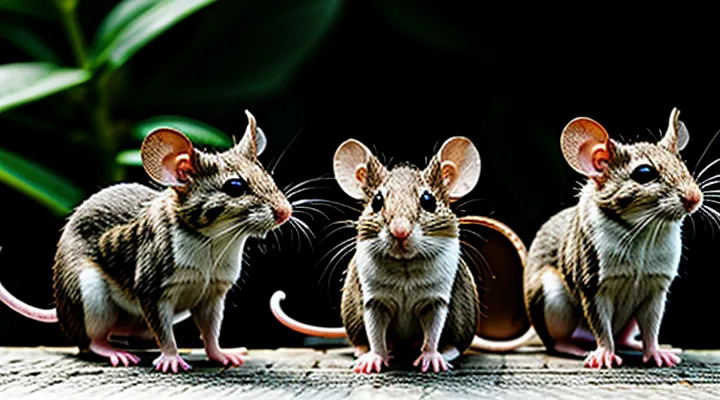
Understanding Fancy Mouse Lifespans
Average Lifespan
Factors Affecting Longevity
The duration of life in ornamental mice results from an interaction of genetic, nutritional, environmental, and management variables.
- Genetic background – Inbred strains with known health profiles exhibit predictable lifespan ranges; outbred lines often display greater variability.
- Diet quality – Balanced protein, essential fatty acids, and micronutrients correlate with reduced incidence of metabolic disorders.
- Housing conditions – Temperature stability, low humidity, and proper ventilation decrease respiratory infections and heat‑stress mortality.
- Sanitation – Regular cage cleaning and pathogen‑free bedding limit bacterial and fungal exposure.
- Health monitoring – Early detection of tumors, dental overgrowth, or parasitic infestations enables timely intervention.
- Stress exposure – Minimal handling stress, quiet environments, and social compatibility lower cortisol‑induced immunosuppression.
- Reproductive management – Controlled breeding intervals prevent premature aging associated with frequent litters.
Genetic predisposition defines baseline potential, while optimal nutrition and hygienic housing extend that potential toward the upper limits observed in well‑managed colonies. Consistent health surveillance detects pathological deviations before they compromise survival. Environmental stability mitigates extrinsic threats, and reduced stress preserves immune competence. Finally, disciplined breeding schedules prevent reproductive strain, allowing individuals to achieve maximal longevity.
Genetic Predisposition
Genetic predisposition determines the range of possible lifespans in ornamental mice by establishing baseline physiological limits. Certain alleles influence metabolic rate, immune competence, and susceptibility to age‑related diseases, thereby setting the upper and lower bounds of life expectancy for the species.
Key genetic factors include:
- Mutations in the growth hormone receptor gene that reduce circulating IGF‑1 levels, extending longevity by slowing cellular senescence.
- Variants of the Apoe gene that modulate lipid metabolism, affecting cardiovascular health and age‑related pathology.
- Polymorphisms in the DNA repair genes (e.g., Xrcc1, Msh2) that enhance genomic stability, reducing tumor incidence.
- Alleles of the Sirt1 gene that regulate mitochondrial function and oxidative stress response.
Selective breeding programs exploit these markers to produce lines with consistently longer lifespans. Breeders assess genotype through PCR screening, prioritize matings that combine favorable alleles, and avoid inbreeding coefficients above 0.125 to maintain heterozygosity. Environmental enrichment and diet are adjusted to complement the genetic makeup, ensuring that the intrinsic potential for extended longevity is realized.
Key Influencers on Lifespan
Diet and Nutrition
Essential Nutrients
Essential nutrients directly influence the longevity of ornamental rodents. Adequate intake of specific vitamins, minerals, proteins, and fatty acids supports physiological functions that determine survival duration.
-
Protein: High‑quality animal or plant protein supplies essential amino acids for tissue repair, immune competence, and growth. Minimum 18 % of daily caloric intake is recommended for adult fancy mice.
-
Vitamin A: Facilitates vision, epithelial integrity, and cellular differentiation. Deficiency leads to keratinization disorders and reduced resistance to infection. Include liver, carrots, or fortified feed to achieve 0.3 mg/kg diet.
-
Vitamin D₃: Regulates calcium absorption and bone mineralization. Insufficient levels cause skeletal deformities and impaired mobility. Sunlight exposure or supplementation of 1000 IU/kg feed maintains optimal status.
-
Vitamin E: Acts as an antioxidant protecting cell membranes from oxidative damage. Dosage of 50 IU/kg diet reduces age‑related decline in organ function.
-
Calcium and Phosphorus: Balance essential for skeletal health and metabolic processes. Ratio of 1.5:1 (Ca:P) prevents renal calculi and supports dental enamel integrity.
-
Magnesium: Cofactor for enzymatic reactions involved in energy production. Inclusion of 0.2 % magnesium in feed supports neuromuscular function.
-
Omega‑3 fatty acids: Provide anti‑inflammatory effects and enhance neuronal development. Fish oil supplementation at 0.5 % of diet improves cognitive performance and may extend lifespan.
-
Water: Constant access to clean, fresh water is mandatory for all metabolic activities. Dehydration accelerates organ failure and shortens life expectancy.
Ensuring these nutrients are present in appropriate concentrations, delivered through a balanced commercial formulation or carefully measured homemade mixes, maximizes health outcomes and contributes to extended survival of fancy mice.
Harmful Foods
Fancy mice experience reduced longevity when exposed to foods that disrupt their metabolism, damage organ function, or introduce toxic compounds.
Common items that jeopardize health include:
- Chocolate and cocoa products – contain theobromine, which impairs cardiac rhythm.
- Caffeine‑containing substances (coffee, tea, energy drinks) – cause hyperactivity and stress on the cardiovascular system.
- Avocado flesh – rich in persin, a toxin that can cause respiratory distress.
- Allium vegetables (onion, garlic, leeks) – introduce compounds that damage red blood cells, leading to anemia.
- Citrus seeds and pits – contain cyanogenic glycosides that release cyanide upon digestion.
- Sugary snacks and processed sweets – promote obesity, insulin resistance, and dental disease.
- High‑fat human foods (fried items, fatty meats) – overload the liver, precipitating hepatic lipidosis.
- Dairy products – many fancy mice lack lactase, resulting in gastrointestinal upset and dehydration.
Each of these foods introduces a physiological burden that shortens the animal’s life expectancy. Eliminate them from the diet and replace them with species‑appropriate pellets, fresh vegetables, and limited amounts of safe fruits. Consistent provision of balanced nutrition directly supports optimal lifespan and overall vitality.
Environment and Housing
Cage Size and Enrichment
Adequate cage dimensions directly influence the health span of ornamental rodents. A minimum floor area of 0.5 square feet per adult mouse prevents overcrowding, reduces stress‑induced immunosuppression, and supports normal locomotor activity. Height should allow vertical movement; a minimum clearance of 12 inches accommodates climbing and exploratory behavior, which are essential for musculoskeletal integrity.
Enrichment items complement spatial adequacy by stimulating cognitive and sensory systems. Effective components include:
- Multi‑level platforms or shelves to promote vertical navigation.
- Nesting material (e.g., shredded paper, cotton) for thermoregulation and burrowing instincts.
- Chewable objects (untreated wood blocks, mineral chews) to maintain dental health.
- Puzzle feeders that require problem‑solving to access food, enhancing mental agility.
Regular rotation of enrichment pieces prevents habituation, sustaining engagement and reducing repetitive behaviors that can lead to physiological decline. Cleaning protocols must preserve these items while eliminating pathogens; weekly disinfection of surfaces combined with bi‑weekly replacement of high‑wear accessories ensures a hygienic environment without compromising enrichment value.
Research indicates that mice housed in cages meeting the above criteria exhibit a median lifespan increase of 10–15 percent compared with individuals confined to undersized, barren enclosures. The correlation underscores the necessity of integrating both spatial and environmental complexity into husbandry standards for optimal longevity.
Temperature and Humidity
Temperature directly influences metabolic rate in ornamental rodents. Ambient conditions between 18 °C and 24 °C maintain stable body temperature, support efficient digestion, and reduce stress‑induced mortality. Temperatures below 15 °C slow metabolism, increase susceptibility to hypothermia, and prolong recovery from illness. Temperatures above 27 °C accelerate metabolism, elevate heart rate, and raise the risk of heat‑stroke and organ failure.
Humidity governs respiratory health and skin integrity. Relative humidity of 45 %– 55 % preserves mucosal moisture, prevents nasal crusting, and discourages fungal growth. Environments drier than 30 % cause dehydration of nasal passages, leading to infections and reduced appetite. Humidity exceeding 70 % fosters mold, mildew, and bacterial proliferation, which can precipitate pneumonia and dermatitis.
Guidelines for optimal environmental control:
- Maintain ambient temperature 18 °C–24 °C (64 °F–75 °F).
- Keep relative humidity 45 %–55 %.
- Use calibrated thermostats and hygrometers for continuous monitoring.
- Adjust ventilation to prevent stagnant air while avoiding drafts.
- Implement gradual temperature changes; rapid shifts increase physiological stress.
Adhering to these parameters minimizes disease incidence, stabilizes metabolic processes, and extends the average lifespan of pet mice by reducing environmentally induced mortality factors.
Stressors and Socialization
Stressful environments shorten the life expectancy of ornamental rodents, while positive social interactions extend it. Acute stressors—such as sudden temperature changes, loud noises, and handling without habituation—trigger cortisol surges that impair immune function and accelerate cellular aging. Chronic stressors, including overcrowding, poor ventilation, and persistent predator cues, sustain elevated glucocorticoid levels, leading to reduced reproductive output and increased susceptibility to disease.
Social conditions exert a counterbalancing influence. Cohabitation with compatible conspecifics promotes affiliative behaviors, reduces baseline stress hormones, and stimulates activity patterns associated with better cardiovascular health. Structured group living, with clear hierarchies and sufficient nesting material, enhances grooming and exploratory play, both linked to neuroprotective effects.
Key factors affecting longevity:
- Environmental stability: consistent temperature (18‑22 °C), low ambient noise, and predictable lighting cycles.
- Social composition: groups of 2–4 individuals of similar age and temperament, with regular monitoring for aggression.
- Enrichment: tunnels, climbing structures, and chewable objects that encourage natural foraging and reduce boredom‑induced stress.
- Handling protocol: gradual acclimation to human contact, using gentle restraint and brief sessions to minimize fear responses.
Implementing these practices reduces physiological stress markers and supports robust health, thereby maximizing the lifespan of fancy mice.
Health and Genetics
Common Diseases
Diseases significantly affect the longevity of pet mice, reducing average survival by weeks to months. Recognizing the most frequent conditions enables targeted prevention and timely intervention.
- Respiratory infections (Mycoplasma pulmonis, Pasteurella spp.) – common in crowded housing; symptoms include nasal discharge, labored breathing, and weight loss; untreated cases often lead to severe pneumonia and premature death. Antibiotic therapy combined with improved ventilation mitigates mortality.
- Dermatophytosis (ringworm) – fungal skin infection spread through direct contact or contaminated bedding; lesions appear as hair loss and crusted patches; systemic spread can cause secondary infections, shortening lifespan. Antifungal treatment and strict hygiene control the outbreak.
- Gastrointestinal parasites (Pinworms, Coccidia) – infestations cause diarrhea, dehydration, and anorexia; high parasite loads correlate with reduced growth rates and early mortality. Routine fecal examinations and prophylactic anthelmintics maintain health.
- Dental malocclusion – overgrown incisors impair feeding, leading to weight loss and organ failure; regular inspection and trimming prevent fatal complications.
- Neoplastic diseases (lymphoma, mammary tumors) – occur predominantly in older mice; tumor growth interferes with organ function, decreasing life expectancy. Early detection through palpation and imaging allows surgical removal or palliative care.
Preventive measures—adequate cage space, low humidity, routine health monitoring, and balanced nutrition—directly support longer, healthier lives for fancy mice. Prompt diagnosis and appropriate treatment of the listed conditions are essential to mitigate their impact on overall survival.
Preventive Care
Preventive care directly influences the longevity of ornamental rodents. Adequate nutrition, environmental control, routine health checks, mental stimulation, and veterinary oversight form the core of an effective program.
- Provide a balanced diet with high-quality protein, limited sugar, and appropriate fiber; adjust portions to prevent obesity.
- Maintain cage temperature between 18 °C and 24 °C, humidity near 50 %, and ensure continuous ventilation to reduce respiratory risks.
- Schedule weekly examinations for signs of skin lesions, dental overgrowth, or abnormal behavior; record findings for trend analysis.
- Include enrichment items such as tunnels, climbing structures, and chew toys; rotate objects weekly to sustain interest and prevent stress‑related conditions.
- Establish a quarterly veterinary visit for vaccinations, parasite control, and dental assessments; keep detailed medical histories for each individual.
Consistent implementation of these measures reduces disease incidence, supports optimal growth, and extends the overall life expectancy of fancy mice.
Breeding Practices and Inbreeding
Breeding protocols directly influence the life expectancy of ornamental rodents. Controlled mating schedules, selection for disease resistance, and balanced nutrition form the core of effective practices. Consistency in environmental conditions—temperature, humidity, and light cycles—reduces stress‑related mortality.
Key breeding practices include:
- Pairing unrelated individuals to maintain genetic diversity.
- Monitoring litter size and weaning age to prevent over‑taxing the dam.
- Implementing health screenings for hereditary disorders before breeding.
- Rotating breeding stock to avoid accumulation of deleterious alleles.
Inbreeding contracts longevity by increasing homozygosity of harmful traits. Elevated incidence of congenital defects, immune deficiencies, and reduced fertility are documented outcomes. Mitigation requires strict pedigree tracking, avoidance of sibling or parent‑offspring pairings, and periodic introduction of external genetic lines. Adherence to these standards sustains robust health and extends the average lifespan of fancy mice.
Maximizing Your Fancy Mouse's Life
Veterinary Care
Regular Check-ups
Regular veterinary examinations are a primary factor in extending the life expectancy of ornamental rodents. Early detection of disease, assessment of nutritional status, and evaluation of environmental conditions occur during each visit, allowing timely intervention.
A typical check‑up for fancy mice includes:
- Physical inspection of coat, eyes, ears, and limbs for lesions or abnormalities.
- Weight measurement and body condition scoring to identify under‑ or overweight conditions.
- Oral examination to detect dental overgrowth, malocclusion, or infection.
- Screening for common pathogens such as Mycoplasma pulmonis and gastrointestinal parasites.
- Review of housing temperature, humidity, and enrichment to ensure optimal welfare.
Veterinary guidelines recommend a baseline examination at 8 weeks of age, followed by quarterly assessments for young adults and semi‑annual visits for mature individuals. Frequency may increase when a mouse shows signs of stress, weight loss, or respiratory distress.
Documentation of each visit creates a health history that informs breeding decisions, dietary adjustments, and preventive treatments, all of which contribute to maximizing the longevity of pet mice.
Recognizing Illness
Early detection of disease directly influences the longevity of ornamental rodents. Prompt identification allows timely treatment, reduces physiological stress, and prevents secondary complications that shorten life expectancy.
Observable indicators of health decline include:
- Reduced activity or reluctance to explore
- Noticeable weight loss or failure to gain weight
- Abnormal respiratory sounds such as wheezing or rapid breathing
- Discoloration of the ears, tail, or skin
- Changes in grooming behavior, including excessive licking or neglect
- Altered fecal consistency or frequency
- Ocular discharge, swelling, or cloudiness
Veterinary assessment typically combines visual examination with specific diagnostic tools. Palpation of the abdomen, auscultation of the chest, and temperature measurement establish baseline health. Laboratory analysis—complete blood count, serum chemistry, and microbial cultures—identifies underlying pathogens or metabolic disturbances. Imaging techniques, such as radiography or ultrasound, reveal internal organ involvement not apparent externally.
Intervention within 24–48 hours of symptom onset markedly improves survival rates. Early antimicrobial therapy, supportive fluid administration, and environmental adjustments (temperature control, reduced stressors) stabilize physiological functions. Continuous monitoring throughout treatment ensures rapid response to any deterioration, further extending the animal’s productive years.
Enrichment and Activity
Toys and Stimulation
Providing appropriate enrichment significantly influences the health span of ornamental mice. Regular interaction with varied objects encourages natural foraging and exploratory behaviors, which reduces stress‑induced physiological decline. Environments lacking stimulation often exhibit higher incidences of obesity, immunosuppression, and early mortality.
Effective enrichment includes:
- Chewable items: Untreated wood blocks, sisal ropes, and cardboard tubes satisfy gnawing instincts and promote dental wear.
- Climbing structures: Wire mesh ladders, plastic tunnels, and low platforms increase physical activity, supporting cardiovascular function.
- Sensory toys: Scented herbs (e.g., dried lavender, rosemary) and textured fabrics stimulate olfactory and tactile systems, enhancing neural plasticity.
Rotating toys on a weekly schedule prevents habituation and maintains curiosity. Introducing novel objects for brief periods (30–60 minutes) stimulates problem‑solving skills without overwhelming the animal.
Consistent monitoring of usage patterns allows caregivers to adjust enrichment levels according to age and health status. Younger mice benefit from higher activity demands, while senior individuals require softer, low‑impact items to avoid joint strain. Tailoring stimulation to these needs optimizes overall longevity.
Exercise Opportunities
Regular physical activity extends the average lifespan of ornamental rodents by promoting cardiovascular health, muscle maintenance, and metabolic balance. Studies show that mice provided with daily opportunities for movement live several months longer than sedentary counterparts, with reduced incidence of obesity‑related disorders.
Effective exercise modalities include:
- Running wheels: Continuous access encourages voluntary aerobic activity; wheel‑running frequency correlates with improved heart function.
- Climbing structures: Vertical nets and ladders stimulate hind‑limb strength, supporting joint integrity.
- Tunnel systems: Complex mazes promote exploratory locomotion, enhancing cognitive stimulation and stress resilience.
- Interactive toys: Objects that require manipulation increase fine‑motor activity and prevent sedentary behavior.
Implementing a varied regimen ensures comprehensive physiological benefits. Rotating equipment prevents habituation, maintains engagement, and maximizes the positive impact on longevity.
Advanced Care Considerations
End-of-Life Care
End-of-life care for ornamental rodents demands precise assessment of health status, pain levels, and functional ability. Veterinarians evaluate organ function, weight trends, and mobility to determine when curative treatment yields diminishing benefit.
Nutritional support shifts from growth‑oriented diets to easily digestible, high‑calorie formulas that compensate for reduced intake. Hydration is maintained through subcutaneous fluids when oral drinking declines.
Pain management follows established analgesic protocols. Non‑steroidal anti‑inflammatory drugs are administered at the lowest effective dose; opioid analgesics are introduced for severe discomfort, with dosage adjusted based on behavioral response.
Environmental modifications reduce stress and promote comfort:
- Soft bedding to cushion joints
- Low‑profile shelters for easy entry and exit
- Ambient temperature maintained within the species’ optimal range
- Minimal handling to avoid agitation
Monitoring focuses on observable indicators: changes in grooming, respiration rate, and activity patterns. When decline becomes irreversible, humane euthanasia is performed using a rapid, painless method consistent with professional guidelines.
Documentation of each intervention ensures continuity of care and provides data for future reference on longevity and quality of life in fancy mouse populations.
Recognizing Quality of Life
Assessing the quality of life in ornamental rodents directly influences their longevity. Researchers quantify well‑being through measurable parameters rather than subjective impressions.
Key indicators include:
- Body condition score: regular weight checks and coat assessment reveal nutritional balance.
- Activity levels: wheel usage, exploratory behavior, and social interaction frequency indicate physical health.
- Physiological markers: blood glucose, cortisol, and immune cell counts provide insight into stress and disease risk.
- Environmental enrichment: presence of nesting material, climbing structures, and varied diet correlates with reduced stereotypic behaviors.
Data collection should follow standardized schedules. Weekly weight measurements, monthly blood panels, and continuous video monitoring generate reliable trends. Deviations from baseline values trigger veterinary intervention, preventing disease progression and extending the animal’s lifespan.
Optimal husbandry practices reinforce these metrics. Maintaining stable temperature (20‑24 °C), humidity (45‑55 %), and low noise levels minimizes chronic stress. Regular cage cleaning prevents pathogen buildup, while rotating enrichment items sustains mental stimulation.
Integrating quantitative assessments with proactive care creates a feedback loop: improved well‑being metrics predict longer life expectancy, and extended longevity offers more opportunities to refine quality‑of‑life protocols.