
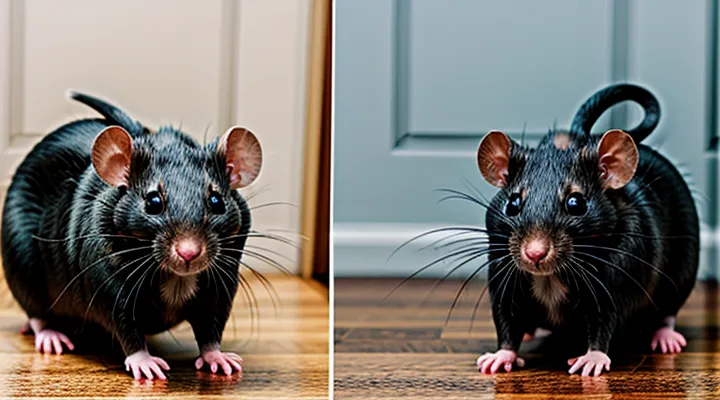
Factors Affecting Pet Rat Lifespan
Genetics and Breeding
Inbred Lines and Health Issues
Inbred lines of ornamental pet rats are produced to maintain specific coat colors, body shapes, and behavioral traits. Repeated selection within a limited genetic pool reduces heterozygosity, which can shorten overall longevity and increase susceptibility to disease.
Common health problems associated with these genetically narrowed populations include:
- Cardiovascular defects – malformed heart valves and reduced cardiac output.
- Respiratory disorders – chronic rhinitis and susceptibility to pneumonia.
- Skeletal abnormalities – malformed vertebrae, limb deformities, and reduced bone density.
- Immune deficiencies – impaired response to common pathogens and heightened stress sensitivity.
- Metabolic disturbances – obesity, insulin resistance, and hepatic lipidosis.
These conditions often manifest earlier than in outbred counterparts, leading to a measurable decline in average lifespan. Breeders who prioritize genetic diversity can mitigate many of these risks by introducing unrelated lines, performing health screenings, and avoiding excessive inbreeding coefficients.
Monitoring health indicators—weight stability, respiratory sounds, coat condition, and activity levels—allows owners to detect early signs of disease. Prompt veterinary intervention, combined with balanced nutrition and environmental enrichment, can extend the functional years of decorative pet rats despite inherent genetic limitations.
Responsible Breeders and Health Screening
Responsible breeders prioritize genetic health, environmental stability, and ethical practices to maximize the longevity of ornamental rats kept as companions. By selecting breeding pairs with documented health histories and avoiding inbreeding, they reduce the incidence of hereditary disorders that can shorten a rat’s life. Consistent veterinary oversight, including routine examinations and targeted diagnostics, identifies emerging conditions early, allowing timely intervention.
Key components of a comprehensive health‑screening protocol include:
- Genetic testing for common mutations affecting coat, skeletal, and organ development.
- Physical examination covering weight, dental alignment, respiratory sounds, and musculoskeletal integrity at least biannually.
- Blood work to assess organ function, hematology, and metabolic markers, performed annually or as indicated by clinical signs.
- Parasite control through fecal analysis and ectoparasite inspection, with preventive treatments applied according to veterinary recommendations.
- Vaccination and immunization records maintained for any applicable diseases, even though rats are not routinely vaccinated, to document exposure risk and preventive measures.
Breeders who maintain detailed pedigree charts, health certificates, and transparent communication with prospective owners enable informed decisions that directly influence the animal’s life expectancy. Continuous education on emerging health research, coupled with adherence to recognized standards such as those set by the American Rat Association, ensures that breeding practices evolve to support the longest, healthiest lives possible for decorative pet rats.
Diet and Nutrition
Importance of a Balanced Diet
A diet that meets nutritional requirements directly influences the life expectancy of ornamental pet rats. Adequate protein supports muscle development and tissue repair, while excessive protein can strain kidneys. Balanced carbohydrate sources provide energy without causing rapid weight gain. Essential fatty acids maintain skin health and facilitate hormone production.
Key nutrients for optimal longevity include:
- High‑quality animal‑based protein (e.g., chicken, boiled egg)
- Complex carbohydrates (e.g., whole‑grain pellets, cooked vegetables)
- Fiber (e.g., timothy hay, bran) to promote gastrointestinal motility
- Vitamin A, D, E, and B‑complex for vision, bone health, and metabolic function
- Mineral calcium and phosphorus in a ratio close to 1:1 for skeletal integrity
- Fresh water available at all times
Feeding practices that avoid over‑supplementation reduce the risk of obesity, hepatic lipidosis, and dental disease. Portion control based on age, weight, and activity level prevents caloric excess. Regular monitoring of body condition enables timely adjustments.
Consistent provision of a nutritionally complete diet, combined with clean water and occasional fresh produce, extends the average lifespan of decorative companion rats by several months compared with a diet lacking balance.
Harmful Foods to Avoid
Pet rats kept for ornamental purposes require careful dietary management to preserve their longevity. Certain foods introduce toxins, disrupt digestion, or cause obesity, each of which shortens the animal’s life expectancy.
Common harmful items include:
- Chocolate and cocoa products – contain theobromine, which is cardiotoxic to rodents.
- Caffeinated beverages or snacks – stimulate the nervous system and can lead to fatal arrhythmias.
- Raw or undercooked beans, especially kidney beans – contain lectins that damage intestinal lining and may cause severe vomiting.
- Processed meats with high sodium or nitrate content – increase blood pressure and strain renal function.
- Citrus peels and seeds – high acidity irritates the stomach and seeds may contain cyanogenic compounds.
- Avocado flesh and pit – contain persin, a toxin that can cause respiratory distress.
- Sugary candy, pastries, or honey – promote rapid weight gain, insulin resistance, and dental decay.
- Alcohol or fermented foods – depress central nervous system and impair liver metabolism.
Feeding these items, even in small quantities, accelerates health decline and reduces the overall lifespan of decorative rats. Replace them with balanced rodent chow, fresh vegetables, and occasional protein sources such as boiled egg or lean meat to support optimal vitality.
Supplements and Their Role
Proper supplementation can extend the health span of ornamental pet rats by addressing nutritional gaps that standard diets may leave. Targeted nutrients support organ function, immune competence, and tissue integrity, thereby influencing overall longevity.
- Vitamin D – enhances calcium uptake, reduces incidence of skeletal deformities.
- Calcium and phosphorus – maintain bone density, prevent fractures in aging individuals.
- Omega‑3 fatty acids – modulate inflammation, improve cardiovascular health, aid neural development.
- Probiotics – stabilize gut microbiota, boost digestion, lower risk of gastrointestinal infections.
- B‑complex vitamins – facilitate energy metabolism, support nervous system maintenance.
- Antioxidants (vitamin E, selenium) – neutralize free radicals, mitigate cellular aging.
Effective supplementation requires precise dosing based on body weight and age, high‑quality formulations free from contaminants, and regular veterinary assessment to detect excesses or deficiencies. Monitoring blood parameters and clinical signs ensures that nutrient levels remain within therapeutic ranges.
When integrated with a balanced diet, appropriate supplements contribute measurable improvements in immune response, coat condition, and reproductive performance, all of which correlate with longer, healthier lives for decorative pet rats.
Environment and Enrichment
Cage Size and Layout
Adequate cage dimensions are a primary factor influencing the longevity of ornamental pet rats. A minimum floor area of 0.5 m² per pair provides sufficient space for movement, exploration, and exercise. Larger enclosures, extending to 1 m² per pair, further reduce stress and promote muscular development, contributing to extended health spans.
Vertical space enhances enrichment without increasing floor footprint. Installing sturdy platforms, ladders, and climbing structures utilizes the cage’s height, allowing rats to exhibit natural climbing behavior. Each platform should be at least 15 cm above the floor and secured to prevent collapse.
Effective layout separates distinct zones to support physiological and behavioral needs:
- Resting zone: Soft bedding in a quiet corner, insulated from drafts.
- Feeding zone: Separate area for food bowls and water dispensers, kept clean to prevent contamination.
- Play zone: Toys, tunnels, and chewable items distributed to encourage activity.
- Sanitation zone: Easy‑access spot for waste removal, equipped with a litter tray or absorbent substrate.
Ventilation must ensure continuous airflow while avoiding drafts. Mesh panels covering at least 30 % of the cage surface maintain oxygen exchange and temperature regulation, essential for immune function.
Material selection influences durability and hygiene. Stainless steel frames resist corrosion and are easy to disinfect. Plastic components should be BPA‑free and replaceable to prevent toxin exposure.
Regular monitoring of enclosure conditions—temperature (20‑24 °C), humidity (40‑60 %), and cleanliness—prevents disease outbreaks. Prompt removal of waste and weekly deep cleaning sustain a healthy environment, directly supporting the rats’ extended life expectancy.
Substrate and Bedding
The choice of substrate and bedding directly influences the health, disease resistance, and overall longevity of ornamental pet rats. Poorly selected materials can cause respiratory irritation, skin problems, and increased parasite load, which shorten the expected lifespan.
- Aspen shavings: low dust, absorbent, safe for chewing.
- Paper-based bedding (e.g., shredded paper, cellulose pellets): minimal allergens, easy to replace.
- Coconut fiber (coir): high absorbency, moderate dust, suitable for nesting.
- Hemp bedding: natural fibers, low odor, biodegradable.
Avoid pine or cedar shavings because volatile oils irritate the respiratory tract and may lead to chronic conditions.
Maintain substrate hygiene by removing waste daily, fully replacing bedding weekly, and monitoring humidity levels to stay below 60 %. Regular cleaning prevents bacterial growth and reduces the risk of infections that can compromise the rats’ life expectancy.
Toys and Mental Stimulation
Providing rats with appropriate toys and mental challenges directly influences health outcomes and longevity. Enrichment mitigates stress, encourages natural foraging behavior, and supports muscular development, all of which contribute to a longer, healthier life for ornamental rodents.
Key categories of enrichment include:
- Chewable objects: Wood blocks, untreated cardboard, and mineral rods satisfy dental wear requirements and prevent overgrowth.
- Puzzle feeders: Devices that release small portions of food when manipulated stimulate problem‑solving skills and regulate intake.
- Tunnel systems: Plastic or fabric tunnels create three‑dimensional spaces for exploration, promoting exercise and spatial awareness.
- Interactive toys: Balls, bells, and rolling objects encourage movement and curiosity, reducing periods of inactivity.
Regular rotation of items prevents habituation. Introducing new challenges weekly maintains cognitive engagement, while observing individual preferences ensures that each rat receives stimulation aligned with its temperament. Consistent enrichment, combined with proper nutrition and veterinary care, maximizes the potential lifespan of decorative companion rats.
Socialization with Other Rats and Humans
Social interaction with conspecifics and humans directly influences the health span of ornamental pet rats. Regular contact with cage mates reduces stress hormones, supports immune function, and promotes muscular development, all of which contribute to extended vitality.
Human handling, when performed gently and consistently, habituates rats to tactile stimulation, lowering fear responses. This habituation enables smoother veterinary examinations, more accurate health assessments, and earlier detection of ailments, thereby preventing complications that could shorten life expectancy.
Effective socialization practices include:
- Daily brief handling sessions lasting 5‑10 minutes per rat, using calm movements and soft voice tones.
- Structured group playtime outside the primary enclosure for 15‑20 minutes, allowing rats to explore and engage in natural foraging behaviors.
- Rotating compatible cage mates to prevent hierarchy stagnation, monitoring for aggression, and separating individuals when conflicts arise.
- Introducing novel objects or scent cues weekly to stimulate cognitive engagement and prevent boredom‑related stress.
Consistent application of these protocols fosters robust physiological resilience, improves behavioral welfare, and ultimately enhances the longevity of decorative companion rats.
Veterinary Care
Regular Check-ups and Preventative Care
Regular veterinary examinations form the cornerstone of extending the life expectancy of ornamental pet rats. Routine appointments enable early detection of respiratory infections, skin disorders, and metabolic imbalances that commonly reduce longevity. Veterinarians can assess weight trends, respiratory sounds, and eye clarity, providing immediate interventions that prevent chronic deterioration.
Preventative care complements check-ups by mitigating risk factors before they manifest as disease. Effective strategies include:
- Scheduled vaccinations against prevalent viral agents.
- Monthly ectoparasite treatments to control mites and fleas.
- Quarterly fecal examinations to identify intestinal parasites.
- Dental inspections and enamel polishing to avoid malocclusion.
- Nutritional audits ensuring balanced protein, fiber, and vitamin intake.
- Environmental audits confirming adequate ventilation, humidity control, and safe enclosure materials.
Consistent monitoring of behavior and physical condition reinforces preventive protocols. Sudden changes in activity level, grooming habits, or appetite signal the need for immediate veterinary assessment. Recording daily observations creates a data set that facilitates trend analysis and early intervention.
Integrating systematic health reviews with targeted preventive measures maximizes the lifespan of decorative pet rats, reducing morbidity and supporting sustained well‑being.
Common Illnesses and Early Detection
Pet rats kept for aesthetic purposes face health challenges that directly affect their life expectancy. Recognizing and addressing these conditions early can add months to a rat’s lifespan and improve welfare.
Common health problems include:
- Respiratory infections (Mycoplasma pulmonis, Streptococcus spp.) – cause sneezing, nasal discharge, labored breathing.
- Gastrointestinal disturbances (bacterial or parasitic enteritis) – present as diarrhea, weight loss, reduced activity.
- Skin lesions and dermatitis – often linked to mites, fungal infections, or excessive grooming.
- Dental overgrowth – leads to difficulty eating, facial swelling, and malnutrition.
- Tumors (especially mammary and adrenal) – may appear as palpable masses or changes in behavior.
Early detection relies on systematic observation and routine health checks:
- Daily monitoring of breathing patterns; any audible wheeze or irregular rhythm warrants immediate veterinary evaluation.
- Inspection of fur and skin for alopecia, redness, or crusting; note any sudden changes.
- Weekly weighing; a loss of more than 5 % body weight signals potential illness.
- Assessment of food and water intake; reduced consumption often precedes more severe symptoms.
- Palpation of the abdomen and limbs for abnormal masses; gentle pressure can reveal swelling before it becomes obvious.
Prompt veterinary consultation, combined with supportive care such as humidified environments for respiratory issues or dietary adjustments for dental problems, can mitigate disease progression. Consistent record‑keeping of observations and interventions enables caregivers to track health trends and intervene before conditions become life‑threatening.
Emergency Care and Specialized Treatments
Emergency care for ornamental rats demands rapid assessment of airway, breathing, and circulation. Immediate actions include clearing obstructed airways, stabilizing temperature, and establishing intravenous access for fluid resuscitation. Administering a balanced electrolyte solution within the first hour reduces shock risk and supports organ perfusion.
Specialized treatments extend longevity by addressing conditions unique to decorative breeds. Common interventions are:
- Anticoagulant therapy for thrombotic events, calibrated to the rat’s weight and coagulation profile.
- Targeted antibiotic regimens for gram‑negative infections, selected based on culture sensitivity.
- Hormonal supplementation for endocrine disorders, such as hypothyroidism, using precise dosing schedules.
- Surgical correction of congenital malformations, performed under aseptic conditions with micro‑instrumentation.
Pain management follows multimodal protocols that combine opioid analgesics with non‑steroidal anti‑inflammatory drugs, minimizing stress‑induced immunosuppression. Continuous monitoring of vital signs and blood parameters guides dosage adjustments and prevents adverse reactions.
Preventive strategies integrate emergency preparedness into routine husbandry. Maintaining a stocked emergency kit, training caretakers in basic life support, and scheduling regular veterinary examinations reduce the incidence of acute crises and contribute to a longer, healthier lifespan for decorative pet rats.
Stress and Its Impact
Environmental Stressors
Environmental stressors exert a measurable effect on the longevity of ornamental pet rats. Research identifies several external factors that directly reduce survival rates and increase disease incidence.
- Temperature extremes: prolonged exposure to temperatures below 15 °C or above 30 °C accelerates metabolic strain and shortens life expectancy.
- Humidity fluctuations: sustained humidity above 70 % promotes respiratory infections, while levels below 30 % cause dermal irritation.
- Noise pollution: chronic sounds exceeding 70 dB elevate stress hormones, impairing immune function.
- Lighting cycles: irregular light‑dark patterns disrupt circadian rhythms, leading to hormonal imbalances.
- Cage dimensions: confined spaces limit movement, increase aggression, and elevate cortisol levels.
- Air quality: accumulation of ammonia from waste and poor ventilation precipitates pulmonary disease.
- Handling frequency: excessive or rough handling triggers chronic stress responses, reducing overall health.
Mitigation requires controlled environments: maintain ambient temperature between 18–24 °C, humidity at 40–60 %, and noise below 60 dB; provide a consistent 12‑hour light‑dark cycle; ensure cages exceed 0.5 m² per rat with multiple enrichment zones; implement daily cleaning with adequate ventilation to keep ammonia below 10 ppm; limit handling sessions to brief, gentle interactions and monitor stress indicators regularly.
Adhering to these parameters optimizes physiological stability and extends the expected lifespan of decorative pet rats.
Social Stressors
Social stressors significantly influence the longevity of ornamental pet rats. Chronic exposure to aggressive conspecifics, overcrowding, and unstable hierarchy accelerate physiological wear, reducing average life expectancy. Elevated cortisol levels resulting from these pressures impair immune function, increase susceptibility to respiratory infections, and hasten age‑related decline.
Key social stressors include:
- Persistent dominance challenges from cage mates
- Frequent rearrangement of group composition
- Inadequate environmental enrichment that limits natural social behaviors
- Lack of compatible bonding partners for solitary individuals
Mitigating these factors—maintaining stable, low‑density groups, providing ample hiding spaces, and ensuring consistent social structures—contributes to extended health spans and improved survival rates in decorative pet rats.
Minimizing Stress for Longevity
Reducing stress directly influences the longevity of ornamental pet rats. Chronic anxiety accelerates physiological wear, shortens immune efficiency, and predisposes individuals to disease. Implementing predictable, low‑stress conditions therefore extends the expected lifespan.
A stable habitat supports calm behavior. Use a cage of adequate size, provide solid flooring, and maintain temperature between 18 °C and 24 °C. Ensure ventilation without drafts, and keep noise levels low. Clean the enclosure weekly to prevent odor buildup and pathogen proliferation.
Gentle handling prevents fear responses. Approach the cage calmly, allow the rat to sniff the hand before contact, and support the body fully during lifts. Limit handling sessions to five minutes, and avoid sudden movements or loud voices.
Social interaction and mental stimulation reduce boredom‑related stress. House rats in compatible groups of two to four, monitor hierarchy to prevent aggression, and rotate enrichment items such as tunnels, chew blocks, and puzzle feeders. Schedule enrichment changes weekly to sustain curiosity.
Regular health checks identify stress‑related issues early. Observe grooming, activity, and appetite daily; record deviations. Schedule veterinary examinations at least twice a year, and vaccinate against common rodent pathogens when recommended.
Key actions for stress minimization:
- Maintain consistent lighting cycles (12 h light/12 h dark).
- Provide fresh water and a balanced diet rich in protein and fiber.
- Limit exposure to other household pets that may provoke fear.
- Use scent‑free bedding materials to avoid respiratory irritation.
- Record environmental parameters and adjust promptly when deviations occur.
Applying these measures creates an environment where decorative pet rats experience minimal anxiety, thereby maximizing their lifespan.
Maximizing Your Pet Rat's Lifespan
Daily Care Routines
Feeding Schedules and Portion Control
Feeding schedules and portion control directly affect the longevity of ornamental rats kept as companions. Consistent meal timing stabilizes metabolic rhythms, reduces stress, and supports organ function throughout the animal’s life.
A practical feeding routine includes:
- Two meals per day, spaced 8–10 hours apart.
- Morning portion delivered between 07:00–09:00, evening portion between 17:00–19:00.
- Adjustments made for age: juveniles receive 15–20 % of body weight per day, adults 10–12 %, seniors 8–10 %.
Portion composition should balance protein, fiber, and fat:
- Protein sources (e.g., high‑quality rodent pellets, lean cooked meat) constitute 20‑25 % of the diet.
- Fiber (e.g., timothy hay, shredded vegetables) provides 15‑20 % to promote gastrointestinal health.
- Fat content remains below 5 % to prevent obesity and cardiovascular strain.
- Fresh water available at all times; replace daily.
Monitoring weight and body condition scores weekly allows precise adjustments. Overfeeding leads to adiposity, insulin resistance, and reduced life expectancy, while underfeeding causes muscle wasting and immunodeficiency. Recording daily intake and noting any changes in activity or coat quality ensures that dietary management remains aligned with the animal’s health trajectory.
Cage Cleaning and Hygiene
Regular cage maintenance directly influences the health and longevity of ornamental pet rats. Clean environments reduce exposure to pathogens, prevent respiratory irritation, and support stable digestive function, all of which contribute to extended lifespans.
A practical cleaning schedule includes:
- Daily spot‑cleaning: remove droppings, urine stains, and uneaten food.
- Weekly thorough cleaning: replace bedding, scrub surfaces with a mild, non‑toxic disinfectant, and rinse with water.
- Monthly deep cleaning: disassemble cages, soak components in a diluted bleach solution (1 part bleach to 30 parts water), rinse thoroughly, and dry before reassembly.
Choosing appropriate materials enhances hygiene. Stainless steel bars resist corrosion and are easy to sanitize; sealed plastic bases prevent moisture accumulation; and chew‑proof accessories minimize bacterial harborage. Avoid porous wood or untreated fabrics that retain waste and foster mold growth.
Ventilation is a critical factor. Ensure cages have adequate airflow to disperse ammonia and maintain low humidity levels. Supplemental air filters can further improve air quality in enclosed setups.
Monitoring indicators such as odor, bedding moisture, and visible waste informs timely interventions. Prompt removal of soiled bedding and immediate cleaning after accidents prevent chronic exposure to harmful substances, thereby protecting respiratory health and supporting overall vitality.
Daily Interaction and Playtime
Daily interaction provides essential physical exercise and mental stimulation for ornamental rats, directly influencing their overall health and extending their life expectancy. Regular play sessions reduce stress hormones, improve cardiovascular function, and maintain muscular tone, all of which contribute to a longer, healthier existence.
- Allocate at least 30 minutes of supervised free‑range time each day.
- Incorporate climbing structures, tunnels, and chewable toys to encourage natural foraging and exploration behaviors.
- Rotate toys weekly to prevent habituation and sustain cognitive engagement.
- Offer gentle handling sessions multiple times per day to strengthen the human‑animal bond and promote social confidence.
Consistent engagement also supports immune function by lowering chronic stress levels. Physical activity enhances respiratory efficiency, while problem‑solving tasks promote neuroplasticity, reducing age‑related cognitive decline. Balanced interaction schedules prevent obesity, a common factor that shortens the lifespan of pet rats.
Indicators of sufficient daily play include:
- Active pursuit of toys and exploration of the enclosure.
- Regular grooming and clean fur, reflecting reduced stress.
- Alert, responsive behavior during handling.
- Stable body weight within the species‑specific range.
Owners should monitor these signs and adjust interaction duration accordingly. Structured, varied playtime, combined with attentive handling, forms a reliable strategy for maximizing the longevity of decorative pet rats.
Recognizing Signs of Illness
Behavioral Changes
Behavioral patterns in ornamental pet rats evolve predictably as the animals progress through their life stages. Neonates display reflexive nursing and limited locomotion, relying on maternal cues for temperature regulation and feeding. Within the first two weeks, exploratory activity increases, accompanied by the emergence of social play and vocalizations that signal comfort and curiosity.
Maturity, reached around eight to twelve weeks, brings territorial marking, structured hierarchy formation, and heightened problem‑solving abilities. Rats demonstrate consistent foraging routines, use of enrichment objects, and the establishment of stable social bonds with cage mates. At this stage, aggression levels may rise during hierarchy negotiations, but aggression is typically brief and resolved through submissive gestures.
Senescence, commencing after approximately eighteen months, is marked by reduced activity, diminished exploratory drive, and increased grooming frequency. Cognitive decline manifests as slower maze performance and occasional disorientation in familiar environments. Physical decline includes decreased muscle tone and a preference for resting in secluded corners.
Typical behavioral shifts across the lifespan include:
- Transition from reflexive nursing to independent foraging
- Introduction of play and social hierarchy in adolescence
- Development of consistent routine and problem‑solving in adulthood
- Gradual reduction in locomotion and exploratory behavior in senior rats
- Increased grooming and preference for low‑stimulus areas with age
These changes reflect the natural progression of neural, hormonal, and muscular development in decorative companion rats, providing owners with measurable indicators of health and well‑being throughout the animal’s life.
Physical Symptoms
Physical symptoms serve as primary indicators of health status in ornamental pet rats, directly influencing their life expectancy. Early detection of abnormal signs enables timely veterinary intervention, which can extend the animal’s functional years.
- Respiratory distress: audible wheezing, labored breathing, or nasal discharge.
- Dermal abnormalities: hair loss, ulcerated lesions, or excessive scratching.
- Ocular changes: clouded corneas, discharge, or swelling around the eyes.
- Gastrointestinal issues: persistent diarrhea, blood in stool, or reduced food intake.
- Musculoskeletal weakness: tremors, inability to maintain posture, or limping.
- Neurological signs: seizures, circling, or loss of coordination.
- Weight fluctuations: sudden loss or gain beyond normal growth curves.
Monitoring these manifestations on a daily basis provides objective data for assessing the animal’s condition. Consistent observation, combined with regular veterinary examinations, forms the foundation for managing health risks that shorten the lifespan of decorative rats.
When to Seek Veterinary Attention
Timely veterinary intervention is a critical factor in extending the longevity of ornamental pet rats. Recognizing early warning signs prevents minor issues from developing into life‑threatening conditions.
- Sudden weight loss or failure to gain weight after weaning
- Persistent nasal discharge, coughing, or labored breathing
- Diarrhea lasting more than 24 hours or containing blood
- Red, swollen, or ulcerated skin lesions, particularly on the tail or ears
- Abnormal posture, inability to move normally, or severe tremors
When any of these symptoms appear, contact a veterinarian experienced with small rodents without delay. Even subtle changes, such as a decrease in activity or loss of appetite for a day, warrant professional assessment because rats conceal illness until it becomes severe.
Routine health checks should occur at least twice a year. During examinations, the veterinarian will evaluate dental wear, organ function, and parasite load, and will update vaccination or preventive treatment plans as needed. Maintaining a schedule of regular dental trims and deworming reduces the risk of chronic disease that shortens the animal’s lifespan.
In emergency situations, immediate veterinary care is essential if a rat:
- Stops breathing or shows signs of respiratory distress
- Exhibits uncontrolled bleeding or severe trauma
- Becomes unresponsive or comatose
Prompt response to these critical conditions maximizes the chance of recovery and contributes to a longer, healthier life for decorative pet rats.
End-of-Life Care
Recognizing Aging Signs
Recognizing the physical and behavioral changes that accompany seniority in ornamental pet rats is essential for optimal care. Age‑related alterations become evident as the animal approaches the latter portion of its expected life span, typically between two and three years for well‑bred individuals. Early detection allows timely adjustments in diet, environment, and veterinary monitoring.
Key indicators of advancing age include:
- Gradual weight loss or a noticeable decrease in body condition despite unchanged feeding habits.
- Dull or thinning fur, especially around the tail and hindquarters, accompanied by a slower grooming rhythm.
- Reduced activity levels; the rat may spend longer periods resting and show reluctance to explore or climb.
- Impaired coordination, manifested as stumbling, difficulty navigating narrow tunnels, or a tendency to fall when climbing.
- Changes in eye appearance, such as cloudiness, cataract formation, or diminished responsiveness to light.
- Altered respiration, with shallow breaths or occasional wheezing during exertion.
- Decreased appetite or irregular feeding patterns, often linked to dental wear or oral discomfort.
Monitoring these signs on a weekly basis and recording any trends provides a clear picture of the rat’s health trajectory. When multiple symptoms emerge simultaneously, a veterinary evaluation should be scheduled promptly to address potential underlying conditions and to adapt care protocols accordingly.
Palliative Care Options
Pet rats bred for ornamental purposes typically live only a few years, making end‑of‑life comfort a priority for owners. When a rat approaches the final stage of its life, palliative care focuses on alleviating pain, reducing stress, and maintaining quality of life.
Effective palliative strategies include:
- Pain management: Low‑dose analgesics such as meloxicam or buprenorphine, prescribed by a veterinarian, control chronic discomfort.
- Hydration support: Subcutaneous fluids or moist food options prevent dehydration when drinking declines.
- Nutritional enrichment: Soft, high‑calorie diets (e.g., blended pellets with baby food) ensure adequate intake despite reduced chewing ability.
- Environmental modification: Warm bedding, low‑level lighting, and quiet surroundings minimize anxiety and promote rest.
- Regular veterinary monitoring: Frequent check‑ups allow rapid adjustment of medications and early detection of complications.
- Hospice care at home: Small cages with easy access, frequent gentle handling, and minimal stressors provide a familiar setting for the animal’s final days.
Implementing these measures extends comfort without attempting to prolong life artificially, aligning care with the animal’s natural lifespan.
Euthanasia Considerations
Euthanasia decisions for ornamental pet rats must align with veterinary best practices and the animal’s health trajectory. When a rat approaches the end of its natural lifespan, clinicians assess pain, organ failure, and quality of life to determine whether humane termination is justified.
Key criteria include:
- Persistent severe pain unresponsive to analgesics.
- Irreversible organ dysfunction (renal, hepatic, or respiratory failure).
- Progressive neurological decline that eliminates the ability to eat, drink, or move independently.
- Uncontrolled infections or tumors that cause systemic distress.
Veterinarians recommend a pre‑euthanasia evaluation that documents clinical signs, diagnostic results, and the owner’s observations. This record supports transparent decision‑making and complies with legal standards for animal welfare.
The preferred method employs an injectable barbiturate administered intravenously or intraperitoneally, ensuring rapid loss of consciousness followed by cardiac arrest. Alternative techniques, such as carbon dioxide exposure, are discouraged due to prolonged distress potential.
Owners should receive guidance on post‑procedure care, including options for cremation, burial, or memorialization. Providing clear information reduces emotional uncertainty and promotes responsible pet stewardship throughout the rat’s life cycle.
Common Misconceptions About Rat Lifespan
«They all die young»
Decorative pet rats typically reach adulthood within a month and survive only a few years, often between two and three. Genetic selection for specific coat colors and body shapes accelerates aging processes, limiting cellular regeneration. Consequently, the statement “they all die young” accurately reflects the biological reality of these animals.
Key factors influencing the short life span include:
- Genetic strain – breeding for aesthetic traits reduces genetic diversity and predisposes rats to hereditary diseases.
- Metabolic rate – high basal metabolism generates rapid cellular turnover, increasing the likelihood of organ failure.
- Environmental stressors – inadequate housing, poor diet, and exposure to pathogens accelerate health decline.
Veterinary data indicate that common causes of early mortality are respiratory infections, neoplastic growths, and renal insufficiency. Preventive measures such as regular health screenings, balanced nutrition, and enrichment to reduce stress can modestly extend longevity but do not alter the fundamental limit imposed by selective breeding.
Overall, the abbreviated life expectancy of ornamental rats is a direct outcome of intentional genetic manipulation and physiological characteristics inherent to the species.
«Rats are disposable pets»
Decorative pet rats typically live between two and three years, with variations caused by genetics, diet, and environmental conditions. Their short natural lifespan often leads owners to view them as replaceable companions, a perception that influences care standards and breeding practices.
Key factors affecting longevity include:
- Balanced nutrition: high‑protein feed supplemented with fresh vegetables reduces metabolic stress.
- Environmental control: stable temperature, low humidity, and regular cage cleaning prevent respiratory infections.
- Veterinary oversight: routine health checks identify early signs of tumors, which are common in this species.
When owners treat rats as expendable, several outcomes emerge:
- Increased turnover in breeding operations, prioritizing quantity over genetic health.
- Reduced investment in enrichment, leading to heightened stress and shortened lives.
- Higher incidence of preventable diseases due to neglect of preventive care.
Improving perception of these animals as long‑term partners, rather than disposable items, directly correlates with extended life expectancy and better overall welfare.