
Average Lifespan
Factors Affecting Longevity
Decorative mice kept in domestic settings experience varying longevity depending on a range of controllable and inherent factors. Nutrition quality directly influences cellular health; balanced feed containing appropriate protein, vitamins, and minerals extends life expectancy, whereas diets high in filler ingredients accelerate wear. Environmental stability is equally critical: consistent ambient temperature (18‑24 °C) and relative humidity (45‑55 %) prevent respiratory and thermoregulatory stress.
Genetic background determines baseline lifespan; lines selectively bred for aesthetic traits may carry deleterious mutations that reduce longevity. Stressors such as frequent handling, loud noises, or sudden cage relocation elevate cortisol levels, compromising immune function. Exposure to harsh cleaning agents or residual chemicals can cause dermal irritation and organ toxicity; using mild, fragrance‑free products mitigates these risks.
Space and enrichment affect physical activity and mental stimulation. Cages providing at least 200 cm² per mouse, equipped with climbing structures and nesting material, encourage natural behaviors and reduce obesity‑related decline. Social dynamics also matter; stable groups of compatible individuals lower aggression‑induced injuries, while solitary housing may increase anxiety‑related health issues.
Regular health monitoring allows early detection of common ailments—respiratory infections, dental overgrowth, and ectoparasite infestations—enabling prompt treatment that preserves lifespan.
Key factors influencing longevity:
- Balanced, species‑appropriate diet
- Stable temperature and humidity
- Sound genetic lineage
- Minimal chronic stress
- Non‑toxic cleaning regimen
- Adequate cage space and enrichment
- Proper social grouping
- Routine veterinary checks
Optimizing each element creates conditions under which ornamental rodents can achieve their maximum potential lifespan.
Typical Range in Captivity
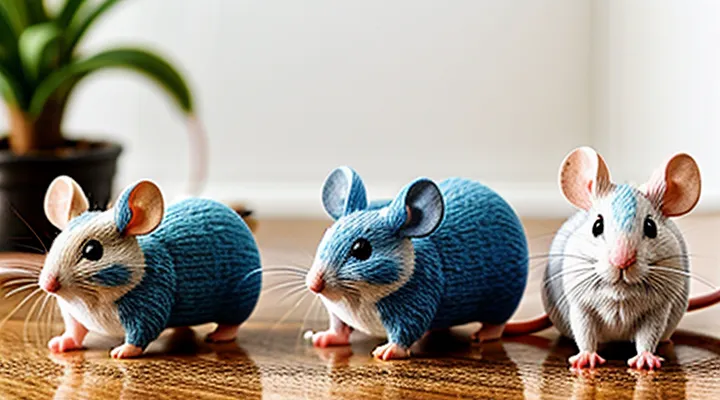
Decorative mice kept as household companions generally live longer than their wild counterparts due to controlled environments, balanced nutrition, and regular veterinary oversight. Under optimal conditions, the typical lifespan falls within a defined range that varies by breed, genetic health, and care quality.
- Standard laboratory or fancy mouse strains: 1.5 – 3 years.
- Selective breeding lines with enhanced vigor: up to 4 years.
- Mice with chronic health issues or suboptimal husbandry: often less than 12 months.
Key factors influencing these figures include:
- Dietary adequacy: high‑protein, low‑fat formulations reduce metabolic stress.
- Environmental stability: constant temperature (20–24 °C), low humidity fluctuations, and minimal noise lower cortisol levels.
- Preventive health measures: routine health checks, parasite control, and prompt treatment of infections extend survival.
When all variables align, many owners report that decorative mice regularly achieve the upper limits of the cited range, confirming that proper household care markedly prolongs their natural life expectancy.
Key Influencers on Mouse Lifespan
The duration of life for decorative mice kept in domestic environments depends on a set of measurable conditions. Understanding these conditions enables owners to maximize health and longevity.
- Nutrition quality and portion control
- Ambient temperature and humidity stability
- Exposure to cleaning agents or toxic substances
- Frequency of veterinary health checks
- Genetic background and breed predispositions
- Social housing arrangements (solitary vs. group)
- Stress levels linked to handling frequency and noise
- Presence of predators or stray animals in the vicinity
High‑grade, balanced feed supplies essential nutrients and prevents obesity, a common cause of early mortality. Consistent temperature between 18 °C and 24 °C and relative humidity around 45‑55 % reduce respiratory issues. Avoiding aerosolized disinfectants and strong fragrances eliminates respiratory irritants. Regular veterinary examinations detect parasites, dental problems, and disease early, allowing prompt treatment. Selecting lines with proven vigor minimizes hereditary disorders. Providing appropriate companionship or enrichment lowers cortisol spikes, while minimizing sudden handling and loud sounds curtails stress‑induced immunosuppression. Securing the habitat against external predators eliminates accidental injury. Each factor exerts a quantifiable influence; optimizing them collectively extends the mouse’s functional lifespan.
Genetics and Breeding
Impact of Lineage
Lineage exerts a measurable influence on the longevity of ornamental mice kept in domestic environments. Genetic inheritance determines baseline health parameters, including susceptibility to metabolic disorders, immune competence, and skeletal robustness. Studies of laboratory and pet populations show that purebred lines with documented health screens achieve median lifespans 10‑20 % longer than mixed‑heritage individuals lacking such records.
Research highlights several lineage‑related factors:
- Inherited disease predisposition – specific strains carry alleles linked to cardiomyopathy, renal failure, or neoplasia, reducing average lifespan by 1–3 years.
- Growth rate and adult size – lines selected for rapid growth reach larger adult weights, which correlate with accelerated aging markers and earlier mortality.
- Reproductive traits – strains with high fecundity often exhibit earlier onset of reproductive senescence, shortening overall life expectancy.
- Metabolic efficiency – genetically optimized lines display lower basal metabolic rates, conserving energy reserves and extending survival under standard feeding regimes.
Environmental interaction amplifies these genetic effects. Proper husbandry—consistent temperature, low‑stress handling, balanced diet—mitigates lineage‑associated risks, while neglect accentuates them. Consequently, selecting a lineage with documented health profiles and aligning care practices to its genetic needs maximizes the lifespan potential of decorative mice in household settings.
Avoiding Inbreeding
Avoiding inbreeding is essential for extending the longevity of ornamental mice kept in domestic environments. Genetic similarity reduces immune competence, increases the prevalence of hereditary disorders, and accelerates age‑related decline. Consequently, populations with diverse pedigrees display longer, healthier lives.
Effective measures include:
- Maintaining a detailed breeding record that identifies each mouse’s lineage and prevents mating between close relatives.
- Introducing unrelated individuals from reputable sources at regular intervals to refresh the gene pool.
- Limiting the number of generations that any single pair contributes to the population; rotate breeding pairs after two to three generations.
- Conducting health screenings for genetic defects before allowing any mouse to reproduce.
- Using controlled breeding programs that prioritize heterozygosity scores calculated from pedigree data.
Implementing these practices reduces the risk of recessive disease expression and supports robust physiological development, directly contributing to increased lifespan and improved welfare of decorative mice in household care.
Environmental Factors
Cage Size and Enrichment
Adequate cage dimensions are a primary factor in extending the life expectancy of ornamental rodents kept indoors. A minimum floor area of 0.5 square feet per adult mouse prevents overcrowding, while a height of at least 12 inches allows for vertical activity. Larger enclosures, such as a 20‑inch by 30‑inch base, provide space for natural foraging movements and reduce the incidence of respiratory problems linked to confined air flow.
Enrichment items contribute directly to physiological resilience by encouraging exercise, cognitive engagement, and stress reduction. Effective enrichment includes:
- Nesting material (e.g., shredded paper, cotton) for building secure shelters.
- Chewing objects (untreated wood blocks, mineral chews) to maintain dental health.
- Climbing structures (plastic ladders, wooden branches) that promote muscular development.
- Puzzle feeders that require manipulation to access food, stimulating problem‑solving abilities.
- Rotating toys every 2–3 weeks to prevent habituation and sustain interest.
Consistent cleaning schedules preserve hygiene without removing beneficial microbial colonies. Spot‑clean daily, replace bedding weekly, and perform a full substrate change monthly. This regimen, combined with appropriate cage size and varied enrichment, supports robust immune function and contributes to longer, healthier lives for decorative mice in domestic settings.
Temperature and Humidity Control
Maintaining optimal temperature and humidity is essential for extending the survival period of ornamental pet rodents kept indoors. Deviations from recommended ranges accelerate metabolic stress, increase susceptibility to respiratory infections, and shorten overall health span.
- Ideal ambient temperature: 18 °C – 24 °C (64 °F – 75 °F).
- Acceptable humidity: 40 % – 60 % relative humidity.
Temperatures below 15 °C (59 °F) suppress immune function and may cause hypothermia. Temperatures above 26 °C (79 °F) elevate metabolic rate, leading to premature aging and heightened risk of heatstroke. Consistent monitoring with digital thermometers prevents unnoticed fluctuations.
Relative humidity below 30 % desiccates mucous membranes, facilitating upper‑respiratory tract irritation. Humidity exceeding 70 % encourages mold growth and bacterial proliferation in bedding, creating environments conducive to pneumonia and skin infections. Employ hygrometers and adjustable humidifiers or dehumidifiers to maintain target levels.
Rapid changes in either parameter trigger stress responses, reflected in increased cortisol levels and reduced grooming behavior. Gradual adjustments—no more than 2 °C or 5 % humidity per day—allow physiological adaptation without compromising health.
Integrating automated climate control systems reduces human error, ensures continuous compliance with the specified ranges, and supports a stable environment that maximizes the longevity of decorative mice in domestic settings. Regular data logging enables trend analysis and early detection of anomalies, facilitating timely corrective actions.
Stress Reduction
Stress reduction directly influences the longevity of ornamental mice kept in domestic environments. Lower stress levels correlate with decreased cortisol production, reduced incidence of opportunistic infections, and improved reproductive performance, all of which extend overall survival time.
Physiological responses to chronic stress include suppression of immune function, accelerated metabolic rate, and heightened susceptibility to respiratory and gastrointestinal disorders. Mitigating these responses preserves tissue integrity and supports normal growth cycles.
Effective stress‑reduction practices:
- Maintain ambient temperature between 18 °C and 22 °C; avoid sudden fluctuations.
- Provide a quiet setting; limit exposure to loud noises and abrupt movements.
- Restrict handling to brief, gentle sessions; use soft cloth gloves to prevent skin irritation.
- Supply enrichment items such as chewable tunnels, nesting material, and climbing structures to encourage natural behaviors.
- Offer a balanced diet rich in protein, fiber, and essential vitamins; replace food and water daily to prevent contamination.
- Implement a consistent cleaning schedule; remove waste promptly to reduce odor and ammonia buildup.
Consistent application of these measures reduces physiological stress markers, thereby increasing the average lifespan of decorative mice under household care.
Nutritional Requirements
Balanced Diet Components
A balanced diet is essential for extending the life expectancy of ornamental rodents kept in domestic environments. Proper nutrition supports immune function, skeletal health, and metabolic stability, directly influencing overall vitality.
- Protein: Supplies amino acids for tissue repair and growth; sources include boiled egg whites, lean poultry, and specially formulated rodent pellets.
- Fiber: Promotes gastrointestinal motility and prevents constipation; derived from finely shredded vegetables such as carrots, broccoli, and commercial fiber blends.
- Fats: Provide concentrated energy and assist in the absorption of fat‑soluble vitamins; include modest amounts of omega‑3 enriched oils or sunflower seeds.
- Vitamins: Facilitate enzymatic reactions and antioxidant protection; a mix of vitamin A, D, E, and B‑complex found in fortified feeds meets daily requirements.
- Minerals: Maintain electrolyte balance, bone mineralization, and nerve transmission; calcium, phosphorus, magnesium, and trace elements are supplied through mineral blocks or fortified pellets.
- Water: Ensures hydration, aids digestion, and regulates body temperature; fresh, clean water must be available at all times.
Consistent provision of these nutrients, calibrated to the mouse’s age, activity level, and health status, reduces susceptibility to disease and promotes a longer, healthier existence within the household setting.
Frequency of Feeding
Proper feeding schedules directly affect the longevity of ornamental rodents kept in domestic environments. Research shows that metabolic health, immune function, and stress levels correlate with the regularity and quantity of meals.
Young mice (under three months) require three to four small portions per day to support rapid growth. Adult individuals (three to twelve months) thrive on two meals spaced 8–12 hours apart, providing sufficient energy without excess caloric load. Senior mice (over twelve months) benefit from a single daily feeding, reducing digestive strain while maintaining nutrient intake.
Overfeeding leads to obesity, hepatic fat accumulation, and reduced activity, shortening lifespan by up to 20 %. Inadequate feeding causes weight loss, weakened immunity, and premature death, with mortality rates increasing by 15 % in controlled studies.
Practical feeding protocol:
- Provide a measured amount of high‑quality rodent pellets calibrated to the mouse’s weight and age.
- Offer fresh water at all times; replace daily.
- Include a small portion of fresh vegetables (e.g., carrot, broccoli) twice weekly for fiber and vitamins.
- Record feeding times and quantities in a log to detect deviations promptly.
- Adjust portions seasonally, reducing calories in colder months when activity declines.
Consistent adherence to these guidelines maximizes health span and overall lifespan of decorative mice in household care.
Hydration Importance
Adequate water intake directly influences the longevity of ornamental pet mice kept in domestic environments. Dehydration accelerates cellular aging, reduces immune competence, and shortens overall lifespan.
Key physiological effects of insufficient hydration include:
- Reduced blood volume, leading to diminished nutrient transport.
- Impaired kidney function, causing toxin accumulation.
- Decreased skin elasticity, increasing susceptibility to injuries.
Signs that a decorative mouse requires additional fluid:
- Sunken eyes or recessed cheekbones.
- Dry, flaky fur.
- Lethargy and reduced activity levels.
Optimal water provision practices:
- Offer a stainless‑steel or ceramic water bottle with a leak‑proof nozzle to prevent contamination.
- Refill the bottle daily; clean the dispensing mechanism weekly with mild, non‑toxic detergent.
- Position the bottle at a height that allows comfortable access without straining the animal’s neck.
Environmental factors affecting hydration:
- Ambient temperature above 24 °C raises evaporative loss; increase water availability accordingly.
- Low‑humidity settings accelerate skin desiccation; consider a humidifier to maintain 45‑55 % relative humidity.
Monitoring water consumption is essential. Record daily intake per cage; a drop of more than 10 % from baseline signals a potential health issue requiring veterinary assessment. Consistent hydration management supports robust health, delays age‑related decline, and extends the productive lifespan of decorative household mice.
Health and Disease Management
Common Ailments
Decorative mice kept as household companions are prone to a limited set of health conditions that directly affect their longevity. Recognizing these ailments enables owners to implement timely interventions and extend the animals’ productive lifespan.
- Respiratory infections (e.g., Mycoplasma pulmonis, viral pneumonia) cause nasal discharge, labored breathing, and rapid weight loss. Untreated cases often result in mortality within weeks.
- Dental disease, primarily overgrown incisors, leads to malocclusion, difficulty eating, and secondary infections. Progressive tooth wear can shorten life expectancy by several months.
- Skin parasites such as mites and lice produce itching, alopecia, and secondary bacterial infections. Heavy infestations accelerate systemic decline.
- Gastrointestinal disturbances, including dysbiosis and parasitic worms, present as diarrhea, dehydration, and reduced nutrient absorption, compromising organ function.
- Obesity, driven by excessive calorie intake and limited exercise, predisposes mice to cardiovascular strain, hepatic lipidosis, and joint degeneration, each shortening lifespan.
- Stress‑related disorders, manifested as chronic adrenal activation, suppress immune response and increase susceptibility to the aforementioned conditions.
Each condition reduces overall health metrics, accelerating the onset of organ failure and decreasing the period of active, healthy existence. Early detection through regular physical examinations and observation of behavior patterns is essential for mitigating these risks. Prompt veterinary treatment, appropriate diet management, and environmental sanitation collectively improve survival outcomes for ornamental rodents.
Preventive Care
Preventive care directly influences the longevity of ornamental rodents kept indoors. Regular attention to health‑related factors reduces mortality risk and supports sustained vitality.
Key preventive measures include:
- Balanced nutrition: commercial rodent pellets supplemented with fresh vegetables, limited fruit, and occasional protein sources. Avoid high‑fat or sugary treats.
- Habitat hygiene: weekly cleaning of bedding, removal of waste, and periodic deep cleaning of cages with mild, rodent‑safe disinfectants.
- Environmental stability: maintain temperature between 18‑24 °C, humidity around 40‑60 %, and protect from drafts or direct sunlight.
- Health monitoring: conduct visual inspections for skin lesions, abnormal discharge, or changes in activity. Record weight weekly; a loss of more than 10 % warrants veterinary consultation.
- Enrichment provision: rotating tunnels, chewable toys, and climbing structures encourage exercise and mental stimulation, decreasing stress‑related ailments.
- Handling protocol: gentle, brief interactions limit stress hormones; wash hands before and after contact to prevent pathogen transmission.
Implementing the above regimen on a consistent schedule extends the functional lifespan of decorative mice, minimizes disease incidence, and promotes overall well‑being. Regular veterinary check‑ups, at least biannually, complement home‑based prevention and provide early detection of internal conditions.
Veterinary Attention
Veterinary oversight directly influences the longevity of ornamental rodents kept in domestic environments. Regular examinations detect early signs of disease, allowing timely intervention that extends life expectancy. Professional assessment also validates proper nutrition, housing conditions, and stress levels, all critical factors for healthy development.
Key components of veterinary care for decorative mice include:
- Routine health checks every six months, focusing on dental wear, skin integrity, and respiratory function.
- Vaccination and parasite control tailored to indoor settings, preventing common infections such as Mycoplasma pulmonis and ectoparasite infestations.
- Nutritional evaluation to ensure balanced protein, fiber, and vitamin intake, reducing the risk of obesity and metabolic disorders.
- Environmental audit addressing cage size, enrichment items, and humidity, mitigating injuries and stress‑induced illnesses.
Prompt veterinary response to symptoms such as nasal discharge, weight loss, or abnormal behavior reduces mortality risk and supports optimal lifespan outcomes for these household companions.
Early Detection of Illness
Early identification of disease in ornamental rodents kept as household pets directly influences their longevity. Subtle changes in behavior, appetite, and physical condition often precede serious health problems. Monitoring these indicators allows caretakers to intervene before conditions become irreversible.
Key observations for prompt detection include:
- Reduced activity or reluctance to explore familiar areas.
- Noticeable weight loss or failure to gain weight in growing individuals.
- Abnormal grooming patterns, such as excessive scratching or neglect of coat maintenance.
- Respiratory sounds that differ from the normal soft rustle of breathing, including wheezing or persistent sneezing.
- Discharge from eyes, nose, or ears, especially when accompanied by swelling.
When any of these signs appear, immediate veterinary consultation is essential. Diagnostic tools such as physical examination, laboratory testing, and imaging provide definitive identification of underlying ailments. Early therapeutic measures—targeted medication, dietary adjustments, and environmental modifications—can mitigate disease progression and extend the animal’s functional lifespan.
Consistent health records support trend analysis, enabling caretakers to recognize recurring patterns and adjust preventive strategies. Regular cleaning of cages, provision of fresh bedding, and avoidance of stressors further reduce infection risk, reinforcing the benefits of early disease detection for sustained well‑being.
Social Dynamics
Benefits of Companionship
Companionship significantly influences the longevity of ornamental rodents kept as household pets. Regular interaction reduces stress hormones, stabilizes immune function, and encourages natural behaviors that contribute to a longer, healthier lifespan.
- Social engagement lowers cortisol levels, mitigating chronic stress‑related illnesses.
- Positive human contact promotes activity, preventing obesity and related cardiovascular issues.
- Consistent handling fosters mental stimulation, decreasing the risk of depressive‑like states and associated physiological decline.
- Trust building enhances willingness to accept routine health checks, facilitating early detection of ailments.
These effects translate into measurable extensions of life expectancy for decorative mice. Incorporating daily, gentle interaction into care routines yields tangible health benefits, supporting both welfare and the practical goal of prolonging the animal’s productive years.
Risks of Overcrowding
Overcrowding shortens the life expectancy of decorative mice kept as household companions. Limited space increases competition for resources, elevates stress levels, and accelerates the spread of disease, all of which directly affect longevity.
- Resource depletion – Insufficient food and water per animal leads to malnutrition and dehydration.
- Elevated cortisol – High population density triggers chronic stress, suppressing immune function.
- Disease transmission – Close contact facilitates rapid spread of pathogens such as Mycoplasma and salmonella.
- Behavioral aggression – Competition for nesting sites provokes fights, resulting in injuries and fatal wounds.
- Reduced hygiene – Accumulated waste in confined areas creates toxic ammonia levels, damaging respiratory systems.
These factors combine to reduce average lifespan by up to 30 % compared with mice housed in appropriately sized enclosures. Mitigation requires maintaining a maximum of one mouse per 0.25 square feet of floor area, providing separate feeding stations, and implementing routine health monitoring.
Introductions to New Mice
Introducing a new decorative mouse requires careful preparation to maximize its longevity and well‑being within a domestic setting. Begin by isolating the newcomer in a quarantine enclosure for at least seven days, monitoring for signs of illness, parasites, or stress. Provide a diet identical to that of resident mice, ensuring consistent nutrient intake and preventing digestive disturbances.
After quarantine, transition the mouse to the primary habitat gradually. Follow these steps:
- Place a neutral barrier (e.g., a clear acrylic divider) within the main cage to allow visual and olfactory contact without direct interaction.
- Observe behavioral responses for 48 hours, noting aggression, avoidance, or signs of dominance.
- If interactions remain calm, remove the barrier and introduce enrichment items (tunnels, wheels, nesting material) to diffuse potential tension.
- Conduct daily health checks for weight fluctuations, coat condition, and activity levels for the first two weeks.
Successful integration supports the overall lifespan of ornamental rodents, reducing mortality linked to stress, disease transmission, and social conflict. Continuous monitoring and prompt intervention at the first indication of problems preserve the health of the entire group.
Extending Your Mouse's Life
Best Practices for Owners
Owners who wish to maximize the longevity of decorative mice should focus on environment, nutrition, health monitoring, and handling techniques. A stable, clean habitat reduces stress and disease risk, while appropriate diet supplies essential nutrients. Regular observation enables early detection of health issues, and gentle interaction minimizes injury.
- Maintain a temperature‑controlled enclosure (18‑24 °C) with low humidity (40‑60 %). Provide ventilation without drafts and avoid direct sunlight.
- Use bedding made from dust‑free, absorbent material such as shredded paper or aspen shavings. Replace bedding weekly and clean the enclosure with mild, non‑toxic disinfectant monthly.
- Offer a balanced diet consisting of high‑quality rodent pellets, fresh vegetables (carrot, cucumber, leafy greens) and occasional protein sources (hard‑boiled egg, mealworm). Limit sugary treats and monitor portion sizes to prevent obesity.
- Supply fresh water in a sealed bottle or ceramic bowl, refreshed daily. Ensure the water source is free from contaminants and positioned away from food to prevent spillage.
- Provide enrichment items (tunnel, chew toys, climbing structures) to stimulate natural behaviors and reduce boredom. Rotate toys regularly to maintain interest.
- Conduct weekly health checks: examine fur condition, eye clarity, and activity level. Notice any signs of respiratory distress, nasal discharge, or abnormal grooming and consult a qualified veterinarian promptly.
- Handle mice gently, supporting the body with both hands. Limit handling sessions to 5‑10 minutes and allow the animal to retreat if stressed. Wash hands before and after contact to prevent pathogen transmission.
Consistent application of these practices creates a supportive environment that extends the useful life of decorative mice, promotes well‑being, and reduces the likelihood of premature health complications.
Monitoring Health and Behavior
Monitoring health and behavior is essential for extending the longevity of ornamental rodents kept in domestic environments. Regular assessment provides data that guides nutrition, habitat adjustments, and veterinary care, directly influencing survival rates.
Key indicators to track include:
- Body weight measured weekly
- Activity levels recorded through motion sensors or manual observation
- Grooming frequency and coat condition
- Food and water intake volumes
- Respiratory sounds and scent of waste
- Social interactions with other mice or humans
Data collection should employ reliable tools such as digital scales, infrared motion detectors, and video recordings. A consistent schedule—daily visual checks, weekly weight measurements, and monthly comprehensive reviews—ensures trends are detected early.
Interpretation of the gathered metrics enables targeted interventions. Sudden weight loss prompts dietary revision or health examination; reduced activity may signal environmental stress or illness; abnormal grooming patterns often precede dermatological issues. Prompt response to these signals reduces morbidity and supports optimal lifespan.
Providing a Stimulating Environment
A stimulating environment directly influences the health and longevity of ornamental rodents kept in domestic settings. Enrichment reduces stress, supports natural behaviors, and contributes to a measurable increase in average lifespan.
- Climbing platforms and ladders provide vertical movement opportunities.
- Tubular tunnels and sealed chambers create safe retreat spaces.
- Textured bedding, natural fibers, and non‑toxic chew blocks supply tactile and oral stimulation.
- Rotating accessories prevent habituation and maintain curiosity.
- Low‑volume ambient sounds mimic natural habitats without causing auditory overload.
Regular assessment of enrichment items ensures cleanliness and functional integrity. Replace worn components promptly, and adjust the layout weekly to preserve novelty.
Observed outcomes include stable body weight, lower incidence of respiratory infections, and sustained activity levels throughout adulthood. These indicators confirm that a well‑designed, dynamic habitat extends the functional lifespan of decorative mice under household care.