
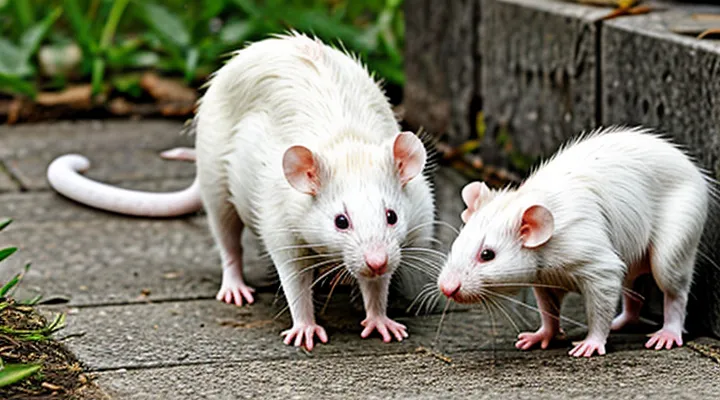
Understanding Albino Rats
What are Albino Rats?
Genetic Background of Albinism
Albinism in rats results from mutations that disrupt the production of melanin, the pigment responsible for coloration in skin, fur, and eyes. The most common genetic alteration involves the Tyrosinase (TYR) gene, which encodes an enzyme essential for converting tyrosine to melanin. Loss‑of‑function mutations in TYR halt this pathway, yielding a complete lack of pigment. Additional loci, such as the Oculocutaneous Albinism Type 2 (OCA2) gene and the Slc45a2 gene, can produce partial albinism or affect ocular development when mutated.
Inheritance follows an autosomal recessive pattern; two carrier parents produce albino offspring only when both transmit the defective allele. Homozygous mutants display characteristic white fur, pink skin, and red or pale irises due to the visibility of underlying blood vessels. The genetic uniformity of laboratory albino rats simplifies breeding programs but also eliminates protective melanin, influencing physiological processes relevant to home environments.
Key genetic factors influencing health and longevity in domestic settings:
- TYR null mutations → total melanin deficiency, increased susceptibility to light‑induced retinal damage.
- OCA2 variants → altered melanosome pH, potential impact on visual acuity.
- Slc45a2 disruptions → reduced pigment transport, possible effects on skin barrier function.
Understanding these mutations enables caretakers to anticipate specific health considerations, such as heightened sensitivity to bright lighting and the need for protective eye care, which directly affect the overall lifespan of albino rats kept as pets.
Common Characteristics
Albino rats possess a distinct set of physiological and behavioral traits that directly influence their longevity under domestic conditions.
- Lack of melanin results in heightened sensitivity to bright light, requiring reduced illumination and protection from ultraviolet exposure.
- Immune system activity is generally comparable to pigmented counterparts, yet the absence of pigment can mask early signs of skin infections, demanding vigilant inspection.
- Auditory acuity remains normal, but visual acuity is reduced; navigation hazards in the cage must be minimized to prevent injuries.
- Metabolic rate aligns with that of standard laboratory strains, supporting a typical adult weight range of 250–350 g.
- Reproductive cycles are regular; uncontrolled breeding accelerates aging processes, making separation of sexes advisable.
These characteristics dictate specific husbandry practices. Low‑light environments, regular health checks, and controlled breeding extend the expected lifespan, which averages 2–3 years for well‑maintained individuals. Consistent temperature (20–24 °C) and humidity (45–55 %) further mitigate stressors linked to the rats’ genetic makeup.
Factors Influencing Lifespan
Genetics and Breeding
Impact of Lineage
Lineage determines genetic robustness, influencing longevity of albino rats kept as pets. Distinct breeding stocks exhibit measurable differences in average lifespan, disease susceptibility, and physiological resilience.
Research comparing inbred and outbred lines shows that outbred animals consistently outlive their inbred counterparts by 15‑30 %. Inbred strains often present heightened incidence of hereditary disorders such as cardiomyopathy and renal dysfunction, which truncate life expectancy. Outbred lines display broader genetic diversity, reducing the expression of deleterious recessive alleles and supporting more stable metabolic and immune function.
Practical implications for home caretakers:
- Choose suppliers that provide pedigree information and avoid highly inbred stock.
- Prioritize lines with documented health screening records.
- Monitor weight, coat condition, and activity levels regularly; deviations may signal lineage‑related vulnerabilities.
- Implement enrichment and diet plans tailored to the specific metabolic profile of the chosen line.
Understanding the genetic background of albino rats enables owners to select healthier individuals and to anticipate potential health challenges, thereby extending the animals’ productive lifespan under domestic care.
Avoiding Inbreeding Issues
Inbreeding in captive albino rats accelerates the appearance of recessive disorders, compromises immune function, and shortens overall longevity. Genetic uniformity increases susceptibility to respiratory infections, skin lesions, and metabolic abnormalities that are rare in genetically diverse populations.
Key risks include:
- Homozygosity for deleterious alleles that cause cataracts, skeletal malformations, or coat defects.
- Reduced heterozygosity, leading to lower vigor and slower recovery from illness.
- Accumulation of deleterious mutations across successive generations when related individuals are repeatedly mated.
To prevent these outcomes, caretakers should implement the following measures:
- Maintain detailed pedigree records for every rat, noting parentage and line origin.
- Prohibit mating between siblings, parent‑offspring pairs, and other close relatives.
- Introduce breeding stock from unrelated sources at regular intervals to refresh the gene pool.
- Limit the number of consecutive generations derived from a single pair before replacing one parent with an outsider.
- Perform periodic health screenings and, when available, DNA tests for known hereditary conditions.
Continuous monitoring of offspring health, combined with strict record‑keeping, enables early detection of emerging problems and supports timely corrective action. By enforcing these protocols, owners can significantly improve the health profile and extend the lifespan of albino rats kept in a home environment.
Environmental Conditions
Cage Setup and Size
A well‑designed enclosure is essential for maximizing the health and longevity of albino rats kept at home. The cage must provide sufficient space for movement, social interaction, and environmental enrichment, all of which reduce stress and support robust immune function.
- Minimum floor area per adult rat: 0.5 sq ft (≈0.05 m²). For a pair, at least 1.0 sq ft (≈0.1 m²) is recommended.
- Height should allow vertical climbing and nesting, with a clearance of at least 12 in (30 cm) above the floor.
- Material: sturdy, chew‑resistant plastic or stainless‑steel bars spaced no more than ½ in (12 mm) apart to prevent escapes.
- Doors: secure latch mechanisms that can be opened with one hand without excessive force.
- Ventilation: multiple air holes or a mesh side panel to ensure constant airflow while maintaining a stable temperature range of 68–75 °F (20–24 °C).
Proper bedding, such as paper‑based or aspen shavings, should cover the floor to a depth of 1–2 in (2.5–5 cm), providing insulation and odor control. Adding a solid hide box, tunnels, and chew toys occupies the vertical space and encourages natural behaviors. Regular cleaning—removing soiled bedding and disinfecting surfaces weekly—prevents pathogen buildup that can shorten lifespan.
Overall, adhering to these dimensional standards and environmental provisions creates a stable habitat that directly contributes to the extended well‑being of albino rats in a domestic setting.
Temperature and Humidity Control
Maintaining stable temperature and humidity is essential for extending the life expectancy of albino laboratory rats kept in a domestic environment. Rats are homeothermic mammals; their metabolic rate, immune function, and stress response are directly influenced by ambient conditions.
Optimal parameters:
- Ambient temperature: 20 °C – 24 °C (68 °F – 75 °F). Temperatures below 18 °C increase metabolic demand, while above 26 °C accelerate dehydration and respiratory distress.
- Relative humidity: 45 % – 55 %. Levels under 30 % cause excessive water loss through the skin and respiratory tract; levels above 65 % promote fungal growth and respiratory infections.
Control methods:
- Use a digital thermostat linked to a heating/cooling unit capable of maintaining the target temperature within ±1 °C.
- Install a hygrometer and an automated humidifier/dehumidifier set to the specified humidity range.
- Position the enclosure away from direct sunlight, drafts, and ventilation outlets that produce rapid fluctuations.
- Conduct daily checks of temperature and humidity logs; adjust settings promptly if deviations exceed ±2 °C or ±5 % humidity.
Consistent environmental regulation reduces physiological stress, minimizes disease incidence, and supports normal growth and reproductive cycles, thereby contributing to a longer, healthier lifespan for albino rats under home care.
Enrichment and Stimulation
Enrichment and stimulation directly influence health outcomes for captive albino rodents. Regular exposure to novel objects, varied textures, and problem‑solving tasks promotes neural plasticity, reduces stress‑related hormone release, and supports immune function. These physiological benefits correlate with extended longevity under domestic conditions.
Effective strategies include:
- Rotating chewable items such as untreated wood blocks, mineral sticks, and cardboard tubes every 2‑3 days.
- Introducing climbing structures of differing heights and diameters to encourage vertical movement.
- Providing foraging puzzles that require manipulation to access treats, thereby engaging forelimb coordination and cognition.
- Scheduling brief daily sessions of tactile exploration with safe, scent‑free fabrics and natural materials.
Consistent implementation of the above measures maintains activity levels comparable to those observed in wild counterparts, mitigating sedentary behavior that can lead to obesity and cardiovascular issues. Monitoring weight, coat condition, and activity patterns allows caregivers to adjust enrichment complexity, ensuring continued challenge without overwhelming the animal.
Research indicates that enriched environments reduce the incidence of age‑related decline in locomotor function and cognitive performance, thereby contributing to a measurable increase in average lifespan for albino laboratory rats kept at home.
Nutrition and Diet
Essential Nutrients
Proper nutrition directly influences health and longevity in captive albino rats. Balanced diets supply the building blocks required for growth, immune competence, and organ function, thereby extending the period a rat can thrive under home care.
- Protein: 18‑22 % of calories; sources include high‑quality rodent pellets, boiled egg whites, and lean meat.
- Fats: 5‑8 % of calories; include vegetable oil, fish oil, or flaxseed to provide essential fatty acids.
- Carbohydrates: 45‑55 % of calories; supply energy through grains, oats, and limited fruit.
- Vitamins:
- Vitamin A – liver, carrots, fortified feed.
- Vitamin D – UV‑exposed skin, fortified feed; crucial for calcium balance.
- Vitamin E – sunflower seeds, wheat germ.
- Vitamin K – leafy greens, fermented foods.
- Minerals:
- Calcium – cuttlefish bone, dairy‑free cheese.
- Phosphorus – fish, meat, whole grains.
- Magnesium – nuts, leafy vegetables.
- Zinc – meat, beans, fortified feed.
- Water: continuous access to clean, fresh water; monitor intake daily.
Feeding schedule should provide two to three small meals per day, preventing overconsumption and minimizing waste. Portion sizes must align with the rat’s body weight (approximately 3‑5 g of food per gram of body mass). Supplementation should be limited to the amounts required to meet established daily values; excess vitamins or minerals can cause toxicity. Regular observation of coat condition, activity level, and fecal consistency helps detect nutritional deficiencies early, allowing prompt dietary adjustments.
Recommended Food Sources
Albino rats kept as pets require a balanced diet to support optimal health and longevity. Nutrient-dense foods provide the energy, protein, vitamins, and minerals necessary for robust immune function and tissue maintenance.
- Commercial rat pellets formulated for rodents, containing calibrated levels of protein (18‑20 %), fat (5‑7 %), fiber, and essential micronutrients. Serve as the dietary foundation; replace no more than 10 % of the daily intake with other items.
- Fresh vegetables: broccoli, carrots, spinach, kale, and bell peppers. Offer 1‑2 grams per 100 g body weight daily; wash thoroughly to remove pesticides.
- Fruits: apple slices (core removed), blueberries, strawberries, and banana. Provide in limited quantities (≤5 % of total diet) to avoid excess sugars.
- Protein sources: hard‑boiled egg white, cooked chicken breast, low‑fat turkey, or live mealworms. Supply 0.5‑1 gram protein per gram of body weight each day, adjusted for growth or breeding periods.
- Supplemental additives: calcium carbonate powder (0.2 % of diet) and vitamin C supplement (10 mg per kg feed) when fresh produce is scarce. Use only as directed to prevent hypercalcemia or toxicity.
Avoid foods known to be toxic to rodents, including chocolate, caffeine, raw onions, garlic, and high‑fat processed snacks. Monitor intake to prevent obesity, which shortens lifespan. Regularly refresh water supplies and keep feeding stations clean to reduce bacterial contamination.
Foods to Avoid
Proper nutrition directly influences the longevity of albino rats kept at home. Certain foods introduce toxins, disrupt digestive balance, or cause rapid weight gain, all of which shorten life expectancy.
- Processed meats (e.g., bacon, deli slices) contain high levels of sodium and preservatives that strain kidneys and elevate blood pressure.
- Citrus fruits in large quantities introduce excessive acidity, leading to dental erosion and gastrointestinal upset.
- Dairy products such as cheese and milk lack the enzymes required for efficient lactose digestion, resulting in diarrhea and nutrient loss.
- Sugary snacks (candy, chocolate, flavored cereals) cause spikes in blood glucose, promote obesity, and increase the risk of insulin resistance.
- Salty human snacks (potato chips, pretzels) overload the rat’s small renal system, potentially causing electrolyte imbalance.
- Raw beans or uncooked legumes contain lectins that are toxic to rodents and can cause severe intestinal damage.
- Fatty fried foods introduce trans‑fatty acids that impair liver function and accelerate atherosclerotic processes.
Eliminating these items from the daily menu reduces metabolic stress and supports a healthier, longer life for pet albino rats. Regularly offering a balanced diet of high‑quality rodent pellets, fresh vegetables, and occasional protein sources such as boiled egg or cooked lean meat provides essential nutrients without the hazards associated with the prohibited foods.
Health Management
Common Ailments
Albino laboratory rats kept as pets encounter a limited set of health problems that directly influence their longevity. Recognizing these conditions enables timely intervention and promotes a stable lifespan.
Respiratory infections are frequent, especially in environments with poor ventilation or high humidity. Symptoms include nasal discharge, labored breathing, and reduced activity. Prompt veterinary assessment and appropriate antibiotics reduce mortality risk.
Dermatological disorders often appear as alopecia, crusting, or ulceration. Underlying causes range from ectoparasite infestations to fungal infections. Regular grooming, clean bedding, and targeted antiparasitic treatments prevent skin breakdown and secondary infections.
Gastrointestinal disturbances manifest through diarrhea, weight loss, and dehydration. Common triggers are dietary imbalances, abrupt feed changes, and bacterial overgrowth. Maintaining a consistent, high‑fiber diet and providing clean water mitigate severe outcomes.
Dental malocclusion results from continuous incisor growth that exceeds natural wear. Overgrown teeth cause difficulty eating, weight decline, and oral ulceration. Routine provision of chewable objects and periodic veterinary trimming preserve proper occlusion.
Metabolic disorders, notably obesity and diabetes, develop when caloric intake exceeds energy expenditure. Excess weight strains cardiovascular function and shortens overall life expectancy. Controlled feeding schedules and regular exercise counteract these trends.
Neoplastic growths, particularly mammary and adrenal tumors, increase with age. Early detection through palpation and regular health checks allows surgical removal or palliative care, extending functional lifespan.
Vaccination‑preventable diseases such as Sendai virus and rat coronavirus are rare in home environments but can cause severe respiratory and systemic illness. Strict quarantine of new arrivals and adherence to vaccination protocols limit exposure.
A concise management plan includes:
- Daily observation for abnormal behavior or physical changes.
- Weekly cleaning of cages, bedding, and feeding equipment.
- Monthly veterinary examinations focusing on respiratory, dental, and skin health.
- Balanced nutrition with fiber‑rich pellets, limited treats, and constant fresh water.
- Enrichment items that promote natural chewing and activity.
Addressing these common ailments systematically supports optimal health and maximizes the potential lifespan of albino rats under domestic care.
Preventive Care
Effective preventive care can markedly increase the longevity of white laboratory rats kept in a domestic environment. Proper management of health risks reduces the incidence of disease and supports optimal physiological function throughout the animal’s life cycle.
Key components of a preventive program include:
- Consistent temperature control (20‑24 °C) and humidity (45‑55 %).
- Regular cleaning of cages, bedding replacement weekly, and disinfection of equipment bi‑weekly.
- Balanced nutrition with a commercial rodent diet supplemented by fresh vegetables, avoiding excessive sugars and fats.
- Scheduled veterinary examinations every three months, with blood work and parasite screening.
- Enrichment items such as tunnels, chew toys, and climbing structures to encourage activity and mental stimulation.
Implementation of these measures minimizes stress, prevents common infections, and promotes immune competence. Monitoring weight, coat condition, and behavior daily allows early detection of anomalies, enabling prompt intervention before health declines become irreversible.
Adhering to a structured preventive regimen aligns environmental conditions with the physiological needs of albino rats, thereby extending their expected lifespan and improving overall welfare.
Veterinary Check-ups
Regular veterinary examinations are essential for extending the life expectancy of albino rats kept as pets. Early detection of health issues reduces mortality risk and supports optimal growth.
During each visit, a veterinarian should:
- Assess weight and body condition to identify under‑ or over‑nutrition.
- Examine the skin, fur, and eyes for signs of dermatitis, cataracts, or genetic defects common in albino specimens.
- Palpate the abdomen and check for organ enlargement, tumors, or gastrointestinal obstruction.
- Evaluate dental health; overgrown incisors can cause eating difficulties and secondary infections.
- Perform a complete blood count and biochemical panel to monitor organ function and detect hidden infections.
Scheduling frequency depends on age and health status. For juvenile rats, examinations every four weeks help track rapid development. Adult animals benefit from biannual check‑ups, while seniors require quarterly visits to manage age‑related decline.
Preventive measures recommended by the veterinarian include:
- Vaccinations against common rodent pathogens where applicable.
- Parasite control using safe ectoparasite treatments.
- Nutritional counseling to ensure balanced diets rich in protein, fiber, and essential vitamins.
- Environmental advice to maintain clean bedding, proper ventilation, and temperature stability, reducing stress‑induced illnesses.
Documenting each appointment creates a health history that informs future care decisions. Consistent monitoring, combined with prompt treatment of identified conditions, markedly improves the overall longevity of albino rats living in domestic settings.
Recognizing Signs of Illness
Albino rats kept as pets exhibit specific physiological and behavioral cues that indicate health problems. Early detection of these cues can extend their longevity and improve overall welfare.
Changes in activity level are often the first warning sign. A rat that becomes unusually lethargic, refuses to explore, or shows reduced interaction with cage mates may be experiencing pain or infection. Conversely, hyperactivity or frantic movements can signal neurological distress or severe discomfort.
Appetite and water consumption provide reliable metrics. A sudden decline in food intake, refusal of favorite treats, or decreased water drinking suggests gastrointestinal upset, dental disease, or systemic illness. Conversely, excessive drinking and urination may point to renal dysfunction or diabetes.
Grooming behavior reflects both comfort and immune status. Rats normally devote considerable time to self‑cleaning; neglect of grooming, a ragged coat, or the presence of crusty patches often signals dermatological issues, parasites, or underlying metabolic disorders.
Respiratory observations are critical. Audible wheezing, rapid shallow breaths, nasal discharge, or sneezing indicate upper or lower respiratory infections, which progress quickly in small mammals. Any change in breathing pattern warrants immediate veterinary assessment.
Weight monitoring offers quantitative insight. A loss of more than 5 % of body weight within a week is a red flag for chronic disease, malnutrition, or tumor development. Regular weighing—preferably weekly—helps identify trends before they become severe.
Excrement analysis can reveal internal problems. Diarrhea, blood‑streaked stool, or abnormal consistency often accompanies gastrointestinal infections, dysbiosis, or dietary intolerance. Consistent monitoring of cage cleanliness aids early identification.
Physical examination of the eyes, ears, and tail should be part of routine checks. Redness, swelling, discharge, or ulceration indicate infection or injury. Tail lesions or necrosis may signal circulatory issues or trauma.
When any of these signs appear, the caretaker should:
- Isolate the affected rat to prevent spread of contagious disease.
- Record observations, including onset time, duration, and severity.
- Contact a veterinarian experienced with small rodents promptly.
- Follow professional recommendations for diagnostics, treatment, and supportive care.
Consistent observation and swift response to abnormal signs are essential components of responsible home care, directly influencing the lifespan and quality of life for albino rats.
Social Interaction
Importance of Companionship
Companionship markedly influences the longevity of domesticated albino rats. Regular social interaction lowers cortisol levels, which correlates with reduced incidence of stress‑related illnesses such as gastrointestinal ulcers and immune suppression. Studies show that pair‑housed individuals exhibit a median lifespan increase of 12‑15 % compared with solitary counterparts.
Key physiological effects of companionship include:
- Enhanced neurochemical balance: increased serotonin and dopamine production improves mood and appetite regulation.
- Improved thermoregulation: huddling behavior conserves body heat, decreasing metabolic strain during cooler periods.
- Accelerated wound healing: social rats display faster tissue regeneration, likely due to lowered stress hormones.
Behavioral outcomes also contribute to health. Grouped rats demonstrate more frequent grooming, which removes parasites and maintains skin integrity. Social play stimulates cardiovascular activity, supporting heart function and promoting vascular health.
Implementing companionship requires consistent pairing or small groups, balanced gender ratios to prevent aggression, and provision of enrichment that facilitates interaction. Monitoring hierarchy dynamics ensures that dominant individuals do not impede access to food or shelter, preserving the benefits of social living for all members.
Handling and Bonding
Effective handling and bonding are critical factors that influence the longevity of albino rats kept at home. Gentle physical interaction lowers cortisol levels, improves cardiovascular function, and encourages natural grooming behaviors that protect skin and fur integrity.
- Approach each animal calmly, allowing it to sniff your hand before contact.
- Support the rat’s body with both hands to prevent spinal strain.
- Limit lifting duration to a maximum of two minutes per session, extending gradually as tolerance builds.
- Use a soft, non‑slippery surface for handling to reduce accidental slips.
Bonding practices reinforce trust and promote mental stability, which correlates with extended lifespan.
- Schedule daily interaction periods of 10–15 minutes, maintaining consistent timing to establish routine.
- Offer treat‑based training using small pieces of fresh fruit or commercial rodent rewards, reinforcing positive responses.
- Incorporate environmental enrichment—tunnels, chew toys, and nesting material—to stimulate exploratory behavior and reduce boredom.
- Speak softly and maintain a steady presence while the rat explores its cage, allowing voluntary proximity without forced contact.
Consistent application of these handling and bonding techniques minimizes stress‑induced immunosuppression, supports digestive health, and contributes directly to increased survival rates among domesticated albino rats.
Maximizing Your Rat's Lifespan
Daily Care Routine
Feeding Schedules
Feeding schedules directly influence the health and longevity of domesticated albino rats kept in a household environment. Consistent timing, balanced nutrition, and appropriate portion control are essential components.
- Frequency: Provide fresh food twice daily, ideally morning and evening, to maintain stable blood glucose levels and prevent overeating. Younger rats may require three smaller feedings, while mature adults can sustain with two.
- Portion size: Offer 10‑12 g of dry pellet mix per adult rat per day, divided equally between meals. Supplement with 2‑3 g of fresh vegetables or fruit, ensuring total caloric intake remains within the species’ metabolic range.
- Diet composition: Use a high‑quality laboratory‑grade pellet formulated for rodents, containing at least 18 % protein, 4‑5 % fat, and essential vitamins and minerals. Include occasional sources of fiber such as shredded paper or hay to promote gastrointestinal motility.
- Timing consistency: Feed at the same clock times each day to reinforce circadian rhythms, which support immune function and reduce stress‑related disorders.
- Monitoring: Record daily food consumption and body weight. Adjust portions if weight deviates by more than 5 % of the target range or if signs of malnutrition appear.
- Age‑related adjustments: Reduce calorie density for senior rats by 10‑15 % and increase fiber content to aid digestion. Introduce easily digestible protein sources, such as boiled egg whites, to counteract age‑related muscle loss.
Adhering to these structured feeding practices helps maintain optimal physiological condition, thereby extending the expected lifespan of albino rats under home care.
Cage Cleaning Protocols
Proper cage hygiene directly influences the longevity of albino rats kept at home. Contaminants such as urine, feces, and food residue accelerate bacterial growth, which can cause respiratory infections, gastrointestinal disturbances, and reduced immune function.
- Clean the cage at least once daily; remove soiled bedding, uneaten food, and waste.
- Perform a thorough substrate replacement every 3–4 days, using absorbent, dust‑free material to minimize respiratory irritants.
- Disinfect all hard surfaces (bars, water bottles, food dishes) with a 10 % diluted bleach solution or a veterinary‑approved sanitiser; rinse thoroughly with dechlorinated water before reuse.
- Allow all components to air‑dry completely before reassembly to prevent moisture‑related mold.
- Inspect the cage for scratches or cracks after each cleaning; repair or replace damaged parts to maintain structural integrity.
Record cleaning dates, solutions used, and any observed health changes in a log. Correlating this data with the rats’ weight, activity level, and veterinary check‑ups reveals patterns that can guide adjustments to the protocol, thereby extending the animals’ functional lifespan.
Consistent implementation of these procedures reduces pathogen load, stabilises the microenvironment, and supports the overall health trajectory of albino rats in domestic settings.
Monitoring for Health Issues
Early Detection Strategies
Early detection of health problems directly influences the longevity of albino rats kept at home. Prompt identification of physiological changes allows timely intervention, reducing the risk of chronic conditions that shorten life expectancy.
- Visual inspection of fur, eyes, and skin for discoloration, lesions, or parasites.
- Daily weight measurement; deviations of more than 5 % from baseline indicate metabolic or nutritional issues.
- Observation of activity patterns; reduced locomotion, altered grooming, or abnormal vocalizations suggest pain or neurological impairment.
- Temperature assessment using a rectal probe; temperatures below 37 °C or above 38 °C signal infection or hypothermia.
- Fecal analysis for blood, parasites, or abnormal consistency; samples collected twice weekly provide early clues to gastrointestinal distress.
- Periodic veterinary examinations, including complete blood count and radiography, scheduled every three months for mature adults and every six weeks for juveniles.
Implementing a detection protocol requires consistent record‑keeping. Log each measurement with date, time, and observed anomalies. Establish threshold values for each parameter; when a threshold is crossed, initiate corrective actions such as dietary adjustment, environmental modification, or immediate veterinary consultation. Regular review of the log identifies trends, enabling preventive measures before diseases become irreversible.
Regular Health Checks
Regular health examinations are critical for maximizing the longevity of albino rats maintained in a domestic environment. Systematic monitoring detects early signs of disease, allows timely intervention, and reduces the risk of chronic conditions that shorten life expectancy.
Key components of an effective health‑check protocol include:
- Physical inspection – Observe coat condition, eye clarity, ear cleanliness, and posture. Any loss of fur sheen, discharge, or asymmetry warrants immediate veterinary consultation.
- Weight measurement – Record body mass weekly; a deviation of more than 5 % from the established baseline signals metabolic or nutritional problems.
- Dental assessment – Examine incisors for overgrowth, malocclusion, or lesions. Incorrect bite alignment can impair feeding and lead to secondary infections.
- Respiratory evaluation – Listen for abnormal sounds and monitor breathing rate. Persistent sneezing, nasal discharge, or labored respiration often precede respiratory infections.
- Gastrointestinal review – Track stool consistency and frequency. Diarrhea or constipation may indicate dietary imbalances or parasitic infestation.
- Vaccination and parasite control – Administer recommended immunizations and schedule regular deworming. Preventive treatments reduce exposure to pathogens that compromise health.
Documentation of each assessment creates a longitudinal health record, enabling trend analysis and facilitating communication with veterinary professionals. Consistent adherence to this schedule correlates with extended survival rates and improved quality of life for pet albino rats.
Providing a Stimulating Environment
Toys and Accessories
Toys and accessories directly influence the health and longevity of albino rats kept at home. Appropriate enrichment reduces stress, encourages physical activity, and supports dental health, all of which contribute to a longer, healthier life.
- Chewable items (wood blocks, untreated pine sticks) promote natural gnawing behavior, preventing overgrowth of incisors.
- Exercise wheels with solid surfaces prevent foot injuries while providing cardiovascular benefits.
- Tunnels and hideaways create safe zones, decreasing anxiety and encouraging exploration.
- Climbing structures (ladder rungs, multi‑level platforms) strengthen hind‑limb muscles and improve balance.
- Interactive toys (plastic balls, puzzle feeders) stimulate cognitive function, preventing boredom‑related behavioral issues.
Material selection matters: non‑toxic, easy‑to‑clean components avoid infections and toxin exposure. Regular rotation of toys maintains novelty, sustaining engagement and preventing habituation. Proper sizing ensures rats can navigate without risk of entrapment or injury.
Implementing a balanced set of chew, climb, hide, and mental‑stimulation accessories creates an environment that supports physiological functions, ultimately extending the lifespan of albino rats under domestic care.
Out-of-Cage Time
Out‑of‑cage time directly influences the longevity and well‑being of albino rats kept at home. Regular exposure to a safe, supervised environment encourages natural locomotion, social interaction, and sensory stimulation, all of which counteract the sedentary conditions typical of cage confinement.
Physical activity during supervised floor sessions improves cardiovascular function, muscle tone, and joint flexibility. These physiological benefits reduce the incidence of obesity‑related disorders, such as hepatic lipidosis and metabolic syndrome, which are common causes of premature death in laboratory‑bred rodents. Moreover, the opportunity to explore varied textures and objects enhances neural plasticity, supporting cognitive health and decreasing the risk of age‑related neurodegeneration.
Behavioral observations indicate that rats with daily out‑of‑cage periods display lower stress markers, including reduced corticosterone levels, compared with individuals confined exclusively to cages. Lower chronic stress correlates with stronger immune responses and decreased susceptibility to infections, extending overall lifespan.
Practical guidelines for integrating floor time:
- Provide a rat‑proofed area free of toxic materials, electrical cords, and small gaps.
- Limit each session to 30–45 minutes, adjusting duration based on the animal’s age and health status.
- Supervise continuously; intervene immediately if the rat attempts to ingest hazardous objects or escape.
- Include enrichment items such as tunnels, climbing structures, and chewable toys to promote diverse movement patterns.
- Schedule sessions at consistent times each day to establish routine and reduce anxiety.
Monitoring protocols should record duration, observed behaviors, and any health changes. Data collected over weeks enable owners to correlate increased out‑of‑cage exposure with measurable improvements in weight management, activity levels, and longevity outcomes.
Typical Lifespan Expectations
Average Lifespan
Albino rats that are cared for in a household environment typically live between two and three years. Most individuals reach an average of 2.5 years when provided with proper nutrition, clean bedding, and regular veterinary oversight.
Life expectancy varies according to several measurable conditions:
- Diet quality – balanced commercial rodent pellets supplemented with fresh vegetables extend survival.
- Housing hygiene – frequent cage cleaning reduces respiratory infections, a leading cause of premature death.
- Genetic health – selective breeding to avoid hereditary defects improves overall longevity.
- Stress levels – minimal handling stress and enrichment items lower cortisol, which correlates with longer life.
- Preventive care – routine health checks and timely treatment of illnesses prevent complications that shorten lifespan.
Optimal care practices consistently push the average toward the upper end of the range. Deviations from these standards commonly result in lifespans closer to two years or less. Monitoring weight, activity, and coat condition provides early indicators of health decline, enabling interventions that can preserve life expectancy.
Factors for Extended Lifespan
Albino rats kept as pets can achieve significantly longer lives when specific conditions are consistently met. Proper management of these variables reduces stress, prevents disease, and supports physiological function.
Key factors influencing longevity include:
- Balanced diet – high‑quality rodent pellets supplemented with fresh vegetables, limited fruit, and occasional protein sources provide essential nutrients and prevent obesity.
- Clean environment – daily cage cleaning, weekly deep sanitation, and proper ventilation eliminate pathogens and reduce ammonia buildup.
- Temperature and humidity control – stable ambient temperature (18‑24 °C) and relative humidity (40‑60 %) maintain metabolic stability and prevent respiratory issues.
- Enrichment – chew toys, tunnels, and climbing structures encourage natural behaviors, reduce stereotypies, and promote mental health.
- Veterinary care – routine health checks, timely vaccinations, and prompt treatment of injuries or infections extend overall health span.
- Genetic selection – sourcing animals from reputable breeders that avoid inbreeding reduces the incidence of hereditary disorders.
Implementing these measures creates an optimal home setting that directly correlates with increased lifespan in albino laboratory rats kept as companions.
Quality of Life Considerations
Albino rats kept as household pets require specific conditions to maintain a satisfactory quality of life, directly influencing their overall longevity.
Optimal housing combines adequate space, stable temperature, and appropriate lighting. A cage should provide at least 0.5 m² of floor area per animal, with a solid base covered by dust‑free bedding such as shredded paper. Ambient temperature must remain within 20‑24 °C; sudden fluctuations increase stress and susceptibility to respiratory disease. Light cycles of 12 hours emulate natural rhythms and support circadian regulation.
Nutrition must be balanced and consistent. A commercial rodent pellet formulated for laboratory strains supplies essential protein, fat, and micronutrients. Fresh vegetables—carrots, broccoli, leafy greens—should be offered daily in limited quantities to prevent gastrointestinal upset. Clean water must be available at all times, preferably via a sipper bottle to reduce contamination. Vitamin C supplementation is unnecessary for rats but may be considered if dietary deficiencies arise.
Social interaction constitutes a core component of well‑being. Albino rats are highly gregarious; housing them in compatible pairs or small groups reduces loneliness and promotes natural behaviors. Enrichment items—tunnels, chew toys, climbing structures—stimulate exploration and prevent stereotypic movements. Regular handling by familiar caretakers builds trust and facilitates health examinations.
Health monitoring entails routine observation and preventive veterinary care. Early indicators of distress include changes in grooming, reduced activity, or abnormal respiration. Weekly checks of the fur, eyes, and nails help detect skin lesions or dental overgrowth. Annual veterinary assessments should include weight measurement, hematology screening, and vaccinations where applicable. Prompt treatment of infections, parasites, or injuries mitigates chronic complications.
Key quality‑of‑life considerations:
- Adequate cage size and stable microclimate
- Dust‑free, absorbent bedding
- Balanced pellet diet supplemented with fresh produce
- Continuous access to clean water
- Cohabitation with compatible peers
- Structured environmental enrichment
- Regular health inspections and veterinary visits
Implementing these measures creates a supportive environment that maximizes comfort, reduces stress, and contributes to extended, healthy lifespans for albino rats under home care.