
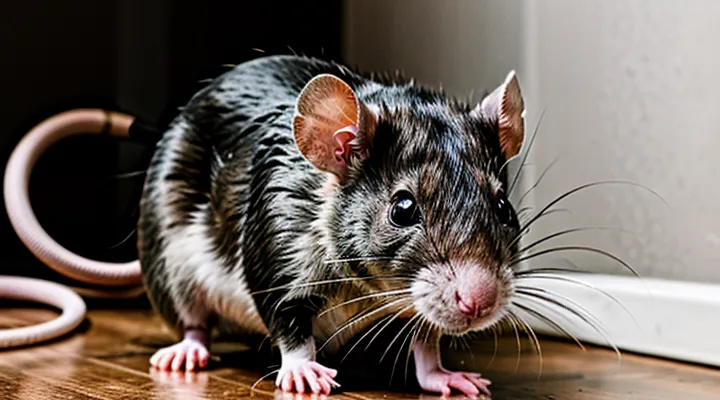
Understanding the Typical Rat Lifespan
Average Lifespan Expectations
Pet rats generally live between two and three years, with most individuals reaching the midpoint of this range under typical household conditions. Exceptional cases extend to nearly four years, while some may pass away before their second birthday due to health complications.
Factors that modify these expectations include:
- Genetic line: Laboratory‑bred strains often achieve longer lifespans than mixed‑breed or feral‑derived rats.
- Diet quality: Balanced nutrition, adequate fiber, and avoidance of excessive sugary treats correlate with increased longevity.
- Environmental hygiene: Regular cage cleaning, proper ventilation, and safe bedding reduce disease risk.
- Veterinary care: Early detection of respiratory, gastrointestinal, or neoplastic conditions improves survival odds.
- Stress exposure: Minimizing loud noises, predators, and frequent handling changes helps maintain physiological stability.
Compared with wild counterparts, which average less than one year due to predation and harsh conditions, domesticated rats benefit from controlled environments, resulting in a lifespan roughly three times longer.
Owners should plan for at least two years of commitment, budgeting for food, enrichment, routine health checks, and potential emergency treatment. Anticipating the upper bound of three to four years allows preparation for end‑of‑life decisions and ensures the pet receives consistent, high‑quality care throughout its life.
Factors Influencing Longevity
Genetics and Breeding
Genetic makeup determines the baseline lifespan of a domestic rat. Certain strains, such as the commonly kept fancy varieties, carry genes that predispose them to specific health conditions, including respiratory issues and tumors. When breeders select for traits like robust immune response or longer hair, they inadvertently influence longevity by reducing the incidence of hereditary diseases.
Inbreeding concentrates both desirable and harmful alleles. Repeated mating between close relatives raises the probability that recessive disorders will manifest, often shortening life expectancy by months or even years. Outcrossing—introducing unrelated genetic material—can restore heterozygosity, a phenomenon known as hybrid vigor, which typically results in healthier offspring with extended survival rates.
Breeding programs that prioritize health markers over aesthetic traits tend to produce rats that live closer to the species’ maximum potential, generally ranging from three to five years. Key practices include:
- Maintaining detailed pedigrees to avoid accidental close-relative pairings.
- Screening breeding stock for known genetic defects, such as dwarfism‑related skeletal anomalies.
- Selecting parents with documented longevity and minimal health issues.
- Incorporating occasional outcrosses to diversify the gene pool.
Environmental factors interact with genetics; even genetically robust rats may experience reduced lifespan if subjected to poor diet, inadequate housing, or chronic stress. Conversely, optimal care can mitigate some hereditary risks, allowing the full genetic potential for longevity to be realized.
Diet and Nutrition
A rat’s diet directly influences its health span and overall longevity. High‑quality commercial pellets provide a consistent source of protein, fat, fiber, and essential vitamins. Supplement pellets with fresh vegetables such as broccoli, kale, and carrots; these add antioxidants and micronutrients without excess calories. Small portions of fruit—apple, berries, or banana—offer natural sugars but should be limited to prevent obesity. Protein sources like cooked egg, lean chicken, or mealworms support muscle maintenance, especially in growing juveniles and older adults.
- Water: Fresh, clean water must be available at all times; replace daily to prevent bacterial growth.
- Calcium: Offer a calcium block or a small amount of low‑fat cheese to maintain bone density.
- Vitamin C: Rats synthesize this vitamin, but occasional citrus or fortified foods can aid immune function during stress.
- Treats: Limit high‑fat or sugary treats to less than 5 % of total intake; overfeeding accelerates weight gain and shortens lifespan.
Adjust portions as the rat ages: juveniles require more protein and calories, while seniors benefit from reduced fat and increased fiber to aid digestion. Regular weight checks and observation of coat condition help identify nutritional deficiencies early. When a rat’s weight deviates from the ideal range (approximately 150–250 g depending on strain), modify the diet promptly to restore balance and support a longer, healthier life.
Environmental Enrichment
Environmental enrichment directly influences the health trajectory of a domestic rat. Providing varied stimuli engages natural foraging, climbing, and nesting instincts, which in turn supports musculoskeletal development, cognitive resilience, and stress reduction. These factors collectively extend the animal’s functional lifespan and improve quality of life.
Effective enrichment can be grouped into three categories: physical structures, sensory materials, and social opportunities.
- Physical structures: multi‑level cages, wooden branches, climbing ladders, and tunnels encourage vertical movement and muscle use.
- Sensory materials: shredded paper, untreated cardboard, natural fibers, and safe chew toys stimulate tactile and olfactory senses.
- Social opportunities: compatible cage mates, supervised out‑of‑cage play sessions, and occasional handling promote social bonding and mental engagement.
Routine rotation of items prevents habituation. Replacing toys or rearranging cage layout every two to three weeks maintains novelty and reduces boredom‑related behaviors such as excessive grooming or self‑injury. Monitoring interaction patterns helps identify preferences and adjust the enrichment plan accordingly.
A well‑designed enrichment program reduces the incidence of age‑related decline. Rats with consistent access to stimulating environments show delayed onset of metabolic disorders, lower cortisol levels, and sustained activity levels well into senior age. Implementing these practices early and maintaining them throughout the animal’s life maximizes expected longevity.
Veterinary Care and Health Management
Pet rats typically live two to three years, with health outcomes heavily influenced by consistent veterinary oversight and proactive management. Regular examinations by an experienced small‑animal practitioner allow early detection of common conditions such as respiratory infections, skin parasites, and dental overgrowth. A schedule of semi‑annual check‑ups, supplemented by additional visits when symptoms appear, maximizes longevity.
Key components of care include:
- Nutrition: Feed a balanced commercial rat diet supplemented with fresh vegetables and limited fruits. Avoid high‑fat treats that accelerate obesity and related organ strain.
- Dental health: Provide chewable objects to wear down continuously growing incisors. Monitor for uneven wear, which can indicate malocclusion requiring veterinary correction.
- Parasite control: Apply veterinarian‑approved ectoparasitic treatments promptly. Conduct routine fecal examinations to identify internal parasites and administer appropriate dewormers.
- Environmental hygiene: Maintain clean bedding, adequate ventilation, and temperature stability between 18 °C and 24 °C. Replace soiled materials weekly to reduce pathogen load.
- Vaccination and disease prevention: While routine vaccinations are uncommon for rats, discuss emerging options with the veterinarian, especially for outbreaks of viral diseases in local breeding colonies.
Recognizing early warning signs accelerates intervention. Observe for nasal discharge, labored breathing, weight loss, lethargy, or changes in grooming behavior. Prompt veterinary assessment of these indicators can prevent progression to severe illness.
Emergency protocols should be established in advance. Identify a clinic with small‑animal expertise, keep a contact number accessible, and maintain a basic first‑aid kit containing saline drops, sterile gauze, and a temperature‑controlled transport carrier.
By integrating scheduled veterinary visits, targeted preventive measures, and vigilant observation, owners can sustain optimal health throughout the expected lifespan of their companion rats.
Maximizing Your Rat's Lifespan
Optimal Diet Strategies
Commercial Rat Foods
Commercial rat foods are formulated to meet the high metabolic demands of small rodents, providing balanced protein, fat, fiber, and essential micronutrients. Consistent intake of a nutritionally complete diet reduces the risk of deficiencies that can shorten a pet rat’s life expectancy.
Key nutritional considerations for commercial blends include:
- Protein content of 15‑20 % to support rapid tissue growth and immune function.
- Fat levels of 4‑6 % to supply energy without promoting obesity.
- Fiber of 5‑8 % to encourage gastrointestinal motility and dental wear.
- Added vitamins (A, D3, E, B‑complex) and minerals (calcium, phosphorus, zinc) at levels calibrated for rodent physiology.
Feeding guidelines recommend offering the measured portion twice daily, adjusting quantities based on age, activity, and body condition. Over‑feeding leads to excess weight, a known factor in cardiovascular strain and reduced longevity. Under‑feeding results in malnutrition, impairing organ development and accelerating senescence.
Quality markers for selecting a commercial product:
- Absence of artificial colors, flavors, or preservatives that may irritate the digestive tract.
- Inclusion of natural seed or grain components that mimic wild foraging behavior.
- Transparent ingredient list, with the primary protein source identified (e.g., soy, wheat, or animal‑derived).
Integrating a reliable commercial diet with occasional fresh vegetables, fruits, and occasional protein treats creates a varied regimen that aligns with the nutritional profile required for optimal health and extended lifespan in pet rats.
Fresh Produce and Supplements
Fresh vegetables and fruits provide essential vitamins, minerals, and fiber that support digestive health and immune function in pet rats. Incorporate a rotating selection of leafy greens such as kale, romaine lettuce, and spinach, and offer small portions of berries, apple slices, or carrot sticks no more than two to three times per week to prevent excess sugar and calcium.
Supplemental products can address nutritional gaps not covered by a standard grain‑based diet. Recommended additions include:
- A high‑quality rat‑specific vitamin‑mineral blend, administered according to the manufacturer’s dosage guidelines.
- Calcium carbonate powder, mixed into dry food at 0.5 % of the total diet to strengthen bone density.
- Probiotic capsules formulated for rodents, given once daily to promote gut flora balance.
Monitor intake closely; over‑supplementation may cause renal strain or gastrointestinal upset, which can shorten the animal’s life expectancy. Adjust quantities based on weight, activity level, and veterinary advice.
Regular veterinary check‑ups should include blood work to evaluate levels of vitamin D, calcium, and other micronutrients, ensuring that dietary strategies effectively contribute to a longer, healthier lifespan for the rat.
Avoiding Harmful Foods
Pet rats have a short natural lifespan, and diet significantly influences health outcomes. Certain foods pose acute toxicity or chronic damage, reducing longevity and increasing the risk of organ failure.
- Chocolate, especially dark varieties, contains theobromine, which rats cannot metabolize efficiently; ingestion leads to rapid cardiac and neurological distress.
- Caffeine‑containing products (coffee, tea, energy drinks) stimulate excessive heart rate and may cause seizures.
- Citrus fruits in large quantities introduce high acidity, irritating the gastrointestinal lining and promoting ulcer formation.
- Raw potatoes and unripe tomatoes contain solanine, a potent neurotoxin that can cause vomiting, lethargy, and respiratory depression.
- Processed meats (salami, bacon) carry high sodium and nitrate levels, accelerating hypertension and renal strain.
- Sugary snacks and candy contribute to obesity, insulin resistance, and dental decay, all of which shorten life expectancy.
- Alcohol, even in minimal amounts, depresses the central nervous system and can be fatal.
Safe staples include commercial rodent pellets formulated for balanced protein, fat, fiber, and vitamin content; fresh leafy greens such as kale and romaine; small portions of carrots, peas, and apples without seeds; and occasional cooked lean proteins (egg white, plain chicken). Water must be clean, refreshed daily, and free from contaminants.
Monitoring intake prevents accidental exposure. Store prohibited items out of reach, label containers clearly, and educate all household members about the hazards. Consistent avoidance of toxic foods directly supports optimal health and maximizes the expected lifespan of a pet rat.
Creating a Stimulating Environment
Cage Size and Setup
A suitable enclosure is fundamental for a rat’s health and longevity. Minimum floor space should be 2 sq ft per animal; larger groups require at least 4 sq ft per rat to prevent stress and promote activity. Recommended dimensions for a single rat are 24 in × 24 in × 12 in (length × width × height); for two rats, 30 in × 30 in × 12 in; for three or more, increase length and width proportionally while maintaining a minimum 12‑inch height to allow climbing.
Key elements of the setup include:
- Solid base of wire mesh or acrylic to prevent foot injuries and facilitate cleaning.
- Multi‑level platforms or shelves secured with safe, chew‑resistant material to encourage vertical exploration.
- Secure, lockable doors and ventilation slots that provide fresh air without drafts.
- Bedding of paper‑based or aspen shavings, changed weekly, to control odor and humidity.
- Enrichment items such as tunnels, chew toys, and hideouts placed at varying heights to stimulate natural behaviors.
Regular maintenance—daily spot cleaning, weekly full substrate replacement, and monthly inspection of structural integrity—reduces disease risk and supports the expected lifespan of pet rats. Proper cage dimensions and thoughtful arrangement directly influence growth rates, reproductive health, and overall well‑being.
Toys and Enrichment Activities
Providing appropriate toys and enrichment directly influences a rat’s physical condition, mental stimulation, and overall longevity. A stimulating environment reduces stress‑induced illnesses and encourages natural behaviors that support a healthy lifespan.
-
Chew‑safe items such as untreated wood blocks, natural branches, and cardboard tubes satisfy dental maintenance needs.
-
Vertical structures, including rope ladders, climbing frames, and sturdy plastic platforms, promote muscular development and agility.
-
Tunnel systems made from safe plastic or woven fabric create exploratory pathways that mimic burrowing instincts.
-
Foraging opportunities using shredded paper, hide‑in‑food containers, or scatter‑feed stations engage problem‑solving skills.
-
Puzzle feeders that require manipulation to release treats reinforce dexterity and cognitive function.
-
Short, consistent training sessions using clicker cues or target sticks strengthen the bond with the owner while providing mental challenges.
Rotate toys weekly to prevent habituation; remove damaged items promptly to avoid injury. Clean reusable accessories with mild, unscented soap and rinse thoroughly before reuse. Ensure all objects are free of paint, glue, or metal parts that could pose toxic or choking hazards.
Regular interaction with varied enrichment tools correlates with lower incidence of respiratory infections, improved weight management, and enhanced immune response. By maintaining an engaging habitat, owners can realistically anticipate a rat’s lifespan to align with the upper range of species‑specific expectations.
Social Interaction
Pet rats thrive on interaction with conspecifics and humans; solitary housing shortens average life expectancy by up to 30 %. Frequent contact reduces stress hormones, supports immune function, and promotes normal growth patterns.
- Pair or group rats of the same sex or compatible temperaments.
- Provide daily handling sessions of 5–10 minutes per animal.
- Offer enrichment that encourages social play, such as tunnels, chew toys, and climbing structures.
Social deprivation manifests as excessive grooming, self‑injury, loss of appetite, and reduced activity. Early detection of these signs allows timely intervention, preventing secondary health complications.
Consistent interaction also facilitates health monitoring. Regular handling enables owners to inspect teeth, fur condition, and respiratory signs, leading to earlier veterinary care and extended lifespan.
When integrating new rats, observe hierarchy formation for 48 hours before permanent cohabitation. Immediate aggression indicates incompatibility; separate housing prevents injury and associated mortality risk.
Proactive Health Measures
Regular Vet Check-ups
Regular veterinary examinations are essential for maintaining the health of a pet rat throughout its typical two‑ to three‑year lifespan. Early detection of disease, vaccination updates, and preventive measures all contribute to extending the animal’s functional years.
A standard schedule includes:
- Initial exam: Within two weeks of acquisition, to establish baseline health data and identify congenital issues.
- Quarterly visits (every 3–4 months): Assess growth, weight, coat condition, and behavior; update vaccinations for common pathogens such as Mycoplasma pulmonis.
- Biannual dental checks: Examine incisors for overgrowth or malocclusion, which can impede feeding and cause weight loss.
- Annual parasite screening: Test for ectoparasites and intestinal worms; administer appropriate treatments if needed.
- Health monitoring between visits: Observe for signs of respiratory distress, nasal discharge, lethargy, or changes in eating habits; contact a veterinarian promptly if any appear.
During each appointment, the veterinarian will perform a physical examination, weigh the rat, and may collect samples for laboratory analysis. Recommendations may include dietary adjustments, environmental enrichment, or targeted medication.
Consistent veterinary care reduces the risk of acute illness, supports proper growth, and provides owners with actionable information to optimize the rat’s quality of life.
Recognizing Common Health Issues
Pet rats typically live 2 to 3 years, so early detection of health problems can extend their quality of life. Recognizing symptoms promptly allows owners to seek veterinary care before conditions become severe.
Common issues include:
- Respiratory infections – sneezing, nasal discharge, labored breathing, or reduced activity.
- Skin problems – hair loss, redness, crusty lesions, or excessive scratching.
- Dental disease – overgrown incisors, difficulty eating, drooling, or weight loss.
- Gastrointestinal upset – diarrhea, constipation, bloating, or loss of appetite.
- Tumors – palpable masses, swelling, or unexplained lameness.
- Eye disorders – watery or cloudy eyes, squinting, and discharge.
Key observational cues:
- Change in eating or drinking patterns.
- Altered grooming behavior or visible coat deterioration.
- Unusual vocalizations or reduced movement.
- Abnormal stool consistency or frequency.
- Visible swelling, lumps, or asymmetry.
When any of these signs appear, schedule a veterinary examination. Early intervention improves outcomes and supports a longer, healthier life for the rat.
Preventing Illnesses
Rats are prone to respiratory, gastrointestinal, and parasitic diseases that can shorten their lifespan. Preventive care reduces the risk of these conditions and supports a longer, healthier life.
Maintain a clean environment. Remove droppings and uneaten food daily; replace bedding with a low‑dust, absorbent material and disinfect the cage weekly with a mild, rodent‑safe cleaner. Proper ventilation prevents the buildup of ammonia, a common irritant for rat lungs.
Provide a balanced diet. Offer a high‑quality commercial rat mix supplemented with fresh vegetables and occasional protein sources. Avoid sugary treats and stale food, which encourage bacterial overgrowth.
Implement a regular health‑monitoring routine. Inspect the eyes, ears, and fur for signs of discharge, hair loss, or crusting. Palpate the abdomen for abnormal swelling. Record any changes in appetite, behavior, or weight to detect illness early.
Vaccinations are not standard for pet rats, but parasite control is essential. Administer a veterinarian‑approved dewormer every three months and treat ectoparasites with a safe topical product as needed.
Schedule veterinary examinations at least twice a year. A professional can perform ear swabs, fecal analyses, and respiratory assessments that owners cannot reliably conduct at home.
Key preventive actions
- Clean cage and bedding daily; disinfect weekly.
- Ensure adequate airflow to lower ammonia levels.
- Feed a nutritionally complete diet, limiting sugary snacks.
- Conduct weekly visual health checks for discharge, lesions, or fur loss.
- Use a veterinarian‑approved dewormer quarterly.
- Apply a safe ectoparasite treatment when signs appear.
- Visit a veterinarian biannually for comprehensive exams.
Consistent application of these measures minimizes disease incidence, directly contributing to a rat’s extended lifespan.
Recognizing Signs of Aging
Behavioral Changes
Pet rats undergo distinct behavioral shifts as they progress through their lifespan. Early life is marked by high energy, exploratory play, and frequent social interaction with cage mates. As they mature, activity levels moderate, curiosity remains but bursts become shorter, and they develop more consistent routines.
Key behavioral changes observed with age include:
- Reduced nocturnal activity – senior rats often sleep longer periods and wake less frequently during the night.
- Altered social dynamics – dominance hierarchies stabilize; older rats may become less tolerant of aggressive play and prefer gentle grooming.
- Changes in feeding habits – appetite may decline, and rats may favor softer foods or require smaller, more frequent meals.
- Decreased grooming efficiency – self‑grooming becomes less thorough, leading to a slightly unkempt coat.
- Increased sensitivity to environmental stressors – louder noises or abrupt changes in cage layout can cause heightened anxiety.
Monitoring these patterns helps owners anticipate health concerns and adjust care routines accordingly. Providing enrichment that matches the rat’s current energy level, maintaining a predictable environment, and offering appropriate nutrition support a smoother transition through each life stage.
Physical Manifestations
Physical changes provide the most reliable clues about a rat’s stage of life and anticipated longevity. Rapid weight gain, glossy fur, and fully erupted incisors characterize the first two months. By eight weeks, body mass stabilizes near the breed’s average (120‑200 g), and the coat maintains a uniform color without patches.
During adulthood, weight remains within a narrow range; any fluctuation beyond ± 10 % signals health issues. Coat should stay sleek and free of bald spots. Incisors continue to grow evenly; uneven wear or over‑growth indicates dental problems that can shorten lifespan. Activity levels stay high; consistent exploration and grooming reflect muscular integrity.
In senior rats, several observable traits emerge:
- Gradual loss of body mass, often accompanied by reduced muscle tone.
- Fur darkens or develops gray patches, especially around the face and back.
- Eyes may become clouded or develop cataracts, reducing visual acuity.
- Mobility declines; hesitancy to climb, slower gait, and difficulty navigating tight spaces.
- Teeth exhibit excessive wear or misalignment, leading to difficulty chewing.
Monitoring these physical manifestations enables caretakers to anticipate age‑related needs and intervene promptly, thereby supporting the rat’s overall health throughout its expected lifespan.
End-of-Life Care Considerations
When a pet rat approaches the end of its natural lifespan, the focus shifts from routine care to comfort, dignity, and symptom management. Recognize signs of decline—weight loss, reduced activity, labored breathing, or changes in grooming—to determine when palliative measures become necessary.
Providing a calm environment reduces stress. Keep the cage in a quiet, temperature‑controlled area, limit handling to gentle, brief sessions, and maintain familiar bedding. Offer easily accessible food and water; soft, moist foods such as plain oatmeal or baby formula can encourage intake when chewing becomes difficult.
Key aspects of end‑of‑life care include:
- Pain relief: administer veterinarian‑prescribed analgesics promptly.
- Hydration support: consider subcutaneous fluids if dehydration threatens organ function.
- Respiratory aid: humidified air or a small, low‑flow oxygen source can ease breathing discomfort.
- Monitoring: track vital signs and behavior daily, adjusting interventions as the condition evolves.
Discuss euthanasia options with a qualified veterinarian when quality of life deteriorates irreversibly. Transparent communication ensures decisions align with the rat’s welfare and the owner’s expectations.
Common Health Concerns Affecting Lifespan
Respiratory Issues
Respiratory disease is a leading cause of reduced longevity in domestic rats. Infections such as Mycoplasma pulmonis, Streptococcus, and viral agents frequently affect the upper and lower airways. The condition can progress rapidly, especially in young or immunocompromised animals, and may shorten the expected lifespan by several months if left untreated.
Typical clinical signs include:
- Nasal discharge (clear, yellow, or blood‑tinged)
- Labored breathing or wheezing
- Persistent sneezing or coughing
- Lethargy and reduced appetite
- Ocular discharge accompanying nasal symptoms
Early detection hinges on regular observation of these indicators. Once symptoms appear, a veterinary assessment should be obtained promptly. Diagnostic tools often involve radiographs, nasal swabs for culture, and complete blood counts to identify the underlying pathogen.
Therapeutic measures generally consist of:
- Antibiotic therapy targeted to the identified bacteria; doxycycline and enrofloxacin are commonly prescribed.
- Supportive care, including humidified environments, forced‑air warmers, and fluid supplementation to maintain hydration.
- Anti‑inflammatory agents such as meloxicam to reduce airway swelling.
- Isolation of the affected rat to prevent transmission to cage mates.
Prognosis varies with the severity of infection and timeliness of treatment. Mild cases that receive prompt antimicrobial intervention often recover fully, allowing the animal to reach the average lifespan of 2–3 years. Severe or recurrent infections can lead to chronic pulmonary damage, resulting in a shortened life expectancy and decreased quality of life.
Preventive strategies focus on environmental management:
- Keep the habitat clean, dry, and well‑ventilated to inhibit bacterial growth.
- Avoid overcrowding; provide at least 0.5 sq ft of floor space per rat.
- Use dust‑free bedding materials such as paper‑based products.
- Implement a quarantine period of 2–3 weeks for new arrivals before introducing them to the existing colony.
By recognizing respiratory issues early, applying appropriate medical treatment, and maintaining optimal husbandry conditions, owners can substantially mitigate the impact of these diseases on a pet rat’s overall lifespan.
Tumors and Cancers
Pet rats commonly develop neoplastic diseases that can significantly shorten their life expectancy. The most frequently observed tumors include:
- Mammary adenomas and carcinomas
- Fibrosarcomas of the skin
- Hepatocellular carcinoma
- Lymphoma
These growths typically appear in rats older than 12 months, with incidence rising sharply after 18 months. Early detection relies on vigilant observation of physical changes: palpable masses, skin ulceration, unexplained weight loss, or abnormal behavior such as reduced activity and loss of appetite. Diagnostic confirmation usually involves fine‑needle aspiration or biopsy, followed by histopathological analysis.
Treatment options are limited. Surgical excision offers the best chance of prolonging survival for localized tumors, provided the animal is stable enough for anesthesia. Chemotherapeutic protocols exist for lymphoma and certain sarcomas, but response rates are modest and side effects can be severe. Palliative care—pain management, anti‑inflammatory medication, and nutritional support—helps maintain quality of life when curative measures are impractical.
Preventive measures focus on reducing risk factors. Maintaining a clean, low‑stress environment, providing a balanced diet rich in antioxidants, and avoiding exposure to known carcinogens (e.g., tobacco smoke, certain chemicals) can lower the probability of tumor development. Regular health checks by a veterinarian experienced with rodents enable prompt identification of suspicious lesions, allowing earlier intervention and potentially extending the animal’s overall lifespan.
Dental Problems
Dental health directly influences the average lifespan of a domesticated rat. Continuous tooth growth means that incisors must be worn down by gnawing. When wear is insufficient, malocclusion develops, leading to difficulty eating, weight loss, and secondary infections. Common problems include overgrown incisors, uneven wear, and enamel fractures.
Typical signs of dental distress are:
- Reduced food intake or preference for soft foods
- Drooling or blood at the mouth corners
- Facial swelling near the jaw
- Changes in behavior such as lethargy or aggression when handled
Prevention relies on a diet that encourages natural wear. Provide unlimited access to chewable items such as untreated wood blocks, mineral rods, or safe vegetable stems. Regular health checks should include visual inspection of the teeth and palpation of the jaw. Any abnormal growth warrants immediate veterinary assessment; correction often involves trimming under anesthesia or, in severe cases, extracting damaged teeth.
Untreated dental issues can shorten a rat’s life by months, as chronic pain and malnutrition compromise the immune system. Early detection and consistent dental care are essential components of a longevity plan for pet rats.
Parasites and Infections
Parasites and infections are among the most significant health challenges that can reduce a pet rat’s expected lifespan. Prompt identification and treatment are essential to maintain optimal longevity.
Common external parasites include fur mites, lice, and fleas. Indicators are excessive scratching, hair loss, and visible insects or eggs. Effective control relies on regular grooming, environmental sanitation, and the use of veterinarian‑approved ectoparasitic treatments.
Internal parasites frequently encountered are pinworms, tapeworms, and coccidia. Symptoms such as weight loss, diarrhea, and a dull coat suggest infestation. Diagnosis through fecal analysis enables targeted anthelmintic therapy, which eliminates the organisms and restores nutrient absorption.
Bacterial and viral agents pose additional risks. Rat‑bite fever (caused by Streptobacillus moniliformis), salmonellosis, and Sendai virus can produce fever, respiratory distress, and lethargy. Preventive measures include strict hygiene, quarantine of new arrivals, and vaccination where available. Early antimicrobial intervention, guided by culture results, reduces morbidity.
Routine health monitoring supports early detection. Recommended practices are:
- Weekly visual inspection of skin and fur.
- Bi‑monthly fecal examinations.
- Annual veterinary check‑ups with full blood work.
Adhering to these protocols minimizes parasite burden and infection incidence, thereby extending the rat’s lifespan and ensuring a higher quality of life.