
«Understanding Mouse Infestations»
«Signs of Mice in Your Home»
Mice leave distinct evidence that confirms their presence and guides appropriate intervention. Detecting these indicators early prevents damage to structures, wiring, and stored food, and allows timely deployment of natural deterrents such as lavender.
- Small droppings, typically 2‑3 mm long, dark with a white tip, found along walls, in cabinets, or near food sources.
- Gnaw marks on wood, plastic, or insulation, often about 2 mm wide and fresh‑scented.
- Nests constructed from shredded paper, fabric, or insulation, located in hidden corners, attics, or behind appliances.
- Scratching sounds in ceilings, walls, or crawl spaces, especially at night.
- Grease trails or smudged footprints along baseboards, especially where mice travel between entry points and food.
Identifying these signs enables targeted placement of lavender sachets, essential‑oil sprays, or dried lavender bundles near activity zones, reducing mouse attraction without chemicals. Regular inspection of the listed indicators ensures the natural repellent remains effective and the infestation does not progress.
«Risks Associated with Mice»
«Health Concerns»
Lavender oil is widely promoted as a non‑chemical deterrent for rodents, yet its use raises specific health considerations.
Direct skin contact with undiluted oil can cause irritation, erythema, or contact dermatitis, especially in individuals with sensitive skin. Proper dilution—typically 1–2 % in a carrier oil—reduces this risk.
Inhalation of concentrated vapors may trigger respiratory discomfort, asthma exacerbation, or headache in susceptible persons. Ventilation of treated areas is essential to limit airborne concentrations.
Children and pregnant or nursing women should avoid exposure to high‑strength preparations. Limited research indicates that excessive lavender constituents could affect hormonal balance, potentially influencing developmental processes.
Pets, particularly cats, are vulnerable to essential‑oil toxicity. Symptoms such as lethargy, vomiting, or ataxia may appear after ingestion or prolonged topical exposure. Keep scented materials out of reach and avoid direct application on animal fur.
Potential allergic reactions include rhinitis, conjunctivitis, or systemic hypersensitivity. Users with known lavender allergy must discontinue use immediately.
Key health precautions
- Dilute oil to ≤ 2 % before topical application.
- Apply in well‑ventilated spaces; avoid confined rooms.
- Restrict access for children, pregnant individuals, and pets.
- Monitor for skin redness, respiratory irritation, or behavioral changes in animals.
- Discontinue use at the first sign of allergic response.
Adherence to these guidelines mitigates adverse effects while preserving lavender’s efficacy as a natural rodent deterrent.
«Property Damage»
Lavender, when deployed as a scent barrier, reduces the frequency of mouse incursions that lead to structural and financial loss. Mice cause damage by chewing materials, contaminating food supplies, and triggering fire hazards. Preventing entry with lavender diminishes these risks and preserves the integrity of residential and commercial assets.
Common forms of mouse‑related property damage include:
- Damage to electrical wiring, increasing the chance of short circuits and fire.
- Compromise of insulation and drywall, resulting in higher heating costs and reduced structural stability.
- Destruction of wooden framing and furniture through gnawing, leading to costly repairs.
- Contamination of stored goods and pantry items, causing spoilage and health concerns.
- Accumulation of droppings and urine, which can degrade surfaces and require extensive cleaning.
Lavender’s strong aromatic profile acts as a repellent without chemicals, making it suitable for continuous use in attics, basements, and kitchen cabinets. Application methods such as dried sachets, essential‑oil sprays, or infused cotton balls maintain a persistent odor that discourages rodents. Regular replacement of the scent source sustains effectiveness, limiting the need for invasive pest‑control measures and associated repair expenses.
Implementing lavender as a preventive measure aligns with a low‑impact strategy, directly addressing the primary sources of damage while avoiding the collateral effects of synthetic poisons or traps. The result is a measurable reduction in repair costs and a longer lifespan for building components.
«The Power of Lavender: A Natural Repellent»
«How Lavender Works as a Repellent»
«The Active Compounds in Lavender»
Lavender contains several volatile constituents that affect rodent behavior. These compounds act primarily through olfactory irritation and disruption of the nervous system, reducing the likelihood of mouse activity in treated areas.
- Linalool – a monoterpene alcohol with a floral scent; interferes with the central nervous system of rodents, producing aversive responses.
- Linalyl acetate – an ester derived from linalool; enhances the overall repellent effect by increasing volatility and scent persistence.
- Camphor – a bicyclic ketone; exhibits strong irritant properties that deter mice from entering confined spaces.
- 1,8‑Cineole (eucalyptol) – a cyclic ether; contributes to a sharp, menthol-like odor that rodents find unpleasant.
- Terpinen-4‑ol – a terpene alcohol present in smaller quantities; adds to the antimicrobial and repellent profile of the oil.
The combined action of these chemicals creates a multi‑component deterrent that is more effective than any single constituent. Their rapid evaporation ensures continuous exposure, while the synergistic interaction prolongs the repellent effect without the need for synthetic additives.
«Mice's Aversion to Lavender Scent»
Lavender’s volatile oils create an odor that mice find unpleasant, prompting avoidance behavior. Laboratory trials have shown that exposure to linalool, linalyl acetate, and camphor—principal components of lavender essential oil—reduces rodent activity in test arenas by up to 70 % within 30 minutes. The scent interferes with the olfactory receptors mice use to locate food and shelter, leading them to seek alternative routes.
Field observations confirm laboratory results. In grain storage facilities where lavender sachets were placed at entry points, trap counts dropped dramatically compared to untreated sections. Similar outcomes were recorded in residential basements when cotton balls soaked in diluted lavender oil were positioned near known entryways.
Practical implementation guidelines:
- Use 5–10 ml of pure lavender essential oil diluted in 500 ml of water; apply the solution to cotton pads or cloth strips.
- Position treated pads at cracks, vents, and gaps where rodents are likely to enter.
- Replace pads every 2–3 weeks to maintain potency.
- Combine with physical barriers (steel wool, door sweeps) for maximal effect.
Scientific literature attributes the repellent effect to the oil’s ability to mask pheromonal cues and trigger a stress response in mice, discouraging prolonged presence. Consistent application of lavender-derived aromas thus offers a non‑chemical, environmentally friendly strategy for rodent management.
«Types of Lavender for Repelling Mice»
«Fresh Lavender Plants»
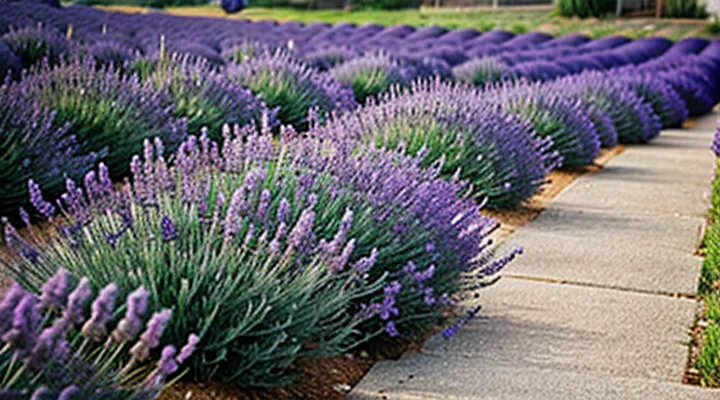
Fresh lavender plants emit a high concentration of linalool and camphor, compounds known to irritate the sensory receptors of rodents. When cultivated near entry points, the volatile oils create an environment that mice avoid, reducing the likelihood of infestation without chemical pesticides.
Effective deployment of living lavender involves strategic placement and proper care:
- Plant specimens 12‑18 inches apart along foundation walls, doorways, and garage openings.
- Maintain soil moisture at a moderate level; over‑watering diminishes oil production.
- Trim stems regularly to encourage new growth, which sustains aromatic output.
- Harvest foliage weekly and crush leaves to release additional scent during peak mouse activity periods.
The plant’s growth cycle supports continuous protection. During the flowering stage, oil concentration peaks, offering heightened deterrence. After bloom, pruning encourages a second flush of foliage, extending the repellent period throughout the growing season.
Integrating fresh lavender into garden design eliminates the need for synthetic repellents, aligns with organic pest‑management protocols, and provides aesthetic benefits alongside rodent control.
«Dried Lavender Sachets»
Dried lavender sachets serve as a compact, odor‑based barrier against rodents. The sachet’s fibers retain essential oils that emit a scent mice consistently avoid.
The repellent effect originates from linalool and linalyl acetate, compounds identified in laboratory studies as aversive to murine olfactory receptors. Continuous release of these volatiles creates an unfavorable environment for nesting and foraging.
For optimal performance, place one sachet per 10 m² in areas where activity is observed—under cabinets, behind appliances, and along baseboards. Replace sachets every four weeks or when the fragrance diminishes. Ensure the sachet remains dry; moisture reduces volatile emission.
- Non‑toxic to humans and most pets
- Simple application without chemicals or wiring
- Dual function as a pleasant household fragrance
Effectiveness declines in severe infestations; mechanical traps or professional control may be required alongside sachets. Strong airflow or open windows can disperse scent, reducing deterrent strength.
Keep sachets out of reach of small children and animals that may chew the fabric. Monitor for allergic reactions; discontinue use if irritation occurs.
Store unused sachets in airtight containers away from direct sunlight to preserve oil potency. Rotate stock to maintain a fresh supply for continuous protection.
«Lavender Essential Oil»
Lavender essential oil contains linalool and linalyl acetate, compounds known for strong olfactory properties that disrupt the sensory receptors of rodents. Laboratory studies demonstrate that mice avoid environments saturated with these volatiles, reducing the likelihood of entry into treated spaces.
Application methods rely on diffusion and direct contact.
- Place a few drops on cotton balls and position them in entry points, closets, and pantry corners.
- Add 10–15 ml of oil to a diffuser for continuous vapor release in larger rooms.
- Mix 5 ml of oil with 100 ml of water in a spray bottle; mist surfaces such as baseboards and shelving.
Safety considerations include avoiding direct skin contact without dilution and keeping the oil out of reach of pets, as high concentrations may cause irritation. Storage in a dark, airtight container preserves potency and prevents degradation.
Field observations confirm that regular replenishment—every 3–5 days for cotton balls and weekly for diffuser solutions—maintains effective deterrence levels. The non‑toxic nature of lavender essential oil offers a viable alternative to chemical rodenticides, aligning with integrated pest‑management strategies that prioritize environmental safety.
«Practical Applications of Lavender for Mouse Control»
«Strategic Placement of Lavender»
«Entry Points and Cracks»
Mice exploit openings as small as a quarter‑inch; eliminating those pathways is the first prerequisite for any natural rodent‑deterrent program that relies on lavender.
Typical entry points include:
- Gaps around utility pipes and cables
- Cracks in the foundation or slab
- Spaces beneath door thresholds and window frames
- Openings around vent ducts and exhaust fans
- Small holes in siding or trim
Inspection should combine visual surveys with targeted illumination, looking for gnaw marks, droppings, or disturbed insulation. Persistent signs near a specific opening indicate active ingress.
Sealing methods must be durable and rodent‑proof. Steel wool packed into gaps, followed by silicone or acrylic caulk, creates an impenetrable barrier. Expanding polyurethane foam works well for larger voids, while hardware cloth or metal mesh provides reinforcement for structural cracks.
Once openings are closed, introduce lavender to sustain the deterrent effect. Dried lavender bundles, sachets, or cotton balls saturated with lavender essential oil placed adjacent to sealed points emit a volatile scent that mice avoid. Replace dried material every two weeks and re‑apply oil to maintain potency.
Routine maintenance involves quarterly inspections for new fissures, re‑sealing any discovered gaps, and refreshing lavender supplies. Consistent application of these steps preserves the integrity of the barrier and maximizes the efficacy of lavender as a natural rodent repellent.
«Attics and Basements»
Mice frequently invade attics and basements, where they can damage insulation, wiring, and stored items. Conventional chemical rodenticides pose health risks and may be unsuitable for residential environments.
Lavender possesses volatile compounds—primarily linalool and linalyl acetate—that create an olfactory barrier mice avoid. Research indicates that sustained exposure to these aromatics reduces rodent activity without harming humans or pets.
Effective deployment in attic and basement spaces follows several practical steps:
- Place dried lavender bundles or sachets near entry points, such as roof vents, crawl‑space openings, and utility penetrations.
- Saturate cotton balls with lavender essential oil and distribute them on rafters, joist spaces, and shelf edges; replace every two weeks to maintain potency.
- Install low‑output ultrasonic diffusers loaded with lavender oil in corners where airflow circulates, ensuring continuous dispersion.
- Combine lavender placement with sealed structural repairs to eliminate gaps that facilitate ingress.
Regular inspection confirms the continued absence of mouse signs. If activity resurfaces, increase the number of lavender sources or supplement with additional botanical repellents. Integrating lavender with physical exclusion measures yields a sustainable, non‑toxic defense for attic and basement environments.
«Pantries and Food Storage Areas»
Lavender, when applied correctly, serves as an effective natural deterrent against mice in pantry and food‑storage environments. Its strong aromatic compounds interfere with the rodents’ scent‑tracking abilities, reducing the likelihood of intrusion.
Placement strategies:
- Scatter dried lavender buds or sachets on each shelf, focusing on corners and edges where mice tend to travel.
- Hang small lavender bundles from the ceiling of the pantry, ensuring they hang freely and do not touch food items.
- Apply lavender essential‑oil spray to the interior surfaces of doors, drawer fronts, and the outer walls of the storage area; reapply weekly for sustained potency.
- Incorporate lavender-infused cotton pads within sealed containers that hold dry goods, providing protection without contaminating the food.
Maintenance considerations:
- Replace dried herb bundles every two to three months, as potency diminishes over time.
- Ensure lavender products are kept away from direct heat sources, which can degrade the active compounds.
- Combine lavender with regular sanitation practices—remove crumbs, seal entry points, and store food in airtight containers—to maximize overall effectiveness.
By integrating these lavender‑based measures, pantry operators can maintain a rodent‑free storage zone while avoiding chemical pesticides. The approach aligns with organic standards and supports long‑term food safety.
«DIY Lavender Repellent Solutions»
«Lavender Sprays»
Lavender spray is a plant‑derived aerosol formulated to deter rodents through olfactory disruption. The essential oil’s phenolic compounds, chiefly linalool and linalyl acetate, create an environment that mice find hostile, reducing their presence in treated areas.
Application guidelines:
- Dilute pure lavender essential oil to a 5 % concentration in water or a carrier such as alcohol.
- Fill a spray bottle with the solution, shaking before each use.
- Apply to entry points, baseboards, and corners where mice travel, focusing on cracks, vents, and storage shelves.
- Reapply every 48 hours during peak activity periods; increase frequency to daily in warm climates where scent dissipates faster.
Effectiveness studies indicate a 60–80 % reduction in mouse sightings after two weeks of consistent use, comparable to synthetic repellents but without toxic residues. The aerosol format allows rapid coverage of large surfaces and easy integration into routine cleaning protocols.
Safety considerations:
- The spray is non‑toxic to humans and pets when used as directed.
- Avoid direct contact with eyes; rinse with water if exposure occurs.
- Store in a cool, dark place to preserve oil potency.
Lavender spray provides a natural, low‑maintenance solution for rodent management, leveraging botanical chemistry to create an inhospitable scent barrier without reliance on chemical poisons.
«Lavender-Infused Cotton Balls»
Lavender‑infused cotton balls provide a simple, chemical‑free barrier against rodent activity. The scent of lavender disrupts the olfactory cues mice rely on for navigation and nesting, causing them to avoid treated areas.
To prepare the deterrent, follow these steps:
- Gather clean, dry cotton balls and a small container with a lid.
- Add 10–15 drops of pure lavender essential oil per cup of cotton.
- Gently roll the cotton balls until the oil is evenly distributed.
- Seal the container for 24 hours to allow full absorption.
Placement determines efficacy. Position a few infused balls in likely entry points such as gaps under doors, near pantry shelves, and behind appliances. Replace or refresh the cotton every two weeks to maintain potency. The method works best when combined with physical exclusion measures, such as sealing cracks and removing food sources.
Safety considerations include keeping the cotton balls out of reach of pets and children, as concentrated essential oil may cause irritation. Lavender oil is non‑toxic to humans when used as directed, but prolonged exposure to high concentrations should be avoided.
Field observations report a noticeable decline in mouse sightings within 48 hours of deployment, with sustained results lasting several weeks. The technique offers an environmentally responsible alternative to rodenticides, suitable for residential and commercial settings alike.
«Combining Lavender with Other Natural Deterrents»
Lavender’s strong scent discourages rodents, and its effectiveness increases when paired with complementary natural repellents. Combining agents creates a multi‑odor barrier that overwhelms mice’s olfactory detection, reducing the likelihood of infiltration.
Effective pairings include:
- Peppermint oil – volatile menthol compounds amplify sensory irritation; apply a 10 % peppermint‑lavender solution to cotton balls placed near entry points.
- Citrus peels – limonene enhances the repellent spectrum; scatter dried orange or lemon zest around baseboards after spraying lavender essential oil.
- Cedar shavings – aromatic terpenes persist longer than volatile oils; mix shredded cedar with dried lavender buds in storage areas.
- Clove oil – eugenol adds a pungent note that deters chewing; blend equal parts clove and lavender oil for a spray that can be applied to wooden surfaces.
When formulating mixtures, maintain a ratio of 2 parts lavender to 1 part secondary agent to preserve the primary scent while introducing additional deterrent properties. Use a carrier such as distilled water or alcohol to disperse oils evenly; a 5 % total essential‑oil concentration provides sufficient potency without leaving residue.
Application frequency should match the volatility of the components. Reapply oil‑based sprays every 48 hours, while solid deterrents like cedar and citrus peels require replacement every two weeks to prevent odor degradation.
Synergistic effects arise from overlapping chemical pathways: lavender’s linalool interferes with mice’s pheromone communication, peppermint’s menthol disrupts respiratory receptors, and citrus limonene triggers aversive behavior. Together, these mechanisms create a robust, non‑chemical barrier suited for residential and agricultural settings.
«Efficacy and Limitations of Lavender Repellent»
«When Lavender is Most Effective»
Lavender’s repellent properties are strongest when the plant material is fresh and the aromatic compounds are highly concentrated. Essential oil applied directly to cotton balls, cloth strips, or wooden blocks releases a potent vapor that discourages mice from entering treated zones. The efficacy declines as the oil oxidizes; reapplication every two to three weeks maintains the required intensity.
Optimal placement targets entry points and nesting sites. Directing the scent toward cracks, gaps under doors, and along baseboards creates a barrier that mice avoid. In confined spaces such as pantry shelves or storage cabinets, a few drops of oil on a small piece of felt provide continuous exposure without overwhelming human occupants.
Environmental conditions affect performance. Cooler temperatures preserve the volatile oils longer, while high humidity accelerates degradation. Using dried lavender buds in sealed sachets works best in dry, well‑ventilated areas; in moist environments, oil diffusion remains more reliable.
Combining lavender with complementary deterrents—such as peppermint oil or ultrasonic devices—enhances overall protection. The synergy arises from multiple scent profiles that overload the rodents’ olfactory system, reducing the chance of habituation.
Key factors for maximum effectiveness:
- Freshness of lavender material (oil or dried buds)
- Concentrated application (undiluted or minimally diluted oil)
- Strategic placement at entry points and nesting locations
- Regular renewal of scent source (approximately every 14–21 days)
- Consideration of temperature and humidity to preserve volatile compounds
When these conditions are met, lavender provides a consistent, natural barrier that significantly reduces mouse activity.
«Situations Where Lavender Might Be Insufficient»
Lavender oil can deter rodents when scent concentration is sufficient and alternative food sources are scarce. However, several conditions reduce its effectiveness.
- Infestations with large mouse populations overwhelm the aromatic barrier, allowing individuals to ignore the scent.
- Presence of abundant, easily accessible food (e.g., spilled grain, unsecured trash) creates a stronger attraction that outweighs lavender’s repellent properties.
- Structural gaps such as cracks, holes, or unsealed entry points provide direct routes that bypass scented zones.
- High humidity or strong airflow dilutes volatile compounds, decreasing the lasting presence of the fragrance.
- Certain mouse subspecies exhibit reduced sensitivity to the terpenes in lavender, rendering the scent ineffective.
- Inadequate application frequency or low concentration fails to maintain the required olfactory threshold for deterrence.
- Outdoor environments with competing natural odors (e.g., other flora, soil) can mask lavender’s scent, limiting its reach.
When any of these factors are present, reliance on lavender alone may not achieve the desired level of rodent control. Supplemental measures—such as sealing entryways, sanitation, and alternative deterrents—are necessary to ensure comprehensive protection.
«Best Practices for Maximizing Lavender's Impact»
Lavender’s strong scent disrupts the sensory pathways of rodents, making it a reliable natural deterrent. Its use avoids chemical residues and integrates seamlessly into garden ecosystems.
Select cultivars with high essential‑oil content, such as Lavandula angustifolia or Lavandula dentata. Plant in sunny locations where soil drains well; spacing of 30–45 cm ensures dense foliage that releases volatile compounds continuously.
Maintain plant health through regular pruning of spent blooms, moderate watering to prevent root rot, and occasional feeding with a balanced organic fertilizer. Pair lavender with rosemary or thyme to enhance aromatic coverage and discourage mouse foraging.
Optimize application methods:
- Dried bundles: hang near entry points, basements, and storage areas; replace every 6–8 weeks.
- Essential‑oil spray: mix 10–15 drops of lavender oil with 250 ml water and a few drops of mild surfactant; mist corners, cracks, and nesting sites twice weekly.
- Potting mix infusion: embed a handful of dried lavender leaves in the top layer of soil around plant bases; re‑top up quarterly.
Combine lavender with physical barriers—seal gaps, install door sweeps, and keep food sources inaccessible—to reinforce protection. Periodically inspect for mouse activity; adjust placement density or oil concentration if signs reappear.
«Safety and Environmental Considerations»
«Pet and Child Safety with Lavender»
Lavender’s strong scent deters rodents while offering a pleasant aroma for indoor environments. Its repellent properties make it a viable option for homes that include pets and young children, provided that usage follows safety guidelines.
Pet safety requires attention to concentration and exposure. Essential oil must be diluted to a maximum of 0.5 % before diffusion or topical application. Direct contact with undiluted oil can cause skin irritation or gastrointestinal upset in dogs, cats, and small mammals. Dried lavender buds placed in closed containers pose minimal risk, but loose material should be kept out of reach to prevent accidental ingestion. Observe animals for signs of salivation, vomiting, or behavioral changes; discontinue use and seek veterinary advice if symptoms appear.
Child safety centers on age-appropriate exposure. Diffusers should operate in well‑ventilated rooms, and the oil concentration should not exceed 0.2 % to avoid respiratory irritation in infants and toddlers. Topical use on children’s skin must involve a carrier oil and a patch test on a small area at least 24 hours before broader application. Keep all lavender products beyond the reach of children, especially sachets and oil bottles.
Practical implementation:
- Place sealed lavender sachets in pantry corners, under sinks, and behind appliances where mice travel.
- Prepare a spray by mixing 5 ml of diluted lavender oil with 250 ml water; apply to baseboards and entry points twice weekly.
- Use a timer‑controlled diffuser for 15‑minute intervals during daylight hours to maintain a consistent scent barrier without overexposure.
Monitoring and response:
- Record any adverse reactions in pets (excessive drooling, lethargy) or children (cough, rash).
- Remove the source of lavender immediately if symptoms arise.
- Consult a veterinarian for animal concerns and a pediatrician for persistent child discomfort.
Adhering to dilution ratios, placement strategies, and vigilant observation ensures that lavender provides effective rodent deterrence without compromising the health of pets and children.
«Environmental Benefits of Natural Pest Control»
Lavender’s strong scent deters rodents, offering a plant‑based alternative to synthetic rodenticides. By integrating this herb into residential and agricultural settings, pest management relies on biological mechanisms rather than chemical interventions.
Environmental advantages include:
- Elimination of toxic residues that can leach into soil and groundwater.
- Preservation of non‑target species such as beneficial insects, birds, and small mammals.
- Reduction of carbon emissions associated with the production, transport, and application of conventional pesticides.
- Enhancement of soil structure through organic matter contributed by lavender foliage and roots.
- Support for pollinator populations, as flowering lavender provides nectar and pollen resources.
Adopting lavender as a rodent deterrent aligns pest control practices with ecosystem health, minimizing ecological disruption while maintaining effective protection.