
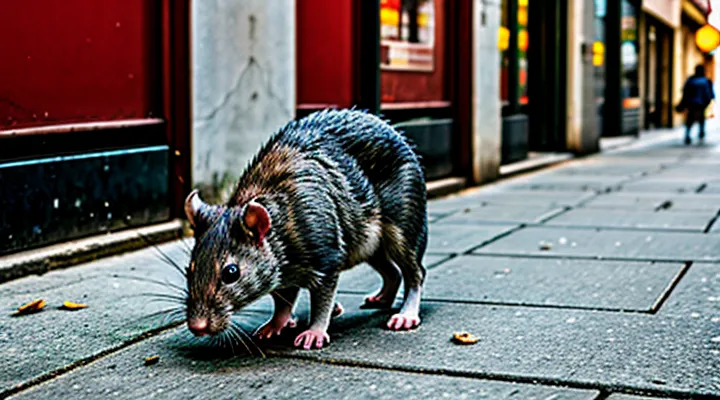
Urban Rodent Ecology
Adaptation to Anthropogenic Environments
Resource Utilization Strategies
Urban rats exhibit highly adaptable resource utilization strategies that sustain large populations in densely built environments. These strategies enable individuals to exploit the heterogeneous and often unpredictable supply of nutrients, shelter, and water that characterizes metropolitan ecosystems.
Key components of resource acquisition include:
- Opportunistic foraging on refuse, discarded food, and organic waste deposited in public bins, alleyways, and restaurant back‑of‑house areas.
- Direct extraction from sewage systems, where rats consume liquid effluents, decomposing matter, and discarded packaging.
- Seasonal caching of high‑calorie items such as grain, fruit, and processed snacks, stored in concealed burrows or crevices for later consumption.
- Exploitation of human‑provided water sources, including leaky pipes, condensation on ventilation ducts, and standing puddles formed after rainfall.
Habitat selection reflects efficient use of structural features:
- Occupation of voids within building foundations, wall cavities, and utility tunnels that provide protection from predators and extreme temperatures.
- Integration of nest sites with existing infrastructure, such as subway tunnels and storm‑drain networks, which facilitate rapid movement between foraging zones.
- Preference for locations offering proximity to multiple resource nodes, reducing travel distance and energy expenditure.
Behavioral adjustments enhance energy efficiency:
- Predominantly nocturnal activity patterns align with reduced human presence and lower ambient temperatures, decreasing exposure risk and metabolic costs.
- Cooperative grooming and social thermoregulation within colonies conserve heat during colder periods.
- Flexible diet composition allows substitution of scarce items with readily available alternatives, maintaining caloric intake despite fluctuating waste streams.
Collectively, these resource utilization tactics support the persistence and growth of large urban rat populations across diverse city landscapes.
Shelter Selection and Modification
Urban rats residing in metropolitan environments exhibit distinct preferences when selecting shelter sites. Preference is driven primarily by three factors: proximity to food sources, protection from predators, and microclimatic stability. Structures that combine these elements—such as abandoned basements, utility tunnels, and densely packed rubbish piles—are repeatedly occupied across diverse cities.
Rats actively modify chosen shelters to enhance suitability. Modification behaviors include:
- Material accumulation: Rats transport loose debris, insulation fragments, and organic waste into cavities, creating layered bedding that regulates temperature and humidity.
- Structural alteration: Individuals gnaw openings in walls, vents, and pipe joints to expand access points and improve ventilation, thereby reducing the risk of suffocation and mold growth.
- Territorial marking: Urine and glandular secretions are deposited along entryways and interior surfaces, establishing chemical boundaries that deter conspecific competition and reinforce occupancy.
The selection process follows a hierarchical assessment. Initial scouting involves rapid exploration of potential sites within a 100‑meter radius of known food caches. Upon locating a candidate, rats perform a brief risk evaluation, measuring exposure to light, predator sightlines, and human activity. Sites passing this test receive incremental investment: bedding material is added first, followed by structural enlargement if the location proves sustainable over several weeks.
Long‑term shelter fidelity correlates with the degree of modification. Highly altered sites—characterized by extensive bedding depth, reinforced entryways, and persistent scent marking—exhibit lower turnover rates, often remaining in use for months or even years. Conversely, minimally altered shelters experience frequent abandonment when environmental conditions shift or when competing rats displace the incumbent.
Understanding these selection and modification patterns informs urban pest management strategies. Targeting the early scouting phase with baited traps, disrupting material accumulation, and sealing structural entry points can reduce the establishment of long‑lasting rat habitats.
Social Dynamics in Rat Populations
Colony Structure and Hierarchy
Urban rat colonies in metropolitan environments organize around a central nest complex that serves as the primary refuge and breeding site. The nest typically comprises a network of tunnels and chambers constructed beneath sidewalks, sewer systems, and building foundations. Peripheral chambers accommodate foraging groups that patrol surrounding food sources, while the central area houses breeding pairs and their offspring.
The social hierarchy within these colonies follows a defined dominance structure:
- Alpha individuals – usually a male and a female that maintain exclusive breeding rights and control access to the central nest.
- Beta and gamma ranks – subordinate adults that assist in nest maintenance, provide alarm calls, and may gain temporary breeding opportunities during alpha absence.
- Juveniles and subordinates – younger rats and lower‑rank adults that perform cleaning, waste removal, and food transport tasks.
Dominance is reinforced through scent marking, aggressive encounters, and vocalizations. Alpha rats exhibit higher cortisol levels during territorial disputes, indicating stress regulation mechanisms linked to rank maintenance. Subordinate members display reduced reproductive hormone concentrations, reflecting suppressed fertility while under alpha control.
Resource distribution aligns with hierarchy. Food caches are stored near the nest entrance, accessible primarily to higher‑rank individuals. Lower‑rank rats receive leftovers and may scavenge peripheral waste zones, reducing competition within the core area.
Colony stability depends on the balance between reproductive output of dominant pairs and the labor contributions of subordinates. Disruption of the hierarchy—through removal of alphas or habitat alteration—often triggers increased aggression, rapid turnover of leadership, and temporary expansion of foraging ranges as the colony seeks new equilibrium.
Communication Methods
Urban rats rely on a suite of signals to coordinate movement, resource acquisition, and predator avoidance within densely built environments. Chemical cues dominate interactions; individuals deposit pheromones in urine, feces, and glandular secretions that convey reproductive status, territorial boundaries, and recent foraging success. Auditory communication supplements scent marking; high‑frequency squeaks and ultrasonic chirps transmit alarm information and facilitate group cohesion during nocturnal activity. Visual displays, though limited by low‑light conditions, include tail flicks, body postures, and rapid locomotor bursts that signal aggression or submission when rats encounter conspecifics in confined alleys or subway tunnels.
Key communication channels include:
- Pheromonal trails: persistent markers that guide others to food caches and nesting sites.
- Alarm vocalizations: brief, high‑pitch sounds emitted upon predator detection, prompting immediate dispersal.
- Social grooming gestures: tactile contact that reinforces hierarchy and reduces stress within colonies.
- Foot‑stamp vibrations: substrate‑borne signals transmitted through concrete or soil, alerting nearby rats to disturbances.
Research indicates that signal efficacy varies with microhabitat. In subterranean sewer networks, chemical diffusion persists longer, while ultrasonic calls dominate on open rooftops where airflow disperses scents quickly. Adaptation to the built environment therefore shapes the relative importance of each modality, enabling rats to maintain complex social structures despite fragmented habitats.
Behavioral Adaptations
Foraging and Scavenging Behavior
Dietary Habits
Urban rats residing in densely built environments obtain nourishment from a wide array of anthropogenic sources. Their feeding strategies reflect opportunistic exploitation of material readily available in municipal settings.
The primary components of their diet include:
- Discarded food waste from residential and commercial establishments.
- Organic matter in sewer systems, such as decomposing plant material and sewage sludge.
- Stored commodities in warehouses, markets, and pantry spaces.
- Invertebrate prey encountered in alleyways, including insects and arthropods.
- Small vertebrate remains, such as bird carcasses and fish scraps.
Seasonal fluctuations modify intake patterns. During warmer months, increased outdoor dining generates greater volumes of exposed food, prompting higher consumption of sugary and fatty items. In colder periods, rats shift toward stored provisions and higher-protein sources, such as animal remains, to meet elevated metabolic demands.
Nutritional composition influences health outcomes for the rodent population. Diets rich in carbohydrates and fats accelerate reproduction rates, while protein-dense meals support growth and immune function. Consumption of contaminated waste introduces pathogens, elevating the risk of zoonotic disease transmission to humans.
Management considerations derived from dietary analysis:
- Implement secure waste containment to limit access to edible refuse.
- Reduce food spillage in public areas through regular cleaning protocols.
- Monitor sewer maintenance to diminish organic buildup attractive to rodents.
- Enforce strict storage practices in commercial facilities to prevent infiltration.
Nocturnal Activity Patterns
Urban rats in densely populated areas exhibit a distinct schedule of activity that peaks after sunset and continues through the early morning hours. Infrared surveillance and radio‑telemetry data show that foraging, nest maintenance, and social interactions concentrate between 1900 h and 0400 h, aligning with reduced human presence and lower ambient light levels.
Key characteristics of this nocturnal regime include:
- Temporal segmentation: Rats allocate the first two hours after dark to exploratory foraging, followed by a mid‑night phase dominated by territorial patrols and mate‑seeking behavior.
- Spatial preference: Activity concentrates along utility corridors, sewer access points, and waste collection zones that remain unlit or dimly lit.
- Energy budgeting: Metabolic measurements indicate a 15 % increase in oxygen consumption during the peak activity window, supporting heightened locomotion and thermoregulation.
Environmental cues modulate the pattern. Light pollution from street lamps shortens the onset latency, while temperature fluctuations shift the peak toward cooler periods. Food availability, particularly discarded organic waste, amplifies activity intensity, prompting multiple foraging bouts within a single night.
These observations inform pest‑management strategies that target the most active periods, such as timed bait deployment and illumination adjustments, to disrupt the rats’ nocturnal routine effectively.
Predation Avoidance and Risk Assessment
Evasive Maneuvers
Urban rats develop rapid, adaptable evasion tactics that increase survival in densely built environments. They exploit three-dimensional space, moving through narrow gaps, vent shafts, and underground utilities to avoid detection. Their sensory acuity enables early threat recognition; whisker vibrations and acute hearing detect approaching footsteps or vehicle noise, prompting immediate flight.
Key evasive behaviors include:
- Vertical displacement – climbing walls, pipe interiors, and building facades to escape ground-level predators.
- Tunnel exploitation – navigating sewer networks and abandoned conduits for rapid relocation.
- Burst acceleration – short, high‑speed sprints that exceed 8 m s⁻¹, allowing escape from sudden disturbances.
- Erratic pathing – unpredictable changes in direction and speed that reduce predator interception success.
- Camouflage positioning – sheltering in cluttered debris or shadowed corners to blend with the urban substrate.
Research indicates that rats adjust maneuver patterns based on threat type. Human presence triggers longer, more circuitous routes, while aerial predators elicit immediate vertical climbs. Chemical cues from predator urine or cat odor intensify tunnel usage, reducing surface activity by up to 40 %.
These strategies collectively enable city-dwelling rodents to persist despite extensive control measures and fluctuating habitat conditions.
Response to Human Presence
Urban rats that reach considerable size exhibit distinct patterns when humans are nearby. Their reactions are shaped by food availability, perceived risk, and habituation to pedestrian traffic. In densely populated districts, individuals that regularly encounter people develop reduced flight distances, allowing them to approach within a few meters before retreating.
Key behavioral components include:
- Flight threshold: Measured as the distance at which a rat initiates escape; values drop from 10 m in low‑traffic zones to 2–3 m in high‑traffic corridors.
- Exploratory boldness: Frequency of foraging in open spaces during daylight increases with repeated exposure to non‑threatening humans.
- Vigilance posture: Head‑up scanning persists longer in areas with unpredictable human movement, diminishing where pedestrian flow is steady.
- Social signaling: Subtle vocalizations and tail flicks intensify when a rat detects sudden human motion, prompting nearby conspecifics to adjust their own escape routes.
Physiological markers corroborate these observations. Elevated glucocorticoid levels appear during initial encounters, but chronic exposure leads to attenuated stress responses, indicating adaptive desensitization. Neurological studies reveal heightened activity in the amygdala during novel human interactions, which subsides as the animal learns to differentiate between benign and threatening individuals.
Management strategies exploit these traits. Bait placement near predictable human pathways leverages reduced flight thresholds, while disturbance‑based control methods rely on the persistent vigilance posture in high‑risk zones. Understanding the nuanced spectrum of rat responses to human presence enables more precise urban pest mitigation.
Reproductive Strategies
Breeding Cycles
Urban rats reproduce rapidly, with cycles shaped by temperature, food availability, and shelter density. In temperate cities, breeding intensifies from early spring to late autumn, when ambient temperatures exceed 15 °C and food waste peaks. During colder months, reproductive activity diminishes, but mature females may retain embryos, resuming gestation when conditions improve.
Gestation lasts approximately 21–23 days, after which a female produces a litter of 6–12 pups. Neonates reach weaning age in 3–4 weeks and attain sexual maturity at 2–3 months, enabling multiple generations within a single year. Female rats can conceive again within 48 hours after giving birth, leading to overlapping litters and exponential population growth under favorable conditions.
Key reproductive parameters:
- Breeding season: March – October (temperature‑driven)
- Gestation period: 21–23 days
- Litter size: 6–12 offspring
- Weaning age: 21–28 days
- Sexual maturity: 60–90 days
- Post‑parturition estrus: <48 hours
Environmental stressors modulate cycle length. Limited food reduces litter size, while abundant refuse increases both litter size and frequency of breeding. High-density shelters promote earlier maturation and higher survival rates, reinforcing population resilience in densely built districts. Understanding these dynamics informs targeted management strategies aimed at disrupting reproductive success and curbing urban rat proliferation.
Parental Care and Offspring Survival
Urban rat populations exhibit a suite of parental behaviors that directly affect juvenile mortality rates. Female rats construct nests in concealed locations such as subway tunnels, building basements, or sewer systems, providing thermal stability and protection from predators. Nest construction involves the collection of dry material, insulation with discarded fabric, and strategic placement near reliable food sources, thereby reducing exposure to temperature extremes and facilitating efficient foraging.
Maternal investment includes frequent nursing bouts, with pups receiving milk rich in immunoglobulins that enhance disease resistance. Litters are typically limited to 6–12 individuals; the mother allocates grooming and cleaning activities to maintain hygienic conditions, which limits pathogen proliferation. The following points summarize the primary mechanisms through which parental care improves offspring survival:
- Nest site selection: proximity to waste streams and food waste increases pup access to nutrition while minimizing travel distance for the mother.
- Thermoregulation: continuous body heat transfer during nursing stabilizes pup body temperature, preventing hypothermia in the variable microclimate of the city.
- Hygiene maintenance: regular grooming removes debris and parasites, reducing infection risk.
- Predator avoidance: mothers employ alarm vocalizations and rapid retreat behaviors to deter avian and mammalian predators common in urban environments.
- Social learning: older siblings assist in nest upkeep and may share food, reinforcing cooperative rearing dynamics.
Male involvement is limited; however, occasional paternal presence near the nest can deter rival males and contribute to territorial stability, indirectly supporting the mother’s ability to allocate resources to the young. Environmental pressures such as fluctuating waste availability, chemical pollutants, and human disturbance create selective pressures that favor individuals demonstrating efficient parental strategies. Consequently, the observed parental care patterns are integral to sustaining high reproductive output and ensuring the persistence of rat colonies within densely populated metropolitan areas.
Human-Rat Interactions
Disease Transmission Mechanisms
Zoonotic Pathogens
Urban rodent populations serve as persistent reservoirs for a range of zoonotic agents that affect human health. Their capacity to thrive in densely built environments creates continuous opportunities for pathogen exchange between wildlife, domestic animals, and people.
- Leptospira interrogans – bacteria transmitted through contaminated water or soil.
- Salmonella enterica serovars – bacteria spread via fecal shedding and food handling.
- Yersinia pestis – bacterium responsible for plague, maintained in flea vectors associated with rats.
- Hantavirus species – viruses excreted in urine, aerosolized in enclosed spaces.
- Streptobacillus moniliformis – bacterium causing rat‑bite fever, transferred through bites or scratches.
- Rickettsia spp. – bacteria carried by ectoparasites that may infest rat colonies.
Behavioral characteristics that elevate transmission risk include nocturnal foraging in refuse sites, frequent intra‑colony grooming, and extensive burrow networks that intersect sewage systems. High population turnover and seasonal migrations expand the geographic reach of pathogens. Aggressive interactions during territorial disputes increase the likelihood of bite‑related infections.
Human exposure pathways involve direct contact with rat excreta, inhalation of aerosolized particles in poorly ventilated structures, and indirect contact through contaminated food or water supplies. Surveillance programs that monitor rodent density, pathogen prevalence, and ectoparasite loads provide data essential for risk assessment. Integrated pest management, combined with sanitation improvements and public education on avoidance practices, reduces the incidence of zoonotic disease linked to urban rats.
Public Health Implications
Urban rat populations thrive in densely built environments, where their foraging and nesting habits create frequent contact with human habitats. This proximity establishes multiple pathways for disease transmission, including contamination of food supplies, water sources, and surfaces with urine, feces, and ectoparasites.
Key public‑health concerns linked to these rodents are:
- Pathogen spread – carriers of bacteria (e.g., Salmonella, Leptospira), viruses (e.g., hantavirus), and parasites that cause gastrointestinal, renal, and respiratory illnesses.
- Allergy and asthma aggravation – allergens from rat dander and droppings exacerbate respiratory conditions, especially in children.
- Infrastructure damage – gnawing on pipes and electrical wiring increases the risk of water contamination and fire hazards, indirectly affecting community health.
Effective mitigation requires coordinated surveillance, rapid response to infestation reports, and integrated pest‑management strategies. Surveillance should include routine trapping data, pathogen testing of captured specimens, and environmental monitoring of waste management practices. Integrated pest management combines sanitation improvements, physical barriers, and targeted rodenticide application, minimizing chemical exposure while reducing population density.
Sustained public‑health protection depends on continuous data collection, interagency collaboration, and community education about waste reduction and safe handling of potential rodent contacts.
Pest Management Challenges
Efficacy of Control Methods
Effective management of city‑dwelling rats requires measurable outcomes. Evaluation centers on population reduction, health risk mitigation, non‑target safety, resistance development, and cost efficiency.
- Chemical rodenticides – Immediate mortality rates exceed 80 % in treated blocks; resistance genes appear after 2–3 years of continuous use; secondary poisoning documented in predators and scavengers; application costs moderate, but regulatory compliance raises expenses.
- Mechanical traps – Capture success averages 60–70 % per deployment cycle; limited spatial coverage necessitates dense placement; negligible environmental impact; labor intensity drives higher operational costs.
- Environmental management – Waste reduction, structural sealing, and vegetation control cut food availability by 30–50 %; long‑term population decline stabilizes at 40 % lower than baseline; minimal ecological side effects; investment primarily in infrastructure upgrades.
- Biological agents (e.g., contraceptive baits, pathogens) – Reproductive suppression yields 25–35 % decrease in offspring per season; low toxicity to non‑target species; efficacy dependent on bait acceptance rates; development and distribution costs remain high.
- Integrated pest management (IPM) – Combines chemical, mechanical, and environmental tactics; documented reductions of 70–85 % across diverse urban districts; adaptive monitoring prevents resistance buildup; overall cost comparable to single‑method programs but delivers superior public‑health outcomes.
Data from municipal monitoring programs indicate that single‑method strategies achieve short‑term knock‑down but often revert to pre‑intervention levels within 12 months. Integrated approaches maintain suppression beyond one year, reduce collateral damage, and align with regulatory standards. Selecting control measures should therefore prioritize multi‑modal frameworks, calibrated to local infestation density and resource availability.
Behavioral Resistance to Interventions
Urban rats exhibit a consistent pattern of behavioral resistance when exposed to control measures. This resistance manifests as rapid avoidance of traps, bait stations, and novel obstacles, reducing the efficacy of conventional eradication tactics.
Key mechanisms driving resistance include:
- Neophobia – immediate wariness of unfamiliar objects, prompting rats to bypass newly placed devices.
- Conditioned avoidance – learned association between specific stimuli (e.g., scent of anticoagulant bait) and adverse outcomes, leading to selective foraging.
- Social transmission – dissemination of avoidance cues through grooming, scent marking, and communal nesting, amplifying population‑wide reluctance.
Effective management must address these mechanisms directly. Recommended adjustments are:
- Rotating device designs – alternating trap shapes, colors, and materials to mitigate neophobic responses.
- Variable bait formulations – employing multiple active ingredients and disguising flavors to disrupt conditioned avoidance.
- Targeted deployment timing – installing devices during low‑activity periods (e.g., late night) when rats are less alert to novelty.
- Integrating habitat modification – reducing shelter availability and food sources to increase exposure to control tools.
- Monitoring behavioral shifts – conducting regular field observations and data analysis to detect emerging resistance patterns and adapt strategies promptly.
Implementing these measures aligns intervention protocols with the adaptive behavior of city‑dwelling rats, enhancing control outcomes and reducing long‑term population resilience.