
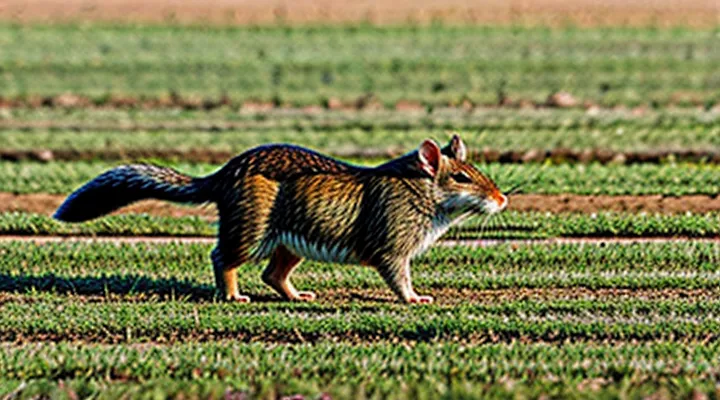
Physical Characteristics
Size and Weight
Body Length
The large field rat, a rodent native to expansive grassland ecosystems, exhibits a body length that distinguishes it from related species. Adult individuals typically measure between 180 and 250 mm from the tip of the nose to the base of the tail. This range reflects sexual dimorphism, with males generally occupying the upper end of the spectrum.
Key metrics for body length include:
- Head‑to‑body measurement: 180–210 mm in females, 200–250 mm in males.
- Average length across populations: approximately 215 mm.
- Variation factors: geographic location, seasonal resource availability, and genetic lineage.
Precise measurement protocols involve positioning the specimen on a flat surface, aligning the skull with a calibrated ruler, and recording the distance to the occipital‑ventral junction. Consistency in technique ensures comparability across field studies and museum collections.
Tail Length
The tail of the large field rat is a defining morphological feature. It typically measures between 120 mm and 180 mm, representing 70–85 % of the animal’s total body length.
- Average length: 150 mm
- Length range: 120–180 mm
- Proportion to head‑body length: 0.7–0.85
The tail exhibits a dense, scaly covering with a slightly darker dorsal surface. Its musculature enables flexible movement, aiding balance during rapid locomotion across open terrain. The tapering tip ends in a fine, hair‑like fringe that assists in sensory perception.
Weight Range
The large field rat typically weighs between 150 g and 320 g in adulthood. Juvenile individuals are generally lighter, ranging from 80 g to 130 g, while exceptionally large adults may reach up to 350 g under optimal nutritional conditions.
- Adult males: 180 g – 320 g
- Adult females: 150 g – 280 g
- Juveniles: 80 g – 130 g
Weight varies with habitat quality, seasonal food availability, and genetic factors, but the figures above represent the normal spectrum observed in wild populations.
Fur
Coloration
The large field rat exhibits a coat that ranges from tawny‑brown on the dorsal surface to a paler, almost grayish hue on the ventral side. Dorsal hairs contain high concentrations of eumelanin, producing the darker shade that blends with dry grasses and soil. Ventral hairs are lighter due to reduced melanin, providing counter‑shading that diminishes the animal’s silhouette when viewed from below.
Key coloration features include:
- Dorsal fur: tawny to reddish‑brown, interspersed with black guard hairs.
- Flanks: gradual transition to a lighter, ochre tone.
- Ventral fur: creamy‑white to pale gray.
- Tail: sparsely haired, uniform brown with occasional darker bands near the tip.
- Seasonal molt: slight darkening in winter, lighter coat in summer.
The pigment distribution supports camouflage within open field habitats, reduces detection by aerial predators, and assists in heat absorption during cooler periods. The uniform tail coloration aids in species recognition during nocturnal foraging.
Texture
The large field rat possesses a dense, coarse fur coat that provides effective insulation against temperature fluctuations in open habitats. Individual hairs are thick, slightly curved, and interlock to create a protective barrier, reducing heat loss and shielding the animal from abrasive vegetation. The undercoat is softer and finer, filling gaps between guard hairs to enhance thermal regulation.
Skin beneath the fur is thick and pigmented, offering resistance to sun exposure and minor injuries. The texture of the skin is relatively smooth compared to other rodent species, facilitating ease of movement through dense grass and low-lying crops.
Key tactile features include:
- Guard hairs: robust, water-repellent, and resistant to wear.
- Undercoat fibers: fine, insulating, and flexible.
- Dermal layer: thick, lightly ridged, and pigmented for UV protection.
These textural adaptations enable the species to thrive in expansive, open fields where exposure to environmental elements is constant.
Patterns and Markings
The large field rat exhibits a distinctive coat pattern that facilitates camouflage across varied habitats. Dorsal fur presents a series of irregular, dark brown to black streaks interspersed with lighter, ochre‑colored patches, creating a mottled appearance that blends with grasses and leaf litter. Ventral fur is uniformly pale, ranging from off‑white to light gray, providing contrast that is less visible from above.
Key markings include:
- A sharply defined, dark facial mask extending from the eyes to the snout, accentuated by a narrow white stripe along the upper lip.
- Prominent, dark rings encircling each ear, contributing to a bordered ear profile.
- A longitudinal stripe running along the midline of the back, often fragmented into short segments that align with the underlying musculature.
- Hind limbs marked with faint, transverse bands that become more evident during the breeding season.
These visual characteristics aid in species identification and support adaptive strategies for predator avoidance and intra‑species communication.
Head and Face
Snout
The snout of the large field rat is a robust, elongated structure extending forward from the skull. Its skeletal framework consists of a well‑developed premaxilla and maxilla, providing support for strong incisor muscles. The external surface is covered by short, dense fur that reduces friction when the animal probes soil and vegetation.
Key functional attributes include:
- Olfactory capacity: densely packed olfactory epithelium within the nasal cavity enhances detection of food sources and predators.
- Tactile sensitivity: a high concentration of mechanoreceptors in the whisker pads at the snout tip enables precise discrimination of texture and distance.
- Masticatory efficiency: attachment points for the masseter and temporalis muscles allow powerful gnawing, essential for processing tough plant material and seeds.
Morphologically, the snout exhibits a slight dorsal curvature that aligns the incisors for optimal biting angles. The nasal passages are expanded, increasing airflow and scent molecule exposure, which correlates with the species’ foraging behavior in open fields. Comparative analysis shows that the snout length relative to head size exceeds that of closely related rodent species, reflecting adaptation to a diet requiring deeper soil excavation.
Overall, the snout integrates sensory, mechanical, and respiratory functions that support the large field rat’s ecological niche.
Eyes
The large field rat possesses relatively large, laterally positioned eyes that provide a wide field of vision. The ocular anatomy reflects adaptation to open‑habitat foraging and predator detection.
Key characteristics of the rat’s eyes include:
- Corneal diameter averaging 8 mm, allowing substantial light entry.
- Retina dominated by rod photoreceptors, supporting high sensitivity in low‑light conditions.
- A modest number of cones concentrated near the visual streak, enabling limited color discrimination.
- Pupil capable of rapid dilation, facilitating swift adjustment between bright daylight and dim twilight.
The visual field extends approximately 300 degrees, with minimal binocular overlap. This configuration maximizes peripheral awareness while preserving sufficient forward focus for precise navigation through tall grasses and agricultural fields. The optic nerve connects to a well‑developed lateral geniculate nucleus, ensuring efficient processing of motion cues essential for escape responses.
Ears
The large field rat possesses prominent, triangular ears positioned laterally on the head. Each ear measures approximately 2.5–3 cm in length, with a thin, pliable cartilage framework covered by sparse, short fur. The external pinna is highly mobile, allowing rapid orientation toward acoustic stimuli.
Key anatomical and functional features include:
- Large auditory canal leading to a well‑developed tympanic membrane, optimizing sound transmission.
- Dense array of hair cells in the cochlea, providing acute sensitivity to frequencies between 1 kHz and 30 kHz.
- Extensive innervation by the vestibulocochlear nerve, supporting precise sound localization and balance control.
These characteristics enable the rodent to detect predators, communicate with conspecifics, and navigate complex environments with minimal visual cues.
Whiskers
The whiskers of the large field rat are highly specialized tactile organs. Each whisker, or vibrissa, emerges from a follicle anchored deep within the skin, allowing precise detection of airflow and surface textures. The sensory nerves within the follicle transmit rapid signals to the brain, enabling the animal to navigate complex habitats, locate food, and avoid predators even in low‑light conditions.
Key characteristics of these vibrissae include:
- Length ranging from 2 cm to 5 cm, proportionate to body size.
- Dense keratin composition, providing durability and flexibility.
- Arrangement in symmetrical rows on the snout, cheeks, and above the eyes, creating a three‑dimensional sensory field.
- High innervation density, with up to 10,000 nerve endings per whisker.
The structural design supports continuous growth, with each whisker replaced within weeks of damage. This regenerative capacity maintains sensory performance throughout the rat’s lifespan.
Limbs and Feet
Forelimbs
The forelimbs of the large field rat exhibit a robust skeletal framework adapted for digging and manipulation of soil. The humerus is short and stout, terminating in a well‑developed deltoid tuberosity that anchors powerful shoulder muscles. The radius and ulna are relatively fused, providing stability during forceful fore‑digging motions.
Key muscular groups include:
- Biceps brachii – contracts to flex the elbow and assist in pulling soil toward the body.
- Triceps brachii – extends the elbow, enabling rapid retraction of the forelimb after a dig.
- Flexor and extensor carpi muscles – control wrist articulation, allowing precise placement of the paws.
The manus comprises five digits, each ending in a curved claw. The claws are keratinized, sharp, and capable of penetrating compact substrate. Digit I (the thumb) is opposable, enhancing grip on objects and facilitating transport of food items.
Blood supply is provided primarily by the brachial artery, which branches into radial and ulnar vessels, ensuring efficient oxygen delivery during sustained muscular activity. Nerve innervation follows the brachial plexus, granting fine tactile feedback essential for assessing soil texture.
Morphometric data indicate an average forelimb length of 45 mm and a claw curvature radius of 3.2 mm, measurements that correlate with the species’ burrowing efficiency. Comparative analysis shows that forelimb proportions are greater than those of related granivorous rodents, reflecting a specialization for subterranean excavation.
Hindlimbs
The hindlimbs of the large field rat are robust and proportionally longer than the forelimbs, providing the primary means of terrestrial propulsion. The femur, tibia, and fibula form a sturdy skeletal framework, while the pelvic girdle anchors the limbs to the axial skeleton.
Muscular architecture emphasizes rapid extension and retraction. The quadriceps femoris, gastrocnemius, and soleus groups generate powerful thrust during sprinting, whereas the hamstring complex controls deceleration and stabilizes the joint during abrupt stops. Tendinous insertions on the calcaneus create a lever system that enhances force transmission to the ground.
Locomotor performance relies on a combination of stride length and frequency. The elongated metatarsals increase ground contact area, improving traction on loose substrate. Digitigrade posture elevates the foot, reducing drag and facilitating swift directional changes. The hindlimbs also support climbing by allowing precise placement of the hind digits on vertical structures.
Key morphological features include:
- Expanded calcaneal tuber for increased leverage.
- Well‑developed gluteal musculature for hip extension.
- Flexible ankle joint permitting dorsiflexion and plantarflexion.
- Dense fur covering the limbs, providing insulation and camouflage.
These adaptations enable the species to exploit open fields, evade predators, and maintain high activity levels throughout its nocturnal foraging cycles.
Claws
The large field rat possesses a pair of robust, keratinized claws on each fore‑ and hind‑limb. Each claw measures approximately 4–6 mm in length, tapering to a sharp point that enables efficient penetration of compact soil and dense vegetation. The curvature of the claws is moderate, providing a balance between digging power and traction on uneven terrain.
Key characteristics of the claws include:
- Composition: Layers of alpha‑keratin reinforced by a dense matrix of calcium salts, granting resistance to wear and abrasion.
- Muscle attachment: Strong flexor tendons connect to the distal phalanges, allowing rapid retraction and extension during burrowing or climbing.
- Surface texture: Microscopic ridges increase friction against substrate, enhancing grip on slippery surfaces such as wet grass or muddy banks.
- Growth pattern: Continuous growth compensated by regular wear; occasional overgrowth can be mitigated by gnawing on hard objects.
Functionally, the claws serve as primary tools for excavating burrows, securing food items, and providing stability while navigating the open fields that constitute the animal’s habitat. Their design reflects an evolutionary adaptation to a lifestyle that alternates between subterranean refuge and surface foraging.
Teeth
Incisors
The large field rat possesses a pair of upper and lower incisors that are chisel‑shaped, enamel‑covered only on the labial surface, and exhibit relentless growth throughout the animal’s life. Continuous eruption compensates for wear generated by gnawing on fibrous vegetation, tubers, and occasional insects.
Dental formula: 1/1, 0/0, 0/0, 3/3 = 16 teeth. The incisors constitute 25 % of the total dentition, reflecting their primary role in food acquisition and nest construction.
Key functional traits:
- Self‑sharpening edge created by differential wear of enamel and dentine.
- High‑strength enamel enables fracture of hard plant material.
- Rapid turnover of odontoblast tissue maintains length despite constant abrasion.
- Rootless structure permits unrestricted elongation, regulated by the periodontal ligament.
Morphologically, the crown displays a pronounced curvature that aligns with the mandible’s occlusal plane, ensuring efficient bite force transmission. Microscopic analysis reveals enamel prisms oriented longitudinally, providing resistance to tensile stress during gnawing.
Compared with other murid rodents, the incisors of this species exhibit a slightly broader labial surface, an adaptation that enhances grinding of coarse grasses prevalent in its open‑field habitat. This dental specialization supports the animal’s high‑energy foraging strategy and contributes to its ecological success across temperate grasslands.
Molars
The large field rat possesses a distinctive set of molars that reflect its herbivorous diet and burrowing lifestyle. Each mandibular and maxillary quadrant contains three cheek teeth, forming a total of twelve molars. The crowns are low and broad, with multiple cusps arranged in a transverse pattern that maximizes grinding efficiency. Enamel thickness exceeds that of the incisors, providing resistance to abrasion from fibrous plant material.
Key characteristics of the molars include:
- Occlusal surface: Flattened with pronounced ridges that interlock during mastication, creating a shearing action.
- Root structure: Bifurcated roots anchor the teeth securely within the jawbone, supporting repeated chewing cycles.
- Wear pattern: Progressive flattening of cusps indicates a diet rich in grasses and seeds; occasional pitting suggests occasional ingestion of harder seeds.
These dental adaptations enable the rodent to process a wide variety of vegetation, supporting rapid growth and high reproductive rates. The molar morphology also assists in soil excavation, as the animal frequently uses its cheek teeth to loosen compacted earth while constructing burrows.
Habitat and Distribution
Geographic Range
Native Regions
The large field rat inhabits a broad swath of temperate and subtropical zones across Eurasia. Its distribution reflects adaptability to agricultural landscapes, river valleys, and open grasslands.
- Eastern Europe: Ukraine, Belarus, and western Russia.
- Central Asia: Kazakhstan, Uzbekistan, and parts of Turkmenistan.
- East Asia: northern China (Hebei, Shanxi, and Liaoning provinces) and the Korean Peninsula.
- Western Siberia: regions extending to the Ob and Yenisei river basins.
In each area the species prefers cultivated fields, hedgerows, and floodplain meadows, where abundant grain and vegetable crops provide sustenance. Its presence is closely linked to human-modified environments, allowing expansion into adjacent natural steppe and forest-steppe habitats.
Introduced Regions
The large field rat has established populations outside its native range through human‑mediated transport and accidental release. Introduced occurrences are documented in temperate and subtropical zones where agricultural activity creates suitable habitats.
- Europe: United Kingdom, Ireland, France, Germany, the Netherlands, Belgium, and Scandinavia (Denmark, Sweden, Norway).
- North America: United States (Pacific Northwest, Northeast, and Midwest states), Canada (British Columbia and Ontario).
- Oceania: New Zealand (North Island and South Island), Australia (Queensland and New South Wales).
- Asia: Japan (main islands), South Korea, and parts of the Russian Far East.
These regions share common factors such as extensive grain storage facilities, irrigation systems, and disturbed ground, which facilitate colonisation and population growth. Ongoing monitoring programs track distribution shifts, emphasizing the species’ adaptability to diverse climatic conditions and human‑altered landscapes.
Preferred Habitats
Natural Environments
The large field rat inhabits a range of natural settings that provide both shelter and foraging opportunities. Its distribution extends across temperate and subtropical zones where open landscapes dominate.
Typical habitats include:
- Temperate grasslands with dense herbaceous cover
- Agricultural fields, especially cereal crops and soybeans
- Riverine floodplains and seasonally moist meadows
- Edge zones of deciduous forests where understory vegetation is abundant
- Scrubland and shrub-steppe regions offering ground litter and burrowing sites
Within these environments, the species prefers ground cover that protects against predators while allowing easy access to seeds, insects, and plant material. Soil composition influences burrow stability; loamy and sandy soils are most frequently utilized. Seasonal variations affect habitat selection: during wet periods, individuals migrate toward higher ground to avoid flooding, whereas dry seasons see increased presence in cultivated fields where food resources concentrate.
Population density correlates with habitat productivity. Areas with high seed output support larger colonies, while marginal habitats sustain lower numbers. The rat’s adaptability to modified landscapes, such as cultivated lands, contributes to its persistence across diverse ecological zones.
Anthropogenic Environments
The large field rat (Rattus maximus) inhabits a range of habitats across temperate and subtropical regions, favoring open grasslands, cultivated fields, and riparian zones. Morphologically, the species exhibits a robust body, dense fur, and a tail length proportionate to its torso, traits that support terrestrial locomotion and thermoregulation. Diet consists primarily of seeds, grains, and invertebrates, reflecting opportunistic foraging behavior.
Human‑altered landscapes constitute a significant portion of the rat’s current range. Agricultural plots, irrigation canals, and urban green spaces provide abundant food resources and shelter structures. The species exploits these environments by nesting in burrows adjacent to crop rows, utilizing discarded materials for nest construction, and adjusting activity patterns to avoid peak human activity.
Key adaptations enabling success in anthropogenic settings include:
- Flexible diet that incorporates cultivated crops and waste.
- Burrowing behavior that tolerates compacted soils and artificial drainage.
- High reproductive rate, with multiple litters per year under favorable conditions.
- Tolerance of moderate pollution levels, allowing persistence near industrial zones.
Population monitoring in managed fields indicates density fluctuations correlate with crop rotation cycles and pesticide application schedules. Management recommendations emphasize integrated pest management, habitat modification, and targeted exclusion measures to reduce conflict between agricultural production and rat populations.
Climate Preferences
The species thrives in temperate zones where average annual temperatures range from 10 °C to 22 °C. Optimal activity occurs when daytime temperatures stay between 15 °C and 20 °C; extreme heat above 30 °C reduces foraging efficiency and increases mortality risk.
Humidity levels between 45 % and 70 % support the rodent’s skin and respiratory health. Prolonged dry conditions (<30 % humidity) lead to dehydration, while sustained saturation (>85 % humidity) promotes fungal growth in nests.
Precipitation patterns influence habitat selection:
- Moderate rainfall (500–800 mm per year) sustains grassy meadows and low shrubs that provide cover and food.
- Seasonal droughts trigger temporary migrations to higher ground with better water access.
- Heavy, persistent rain (>1500 mm annually) creates waterlogged soils unsuitable for burrowing.
Seasonal behavior aligns with climate cycles. In spring, rising temperatures and increasing moisture stimulate breeding, resulting in peak litter production. Summer heat prompts nocturnal activity and deeper burrow construction to maintain cooler microclimates. Autumn cooling and reduced daylight cue preparation for winter, with increased food caching. Winter survival depends on insulating burrow depth and the ability to tolerate temperatures near 0 °C; prolonged sub‑zero conditions lead to population decline.
Overall, the rodent’s distribution is confined to regions that combine moderate temperatures, balanced humidity, and consistent but not excessive precipitation, ensuring viable foraging grounds and suitable burrowing environments.
Behavior and Ecology
Diet
Primary Food Sources
The large field rat obtains most of its nutrition from plant material found in open habitats. Primary food sources include:
- Grasses and herbaceous leaves, especially during the early growing season.
- Seeds of cereals such as wheat, barley, and oats, which are consumed opportunistically.
- Roots and tubers exposed by soil disturbance, providing carbohydrates and moisture.
- Fresh shoots of cultivated crops, notably corn and soybeans, which attract foraging individuals.
In addition to vegetation, the species supplements its diet with animal protein when available. Common secondary items are:
- Insects, particularly beetles and grasshoppers, captured during nocturnal activity.
- Small arthropods such as spiders and mites, found among ground litter.
Seasonal variation influences the proportion of each component. During dry periods, the rat relies more heavily on stored seeds and underground plant parts, whereas wet seasons increase access to fresh shoots and insects. This dietary flexibility supports high reproductive rates and sustains populations across diverse agricultural landscapes.
Foraging Habits
The large field rat primarily forages in open grasslands, cultivated fields, and peri‑urban wastelands. Individuals exploit ground‑level vegetation, seeds, and invertebrates, adjusting their activity to seasonal resource availability.
Key foraging characteristics include:
- Diurnal peak activity during early morning and late afternoon, reducing exposure to nocturnal predators.
- Selective seed harvesting, favoring high‑energy grains such as wheat, barley, and millet.
- Opportunistic predation on insects, earthworms, and arthropods when plant material is scarce.
- Use of tactile cues to locate buried food items, employing strong forelimb muscles to excavate soil.
- Cache formation in shallow depressions, allowing temporary storage of surplus seeds.
Seasonal shifts modify diet composition: spring emphasizes fresh shoots and insects; summer increases reliance on mature grains; autumn sees heightened seed caching; winter reduces foraging range, focusing on stored reserves. The species’ flexible foraging strategy supports high reproductive rates and rapid population expansion in agricultural landscapes.
Reproduction
Mating Season
The large field rat initiates its mating season during the warmer months, typically from April to September, when ambient temperatures exceed 15 °C and food availability peaks. Photoperiod lengthening and increased daylight stimulate hormonal changes, raising circulating testosterone in males and estradiol in females, which triggers reproductive readiness.
Male behavior intensifies as they establish territories and emit ultrasonic vocalizations to attract females. Aggressive encounters among males increase, resulting in dominant individuals securing access to receptive females. Females display estrus cycles of approximately four days, with ovulation occurring spontaneously during the cycle’s luteal phase.
Key reproductive parameters during the season include:
- Gestation period: 21–23 days.
- Litter size: 5–9 offspring per birth.
- Interbirth interval: 30–45 days under optimal conditions.
- Sexual maturity: reached at 8–10 weeks of age.
Environmental factors such as rainfall and grain abundance directly influence reproductive output; higher resource levels correlate with larger litters and reduced interbirth intervals. Conversely, drought conditions can suppress estrus frequency and extend the interval between litters.
At the conclusion of the season, decreasing daylight and cooler temperatures lower gonadal hormone levels, leading to a decline in mating activity and entry into a quiescent reproductive state until the next favorable cycle.
Gestation Period
The large field rat (Rattus nitidus) exhibits a gestation period that typically spans 21 to 23 days. This interval aligns closely with that of other medium‑sized Muridae species and reflects rapid embryonic development under standard climatic conditions.
Key characteristics of the reproductive cycle include:
- Estrous cycle length of approximately 4–5 days, allowing multiple breeding opportunities within a single season.
- Litter size ranging from 5 to 10 offspring, with a peak average of 7.
- Post‑natal maturation of neonates occurs within 30 days, enabling successive litters at roughly monthly intervals.
Environmental factors such as temperature, food availability, and photoperiod can extend or shorten the gestational timeframe by up to two days. In laboratory settings, controlled ambient temperatures of 22–24 °C consistently produce the 21‑day benchmark, while cooler or fluctuating conditions may shift the period toward the upper limit.
The concise gestation duration contributes to the species’ high reproductive output, supporting its adaptability across diverse habitats.
Litter Size
The large field rat produces multiple offspring per breeding event, a characteristic that directly affects population dynamics.
Typical litter size ranges from three to eight young, with an average of five. This figure reflects data collected across the species’ native range and captive studies.
Factors influencing litter size include:
- Female body condition: well‑nourished females tend to bear larger litters.
- Seasonal timing: breeding during periods of abundant food results in higher offspring counts.
- Age of the dam: mature, experienced females generally produce more young than first‑time breeders.
Geographically, populations inhabiting temperate zones often exhibit slightly larger litters than those in arid regions, suggesting environmental resource availability shapes reproductive output.
Understanding the quantitative aspects of litter size provides essential insight for management and ecological modeling of this rodent species.
Parental Care
The large field rat is a terrestrial rodent inhabiting open grasslands and cultivated fields across temperate regions. Adults measure 20–30 cm in head‑body length and weigh 150–250 g. The species exhibits a seasonal breeding cycle, with peak reproductive activity in spring and early summer.
Parental investment centers on the female, who constructs a shallow burrow lined with dry vegetation. After a gestation period of approximately 22 days, litters of 4–8 pups are born altricial and blind. Maternal duties include:
- Immediate cleaning of newborns to stimulate respiration.
- Frequent nursing, delivering milk rich in protein and lipids.
- Regular nest maintenance to regulate temperature and humidity.
- Gradual introduction of solid food beginning at day 10.
- Weaning completed by day 21, followed by independent foraging.
Male involvement is limited to territory defense during the mating season; no direct caregiving behaviors have been documented. Offspring survival rates correlate strongly with the mother’s ability to maintain nest conditions and provide consistent nourishment.
Social Structure
Solitary vs. Group Living
The large field rat exhibits two distinct social strategies that reflect environmental pressures and resource distribution. Solitary individuals occupy separate burrows or territories, maintain exclusive foraging routes, and limit direct contact with conspecifics. This approach reduces competition for food, minimizes disease transmission, and enables rapid response to predators through heightened vigilance.
Group living occurs when individuals form colonies that share nesting sites and foraging grounds. Benefits include cooperative defense, collective maintenance of burrow systems, and shared information about food sources. However, aggregation raises the risk of parasite spread and intensifies intra‑group competition.
Key contrasts:
- Territory size: solitary rats defend larger, isolated areas; groups occupy compact, shared spaces.
- Resource use: solitary foragers exploit dispersed seeds and insects; groups exploit abundant, clumped resources.
- Predator avoidance: solitary individuals rely on individual escape; groups employ alarm calls and coordinated escape routes.
- Reproductive dynamics: solitary females breed independently; group females may synchronize breeding cycles, influencing offspring survival rates.
Understanding the balance between these strategies informs habitat management and predicts population responses to habitat fragmentation.
Communication
The large field rat relies on a multimodal communication system that coordinates social interactions, territorial defense, and predator avoidance. Vocal output consists of high‑frequency squeaks and low‑frequency grunts; each call type conveys distinct information about body size, reproductive status, or alarm conditions. Scent marking employs urine and glandular secretions deposited along runways and burrow entrances, creating a persistent chemical map of individual occupancy and hierarchy. Visual cues include tail flicks, ear posture adjustments, and rapid locomotor displays that signal aggression or submission without audible sound.
Key elements of the communication repertoire are:
- Acoustic signals
- Squeaks: short, broadband bursts used during close‑range encounters.
- Grunts: longer, lower‑frequency sounds emitted during mating or when confronting rivals.
- Chemical signals
- Urine marks: convey identity and reproductive readiness.
- Glandular secretions: reinforce dominance and delineate territory boundaries.
- Behavioral displays
- Tail flicking: indicates agitation or readiness to flee.
- Ear positioning: modulates auditory sensitivity and signals attentiveness.
- Rapid darting: functions as a visual alarm when predators are detected.
These communication channels operate concurrently, allowing the species to maintain group cohesion, establish social order, and respond swiftly to environmental threats.
Activity Patterns
Nocturnal vs. Diurnal
The large field rat exhibits distinct activity patterns that separate night‑active individuals from those active during daylight. Night‑active specimens typically emerge after sunset, relying on heightened auditory and olfactory senses to locate food and avoid predators. Their eyes possess a larger retinal area and increased rod density, optimizing low‑light vision. Metabolic rates rise during the dark phase, supporting prolonged foraging trips and thermoregulation.
Day‑active individuals operate primarily in the early morning and late afternoon. Their visual system features a higher cone concentration, enabling sharper color discrimination under bright conditions. These rats often exploit surface vegetation and open fields where daylight enhances detection of seeds and insects. Diurnal activity aligns with lower ambient temperatures, reducing water loss and heat stress.
Key contrasts between the two temporal strategies include:
- Sensory emphasis: Nocturnal rats prioritize hearing and smell; diurnal rats prioritize visual acuity.
- Thermoregulation: Night activity coincides with cooler nights, minimizing heat load; day activity occurs when temperatures are moderate.
- Predator exposure: Nocturnal individuals face more nocturnal predators such as owls; diurnal individuals confront raptors and mammals active in daylight.
- Foraging efficiency: Night‑active rats exploit nocturnal insect swarms; day‑active rats capitalize on seed availability in sun‑lit habitats.
Understanding these behavioral divisions informs habitat management, pest control, and ecological modeling for the species across its range.
Seasonal Activity
The large field rat exhibits distinct behavioral patterns that correspond closely with seasonal changes. During spring, increased rainfall and abundant vegetation trigger a surge in foraging activity. Individuals expand their home ranges to exploit newly germinated seeds and insects, resulting in higher rates of movement between fields and burrow systems.
In summer, elevated temperatures and reduced moisture lead to a shift toward nocturnal foraging. Rats concentrate activity during cooler night hours, focusing on high‑energy food sources such as grains and cultivated crops. Breeding peaks in this period, with females producing litters that benefit from the abundant summer resources.
Autumn brings a gradual decline in food availability. The species reduces its foraging radius, concentrates on stored provisions, and increases cache formation. Activity patterns become more conservative, and reproductive output diminishes as individuals prepare for the approaching cold.
Winter imposes the most restrictive conditions. Low temperatures and scarce food force the rats to rely heavily on stored supplies and to limit surface activity. They spend extended periods within burrows, emerging primarily during brief warm spells to scavenge. Reproductive activity ceases, and energy expenditure is minimized to sustain survival until the spring renewal.
Key seasonal adaptations:
- Spring: Expanded range, increased foraging, breeding onset.
- Summer: Nocturnal activity, peak breeding, high‑energy diet.
- Autumn: Reduced range, cache building, reproductive slowdown.
- Winter: Burrow confinement, reliance on stored food, reproductive pause.
Predators and Threats
Natural Predators
The large field rat faces a diverse suite of natural enemies that regulate its populations across agricultural and wild landscapes. Predation pressure originates from mammals, birds, reptiles, and amphibians, each exploiting the rodent’s foraging behavior and habitat preferences.
Mammalian predators commonly include:
- Red foxes (Vulpes vulpes), which hunt at night and capture rats during ground searches.
- European polecats (Mustela putorius) and feral ferrets, adept at entering burrows.
- Badgers (Meles meles), which disturb underground nests while foraging for invertebrates.
Avian hunters target the species during daylight activity:
- Barn owls (Tyto alba) and tawny owls (Strix aluco) locate prey by sound and swoop into fields at dusk.
- Raptors such as the common buzzard (Buteo buteo) and the marsh harrier (Circus aeruginosus) seize individuals in open terrain.
- Ground-nesting birds like the lapwing (Vanellus vanellus) occasionally capture juveniles near vegetation.
Reptiles and amphibians contribute additional pressure:
- Grass snakes (Natrix natrix) pursue rats along moist edges of fields.
- Common toads (Bufo bufo) consume small individuals during nocturnal foraging.
- Monitor lizards (Varanus spp.) in warmer regions act as opportunistic predators.
Human activity indirectly influences predation dynamics. Agricultural practices that reduce habitat complexity limit refuge availability, enhancing exposure to the above predators. Conversely, pesticide application can diminish predator numbers, allowing rat populations to expand unchecked. Maintaining balanced ecosystems supports these natural control agents and helps manage the large field rat’s impact on crops and native flora.
Human Impact
Human activities shape the distribution and population dynamics of the large field rat. Agricultural expansion converts natural grasslands into cultivated fields, providing abundant food resources while simultaneously reducing suitable shelter. Intensive farming practices, such as monoculture planting and mechanized harvesting, create open environments that favor the species’ foraging behavior but increase exposure to predators and control measures.
Pest management programs employ rodenticides and trapping to protect crops, directly decreasing local numbers. Secondary effects include the removal of non‑target organisms and potential bioaccumulation of toxins within the ecosystem. Urban development fragments habitats, limiting dispersal corridors and isolating populations, which can lead to reduced genetic diversity.
Climate change alters temperature and precipitation patterns, influencing the species’ reproductive cycles and seasonal movements. Warmer winters extend breeding periods, while altered rainfall affects vegetation growth and, consequently, food availability.
- Habitat conversion: increased food, decreased cover
- Chemical control: population reduction, ecological side effects
- Urbanization: habitat fragmentation, genetic isolation
- Climate shifts: extended breeding, variable food resources
Distinguishing Features
Comparison with Similar Species
Key Differentiating Traits
The large field rat is a rodent distinguished by a combination of morphological, physiological, and ecological characteristics that set it apart from related species.
- Body length ranges from 180 mm to 240 mm, exceeding the average size of most co‑occurring murids.
- Dorsal pelage exhibits a uniform sandy‑brown hue with a subtle grizzled pattern; ventral fur is markedly lighter, providing a clear contrast.
- Ears are proportionally large, measuring up to 30 mm, and possess a thin, translucent membrane that enhances auditory sensitivity in open habitats.
- Tail length typically equals or surpasses head‑body length, reaching up to 250 mm, and is sparsely haired, facilitating balance during rapid locomotion across grassy plains.
- Hind limbs are elongated, with a tibia‑femur ratio greater than 0.9, reflecting adaptations for powerful jumps and sustained sprinting.
- Dental formula is 1.0.0.3/1.0.0.3, with incisors displaying a deep orange enamel indicative of high mineral content and resistance to wear.
- Reproductive cycle is short; gestation lasts approximately 22 days, and litters commonly contain 5–7 offspring, enabling rapid population expansion in favorable conditions.
- Habitat preference centers on extensive, low‑vegetation fields, where the species constructs shallow burrows with multiple entrance shafts for predator avoidance.
- Activity pattern is strictly nocturnal, with peak foraging occurring during the first three hours after sunset, aligning with reduced predation pressure and optimal temperature.
These traits collectively define the species’ niche, support its survival in open agricultural landscapes, and facilitate differentiation from sympatric rodent taxa.
Morphological Differences
The large field rat exhibits several distinct morphological traits that separate it from related murine species. Body length ranges from 180 mm to 240 mm, with a tail approximately equal to or slightly longer than the head‑body measurement. Fur is dense, dark brown dorsally and lighter, gray‑white ventrally; the dorsal pelage contains coarse guard hairs interspersed with softer underfur, providing a coarse texture not seen in smaller field rodents.
Key anatomical differences include:
- Ears: Proportionally large, rounded, and sparsely haired, measuring 30–35 mm in length, which enhances auditory acuity.
- Hind feet: Broad with elongated, curved digits; the plantar surface bears prominent pads that aid in locomotion across soft ground.
- Skull: Robust cranial vault, short rostrum, and well‑developed zygomatic arches; the interorbital region is narrow, distinguishing it from the wider skulls of adjacent species.
- Dentition: Upper incisors are orange‑pigmented, slightly curved, and exhibit a pronounced enamel ridge; molar crowns are brachydont with a complex occlusal pattern, facilitating the processing of fibrous plant material.
- Sexual dimorphism: Males possess a larger body mass (up to 350 g) and more pronounced scent glands on the flanks, while females are slightly smaller and lack the glandular development.
Geographic variation influences coat coloration, with northern populations showing a cooler, grayer hue, whereas southern individuals retain a richer brown tone. These morphological characteristics collectively define the species’ adaptation to open grassland habitats and differentiate it from sympatric rodents.
Adaptations
Environmental Adaptations
The large field rat exhibits a suite of adaptations that enable survival across diverse agricultural and semi‑natural landscapes. Morphological, physiological, and behavioral traits combine to maintain population stability despite fluctuating resources and predator pressure.
- Burrowing efficiency – robust forelimb musculature and reinforced claw claws allow rapid excavation of shallow tunnels that provide shelter from extreme temperatures and predators.
- Dietary flexibility – omnivorous dentition processes grains, seeds, insects, and carrion; enzymatic diversity permits digestion of high‑fiber plant material and occasional protein sources.
- Thermoregulation – dense underfur and a high basal metabolic rate conserve heat in cool evenings, while vasodilation of ear vessels dissipates excess heat during midday.
- Reproductive timing – short gestation (≈ 21 days) and the ability to produce multiple litters per year align offspring emergence with peak food availability.
- Social tolerance – loose colony structures reduce aggressive encounters, facilitating shared foraging routes and collective vigilance.
These adaptations collectively enhance the species’ resilience, allowing it to occupy cultivated fields, floodplains, and marginal habitats where resource variability is pronounced.
Behavioral Adaptations
The large field rat exhibits several behavioral adaptations that enhance its survival in open agricultural and grassland environments.
- Foraging strategy: Individuals adopt crepuscular activity patterns, maximizing food intake while reducing exposure to diurnal predators. They exploit a wide range of plant material, seeds, and insects, switching diets seasonally to match resource availability.
- Burrow utilization: Complex tunnel networks provide shelter from temperature extremes and predators. Entrance locations are frequently rotated, and multiple chambers accommodate nesting, food storage, and waste disposal.
- Social organization: Small, stable groups with defined hierarchies limit intra‑specific competition. Dominant individuals control prime nesting sites, while subordinate members assist in sentinel duties, alerting the group to threats.
- Predator avoidance: Rapid sprinting ability, combined with erratic zig‑zag movements, enhances escape success. The species also employs thigmotaxis, staying close to vegetation edges where visual cover is abundant.
- Reproductive timing: Breeding peaks align with periods of high food abundance, ensuring offspring have sufficient nutrition. Litters are produced multiple times per year, with gestation lasting approximately 21 days.
- Communication: Ultrasonic vocalizations convey alarm signals and maintain group cohesion. Scent marking on burrow walls reinforces territorial boundaries and facilitates individual recognition.
These adaptations collectively enable the species to thrive in habitats characterized by fluctuating resources and high predation pressure.