
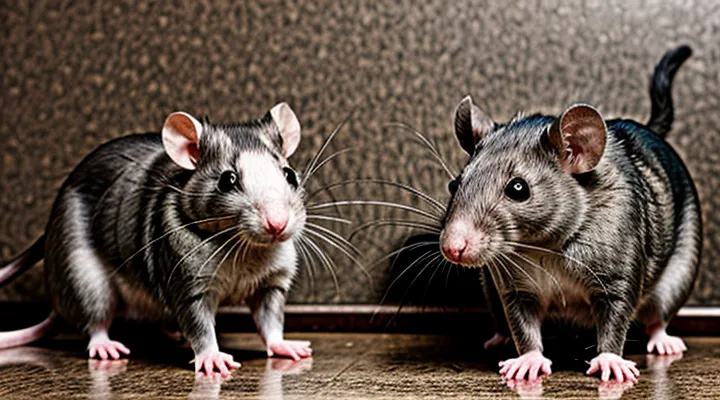
Is a Pet Rat Right for You?
Advantages of Owning Rats
Rats make highly intelligent companions that adapt quickly to domestic environments. Their small size allows integration into apartments and shared living spaces without demanding extensive floor area. Social interaction with rats reduces feelings of isolation, as the animals readily form bonds with human caretakers and other rats.
• High trainability – rats learn tricks, respond to clicker cues, and navigate obstacle courses, providing mental stimulation for both animal and owner.
• Short lifespan – an average of two to three years encourages owners to develop focused, compassionate care routines without long‑term commitment.
• Low maintenance – grooming requirements are minimal, and regular cage cleaning suffices to maintain hygiene.
• Affordable care – food, bedding, and veterinary expenses remain modest compared to larger pets.
• Health benefits – research links interaction with rats to decreased stress markers and improved mood, supporting overall well‑being.
Choosing a rat as a pet offers a combination of cognitive engagement, manageable upkeep, and emotional support, aligning with responsible small‑animal stewardship.
Considerations Before Adopting
Time Commitment
Pet rats demand a predictable schedule of interaction, hygiene, and health monitoring. Owners must allocate several minutes each day for cage inspection, food replenishment, and social engagement. Consistent handling reduces stress and supports behavioral development.
- Morning: Check water bottle for leaks, replace stale food, observe for signs of illness.
- Midday: Offer fresh vegetables or treats, provide short handling session of 5‑10 minutes.
- Evening: Clean any soiled bedding spots, ensure enrichment toys remain functional.
Weekly responsibilities include a thorough cage clean, which involves removing all bedding, washing the enclosure with mild disinfectant, and reinstalling fresh substrate. This process typically requires 30‑45 minutes and should be performed once every seven days to prevent odor buildup and parasite proliferation.
Monthly tasks extend to health assessments such as weight measurement, dental inspection, and grooming of nails if overgrowth is detected. Scheduling a veterinary check‑up at least twice a year adds an additional 15‑20 minutes for transport and consultation, reinforcing preventive care.
Long‑term planning accounts for the rat’s 2‑3‑year lifespan, requiring sustained commitment to daily, weekly, and monthly routines. Failure to maintain this schedule compromises welfare, increases disease risk, and diminishes the animal’s quality of life.
Financial Investment
Financial planning for small‑rodent companionship requires consideration of initial acquisition costs, ongoing expenses, and long‑term budgeting. The purchase price of a healthy rat, including a reputable breeder’s fee, typically ranges from $15 to $30 per animal. Essential supplies—cage, bedding, enrichment toys, and feeding equipment—add an additional $50 to $100 at the outset.
Ongoing monthly costs encompass nutrition, veterinary care, and replacement items. High‑quality grain‑based pellets cost approximately $5 to $8 per month, while fresh produce adds $2 to $4. Veterinary examinations, vaccinations, and emergency treatments average $15 to $25 per month when spread over a year. Bedding and chew toys require replacement every two to four weeks, contributing $10 to $15 monthly.
A simple budgeting framework can guide responsible investment:
- Identify fixed costs (cage, initial supplies) and allocate them to a one‑time capital fund.
- Estimate variable monthly expenses (food, veterinary, consumables) and set aside a recurring amount in a dedicated savings account.
- Establish an emergency reserve equal to three months of variable costs to cover unforeseen health issues.
Long‑term financial commitment extends beyond the typical 2‑3‑year lifespan of a pet rat. Owners should anticipate the cumulative expense of multiple animals, as rats are social and often kept in pairs or groups. Multiplying the monthly estimate by the number of rodents provides a realistic projection of total outlay.
Strategic investment in pet rat care reduces the likelihood of unexpected costs, ensures consistent access to quality nutrition and medical attention, and supports the overall welfare of the animals. By treating these expenditures as a structured financial plan, owners align their resources with the responsibilities of small‑rodent stewardship.
Potential Health Issues
Pet rats are prone to several distinct health problems that require prompt identification and appropriate management. Recognizing clinical signs early improves outcomes and reduces suffering.
Common conditions include:
- Respiratory infections such as Mycoplasma pulmonis, manifested by sneezing, nasal discharge, and labored breathing. Treatment typically involves antibiotics selected based on culture results and supportive care.
- Skin parasites, notably fur mites (Radfordia spp.) and lice, which cause itching, hair loss, and crusted lesions. Effective control relies on topical acaricides or systemic insecticides prescribed by a veterinarian.
- Gastrointestinal disturbances, including diarrhea and constipation. Diarrhea often signals bacterial overgrowth or dietary imbalance; constipation may result from low-fiber diets. Fluid therapy and dietary adjustments are primary interventions.
- Dental overgrowth, a frequent issue due to continuously growing incisors. Uneven wear leads to malocclusion, weight loss, and facial swelling. Regular dental examinations and trimming under anesthesia prevent severe complications.
- Ocular problems such as conjunctivitis and corneal ulcers, presenting with redness, discharge, and visual impairment. Topical antibiotics or lubricants, combined with environmental hygiene, are essential.
- Tumors, particularly mammary adenocarcinomas in females, appear as palpable masses. Early surgical removal offers the best prognosis; histopathology confirms diagnosis.
- Metabolic bone disease, resulting from calcium or vitamin D deficiency, causes limb weakness and fractures. Balanced nutrition and appropriate lighting mitigate risk.
Preventive strategies encompass:
- Providing a clean, well‑ventilated enclosure to reduce airborne pathogens.
- Supplying a diet rich in high‑quality protein, fresh vegetables, and adequate fiber.
- Implementing a regular health‑check schedule with a qualified exotic‑animal veterinarian.
- Maintaining strict quarantine for new arrivals to avoid introducing infectious agents.
Timely veterinary consultation remains the cornerstone of effective treatment for any of these conditions.
Preparing for Your New Rats
Choosing the Right Cage
Size and Bar Spacing
Pet rats require enclosures that accommodate their natural activity levels while preventing injuries. The cage interior must provide sufficient floor space; a minimum of 2 sq ft per adult rat ensures comfortable movement and reduces stress. Larger groups benefit from additional area, ideally 3 sq ft per rat, to allow simultaneous exploration without crowding.
Bar spacing directly influences safety. Gaps between cage bars must not exceed ½ inch (≈1.3 cm). This dimension prevents escape and protects delicate paws and whiskers from becoming trapped. Bars spaced wider than this threshold increase the risk of entrapment and subsequent injury.
Key specifications:
- Minimum floor area: 2 sq ft per rat (≈0.19 m²)
- Recommended floor area for groups: 3 sq ft per rat (≈0.28 m²)
- Maximum bar gap: ½ inch (≈1.3 cm)
- Bar diameter: ¼ inch (≈0.6 cm) for structural strength
Adhering to these measurements creates a secure environment that supports healthy locomotion, social interaction, and overall well‑being.
Cage Location
The position of a rat enclosure directly influences health, behavior, and safety. Proper placement minimizes stress, reduces the risk of illness, and facilitates routine maintenance.
Key environmental factors to evaluate when choosing a location:
- Stable temperature between 18 °C and 24 °C; avoid areas near heating vents or air‑conditioner drafts.
- Low ambient noise; select a quiet room away from televisions, speakers, or frequent foot traffic.
- Consistent lighting; provide natural light without direct sunlight that can overheat the cage, and maintain a regular day‑night cycle.
- Accessibility for cleaning; ensure the cage can be reached without moving heavy furniture or obstructing pathways.
- Separation from food preparation zones; keep the enclosure away from kitchens and dining areas to prevent contamination.
Recommended placement guidelines:
- Locate the cage on a sturdy, level surface such as a table or cabinet shelf, not on the floor.
- Position the enclosure at least 30 cm from windows to avoid direct sun exposure and drafts.
- Maintain a distance of at least 1 meter from noisy appliances, including washing machines and televisions.
- Ensure the cage is within easy sight for observation but not in a high‑traffic hallway where sudden movements may startle the rodents.
- Provide a stable, quiet corner where temperature fluctuations are minimal and cleaning tools can be stored nearby.
Essential Cage Accessories
Bedding and Substrate
Bedding and substrate directly affect a rat’s health, comfort, and hygiene. Selecting material that absorbs moisture, controls odor, and allows for natural digging behavior is essential for optimal husbandry.
Suitable options include:
- Aspen shavings – low dust, non‑toxic, easy to replace.
- Paper‑based pellets – high absorbency, minimal dust, biodegradable.
- Coconut fibre – soft, encourages burrowing, requires regular monitoring for mold.
Materials to avoid:
- Cedar or pine – aromatic oils cause respiratory irritation.
- Straw – high dust content, promotes fungal growth.
Maintenance practices:
- Provide a layer of 2–3 cm depth, allowing rats to rearrange the substrate.
- Replace the entire bedding weekly, or sooner if dampness or strong odor appears.
- Spot‑clean daily by removing soiled sections and adding fresh material.
Temperature and humidity control complement substrate performance. Keep enclosure temperature between 18 °C and 24 °C and relative humidity below 60 %. Regular ventilation reduces ammonia buildup, preserving respiratory health.
Choosing the right bedding and adhering to a consistent cleaning schedule creates a stable environment that supports the well‑being of pet rats.
Food and Water Dispensers
A reliable dispenser prevents food spillage, reduces waste, and maintains a clean cage environment. Consistent access to nutritionally balanced pellets or fresh produce supports healthy growth and prevents aggressive foraging behavior.
Food dispensers fall into two main categories. Gravity‑fed containers deliver a steady flow of dry food, while timed‑release models dispense measured portions at preset intervals. Gravity systems are simple to clean; timed units allow precise control of caloric intake, useful for rats on weight‑management plans.
Water bottles must provide a leak‑proof seal and a stainless‑steel drinking tube that resists gnawing. The bottle should be positioned above the cage floor to keep the water source out of reach of contaminated bedding. Regular inspection of the tube for blockages ensures uninterrupted hydration.
Maintenance procedures:
- Disassemble dispenser after each weekly cleaning cycle.
- Rinse all components with warm, unscented water; avoid harsh detergents.
- Dry thoroughly before reassembly to prevent mold growth.
- Inspect seals and tubing for wear; replace any damaged parts promptly.
Choosing a dispenser that matches the cage size, feeding schedule, and the rats’ chewing habits enhances overall welfare and simplifies daily care.
Enrichment and Toys
Enrichment supplies mental stimulation and promotes natural foraging behavior in domestic rats. Providing a variety of objects encourages exploration, reduces boredom, and supports muscular development.
- Tunnels and PVC pipes create concealed pathways for crawling.
- Wooden chew blocks satisfy dental wear and offer tactile interest.
- Climbing ladders, ropes, and fabric hammocks develop agility.
- Puzzle feeders dispense treats when manipulated, reinforcing problem‑solving skills.
- Nesting material such as shredded paper or fleece allows construction of secure sleeping areas.
- Mirrors or reflective surfaces introduce visual novelty without risk of injury.
Rotate items regularly to maintain novelty; introduce new objects gradually to prevent stress. Inspect all accessories for sharp edges, loose parts, or toxic coatings before placement. Clean reusable toys with mild soap and hot water, rinse thoroughly, and dry before returning to the cage. Monitoring interaction patterns identifies preferred enrichment and informs future selections.
Selecting Your Rats
Where to Adopt
Adopting a pet rat requires locating reputable sources that prioritize animal welfare and provide health guarantees. Shelters and rescue organizations often have rats rescued from neglectful situations; they typically conduct veterinary examinations, vaccinate, and spay/neuter when appropriate. Contact local animal shelters, humane societies, or specialized rodent rescue groups to inquire about availability and adoption procedures.
Breeder networks that focus on responsible breeding can be another option. Ethical breeders maintain clean facilities, perform health screenings, and retain records of lineage. Verify breeder credentials through rodent‑owner associations, request references, and inspect living conditions before committing.
Pet stores occasionally carry rats sourced from reputable breeders. Prioritize establishments that display health certificates, quarantine information, and allow observation of the animals’ environment. Avoid stores that sell rats in cramped cages without veterinary oversight.
Online platforms aggregate listings from shelters, rescues, and breeders. Use sites that require verification of seller identity, provide detailed health histories, and facilitate direct communication. Exercise caution with unverified sellers; request photos, health documentation, and, if possible, a video tour of the rat’s housing.
Key considerations when choosing an adoption source:
- Confirmation of recent veterinary check‑up and vaccination status.
- Transparency of health records and any known medical issues.
- Availability of a return policy or post‑adoption support.
- Evidence of proper socialization and handling experience.
After selecting a source, prepare a suitable cage, enrichment items, and a balanced diet before bringing the rat home. Promptly schedule a veterinary appointment to establish a health baseline and receive guidance on ongoing care.
Health Indicators to Look For
Monitoring the physical condition of a pet rat is essential for early detection of disease. Regular observation of specific indicators provides a reliable gauge of wellbeing.
- Weight: steady or gradually increasing weight reflects adequate nutrition; sudden loss of several grams within a few days signals possible illness or stress.
- Coat: a sleek, glossy coat denotes health; patches of dullness, thinning, or hair loss often accompany skin disorders or parasites.
- Eyes and nose: clear, bright eyes without discharge and a dry, unobstructed nasal passage indicate normal function; watery eyes, crusting, or nasal secretions suggest respiratory infection.
- Ears: clean, unblemished ear canals are normal; redness, swelling, or foul odor point to otitis or mite infestation.
- Behavior: active exploration, regular grooming, and normal social interaction are positive signs; lethargy, hunching, or isolation may precede systemic problems.
- Respiration: quiet, regular breathing without audible wheezing or labored effort is expected; rattling, clicking, or open‑mouth breathing denotes respiratory distress.
- Stool: firm, well‑formed pellets of consistent size and color show proper digestion; diarrhea, blood, or abnormal coloration requires immediate attention.
- Teeth: continuously growing incisors should be trimmed by natural gnawing; overgrown or misaligned teeth cause difficulty eating and can lead to malnutrition.
Any deviation from these baseline observations warrants prompt veterinary consultation. Consistent record‑keeping of weight measurements and daily visual checks enhances the ability to identify trends and intervene before conditions become severe.
Number of Rats to Adopt
Adopting the right number of rats is a critical component of responsible pet rat ownership. Rats are highly social mammals; isolation can lead to stress‑related health problems, reduced lifespan, and behavioral issues. Therefore, a single rat should never be the sole occupant of a cage.
A pair of rats represents the minimum viable group. Two individuals can establish a bond, share grooming duties, and provide mutual stimulation. Larger groups—three to five rats—enhance social dynamics, distribute hierarchy more evenly, and reduce competition for resources. Groups exceeding five individuals require careful assessment of space and enrichment to prevent overcrowding.
Cage capacity directly influences the feasible group size. A minimum of 2 ft² (approximately 0.19 m²) of floor space per rat is recommended. For a trio, at least 6 ft² (0.56 m²) is essential; for five rats, a minimum of 10 ft² (0.93 m²) is advisable. Vertical space, climbing structures, and nesting material further expand usable area and promote natural behaviors.
Guidelines for determining the appropriate number of rats:
- Ensure at least two rats to satisfy social requirements.
- Calculate floor space: 2 ft² per rat as a baseline.
- Provide multiple hiding spots and enrichment items to accommodate group hierarchy.
- Monitor weight, coat condition, and behavior; adjust group size if signs of stress appear.
- Consider future expansion: select a cage that allows addition of one or two rats without compromising space standards.
By adhering to these parameters, prospective owners can select a group size that promotes health, reduces stress, and fosters a thriving rat community. «A well‑balanced group is the foundation of a happy, resilient pet rat colony.»
Daily Care and Maintenance
Feeding Your Rats
Staple Diet
A balanced staple diet supplies the nutrients required for growth, reproduction and disease resistance in domesticated rats. Commercially prepared rat blocks or pellets form the nutritional foundation; they contain calibrated levels of protein, fat, fiber, vitamins and minerals. Fresh vegetables such as kale, carrots and broccoli should be offered daily in small quantities to provide additional fiber and antioxidants. Fruits, including apple slices, berries or melon, can be added sparingly for enrichment and natural sugars. Supplemental protein sources—cooked egg, low‑fat plain yogurt or small pieces of lean meat—support muscle development and lactation when needed. Clean, fresh water must be available at all times, with bottles inspected and refilled regularly.
Safe Treats and Supplements
Pet rats thrive on a diet that balances commercial pellets with occasional natural foods. Safe treats supplement nutrition without introducing toxins or digestive disturbances.
Recommended treats include:
- Fresh vegetables such as carrots, broccoli, and kale, washed thoroughly and offered in small portions.
- Fresh fruits like apple (core removed), blueberries, and banana, limited to a few bite‑size pieces due to sugar content.
- Cooked plain lean proteins, for example, boiled chicken breast or scrambled egg, served without seasoning.
- Small amounts of whole‑grain cereals or unsweetened oatmeal, introduced gradually.
Supplements should address specific nutritional gaps:
- Vitamin C powder, administered at 10 mg per kilogram of body weight weekly, compensates for the species’ inability to synthesize the vitamin.
- Calcium carbonate tablets, crushed and mixed into food, support bone health, especially in breeding females.
- Probiotic blends containing Lactobacillus strains, added to water or food, promote gut flora balance and reduce the risk of diarrhea.
- Omega‑3 fish oil capsules, diluted in a teaspoon of water, improve coat condition and cognitive function.
All treats must be free of additives, preservatives, and artificial sweeteners. Foods high in fat, salt, or sugar—such as processed snacks, chocolate, or cheese—are unsuitable and may cause obesity or organ damage. Introduce any new item slowly, monitor for adverse reactions, and discontinue if symptoms like diarrhea, lethargy, or loss of appetite appear. Regular veterinary consultation ensures supplement dosages remain appropriate for the rat’s age, weight, and health status.
Foods to Avoid
Pet rats require a diet that excludes several common foods because those items can cause severe health problems.
- Citrus fruits (oranges, lemons, limes) – high acidity damages teeth and digestive lining.
- Chocolate – contains theobromine, which is toxic to rodents.
- Caffeinated beverages and foods – stimulant effect leads to cardiac stress.
- Processed meats and salty snacks – excess sodium and preservatives impair kidney function.
- Raw beans and legumes – contain lectins that interfere with nutrient absorption.
- Dairy products – rats lack lactase, resulting in gastrointestinal upset.
- High‑fat junk food (chips, fried items) – contributes to obesity and liver disease.
- Sugary candy and artificial sweeteners – promote dental decay and metabolic imbalance.
Consuming any of these items can produce symptoms such as vomiting, diarrhea, lethargy, or sudden death. Regular monitoring of food offerings eliminates accidental exposure and supports long‑term vitality.
Cage Cleaning and Hygiene
Daily Spot Cleaning
Daily spot cleaning maintains a healthy environment for pet rats by removing waste and preventing bacterial growth. The practice involves inspecting the cage each day and addressing localized messes without a full clean‑out.
- Remove droppings and urine from the cage floor, corners, and hideouts.
- Replace soiled bedding patches with fresh material; retain unaffected bedding to preserve nesting comfort.
- Wipe feeding platforms, water bottle spouts, and chew toys with a damp cloth; use a mild, rat‑safe disinfectant if residue is evident.
- Check for torn or contaminated enrichment items; discard or sanitize as needed.
- Inspect the cage for signs of mold, dampness, or unusual odors; address issues immediately to avoid health risks.
Consistent spot cleaning reduces stress for the animals, supports respiratory health, and extends the interval between comprehensive cage changes. Proper execution ensures a clean, stimulating habitat while minimizing labor and resource consumption.
Weekly Deep Cleaning
Regular «weekly deep cleaning» prevents odor buildup, reduces parasite risk, and maintains a healthy environment for pet rats. The process begins with cage emptying; all accessories, bedding, and toys are removed and inspected for damage.
- Remove all rats and place them in a secure temporary enclosure.
- Discard soiled bedding; replace with fresh, absorbent material.
- Wash cage walls, base, and accessories with hot water and a mild, animal‑safe detergent.
- Rinse thoroughly to eliminate any residue; allow components to air‑dry completely.
- Sanitize using a diluted vinegar solution (1 part vinegar to 4 parts water) or a commercially approved disinfectant; follow product instructions for contact time.
- Reassemble cage only after all parts are dry; add fresh bedding and cleaned toys.
After cleaning, reintroduce the rats and monitor behavior for signs of stress. Conduct a brief visual inspection of the enclosure each day to identify spills or soiled areas, allowing immediate spot cleaning and extending the interval between deep cleanings. Consistent adherence to this schedule sustains a hygienic habitat and supports the well‑being of the animals.
Handling and Socialization
Building Trust
Establishing trust with a pet rat reduces stress, simplifies handling, and enables reliable health observation. A rat that feels secure will approach the caretaker, accept gentle touch, and cooperate during routine care such as nail trimming or cage cleaning.
Key practices for building trust include:
- Maintaining a predictable daily schedule; the animal learns when interaction occurs.
- Approaching the cage calmly, extending a hand at the rat’s level to allow sniffing before contact.
- Offering small food rewards immediately after a brief touch, reinforcing positive association.
- Using slow, deliberate movements; sudden gestures trigger flight responses.
- Providing hiding places and nesting material, allowing the rat to retreat when needed.
- Limiting loud noises and abrupt environmental changes that can undermine confidence.
Continued reinforcement involves daily short sessions of hand‑feeding or gentle petting, observation of ear, whisker, and tail posture to gauge comfort, and adjustment of handling techniques when signs of tension appear. Consistency over weeks solidifies the bond, resulting in a cooperative companion that readily engages in routine husbandry tasks.
Playtime and Interaction
Playtime provides essential mental and physical stimulation for pet rats, preventing boredom‑related behaviors and supporting overall health.
Safe enrichment items include:
- Chewing blocks made of untreated wood or mineral‑based material.
- Tunnel systems constructed from solid plastic or acrylic.
- Climbing structures such as ladders, ropes, and textured platforms.
- Puzzle feeders that require manipulation to release food.
Interaction through direct handling should follow these principles:
- Approach slowly, allowing the rat to sniff the hand before contact.
- Support the body with both hands, avoiding pressure on the spine.
- Limit sessions to 5–10 minutes, gradually extending as tolerance increases.
- Perform gentle grooming, such as brushing the coat, to reinforce trust.
Rats are highly social; housing them in compatible groups encourages cooperative play. Introduce new companions gradually, monitoring for aggression. Provide shared enrichment that accommodates multiple individuals, fostering natural foraging and nesting behaviors.
Consistent, varied play sessions integrated into daily routine enhance cognitive development and strengthen the bond between owner and animal.
Health and Wellness
Common Health Problems
Respiratory Issues
Respiratory health is a critical component of successful rat husbandry. Common conditions include Mycoplasma pulmonis infection, bacterial pneumonia, and allergic reactions to dust or bedding. Early signs often appear as nasal discharge, audible breathing difficulties, or reduced activity. Prompt veterinary assessment and appropriate antimicrobial therapy can prevent progression to severe illness.
Key preventive measures:
- Provide low‑dust bedding such as paper products; avoid wood shavings that release irritant particles.
- Maintain ambient temperature between 18 °C and 24 °C; extreme cold or heat stresses the respiratory system.
- Ensure adequate ventilation without drafts; stagnant air promotes pathogen growth.
- Implement a regular cleaning schedule for cages, food dishes, and water bottles to reduce microbial load.
When a respiratory problem is suspected, follow a systematic approach:
- Isolate the affected individual to prevent transmission.
- Conduct a thorough physical examination, noting any nasal or ocular discharge.
- Collect samples for laboratory analysis if bacterial infection is suspected.
- Initiate targeted antibiotic treatment based on culture results; avoid broad‑spectrum drugs without confirmation.
- Monitor recovery daily, adjusting care as needed until normal breathing resumes.
Recognizing and addressing respiratory issues promptly safeguards the overall well‑being of pet rats and supports a stable, healthy colony.
Tumors and Lumps
Tumor formation in pet rats is a frequent health concern that requires prompt recognition and appropriate management.
Visible masses may appear as firm, rounded protrusions under the skin or as irregular growths within internal organs. Rapid enlargement, ulceration, or associated pain signals the need for veterinary evaluation.
Common neoplastic conditions include:
- Fibrosarcoma – malignant connective‑tissue tumor, often found on the ventral abdomen.
- Mast cell tumor – can cause swelling, itching, and systemic effects.
- Mammary adenocarcinoma – occurs in females, may metastasize to lungs and liver.
- Hepatocellular carcinoma – internal tumor, detectable by imaging or abnormal blood work.
Diagnostic steps typically involve physical examination, imaging techniques such as radiography or ultrasound, and tissue sampling via fine‑needle aspiration or biopsy. Histopathological analysis confirms tumor type and grade, guiding therapeutic decisions.
Treatment options vary by tumor classification and stage:
- Surgical excision – primary method for localized masses; complete removal reduces recurrence risk.
- Chemotherapy – employed for aggressive or metastatic disease; protocols adapted from small‑animal oncology.
- Palliative care – analgesics and anti‑inflammatory agents alleviate discomfort when curative treatment is not feasible.
Preventive measures focus on maintaining optimal husbandry: balanced nutrition, regular health monitoring, and minimizing exposure to carcinogenic agents. Early detection through routine palpation of the body surface increases the likelihood of successful intervention.
Owners should establish a relationship with a veterinarian experienced in exotic‑animal oncology to ensure timely assessment and evidence‑based care.
Parasites
Parasites represent a common health threat to domesticated rats and can compromise both the animal’s wellbeing and the hygiene of the enclosure.
External parasites include fleas, mites and lice. Typical signs are excessive scratching, hair loss, crusty skin and visible insects. Internal parasites comprise pinworms, tapeworms and coccidia; they often cause weight loss, diarrhea, bloating and a dull coat.
Effective control relies on regular inspection, preventive measures and prompt treatment.
- Conduct weekly visual checks of the fur, ears and ventral area for mites or lice.
- Use a fine-toothed comb to collect debris for microscopic examination when coccidia are suspected.
- Maintain clean bedding, replace it at least weekly, and sanitize cages with a dilute bleach solution (1 part bleach to 30 parts water) after each full cleaning.
- Implement a quarterly prophylactic treatment regimen approved by a veterinarian; common products include selamectin for external parasites and pyrantel pamoate for intestinal worms.
Veterinary consultation is essential when symptoms persist or when laboratory analysis confirms an infestation. Prescribed anti‑parasitic medication should follow the dosage guidelines specific to rats, as many products formulated for other species are toxic.
Environmental management reduces reinfestation risk. Store feed in sealed containers, prevent wild rodent access, and avoid using scented oils or herbal remedies that lack scientific validation.
Monitoring the health of pet rats includes tracking body condition, stool consistency and coat quality. Early detection of parasitic activity enables rapid intervention, minimizes the spread within a colony, and supports overall animal health.
Recognizing Signs of Illness
Recognizing early indicators of disease is essential for maintaining the health of a pet rat. Prompt identification allows timely veterinary intervention, reducing the risk of complications and supporting recovery.
Typical manifestations include:
- Decreased activity or reluctance to explore familiar environments.
- Noticeable reduction in food or water intake, leading to diminished fecal output.
- Unkempt fur, excessive scratching, or loss of the glossy coat.
- Labored breathing, audible wheezing, or nasal discharge.
- Ocular abnormalities such as redness, swelling, or discharge.
- Swelling or tenderness in the abdomen, limbs, or facial area.
- Sudden weight loss measured over consecutive days.
When any of these signs appear, the following steps are recommended:
- Isolate the affected rat to prevent potential spread of contagious conditions.
- Conduct a thorough physical examination, noting temperature, pulse, and respiratory rate.
- Contact a veterinarian experienced in small‑animal medicine, providing detailed observations and recent environmental changes.
- Follow prescribed treatment protocols, including medication administration, supportive care, and environmental adjustments such as humidity control and bedding sanitation.
- Monitor recovery progress daily, documenting improvements or persistent symptoms.
Consistent observation of behavior and physical condition forms the foundation of effective health management for rats kept as companions.
Finding a Rat-Savvy Veterinarian
Finding a veterinarian with specific experience in rodent medicine reduces the risk of misdiagnosis and ensures that treatment plans consider the unique physiology of pet rats. Practitioners who routinely handle small mammals are familiar with appropriate dosing, anesthesia protocols, and common ailments such as respiratory infections, skin parasites, and dental issues.
Key criteria for selecting a rat‑savvy veterinarian include:
- Formal training in exotic animal practice or certification from a recognized veterinary board.
- Documented history of treating rats or other small rodents, confirmed by case logs or client testimonials.
- Availability of diagnostic tools suitable for tiny patients, such as micro‑ultrasound and low‑volume blood‑sampling equipment.
- Willingness to discuss preventive care, including vaccination recommendations, dietary guidance, and environmental enrichment.
To locate qualified professionals, start with the following steps:
- Search directories of veterinary colleges or specialty societies that list members specializing in exotic animals.
- Contact local animal shelters or rodent rescue groups for referrals to veterinarians who have successfully treated rats.
- Review online forums dedicated to pet rat enthusiasts, noting recurring recommendations and reported outcomes.
- Arrange an initial consultation to assess the clinic’s hygiene standards, staff knowledge, and comfort with handling small mammals.
Choosing a veterinarian with proven expertise safeguards the health of pet rats and supports responsible, long‑term care.
Preventive Care
Preventive care is the foundation of healthy rat ownership. Regular health checks detect early signs of disease, allowing timely intervention. A clean environment reduces exposure to pathogens and parasites.
Key preventive actions include:
- Weekly cage cleaning: remove soiled bedding, disinfect surfaces with a rodent‑safe sanitizer, and replace fresh bedding.
- Monthly ectoparasite inspection: examine fur and skin for mites, lice, or fleas; treat with veterinarian‑approved products if needed.
- Balanced nutrition: provide a diet formulated for laboratory‑grade rats, supplement with fresh vegetables, and ensure constant access to clean water.
- Vaccination and deworming schedule: follow veterinary recommendations for immunizations against common viral agents and administer deworming agents at prescribed intervals.
- Stress minimization: maintain consistent lighting cycles, avoid loud noises, and provide enrichment items such as tunnels and chew toys to promote mental well‑being.
Dental health requires attention; rats’ incisors grow continuously, so providing chewable objects prevents overgrowth and related complications. Regular nail trimming prevents injuries and self‑trauma. Monitoring weight and behavior daily helps identify deviations from normal patterns, prompting veterinary consultation before conditions worsen.
Understanding Rat Behavior
Social Structures
Pet rats thrive in groups that mirror natural colonies, forming stable hierarchies and intricate social bonds. Dominance is established through brief, non‑violent encounters; the dominant individual gains priority access to food and preferred nesting sites, while subordinate members maintain vigilance and grooming duties.
Key elements of rat social organization include:
- Territorial boundaries – defined by scent markings and shared nesting chambers; boundaries reduce conflict and promote cooperation.
- Grooming networks – reciprocal cleaning strengthens bonds, lowers stress hormones, and enhances immune function.
- Play behavior – frequent chase and wrestling sessions reinforce hierarchy and develop motor skills.
- Communication signals – ultrasonic vocalizations, scent cues, and body postures convey status, hunger, and alarm.
A well‑structured colony minimizes aggression, improves resource distribution, and supports mental health. When introducing a new rat, gradual acclimation in a neutral enclosure, followed by supervised interaction, allows the existing hierarchy to adjust without severe disruption. Providing multiple shelters, enrichment toys, and ample space enables each individual to occupy a distinct niche, preserving the colony’s equilibrium.
«Rats are highly social creatures; their wellbeing depends on the quality of their group dynamics.» Proper management of these dynamics is essential for successful pet rat ownership and long‑term health.
Communication and Body Language
Understanding how pet rats convey information through gestures, vocalizations, and scent is essential for effective husbandry. Visual signals dominate their interactions; a relaxed rat displays a smooth coat, calm whisker position, and steady breathing. Tension appears as a puffed-up coat, flattened ears, and rapid, shallow breaths. When a rat feels threatened, it may arch its back, expose its belly, and emit high‑pitched squeaks. Playful behavior includes gentle nudges, tail‑wagging, and hopping, often accompanied by soft chirping. Aggression manifests through lunging, teeth baring, and a pronounced chattering sound.
Key body‑language cues:
- Ear posture – forward ears indicate curiosity; backward or flattened ears signal fear or submission.
- Tail position – a loosely hanging tail denotes relaxation; a tightly coiled tail suggests alertness or stress.
- Whisker orientation – forward whiskers show interest; whiskers pressed against the face reveal defensive intent.
- Facial expression – widened eyes and exposed teeth are warning signs; half‑closed eyes convey contentment.
Scent communication relies on glandular secretions deposited on bedding, food, and nesting material. Rats use these markers to recognize individuals, establish hierarchy, and signal reproductive status. Regular cleaning without removing all scent traces preserves familiar olfactory cues while preventing disease buildup.
Interpreting these signals enables caregivers to adjust environmental conditions, social groupings, and handling techniques, thereby promoting health, reducing stress, and fostering positive human‑rat relationships.
Training and Enrichment
Litter Training
Litter training is essential for maintaining a clean habitat and preventing health issues in domestic rats. Properly trained rats use a designated area for waste, reducing the need for frequent full‑cage cleaning.
Select a low‑dust, absorbent substrate such as paper‑based pellets or wood shavings. Avoid cedar or pine, which release volatile compounds harmful to respiratory systems. Place the litter material in a shallow tray or line the bottom of the cage, ensuring the surface is level and easily accessible.
Introduce the litter area gradually. Begin by confining the rat to a small section of the cage that contains only the chosen substrate. Allow the animal to explore and become familiar with the texture. Observe natural elimination behavior; rats typically squat when ready to void. When a squat occurs on the litter, reward the behavior with a small treat placed nearby.
Maintain consistency. Keep the litter dry by removing clumped waste daily and topping up fresh material as needed. Replace the entire substrate weekly to prevent odor buildup. Monitor for signs of avoidance, such as the rat eliminating outside the designated area, which may indicate an unsuitable litter type or excessive moisture.
Troubleshooting common issues:
- Persistent accidents outside the tray: verify that the litter depth is sufficient (approximately 1‑2 cm) and that the tray is stable.
- Reluctance to use the tray: experiment with alternative substrates, ensuring they are unscented and free of strong odors.
- Excessive dust: switch to a dust‑free paper product or a finely shredded cotton material.
Consistent application of these steps results in reliable litter use, contributing to a healthier environment for pet rats and simplifying overall cage maintenance.
Trick Training
Trick training involves shaping voluntary behaviours through positive reinforcement, providing mental stimulation and strengthening the human‑rat bond.
Before training begins, confirm that the rat is healthy, has a stable routine, and feels secure in a quiet, distraction‑free environment. Prepare a supply of small, highly palatable treats and a consistent marker signal such as a clicker or a distinct verbal cue.
Training sessions should be brief, lasting no more than five minutes, and focused on one behaviour at a time. Present the desired action, deliver the marker the instant the rat performs it, and follow with a treat. Repeat the sequence until the behaviour occurs reliably, then gradually increase the interval between marker and reward to encourage persistence.
Typical tricks that rats can learn include:
- Spin in a circle on command
- Retrieve a lightweight object and deliver it to the handler
- Touch a designated target with the nose
- Climb a short ladder or rung system
- Navigate a simple maze to reach a treat
Regular practice maintains skill retention; vary the order of tricks to prevent monotony. Monitor treat intake to avoid excessive calories, and adjust session length if signs of fatigue appear. Consistent, reward‑based training contributes to a well‑adjusted companion and enhances overall welfare.
Providing Mental Stimulation
Providing mental stimulation is essential for the well‑being of domestic rats. Engaging the species’ natural curiosity prevents boredom, reduces stress, and promotes healthy behavior patterns.
Practical enrichment methods include:
- Puzzle feeders that require manipulation to release food, encouraging problem‑solving.
- Tunnels, climbing structures, and hammocks that create three‑dimensional space for exploration.
- Foraging opportunities, such as scattering small pieces of treat within shredded paper or safe bedding.
- Training sessions using clicker or hand‑signal cues to teach simple tricks, reinforcing learning and bonding.
- Regular rotation of toys and rearrangement of the cage layout to maintain novelty.
Social interaction also contributes to cognitive health. Pairing compatible individuals or providing supervised supervised free‑play time outside the enclosure offers opportunities for social learning and play.
Monitoring response to enrichment is straightforward: increased activity, reduced repetitive behaviors, and the appearance of natural foraging actions indicate effective mental engagement. Adjust the complexity of challenges as the animal’s abilities develop, ensuring continuous cognitive growth.
Advanced Care and Considerations
Breeding Rats «To Breed or Not to Breed»
Breeding pet rats requires deliberate planning, knowledge of genetics, and commitment to the welfare of both parents and offspring. Successful breeding programs minimize health risks, reduce overpopulation, and support responsible ownership.
Key considerations include:
- Genetic compatibility: avoid pairing individuals with known hereditary defects, such as dwarfism or spinal abnormalities.
- Age limits: initiate breeding after the rat reaches sexual maturity (approximately 8–10 weeks) and cease before the age of 12 months to reduce complications.
- Health status: ensure both mates are free of parasites, respiratory infections, and other contagious conditions before cohabitation.
- Environmental stability: provide a spacious, well‑ventilated enclosure with nesting material, consistent temperature, and regular cleaning to prevent stress‑induced illnesses.
Potential outcomes of breeding:
- Increased demand for veterinary care due to pregnancy, birth, and neonatal issues.
- Greater responsibility for socialization, weaning, and long‑term placement of pups.
- Opportunity to preserve desirable traits, such as temperament and coat color, when guided by selective breeding practices.
Ethical assessment demands weighing the desire for new litters against the capacity to provide lifelong care for each animal. When breeding aligns with health standards, environmental adequacy, and a clear plan for future homes, it contributes positively to the pet rat community. Otherwise, abstaining from breeding prevents unnecessary suffering and supports sustainable pet ownership.
Traveling with Your Rats
Traveling with pet rats demands careful planning to ensure safety, comfort, and compliance with regulations.
Key preparation steps include:
- Conduct a health check by a qualified veterinarian within 48 hours before departure.
- Secure an appropriately sized, well‑ventilated carrier that allows the rat to stand, turn, and lie flat.
- Line the carrier with absorbent bedding, avoiding loose particles that could be inhaled.
- Pack a compact emergency kit containing treats, a water bottle with a drip‑proof tip, and any prescribed medication.
Carrier selection influences stress levels. Choose models with secure latches, clear visibility panels, and sturdy handles for stable transport. Place the carrier on a flat surface, preferably on a seat belt or a dedicated pet carrier strap, to prevent movement during transit.
Health considerations extend beyond the pre‑trip check. Maintain hydration by offering water at regular intervals; monitor for signs of overheating, such as rapid breathing or excessive grooming. Limit exposure to extreme temperatures by keeping the carrier away from direct sunlight or drafts.
Accommodation policies vary by airline, train, and bus operators. Verify pet‑friendly status, required documentation, and any breed or size restrictions before booking. Present a recent health certificate and, if requested, a vaccination record at check‑in.
Upon arrival, inspect the carrier for damage, provide fresh water, and allow the rat a brief acclimation period before releasing it into a secure enclosure. Continuous observation during the first hour post‑travel helps identify stress‑related issues promptly.
End-of-Life Care
End‑of‑life care for pet rats requires early recognition of declining health, pain relief, and a dignified transition. Observable indicators of terminal decline include rapid weight loss, persistent lethargy, difficulty breathing, and uncontrolled bleeding. Prompt veterinary consultation confirms prognosis and guides subsequent actions.
Key actions for humane care:
- Record changes in appetite, activity, and appearance; share observations with the veterinarian.
- Administer prescribed analgesics and anti‑inflammatory drugs according to dosage instructions; monitor for side effects.
- Provide a warm, quiet enclosure with soft bedding to reduce stress and maintain body temperature.
- Offer easily digestible foods such as plain boiled egg or soft fruit puree to sustain hydration and energy.
- Discuss euthanasia options with the veterinary professional; select a method that ensures rapid, painless loss of consciousness.
- After euthanasia, handle the body respectfully; consider burial in a pet‑friendly area or cremation, following local regulations.
Emotional support for the owner includes acknowledging grief, seeking counseling if needed, and preserving memories through photographs or keepsakes. Maintaining a compassionate approach throughout the process upholds the ethical standards of responsible rat companionship.