
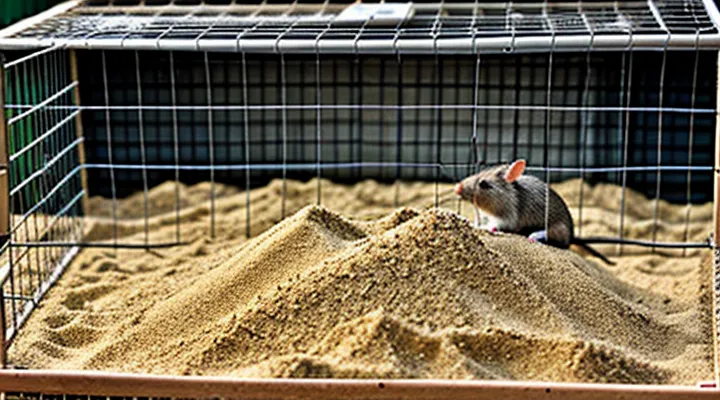
The Role of Substrate in Rat Habitats
Understanding Rat Behavior and Needs
Natural Instincts and Burrowing
Rats instinctively dig and create tunnels, a behavior rooted in their wild ancestry. Providing a material that permits burrowing satisfies this drive, reduces stress, and encourages normal locomotion.
A suitable substrate must meet three criteria: it should be safe if ingested in small amounts, allow easy excavation, and be easy to clean. Sand fulfills the digging requirement but presents drawbacks: it can become compacted, may cause respiratory irritation if dusty, and can be difficult to sterilize. Alternatives such as shredded paper, aspen bedding, or coconut fiber offer comparable tactile feedback while minimizing health risks.
Key considerations for selecting a burrowing medium:
- Safety: non‑toxic, low dust, low risk of impaction if consumed.
- Manipulability: soft enough for paws to displace, yet supportive of tunnel stability.
- Maintenance: quick to replace, compatible with cage cleaning protocols.
If sand is chosen, use fine, kiln‑dried particles, limit depth to a few centimeters, and replace it regularly to prevent mold and dust buildup. For most laboratory or home settings, a mixed substrate—e.g., 70 % paper bedding plus a thin layer of sand—provides the tactile benefits of digging while mitigating the associated hazards.
Scent Marking and Hygiene
Rats use scent marking to communicate territory, reproductive status, and stress levels. The substrate in a cage influences the visibility and longevity of these chemical signals. A fine, inert material such as sand allows markings to remain distinct for several hours, providing reliable feedback for social hierarchy and breeding cycles.
Hygiene is directly linked to the choice of bedding. Sand does not retain moisture, reducing the risk of bacterial growth and ammonia buildup. Regular removal of soiled sand, combined with weekly deep cleaning, maintains a low pathogen load and minimizes respiratory irritation. Compared with absorbent fibers, sand produces less waste clumping, which simplifies waste management and decreases the frequency of cage changes.
Key points for evaluating sand as a cage component:
- Retains scent marks without rapid degradation.
- Drains moisture, limiting bacterial proliferation.
- Produces minimal waste accumulation, easing cleaning routines.
- Requires periodic sifting to remove debris and fecal matter.
Overall, incorporating sand supports both the rats’ natural marking behavior and the keeper’s hygiene standards.
Types of Substrates and Their Suitability
Common Bedding Materials
Rats thrive when provided with a substrate that absorbs moisture, controls odor, and allows natural behaviors such as nesting and burrowing. Several bedding options meet these criteria, each with distinct properties.
- Wood shavings (aspen, pine, fir): High absorbency, moderate odor control. Aspen is low in aromatic oils, reducing respiratory irritation. Pine and fir contain phenols that may irritate sensitive rats.
- Paper-based bedding (recycled paper, cellulose): Soft, dust‑free, excellent at moisture retention. Supports nesting but offers limited digging texture.
- Corncob: Firm, low dust, good for chewing. Absorbs less liquid than paper or wood, requiring more frequent changes.
- Hemp: Naturally antimicrobial, low dust, soft. Provides moderate digging substrate.
- Coconut fiber (coir): Moisture‑wicking, biodegradable, offers a coarse surface for digging. May retain odors if not changed regularly.
- Sand: Provides a granular digging surface, mimics wild substrate. Does not absorb moisture, so it must be combined with an absorbent layer to prevent dampness and bacterial growth.
When evaluating whether sand is necessary, consider that all listed materials support health and enrichment without requiring sand. Sand can be added as a supplemental digging zone, but it does not replace the primary functions of absorbent bedding. Selecting a primary substrate that controls humidity and odor, then optionally adding a shallow sand tray, satisfies both hygiene and natural foraging instincts.
Materials to Avoid
When selecting a substrate for a rat enclosure, certain materials must be excluded because they pose health risks or create unsuitable living conditions.
Materials to avoid include:
- Cedar or pine shavings: contain aromatic oils that can cause liver damage and respiratory irritation.
- Silica‑based sand: fine particles become airborne, leading to lung inflammation and potential silicosis.
- Beach sand with shells or high calcium content: abrasive and can cause dental wear or urinary tract issues.
- Reclaimed wood chips treated with chemicals: may retain pesticides, preservatives, or heavy metals.
- Dust‑heavy corn cob or wheat straw bedding: generate excessive particulate matter that impairs breathing.
- Adhesives, glue, or sealants used to bind substrate layers: release volatile compounds harmful to small mammals.
- Fibrous or plush materials (e.g., fleece liners) that retain moisture: promote bacterial growth and skin infections.
Choosing substrates free of these hazards supports respiratory health, prevents toxic exposure, and maintains a clean, stable environment for rats.
The Specifics of Sand in a Rat Cage
Benefits of Sand (or lack thereof)
Potential for Digging and Enrichment
Rats exhibit a natural instinct to excavate, which can be harnessed to improve welfare when cage environments lack adequate substrate. Providing a medium that permits digging satisfies this drive, reduces stress, and encourages exploratory behavior.
- Loose sand allows the creation of burrows, tunnels, and shallow nests, mirroring conditions found in the wild.
- Manipulating sand stimulates forelimb coordination and promotes problem‑solving when rats rearrange the material.
- The tactile feedback from fine particles supports sensory development and can alleviate boredom during periods of limited human interaction.
When sand is unavailable, alternative substrates must meet the same criteria. Options such as shredded paper, coconut fiber, or specially formulated chewable bedding can replicate digging opportunities, though each varies in dust production, absorbency, and durability. Selecting an appropriate material requires balancing:
- Particle size that permits displacement without causing respiratory irritation.
- Cleanability to maintain hygiene and prevent pathogen buildup.
- Compatibility with cage design, ensuring that bedding does not obstruct ventilation or interfere with accessories.
In summary, the capacity for excavation is a critical component of enrichment for laboratory and pet rats. Providing a suitable digging substrate—whether sand or a comparable alternative—directly addresses the species‑specific need for construction behavior, thereby enhancing physical health and psychological stability.
Grooming and Coat Health
Rats groom several times daily; a clean coat prevents skin irritation, parasite buildup, and fur loss. The substrate inside the enclosure directly affects the effectiveness of this behavior.
A dry, fine-grained surface allows rats to rub excess oil and debris from their fur. Sand provides such a surface, enabling dust‑bathing that removes loose hair and reduces odor. However, sand does not replace regular cleaning; it can become compacted and retain moisture if not maintained.
-
Advantages of sand for coat health
-
Disadvantages of sand for coat health
- Can become damp, fostering bacterial growth.
- May be ingested inadvertently, posing a choking risk.
- Requires frequent sifting and replacement to stay effective.
If sand is unsuitable, alternative substrates—paper bedding, corncob pellets, or kiln‑dried wood shavings—provide adequate cleanliness while minimizing moisture retention. Supplemental grooming tools, such as soft brushes or chewable wooden toys, support coat maintenance without relying on sand.
Maintain a routine of weekly substrate inspection, spot‑cleaning of soiled areas, and monthly full‑depth changes. Observe the rat’s fur for signs of dullness, clumping, or skin irritation; adjust the bedding choice accordingly to preserve optimal coat condition.
Risks and Drawbacks of Sand
Respiratory Concerns
Sand in a rat enclosure can generate airborne particles that irritate the respiratory tract. Fine dust settles on the cage floor and becomes suspended when the animals move, creating a constant inhalation risk. Chronic exposure may lead to rhinitis, bronchitis, or exacerbate pre‑existing conditions such as asthma.
Key respiratory hazards associated with sand include:
- Dust inhalation: Small particles bypass the nasal filter and reach the lower airways, causing inflammation.
- Fungal spores: Moist sand promotes mold growth; spores become airborne and trigger allergic reactions.
- Ammonia buildup: Sand retains urine, and bacterial breakdown releases ammonia, which irritates the mucous membranes.
Mitigation strategies involve selecting low‑dust substrates, maintaining dry conditions, and performing regular cage cleaning to remove debris and control humidity. If sand is used, monitoring the rats for signs of respiratory distress—sneezing, labored breathing, nasal discharge—is essential for timely intervention.
Ingestion Hazards
Sand placed in a rat enclosure presents several direct ingestion risks. Rats are natural foragers and may consume sand while grooming or exploring, leading to gastrointestinal blockage. The fine particles can accumulate in the stomach and intestines, causing impaction that requires veterinary intervention. In addition, sand can retain moisture and become a breeding ground for bacteria or mold, which rats may ingest inadvertently, increasing the likelihood of infection or toxic reactions.
Potential hazards include:
- Mechanical obstruction: Ingested sand can form compact masses that obstruct the digestive tract, resulting in loss of appetite, abdominal swelling, and possible fatality if untreated.
- Chemical contamination: Sand sourced from outdoor environments may contain pesticides, heavy metals, or mineral dust that are toxic when ingested.
- Microbial growth: Damp sand can harbor pathogens such as Salmonella or E. coli, which rats may ingest during grooming.
- Dental wear: Persistent chewing on abrasive sand can accelerate tooth wear, leading to malocclusion and difficulty eating.
To mitigate these risks, replace sand with low‑dust, absorbent bedding materials designed for rodents, such as paper pulp or aspen shavings, which provide enrichment without the ingestion hazards associated with granular substrates. Regular monitoring of cage cleanliness and prompt removal of any spilled bedding further reduce the chance of accidental consumption.
Hygiene Challenges
Sand in a rat enclosure introduces several hygiene concerns. The granular substrate can retain moisture, creating an environment where bacteria and mold proliferate. Moist sand clumps around food and bedding, making thorough cleaning labor‑intensive and increasing the risk of contamination. Fine particles become airborne during handling, potentially irritating the respiratory tract of both rats and caretakers. Sand particles can embed in the fur, spreading to other cage components and complicating grooming routines. Accumulated waste settles deep within the substrate, reducing the effectiveness of spot cleaning and encouraging odor buildup.
Key hygiene challenges:
- Moisture retention – promotes microbial growth and odor.
- Dust generation – increases respiratory irritation.
- Cleaning difficulty – deep infiltration of waste limits spot‑clean efficiency.
- Cross‑contamination – sand carries waste to food, water, and other cage items.
- Fur entanglement – particles cling to fur, spreading contaminants throughout the habitat.
Alternatives to Sand for Enrichment
Dig Boxes with Safe Substrates
Dig boxes provide a designated area where rats can engage in natural digging behavior, which supports physical health and mental stimulation. When evaluating the necessity of sand in a rodent enclosure, the presence of a well‑filled dig box often reduces the need for loose sand throughout the cage, limiting dust and potential respiratory hazards.
Key considerations for selecting a substrate for dig boxes include:
- Paper‑based bedding – low dust, absorbent, easy to replace.
- Recycled wood shavings (non‑aromatic) – moderate texture, safe if sourced without added fragrances.
- Compressed coconut fiber (coir) – retains moisture, encourages nesting, biodegradable.
- Corncob pellets (pre‑soaked) – sturdy, low dust, provides chewable material.
Implementation guidelines:
- Size the dig box to occupy at least 15 % of the cage floor area, allowing sufficient space for burrowing.
- Maintain a depth of 2–3 inches of substrate to enable tunnel formation.
- Replace substrate weekly or when soiled to preserve hygiene and prevent bacterial growth.
By integrating a dig box with an appropriate, safe substrate, rat owners can satisfy digging instincts without relying on sand as a primary cage component. This approach promotes cleaner environments and reduces health risks associated with airborne particles.
Enrichment Toys and Activities
Enrichment devices compensate for the absence of a substrate such as sand by providing tactile, cognitive, and physical stimulation that rats naturally seek. When a cage lacks loose material, the environment must include objects that encourage digging, climbing, and problem‑solving to prevent boredom and promote natural behaviors.
- Chew blocks made of wood or mineral composites satisfy gnawing instincts and protect dental health.
- Hammocks and rope ladders create vertical space, allowing rats to explore height and develop muscular strength.
- Puzzle feeders requiring manipulation to release food stimulate foraging skills and mental acuity.
- Small tunnels and PVC tubes replicate burrow systems, offering concealment and opportunities for exploration.
- Interactive toys such as treat‑dispensing balls and rotating mazes introduce novelty and encourage repeated engagement.
A balanced enrichment program combines at least three of the items listed above, rotates them regularly, and monitors the rats for signs of stress or inactivity. By providing diverse, manipulable objects, caretakers can maintain welfare standards without relying on sand as the sole source of environmental complexity.
Best Practices for Rat Cage Setup
Recommended Bedding Options
Absorbency and Odor Control
Absorbency and odor control are critical factors when evaluating the use of sand in a rodent enclosure. Sand’s porous structure allows it to retain moisture from urine and spilled water, reducing surface wetness and limiting the spread of bacteria. However, the material’s capacity to hold liquids is finite; saturated sand can become compacted, creating a breeding ground for microbes and increasing the risk of respiratory irritation from dust particles.
Effective odor mitigation depends on the interaction between absorbent media and bacterial activity. When moisture is trapped in sand, bacterial decomposition of waste produces volatile compounds that generate unpleasant smells. Regular replacement of the substrate and thorough cleaning of the cage are necessary to prevent odor buildup. In practice, sand alone rarely provides sufficient control for high‑density housing or long‑term use.
Alternative substrates offer superior performance in both moisture management and odor suppression:
- Paper‑based bedding – high absorbency, low dust, rapid wicking of urine, easy disposal.
- Wood shavings (aspen) – moderate absorbency, natural antimicrobial properties, low aromatic oils that reduce respiratory risk.
- Specialized cellulose pellets – excellent moisture retention, minimal dust, long lasting before replacement is required.
When sand is selected, the following practices enhance its effectiveness:
- Choose fine‑grade, kiln‑dried sand to minimize dust generation.
- Layer the cage floor with a thin sheet of absorbent paper beneath the sand to increase wicking.
- Replace the sand completely at least once a week, or more frequently if visible dampness occurs.
- Incorporate a ventilation system to disperse volatile odor compounds.
Regulatory guidelines for laboratory rodents recommend substrates that provide consistent dryness and low odor potential. Empirical data indicate that sand meets these criteria only under controlled conditions with frequent maintenance. For most pet rat owners, bedding options with higher absorbent capacity and lower dust production deliver more reliable odor control and healthier living conditions.
Comfort and Safety
The decision to include sand in a rat enclosure hinges on how the material influences the animal’s comfort and safety.
Sand offers a granular surface that mimics natural burrowing conditions. Rats can use it to create shallow depressions, which reduces pressure on paws and joints. The texture also allows for occasional dust‑bathing, a behavior that supports coat maintenance. However, sand can become compacted, limiting its softness and potentially creating hard spots that irritate foot pads.
Safety considerations focus on respiratory health and ingestion risk. Fine particles become airborne during movement, creating dust that may irritate the nasal passages and lungs. Ingested sand can accumulate in the digestive tract, leading to blockages. Moreover, loose sand can obstruct cage mechanisms, such as wheel bearings, and complicate routine cleaning, increasing the likelihood of bacterial growth.
Key points for evaluating sand as a substrate:
- Comfort
- Provides a natural digging medium.
- Allows low‑impact locomotion when kept loose.
- Safety
- Generates respirable dust; requires regular replacement and ventilation.
- Poses ingestion hazards; monitor for excessive chewing.
- May interfere with equipment; ensure compatibility with cage design.
When sand is selected, choose a coarse, low‑dust variety, replace it frequently, and combine it with a solid base layer to prevent compaction. Alternatives such as paper bedding, aspen shavings, or coconut fiber deliver comparable comfort without the respiratory drawbacks. The final choice should balance tactile enrichment with the minimization of health risks.
Maintaining a Clean Environment
Regular Cage Cleaning
Regular maintenance of a rat enclosure determines whether bedding such as sand can be used safely. Frequent removal of waste, replacement of soiled substrate, and thorough disinfection prevent ammonia buildup, respiratory irritation, and pathogen proliferation. These conditions directly affect the suitability of sand as a floor covering.
Cleaning should follow a fixed timetable:
- Daily: Spot‑clean visible droppings and uneaten food; replace soiled sections of sand with fresh material.
- Weekly: Remove all substrate, wash the cage with a mild detergent, rinse thoroughly, and apply a safe disinfectant. Allow the cage to dry completely before adding new sand.
- Monthly: Inspect cage components for wear, replace worn parts, and perform a deep‑clean of any accessories that remain in the enclosure.
Consistent cleaning maintains low humidity and stable temperature, which are critical when sand is present because sand retains moisture and can become a breeding ground for mold if left untreated. By adhering to the schedule above, sand can be incorporated without compromising rat health, while the overall hygiene of the habitat remains optimal.
Spot Cleaning and Substrate Replacement
Spot cleaning in a rat enclosure involves removing soiled or wet sections of the bedding without disturbing the entire substrate. The process reduces ammonia buildup, prevents bacterial growth, and minimizes stress for the animals. Effective spot cleaning follows these steps:
- Identify contaminated areas by visual inspection or odor detection.
- Use a small scoop or scoop‑style tool to lift the affected material.
- Dispose of the waste in a sealed container to avoid cross‑contamination.
- Replace the removed portion with fresh, dry substrate of the same type, ensuring a uniform depth.
Regular substrate replacement is essential when the bedding’s overall condition deteriorates. Indicators for a full change include a persistent sour smell, clumped or damp material, and visible discoloration. The replacement procedure includes:
- Empty the cage of all accessories and animals.
- Remove the entire substrate, shaking it into a waste bag.
- Clean the cage with a mild, rodent‑safe disinfectant; rinse thoroughly and dry.
- Add a fresh layer of substrate, typically 2–3 cm deep, to provide adequate digging space.
- Return accessories and animals, monitoring for any signs of distress.
When sand is used as a component of the bedding, spot cleaning must address its unique properties. Sand does not absorb moisture, so spills or urine may pool on its surface, requiring immediate removal to prevent crust formation. During full substrate changes, sand should be sifted to eliminate clumped particles and then mixed with fresh bedding to maintain consistent texture.
Combining diligent spot cleaning with scheduled substrate replacement preserves hygiene, supports natural foraging behavior, and eliminates the need for sand as a sole moisture‑absorbing medium.