
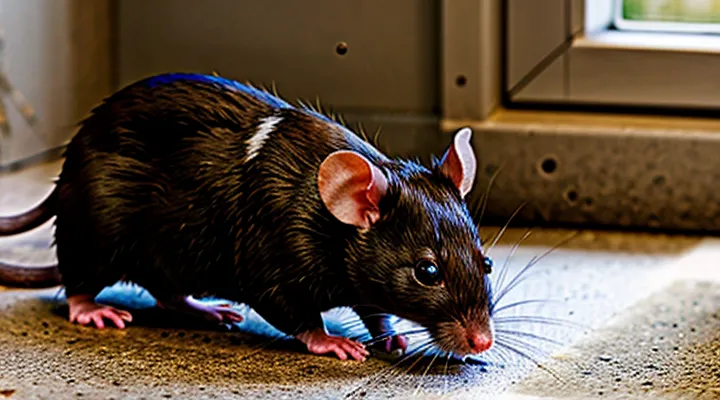
Understanding Mycoplasmosis in Rats
What is Mycoplasmosis?
Bacterial Agent
Mycoplasma organisms are the smallest self‑replicating bacteria, lacking a rigid cell wall and possessing a flexible membrane enriched with sterols. In rats, the most common species is Mycoplasma pulmonis, which colonizes the respiratory tract and can cause chronic pneumonia, otitis media, and sinusitis. The pathogen spreads primarily through direct contact, aerosolized secretions, and contaminated bedding, allowing rapid transmission within laboratory and pet colonies.
Human exposure occurs when individuals handle infected rats or their environments without adequate protective measures. Documented cases of zoonotic infection are rare; when transmission does happen, symptoms resemble atypical respiratory infection, including cough, low‑grade fever, and malaise. The low incidence reflects both the limited ability of rat‑derived Mycoplasma to adhere to human epithelial cells and the organism’s sensitivity to standard antibiotics such as macrolides and tetracyclines.
Key points for risk assessment:
- Host specificity: Rat‑derived strains show strong preference for rodent tissues; cross‑species attachment is inefficient.
- Transmission routes: Direct handling, aerosol inhalation, and contaminated surfaces are the primary pathways.
- Clinical presentation in humans: Mild, self‑limiting respiratory illness; severe disease is uncommon.
- Diagnostics: Culture on specialized media, PCR targeting 16S rRNA, and serology can confirm infection.
- Prevention: Use of personal protective equipment, regular cage cleaning, and health monitoring of rodent colonies reduce exposure.
Overall, the bacterial agent responsible for mycoplasmosis in rats presents a low public health threat. Proper laboratory practices and hygiene substantially mitigate the already minimal risk of human infection.
Common Symptoms in Rats
Mycoplasma infection in laboratory and pet rats produces a recognizable pattern of clinical signs that can be observed without specialized equipment. The disease primarily targets the respiratory tract, but secondary effects appear throughout the organism.
- Nasal discharge, often serous or muco‑purulent
- Sneezing and audible wheezing during respiration
- Labored breathing, especially when the animal is at rest
- Conjunctival redness and occasional ocular discharge
- Reduced activity, lethargy, and reluctance to explore
- Weight loss or failure to gain weight despite adequate feeding
- Poor coat condition, with a dull, unkempt appearance
- Occasional hind‑limb weakness or ataxia in severe cases
These manifestations develop gradually, typically over several weeks, and may fluctuate with environmental stressors such as overcrowding or poor ventilation. Early detection of the listed symptoms enables timely veterinary intervention, lowers the probability of pathogen spread within a colony, and minimizes the potential for incidental human exposure.
Zoonotic Potential of Mycoplasmosis
Can Mycoplasma from Rats Infect Humans?
Species Specificity of Mycoplasma
Mycoplasma infections exhibit a high degree of host restriction. Strains isolated from laboratory and wild rats belong primarily to the Mycoplasma pulmonis complex, which colonizes the respiratory tract and causes chronic respiratory disease in rodents. Human‑associated mycoplasmas, such as Mycoplasma pneumoniae, Mycoplasma genitalium, and Mycoplasma hominis, display distinct surface proteins and metabolic pathways that enable attachment to human epithelial cells and evasion of the human immune system. The genetic divergence between rat‑adapted and human‑adapted species limits natural cross‑species transmission.
Key factors governing species specificity include:
- Adhesin repertoire: rat‑specific Mycoplasma express P1‑like proteins that bind rodent sialic acid variants; human strains target human‑specific glycoconjugates.
- Genome reduction: rodent isolates retain genes for nutrients abundant in rodent tissues, while human isolates maintain pathways for metabolites prevalent in human environments.
- Immune evasion mechanisms: human mycoplasmas possess variable surface lipoproteins that undergo antigenic switching, a feature rarely observed in rat strains.
Experimental inoculation of rats with human mycoplasmas rarely results in infection, and converse attempts with rat Mycoplasma pulmonis in human cell cultures fail to establish replication. Serological surveys of laboratory personnel working with infected rodents show negligible antibody prevalence, supporting the conclusion that rodent‑specific mycoplasmas pose minimal direct risk to human health.
Documented Cases of Transmission
Documented instances of Mycoplasma transmission from rats to humans remain few but provide clear evidence of zoonotic potential. Laboratory personnel handling infected rodents have reported respiratory symptoms confirmed by serology for Mycoplasma pulmonis. A 2004 case series from a university animal facility described three technicians who developed persistent cough and low‑grade fever; polymerase chain reaction (PCR) on sputum samples identified the same strain present in the colony’s rats.
Occupational exposure in veterinary clinics yields additional reports. In 2011, a veterinary assistant treating a rat with severe respiratory disease presented with conjunctivitis and otitis media; ear‑canal cultures grew Mycoplasma spp., and genetic sequencing matched the isolate from the animal. The patient recovered after a course of macrolide antibiotics.
Wild‑life studies have recorded indirect transmission. A 2018 surveillance project in urban sewer systems detected Mycoplasma DNA in rodent droppings and in the nasal swabs of sanitation workers who reported occasional nasal irritation. Although clinical disease was not confirmed, the presence of identical genetic markers suggests environmental exposure.
Key characteristics of the reported cases include:
- Direct contact with infected rats or their secretions
- Respiratory or mucosal manifestations in humans
- Confirmation through PCR, culture, or sequencing
- Resolution after targeted antimicrobial therapy
Overall, the limited but documented cases demonstrate that rat‑associated mycoplasmosis can cross species barriers under specific conditions, primarily involving close or occupational contact.
Modes of Potential Transmission
Direct Contact
Mycoplasma pulmonis infection in laboratory and pet rats can be transmitted to humans only through direct physical interaction with contaminated secretions, skin lesions, or excreta. The bacterium lacks a rigid cell wall, enabling it to adhere to mucosal surfaces and survive briefly outside the host. Human cases are rare and usually involve individuals with occupational exposure (e.g., animal caretakers, researchers) who handle infected rodents without protective barriers.
Evidence from epidemiological reports indicates:
- Documented human infections are limited to immunocompromised patients.
- Transmission occurred after skin abrasions or mucous‑membrane contact with rat urine, saliva, or nasal discharge.
- No documented cases of aerosol or indirect environmental spread have been confirmed.
Preventive measures for direct contact include:
- Wearing disposable gloves and lab coats when handling rats.
- Using face shields or goggles if exposure to nasal secretions is possible.
- Cleaning wounds immediately and disinfecting hands with an alcohol‑based solution.
- Isolating symptomatic animals and employing bio‑security protocols in animal facilities.
Risk assessment concludes that direct contact poses a low but non‑negligible hazard for susceptible individuals. Proper barrier protection and hygiene effectively mitigate the threat.
Indirect Contact via Environment
Mycoplasma infections in laboratory and pet rats can contaminate the surrounding environment. Excretions, urine, and respiratory secretions deposit the organism on bedding, cages, and food dishes. The bacteria survive on moist surfaces for several days, allowing indirect exposure to people handling contaminated materials.
Humans may acquire the pathogen through inhalation of aerosolized particles, contact with contaminated surfaces, or accidental ingestion of contaminated food. Cases of occupational exposure in animal‑care facilities have documented respiratory symptoms, primarily in immunocompromised individuals. Healthy adults exhibit low susceptibility, but the infection can exacerbate pre‑existing lung conditions.
Risk mitigation relies on strict hygiene protocols:
- Daily removal and autoclaving of used bedding.
- Disinfection of cages, work surfaces, and equipment with agents effective against Mycoplasma (e.g., 70 % ethanol, bleach solutions).
- Use of personal protective equipment, including gloves and masks, when handling rats or their waste.
- Isolation of infected colonies to prevent cross‑contamination of other animal rooms.
Environmental monitoring, such as periodic culture of cage swabs, assists in early detection and containment of outbreaks. Implementing these measures reduces the likelihood that indirect contact with rat environments poses a health threat to humans.
Aerosol Transmission
Aerosol particles generated by infected laboratory or pet rats can contain viable Mycoplasma organisms. Experimental studies demonstrate that Mycoplasma pulmonis spreads efficiently through airborne droplets among cohoused rodents, with infection rates rising sharply when ventilation is limited.
Human exposure occurs primarily in occupational settings—research facilities, animal‑care laboratories, and veterinary clinics. Reported cases of respiratory illness linked to rat‑derived Mycoplasma are exceedingly rare; most documented infections involve immunocompromised individuals and require prolonged, high‑density exposure. The organism’s limited host range and inability to adhere to human respiratory epithelium reduce the likelihood of successful colonisation.
Key factors influencing aerosol risk:
- Particle size: Respiratory droplets (1–5 µm) remain suspended, facilitating inhalation.
- Environmental conditions: Low humidity and poor air exchange increase viable particle concentration.
- Duration of exposure: Cumulative inhalation over weeks raises infection probability.
- Host susceptibility: Immunosuppression or underlying lung disease predisposes to infection.
Standard biosafety measures—use of Class II biological safety cabinets, HEPA filtration, and personal protective equipment—effectively limit airborne transmission. Consequently, while aerosol spread among rats is well documented, the threat to human health remains minimal under controlled laboratory conditions.
Risk Factors for Human Exposure
Who is at Risk?
Pet Owners
Pet owners who keep rats as companions must be aware that Mycoplasma bacteria can cause respiratory disease in these animals. The pathogen primarily affects the rodent’s lungs, leading to coughing, nasal discharge, and reduced activity. Human infection is rare, but documented cases involve laboratory workers and individuals with close, prolonged exposure to infected rats.
Key points for owners:
- Direct contact with a rat’s secretions (nasal fluids, saliva) presents the most plausible transmission route.
- Immunocompromised persons face a higher susceptibility to opportunistic infections.
- Standard hygiene practices—hand washing after handling cages, using gloves when cleaning, and avoiding mouth contact with animals—significantly reduce risk.
- Early veterinary diagnosis and treatment of affected rats limit bacterial load and lower the chance of zoonotic spread.
- Quarantine new rodents for at least two weeks and monitor for respiratory signs before introducing them to existing colonies.
Overall, the likelihood of a pet rat transmitting Mycoplasma to a healthy adult is low, provided owners implement basic biosecurity measures and seek veterinary care when respiratory symptoms appear.
Laboratory Workers
Laboratory personnel who handle rats infected with Mycoplasma species are exposed to a potential zoonotic hazard. The organism primarily colonises the respiratory tract of rodents, causing chronic respiratory disease, but occasional transmission to humans has been documented, especially among individuals with compromised immune systems or prolonged contact with contaminated bedding, aerosols, or bodily fluids.
Key occupational risks include:
- Inhalation of aerosolised droplets generated during cage cleaning, necropsy, or animal handling.
- Contact with contaminated surfaces, gloves, or protective equipment that have not been properly decontaminated.
- Accidental inoculation via needle sticks or mucous‑membrane exposure.
Preventive measures that must be implemented in any facility housing mycoplasma‑positive rodents:
- Enforce use of certified biological safety cabinets for procedures that generate aerosols.
- Require personal protective equipment (PPE) consisting of N95 respirators, disposable gloves, lab coats, and eye protection.
- Institute strict hand‑washing and surface‑disinfection protocols after each animal interaction.
- Conduct regular health surveillance of staff, including symptom screening and, when indicated, serological testing for Mycoplasma antibodies.
- Maintain negative pressure ventilation in animal rooms and ensure routine HEPA filtration of exhaust air.
- Isolate infected colonies and label cages with biohazard warnings to prevent inadvertent cross‑contamination.
Clinical presentation in exposed workers can mimic mild upper‑respiratory infection: cough, low‑grade fever, and transient fatigue. Diagnosis relies on polymerase chain reaction (PCR) detection of Mycoplasma DNA from respiratory specimens or seroconversion evidence.
If infection is suspected, immediate removal from the animal area, initiation of appropriate antimicrobial therapy, and notification of occupational health services are required. Documentation of the incident contributes to institutional risk assessments and informs future biosafety revisions.
Overall, adherence to rigorous containment practices, consistent PPE usage, and vigilant health monitoring substantially reduce the probability that rat‑borne mycoplasmosis will affect laboratory staff.
Veterinarians
Veterinarians are responsible for monitoring rat colonies for Mycoplasma infections that can affect respiratory health and potentially pose a risk to people in close contact. Their duties include early detection, accurate diagnosis, appropriate therapy, and guidance on preventive measures.
Key actions performed by veterinary professionals:
- Collecting respiratory samples for culture, polymerase chain reaction, or serological testing to confirm Mycoplasma presence.
- Administering antibiotics such as tetracyclines or fluoroquinolones, recognizing limited efficacy against chronic infections.
- Implementing husbandry improvements: reducing overcrowding, enhancing ventilation, and maintaining strict sanitation to limit pathogen spread.
- Advising owners and laboratory personnel on personal protective equipment, hand‑washing protocols, and safe handling techniques.
- Reporting confirmed cases to local public‑health agencies for epidemiological tracking and risk assessment.
Veterinarians also evaluate the likelihood of transmission to humans. Current evidence shows no documented human infections directly linked to rat Mycoplasma, but occupational exposure in research or breeding facilities warrants precautionary guidance. By integrating clinical expertise with biosecurity recommendations, veterinary practitioners reduce the probability of zoonotic events and protect both animal and human health.
Preventing Transmission and Managing Risks
Biosecurity Measures for Rat Owners
Hygiene Practices
Mycoplasma infections in laboratory and pet rats can be transmitted to humans through direct contact, aerosolized secretions, or contaminated surfaces. The primary concern is respiratory or conjunctival irritation, which may progress to systemic illness in immunocompromised individuals. Effective hygiene mitigates this risk.
Key hygiene measures:
- Wear disposable gloves and protective eyewear when handling rats or cleaning cages.
- Disinfect cages, bedding, and equipment daily with a 10 % bleach solution or an approved veterinary disinfectant.
- Wash hands with soap and water for at least 20 seconds after glove removal.
- Use dedicated clothing or lab coats that are laundered after each shift.
- Store feed and water containers in sealed containers to prevent droplet contamination.
- Limit aerosol generation by avoiding vigorous shaking of bedding and by using biosafety cabinets for procedures that may produce splashes.
- Implement a routine health monitoring program for rodent colonies, removing symptomatic animals promptly.
Adhering to these practices reduces the likelihood of zoonotic transmission and protects personnel working with potentially infected rodent populations.
Enclosure Maintenance
Proper enclosure maintenance directly reduces the likelihood that Mycoplasma infections in laboratory or pet rats will pose a hazard to people handling them. Clean cages eliminate fecal and respiratory secretions that carry the bacterium, limiting aerosol exposure for caretakers. Routine procedures should include:
- Daily removal of soiled bedding and droppings.
- Weekly disinfection of all surfaces with agents proven effective against Mycoplasma species (e.g., 70 % ethanol, quaternary ammonium compounds).
- Monthly deep cleaning that involves stripping, washing, and autoclaving reusable components.
- Regular inspection for cracks, gaps, or ventilation failures that could trap contaminated air.
Monitoring rodent health alongside enclosure hygiene provides early detection of respiratory disease, allowing immediate isolation of affected individuals. Personal protective equipment—gloves, masks, and lab coats—must be worn during cleaning to prevent inadvertent transfer of pathogens. Record-keeping of cleaning schedules, disinfectant concentrations, and observed rodent symptoms creates an audit trail that supports compliance with biosafety standards and minimizes the risk of zoonotic transmission.
Health Management of Pet Rats
Veterinary Care
Mycoplasma pulmonis infection in laboratory and pet rats can cause respiratory distress, otitis, and reproductive problems. Veterinary practitioners must recognize clinical signs early to limit animal suffering and reduce potential transmission to people who handle infected rodents.
Accurate diagnosis relies on culture, polymerase chain reaction, or serology performed by a qualified laboratory. Confirmation allows targeted antimicrobial therapy, typically using tetracyclines or macrolides, while monitoring for drug resistance.
Treatment protocols include:
- Initiating antibiotics promptly after diagnosis.
- Providing supportive care such as fluid therapy and humidified environments.
- Isolating affected animals to prevent spread within colonies.
- Re‑evaluating after a minimum of 10 days to confirm clinical resolution.
Preventive measures focus on biosecurity and colony management:
- Quarantine new arrivals for at least 30 days with health screening.
- Maintain cage hygiene, replace bedding regularly, and disinfect equipment with agents effective against Mycoplasma.
- Limit direct contact between rats and immunocompromised personnel; use gloves and protective clothing when handling sick animals.
Human infection with rodent‑associated Mycoplasma species is rare, but immunosuppressed individuals may develop respiratory or systemic illness after exposure. Veterinarians should educate owners about hand‑washing, personal protective equipment, and the importance of reporting unusual symptoms after contact with infected rodents.
Overall, diligent veterinary care—prompt diagnosis, appropriate antimicrobial use, strict isolation, and rigorous hygiene—protects both rat health and reduces the likelihood of zoonotic transmission.
Early Detection and Treatment
Early identification of Mycoplasma infection in laboratory and pet rats reduces the probability of transmission to humans. Clinical signs in rodents include nasal discharge, sneezing, ocular irritation, reduced weight gain, and occasional respiratory distress. Because symptoms may be mild, routine screening is essential for colonies with human contact.
- Serological testing: Enzyme‑linked immunosorbent assay (ELISA) detects specific antibodies within 7‑10 days after exposure. High‑throughput formats allow periodic sampling of multiple animals.
- Molecular diagnostics: Polymerase chain reaction (PCR) targeting the 16S rRNA gene provides definitive detection of Mycoplasma spp. in nasal swabs or lung tissue, with sensitivity below 10 CFU per reaction.
- Culture: Specialized Mycoplasma media support growth but require 2‑4 weeks for colony formation; used primarily for strain typing.
Prompt treatment limits bacterial load and curtails shedding. Recommended therapeutic regimen includes:
- Enrofloxacin – 10 mg/kg orally once daily for 7‑10 days; effective against most rat‑derived Mycoplasma isolates.
- Tilmicosin – 5 mg/kg subcutaneously every 24 hours for 5 days; alternative for enrofloxacin‑resistant strains.
- Supportive care – humidified environment, nutritional supplementation, and isolation of affected animals to prevent cross‑infection.
Successful eradication is confirmed by two consecutive negative PCR assays spaced 14 days apart. Maintaining a negative status in rat colonies diminishes the zoonotic threat, as human cases are rare and typically linked to prolonged exposure to heavily infected rodents. Regular health monitoring, combined with immediate antimicrobial intervention, constitutes the most effective strategy for protecting both animal and public health.
Occupational Safety for Professionals
Personal Protective Equipment
Mycoplasma infections in laboratory or field‑caught rats can be transmitted to humans through direct contact, aerosol exposure, or contaminated surfaces. Personnel who handle infected rodents, collect specimens, or work in areas where the pathogen may be present must adopt protective measures that prevent inhalation, skin penetration, and mucous‑membrane contact.
Effective personal protective equipment includes:
- Disposable nitrile or latex gloves that cover the forearms, changed after each animal handling session.
- Fluid‑resistant laboratory coats or coveralls with sealed cuffs to avoid skin exposure.
- Eye protection such as goggles or face shields to block splashes and aerosol droplets.
- Respiratory protection rated at least N95, or a powered‑air‑purifying respirator when performing necropsies, cage cleaning, or aerosol‑generating procedures.
- Closed, puncture‑proof footwear or shoe covers to prevent contamination from bedding or droppings.
Training on proper donning, doffing, and disposal of PPE reduces the risk of self‑contamination and cross‑contamination between workspaces. Regular inspection of equipment for tears, cracks, or filter degradation is essential; compromised items must be replaced immediately. Decontamination protocols—using appropriate disinfectants on surfaces and equipment—should be applied before removal of protective gear to minimize pathogen transfer.
Implementing these safeguards aligns with biosafety level recommendations for handling rodent‑borne Mycoplasma species and ensures that occupational exposure remains negligible.
Facility Protocols
Mycoplasma contamination in rat colonies presents a measurable occupational hazard. Effective containment relies on documented procedures that limit aerosol and direct contact transmission within animal facilities.
- Enforce barrier housing: individually ventilated cages with HEPA‑filtered airflow prevent cross‑contamination between rooms.
- Require personal protective equipment: disposable gloves, lab coats, and fit‑tested respirators for any activity involving cage handling, necropsy, or sample collection.
- Implement routine health surveillance: monthly PCR screening of sentinel animals, serology of colony members, and immediate quarantine of positive cages.
- Maintain strict waste management: autoclave all bedding, carcasses, and disposable PPE before disposal; treat liquid effluent with validated disinfectants effective against mycoplasmas.
- Conduct environmental decontamination: weekly surface disinfection using agents with proven mycoplasma inactivation; verify efficacy with contact‑time records.
- Provide comprehensive training: mandatory instruction on aseptic technique, spill response, and proper donning/doffing of PPE for all personnel.
Documentation of each step, coupled with regular audits, ensures compliance and reduces the likelihood of human exposure to rat‑derived Mycoplasma species.