
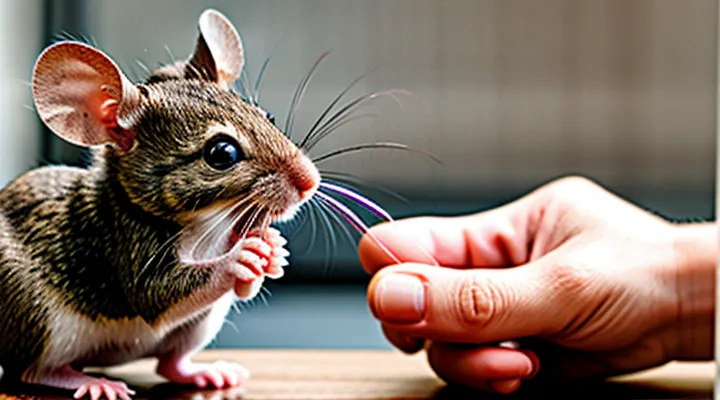
Understanding the Risks of Handling Mice
Potential Health Hazards from Mice
Zoonotic Diseases Carried by Mice
Mice serve as reservoirs for several pathogens that can infect humans through direct contact, bites, scratches, or exposure to contaminated bedding, urine, and droppings. The most clinically significant zoonotic agents include:
- Hantavirus – Causes hemorrhagic fever with renal syndrome or hantavirus pulmonary syndrome; transmission occurs via inhalation of aerosolized rodent excreta or direct contact with contaminated surfaces. Early symptoms mimic flu, progressing to severe respiratory distress or kidney failure.
- Leptospira spp. – Bacteria responsible for leptospirosis; enters the body through skin abrasions or mucous membranes after contact with urine‑laden water or soil. Disease manifests with fever, headache, jaundice, and may lead to renal or hepatic failure.
- Salmonella enterica – Gastrointestinal infection spread by handling rodents or their feces; ingestion of contaminated material results in diarrhea, abdominal cramps, and fever. Immunocompromised individuals face higher risk of systemic involvement.
- Bartonella spp. – Causes bartonellosis, presenting as fever, lymphadenopathy, or endocarditis; transmission linked to scratches or bites.
- Listeria monocytogenes – Foodborne pathogen occasionally isolated from rodent carriers; can cause meningitis, septicemia, or miscarriage when ingested.
Risk factors increase when hands are not washed after handling rodents, when protective gloves are omitted, or when wounds are present on the skin. Preventive measures focus on personal hygiene, use of disposable gloves, immediate washing of any exposed skin with soap and water, and disinfection of surfaces that may have contacted rodent secretions. Monitoring rodent populations for disease signs and maintaining clean housing conditions reduce the likelihood of pathogen spread.
Symptoms of Mouse-Related Illnesses
Direct handling of mice introduces the risk of infection by several zoonotic agents. Recognizing the clinical picture of these infections helps determine whether exposure has occurred and guides timely medical response.
Common mouse‑associated illnesses and their typical manifestations include:
- Hantavirus pulmonary syndrome – sudden fever, muscle aches, headache, followed by rapid development of shortness of breath, coughing, and low blood pressure.
- Lymphocytic choriomeningitis virus (LCMV) – fever, headache, stiff neck, nausea, and, in severe cases, confusion or seizures.
- Salmonellosis – abdominal cramps, diarrhea, fever, and vomiting occurring within 12–72 hours after exposure.
- Leptospirosis – high fever, chills, muscle pain, red eyes, and jaundice; may progress to kidney or liver failure.
- Rat‑bite fever (caused by Streptobacillus moniliformis) – fever, chills, rash, arthralgia, and, rarely, meningitis.
Symptoms usually appear after an incubation period ranging from a few days to several weeks, depending on the pathogen. Early medical evaluation is critical; laboratory testing confirms the specific agent and informs appropriate therapy.
Preventive measures—such as wearing gloves, washing hands thoroughly after any contact, and avoiding direct contact with rodent droppings—reduce the likelihood of these clinical outcomes.
Factors Influencing Risk
Type of Mouse (Wild vs. Pet)
Wild mice carry a broader spectrum of pathogens because they live outdoors, interact with diverse animal species, and feed on contaminated sources. Their fur and saliva often contain bacteria such as Salmonella, Leptospira, and hantavirus carriers. Direct hand contact can transfer these organisms to cuts or mucous membranes, increasing infection risk.
Pet mice are bred in controlled environments, receive regular veterinary care, and are typically screened for common diseases. Nonetheless, they harbor zoonotic agents like Mycoplasma pulmonis and occasional fungal spores. Proper cage hygiene and regular hand washing are essential to prevent transmission.
Key distinctions:
- Habitat: outdoor vs. indoor, influencing exposure to environmental contaminants.
- Health monitoring: no systematic screening for wild rodents; routine veterinary checks for domesticated specimens.
- Typical pathogen load: higher diversity and prevalence in wild populations; lower but present in pet colonies.
- Preventive measures: wild mouse handling requires protective gloves, immediate disinfection, and medical evaluation after exposure; pet mouse handling relies on routine hand washing and cage cleaning.
Adhering to these guidelines reduces the likelihood of disease transmission when touching either type of mouse.
Health Status of the Mouse
The health condition of a mouse determines the level of risk when handling it directly. A mouse that appears active, has smooth fur, clear eyes, and a steady breathing pattern is generally free of acute infections. Conversely, signs such as lethargy, ruffled coat, nasal discharge, or abnormal gait indicate possible disease.
Common health concerns in mice include:
- Bacterial infections (e.g., Salmonella, Streptobacillus moniliformis) that can be transmitted through skin contact.
- Viral agents (e.g., lymphocytic choriomeningitis virus) capable of causing severe illness in humans.
- Parasites (mites, fleas, internal worms) that may bite or contaminate hands.
- Fungal infections (dermatophytes) that lead to skin irritation and potential spread.
Factors influencing mouse health:
- Housing conditions – overcrowding, poor ventilation, and unclean bedding increase disease prevalence.
- Nutrition – inadequate diet weakens immune response, making mice more susceptible to pathogens.
- Stress – handling frequency, temperature fluctuations, and loud noises can suppress immunity.
When a mouse exhibits any of the listed symptoms or originates from an uncontrolled environment, direct hand contact should be avoided or performed with protective gloves and thorough hand washing afterward. Regular health monitoring of the animal reduces the likelihood of transmitting zoonotic agents during manual interaction.
Your Own Health and Immune System
Touching mice with bare hands introduces a range of microorganisms that can challenge the body’s defenses. Rodents commonly carry bacteria such as Salmonella and Leptospira, viruses including Hantavirus and Lymphocytic choriomeningitis virus, and parasites like scrapefly larvae. When these agents breach the skin or are inhaled, the immune system initiates an inflammatory response, produces specific antibodies, and activates cellular defenses to contain the threat.
Individual susceptibility depends on several variables:
- Integrity of the epidermis; cuts or abrasions provide direct entry points.
- Baseline immune competence; immunodeficiency, chronic illness, or recent immunosuppressive therapy increase risk.
- Recent exposure to other pathogens; co‑infection can overwhelm immune resources.
Effective risk mitigation relies on consistent hygiene practices. Hand washing with soap and water for at least 20 seconds after handling a mouse removes transient contaminants. When skin lesions are present, wearing disposable nitrile gloves prevents direct contact. Alcohol‑based hand rubs serve as an adjunct when water is unavailable. Disinfecting cages, feeding equipment, and work surfaces with a 0.1 % bleach solution reduces environmental load.
Observe for signs of infection within 24–72 hours: localized redness, swelling, pus formation, fever, or respiratory symptoms. Prompt medical evaluation is warranted if symptoms progress rapidly or if the individual has an underlying immunocompromising condition. Early antimicrobial or antiviral therapy improves outcomes and limits systemic spread.
Safe Practices for Mouse Interaction
When Direct Contact is Unavoidable
Essential Protective Gear
When handling laboratory or field mice, direct skin contact poses risks of zoonotic infection, allergic reactions, and contamination of samples. Proper protective equipment creates a barrier that minimizes exposure and maintains hygiene standards.
- Disposable nitrile gloves – resist puncture and chemicals; replace after each animal or when compromised.
- Reusable latex or nitrile gloves – suitable for repeated use after thorough washing and disinfection.
- Protective laboratory coat or disposable gown – shields clothing and skin from droppings, urine, and fur.
- Eye protection (safety glasses or goggles) – prevents accidental splashes of bodily fluids from reaching the eyes.
- Face mask or respirator (when applicable) – reduces inhalation of aerosolized particles, especially with scented or stressed mice.
- Footwear covers or shoe protectors – limit transfer of contaminants from the work area to other zones.
- Hand sanitizer (alcohol‑based, ≥70%) – applied after glove removal and before leaving the work area.
- Dedicated hand‑washing station – soap and warm water for thorough cleansing after each session.
Each item must be inspected before use, replaced when damaged, and disposed of or decontaminated according to institutional protocols. Consistent use of this gear ensures safe interaction with mice while preserving experimental integrity and personal health.
Proper Handling Techniques
When handling laboratory or pet mice, direct contact with bare hands carries a risk of transmitting pathogens to both the animal and the handler. Effective risk reduction relies on disciplined techniques that protect skin integrity, minimize stress for the mouse, and prevent cross‑contamination.
First, prepare the work area. Disinfect surfaces, arrange clean gloves, and have a disinfectant solution readily available. Verify that gloves are intact; replace any with tears or punctures before use.
Second, restrain the mouse using a gentle but firm method. Place the animal on a flat surface, cup it with the thumb and forefinger while supporting the body with the other hand. Avoid excessive pressure on the torso and limbs. If a scoop or restraining device is required, ensure it is sterilized and sized appropriately to prevent crushing.
Third, maintain hand hygiene throughout the procedure. Wash hands with soap and water before gloving, after glove removal, and after any accidental breach of skin. If a breach occurs, cleanse the wound with antiseptic and report the incident according to institutional protocol.
Fourth, follow a consistent sequence for cleaning and disposal:
- Disinfect gloves and tools immediately after handling.
- Place used bedding, cages, and disposable items in designated biohazard containers.
- Autoclave reusable equipment according to validated cycles.
- Document the handling session, noting any incidents or deviations.
Finally, conduct regular training and competency assessments. Record attendance, evaluate technique via direct observation, and update protocols when new evidence emerges. Consistent application of these practices sustains a safe environment for both personnel and mice.
What to Do After Contact
After handling a mouse, immediate decontamination limits exposure to pathogens and allergens.
- Wash hands with soap and water for at least 20 seconds. Rinse thoroughly and dry with a disposable towel.
- Apply an alcohol‑based hand sanitizer (≥ 60 % ethanol) if soap is unavailable.
- Remove gloves, sleeves, or other protective clothing. Discard single‑use items in a sealed bag; launder reusable gear according to manufacturer instructions.
- Clean all surfaces that contacted the animal with a disinfectant effective against rodent‑borne microbes (e.g., 0.1 % bleach solution). Allow the contact time recommended by the product label.
- Store or dispose of bedding, droppings, and contaminated materials in sealed containers. Follow local biohazard disposal regulations.
- Monitor for signs of infection or allergic reaction (skin irritation, fever, respiratory symptoms) for 48 hours. Seek medical evaluation if symptoms develop.
Document the incident, including date, duration of contact, and any breaches in protective measures. Review the protocol and adjust procedures to prevent recurrence.
Maintaining a Hygienic Environment
Preventing Mouse Infestations
Preventing mouse infestations reduces the likelihood of direct contact with rodents and the associated health risks. Identify and eliminate entry points; seal gaps around doors, windows, utility penetrations, and foundation cracks with steel wool, caulk, or metal flashing. Maintain a clean environment by storing food in airtight containers, promptly cleaning spills, and disposing of waste in sealed bins.
Implement monitoring and control measures:
- Install snap traps, electronic traps, or live‑catch devices in areas of activity.
- Position bait stations away from children and pets, following label instructions.
- Conduct regular inspections of attic, basement, and crawl spaces for droppings, gnaw marks, and nesting material.
- Engage licensed pest‑management professionals for severe infestations.
Adopt personal hygiene practices when handling rodents or cleaning contaminated areas. Wear disposable gloves, change them after each task, and wash hands with soap and water for at least 20 seconds. Disinfect surfaces with an EPA‑approved sanitizer to eliminate pathogens such as Hantavirus, Salmonella, and Leptospira.
Sustained vigilance—routine sealing of openings, diligent sanitation, and prompt trap deployment—maintains a rodent‑free premises and minimizes the need for direct hand contact with mice.
Cleaning Procedures for Mouse-Contaminated Areas
When rodents have been handled or have left droppings, surfaces must be decontaminated promptly to prevent pathogen transmission. Follow a systematic protocol that combines personal protection, thorough removal of contaminants, and validated disinfection.
- Personal protective equipment (PPE): Wear disposable gloves, a fluid‑resistant gown, and eye protection. Replace gloves if they become soiled.
- Initial assessment: Identify all areas with visible mouse droppings, urine stains, nesting material, or saliva residues. Isolate the zone to prevent cross‑contamination.
- Physical removal: Using a disposable dustpan and brush, collect solid waste and discard it in a sealed biohazard bag. Mop up wet spots with absorbent pads; avoid splashing.
- Surface cleaning: Apply a detergent solution (e.g., 0.5 % enzymatic cleaner) to the affected surfaces. Scrub for at least 30 seconds, then rinse with clean water.
- Disinfection: Immediately after cleaning, apply an EPA‑registered disinfectant effective against hantavirus, salmonella, and leptospira (e.g., 0.1 % bleach solution or quaternary ammonium compound). Ensure the disinfectant remains wet for the manufacturer‑specified contact time, typically 10 minutes.
- Drying and ventilation: Allow surfaces to air‑dry completely. Increase airflow with fans or open windows to reduce residual moisture.
- Waste management: Seal all disposable materials, including PPE, in a double‑layered plastic bag. Label the bag as biohazardous and dispose of it according to local regulations.
- Verification: Perform a surface swab test or visual inspection to confirm the absence of visible residues. Document the cleaning date, chemicals used, and personnel involved.
Adhering to this sequence eliminates viable microorganisms, reduces the risk of infection, and maintains a safe environment for anyone who may later handle rodents or work in the same space.
Disposing of Dead Mice Safely
When a mouse dies in a home or workplace, immediate and proper disposal prevents disease transmission and eliminates attraction for other pests. Dead rodents can harbor pathogens such as hantavirus, leptospirosis, and salmonella; careless handling creates a direct route for these agents to contact surfaces and people.
Before moving the carcass, wear disposable nitrile gloves and, if the area is poorly ventilated, a surgical mask. Use a dedicated tool—tongs or a small shovel—to avoid skin contact. Place the mouse in a sealable, puncture‑resistant bag, expel excess air, and seal it tightly.
Safe disposal options
- Freezer method – Store the sealed bag in a freezer for at least 24 hours, then discard it with regular trash. Freezing kills remaining pathogens.
- Incineration – If a household incinerator or outdoor fire pit is available, burn the sealed bag completely, ensuring no smoke reaches occupied spaces.
- Professional pest‑control service – Contact a licensed exterminator to collect and destroy the carcass according to local health regulations.
- Municipal hazardous waste program – Some jurisdictions treat dead rodents as biohazard waste; follow the agency’s instructions for drop‑off or scheduled pickup.
After removal, discard gloves and the sealed bag in a covered trash container. Wash hands thoroughly with soap and water for at least 20 seconds. Clean and disinfect any surfaces the mouse may have touched using a solution of 1 part bleach to 9 parts water or an EPA‑approved disinfectant. Replace or launder any contaminated fabrics.
Adhering to these steps eliminates health risks and maintains a sanitary environment without unnecessary exposure.
When to Seek Professional Help
Recognizing Signs of Infection
When handling laboratory or pet mice, skin contact can expose the handler to bacterial, viral, or fungal agents carried by the animals. Early detection of infection in the hands reduces the risk of systemic spread and protects both the individual and the colony.
Typical manifestations on the skin include:
- Redness that expands beyond the immediate bite or scratch site.
- Swelling accompanied by warmth to the touch.
- Pus or clear fluid leaking from a wound.
- Increasing pain or throbbing sensation in the affected area.
- Fever, chills, or malaise developing within 24‑48 hours after exposure.
Less obvious indicators may signal deeper or systemic infection:
- Enlarged lymph nodes near the arm or neck.
- Rash that spreads from the point of contact to other body parts.
- Unexplained fatigue or muscle aches.
If any of these signs appear, immediate decontamination of the hands with antiseptic soap, followed by thorough washing, is required. Seek medical evaluation promptly; laboratory testing can identify pathogens such as Staphylococcus aureus, Bordetella bronchiseptica, or hantavirus. Early treatment with appropriate antibiotics or antiviral therapy markedly lowers complications.
Preventive measures—glove use, regular hand hygiene, and routine health monitoring of the mice—remain the most reliable strategy to avoid infection altogether.
Pest Control for Infestations
Effective pest control reduces the risk of direct contact with rodents and the associated health hazards. Integrated strategies combine immediate eradication with long‑term prevention.
- Conduct a thorough inspection to locate entry points, nesting sites, and food sources. Document findings for targeted action.
- Seal gaps in walls, foundations, and utility openings using steel wool, caulk, or metal flashing. Preventive sealing blocks future ingress.
- Eliminate attractants by storing food in sealed containers, disposing of waste in covered bins, and maintaining clean surfaces. Reducing available nourishment discourages settlement.
- Deploy traps or bait stations according to local regulations. Select snap traps for rapid removal, or tamper‑resistant bait blocks for population suppression. Position devices along walls, behind appliances, and near identified activity zones.
- Apply rodenticides only when alternative methods fail and when trained personnel handle application. Follow label instructions, wear protective gloves, and keep substances inaccessible to children and non‑target animals.
- Schedule regular monitoring visits. Replace ineffective traps, replenish bait, and reassess structural barriers. Continuous oversight ensures low‑level infestations do not expand.
Personal protection during intervention includes disposable gloves, face masks, and long‑sleeved clothing. After handling rodents or contaminated materials, wash hands with antibacterial soap and disinfect surfaces with an EPA‑approved cleaner. These measures limit pathogen transmission and maintain a hygienic environment.