
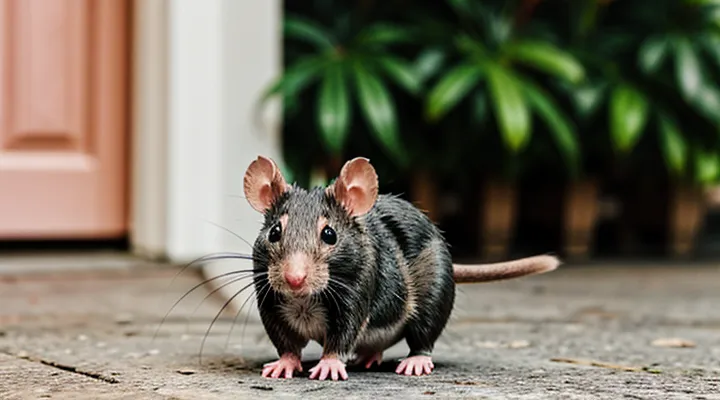
Understanding Rat Social Behavior
The Natural Habitat of Rats
Wild Rat Colonies
Wild rat populations in natural environments form dense, hierarchical groups that rely on constant interaction for foraging, thermoregulation, and predator avoidance. Individuals maintain established social bonds, exchange grooming, and share nesting sites; isolation disrupts these processes and reduces overall fitness.
Research on free‑living rodents demonstrates that solitary members experience elevated stress hormones, impaired immune function, and slower growth rates. When a rat is removed from its colony, the loss of tactile and olfactory cues leads to chronic anxiety, which manifests as repetitive pacing, reduced food intake, and diminished reproductive potential.
Implications for keeping a lone captive rat include:
- Increased susceptibility to disease due to weakened immunity.
- Higher incidence of stereotypic behaviors that signal emotional distress.
- Necessity for intensive environmental enrichment to mimic social stimuli, which rarely matches the complexity of a natural colony.
Consequently, maintaining a single rat without a conspecific contradicts the species’ innate social requirements, making long‑term welfare challenging despite careful husbandry.
Domestication and Social Needs
Domesticated rats descend from highly gregarious wild ancestors, whose survival depended on constant interaction with conspecifics. Selective breeding for companionship has reinforced this social inclination, making group living a default expectation for the species.
Key social requirements include:
- Continuous tactile contact with another rat
- Vocal exchanges that regulate hierarchy and reassurance
- Shared exploration of environment, which reduces fear responses
- Mutual grooming that promotes hygiene and bonding
When a rat is isolated, stress hormones rise markedly, leading to reduced immune function, weight loss, and repetitive behaviors such as bar‑biting or excessive grooming. Loneliness also diminishes cognitive stimulation, accelerating the onset of stereotypies and depression‑like states.
Veterinary guidelines advise against solitary housing for adult rats. Viable alternatives involve:
- Pairing same‑sex individuals to prevent breeding while preserving companionship
- Providing a mirror or rotating companion animals for short periods, though these do not fully substitute live interaction
- Enriching the cage with complex tunnels, chew toys, and foraging opportunities to mitigate, but not eliminate, social deprivation
In practice, maintaining a single rat without a partner compromises welfare standards established for the species. The most reliable method to meet domestic rats’ social needs remains cohabitation with at least one compatible conspecific.
Why Rats Need Companionship
Psychological Well-being
A rat kept alone experiences distinct psychological challenges. Social species rely on interaction for stress regulation, environmental exploration, and behavioral reinforcement. Absence of a conspecific can lead to heightened anxiety, reduced play, and stereotypic movements such as repetitive circling or self‑grooming.
Key indicators of mental health in solitary rodents include:
- Frequency of grooming bouts; excessive grooming often signals stress.
- Response to novel objects; diminished curiosity may reflect depressive‑like states.
- Vocalization patterns; decreased ultrasonic calls suggest reduced social motivation.
- Activity levels; prolonged inactivity can indicate apathy, while hyperactivity may denote agitation.
Environmental enrichment mitigates many adverse effects. Effective strategies comprise:
- Rotating toys and tunnels to sustain novelty.
- Providing foraging opportunities, such as hidden food pellets, to encourage problem‑solving.
- Installing mirrors or videos of conspecifics to simulate social cues.
- Maintaining a predictable routine of handling, which builds trust and reduces fear.
Physiological measures corroborate behavioral observations. Elevated corticosterone levels, measured via saliva or feces, consistently correlate with chronic isolation. Conversely, enriched cages often normalize hormone concentrations, reflecting improved emotional balance.
In practice, solitary housing should be reserved for short‑term scenarios, such as medical treatment or quarantine. When unavoidable, systematic enrichment and regular human interaction become essential to preserve psychological well‑being. Continuous monitoring of the listed behavioral markers enables early detection of distress and timely intervention.
Physical Health Benefits
Keeping a rat in solitary housing can produce measurable physical health advantages when the environment is properly managed. Individual confinement eliminates the risk of direct pathogen transmission between cage mates, reducing the incidence of contagious infections such as Mycoplasma pulmonis and Helicobacter spp. Continuous observation of a single animal enables early detection of weight loss, respiratory distress, or skin lesions, allowing prompt veterinary intervention.
Key physiological benefits include:
- Stable body weight: precise control of food intake prevents obesity and undernutrition.
- Consistent hydration: individual water bottle monitoring reduces the chance of spillage and contamination.
- Lower stress‑induced immunosuppression: absence of hierarchical aggression eliminates chronic cortisol spikes that can impair immune function.
- Reduced injury risk: no fighting or accidental bites, decreasing wound formation and associated infection risk.
- Enhanced musculoskeletal health: targeted enrichment (exercise wheels, tunnels) can be calibrated to the rat’s activity level, promoting joint flexibility and muscle tone.
These outcomes depend on rigorous cage cleaning, balanced diet, and regular health checks. When these standards are met, solitary housing supports optimal physical condition without compromising the animal’s welfare.
Behavioral Abnormalities in Solitary Rats
Solitary housing of rats triggers a range of behavioral deviations that differ markedly from those observed in socially enriched groups. Chronic isolation leads to heightened aggression toward unfamiliar conspecifics, often manifested as prolonged bouts of biting and lunging during brief encounters. Elevated self‑directed behaviors, such as repetitive grooming and bar‑chewing, emerge as stereotypic patterns that intensify after several weeks of confinement. Anxiety‑related responses increase, evidenced by reduced exploration of novel environments and prolonged immobility in open‑field tests. Social deprivation also impairs cognitive performance; isolated rats display slower acquisition of maze tasks and poorer memory retention compared with pair‑housed counterparts. Neurochemical analyses reveal dysregulated dopamine and serotonin pathways, correlating with the observed increase in compulsive and anxiety‑like behaviors. These alterations collectively indicate that keeping a rat without a conspecific compromises its psychological well‑being and may jeopardize the validity of experimental outcomes.
The Challenges of Keeping a Single Rat
Debunking Common Misconceptions
«I Can Be My Rat's Companion»
Rats are highly social mammals; a solitary pet may experience stress, yet an attentive owner can mitigate many negative effects. Consistent interaction, environmental enrichment, and routine handling provide the companionship a lone rat typically seeks from a conspecific.
Regular human contact substitutes for peer interaction when the owner:
- Holds the rat daily for several minutes, allowing the animal to explore the hand and receive gentle petting.
- Engages in interactive play using safe toys, tunnels, and chew objects that encourage exploration and mental stimulation.
- Maintains a predictable schedule, reinforcing trust and reducing anxiety.
A well‑stocked cage contributes to psychological well‑being. Essential elements include multiple levels, hiding places, and objects that promote foraging behavior. Rotating accessories prevents habituation and keeps the rat mentally active.
Nutritional care remains unchanged regardless of companionship status. A balanced diet of high‑quality pellets, fresh vegetables, and occasional protein treats supports health and energy for social interaction.
Monitoring behavior is critical. Signs of loneliness—excessive vocalization, repetitive pacing, or self‑injury—indicate that human engagement may be insufficient. In such cases, adding a second rat, after proper quarantine and gradual introduction, often yields the most reliable remedy.
In summary, a dedicated caretaker can fulfill many social needs of a single rat through daily handling, enriched surroundings, and vigilant observation, though the ultimate solution for chronic loneliness may still be a compatible rat companion.
«My Rat Seems Happy Alone»
Rats are naturally gregarious, yet individual behavior may deviate from the species norm. When a rat displays consistent activity, normal appetite, and regular grooming without signs of stress, those indicators suggest a baseline of well‑being even in the absence of a conspecific.
Scientific observations confirm that social deprivation can increase aggression, stereotypic movements, and cortisol levels. However, the magnitude of these effects varies with genetics, early social exposure, and environmental enrichment. A rat that has been raised alone from birth often adapts to solitary conditions more readily than one removed from a group.
In the case of a pet that appears content—exploring the cage, engaging with toys, and exhibiting normal weight gain—objective assessment should focus on measurable parameters rather than anecdotal impressions. Continuous evaluation reduces the risk of hidden distress.
Key monitoring points:
- Body condition score and weight stability
- Frequency and quality of grooming behavior
- Interaction with enrichment items (e.g., tunnels, chew blocks)
- Vocalizations or signs of anxiety during handling
- Veterinary health checks at regular intervals
If any metric declines, introduce additional stimuli or consider a compatible companion. Until such changes occur, the rat’s present state aligns with acceptable standards of solitary care.
The Time Commitment for a Single Rat Owner
Increased Interaction Requirements
Rats are highly social mammals; a solitary individual loses the constant contact it would normally receive from a cage‑mate. To compensate, caretakers must provide significantly more direct engagement.
Daily interaction should include:
- 30–45 minutes of gentle handling, spread across multiple sessions to prevent stress.
- Structured play with safe enrichment items (tunnels, chew toys, climbing structures) that encourage exploration and mental stimulation.
- Regular vocal communication; speaking softly or offering occasional treats while the rat is stationary reinforces trust.
- Routine health checks and grooming to maintain tactile contact and monitor wellbeing.
In addition to scheduled sessions, spontaneous brief contacts throughout the day reduce periods of isolation. Providing a varied environment—rotating toys, shifting hideouts, and introducing novel scents—prevents boredom and supports cognitive health.
Failure to meet these heightened interaction standards often results in stereotypic behaviors, reduced activity, and compromised immune function. Consistent, enriched engagement is therefore essential for the welfare of an unpaired rat.
Enrichment Needs
Keeping a rat alone requires deliberate environmental enrichment to prevent boredom, stress, and abnormal behaviors. Enrichment compensates for the social interaction a companion would normally provide, offering mental stimulation and physical exercise.
Essential elements include:
- Complex cage layout – multiple levels, tunnels, and hideouts encourage exploration.
- Chewable objects – untreated wood blocks, cardboard tubes, and safe plastic toys satisfy gnawing instincts.
- Foraging opportunities – scattering small food pieces or using treat-dispensing puzzles promotes natural searching behavior.
- Sensory variety – scented fabrics, safe herbs, and varied textures stimulate the olfactory and tactile senses.
- Regular handling – daily gentle contact with a familiar human builds trust and reduces isolation stress.
A structured routine enhances the effectiveness of these items. Rotate toys weekly, adjust maze configurations, and introduce new scents to maintain novelty. Monitoring behavior—such as increased activity, reduced repetitive pacing, and normal grooming—indicates that enrichment is meeting the rat’s needs. Failure to provide sufficient stimulation often results in stereotypic movements, loss of appetite, and weakened immune response.
Practical Difficulties
Separation Anxiety
Rats are highly social mammals; removal of conspecific contact often provokes separation anxiety, a stress response that compromises welfare.
When a rat is housed alone, the absence of tactile, auditory, and olfactory cues from a partner disrupts normal social regulation. This disruption manifests as heightened vigilance, reduced exploration, and altered feeding patterns.
Typical signs of separation anxiety include:
- Repetitive grooming or self‑biting
- Excessive vocalizations, especially high‑pitched squeaks
- Persistent pacing along the cage perimeter
- Diminished food and water intake
- Increased cortisol levels detectable in urine or saliva
Mitigation strategies focus on environmental enrichment and social substitution:
- Provide a complex array of nesting material, tunnels, and chewable objects to stimulate natural foraging and gnawing behaviors.
- Rotate toys and rearrange cage layout regularly to maintain novelty.
- Introduce a reflective surface or recorded conspecific vocalizations to simulate social presence.
- Offer scheduled, brief handling sessions to establish a reliable human‑rat interaction pattern.
- Consider a gradual acclimation protocol that pairs the solitary rat with a compatible cage‑mate for limited periods before full cohabitation.
Implementing these measures can reduce the intensity of separation anxiety, supporting the health and psychological stability of a rat kept without a permanent partner.
Over-Grooming and Other Stress Behaviors
Over‑grooming frequently appears in rats that are housed alone. The animal repeatedly licks, chews, or pulls fur until patches become bald or skin shows irritation. This pattern differs from normal grooming, which lasts a few minutes and leaves the coat intact. Persistent over‑grooming indicates chronic stress and can lead to wounds, infection, and impaired thermoregulation.
Other stress‑related behaviors observed in solitary rats include:
- Bar‑biting or chewing cage components, which creates audible noise and damages the enclosure.
- Repetitive pacing or circling along the same route, reflecting a need for stimulation that is not met.
- Aggressive lunges toward caretakers or objects, often accompanied by vocalizations.
- Excessive urination or defecation outside designated areas, a sign of anxiety.
- Self‑inflicted injuries such as tail biting or ear chewing.
These actions typically emerge when environmental enrichment is insufficient, social interaction is absent, or routine is irregular. Physiological markers—elevated cortisol, altered heart rate variability—often accompany the observable signs.
Mitigation strategies focus on reducing stressors and providing alternatives to compulsive behavior:
- Introduce a compatible conspecific whenever possible; paired housing eliminates the primary source of isolation stress.
- Enrich the cage with tunnels, chewable toys, nesting material, and climbing structures to occupy time and satisfy exploratory drives.
- Establish a consistent handling schedule to build trust and reduce fear‑based responses.
- Rotate enrichment items weekly to prevent habituation.
- Monitor diet for adequate protein and fiber, as nutritional deficiencies can exacerbate grooming urges.
If over‑grooming persists despite these measures, veterinary assessment is warranted to rule out dermatological conditions, parasites, or underlying illness. Early intervention prevents progression to severe tissue damage and improves overall welfare for rats kept without a partner.
Reduced Lifespan
Rats that are housed alone experience a measurable decline in longevity compared to those kept in compatible pairs or groups. Studies show that social isolation triggers chronic elevation of corticosterone, suppresses immune response, and accelerates age‑related pathology.
Key physiological consequences include:
- Persistent stress hormone elevation → increased cardiovascular strain.
- Reduced thymic activity → higher susceptibility to infections.
- Altered gut microbiota → impaired nutrient absorption and inflammation.
- Decreased neurogenesis in the hippocampus → cognitive decline and reduced adaptive behavior.
Behavioral observations reinforce the physiological data. Solitary individuals display heightened aggression, stereotypic grooming, and diminished exploratory activity, all of which correlate with poorer health outcomes.
Long‑term experiments report average life‑span reductions of 15–30 % for rats deprived of conspecific contact. The effect size varies with strain, age at isolation onset, and environmental enrichment, but the trend remains consistent across laboratory settings.
Consequently, maintaining a rat without a compatible companion compromises its welfare and shortens its expected lifespan. Providing social housing, when feasible, aligns with both ethical standards and evidence‑based health benefits.
Alternatives and Solutions for a Single Rat
Introducing a Companion
Choosing the Right Companion
When a rat lives without a conspecific, its social needs must be met through deliberate selection of an appropriate companion. The decision hinges on species compatibility, health considerations, and the capacity of the caretaker to provide enrichment.
Key factors for selecting a suitable partner include:
- Species match – Same‑breed rats share scent, communication patterns, and hierarchy structures, reducing stress.
- Age and size – Pairing individuals of comparable maturity and body weight prevents dominance aggression.
- Health status – Both animals should be free of parasites, respiratory infections, and other transmissible conditions; quarantine and veterinary screening are essential.
- Temperament – Observe interaction cues; a calm, curious rat adapts more readily to a new companion than a highly territorial one.
- Caretaker involvement – Owners must allocate time for supervised introductions, monitoring, and ongoing enrichment to sustain social bonds.
If a second rat is unavailable, alternatives such as a small, non‑rodent pet (e.g., a guinea pig) may provide limited social interaction, but they cannot fully replicate the complex social dynamics inherent to rat societies. Human interaction, including regular handling and play, can mitigate some loneliness, yet it does not replace the physiological and behavioral benefits of conspecific companionship.
In practice, the safest route to meet a solitary rat’s social requirements is to introduce a matched rat after thorough health checks and a gradual acclimation period. This approach maximizes welfare while minimizing the risk of aggression or disease transmission.
The Introduction Process
Introducing a solitary rat to a new home demands a structured acclimation routine. The process begins with environmental preparation, followed by phased exposure, behavioral assessment, and ongoing enrichment. Each phase reduces stress and promotes adaptation.
- Prepare a spacious cage with secure ventilation, bedding, hideouts, and a water bottle. Position the cage in a quiet area away from sudden disturbances.
- Place the rat inside the cage for a brief initial period (15‑30 minutes) while the owner remains nearby but silent. Observe for signs of panic or excessive grooming.
- Extend the duration of each session by 10‑15 minutes daily, allowing the rat to explore the interior, interact with toys, and locate food.
- Introduce a consistent feeding schedule. Offer a measured portion of high‑quality rodent pellets and occasional fresh produce at the same times each day.
- Monitor social cues: alertness, grooming, and exploratory behavior indicate comfort; repetitive circling, freezing, or excessive vocalization suggest lingering anxiety.
- After the rat demonstrates stable behavior for several days, add enrichment items such as tunnels, chew blocks, and puzzle feeders. Rotate objects weekly to maintain interest.
- Establish a routine of gentle handling. Begin with brief, calm hand contacts, gradually increasing duration as the rat shows tolerance.
Successful integration relies on patience, consistency, and observation. Deviations from the outlined steps—such as abrupt cage changes or irregular feeding—often result in heightened stress and compromised health. Maintaining the described introduction protocol maximizes the likelihood that a lone rat will thrive without a conspecific companion.
Special Considerations for Unpairable Rats
Elderly Rats
Elderly rats exhibit reduced mobility, diminished sensory acuity, and a higher incidence of chronic conditions such as arthritis and renal disease. When housed alone, these vulnerabilities can be amplified by the lack of social stimulation that typically mitigates stress in younger animals.
Health monitoring becomes critical for solitary senior rats. Regular weight checks, observation of grooming behavior, and assessment of food and water intake provide early indicators of deterioration. Veterinary consultation should occur at the first sign of lethargy, abnormal posture, or changes in fecal consistency.
Social interaction remains a fundamental need throughout a rat’s lifespan. Even older individuals retain the capacity to engage in mutual grooming, huddling, and gentle play. Absence of a companion may lead to heightened anxiety, which can exacerbate age‑related ailments.
Practical measures for maintaining a single elderly rat include:
- Providing multiple levels of soft bedding to accommodate limited climbing ability.
- Installing low‑profile shelters and tunnels that encourage exploration without demanding excessive exertion.
- Offering a variety of chewable items to promote dental health and mental engagement.
- Scheduling daily, brief handling sessions to reinforce human bonding and reduce isolation stress.
- Considering a gradual introduction to a compatible, younger rat if health permits, following quarantine and health screening protocols.
These strategies address the physiological and behavioral requirements of senior rats when a solitary environment is unavoidable.
Aggressive Rats
Aggressive behavior in rats often emerges when an individual lacks social interaction. A solitary rat may develop heightened territoriality, increased bite risk, and stress‑induced health problems. Without a companion, the animal has no outlet for natural play and grooming activities, which can amplify dominance displays and defensive aggression.
Key factors influencing aggression include:
- Limited environmental enrichment; barren cages encourage frustration.
- Inadequate space; cramped conditions intensify competition for resources.
- Inconsistent handling; irregular contact can make the rat wary of human interaction.
- Underlying health issues; pain or illness may trigger defensive responses.
Managing aggression in a lone rat requires proactive measures:
- Provide a complex habitat with tunnels, climbing structures, and chew toys to occupy the animal’s attention.
- Ensure a minimum cage size of 24 × 18 inches, allowing separate zones for feeding, sleeping, and play.
- Establish a routine of daily, gentle handling to build trust and reduce fear‑based aggression.
- Monitor health through regular veterinary checks; treat pain or disease promptly.
- Offer puzzle feeders and foraging opportunities to stimulate mental activity.
Even with optimal conditions, some rats retain innate aggression that may not subside without a conspecific partner. Prospective owners should evaluate whether the animal’s temperament aligns with solitary care, recognizing that persistent aggression can compromise both the rat’s welfare and handler safety.
Rats with Specific Health Issues
Keeping a rat alone raises specific health concerns that differ from those of paired animals. Social interaction influences immune function, stress regulation, and gastrointestinal health; isolation can exacerbate several conditions.
- Respiratory infections: reduced grooming and limited airflow in solitary cages increase susceptibility to Mycoplasma pulmonis and viral agents.
- Stress‑induced ulcers: lack of companionship elevates corticosterone levels, promoting gastric erosion.
- Obesity: solitary rats may overeat when boredom replaces social play, leading to fatty liver disease.
- Dental overgrowth: absence of mutual chewing reduces natural wear, causing malocclusion and secondary infections.
- Immune deficiency: social contact stimulates lymphoid activity; isolation can depress antibody production.
Each issue originates from the same physiological pathways: heightened stress hormones, diminished physical activity, and reduced environmental complexity. Without a partner, a rat cannot engage in mutual grooming, social play, or hierarchical interactions that normally mitigate these risks.
Effective management requires proactive measures: daily enrichment to simulate social stimulation, strict monitoring of weight and coat condition, regular veterinary examinations, and prompt treatment of respiratory signs. Providing a companion remains the most reliable strategy to prevent the outlined health problems, but when solitary housing is unavoidable, targeted care can offset many adverse effects.
Maximizing a Single Rat's Environment
Enrichment Toys and Activities
Keeping a rat alone demands a robust enrichment program to compensate for the absence of a conspecific. Enrichment toys and activities provide sensory, cognitive, and physical stimulation that prevents stress‑induced behaviors such as excessive grooming or stereotypies.
- Chew blocks and wooden tunnels encourage natural gnawing and exploration, preserving dental health while offering a three‑dimensional environment.
- Puzzle feeders deliver food rewards only after manipulation, fostering problem‑solving skills and extending feeding time.
- Hanging hammocks and climbing ropes create vertical space, promoting muscle development and offering a refuge for retreat.
- Interactive objects such as treat‑dispensing balls allow the rat to engage in repetitive but rewarding actions, reducing inactivity.
- Rotating a selection of novel items weekly prevents habituation, ensuring continuous curiosity.
Regular rotation of these items, combined with daily handling sessions, sustains mental acuity and mimics the social complexity a partnered rat would experience. Consistency in enrichment schedules further stabilizes circadian rhythms, supporting overall health in a solitary setting.
Daily Interaction Schedule
A solitary rat can thrive when human contact replaces the companionship normally provided by a cage mate. Regular, varied interaction reduces stress, encourages natural behaviors, and prevents boredom. The schedule below distributes engagement across the day, aligning with the animal’s crepuscular activity pattern.
-
Morning (07:00‑09:00)
• Open the cage for a 10‑minute hand‑out session; allow the rat to climb onto the palm and explore.
• Offer a fresh piece of fruit or vegetable as a reward.
• Perform a brief health check: examine eyes, fur, and paws. -
Midday (12:00‑13:00)
• Introduce a novel toy or puzzle feeder for a 15‑minute play period.
• Rotate enrichment items (tunnels, chew blocks) to maintain novelty.
• Speak softly, maintaining a calm tone to reinforce familiarity. -
Afternoon (16:00‑17:00)
• Conduct a 5‑minute grooming session using a soft brush; this mimics social grooming among peers.
• Provide a short out‑of‑cage exploration on a secure, rat‑proof surface.
• Refill water bottle and check food supply. -
Evening (20:00‑21:00)
• Offer a 10‑minute cuddle or lap time, allowing the rat to settle on the owner’s lap.
• End with a low‑light environment and a quiet atmosphere to prepare for rest.
Consistency is crucial; deviations can cause anxiety. Record observations after each session—activity level, appetite, vocalizations—to identify trends or health concerns early. Adjust the timing or type of interaction if the rat shows signs of fatigue or overstimulation.
A disciplined daily interaction plan supplies the social stimulation a lone rat lacks, supporting physical health and psychological well‑being.
The Ethical Implications of Solitary Rat Keeping
Animal Welfare Standards
Recommendations from Veterinary Organizations
Veterinary associations stress that rats are highly social mammals and advise against long‑term solitary housing. When a rat must be kept alone, professionals outline specific measures to mitigate stress and health risks.
- Provide extensive environmental enrichment: tunnels, climbing structures, chew toys, and hideouts rotated regularly to stimulate natural behaviors.
- Ensure daily human interaction: gentle handling for several minutes each day to supply social contact in the absence of a conspecific.
- Monitor behavioral indicators: excessive grooming, stereotypic circling, aggression toward handlers, or loss of appetite signal distress and require immediate veterinary assessment.
- Maintain optimal cage conditions: spacious enclosure (minimum 2 ft² floor area), frequent cleaning, and stable temperature and humidity to prevent illness.
- Schedule regular health checks: quarterly examinations by a veterinarian experienced with rodents to detect early signs of respiratory or gastrointestinal disease, which solitary rats are more prone to develop.
Adhering to these guidelines reduces the likelihood of chronic stress and supports the welfare of a lone rat when paired housing is unavailable.
Ethical Responsibility of Pet Owners
Pet owners bear a duty to meet the social, physical, and psychological needs of their animals. Rats are highly social mammals; depriving a solitary rat of conspecific interaction can cause chronic stress, stereotypic behaviors, and impaired immune function. Ethical stewardship therefore requires either providing a compatible companion or implementing rigorous compensatory measures.
Key obligations include:
- Social fulfillment: If a rat is housed alone, the owner must ensure daily, structured interaction that mimics natural social cues, such as gentle handling, vocal communication, and tactile stimulation.
- Environmental enrichment: Provide a complex cage layout with tunnels, climbing structures, and varied textures to prevent boredom and promote exploratory behavior.
- Health monitoring: Conduct regular veterinary examinations, track weight, coat condition, and behavioral changes that may signal distress caused by isolation.
- Mental stimulation: Offer puzzle feeders, foraging opportunities, and novel objects on a rotating schedule to sustain cognitive engagement.
- Legal compliance: Adhere to local animal welfare statutes that may define minimum social housing standards for rodents.
When these criteria are consistently met, the ethical justification for keeping a single rat strengthens; failure to satisfy them constitutes neglect of the animal’s intrinsic social nature.
Long-Term Impact on the Rat
Quality of Life Assessment
Evaluating the welfare of a rat housed alone requires a systematic assessment of physical condition, behavioral patterns, and environmental factors. Veterinary examinations should verify normal weight, coat quality, and absence of injuries or disease. Regular health checks provide objective data on physiological status and detect problems that may arise from solitary confinement.
Behavioral observation offers insight into mental well‑being. Indicators of stress include excessive grooming, repetitive pacing, or reduced activity. Conversely, engagement with toys, exploration of the cage, and normal sleep cycles suggest a satisfactory level of stimulation. Recording frequency and duration of these behaviors creates a baseline for comparison over time.
Environmental enrichment directly influences quality of life. A solitary rat benefits from varied nesting material, chewable objects, and climbing structures. Rotating items prevents habituation and encourages natural foraging and gnawing activities. Maintaining a stable light‑dark cycle and providing appropriate temperature and humidity levels support physiological health.
A practical framework for assessment can be organized as follows:
- Physical health – weight, coat, dental condition, signs of illness.
- Behavioral health – activity levels, stereotypies, interaction with enrichment.
- Environmental quality – cage size, complexity, cleanliness, climate control.
- Social deprivation – frequency of vocalizations, attempts to seek contact, comparison with paired rats when data are available.
Each category should be measured at regular intervals, documented, and reviewed by a qualified veterinarian or experienced caretaker. Consistent scoring enables identification of trends, allowing timely adjustments to housing or enrichment strategies. When these parameters remain within normal ranges, a lone rat can experience a level of welfare comparable to that of a socially housed counterpart; persistent deviations signal the need for intervention, potentially including the addition of a compatible companion.
Stress and Immune System Effects
Rats are highly social; isolation removes normal affiliative interactions, triggering a chronic stress response. The hypothalamic‑pituitary‑adrenal axis becomes persistently active, elevating circulating corticosterone. Elevated glucocorticoids suppress lymphocyte proliferation, diminish natural‑killer cell activity, and shift cytokine production toward a pro‑inflammatory profile. Consequently, solitary rats exhibit higher rates of respiratory and gastrointestinal infections, slower wound healing, and reduced vaccine efficacy.
Experimental comparisons between paired and isolated individuals reveal consistent immunological deficits in the latter group. Measurements show decreased splenic CD4⁺ T‑cell counts, lower serum immunoglobulin G levels, and heightened susceptibility to bacterial challenge. These findings indicate that social deprivation directly compromises immune competence.
Mitigation strategies focus on reducing perceived isolation:
- Provide extensive environmental enrichment (nesting material, tunnels, chew toys).
- Schedule regular human interaction that includes gentle handling and scent exchange.
- Rotate visual and olfactory cues from conspecifics in adjacent cages.
- Monitor corticosterone levels and body weight to detect early stress escalation.
Implementing such measures can lower stress hormone spikes and partially restore immune function, improving the welfare of a rat kept alone.