
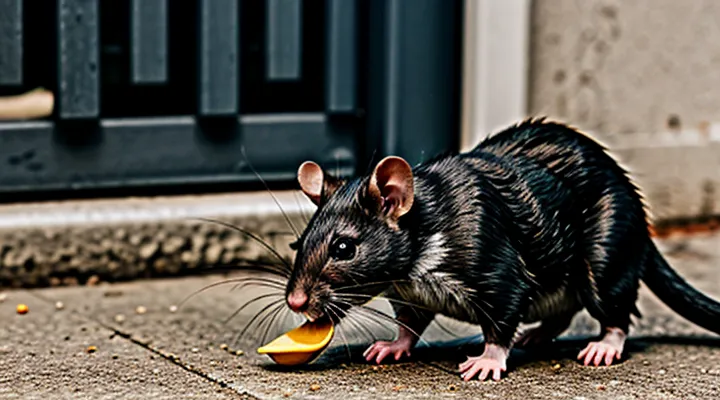
The Cultural and Historical Context of Rat Consumption
Historical Precedents of Rodent Consumption
Throughout recorded history, several cultures have incorporated rodents into their diets, often out of necessity or as a culinary tradition. Archaeological evidence from ancient China shows that house mice and field rats were roasted or stewed during periods of famine, with pottery shards bearing burn marks indicative of rodent meat preparation. In medieval Europe, plague‑stricken populations occasionally turned to field mice as a protein source, documented in contemporary chronicles that describe “mouse pies” sold in market stalls.
North American Indigenous peoples also consumed rodents. The Pueblo peoples of the Southwest harvested prairie dogs, preparing them by grilling or boiling, a practice noted in early Spanish explorer accounts. In the Andes, the chinchilla—though primarily valued for its fur—was occasionally eaten, as recorded in colonial administrative reports detailing dietary supplements for remote settlements.
Asian culinary traditions contain explicit references to rat consumption. Vietnamese street vendors sell “rat noodles,” a dish featuring brown‑field rats captured in rice paddies, described in 20th‑century travel literature as a popular, inexpensive meal. In parts of India, the Indian desert rat (gerbil) appears in regional recipes, with preparation methods involving marination in spices followed by deep‑frying, documented in ethnographic surveys of rural diets.
Key historical instances of rodent consumption include:
- Ancient China: roasted house mice during famine.
- Medieval Europe: mouse pies sold amid plague.
- Pueblo Southwest (USA): grilled prairie dogs.
- Vietnam: rat‑based noodle dishes.
- India (desert regions): spiced fried gerbils.
Cultural Variations in Dietary Practices
Rat Meat as a Staple in Certain Regions
In Vietnam, Cambodia, and parts of Thailand, rat meat appears regularly on market stalls and in household menus. Rural communities in the Democratic Republic of Congo and certain Amazonian tribes also incorporate captured rats into daily meals. These populations obtain the animal through trapping, hunting, or breeding in small enclosures.
Preparation methods vary by culture. Common techniques include:
- Boiling whole rodents with aromatic herbs to reduce odor.
- Grilling seasoned carcasses over open fire, often after skin removal.
- Frying sliced meat in oil, sometimes after marinating in fermented sauces.
Nutritionally, rat flesh provides protein levels comparable to pork, with modest amounts of iron and vitamin B12. Fat content ranges from 5 % to 12 % depending on the animal’s age and diet. Studies indicate that lean specimens pose no greater caloric risk than other small mammals when consumed in typical serving sizes.
Ethical considerations focus on the scale of capture and the conditions of breeding. Small‑scale trapping respects local ecosystems, whereas intensive farming raises concerns about confinement and humane treatment. Sanitary risks stem from potential pathogens such as leptospira, hantavirus, and salmonella. Mitigation requires:
- Thorough cooking to internal temperatures of at least 74 °C (165 °F).
- Hygiene protocols during handling, including gloves and clean surfaces.
- Regular health inspections of commercial rat farms where they exist.
Regulatory frameworks in most countries lack specific statutes for rat consumption, leaving oversight to general food safety agencies. Where guidelines exist, they emphasize traceability, disease monitoring, and adherence to humane slaughter practices.
Taboos and Aversions in Other Cultures
Attitudes toward consuming rats differ sharply across societies, often reflecting deep‑seated prohibitions rooted in religion, symbolism, or perceived health risks.
- Islamic nations – dietary laws classify rats as impure, rendering them forbidden.
- Judaism – kosher regulations exclude rodents, labeling them unclean.
- Hindu‑influenced regions – reverence for certain animals and concepts of ahimsa discourage rodent consumption.
- Many East Asian cultures – historical texts associate rats with pestilence and moral decay, fostering widespread aversion.
In several Southeast Asian communities, rat meat appears in local markets and traditional dishes, yet consumption remains limited to specific occasions or social groups. The practice coexists with explicit social stigma, restricting its acceptance to lower‑status or marginalized populations.
These cultural prohibitions shape ethical evaluations by framing rat consumption as morally unacceptable, while simultaneously reinforcing sanitary concerns through avoidance of a species commonly linked to disease vectors.
Ethical Considerations of Consuming Rat Meat
Animal Welfare Perspectives
Sentience and Suffering of Rodents
Rodents possess a central nervous system comparable to that of many mammals, including a neocortex capable of processing nociceptive signals. Neuroimaging and electrophysiological studies demonstrate activation of pain‑related pathways when rats are exposed to noxious stimuli, confirming the physiological basis for suffering.
Behavioral responses provide additional evidence of subjective distress. Rats exhibit avoidance learning, vocalizations, and self‑protective grooming after injury, indicating awareness of harmful conditions. Long‑term observations show depressive‑like behavior and reduced exploration when animals experience chronic stress, further supporting the capacity for sustained suffering.
These scientific findings shape the moral assessment of rat consumption. Any practice that subjects rodents to pain without compelling justification conflicts with established principles of minimizing unnecessary harm. Ethical frameworks that prioritize sentient welfare therefore require either the elimination of unnecessary killing or the implementation of methods that guarantee rapid, painless death.
Sanitary considerations intersect with ethical ones. Stress‑induced physiological changes can alter meat quality, increasing the risk of bacterial contamination. Ensuring humane handling mitigates both moral concerns and potential health hazards associated with the intake of rodent flesh.
Humane Slaughter Practices (if applicable)
Humane slaughter of rats, when required for consumption, must meet animal‑welfare standards that prioritize rapid loss of consciousness and avoidance of pain. Legal frameworks in many countries classify rats as livestock for culinary purposes and extend existing livestock welfare regulations to them.
Approved techniques include:
- Electrical stunning that induces immediate unconsciousness before exsanguination.
- Carbon‑dioxide exposure at concentrations sufficient to render the animal insensible within seconds.
- Cervical dislocation performed by trained personnel, producing instantaneous brainstem disruption.
- Sharp‑bladed decapitation executed with a single, clean cut to prevent prolonged distress.
Each method demands verification of unconsciousness prior to bleeding, use of calibrated equipment, and documentation of the procedure. Personnel must receive certification in animal‑handling protocols; supervision by veterinary or food‑safety inspectors ensures adherence to standards.
Sanitary considerations require that slaughter surfaces be sterilized, tools disinfected between batches, and carcasses processed in controlled environments to limit bacterial growth. Immediate cooling of meat, separation from waste, and strict hand‑washing protocols reduce contamination risk. Waste disposal follows biohazard guidelines to prevent environmental spread of pathogens.
Compliance with humane practices directly influences product safety, consumer confidence, and legal liability. Continuous monitoring, record‑keeping, and periodic audits sustain both ethical integrity and public‑health protection.
Environmental and Ecological Impact
Population Control and Ecosystem Balance
Rats occupy a high reproductive niche, often reaching densities that strain agricultural yields and spread zoonotic diseases. Their abundance creates pressure on food supplies and infrastructure, prompting the need for effective population management.
Direct consumption removes individuals from breeding pools, offering a tangible reduction method. Unlike poison or traps, which can cause secondary poisoning and non‑target mortality, harvesting for food targets specific specimens. This approach aligns with resource‑efficient practices where edible wildlife substitutes conventional protein sources.
Removing large numbers of rats disrupts established food webs. Predators such as owls, snakes, and feral cats lose a reliable prey item, potentially shifting their hunting toward other small mammals or birds. Conversely, lower rat activity may reduce seed predation, allowing certain plant species to increase. The net ecological impact depends on regional predator diversity and vegetation dynamics.
Sanitary protocols must address pathogen transmission. Effective measures include:
- Thorough inspection for external parasites.
- Mandatory cooking to an internal temperature of at least 74 °C (165 °F).
- Use of clean, dedicated equipment to avoid cross‑contamination.
- Regular testing for hantavirus, leptospirosis, and salmonella.
Compliance with these standards minimizes health risks while preserving nutritional benefits.
Ethical considerations focus on humane capture, avoidance of suffering, and respect for cultural norms. Regulated harvesting, transparent supply chains, and adherence to animal welfare guidelines ensure that consumption does not exploit vulnerable populations or undermine ecological stability.
Potential for Sustainable Food Source
Rats reproduce rapidly, require minimal feed, and convert feed to body mass more efficiently than most conventional livestock. Their short life cycle enables continuous production cycles, reducing the time between breeding and harvest. High protein content, comparable to poultry, makes them a viable alternative for meeting protein demand.
Ethical evaluation centers on animal welfare standards, cultural acceptance, and regulatory oversight. Welfare protocols demand humane handling, rapid slaughter, and humane housing conditions. Acceptance varies across societies; legislation often mirrors prevailing cultural attitudes, influencing market development and consumer access.
Sanitary assessment focuses on pathogen control, processing hygiene, and comparative risk analysis. Proper breeding environments limit exposure to zoonotic agents. Heat treatment, thorough cooking, and standardized processing eliminate most health hazards. Relative to pork or beef, rat meat presents lower risk of certain parasites due to shorter gestation and controlled rearing.
Key sustainability indicators:
- Land use: markedly lower than cattle or swine per kilogram of protein.
- Water consumption: reduced input owing to small body size and efficient metabolism.
- Greenhouse‑gas emissions: minimal methane and nitrous oxide output.
- Economic factors: low capital investment for small‑scale operations, rapid turnover enhances profitability.
Collectively, these attributes position rat meat as a credible component of resilient food systems, provided ethical guidelines and sanitary protocols are rigorously applied.
Sanitary and Health Implications
Zoonotic Disease Transmission
Common Pathogens Associated with Rats
Rats frequently inhabit environments where they encounter human waste, sewage, and food residues, creating a reservoir for microorganisms that can survive in their tissues and excretions. Consumption of rat meat therefore introduces a direct pathway for zoonotic infection.
- Salmonella spp. – colonizes the gastrointestinal tract; ingestion of contaminated muscle or off‑al can cause acute gastroenteritis, fever, and septicemia.
- Leptospira interrogans – spreads through urine; tissue exposure may lead to leptospirosis, characterized by renal failure, hepatic dysfunction, and hemorrhagic complications.
- Yersinia pestis – the plague bacterium; persists in lymphatic tissue; infection results in bubonic, septicemic, or pneumonic forms with high mortality if untreated.
- Streptobacillus moniliformis – agent of rat‑bite fever; transmitted via raw meat or blood; produces fever, rash, arthritis, and potential endocarditis.
- Hantavirus – harbored in lung tissue and excreta; inhalation of aerosolized particles from meat preparation can cause hemorrhagic fever with renal syndrome or hantavirus pulmonary syndrome.
- Lymphocytic choriomeningitis virus (LCMV) – present in brain and reproductive organs; ingestion may result in meningitis, encephalitis, or congenital defects.
- Toxoplasma gondii – intracellular protozoan; tissue cysts in muscle survive cooking errors; infection leads to flu‑like illness, ocular damage, or severe outcomes in immunocompromised hosts.
- Hymenolepis nana and Hymenolepis diminuta – tapeworms; larvae in muscle can cause abdominal pain, malabsorption, and eosinophilia.
- Giardia duodenalis – cysts may adhere to intestinal mucosa; ingestion produces persistent diarrhea and nutrient loss.
- Trichinella spiralis – encysts in skeletal muscle; consumption of undercooked meat causes trichinosis with myalgia, fever, and cardiac complications.
- Dermatophytes (e.g., Trichophyton mentagrophytes) – skin fungi; can survive on carcass surfaces and cause cutaneous infections upon handling.
Pathogen load varies with the rat’s habitat, diet, and health status. Proper identification of species, thorough veterinary inspection, and rigorous cooking to internal temperatures of at least 71 °C (160 °F) are required to mitigate infection risk. Failure to implement these controls compromises sanitary safety and increases the likelihood of severe, sometimes fatal, disease transmission.
Risks of Improper Handling and Cooking
Consuming rodent flesh presents significant health hazards when handling and cooking procedures are inadequate. Pathogenic bacteria such as Salmonella, Campylobacter and Escherichia coli colonize the gastrointestinal tract of wild and laboratory rats. Direct contact with contaminated fur, saliva or feces transfers these organisms to skin, utensils and surfaces, creating a route for infection.
Parasites commonly found in rats include:
- Trichinella spp. (causing trichinellosis)
- Hymenolepis spp. (dwarf tapeworm)
- Cestoda and Nematoda larvae that can survive in undercooked tissue
These agents penetrate muscle tissue and remain viable unless exposed to sufficient heat.
Cooking must achieve internal temperatures that reliably inactivate both bacterial and parasitic forms. Scientific guidelines specify a minimum core temperature of 71 °C (160 °F) sustained for at least one minute. Lower temperatures permit survival of Trichinella larvae and heat‑resistant bacterial spores.
Improper kitchen practices amplify risk:
- Using the same cutting board for raw rodent meat and ready‑to‑eat foods without thorough disinfection.
- Storing uncooked portions at ambient temperature for more than two hours, encouraging bacterial proliferation.
- Neglecting protective gloves and aprons, allowing skin contact with infectious material.
Adhering to strict sanitation, dedicated equipment, and verified cooking parameters reduces the likelihood of food‑borne illness associated with rat consumption.
Nutritional Value of Rat Meat
Comparison with Other Protein Sources
Rat meat provides a protein density comparable to conventional livestock, delivering roughly 20 g of protein per 100 g of flesh. Unlike cattle, rats reproduce rapidly, require minimal feed, and generate lower greenhouse‑gas emissions per kilogram of protein. These efficiencies parallel those cited for insects, which are often promoted for sustainability.
When assessing sanitary risks, rat consumption introduces distinct hazards. Wild rats commonly carry zoonotic pathogens such as Leptospira, hantavirus, and Salmonella. Effective risk mitigation demands thorough cooking to internal temperatures of at least 74 °C and stringent sourcing from controlled breeding facilities. In contrast, regulated poultry and pork supply chains implement routine veterinary inspections, vaccination programs, and standardized processing protocols that reduce pathogen prevalence.
Ethical considerations differ across species. Conventional meat production raises concerns about animal welfare, confinement, and slaughter practices. Rat farming, if conducted with humane handling and minimal confinement, may present a lower welfare impact due to the species’ short lifespan and high reproductive rate. However, cultural aversion and the perception of rats as pests can influence public acceptance, a factor less pronounced for traditional livestock.
A concise comparison:
- Protein yield: Rat ≈ beef ≈ chicken (≈20 g/100 g); insects ≈ 15–18 g/100 g.
- Environmental load: Rat < cattle < poultry; insects ≈ rat or lower.
- Pathogen exposure: Wild rat > regulated livestock; farmed rat ≈ regulated livestock if biosecurity is enforced.
- Animal welfare: Rat ≤ cattle ≤ poultry when farmed under humane standards; insects generally exempt from welfare legislation.
Overall, rat protein can match or surpass other animal proteins in nutritional efficiency while presenting unique sanitary challenges that require controlled production. Ethical acceptability hinges on cultural attitudes and the implementation of humane, biosecure farming practices.
Potential Deficiencies or Benefits
Consuming rats introduces a distinct nutrient profile. Muscle tissue supplies high‑quality protein, containing all essential amino acids. Fat deposits provide omega‑6 fatty acids, though the ratio of omega‑6 to omega‑3 may be unfavorable compared to fish or poultry. Bone marrow delivers vitamin D and minerals such as calcium and phosphorus, supporting bone health when properly prepared.
Potential deficiencies arise from typical rat diets and living conditions. Wild rodents often ingest plant toxins, heavy metals, and pathogens, which can accumulate in their tissues. Vitamin B12 levels may be low, requiring supplementation for individuals relying heavily on rat meat. Essential fatty acids, particularly long‑chain omega‑3s, are scarce, limiting cardiovascular benefits.
Sanitary considerations affect both benefits and drawbacks. Thorough cooking eliminates most bacterial and parasitic threats, preserving protein value while reducing infection risk. Inadequate heat treatment leaves viable Leptospira, Salmonella, or Yersinia species, leading to gastrointestinal or systemic illness. Proper sourcing from controlled environments minimizes contaminant load and improves consistency of nutrient content.
Overall, rat consumption can supply protein and certain micronutrients, but it carries risks of toxin exposure, vitamin gaps, and insufficient omega‑3 intake. Mitigation depends on rigorous hygiene, reliable breeding practices, and balanced dietary planning.
Preparation and Safety Guidelines
Sourcing and Inspection of Rats
Sourcing rats for human consumption requires controlled breeding facilities or licensed wild‑capture operations. Certified farms maintain closed colonies, implement biosecurity barriers, and provide consistent diet to minimize disease risk. Wild‑capture programs operate under governmental quotas, require veterinary supervision, and must document capture locations to prevent exposure to contaminated environments.
Key criteria for selecting a supplier include:
- Valid veterinary and food‑safety licenses.
- Proven biosecurity protocols (rodent‑proof housing, pest‑control measures).
- Compliance with animal‑welfare standards (humane handling, minimal stress).
- Transparent record‑keeping (batch numbers, origin data).
Inspection begins with ante‑mortem observation: assessment of coat condition, behavior, and respiratory signs. Trained inspectors perform visual examinations, palpate lymph nodes, and record abnormalities. Tissue samples are collected for laboratory analysis targeting Salmonella, Leptospira, hantavirus, and other zoonotic agents. Post‑mortem checks verify organ integrity, absence of lesions, and proper evisceration.
Documentation must accompany each shipment:
- Batch identification code.
- Certificate of analysis confirming negative pathogen tests.
- Chain‑of‑custody log linking the product to the originating facility.
Compliance with food‑safety regulations mandates adherence to permissible limits for heavy metals, pesticide residues, and microbial counts. Regular audits by independent agencies verify that sourcing and inspection practices meet statutory requirements and industry best practices.
Recommended Cooking Methods
Consuming rodent meat demands rigorous preparation to mitigate health risks. Proper cooking eliminates parasites, bacteria, and viruses that may reside in muscle tissue, blood, and internal organs.
- Boiling: submerge cleaned meat in water at a rolling boil for at least 20 minutes; maintain temperature above 100 °C throughout.
- Pressure cooking: seal meat in a pressure cooker, reach 121 °C, and hold for a minimum of 15 minutes; this method penetrates dense tissue quickly.
- Roasting: expose whole or cut pieces to dry heat of 200 °C or higher; turn regularly to ensure uniform temperature, achieving an internal core of at least 75 °C.
- Deep‑fat frying: coat pieces in batter or flour and immerse in oil heated to 180 °C; fry until surface is crisp and internal temperature reaches 75 °C.
- Smoking: apply cold or hot smoke while maintaining meat temperature above 70 °C for a sustained period; combine with a final high‑heat step to reach safe internal levels.
Additional safeguards include removing kidneys, liver, and intestines before cooking, rinsing meat thoroughly with potable water, and sanitizing all utensils and surfaces after contact. Separate raw and cooked items to prevent cross‑contamination; store uncooked rat meat at temperatures below 4 °C and consume within 24 hours or freeze for longer preservation.
Adhering to these methods ensures that rat consumption meets sanitary standards while respecting ethical considerations related to food safety.