
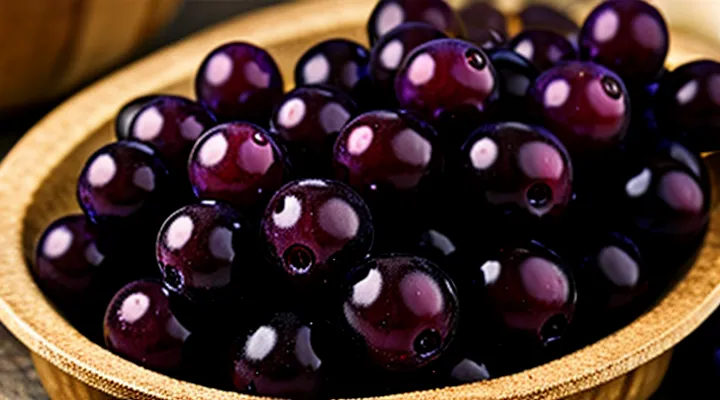
«Understanding the Nutritional Needs of Rats»
«Dietary Requirements of Pet Rats»
Pet rats require a balanced diet that supplies protein, fiber, essential fatty acids, vitamins, and minerals. Protein sources such as high‑quality rodent pellets, cooked eggs, or lean meat should constitute 15–20 % of daily calories. Fiber, supplied by whole‑grain cereals and fresh vegetables, supports gastrointestinal motility. Adequate calcium and phosphorus maintain bone health, while vitamin C and B‑complex vitamins sustain metabolic functions. Clean water must be available at all times.
Fruit can be offered as a supplemental treat, but portions must remain limited to prevent excess sugar and digestive upset. Grapes, including dark varieties, contain high concentrations of simple sugars and compounds linked to renal stress in some mammals. Small, occasional pieces (no larger than a quarter of a grape) are unlikely to cause immediate harm, yet regular feeding is discouraged. Seeds should be removed to avoid choking hazards.
Key nutrients for pet rats
- Protein: 15–20 % of diet (pellets, cooked egg, lean meat)
- Fiber: 5–7 % (whole grains, leafy greens)
- Calcium / Phosphorus: ratio close to 1:1 (cereal mix, mineral block)
- Vitamin C: 30 mg/kg body weight (fresh bell pepper, kale)
- Water: fresh, daily
Safe fruit options (≤10 % of total intake)
- Apple slices (core removed)
- Blueberries
- Strawberries
- Small banana pieces
When introducing any new food, observe the rat for changes in stool, activity level, or appetite. If adverse signs appear, discontinue the item and consult a veterinarian.
«Foods That Are Toxic to Rats»
Rats are sensitive to a range of human foods that can cause acute or chronic health problems. Toxic substances in these items affect the digestive, nervous, or cardiovascular systems, leading to symptoms such as vomiting, diarrhea, seizures, or organ failure.
- Chocolate and cocoa products – contain theobromine, a stimulant toxic to rodents.
- Caffeine‑containing beverages and foods – cause rapid heart rate and tremors.
- Alcohol – depresses central nervous system, can be fatal even in small doses.
- Avocado (especially the pit and skin) – contains persin, which is poisonous to many mammals.
- Onions, garlic, leeks, and chives – high in thiosulfates that damage red blood cells.
- Citrus peels and seeds – contain essential oils and compounds that irritate the gastrointestinal tract.
- Raw beans (especially kidney beans) – hold phytohemagglutinin, a potent toxin.
- Processed meats with high salt or nitrate content – can lead to electrolyte imbalance and kidney stress.
Black grapes, like other grape varieties, contain a natural toxin called tannic acid and may also harbor trace levels of a mycotoxin that can cause renal failure in rodents. Small, occasional pieces are unlikely to cause immediate harm, but regular feeding increases the risk of kidney damage. The safest approach is to treat grapes as an occasional treat, limited to a few small pieces no more than once a week, and to monitor the animal for any signs of distress.
When planning a rat’s diet, prioritize species‑appropriate foods: certified rodent pellets, fresh vegetables (carrots, broccoli, leafy greens), and limited fruits (apple slices without seeds, berries). Avoid the listed hazardous items entirely, and replace questionable treats with safe alternatives such as cooked sweet potato or unsweetened pumpkin puree. Regular veterinary check‑ups will confirm that dietary choices do not compromise health.
«Black Grapes: Nutritional Profile»
«Key Nutrients in Black Grapes»
Black grapes contain several nutrients that affect rat health. Vitamin C provides antioxidant protection, helping to neutralize free radicals. Vitamin K supports normal blood clotting and bone metabolism. The fruit is a source of dietary fiber, which aids gastrointestinal motility and can prevent constipation in rodents.
Key micronutrients include:
- Potassium: regulates fluid balance and nerve function.
- Copper: involved in enzyme activity and iron metabolism.
- Iron: essential for oxygen transport and energy production.
Polyphenols such as resveratrol and flavonoids exhibit anti‑inflammatory properties and may contribute to cardiovascular health, though concentrations in grapes are modest.
When evaluating the suitability of black grapes for rats, the nutrient profile must be weighed against sugar content and potential pesticide residues. Excessive fructose can lead to obesity and metabolic disturbances, while residues pose toxicity risks. Providing small, washed portions minimizes adverse effects while allowing rats to benefit from the vitamins, minerals, and fiber present in the fruit.
«Potential Harmful Compounds in Grapes»
«Resveratrol and Its Effects»
Black grapes contain the polyphenol resveratrol, a compound frequently examined in rodent research for its biological activity. When rats ingest resveratrol, it is absorbed in the small intestine, undergoes rapid hepatic metabolism to glucuronide and sulfate conjugates, and exhibits a plasma half‑life of 1–2 hours.
Key physiological actions observed in rats include:
- Antioxidant activity through scavenging of reactive oxygen species and up‑regulation of endogenous antioxidant enzymes.
- Anti‑inflammatory effects mediated by inhibition of NF‑κB signaling pathways.
- Cardiovascular benefits such as improved endothelial function and reduced arterial stiffness.
- Neuroprotective outcomes, including attenuation of excitotoxic damage and promotion of synaptic plasticity.
- Dose‑dependent toxicity manifested as gastrointestinal irritation, hepatic enzyme elevation, and, at extreme concentrations, renal impairment.
Experimental protocols typically employ resveratrol doses from 5 mg/kg to 50 mg/kg body weight per day. Doses below 10 mg/kg are generally well‑tolerated, while chronic exposure above 30 mg/kg may produce adverse clinical signs. Toxic thresholds correspond to plasma concentrations exceeding 10 µM.
Considering the natural resveratrol content of black grapes (approximately 0.3–0.5 mg per gram of fresh fruit), moderate consumption—equivalent to 1–2 g of fruit per 100 g of rat body weight—delivers a resveratrol dose within the safe experimental range. Excessive feeding, which would raise intake beyond 50 mg/kg, risks the toxic effects documented in high‑dose studies. Therefore, black grapes can be offered to rats as a controlled source of resveratrol, provided that portion sizes remain modest and overall diet composition is balanced.
«Tannins and Their Impact»
Tannins are polyphenolic compounds abundant in the skins of black grapes. They bind proteins, iron, and other macromolecules, influencing digestion and nutrient absorption in rodents. In rats, moderate tannin intake can reduce the bioavailability of certain minerals, particularly iron and calcium, leading to mild deficiencies if the diet lacks supplementation.
Potential effects of tannins on rats include:
- Inhibition of digestive enzymes, which may slow carbohydrate breakdown.
- Formation of insoluble complexes with dietary proteins, decreasing protein utilization.
- Antimicrobial activity that can alter gut microbiota composition.
- Antioxidant properties that may protect cells from oxidative stress at low concentrations.
Excessive tannin consumption can cause gastrointestinal irritation, reduced feed intake, and weight loss. Experimental data suggest that a daily intake exceeding 2 g of tannins per kilogram of body weight produces observable adverse effects in laboratory rats.
When evaluating the safety of black grapes for rats, consider the following factors:
- Concentration of tannins in the fruit portion offered (skin versus flesh).
- Frequency and quantity of grape servings relative to the animal’s overall diet.
- Presence of complementary nutrients that mitigate tannin‑induced mineral depletion.
Controlled feeding trials indicate that offering small pieces of black grape flesh, with minimal skin, once or twice a week does not produce measurable health problems in adult rats. Continuous access to whole grapes, especially with high skin content, increases the risk of tannin‑related complications.
«Safety Considerations for Feeding Grapes to Rats»
«Evidence from Studies and Anecdotal Reports»
«Known Cases of Grape Toxicity in Other Animals»
Grape consumption has been linked to acute renal failure in several mammalian species. Veterinary reports document severe kidney injury after ingestion of fresh or dried grapes and raisins, even in small quantities.
- Dogs: sudden onset of oliguria, elevated serum creatinine, and histologic evidence of tubular necrosis within 24 hours of exposure. Mortality rates exceed 50 % in severe cases.
- Cats: occasional cases of vomiting, lethargy, and increased blood urea nitrogen after ingesting grapes; renal impairment less common than in canines but documented.
- Horses: episodes of colic, abdominal pain, and renal dysfunction following accidental grape ingestion during pasture feeding.
- Ferrets: reports of gastrointestinal distress and elevated serum creatinine after consuming grape remnants.
- Birds (parrots, pigeons): observed vomiting, diarrhea, and rapid decline in renal function after exposure to grape pulp.
The toxic agent remains unidentified; hypotheses include a mycotoxin, flavonoid derivative, or oxidative metabolite that selectively damages renal tubular cells. Toxicity appears dose‑dependent but unpredictable, with some individuals affected by minimal amounts.
No peer‑reviewed studies have evaluated black grape safety in laboratory rats. Given the documented susceptibility of other small mammals, especially canines and ferrets, it is prudent to treat rats as potentially vulnerable. Until controlled experiments confirm tolerance, avoidance of black grapes and raisins is the safest practice for rodent caretakers.
«Potential Risks of Feeding Black Grapes»
«Choking Hazards»
Black grapes are occasionally offered as a treat to pet rats, yet their round shape and firm skin create a genuine choking risk. The fruit’s diameter often exceeds the space a rat can comfortably swallow, allowing the piece to become lodged in the oral cavity or airway.
The primary hazards stem from:
- Smooth, slippery surface that hinders the animal’s ability to grasp and reposition the grape.
- Size that can obstruct the trachea if the rat attempts to ingest it whole.
- Presence of small seeds that may become trapped in the throat or digestive tract.
Safe handling procedures include:
- Cutting the grape into cubes no larger than 0.5 cm on each side.
- Removing the skin if the rat shows difficulty chewing.
- Eliminating all seeds before offering the fruit.
- Supervising each feeding session and removing any uneaten pieces promptly.
Typical signs of an obstructed airway are:
- Labored breathing or audible wheezing.
- Sudden cessation of movement.
- Gagging or pawing at the mouth.
- Loss of consciousness within minutes.
If choking occurs, immediate veterinary intervention is required; attempts to dislodge the object without professional equipment can cause further injury.
For owners seeking low‑risk fruit options, consider offering small pieces of apple (seedless), banana, or blueberries, all of which present a reduced choking potential when prepared similarly.
«Pesticide Residues»
Black grapes frequently carry residues from insecticides, fungicides, and herbicides applied during cultivation. Common compounds include chlorpyrifos, imidacloprid, carbendazim, and mancozeb. Residue levels depend on application timing, pre‑harvest intervals, and compliance with regulatory limits such as the EPA’s tolerances for rodent consumption.
Scientific data on rodent toxicity show that many of these chemicals possess acute LD₅₀ values well below the amounts that could be ingested from a single grape. For example, chlorpyrifos exhibits an oral LD₅₀ of approximately 85 mg/kg in rats, while imidacloprid’s LD₅₀ is about 150 mg/kg. Even sub‑lethal exposure can produce neurobehavioral changes, hepatic stress, or reproductive effects when residues accumulate over repeated feedings.
To minimize risk when offering black grapes to rats, follow these practices:
- Wash grapes thoroughly under running water; use a brush to remove surface particles.
- Rinse with a mild saline solution (0.9 % NaCl) to dislodge water‑soluble residues.
- Prefer organic‑certified fruit, which typically contains lower pesticide concentrations.
- Limit intake to one or two small pieces per day, ensuring the total pesticide load remains below 0.1 mg/kg body weight.
- Observe rats for signs of distress (tremors, reduced activity, loss of appetite) after initial exposure.
When residue testing indicates levels above the established maximum residue limits (MRLs), exclude the fruit from the diet. Consistent adherence to these guidelines ensures that black grapes can be included safely in a rat’s diet without exposing the animal to harmful pesticide residues.
«Recommended Practices for Feeding Fruits to Rats»
«Safe Fruits for Rat Consumption»
Black grapes can be offered to pet rats in moderation, but owners must monitor for signs of digestive upset. The fruit’s high sugar content may cause diarrhea if given in large quantities, and occasional seed ingestion can present a choking hazard. Therefore, black grapes should be treated as an occasional treat rather than a staple food.
Rats thrive on a varied diet that includes several fruits known to be safe when fed appropriately. The following items meet safety criteria based on low toxicity, digestibility, and nutritional benefit:
- Apples (core and seeds removed)
- Blueberries
- Strawberries (cut into bite‑size pieces)
- Banana (thin slices, limited to a few centimeters)
- Pears (seedless)
- Kiwi (peeled)
- Mango (pitted)
- Watermelon (seedless, rind removed)
When introducing any fruit, start with a small portion and observe the animal for changes in stool consistency, activity level, or appetite. If adverse reactions appear, discontinue the fruit immediately.
Guidelines for fruit feeding:
- Limit fruit to no more than 5 % of the total daily caloric intake.
- Provide fresh, washed produce; avoid canned or sugary‑added varieties.
- Remove all pits, seeds, and stems that could cause obstruction.
- Store leftovers in the refrigerator for no longer than 24 hours to prevent mold growth.
Safe fruit selection supports dental health, provides vitamins such as C and K, and adds moisture to the diet, contributing to overall well‑being. Excessive fruit, including black grapes, can lead to obesity, gastrointestinal distress, and dental problems, underscoring the need for controlled portions.
«Preparing Fruits for Rats»
«Washing and Peeling»
Washing black grapes before offering them to rats removes surface contaminants that could harm small mammals. Use cool running water, gently rub each berry with clean fingertips, or place the grapes in a bowl, cover with water, add one tablespoon of white vinegar per cup, let sit for two minutes, then rinse thoroughly. Pat dry with a paper towel or a clean cloth.
Peeling the fruit reduces exposure to pesticide residues that may linger in the skin, but also eliminates fiber and antioxidants concentrated there. To peel, blanch the grapes for ten seconds in boiling water, immediately transfer to ice water, then slip the skin off with a fingertip or use a small vegetable peeler. Remove any stems and seeds, as they can pose choking hazards.
Key considerations for preparing black grapes for rats:
- Wash thoroughly to eliminate microbes and chemicals.
- Peel only if the source of the grapes is unknown or if pesticide use is suspected.
- Offer peeled grapes in small portions; excess sugar can cause digestive upset.
- Observe the animal for any adverse reaction after first exposure.
Proper cleaning and optional peeling make black grapes a safer, occasional treat for rats.
«Portion Control»
Black grapes may be included in a rat’s diet, but the amount must be strictly limited. High sugar content and occasional seeds pose metabolic and choking risks if the fruit is over‑fed.
A safe serving consists of a bite‑sized piece, roughly ¼ inch in diameter, given no more than twice a week. The portion should not exceed 1 % of the animal’s daily caloric intake. For a typical adult rat consuming about 15 kcal per day, this translates to approximately 0.15 kcal from grapes, or about 2–3 grams of flesh.
Monitoring guidelines:
- Offer the piece on a clean surface; remove any seeds immediately.
- Observe the rat for signs of digestive upset within 24 hours.
- Record the date, amount, and reaction in a feeding log.
If any adverse behavior appears—vomiting, loose stools, or reduced activity—discontinue grape feeding and consult a veterinarian. Regular adherence to these limits maintains nutritional balance while allowing occasional fruit enjoyment.
«When to Consult a Veterinarian»
«Signs of Dietary Distress in Rats»
Rats that experience nutritional problems display observable changes in behavior, physiology, and appearance. Recognizing these signs helps determine whether a particular food, such as black grapes, may be harmful.
- Reduced activity levels, lethargy, or reluctance to explore the cage indicate insufficient energy intake or toxic effects.
- Weight loss or failure to gain weight despite normal feeding schedules suggests malabsorption or a diet lacking essential nutrients.
- Diarrhea, loose stools, or occasional vomiting reflect gastrointestinal irritation or intolerance.
- Unusual grooming patterns, including excessive licking of the fur or neglect of grooming, can be a response to discomfort or pain.
- Changes in coat condition—dull, brittle hair or patchy fur loss—signal deficiencies in vitamins, minerals, or fatty acids.
- Respiratory distress, rapid breathing, or nasal discharge may accompany systemic reactions to toxic compounds.
- Aggressive or unusually passive social interactions often accompany stress from dietary imbalance.
When owners consider offering black grapes, they should monitor these indicators closely. Persistent or acute appearance of any listed symptom warrants immediate removal of the fruit from the diet and consultation with a veterinarian. Prompt identification of distress signs prevents long‑term health complications and ensures that the rat’s nutrition remains safe and balanced.
«Emergency Procedures for Suspected Poisoning»
Black grapes contain compounds that can be toxic to rodents, and accidental ingestion may lead to acute poisoning. Prompt action reduces mortality and alleviates suffering.
When a rat shows signs of grape exposure—such as vomiting, diarrhea, lethargy, or tremors—follow these steps:
- Remove the animal from the source of grapes and any contaminated bedding.
- Observe the rat for at least five minutes; note respiratory rate, heart rhythm, and neurological signs.
- Contact an emergency veterinary service immediately; provide details of the ingested amount, time of exposure, and observed symptoms.
- If a veterinarian advises, induce emesis within two minutes of ingestion using a safe, approved method; do not attempt without professional guidance.
- Administer activated charcoal (1 g/kg) orally if recommended, to bind residual toxins.
- Maintain body temperature; use a heating pad set to 30 °C if hypothermia is evident.
- Keep the rat hydrated with sterile saline (10 ml/kg subcutaneously) if dehydration signs appear.
- Record the incident, including grape quantity, time, and all interventions; share this log with the veterinary team.
After stabilization, monitor the rat continuously for at least 24 hours. Repeat clinical assessments every four hours, adjusting treatment according to the veterinarian’s instructions. Ensure the enclosure is cleared of all grape remnants to prevent re‑exposure.