
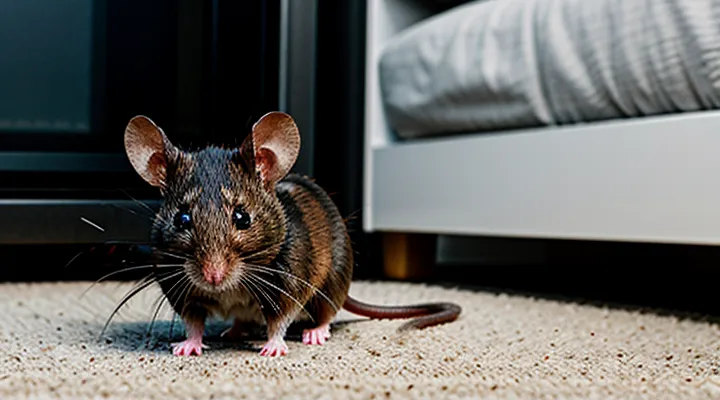
Understanding Ozonators and Their Function
What is an Ozonator?
An ozonator is a device that generates ozone (O₃) from ambient air or pure oxygen through electrical discharge, ultraviolet radiation, or chemical reaction. The produced ozone is a highly reactive oxidant that can destroy organic matter, neutralize odors, and disinfect surfaces.
The generation process relies on three core elements:
- Corona discharge chamber where high voltage creates a plasma that splits oxygen molecules into atomic oxygen;
- Oxygen feed source (air or oxygen tank) that supplies the raw material for ozone synthesis;
- Control circuitry that regulates voltage, frequency, and output concentration to maintain desired ozone levels.
Ozonators are classified by output capacity (measured in milligrams per hour), power consumption, and intended environment (industrial, commercial, or residential). Low‑output units (≤ 5 g/h) target household odor removal, while high‑output models (≥ 50 g/h) serve food‑processing plants, water treatment facilities, or large‑scale sanitation tasks.
Safety mechanisms typically include timer functions, adjustable output settings, and ozone sensors that shut down the unit when concentrations exceed regulatory limits. Proper ventilation during operation prevents accumulation of ozone to levels harmful to humans and animals.
Understanding the device’s construction and operational parameters is essential when evaluating any potential impact on rodent populations, as efficacy depends on ozone concentration, exposure duration, and the target environment.
How Ozonators Produce Ozone
Ozonators create ozone by converting di‑oxygen (O₂) into tri‑oxygen (O₃) through high‑energy processes. The most common method is corona discharge, where an electrical field ionizes oxygen molecules, splitting them into atomic oxygen that rapidly recombines with O₂ to form O₃. A typical corona‑based unit contains:
- A high‑voltage electrode and a grounded mesh separated by a dielectric barrier.
- An air or oxygen flow passing through the gap, exposing molecules to the discharge.
- A collection chamber where ozone accumulates before being released.
An alternative technique uses ultraviolet (UV) radiation at 185 nm. UV photons break O₂ bonds, producing atomic oxygen that combines with neighboring O₂ to yield ozone. UV generators are simpler but deliver lower ozone output compared to corona systems.
Both approaches rely on the reaction O₂ + O → O₃, which requires energy input to overcome the bond dissociation energy of O₂. The efficiency of ozone production depends on voltage level, gap distance, gas temperature, and humidity; higher voltage and dry air increase yield, while excessive moisture reduces it.
Typical residential ozonators produce concentrations between 0.05 and 0.5 ppm in occupied spaces, sufficient for odor control but far below levels that cause acute toxicity to mammals. For rodent deterrence, concentrations must reach several ppm, a range that poses health risks to humans and pets. Consequently, the mechanism of ozone generation determines both the device’s effectiveness and safety parameters.
Common Uses of Ozonators
Ozonators generate ozone gas for disinfection and oxidation processes. In water treatment, they break down organic contaminants, eliminate bacteria, and reduce chlorine demand. In air purification, they oxidize volatile organic compounds, neutralize odors, and suppress mold spores. Food‑processing facilities employ them to extend shelf life by inhibiting microbial growth on surfaces and packaging. Medical environments use ozone to sterilize equipment and disinfect rooms without leaving residues. Industrial applications include cleaning cooling towers, treating wastewater, and removing contaminants from textile and paper production lines.
- Drinking‑water sanitization
- Indoor‑air deodorization
- Surface sterilization in laboratories and hospitals
- Preservation of fruits, vegetables, and meat products
- Decontamination of industrial machinery and pipelines
These established functions illustrate the broad utility of ozone generators. The same oxidative mechanisms that control microbes and odors do not directly target rodents. Consequently, while ozonators excel in microbial and chemical mitigation, their role in rodent management remains unsupported by empirical evidence.
The Science Behind Ozone and Pests
Ozone as an Oxidizing Agent
Ozone (O₃) is a triatomic molecule generated by electrical discharge or ultraviolet radiation. It possesses a high oxidation potential, exceeding that of chlorine and hydrogen peroxide, which enables rapid electron transfer reactions with a wide range of organic substrates.
The oxidizing action of ozone proceeds through direct attack on double bonds and aromatic rings, forming ozonides that decompose into carbonyl compounds, acids, and free radicals. In biological tissues, these reactions compromise cellular membranes, denature proteins, and fragment nucleic acids, leading to loss of viability at sufficient concentrations.
When applied to rodent control, ozone can induce acute respiratory irritation, pulmonary edema, and fatal hypoxia in mice. Effective dosages for lethality typically range from 10 to 30 ppm administered for several minutes in a sealed chamber. Such levels exceed occupational exposure limits (0.1 ppm for an 8‑hour workday) and pose serious health risks to humans and non‑target animals.
Operational factors that influence outcomes include:
- Generator output (ppm per unit time)
- Volume of the treated space
- Duration of exposure
- Ambient temperature and humidity, which affect ozone stability
- Air circulation patterns that determine uniformity of concentration
Safety protocols require isolation of the treated area, monitoring of ozone levels, and thorough ventilation before re‑entry. Failure to observe these measures can result in chemical burns, exacerbated respiratory conditions, and regulatory violations.
In summary, ozone’s potent oxidizing capacity can kill mice under controlled, high‑concentration conditions, but practical deployment is constrained by stringent safety thresholds and the need for airtight environments.
Potential Effects of Ozone on Rodents
Respiratory Irritation
Ozone generators produce a mixture of O₃ and oxygen that can damage the mucous membranes of the respiratory tract. Inhalation of ozone at concentrations commonly used for pest control triggers irritation of the nasal passages, throat, and bronchi. The irritation manifests as coughing, wheezing, shortness of breath, and a burning sensation in the chest. Repeated exposure lowers mucociliary clearance, increasing susceptibility to infection.
The physiological response stems from ozone’s oxidative action on epithelial cells. Oxidation disrupts lipid membranes, induces inflammatory mediators, and reduces surfactant function. These changes impair gas exchange and can exacerbate pre‑existing respiratory conditions such as asthma or chronic obstructive pulmonary disease.
When an ozonator is employed as a rodent deterrent, the same irritant effect applies to the animals. Mice breathe more rapidly than humans, so they receive a higher dose of ozone per unit time. Consequently, they experience acute respiratory distress, reduced activity, and avoidance of treated areas. However, the irritation also affects any occupants of the treated space, including pets and humans.
Key considerations for safe use:
- Verify that ozone concentration does not exceed occupational safety limits (0.1 ppm for an 8‑hour exposure).
- Ensure the area is vacant during treatment and ventilated thoroughly before re‑entry.
- Use timers or remote activation to avoid accidental exposure.
- Monitor for symptoms of irritation in all individuals present after treatment.
Understanding the respiratory irritant properties of ozone clarifies why its effectiveness as a mouse control tool must be balanced against health risks to humans and other animals. Proper control measures mitigate these risks while preserving the intended deterrent effect.
Sensory Overload
Ozone generators release high‑concentration ozone gas, which irritates the respiratory tract, olfactory receptors, and mucous membranes of mammals. When mice inhale ozone, the sudden chemical stimulus can exceed the capacity of their sensory systems, producing a state of sensory overload that disrupts normal behavior.
Sensory overload in rodents manifests as rapid breathing, loss of equilibrium, and erratic movement. The overload results from simultaneous activation of trigeminal, olfactory, and vestibular pathways, overwhelming the central nervous system’s ability to process input. This physiological response can deter mice from remaining in an ozone‑treated area for extended periods.
Research on small‑rodent exposure to ozone shows:
- Elevated respiratory rate within minutes of exposure.
- Decreased locomotor activity after 5–10 minutes of continuous exposure.
- Increased avoidance of ozone‑enriched zones in choice‑test arenas.
These findings indicate that ozone can create an acute sensory stressor sufficient to drive mice away from treated spaces.
Practical application requires controlled ozone output, adequate ventilation, and compliance with occupational safety limits. Excessive ozone poses health risks to humans and non‑target animals; therefore, deployment should focus on short, targeted bursts that maximize sensory overload while minimizing residual concentration.
In summary, the sensory overload induced by ozone exposure can serve as an effective deterrent against mice, provided that usage adheres to safety guidelines and maintains concentrations that trigger sensory disruption without causing collateral harm.
Limitations of Ozone in Pest Control
Ozone generators are sometimes promoted as a method for controlling rodent infestations, yet several intrinsic constraints limit their practical value.
Ozone’s chemical reactivity dissipates quickly in open environments. Concentrations sufficient to affect mammals decline within minutes when air circulates, preventing sustained exposure to hidden mice. Consequently, the gas cannot reach nests or burrows concealed by insulation, walls, or furniture.
Safety considerations restrict permissible ozone levels. Occupational exposure limits set by agencies such as OSHA and the EPA cap concentrations at 0.1 ppm for an eight‑hour workday. Effective pest control would require levels far exceeding these limits, creating a health hazard for occupants and pets.
Regulatory and operational factors further impede use:
- Certification requirements vary by jurisdiction; many regions prohibit ozone devices for pest control without explicit approval.
- Continuous monitoring equipment is needed to verify dosage, adding cost and complexity.
- Ozone does not possess a residual effect; once the gas dissipates, no lasting deterrent remains.
- Rodents can develop behavioral avoidance, limiting repeated efficacy.
These limitations explain why ozone, despite its oxidative properties, is not a reliable stand‑alone solution for mouse management. Integrated approaches that combine exclusion, sanitation, and targeted baiting remain the most effective strategy.
Ozonators and Mice: Effectiveness Analysis
Direct Impact on Mice
Short-Term Discomfort
Ozonators generate high‑level ozone to deter rodents, producing a sharp, chlorine‑like smell that can irritate nasal passages and throat within minutes of activation. The odor itself triggers a reflexive avoidance response, causing mice to vacate the treated area but also causing discomfort for occupants who inhale the gas.
Potential short‑term effects on humans and non‑target animals include:
- Burning sensation in eyes and mucous membranes.
- Coughing, wheezing, or shortness of breath at concentrations above occupational safety limits.
- Headache or dizziness when exposure exceeds a few minutes in poorly ventilated spaces.
These symptoms typically subside once ventilation restores ambient air quality. Continuous exposure prolongs discomfort and may lead to more severe health risks, underscoring the need for strict adherence to exposure guidelines while employing ozone for rodent control.
Long-Term Repellent or Exterminator?
Ozone generators produce a high‑concentration gas that oxidises organic matter. In rodents, exposure can irritate respiratory passages, cause metabolic disruption, and at sufficient levels lead to mortality. The effect is dose‑dependent; brief, low‑level releases typically provoke avoidance rather than death, while sustained high concentrations can be lethal.
Repellent potential
- Ozone’s sharp odor and irritant properties prompt mice to vacate treated zones within minutes.
- Behavioral studies show reduced foraging activity in environments where ozone levels exceed 5 ppm.
- Repellency diminishes once the gas dissipates; ventilation restores normal conditions within hours.
Extermination capacity
- Laboratory trials report 100 % mortality at continuous exposures of 15–20 ppm for 24 hours.
- Field applications that maintain elevated ozone for multiple days achieve population declines, but require sealed or semi‑sealed spaces to prevent rapid dilution.
- Prolonged high‑level exposure poses health risks to humans and pets, demanding interlock systems and timed operation.
Long‑term considerations
- Ozone degrades quickly; without airtight containment, concentration falls below effective thresholds within a day.
- Repeated cycles can damage building materials, electronics, and fabrics, increasing maintenance costs.
- Regulatory limits on indoor ozone (typically 0.05 ppm) restrict continuous high‑dose use in occupied dwellings.
Conclusion
Ozone generators function primarily as short‑term repellents; they become exterminators only when applied at lethal concentrations in controlled, unoccupied environments for extended periods. Their utility as a long‑term solution is limited by rapid decay, safety regulations, and material degradation. Effective rodent control therefore requires complementary measures—physical exclusion, sanitation, and targeted baiting—rather than reliance on ozone alone.
Indirect Effects on Mouse Habitats
Odor Elimination and Its Role
Odor elimination reduces the chemical cues mice rely on for foraging, nesting and communication. By neutralizing volatile organic compounds, an ozonator removes scent trails that guide rodents to food sources and shelter.
Ozone molecules react with organic residues, breaking down fatty acids, proteins and pheromones. This oxidation process lowers the concentration of detectable odors in treated areas, creating an environment that lacks the olfactory signals mice use to locate resources.
The disruption of scent pathways can discourage mice from entering or remaining in a space. When odor cues are absent, rodents are less likely to establish territories, which may reduce population pressure without direct lethal action.
Effectiveness depends on several variables:
- Ozone concentration: sufficient levels are required to achieve measurable oxidation.
- Exposure duration: prolonged treatment ensures complete breakdown of residual odors.
- Air circulation: adequate ventilation distributes ozone evenly and prevents localized pockets.
- Surface type: porous materials retain odors longer, demanding higher ozone doses.
While odor elimination contributes to rodent deterrence, it does not replace integrated pest management practices such as sealing entry points, sanitation and trapping. Proper application of an ozonator can enhance overall control strategies by removing the olfactory attractants mice depend on.
Sanitization of Surfaces
Ozone generators are sometimes promoted as a means to reduce rodent activity by sanitizing surfaces where mice travel and feed. Surface sanitization eliminates food residues, urine marks, and bacterial colonies that attract rodents, thereby decreasing the likelihood of infestation. Removing these cues creates an environment less conducive to mouse foraging and nesting.
Ozone gas oxidizes organic matter on hard and porous surfaces. The oxidation process breaks down fats, proteins, and carbohydrates, rendering them unpalatable and removing scent trails. In addition, ozone’s antimicrobial action reduces bacterial populations that could serve as an indirect food source for mice. The effect is limited to areas where ozone concentration reaches sufficient levels and exposure time is adequate.
Practical considerations for using ozone in surface sanitization:
- Verify that the space is sealed; open doors or windows allow ozone to dissipate, reducing efficacy.
- Apply ozone after thorough mechanical cleaning; debris can shield contaminants from oxidative contact.
- Observe recommended exposure durations (typically 30–60 minutes) based on the device’s output and room volume.
- Allow a ventilation period before re‑entering the area to avoid respiratory irritation.
Practical Considerations and Safety
Proper Use of Ozonators
Recommended Ozone Levels
Effective ozone treatment against rodents requires precise concentration control. Scientific studies indicate that a gaseous ozone level of 5 ppm sustained for 30 minutes can achieve lethal exposure for mice. Lower concentrations, such as 1–2 ppm, may incapacitate but not guarantee mortality, even with extended exposure up to several hours. Above 10 ppm, the risk of rapid oxidation of building materials and acute health hazards to humans rises sharply, making such levels unsuitable for occupied spaces.
Regulatory safety limits constrain permissible ozone in occupied environments. The Occupational Safety and Health Administration (OSHA) sets an 8‑hour time‑weighted average of 0.1 ppm, while the American Conference of Governmental Industrial Hygienists (ACGIH) recommends a ceiling value of 0.2 ppm for short‑term exposure. Consequently, any rodent‑control operation must be performed in an unoccupied, airtight area, with thorough ventilation before re‑entry.
Recommended ozone parameters for rodent control
- Concentration: 5 ppm (±0.5 ppm)
- Exposure time: 30 minutes (sealed environment)
- Post‑treatment ventilation: Minimum 2 hours with fresh air exchange to reduce residual ozone below 0.05 ppm
- Safety precautions: Verify leak‑tight sealing, remove food sources, and use personal protective equipment during setup and shutdown
When these levels are applied correctly, ozone can serve as an effective chemical agent against mice, provided that all safety standards are observed and the treatment area is isolated from human occupancy.
Ventilation Requirements
Effective use of an ozonator for rodent control demands precise airflow management. Inadequate ventilation can cause ozone concentrations to exceed safety limits, endangering occupants and reducing device efficiency.
Key ventilation parameters include:
- Air exchange rate: Minimum of 6 air changes per hour in treated spaces; higher rates for confined areas.
- Exhaust placement: Direct outlets toward the exterior, avoiding recirculation into occupied zones.
- Monitoring: Continuous ozone sensors calibrated to trigger ventilation adjustments when concentrations approach 0.1 ppm.
- Seal integrity: Ensure doors and windows remain closed during treatment to prevent uncontrolled leakage.
- Post‑treatment clearance: Maintain airflow for at least 30 minutes after ozone generation stops to reduce residual levels below occupational exposure limits.
Compliance with local occupational safety regulations and manufacturer specifications is mandatory. Failure to meet these requirements compromises both efficacy against mice and human health protection.
Health Risks Associated with Ozone Exposure
Human Health Concerns
Ozonators are sometimes marketed for rodent control, yet their operation raises several human health issues.
Ozone generated at concentrations capable of affecting mice can irritate the respiratory tract of occupants. Exposure above the Occupational Safety and Health Administration (OSHA) permissible exposure limit (0.1 ppm) may cause coughing, throat irritation, and reduced lung function. Sensitive groups—including children, the elderly, and individuals with asthma or chronic obstructive pulmonary disease—experience heightened susceptibility.
Ozone also reacts with indoor pollutants such as volatile organic compounds (VOCs) and tobacco smoke, producing secondary harmful by‑products (e.g., formaldehyde, ultrafine particles). These substances contribute to indoor air quality degradation and may increase the risk of respiratory and cardiovascular disorders.
Key safety considerations:
- Verify that ozone levels remain below regulatory limits during and after operation.
- Use continuous monitoring devices to detect real‑time concentrations.
- Ensure the treatment area is unoccupied and adequately ventilated before reentry.
- Avoid use in confined spaces where ozone accumulation is likely.
Failure to adhere to these precautions can lead to acute health effects and long‑term exposure risks, outweighing any potential benefit in rodent management.
Pet Safety
Ozone generators are sometimes employed to reduce rodent populations, but their operation creates a gas that can affect household animals. Pets inhale ozone directly and may also encounter residues on surfaces, leading to physiological stress.
Respiratory irritation, coughing, and wheezing are common reactions in dogs and cats exposed to elevated ozone levels. Prolonged exposure can cause inflammation of lung tissue and exacerbate pre‑existing conditions such as asthma. Ozone also reacts with indoor pollutants, forming secondary compounds that may be harmful to sensitive species.
Safety measures:
- Operate the device only in unoccupied rooms; keep doors and windows closed during treatment.
- Remove pets from the area for the full duration of the cycle and for at least 30 minutes after the device shuts off.
- Verify that the ozone concentration does not exceed recommended limits (typically <0.05 ppm for occupied spaces).
- Use a timer or remote control to avoid accidental activation while animals are present.
- Conduct regular ventilation after each use to disperse residual ozone before re‑entering the space.
When rodent control is required, prioritize methods that do not generate airborne chemicals. If an ozone generator is the chosen tool, strict adherence to these precautions protects animal health while maintaining effectiveness against mice.
Legal and Environmental Regulations
Ozone generators marketed for rodent control are subject to federal and state regulations that govern both pesticide claims and emissions. The Environmental Protection Agency classifies ozone as a pesticide when it is intended to kill or repel pests; any product advertised for mouse control must be registered under the Federal Insecticide, Fungicide, and Rodenticide Act (FIFRA). Registration requires submission of efficacy data, safety assessments, and labeling that complies with EPA standards.
The Occupational Safety and Health Administration (OSHA) regulates workplace exposure to ozone. The permissible exposure limit (PEL) is 0.1 ppm as an eight‑hour time‑weighted average. Employers using ozone generators in commercial settings must implement engineering controls, monitor air concentrations, and provide training to protect workers from respiratory hazards.
Environmental statutes restrict ozone emissions that contribute to outdoor air pollution. The Clean Air Act sets National Ambient Air Quality Standards (NAAQS) for ozone at 70 ppb (8‑hour average). Devices that release ozone into the ambient environment may require state or local permits, especially in areas designated as non‑attainment zones. Manufacturers must ensure that product designs limit leakage and that usage instructions prevent indoor concentrations from exceeding health‑based thresholds.
Key regulatory considerations include:
- EPA registration under FIFRA for any pest‑control claim.
- OSHA compliance with the 0.1 ppm PEL for occupational exposure.
- Adherence to Clean Air Act limits on ambient ozone levels.
- State pesticide licensing requirements where applicable.
- Proper disposal of ozone‑generator components according to hazardous waste regulations.
Alternative and Complementary Pest Control Methods
Traditional Mouse Traps and Baits
Traditional mouse control relies on mechanical traps and chemical attractants designed to capture or kill rodents. These devices have been employed for decades and remain the primary reference point when comparing novel interventions.
- Snap traps: steel spring mechanisms that deliver an instantaneous strike, killing the mouse instantly.
- Glue boards: adhesive surfaces that immobilize rodents, leading to eventual death from exhaustion or dehydration.
- Live‑catch cages: spring‑loaded doors that close upon entry, allowing humane removal.
- Electric traps: insulated chambers that administer a lethal voltage after detection.
Common baits enhance trap performance by exploiting mouse feeding preferences:
- Peanut butter – high fat content and strong odor.
- Grain mixtures – wheat, oats, or corn kernels.
- Fruit blends – apple or banana puree.
- Synthetic pheromone lures – mimic rodent scent signals.
Effectiveness metrics focus on capture rate, placement flexibility, and maintenance requirements. Snap traps provide rapid mortality with minimal cleanup but demand precise bait placement. Glue boards offer high capture probability but raise animal welfare concerns and require frequent replacement. Live‑catch cages enable relocation but incur higher labor costs. Electric traps combine quick kill with reduced mess, yet depend on reliable power sources.
Understanding the performance baseline of these conventional tools is essential when assessing alternative technologies such as ozone‑generating devices. Comparative analysis must consider capture efficiency, safety, cost, and regulatory compliance relative to the established methods described above.
Exclusion Techniques
Ozone generators are sometimes promoted as a chemical deterrent for rodents, yet physical exclusion remains the decisive factor for long‑term control. Exclusion eliminates the environment that allows mice to enter, feed, and reproduce, rendering any chemical approach secondary.
Effective exclusion involves:
- Inspecting building envelope for gaps larger than ¼ inch (e.g., cracks in foundation, gaps around utility penetrations, vent openings).
- Installing steel wool, copper mesh, or silicone caulk to seal identified openings.
- Fitting self‑closing doors and weather‑stripping on exterior doors and windows.
- Securing screens on vents, chimneys, and crawl‑space openings with fine mesh.
- Maintaining exterior landscaping to prevent vegetation from contacting the structure, thereby reducing bridge pathways.
Even when ozone is applied, mice can bypass the treatment by exploiting unsealed entry points, rendering the chemical effect temporary. Persistent exclusion prevents re‑infestation, limits the need for repeated ozone exposure, and complies with integrated pest‑management principles.
In practice, combine ozone usage with a comprehensive exclusion program: seal all access routes, monitor for new openings, and conduct periodic inspections. This integrated approach maximizes control efficacy while minimizing reliance on chemical interventions.
Natural Repellents
Ozone generators are marketed as a means to deter rodents, yet scientific evidence shows limited efficacy. The principle relies on high‑concentration ozone causing respiratory irritation, which may prompt mice to avoid treated areas. However, achieving harmful ozone levels poses health risks to humans and pets, and regulatory limits often prevent the concentrations needed for reliable rodent control.
Natural repellents offer an alternative that avoids toxic ozone exposure. Their mechanisms include odor aversion, taste deterrence, and habitat modification. Common agents are:
- Peppermint oil: strong scent masks food odors, discourages foraging.
- Citronella: volatile compounds create an unpleasant environment.
- Clove oil: phenolic compounds irritate rodent sensory receptors.
- Predator urine (e.g., fox, cat): chemical cues signal danger.
- Ultrasonic devices: emit frequencies beyond human hearing; effectiveness varies widely.
When applied correctly, natural repellents reduce mouse activity without exceeding safety thresholds. Best practice combines multiple methods—cleaning, sealing entry points, and strategic placement of repellents—to achieve sustained control. In comparison, ozone devices provide only a temporary, potentially hazardous deterrent, whereas natural repellents deliver a safer, evidence‑supported approach.
Professional Pest Control Services
Professional pest‑control operators assess every intervention against established performance metrics, documented field results, and regulatory standards. Their expertise determines whether a technology delivers measurable reduction in rodent activity and complies with health‑safety regulations.
Standard mouse‑management programs employ bait stations, snap traps, exclusion sealing, and habitat modification. These methods provide immediate population suppression, allow for monitoring of catch rates, and enable targeted follow‑up actions. Ozone generators, marketed as a non‑chemical alternative, lack direct evidence of lethal or repellent effects on rodents.
Key criteria used by professionals to evaluate any rodent‑control product include:
- Verified laboratory toxicity or repellency data specific to mice.
- Demonstrated field efficacy through controlled trials.
- Safety profile for occupants, pets, and food‑storage areas.
- Compatibility with integrated pest‑management (IPM) protocols.
- Compliance with local pesticide‑use regulations.
Applying these standards, ozone devices fail to meet the efficacy requirement; no peer‑reviewed studies confirm a statistically significant decline in mouse presence after ozone treatment. Consequently, reputable pest‑control firms recommend proven chemical or mechanical solutions, supplemented by structural exclusion, rather than reliance on ozone technology.