
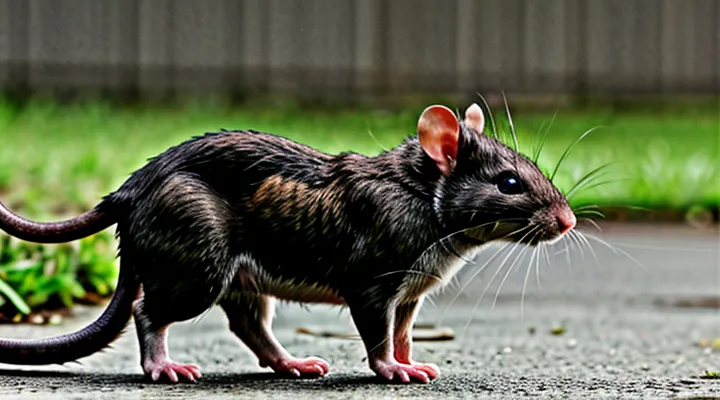
Understanding Predation
Defining «Predator» and «Prey»
Key Characteristics of a Predator
Rats are often regarded as omnivores, yet determining their status as predators requires reference to the defining traits of predatory organisms. A predator is distinguished by a set of functional and morphological attributes that enable the active capture and consumption of other animals for energy.
- Active pursuit or ambush of live prey
- Specialized sensory systems for detecting movement, scent, or vibration
- Morphological adaptations such as sharp teeth, claws, or beaks designed to subdue and process prey
- Behavioral strategies that include stalking, chasing, or trapping
- Energy acquisition primarily through the ingestion of animal tissue rather than plant material
- Impact on prey populations that can regulate community dynamics
Rats exhibit several of these features: they possess incisors capable of killing small vertebrates, display opportunistic hunting of insects and nestlings, and employ tactile and olfactory cues to locate prey. However, their diet is heavily supplemented by seeds, fruit, and waste, and their hunting behavior lacks the sustained pursuit typical of obligate predators. Consequently, rats meet some predator criteria but remain classified as opportunistic omnivores rather than strict predators.
Key Characteristics of Prey
Rats are omnivorous mammals that often hunt small animals, yet they also serve as prey for numerous predators. Understanding the traits that define typical prey clarifies the ecological position of a rat.
Key characteristics of prey include:
- High reproductive rates that compensate for frequent mortality.
- Small body size, which limits defensive capabilities against larger hunters.
- Rapid locomotion or agility that enables quick escape when threatened.
- Sensory adaptations such as acute hearing and whisker-based detection of nearby movement.
- Cryptic coloration or nocturnal activity patterns that reduce visibility to predators.
These attributes determine how species fit into food webs. Rats exhibit many of these features, confirming their primary role as prey despite occasional predatory behavior.
Types of Predatory Behavior
Rats demonstrate several forms of predatory activity that align with recognized categories of predatory behavior. Their ecological role includes direct hunting, opportunistic attacks, and scavenging, each reflecting distinct strategies used by true predators.
- Ambush predation – sudden capture of prey after remaining concealed.
- Pursuit predation – active chase of mobile prey until capture.
- Opportunistic predation – exploitation of vulnerable or weakened organisms encountered incidentally.
- Scavenging – consumption of dead animals without active killing.
Rats primarily engage in opportunistic predation, targeting insects, arthropods, nestling birds, and small vertebrates when these resources are accessible. They also employ brief ambush tactics, such as seizing insects that land on food stores. Scavenging occurs when carrion is present, allowing rats to supplement their diet without exerting hunting effort. Pursuit predation is rare; rats lack the speed and endurance typical of dedicated chase predators. The combination of opportunistic attacks, occasional ambush, and scavenging confirms that rats exhibit predatory behavior, though it is less specialized than that of obligate carnivores.
The Rat's Role in the Ecosystem
Dietary Habits of Rats
Omnivorous Nature
Rats consume both plant and animal matter, placing them firmly in the omnivorous category. Their diet includes seeds, fruits, grains, insects, carrion, and small vertebrates such as nestlings or juveniles of other species. This flexibility allows rats to thrive in diverse habitats, from urban sewers to agricultural fields.
Because they ingest animal tissue, rats can exhibit predatory behavior, but it is opportunistic rather than specialized. They do not possess adaptations typical of dedicated predators, such as keystone hunting strategies or reliance on meat for energy. Instead, animal consumption supplements primarily plant‑based nutrition.
Key characteristics of rat feeding habits:
- Primary intake: seeds, grains, fruits
- Secondary intake: insects, larvae, worms
- Occasional intake: dead animals, small live prey
The combination of plant and animal consumption defines rats as omnivores; occasional predation does not elevate them to the status of true predators.
Scavenging Behavior
Rats frequently exploit dead organic material, demonstrating a robust scavenging capacity that supplements their diet when live prey are scarce. They locate carrion by scent, consume tissues ranging from soft organs to fur and bone fragments, and can dominate refuse piles abandoned by larger carnivores. This behavior reduces competition for living prey and provides a reliable nutrient source.
Key aspects of rat scavenging include:
- Rapid detection of decaying matter through olfactory cues.
- Ability to ingest a wide variety of tissue types, including those unsuitable for many predators.
- Efficient digestion of protein and fat from carcasses, supporting growth and reproduction.
- Utilization of human-generated waste as an extension of natural carrion sources.
Scavenging does not equate to predation, yet it influences the classification of rats as opportunistic feeders. Their willingness to consume both live insects and dead animals positions them between strict predators and pure decomposers. Consequently, while rats can kill small prey, their primary reliance on carrion underscores a flexible foraging strategy rather than a dedicated predatory role.
Hunting and Foraging Strategies
Opportunistic Feeding
Rats exhibit opportunistic feeding, consuming whatever resources are available in their environment. Their diet combines plant material, refuse, and animal matter, reflecting flexibility rather than specialization.
- Seeds, grains, fruits, and vegetables
- Human-generated waste and stored food
- Insects, larvae, and arthropods
- Eggs, nestlings, and occasionally small vertebrates such as lizards or juvenile birds
The inclusion of animal prey results from opportunistic encounters rather than active hunting strategies. Rats capture insects or eggs when they are exposed, and they may kill weak or immobile vertebrates, but these events are incidental to their primary foraging behavior.
Consequently, classifying rats as predators depends on the definition applied. If predation requires consistent, targeted hunting of live prey, rats fall outside that category. When predation is defined broadly to include any consumption of animal tissue, rats qualify as occasional predators due to their opportunistic intake of insects and small vertebrates.
Impact on Smaller Organisms
Rats are omnivorous rodents that regularly capture and consume organisms smaller than themselves. Their diet includes insects, arthropod larvae, worm cocoons, bird eggs, and juvenile amphibians. Direct predation reduces the abundance of these prey items, often lowering local pest pressure.
- Consumption of grain beetles and stored‑product insects limits crop damage.
- Ingestion of mosquito larvae diminishes vector populations in wet habitats.
- Removal of snail and slug individuals curtails herbivory on seedlings.
- Predation on ground‑nesting bird eggs decreases hatch rates for vulnerable species.
Beyond immediate feeding, rats alter competitive dynamics among invertebrates. By removing dominant herbivores, they create space for less aggressive species, reshaping community composition. Their foraging also influences nutrient cycling; discarded carcasses contribute organic matter to soil, enhancing microbial activity.
These interactions embed rats within terrestrial food webs as both predator and prey. Their impact on smaller organisms propagates upward, affecting higher trophic levels that rely on the same prey base. Consequently, rat predation exerts measurable pressure on biodiversity, population structures, and ecosystem processes.
Interactions with Other Species
As a Food Source
Rats serve primarily as prey rather than as predators. Their biological makeup provides a high‑calorie, protein‑rich resource for a wide range of carnivores and omnivores. In natural ecosystems, rats support predator populations by sustaining reproductive cycles and maintaining energy flow.
Key consumers of rats include:
- Mammalian carnivores: foxes, coyotes, feral cats, weasels, and domestic dogs.
- Avian raptors: owls, hawks, and eagles, which capture rats during nocturnal or diurnal hunts.
- Reptilian predators: snakes such as rat snakes and king cobras, which specialize in rodent capture.
- Human cultures: certain societies incorporate rats into traditional dishes, recognizing their nutritional value and accessibility.
Nutritional profile of a typical adult rat (approximately 300 g) consists of:
- 20–25 % protein, providing essential amino acids.
- 10–12 % fat, delivering dense energy.
- Micronutrients including iron, zinc, and B‑vitamins.
The predation pressure exerted on rat populations regulates their abundance, limiting crop damage and disease transmission. Conversely, excessive removal of rat prey can destabilize predator numbers, leading to shifts in local biodiversity.
As a Competitor
Rats occupy a niche that positions them primarily as competitors rather than true predators. Their omnivorous diet overlaps with many species, leading to direct resource contests.
Key competitive interactions include:
- Small mammals such as mice, voles, and shrews, which vie for seeds, fruits, and insects.
- Ground‑dwelling birds that seek the same arthropod prey and grain supplies.
- Invertebrates, especially beetles and worms, which share soil and litter food sources.
- Human activities, where rats compete with stored food supplies and agricultural crops.
Competition manifests through aggressive displacement, rapid reproduction, and opportunistic foraging. Rats exploit disturbed habitats, outpacing slower species in colonizing waste sites and urban environments. Their ability to store food and adapt to diverse diets intensifies pressure on co‑existing organisms.
Ecological outcomes of rat competition include reduced abundance of native seed‑eaters, altered insect population dynamics, and increased predation pressure on vulnerable species as rats displace them from optimal foraging zones. Management strategies that target rat populations consequently affect the broader competitive network, influencing species composition and resource distribution.
Scientific and Behavioral Perspectives
Behavioral Ecology of Rats
Adaptations for Survival
Rats possess a suite of adaptations that enable them to persist in diverse environments and to exploit a wide range of food resources, including occasional animal prey. Their incisors, continuously growing and reinforced with enamel, allow them to gnaw through tough materials and to kill small vertebrates. Sharp, interlocking molars crush insects and flesh, while a flexible jaw permits rapid bite cycles.
Sensory systems support opportunistic predation. Large, mobile ears detect ultrasonic calls of insects and the rustle of hidden prey. Vibrissae provide tactile feedback in low‑light conditions, and a well‑developed olfactory epithelium identifies carrion and live prey through scent gradients. Vision is adapted for twilight activity, enhancing detection of movement near the ground.
Behavioral traits increase hunting success. Rats exhibit nocturnal foraging, reducing competition with diurnal predators and exploiting prey that are less vigilant at night. They display learned hunting techniques, such as stalking and ambush, transmitted through social observation. Flexible diet selection allows rapid switching from seeds to insects when the latter become abundant.
Physiological mechanisms sustain high energy demands during predatory bursts. Elevated basal metabolic rates support quick muscle contraction. Efficient renal function conserves water, permitting activity in arid habitats where prey may be scarce. A robust immune system tolerates pathogens encountered while consuming carrion.
Key adaptations for survival and occasional predation include:
- Continuously growing incisors and sharp molars for killing and processing prey.
- Acute auditory, olfactory, and tactile senses for detecting concealed animals.
- Nocturnal activity patterns that align with prey availability.
- Learned hunting behaviors facilitated by social learning.
- Metabolic and renal efficiency that sustain energetic and hydration needs.
Collectively, these traits enable rats to act as opportunistic predators while primarily maintaining a versatile, omnivorous lifestyle.
Social Dynamics and Resource Acquisition
Rats exhibit complex social structures that directly affect how they obtain food and other resources. Dominant individuals often control access to high‑quality foraging sites, while subordinate members exploit peripheral or temporally available sources. Group cohesion is reinforced through grooming, vocalizations, and scent marking, which reduce conflict and facilitate coordinated movements toward resource patches.
Resource acquisition strategies combine opportunistic scavenging with active predation on small vertebrates. Laboratory and field observations document rats capturing insects, amphibians, and juvenile birds, especially when plant‑based foods are scarce. These predatory episodes are brief, situational, and driven by nutritional need rather than a specialized hunting repertoire.
Key aspects of rat social dynamics and resource acquisition:
- Hierarchical dominance determines priority access to food caches.
- Cooperative foraging emerges when individuals share information about novel food sources.
- Predatory behavior is limited to small, easily subjugated prey and occurs alongside omnivorous consumption of seeds, fruits, and waste.
Collectively, rat societies balance competitive dominance with collaborative foraging, and their occasional predation on minor fauna reflects adaptive flexibility rather than a primary ecological role as hunters.
Ecological Niche of Rats
Urban Environments
Rats thriving in cities encounter abundant food sources, shelter, and limited natural competitors, which shapes their ecological role. Their diet includes insects, small vertebrates, and arthropods, demonstrating active predation alongside omnivorous scavenging.
Key aspects of urban rat predation:
- Consumption of cockroaches, beetles, and moth larvae reduces pest populations that affect human health and property.
- Capture of nestlings and eggs of birds such as pigeons and sparrows impacts avian reproductive success in dense built environments.
- Predation on small reptiles and amphibians, though less frequent, contributes to local biodiversity dynamics.
These behaviors influence urban ecosystems by regulating invertebrate numbers, altering food‑web structures, and creating indirect effects on disease vectors. While rats also exploit human refuse, their capacity to hunt living prey qualifies them as functional predators within metropolitan habitats.
Rural Environments
Rats occupying rural landscapes exhibit omnivorous feeding behavior, integrating both plant material and animal prey. Their diet includes seeds, grains, fruits, and insects such as beetles, caterpillars, and grasshopper eggs. Small vertebrates—nestling birds, amphibian larvae, and juvenile reptiles—occasionally fall within their consumption range when accessible. These predatory actions are opportunistic rather than systematic, driven by food availability and seasonal fluctuations.
In agricultural settings, rats frequently exploit stored crops, yet they also hunt pest insects that damage those same resources. Their predation on insects contributes to the regulation of populations that could otherwise reach outbreak levels. Conversely, when rodent populations surge, they may compete with native small mammals for shared prey, potentially altering local food‑web dynamics.
Key points describing rat predatory activity in rural areas:
- Primary diet: plant matter (seeds, cereals, fruits)
- Secondary diet: invertebrates (insects, larvae)
- Occasional vertebrate prey: bird nestlings, amphibian tadpoles
- Predatory behavior: opportunistic, seasonally variable
- Ecological impact: modest control of insect pests; potential competition with native predators
Overall, rats function as opportunistic predators within rural ecosystems, supplementing their primarily herbivorous intake with animal prey when circumstances permit. Their predatory role influences pest populations and interacts with broader trophic structures, but it does not define them as dominant carnivores.
When a Rat Acts as a Predator
Predation on Insects and Invertebrates
Rats regularly capture and consume a variety of arthropods and other invertebrates, demonstrating clear predatory behavior. Their diet includes beetles, grasshoppers, moth larvae, spiders, earthworms, and freshwater crustaceans. These prey items provide protein, lipids, and micronutrients that complement plant material and stored grain.
- Beetles (Coleoptera): ground beetles and ladybird larvae are frequently found in stomach contents.
- Orthopterans (grasshoppers, crickets): captured during nocturnal foraging on vegetation.
- Lepidopteran larvae: moth and butterfly caterpillars are taken when encountered on foliage.
- Arachnids (spiders, scorpions): opportunistically seized when encountered on the ground or in burrows.
- Annelids (earthworms): dug from moist soil, especially after rainfall.
- Crustaceans (freshwater shrimp, small crabs): consumed near water sources.
Predation occurs opportunistically rather than through specialized hunting strategies. Rats rely on acute olfactory and tactile senses to locate concealed prey, then use rapid biting and crushing motions to subdue and ingest the animal. In laboratory and field studies, insect and invertebrate consumption accounts for up to 15 % of total caloric intake in environments where these resources are abundant.
The impact of rat predation on local invertebrate populations varies with habitat density and food availability. In agricultural settings, rats can reduce pest numbers, such as beetle larvae that damage crops. Conversely, in natural ecosystems, excessive rat numbers may suppress native invertebrate diversity, altering food‑web dynamics.
Overall, the inclusion of insects and other invertebrates in the rat’s diet confirms its status as a predator, albeit one that supplements omnivorous feeding habits with opportunistic hunting.
Predation on Small Vertebrates
Rats belong to the order Rodentia and exhibit opportunistic feeding behavior. Their diet primarily consists of seeds, fruits, and invertebrates, but they also capture and consume vertebrate prey when the opportunity arises.
Documented instances of rat predation on small vertebrates include:
- Juvenile mice and voles captured in burrows or nests
- Nestling birds taken from ground nests or low shrubbery
- Amphibians such as frogs and salamanders encountered near water sources
- Reptile hatchlings, especially lizards found in leaf litter
- Small fish trapped in shallow pools or drainage channels
These events occur most frequently in environments where food scarcity or high population density forces rats to expand their dietary niche. Predation rates vary among species; the Norway rat (Rattus norvegicus) shows higher incidence of vertebrate capture in urban sewers, while the black rat (Rattus rattus) targets bird nests in agricultural settings.
Ecologically, rat predation exerts pressure on local populations of vulnerable vertebrates, contributing to reduced recruitment and altered community composition. However, the overall impact remains limited compared to primary predators such as owls or snakes, because vertebrate capture represents a minor portion of rat caloric intake.
Consequently, rats can be classified as opportunistic predators of small vertebrates, though their primary role in ecosystems remains that of a scavenger and omnivorous consumer.
Predation on Eggs and Young
Rats frequently target eggs and juvenile animals as a source of protein. Laboratory and field observations document that brown rats (Rattus norvegicus) enter bird nests, break shells, and consume contents. Similarly, black rats (Rattus rattus) exploit reptile clutches, especially in tropical habitats where nests are accessible on the ground or low vegetation. Their small size, agility, and omnivorous dentition enable them to penetrate fragile structures and dismember delicate prey.
Key aspects of rat predation on eggs and young include:
- Opportunistic hunting: Rats seize unattended nests, often after detecting scent cues from the eggs or nestlings.
- Seasonal peaks: Activity increases during breeding seasons of prey species, when eggs and hatchlings are abundant.
- Impact on populations: Repeated loss of clutch members can reduce reproductive success of birds, amphibians, and small mammals, contributing to local declines.
- Behavioral adaptation: Rats exhibit learned techniques for extracting eggs, such as using forepaws to crack shells or dragging hatchlings to safe locations for consumption.
Evidence from island ecosystems demonstrates that rat introductions correlate with rapid declines in ground‑nesting seabirds. Control measures that remove rat populations frequently result in measurable recovery of affected species, confirming the direct predatory pressure rats exert on early life stages of diverse taxa.
Conclusion on Rat's Predatory Status
Nuances of Classification
Rats occupy a borderline position in trophic classification. They are omnivorous mammals that consume plant material, seeds, insects, carrion, and occasionally small vertebrates. This dietary breadth places them primarily in the category of opportunistic feeders rather than strict predators.
Key factors influencing their classification:
- Diet composition – Grain and fruit dominate most urban and agricultural populations; protein sources such as insects or dead animals supplement the diet but rarely constitute the majority.
- Hunting behavior – Rats capture prey opportunistically, often using ambush or scavenging tactics. They lack specialized predatory adaptations such as retractable claws, keen binocular vision, or venom.
- Ecological role – In many ecosystems rats function as prey for larger carnivores and as seed dispersers, reinforcing their position as a secondary consumer.
Taxonomic references typically label rats as “omnivores” or “facultative carnivores.” The term “facultative” indicates that predation occurs only when alternative food sources are scarce or when the opportunity arises. Consequently, a rat’s status as a predator is context‑dependent and cannot be generalized across all species or environments.
When assessing whether a rat should be regarded as a predator, consider the proportion of animal matter in its diet, the presence of active hunting versus scavenging, and the morphological traits associated with predation. These nuances clarify why rats are not uniformly classified as predators despite occasional carnivorous activity.
Contextual Predation
Rats demonstrate predatory behavior when environmental conditions provide suitable prey, a phenomenon known as contextual predation. This flexibility allows them to shift from strict omnivory to active hunting of smaller organisms.
Key circumstances that trigger predation include:
- Abundant populations of insects, larvae, or arthropods in stored food environments.
- Access to bird or reptile eggs in burrows or nests adjacent to rat habitats.
- Seasonal scarcity of plant material, prompting consumption of live vertebrate juveniles.
Documented instances illustrate the range of prey:
- House rats (Rattus rattus) capture and consume beetles and moth larvae in grain stores.
- Norway rats (Rattus norvegicus) have been observed killing and eating nestling sparrows when nests are within reach.
- Wild rats in agricultural fields prey on amphibian tadpoles during flooding events.
These observations suggest that classifying rats solely as non‑predators oversimplifies their ecological role. Their capacity for contextual predation influences pest management strategies, food‑web dynamics, and disease transmission pathways.